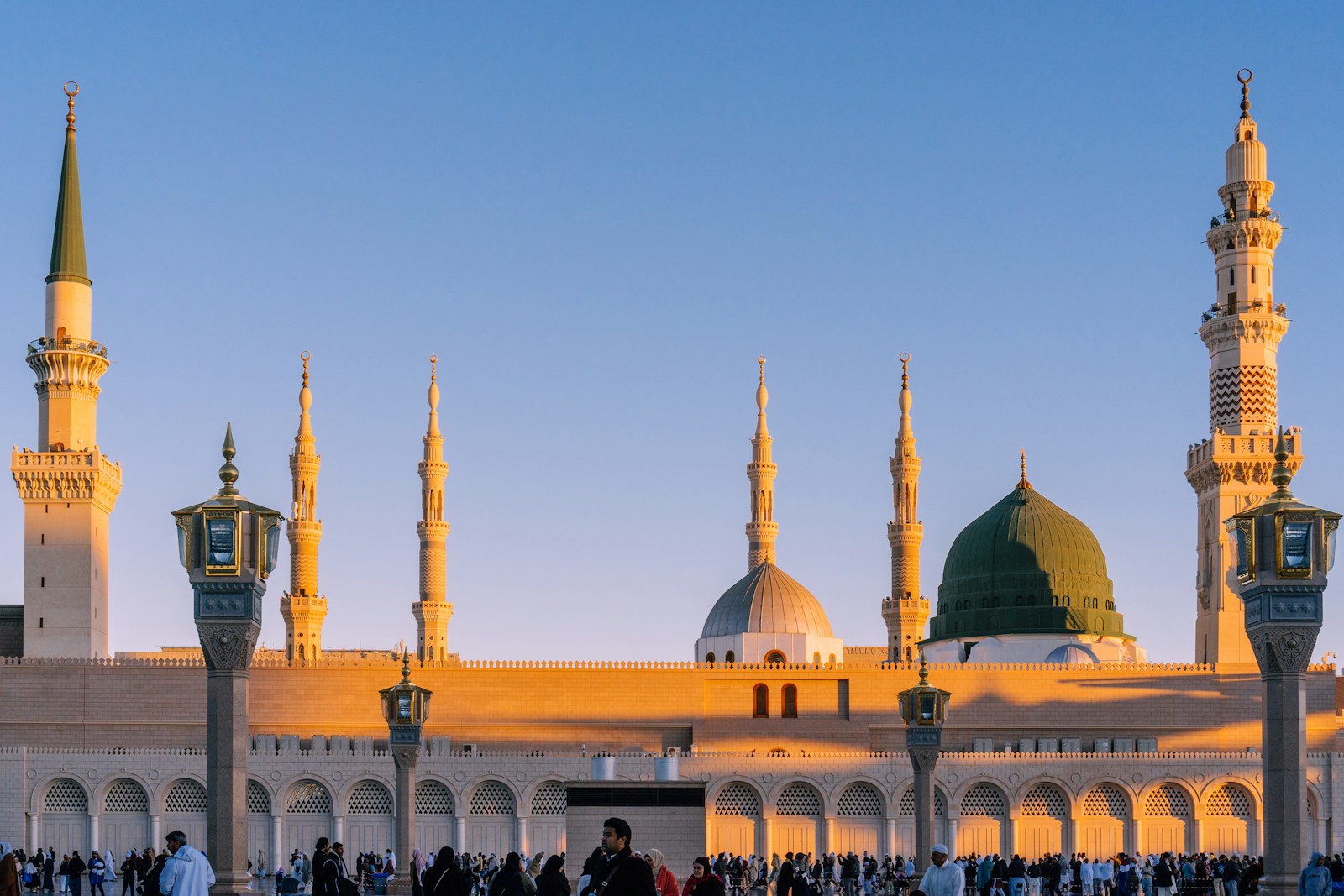
Ya Mustafa Ya Mujtaba (یا مصطفیٰ یا مجتبیٰ) — Naat Lyrics in Urdu, English Translation and Meaning

“Ya Mustafa Ya Mujtaba” is a beloved naat in praise of Prophet Muhammad (peace be upon him). The title calls out to the Prophet as “Mustafa” (the Chosen One) and “Mujtaba” (the Elected One), two of his most honoured titles. This naat is recited in mosques, at religious gatherings, and in homes across the Muslim world.

Below you will find the complete lyrics in Urdu script, along with English transliteration and translation, plus the meaning and background of this beautiful naat.

Ya Mustafa Ya Mujtaba — Urdu Lyrics

یامصطفیٰ یامجتبیٰ
اے خدا کے محبوب مصطفیٰ
یا مصطفیٰ یا مجتبیٰ

میرے دل کا سکون ہے تم ہو
میرے غم کا علاج ہے تم ہو
مجھ کو تیری پناہ چاہیے
میرے آقا تمہارا نام لیا

یا مصطفیٰ یا مجتبیٰ
اے خدا کے محبوب مصطفیٰ
یا مصطفیٰ یا مجتبیٰ

تم ہو رحمت دو جہاں کے لیے
تم ہو نورِ خدا کا جلوہ گری
تم ہی سب سے مکیں و مدنی
تم ہی شافع ہو امت کے لیے

یا مصطفیٰ یا مجتبیٰ
اے خدا کے محبوب مصطفیٰ
یا مصطفیٰ یا مجتبیٰ

دل میں ہے شوق مدینہ کا
آنکھوں میں ہے خواب حرم کا
مجھ کو لے چل مدینے جا کے
ایک بار دیدار کرا دے ساقی

یا مصطفیٰ یا مجتبیٰ
اے خدا کے محبوب مصطفیٰ
یا مصطفیٰ یا مجتبیٰ

تیرے در پر آیا ہوں میں
تیرے صدقے میں نے سب کھویا
دے دے اک نظر کرم کی مجھ پر
میری بخشش کا ذریعہ بنا

یا مصطفیٰ یا مجتبیٰ
اے خدا کے محبوب مصطفیٰ
یا مصطفیٰ یا مجتبیٰ

English Transliteration

Ya Mustafa Ya Mujtaba
Aye Khuda Ke Mahboob Mustafa
Ya Mustafa Ya Mujtaba

Mere Dil Ka Sukoon Hai Tum Ho
Mere Gham Ka Ilaaj Hai Tum Ho
Mujh Ko Teri Panah Chahiye
Mere Aaqa Tumhara Naam Liya

Ya Mustafa Ya Mujtaba
Aye Khuda Ke Mahboob Mustafa
Ya Mustafa Ya Mujtaba

Tum Ho Rehmat Do Jahan Ke Liye
Tum Ho Noor-e-Khuda Ka Jalwa Gari
Tum Hi Sabse Makki o Madani
Tum Hi Shafi’e Ho Ummat Ke Liye

Ya Mustafa Ya Mujtaba
Aye Khuda Ke Mahboob Mustafa
Ya Mustafa Ya Mujtaba

Dil Mein Hai Shauq Madina Ka
Ankhon Mein Hai Khwab Haram Ka
Mujh Ko Le Chal Madine Ja Ke
Ek Baar Deedar Kara De Saqi

Ya Mustafa Ya Mujtaba
Aye Khuda Ke Mahboob Mustafa
Ya Mustafa Ya Mujtaba

Tere Dar Par Aaya Hoon Main
Tere Sadqe Mein Ne Sab Khoya
De De Ek Nazar Karam Ki Mujh Par
Meri Bakhshish Ka Zariya Bana

Ya Mustafa Ya Mujtaba
Aye Khuda Ke Mahboob Mustafa
Ya Mustafa Ya Mujtaba

English Translation

Verse 1

O Mustafa, O Mujtaba —
O beloved of God, Mustafa
O Mustafa, O Mujtaba

You are the peace of my heart
You are the cure for my sorrows
I need your protection
My master, I have taken your name

Verse 2

You are mercy for both worlds
You are the manifestation of God’s light
You are the one honoured in Makkah and Madinah
You are the intercessor for the Ummah

Verse 3

My heart longs for Madinah
My eyes dream of the Haram (sacred sanctuary)
Take me to Madinah
Let me once behold the blessed sight

Verse 4

I have come to your doorstep
I have lost everything in your devotion
Cast one merciful glance upon me
Be the means of my forgiveness

Meaning and Background

The titles “Mustafa” (the Chosen One) and “Mujtaba” (the Elected One) are among the many names of Prophet Muhammad (peace be upon him). These names reflect his unique status as God’s chosen messenger and the final prophet in Islam.

This naat expresses deep love and devotion for the Prophet. Each verse reflects a different aspect of the believer’s relationship with him: seeking peace from worldly troubles, acknowledging his role as mercy for all creation, longing to visit his city of Madinah, and ultimately hoping for his intercession and forgiveness.

The line “Tum Ho Rehmat Do Jahan Ke Liye” references the Quranic verse where Allah says about the Prophet: “We have not sent you except as a mercy to the worlds” (Surah Al-Anbiya, 21:107). This is a central belief in Islam — that the Prophet Muhammad (peace be upon him) was sent as a mercy not just for humans, but for all of creation.

The longing for Madinah expressed in the third verse is a common theme in Islamic poetry. Madinah is the city where the Prophet migrated to and where his blessed resting place is located. Visiting his mosque and offering greetings at his tomb is a deeply spiritual experience for Muslims.

This naat is often recited during gatherings, especially on Fridays and during the month of Rabi-ul-Awwal, when Muslims commemorate the Prophet’s birth. Many famous naat khawans have performed this piece, and it remains popular across South Asia and beyond.

Why ‘Ya Mustafa Ya Mujtaba’ is So Beloved

Several factors make this naat a favourite among reciters and listeners:

  • Simple yet powerful lyrics — the words are easy to remember while carrying deep spiritual meaning.
  • Universal appeal — the themes of love, longing, and hope for intercession resonate with all Muslims.
  • Melodic structure — the repeating chorus makes it easy to join in and creates a meditative rhythm.
  • Emotional depth — the verses express sincere devotion that moves both reciters and listeners.

About the Poet

“Ya Mustafa Ya Mujtaba” is a traditional naat, and its exact origins are not well documented. Like many classical naats, it has been passed down through generations of oral tradition. Various naat reciters have popularised different versions of the lyrics, which is common in the naat tradition.

The naat tradition itself dates back to the time of the Prophet (peace be upon him), when companion poets like Hassan ibn Thabit recited poetry in his praise. Today, naats continue to be an important form of Islamic devotion and artistic expression.

May this naat bring peace to your heart and draw you closer to the love of Prophet Muhammad (peace be upon him).

Ya Nabi Salam Alaika (یا نبی سلام علیک) — Naat Lyrics in Urdu with English Translation and Meaning

Introduction — Ya Nabi Salam Alaika (یا نبی سلام علیک)

Ya Nabi Salam Alaika (Arabic/Urdu: یا نبی سلام علیک) is one of the most beloved and widely recited naats across the Muslim world. The title translates to “O Prophet, Peace Be Upon You” — a direct and heartfelt salutation to Prophet Muhammad ﷺ. This naat has been popularized by countless nasheed artists across the globe and has become a staple at gatherings of dhikr, milads, and Islamic events.

The opening refrain — “Ya Nabi Salam Alaika, Ya Rasul Salam Alaika” — is a simple yet profoundly powerful declaration of love and respect for the final Messenger of Allah. Its melodic rhythm and deeply spiritual lyrics have made it a favorite among Muslims of all ages, from young children learning their first naat to elders attending religious gatherings.

This naat transcends linguistic boundaries. While originally composed in Arabic, it has been recited and translated into Urdu, English, Turkish, Malay, and numerous other languages, making it one of the most universal expressions of love for the Prophet ﷺ in the Islamic world.

Background and Origin

The exact origins of “Ya Nabi Salam Alaika” are rooted in the rich tradition of islamic nasheed and naat that emerged from the Arab world and South Asia. The phrase “Ya Nabi Salam Alaika” itself draws directly from the Islamic tradition of sending salawat (blessings) upon the Prophet Muhammad ﷺ, a practice commanded in the Holy Quran:

“Indeed, Allah confers blessing upon the Prophet, and His angels [ask Him to do so]. O you who have believed, ask [Allah to confer] blessing upon him and ask [Allah to grant him] peace.” (Quran 33:56)

Over the centuries, this Quranic commandment inspired poets and musicians to compose beautiful expressions of salawat in various forms. “Ya Nabi Salam Alaika” emerged as one of the most cherished of these compositions. It has been performed by numerous renowned artists, including:

  • Maher Zain — The Swedish-Lebanese singer popularized this naat to a global audience through his album “Thank You Allah” (2009), making it one of the most recognized Islamic nasheeds of the modern era.
  • Mishary Rashid Alafasy — The Kuwaiti imam and nasheed artist has performed powerful renditions that resonate deeply in the Arab world.
  • Sami Yusuf — Often called the “King of Islamic Nasheed,” his version brought the naat to Western Muslim audiences.
  • Various Qawwali artists — The naat has been incorporated into traditional Qawwali performances, especially in the Indian subcontinent.

Despite its modern popularity through these artists, the words of this naat echo centuries of Islamic devotional poetry. The act of calling out “Ya Nabi” (O Prophet) is a deeply rooted practice in Islamic spirituality, reflecting the believer’s yearning for the Prophet’s intercession and blessings.

When and Why This Naat is Recited

Ya Nabi Salam Alaika is recited on numerous occasions, reflecting its versatility and universal appeal:

1. Milad un-Nabi (Mawlid) Celebrations

The naat is a highlight of gatherings celebrating the birth of Prophet Muhammad ﷺ (12th Rabi’ al-Awwal). Its opening call — “Ya Nabi Salam Alaika” — perfectly captures the spirit of rejoicing in the Prophet’s ﷺ birth and sending blessings upon him.

2. Friday Gatherings

Many Muslims recite this naat on Fridays (Jumu’ah), as it is a day of increased salawat upon the Prophet ﷺ. The Prophet ﷺ said: “Send abundant blessings upon me on Friday, for the blessings are presented to me.” (Abu Dawud).

3. Daily Morning and Evening Dhikr

Due to its gentle, reflective melody and profound meaning, many Muslims incorporate this naat into their daily morning and evening remembrance of Allah. The act of sending salam to the Prophet ﷺ at the start and end of each day is considered a means of drawing closer to Allah.

4. Islamic Conferences and Spiritual Gatherings

At religious conferences, spiritual retreats, and Islamic events worldwide, this naat is frequently performed as an opening or closing segment, setting a spiritually uplifting atmosphere.

5. Personal Moments of Reflection

Many individuals recite this naat during moments of personal spiritual reflection, in times of difficulty as a means of seeking the Prophet’s intercession, or simply as a way to fill their homes with the remembrance of Allah and His Messenger ﷺ.

6. Before Travel or Important Undertakings

It is common among the faithful to recite this naat before embarking on a journey, especially before traveling to Madinah Munawwarah to visit the Prophet’s ﷺ blessed mosque.

The Meaning and Significance

“Ya Nabi Salam Alaika” is more than just a beautiful melody — it is a profound spiritual supplication. The central theme is sending salutations of peace (salam) to Prophet Muhammad ﷺ, acknowledging his status as the mercy to all worlds (Rahmatan lil Alameen).

The repetition of the opening line creates a meditative state, allowing the believer to focus entirely on their love for the Prophet ﷺ. In Islamic spirituality, this practice of sending salawat is believed to:

  • Draw down blessings (barakah) into one’s life and home
  • Bring the believer closer to the Prophet ﷺ on the Day of Judgment
  • Serve as a means of having one’s sins forgiven — The Prophet ﷺ said: “Whoever sends blessings upon me once, Allah sends blessings upon him tenfold.” (Muslim)
  • Bring peace to the heart in times of distress and anxiety
  • Strengthen the spiritual connection between the believer and the Prophet ﷺ

The naat beautifully blends traditional Arabic salawat with poetic expressions of love and devotion. It reminds the believer that the ultimate source of intercession and spiritual guidance is found in following the path of Prophet Muhammad ﷺ.

Islamic Context: The Virtue of Sending Salam upon the Prophet ﷺ

In Islamic tradition, sending salawat and salam upon Prophet Muhammad ﷺ is one of the most virtuous acts a believer can perform. The Quran explicitly commands it, and the Prophet ﷺ emphasized its immense rewards.

In addition to the Quranic verse mentioned above, numerous hadith highlight the importance of this practice:

The Prophet ﷺ said: “The nearest of people to me on the Day of Resurrection will be those who send the most blessings upon me.” (Tirmidhi)

He ﷺ also said: “Do not make my grave a place of celebration. Send blessings upon me, for your blessings are conveyed to me wherever you may be.” (Abu Dawud)

“Ya Nabi Salam Alaika” is thus not merely a poem or a song — it is an act of worship, a means of drawing closer to Allah through love for His beloved Prophet ﷺ. When recited with sincerity and understanding, it fulfills the Quranic command and earns immense spiritual rewards.

Full Arabic/Urdu Lyrics — یا نبی سلام علیک (Ya Nabi Salam Alaika)

یا نبی سلام علیک، یا رسول سلام علیک
یا حبیب سلام علیک، صلوٰۃ اللہ علیک

اشرق الانوار من طاہ، و اضائت دار احمد
فبہ قد حصل المقصود، بہ قد حصل المطلوب

طاب وقت الحب یا قوم، ھاتوا اشعار المدام
فھوی المختار قد حاز، کل قلب مستھام

یا نبی سلام علیک، یا رسول سلام علیک
یا حبیب سلام علیک، صلوٰۃ اللہ علیک

طاب ذکر الحب یا قوم، فاذکرو مولی الوری
حبہ للعاشقین النور، یجلو کل صدر

فاشکرو نعمہ اللہ، و علیکم بالصلاۃ
و علی الھادی صلوا، و اذا نادی المنادی

یا نبی سلام علیک، یا رسول سلام علیک
یا حبیب سلام علیک، صلوٰۃ اللہ علیک

سیدی یا جد احمد، یا ابو القاسم ھاشم
یا شفیع الخلق اجمع، یا معین العاجزین

بک قد حازت موالاتی، شرف فی العالمین
فاذا کان رضی اللہ، عنی یا رسول اللہ

یا نبی سلام علیک، یا رسول سلام علیک
یا حبیب سلام علیک، صلوٰۃ اللہ علیک

Roman Transliteration

Ya Nabi Salam Alaika, Ya Rasul Salam Alaika
O Prophet, peace be upon You, O Messenger, peace be upon You

Ya Habib Salam Alaika, Salawatullahi Alaika
O Beloved, peace be upon You, the blessings of Allah be upon You

Ashraqal Anwaru Min Tahi, Wa Ada’atu Daru Ahmad
The lights have shone from Tah (the pure one), and the house of Ahmad is illuminated

Fabi Qad Hasal Maqsood, Bi Qad Hasal Matloob
For through him the goal has been attained, through him the desired has been achieved

Taba Waqtul Hubbi Ya Qawm, Hatu Asha’ral Mudam
Sweet is the time of love, O people, bring forth the verses of eternal joy

Fahawal Mukhtaru Qad Haza, Kullu Qalbin Mustaham
For the love of the Chosen One has captured every enraptured heart

Ya Nabi Salam Alaika, Ya Rasul Salam Alaika
O Prophet, peace be upon You, O Messenger, peace be upon You

Ya Habib Salam Alaika, Salawatullahi Alaika
O Beloved, peace be upon You, the blessings of Allah be upon You

Taba Dhikrul Hubbi Ya Qawm, Fadhkuru Mawlal Wara
Sweet is the remembrance of love, O people, so remember the Master of creation

Hubbahu Lil ‘Ashiqeenan Noor, Yajlu Kulla Sadr
His love is light for the lovers, illuminating every heart

Fashkuru Ni’matallah, Wa Alaykum Bis Salah
So be grateful for the blessings of Allah, and upon you be prayer

Wa ‘Alal Hadi Sallu, Wa Iza Nada Al-Munadi
And send blessings upon the Guide, when the caller calls

Ya Nabi Salam Alaika, Ya Rasul Salam Alaika
O Prophet, peace be upon You, O Messenger, peace be upon You

Ya Habib Salam Alaika, Salawatullahi Alaika
O Beloved, peace be upon You, the blessings of Allah be upon You

Sayyidi Ya Jadda Ahmad, Ya Abal Qasimi Hashim
My master, O ancestor Ahmad, O father of Qasim, the Hashimite

Ya Shafi’al Khalqi Ajma’, Ya Mu’inal ‘Ajizin
O intercessor of all creation, O helper of the helpless

Bika Qad Hazat Mawalati, Sharafan Fil ‘Alameen
Through You, my allegiance has attained honor among the worlds

Fa Iza Kana Radhiyallahu, ‘Anni Ya Rasulallah
For if Allah is pleased with me, O Messenger of Allah

Ya Nabi Salam Alaika, Ya Rasul Salam Alaika
O Prophet, peace be upon You, O Messenger, peace be upon You

Ya Habib Salam Alaika, Salawatullahi Alaika
O Beloved, peace be upon You, the blessings of Allah be upon You

English Translation — Line by Line

Arabic/Transliteration English Translation
Ya Nabi Salam Alaika O Prophet, peace be upon You
Ya Rasul Salam Alaika O Messenger, peace be upon You
Ya Habib Salam Alaika O Beloved, peace be upon You
Salawatullahi Alaika The blessings of Allah be upon You
Ashraqal Anwaru Min Tahi The lights have shone from the Pure One
Wa Ada’atu Daru Ahmad And the house of Ahmad is illuminated
Fabi Qad Hasal Maqsood Through him the ultimate goal is attained
Bi Qad Hasal Matloob Through him the desired has been achieved
Taba Waqtul Hubbi Ya Qawm Sweet is the time of love, O people
Hatu Asha’ral Mudam Bring forth the verses of eternal joy
Fahawal Mukhtaru Qad Haza For the love of the Chosen One has captured
Kullu Qalbin Mustaham Every enraptured and devoted heart
Sayyidi Ya Jadda Ahmad My master, O ancestor Ahmad
Ya Abal Qasimi Hashim O father of Qasim, the Hashimite
Ya Shafi’al Khalqi Ajma’ O intercessor of all creation
Ya Mu’inal ‘Ajizin O helper of the helpless
Bika Qad Hazat Mawalati Through You, my allegiance has attained honor
Sharafan Fil ‘Alameen Honor and dignity among all the worlds

Meaning and Explanation — A Deep Dive

Verse 1: The Call of Love

The naat opens with the powerful repeated refrain — “Ya Nabi Salam Alaika, Ya Rasul Salam Alaika, Ya Habib Salam Alaika, Salawatullahi Alaika.” This is not merely a greeting; it is a profound spiritual invocation. Each title — Nabi (Prophet), Rasul (Messenger), Habib (Beloved) — highlights a different aspect of the Prophet’s ﷺ station. “Nabi” emphasizes his role as the recipient of divine revelation, “Rasul” underscores his mission to convey Allah’s message, and “Habib” reflects the intimate, loving relationship between the Prophet and Allah — for the Prophet ﷺ is called Habibullah (the Beloved of Allah). The closing line, “Salawatullahi Alaika” (the blessings of Allah be upon you), serves as a supplication that Allah’s infinite mercy and blessings descend upon the Prophet ﷺ.

Verse 2: The Light of Prophethood

“Ashraqal Anwaru Min Tahi, Wa Ada’atu Daru Ahmad” — This verse beautifully describes the light of prophethood emanating from the pure being (Tahi — The Pure One, referring to Prophet Muhammad ﷺ). His house, the blessed household of Ahmad, is illuminated by this divine light. In Islamic tradition, the concept of Nur-e-Muhammadi (the Light of Muhammad) holds that the Prophet’s ﷺ light was created before all of creation and serves as the source of all spiritual illumination.

“Fabi Qad Hasal Maqsood, Bi Qad Hasal Matloob” — Through the Prophet ﷺ, the ultimate purpose (maqsood) has been fulfilled and the desired objective (matloob) has been achieved. This refers to the completion of Allah’s final guidance through the Prophet Muhammad ﷺ, who came as the seal of all prophets and brought the final, complete message for humanity.

Verse 3: The Sweetness of Divine Love

“Taba Waqtul Hubbi Ya Qawm” — The poet calls out to the people, declaring that the time of love is sweet. This verse invites all believers to enter into the blessed state of love for the Prophet ﷺ. The mention of “verses of eternal joy” (asha’ral mudam) suggests that the poetry of love for the Prophet is not fleeting but everlasting.

“Fahawal Mukhtaru Qad Haza, Kullu Qalbin Mustaham” — The love of Al-Mukhtar (the Chosen One — another title of the Prophet ﷺ) has captivated every enraptured heart. The word “Mustaham” implies a heart that is deeply in love, almost intoxicated with devotion — a state that Sufi poets often describe as spiritual ecstasy (wajd).

Verse 4: The Call to Remembrance

“Taba Dhikrul Hubbi Ya Qawm, Fadhkuru Mawlal Wara” — The remembrance (dhikr) of love is sweet. The poet urges us to remember the Master of creation (Mawla al-Wara — Allah). This verse connects love for the Prophet ﷺ with the remembrance of Allah, showing that the two are intrinsically linked. One cannot truly love Allah without loving His Prophet ﷺ, and remembering the Prophet ﷺ is a form of remembering Allah.

“Hubbahu Lil ‘Ashiqeenan Noor, Yajlu Kulla Sadr” — His love is light for the lovers, illuminating every heart. This beautiful metaphor describes how the love of the Prophet ﷺ dispels darkness from the heart, bringing clarity, peace, and spiritual illumination.

Verse 5: Supplication and Gratitude

“Sayyidi Ya Jadda Ahmad, Ya Abal Qasimi Hashim” — This verse addresses the Prophet ﷺ by his noble lineage and titles. “Sayyidi” (my master), “Jadda Ahmad” (ancestor of Ahmad — a reference to his lineage), “Abal Qasim” (father of Qasim — his son), and “Hashim” (from the noble tribe of Banu Hashim).

“Ya Shafi’al Khalqi Ajma’, Ya Mu’inal ‘Ajizin” — The Prophet ﷺ is invoked as the intercessor (Shafi’) of all creation and the helper (Mu’in) of the helpless. This acknowledges the Prophet’s ﷺ role on the Day of Judgment, where he will intercede for his ummah, as promised in numerous hadith.

“Bika Qad Hazat Mawalati, Sharafan Fil ‘Alameen” — Through allegiance to the Prophet ﷺ, one attains honor among all the worlds. This powerful declaration asserts that true honor and dignity come not from worldly status, wealth, or power, but from love and devotion to Prophet Muhammad ﷺ.

Virtues of Reciting Ya Nabi Salam Alaika

The recitation of “Ya Nabi Salam Alaika” carries immense spiritual benefits rooted in the Islamic tradition of sending salawat upon the Prophet ﷺ:

  1. Fulfilling a Quranic Command — By reciting this naat, believers fulfill the command of Allah in Quran 33:56 to send blessings and peace upon the Prophet ﷺ.
  2. Tenfold Blessings — The Prophet ﷺ said: “Whoever sends blessings upon me once, Allah sends blessings upon him ten times.” (Muslim). Each line of this naat that invokes salawat brings this reward.
  3. Closeness to the Prophet on Judgment Day — The Prophet ﷺ promised: “The people most worthy of me on the Day of Resurrection are those who send the most blessings upon me.” (Tirmidhi).
  4. Forgiveness of Sins — The Prophet ﷺ said: “Send blessings upon me, for it is purification for you.” (Ahmad). Regular recitation of this naat serves as spiritual purification.
  5. Relief from Anxiety — The remembrance of the Prophet ﷺ brings tranquility to the heart. This naat, with its gentle rhythm and profound meaning, serves as a remedy for spiritual restlessness and anxiety.
  6. Increase in Sustenance — Scholars have noted that sending abundant salawat upon the Prophet ﷺ can be a means of increase in one’s provision (rizq) and blessings in one’s life.

How to Recite Ya Nabi Salam Alaika

This naat is traditionally recited with deep emotion and a melodic, flowing rhythm. Here are some guidelines for recitation:

  • Begin with Durood — Start by reciting Durood (salutations upon the Prophet ﷺ) to enter into a state of blessing and spiritual readiness.
  • Recite with Understanding — Read the Arabic/Urdu lyrics alongside the English translation to fully grasp the profound meaning of each verse.
  • Maintain a Slow, Reflective Pace — Do not rush through the verses. Allow each line to resonate in your heart before moving to the next.
  • Repeat the Refrain with Devotion — The refrain “Ya Nabi Salam Alaika” is the heart of this naat. Repeat it with focused devotion, imagining yourself standing before the blessed Rawdah of the Prophet ﷺ in Madinah.
  • End with Dua — Conclude your recitation with a heartfelt supplication (dua), asking Allah to accept your salawat and grant you the love of the Prophet ﷺ in this life and the next.
  • Listen to Renowned Reciters — For proper pronunciation and melody, listen to versions by Maher Zain, Mishary Rashid Alafasy, or Sami Yusuf.

Conclusion

Ya Nabi Salam Alaika is more than a naat — it is a spiritual lifeline connecting the believer to the beloved Prophet Muhammad ﷺ. Its beautiful refrain, “Ya Nabi Salam Alaika, Ya Rasul Salam Alaika,” echoes the yearning of every Muslim heart to send peace and blessings upon the one who brought mercy to all worlds.

Whether recited in the solitude of one’s home, in the congregation of a mosque, or during the blessed journey to Madinah Munawwarah, this naat carries the power to transform hearts and draw souls closer to their Creator through love for His final Messenger.

May Allah accept our salawat, increase our love for the Prophet ﷺ, and grant us the honor of being among those who will be closest to him on the Day of Resurrection. May we be blessed to recite this naat not only in this world but also in the gardens of Jannah, in the company of the Prophet ﷺ and his blessed companions. Ameen.


This article is dedicated to all lovers of the Prophet Muhammad ﷺ.
If you find any errors in the lyrics or translation, please contact us so we can correct them.


Fida-e-Mustafa (فدائے مصطفیٰ) — Naat Lyrics in Urdu, English Translation and Meaning

Introduction — Fida-e-Mustafa (فدائے مصطفیٰ)

Fida-e-Mustafa (Urdu: فدائے مصطفیٰ) is a deeply heartfelt and spiritually uplifting Urdu naat that expresses complete devotion and sacrifice for Prophet Muhammad ﷺ. The title translates to “Sacrifice for Mustafa” or “Devoted to Mustafa”, capturing the essence of unconditional love for the final Messenger of Allah.

The opening line — “Dono Aalam Jaan O Dil Se Hain Fidaaye Mustafa” — declares that both worlds (this world and the Hereafter), along with one’s life and heart, are a sacrifice for the Prophet ﷺ. This powerful verse sets the tone for a poem that beautifully weaves together themes of devotion, humility, and the unparalleled status of Prophet Muhammad ﷺ.

About the Poet — Khawaja Hameed al-Deen Shahid (خواجہ حمید الدین شاہد)

This beautiful naat was penned by the esteemed Urdu poet Khawaja Hameed al-Deen Shahid (خواجہ حمید الدین شاہد), a poet known for his profound love for the Prophet ﷺ and his mastery of Urdu nazm and naat composition. His poetry is characterized by its emotional depth, elegant phrasing, and the ability to convey the intense spiritual connection between a believer and the beloved Prophet.

Khawaja Hameed al-Deen Shahid’s naats have been recited across the world, resonating deeply with audiences who seek to express their love for the Prophet ﷺ through the beauty of Urdu poetry. “Fida-e-Mustafa” remains one of his most cherished compositions, frequently performed at mehfils (spiritual gatherings) and naat competitions.

Islamic Context: The Virtue of Praising the Prophet ﷺ

In the Islamic tradition, composing and reciting naat (poetry in praise of the Prophet Muhammad ﷺ) is considered a noble act of worship. The Prophet himself ﷺ encouraged poetry that glorifies Allah and praises his virtues. He famously said:

“Indeed, from poetry there is wisdom.” (Sahih al-Bukhari)

The great poet Hassan ibn Thabit (رضي الله عنه) was appointed by the Prophet ﷺ to respond to the poets of the Quraysh, and the Prophet prayed for him: “O Allah, support him with the Holy Spirit.” This tradition continues today through the beautiful art of naat khwani, which Fida-e-Mustafa exemplifies.

This naat encapsulates several core Islamic themes:

  • Tawakkul (Trust in Allah) — Recognizing that love for the Prophet is a path to Allah’s pleasure
  • Ishq-e-Mustafa (Love of the Prophet) — A central tenet of Islamic spirituality
  • Humility before the Prophet — Acknowledging one’s lowliness compared to the Prophet’s lofty station
  • The Hereafter — Seeking intercession and closeness to the Prophet in the next world

Full Urdu Lyrics — فدائے مصطفیٰ (دونوں عالم جان و دل سے ہیں فدائے مصطفیٰ)

دونوں عالم جان و دل سے ہیں فدائے مصطفیٰ

کتنی سادہ کتنی دلکش ہے ادائے مصطفیٰ

آپ کا ہوں، آپ کا ہوں، آپ کا ہوں یا بنی

ہو نہیں سکتا کسی کا آشنائے مصطفیٰ

اس سے بڑھ کر اور کیا ہو گی عطائے کردگار

لب پہ ہے نعتِ نبی، دل میں ولائے مصطفیٰ

بے نیاز قصر و ایوان، دشمنِ جاہ و حشم

فکرِ شاہاں، رشکِ سلطاں ہے گدائے مصطفیٰ

شاہد اس کی زندگی ہے باعثِ صد رشک و ناز

رات دن کرتا ہے دل سے جو ثنائے مصطفیٰ

Roman Transliteration

Dono Aalam Jaan O Dil Se Hain Fidaaye Mustafa
Both worlds, with life and heart, are a sacrifice for Mustafa

Kitni Saada, Kitni Dilkash Hai Adaaye Mustafa
How simple, how charming is the style of Mustafa

Aap Ka Hoon, Aap Ka Hoon, Aap Ka Hoon Ya Bani
I am Yours, I am Yours, I am Yours, O Prophet

Ho Nahin Sakta Kisi Ka Aashnaaye Mustafa
No one else can claim to be a companion of Mustafa

Is Se Barh Kar Aur Kya Ho Gi Ataaye Kirdaar
What greater gift of character can there be

Lab Par Hai Naat-e-Nabi, Dil Mein Walaaye Mustafa
Than having the Naat of the Prophet on one’s lips and love of Mustafa in the heart

Be Niaz Qasr O Aiwan, Dushman-e-Jaah O Hushum
Free from palaces and halls, enemy of status and grandeur

Fikr-e-Shaahan, Rishk-e-Sultan Hai Gadaaye Mustafa
The beggar of Mustafa is the concern of kings and the envy of emperors

Shaahid Us Ki Zindagi Hai Baais-e-Sadr Rishk O Naaz
Witness that the life of such a person is a cause of pride and envy

Raat Din Karta Hai Dil Se Jo Sanaaye Mustafa
Who praises Mustafa from the heart, day and night

English Translation — Line by Line

Verse Translation
Dono Aalam Jaan O Dil Se Hain Fidaaye Mustafa Both worlds, with life and heart, are sacrificed for Mustafa
Kitni Saada, Kitni Dilkash Hai Adaaye Mustafa How simple and how charming is the demeanor of Mustafa
Aap Ka Hoon, Aap Ka Hoon, Aap Ka Hoon Ya Bani I belong to You, I belong to You, I belong to You, O Prophet
Ho Nahin Sakta Kisi Ka Aashnaaye Mustafa No one can truly become an intimate companion of Mustafa (without complete devotion)
Is Se Barh Kar Aur Kya Ho Gi Ataaye Kirdaar What greater gift of character could there be
Lab Par Hai Naat-e-Nabi, Dil Mein Walaaye Mustafa Than having the Prophet’s praise on the lips and the love of Mustafa in the heart
Be Niaz Qasr O Aiwan, Dushman-e-Jaah O Hushum Free from palaces and grand halls, adversary of rank and retinue
Fikr-e-Shaahan, Rishk-e-Sultan Hai Gadaaye Mustafa The beggar of Mustafa is the anxiety of kings and the envy of emperors
Shaahid Us Ki Zindagi Hai Baais-e-Sadr Rishk O Naaz Behold, the life of such a person becomes the source of all pride and jealously
Raat Din Karta Hai Dil Se Jo Sanaaye Mustafa Who day and night, from the depths of the heart, recites the praises of Mustafa

Meaning and Explanation — A Deep Dive

Stanza 1: The Universality of Devotion

The opening couplet declares that both worlds — the temporal world (duniya) and the eternal Hereafter (akhirah) — along with one’s very life (jaan) and heart (dil), are offered as a sacrifice (fida) for Prophet Muhammad ﷺ. The poet then marvels at the Prophet’s character, describing it as both simple (saada) and captivating (dilkash). This contrast reflects the unique nature of the Prophet ﷺ, who despite being the most exalted of creation, lived the simplest of lives.

Stanza 2: Total Belonging

The repeated declaration “Aap Ka Hoon” (I am Yours) three times emphasizes the totality of the poet’s belonging to the Prophet. Addressing him as “Ya Bani” (O Prophet), the poet asserts that such complete devotion leaves no room for any other allegiance. The word “Aashna” implies an intimate friend or companion — a status that cannot be attained without total submission and love.

Stanza 3: The Greatest Gift

The poet reflects on what the greatest gift (ataa) from the Creator (Kirdaar — referring to Allah) could be. The answer is profound: to have the praise of the Prophet (Naat-e-Nabi) on one’s lips and love of Mustafa (Walaaye Mustafa) embedded in one’s heart. This suggests that the ultimate spiritual blessing is not wealth, power, or status, but the constant remembrance and love of the Prophet ﷺ.

Stanza 4: The Dignity of Humility

The poet contrasts worldly grandeur with spiritual wealth. The true lover of the Prophet is unconcerned with palaces (qasr) and halls (aiwan) and is an enemy of status (jaah) and pomp (hasham). Paradoxically, the “beggar of Mustafa” (gadaaye Mustafa) becomes the object of kings’ concern (fikr-e-shaahan) and emperors’ envy (rishk-e-sultan). This echoes the famous Hadith: “Poverty is my pride” (faqri fakhri), highlighting the spiritual dignity found in humility.

Stanza 5: The Eternal Reward

In the final couplet, the poet signs off with his takhallus (pen name) “Shahid”, asserting that the life of one who sings the praises of Mustafa day and night becomes a witness (shaahid) to truth. Such a life becomes the very cause (baais) of pride (rishk) and honor (naaz), suggesting that devotion to the Prophet is not just a religious act but a transformative way of being that elevates one’s entire existence.

Virtues of Reciting This Naat

While no specific hadith mentions this particular poem, the act of reciting and reflecting upon naat carries immense spiritual benefits based on Islamic teachings:

  1. Strengthening Love for the Prophet ﷺ — Allah says in the Quran: “Say, [O Muhammad], ‘If you should love Allah, then follow me, [so] Allah will love you and forgive you your sins.'” (Quran 3:31). Reciting naat cultivates this love.
  2. Increased Blessings — Reciting praise of the Prophet brings blessings (barakah) into one’s life and home.
  3. Spiritual Nourishment — The beautiful imagery of the Prophet’s ﷺ character nourishes the soul and strengthens faith.
  4. Intercession — The Prophet ﷺ said: “The one who sends the most blessings upon me will be the closest to me on the Day of Resurrection.” (Tirmidhi). Naat is one of the most beautiful ways to send blessings upon him.
  5. Peace of Heart — The Quran declares: “Verily, in the remembrance of Allah do hearts find rest.” (Quran 13:28). Remembering the Prophet ﷺ, who is the mercy to all worlds, brings even greater tranquility.

How to Recite Fida-e-Mustafa

This naat is traditionally recited with deep emotion and a slow, melodic rhythm that allows each verse to resonate. Here are some tips for recitation:

  • Begin with Durood (salutations upon the Prophet ﷺ) before starting
  • Recite with understanding — read the translation alongside the Urdu lyrics
  • Maintain a slow pace to reflect on the meaning of each verse
  • The refrain “Dono Aalam Jaan O Dil Se Hain Fidaaye Mustafa” can be repeated for emphasis
  • End with Durood and dua (supplication)

Conclusion

Fida-e-Mustafa by Khawaja Hameed al-Deen Shahid is a masterpiece of Urdu naat poetry that captures the essence of true devotion to the Prophet Muhammad ﷺ. Its verses remind us that the greatest treasure a believer can possess is love for the Prophet, and the most dignified position is to be counted among his devoted followers.

May Allah grant us the ability to truly love His beloved Prophet ﷺ and to live our lives as humble servants who find their greatest pride in being the “gadaaye Mustafa” — the beggars at the door of Mustafa ﷺ. Ameen.


This article is dedicated to all lovers of the Prophet Muhammad ﷺ.
If you find any errors in the lyrics or translation, please contact us so we can correct them.
Sallallahu Alal Mustafa — Naat Lyrics in Urdu, English Translation and Meaning

Sallallahu Alal Mustafa — Naat Lyrics in Urdu

صَلَّى اللّٰہُ عَلَى الْمُصْطَفٰی – یہ عربی نعت شریف سمیع یوسف کی آواز میں دنیا بھر میں مشہور ہے، حالانکہ یہ دراصل ایک روایتی عربی نعت ہے جسے مختلف انداز میں پڑھا اور گایا جاتا ہے۔ اس نعت میں حضور نبی اکرم صلی اللہ علیہ وآلہ وسلم کی ذات والا صفات پر درود و سلام پیش کیا گیا ہے۔

Continue reading Sallallahu Alal Mustafa — Naat Lyrics in Urdu, English Translation and Meaning

Maa Ke Qadmo Mein Jannat (ماں کے قدموں میں جنت) — Naat Lyrics in Urdu, English Translation and Meaning

Introduction

The beautiful naat “Maa Ke Qadmo Mein Jannat” (ماں کے قدموں میں جنت) translates to “Paradise lies at the feet of mothers.” This phrase echoes one of the most beloved sayings of the Prophet Muhammad (peace be upon him), who taught that Paradise is found under the feet of mothers — a profound reminder of the honour, reverence, and status that Islam grants to mothers.

The famous hadith that this naat draws from is narrated by Ahmad and others: “Paradise lies at the feet of mothers” (al-Jannah tahta aqdaamil ummahaati). This single teaching has inspired countless poets, scholars, and believers throughout Islamic history. In this naat, the poet beautifully weaves together the themes of maternal love, divine mercy, and devotion to the Prophet (PBUH).

This naat is especially beloved because it speaks to the heart of every believer — reminding us that the love we have for our mothers is a reflection of the mercy of Allah (SWT). It calls us to honour our mothers not just with words, but with actions, service, and unwavering love.

Background and Meaning

“Maa Ke Qadmo Mein Jannat” is a spiritual masterpiece that blends the Islamic teaching of honouring mothers with deep love for the Prophet Muhammad (PBUH). The naat opens with the declaration that Paradise lies at the feet of mothers — a direct reference to the hadith — and then expands into a broader message about seeking Allah’s pleasure through loving and serving one’s parents.

In Islamic tradition, the status of a mother is unparalleled. The Qur’an commands believers to treat their parents with the utmost kindness, especially mothers, who bear the hardships of pregnancy, childbirth, and nurturing. Allah says in the Qur’an: “And We have enjoined upon man goodness to his parents. His mother carried him with hardship and gave birth to him with hardship” (Surah Al-Ahqaf 46:15).

The poet of this naat uses the hadith as a central theme, reminding listeners that the path to Jannah is made easier through the love, care, and respect we show to our mothers. Each verse reflects on the sacrifices mothers make and the eternal reward that awaits those who cherish them.

At the same time, the naat expresses devotion to the Prophet (PBUH), recognising him as the ultimate source of guidance. The poem reminds us that loving the Prophet and loving our parents are not separate acts of worship — they are beautifully connected, both leading us closer to Allah’s mercy and to Paradise.

Naat Lyrics — Maa Ke Qadmo Mein Jannat

Verse 1

Urdu:
ماں کے قدموں میں جنت ہے یہ فرمایا نبی نے
جو سمجھا اس اشارے کو وہ پایا رہِ منزل کو

Translation:
Paradise lies at the feet of mothers, the Prophet declared
Whoever understood this sign found the path to their goal

Verse 2

Urdu:
جو ماں کی خدمت کرے وہ بندہ ہے اللہ کا
اس کی جھولی میں رحمت ہے وہ دیکھے رخِ والا کو

Translation:
Whoever serves their mother is a servant of Allah
In their lap lies mercy — they behold the face of the Most High

Verse 3

Urdu:
ماں کا دکھ سہہ کر پلنے والے بڑے نصیبوں والے
رب نے ان کے آنسوؤں میں رکھی ہے دولتِ کامل کو

Translation:
Those raised through a mother’s hardship are truly fortunate
In their tears, Allah has placed the treasure of completeness

Verse 4

Urdu:
ماں کی دعا سے ملتی ہے بخشش اور رحمت
اس کی آہ سحرگاہی نہیں جاتی بے اثر کو

Translation:
Through a mother’s prayer comes forgiveness and mercy
Her pre-dawn sigh does not go without effect

Verse 5

Urdu:
جو بھی کرے ماں کی خدمت، رب کرے اس کی حفاظت
دونوں جہاں میں ملے اس کو عزت اور سرفرازی

Translation:
Whoever serves their mother, may Allah protect them
In both worlds they shall receive honour and exaltation

Verse 6

Urdu:
یا نبی، تیرے صدقے میں آئی ماں کو عزت
تو نے سکھایا سب کو مقام ماں کا پہچاننا

Translation:
O Prophet, through your blessing came honour for mothers
You taught everyone to recognise the station of a mother

Meaning and Explanation

“Maa Ke Qadmo Mein Jannat” is more than just a poem — it is a spiritual reminder that resonates deeply with every Muslim. The naat captures the essence of Islamic teachings about mothers: that serving them is a form of worship, that their prayers are a source of blessings, and that their love is a glimpse of the Divine mercy.

The hadith “Paradise lies at the feet of mothers” is often interpreted in two ways. First, literally: that a mother’s pleasure is a doorway to Paradise, and obeying her leads to Allah’s reward. Second, metaphorically: that the love, patience, and sacrifices of a mother are a reflection of the mercy that believers hope to find in the Hereafter. The naat beautifully explores both meanings.

Each verse builds on this foundation. The poet reminds us that serving our mother is serving Allah, and that her prayers carry a weight no other intercession can match. The pre-dawn prayer of a mother — the sahr — is a recurring theme in Islamic poetry, symbolising the quiet, selfless devotion that mothers embody. The tears of a mother are not wasted; they are treasures in the sight of Allah.

The naat also ties this message to the love of the Prophet Muhammad (PBUH). It acknowledges that it was the Prophet himself who elevated the status of mothers, in a time when women were often mistreated and disregarded. Through his teachings, mothers were given honour, dignity, and a place of unparalleled reverence in the Muslim community.

This naat resonates with Muslims across the world because it touches on universal human emotions — the love for a mother, the desire for her approval, and the ache of her absence. It reminds us that the bond between a mother and child is one of the most sacred relationships in Islam, and that nurturing this bond brings us closer to Allah and to Paradise.

Conclusion

“Maa Ke Qadmo Mein Jannat” is a timeless naat that speaks to the heart of every believer. It calls us to reflect on the immense blessing of having a mother and the profound responsibility we have to honour her. Through its gentle verses, the naat reminds us that the path to Paradise does not always require grand gestures — sometimes, it begins with a kind word, a loving touch, and a life of service to the one who carried us.

May Allah grant us the ability to honour our mothers, forgive our shortcomings towards them, and reunite us with them in Jannah. And may the love of our mothers be a means for us to experience the mercy of our Creator. Ameen.

Read more Naat lyrics in Urdu and English at NaatLines.com.

Dil Mein Hai Shauq-e-Madina (دل میں ہے شوقِ مدینہ) — Naat Lyrics in Urdu, English Translation and Meaning

“Dil Mein Hai Shauq-e-Madina” (دل میں ہے شوقِ مدینہ) is a beloved Urdu naat that beautifully expresses the deep longing and spiritual desire to visit the blessed city of Madinah Munawwarah. The title translates to “The Yearning for Madinah is in My Heart.” This soul-stirring naat has captured the hearts of millions and is recited at Milad gatherings, naat competitions, and in homes around the world.

The Meaning of “Dil Mein Hai Shauq-e-Madina”

“Dil Mein Hai Shauq-e-Madina” is a heartfelt expression of a believer’s yearning to visit the city of Prophet Muhammad ﷺ. The naat speaks about the magnetic pull that Madinah has on the hearts of the faithful — a city that houses Masjid al-Nabawi, the Prophet’s ﷺ mosque, and his blessed resting place. The poet beautifully articulates the pain of separation and the hope of one day being blessed with a visit to this holy city.

This naat resonates deeply because every Muslim shares this longing. Madinah is not just a city — it is a spiritual home, a place where the Prophet ﷺ lived, taught, and is buried. To visit Madinah is to feel closer to him, to walk where he walked, and to pray in his mosque.

Urdu Lyrics — دل میں ہے شوقِ مدینہ

Below are the full Urdu lyrics of “Dil Mein Hai Shauq-e-Madina” in beautiful Nastaliq script.

دل میں ہے شوقِ مدینہ دل میں ہے شوقِ مدینہ
یا نبی مجھ کو بلا لو یا نبی مجھ کو بلا لو

میری آنکھوں میں بسا ہے مدینے کا نظارہ
ہے مرے دل میں سماں مدینے کا وہ تارہ

دل میں ہے شوقِ مدینہ دل میں ہے شوقِ مدینہ
یا نبی مجھ کو بلا لو یا نبی مجھ کو بلا لو

مدینے کے در و دیوار پہ ہے رونق ایسی
کہ جیسے جنت سے آئی ہو کوئی ہوائے بسی

دل میں ہے شوقِ مدینہ دل میں ہے شوقِ مدینہ
یا نبی مجھ کو بلا لو یا نبی مجھ کو بلا لو

جہاں روضہ ہے نبی کا وہ پاک مقام
وہیں دل کا سکون اور روح کا آرام

دل میں ہے شوقِ مدینہ دل میں ہے شوقِ مدینہ
یا نبی مجھ کو بلا لو یا نبی مجھ کو بلا لو

مدینے کے گلیوں میں پھولوں کی خوشبو ہے
یہاں ہر ذرے میں اپنے نبی کا عکس ہے

دل میں ہے شوقِ مدینہ دل میں ہے شوقِ مدینہ
یا نبی مجھ کو بلا لو یا نبی مجھ کو بلا لو

مجھے محروم نہ کرنا مدینے کے در سے
یہ التجا ہے مری اے خدا بلا لو مجھے

دل میں ہے شوقِ مدینہ دل میں ہے شوقِ مدینہ
یا نبی مجھ کو بلا لو یا نبی مجھ کو بلا لو

Roman Urdu Transliteration

Here is the Roman Urdu transliteration for those who wish to recite the naat but cannot read the Urdu script:

Verse 1:
Dil mein hai shauq-e-Madina, dil mein hai shauq-e-Madina
Ya Nabi mujh ko bula lo, ya Nabi mujh ko bula lo

Verse 2:
Meri aankhon mein basa hai Madine ka nazaara
Hai mere dil mein samaa Madine ka woh taara

Chorus:
Dil mein hai shauq-e-Madina, dil mein hai shauq-e-Madina
Ya Nabi mujh ko bula lo, ya Nabi mujh ko bula lo

Verse 3:
Madine ke dar-o-diwaar par hai roonaq aisi
Ke jaise Jannat se aayi ho koi hawa-e-basee

Chorus:
Dil mein hai shauq-e-Madina, dil mein hai shauq-e-Madina
Ya Nabi mujh ko bula lo, ya Nabi mujh ko bula lo

Verse 4:
Jahan rozah hai Nabi ka woh paak muqaam
Wahin dil ka sukoon aur rooh ka aaraam

Chorus:
Dil mein hai shauq-e-Madina, dil mein hai shauq-e-Madina
Ya Nabi mujh ko bula lo, ya Nabi mujh ko bula lo

Verse 5:
Madine ki galiyon mein phoolon ki khushbu hai
Yahan har zarre mein apne Nabi ka aks hai

Chorus:
Dil mein hai shauq-e-Madina, dil mein hai shauq-e-Madina
Ya Nabi mujh ko bula lo, ya Nabi mujh ko bula lo

Verse 6:
Mujhe mahroom na karna Madine ke dar se
Yeh iltija hai meri, ae Khuda, bula lo mujhe

Final Chorus:
Dil mein hai shauq-e-Madina, dil mein hai shauq-e-Madina
Ya Nabi mujh ko bula lo, ya Nabi mujh ko bula lo

English Translation — Verse by Verse

Verse 1:
The yearning for Madinah is in my heart, the yearning for Madinah is in my heart
O Prophet, call me to You, O Prophet, call me to You

Verse 2:
The sight of Madinah resides in my eyes
That star of Madinah shines within my heart

Verse 3:
The walls and doors of Madinah have such a beautiful radiance
As if a gentle breeze has arrived from Paradise itself

Verse 4:
Where the blessed tomb of the Prophet lies — that sacred place
There is the peace of the heart and the rest of the soul

Verse 5:
The streets of Madinah are filled with the fragrance of flowers
In every particle here reflects my beloved Prophet

Verse 6:
Do not deprive me of the doorstep of Madinah
This is my humble plea — O Allah, call me there

Background and Significance

“Dil Mein Hai Shauq-e-Madina” belongs to the rich tradition of Urdu naats that focus on the theme of ishq-e-Mustafa (love for the Prophet ﷺ) and shauq-e-Madina (yearning for Madinah). This naat is particularly powerful because it articulates a feeling that every believer carries in their heart — the longing to stand in the blessed city, to pray in Masjid al-Nabawi, and to send salutations upon the Prophet ﷺ at his blessed Rawdah.

The naat uses the metaphor of a lover yearning for their beloved to describe the spiritual bond between the believer and Madinah. The repeated refrain — “Dil mein hai shauq-e-Madina” — serves as a mantra of love, reinforcing the central message that Madinah is never far from a believer’s thoughts.

In Islamic spirituality, Madinah holds a unique status. It was the city that welcomed the Prophet ﷺ after his migration (Hijrah) from Makkah, the place where the first Islamic community was established, and the site of Masjid al-Nabawi — the second holiest mosque in Islam. The Prophet ﷺ said: “Between my house and my pulpit is a garden from the gardens of Paradise” (Bukhari, Muslim). This makes the desire to visit Madinah not just a physical journey but a spiritual one.

Popular Reciters

“Dil Mein Hai Shauq-e-Madina” has been beautifully rendered by several renowned naat khwans including:

  • Owais Raza Qadri — His soulful rendition is one of the most popular versions
  • Hafiz Tahir Qadri — Known for his emotional and powerful delivery
  • Qari Shahid Qadri — His melodious voice adds a unique beauty to this naat
  • Farhan Ali Qadri — A touching rendition loved by millions

Why This Naat Touches the Heart

What makes “Dil Mein Hai Shauq-e-Madina” so beloved is its simplicity and sincerity. It does not use complex poetic devices or obscure vocabulary. Instead, it speaks directly from the heart — the longing of a believer who has never seen Madinah but loves it more than any place on earth. This is a feeling shared by Muslims across every culture and continent.

The naat also serves as a prayer (dua). When the poet says “Ya Nabi mujh ko bula lo” (O Prophet, call me), it is not just poetry — it is a supplication, a humble request to be counted among those blessed to visit the Prophet’s ﷺ city. Every recitation becomes an act of worship and a renewal of this heartfelt wish.

More Naats About Madinah

If you enjoyed “Dil Mein Hai Shauq-e-Madina,” you may also like these beautiful naats about Madinah and the Prophet ﷺ:

Conclusion

“Dil Mein Hai Shauq-e-Madina” is more than just a naat — it is the voice of every Muslim heart that yearns for the blessed city of the Prophet ﷺ. Its simple yet profound lyrics remind us that Madinah is not just a destination on a map, but a spiritual home that calls to every believer. May Allah bless us all with the opportunity to visit Madinah Munawwarah and pray in Masjid al-Nabawi. Ameen.

If you found this article meaningful, share it with others who love the Prophet ﷺ and Madinah. Let the yearning for Madinah spread from heart to heart.

Noor Wala Aaya Hai (نور والا آیا ہے) — Naat Lyrics in Urdu, English Translation and Meaning

نور والا آیا ہے (Noor Wala Aaya Hai) — Naat Lyrics in Urdu, English Translation and Meaning

“Noor Wala Aaya Hai” is one of the most beloved Naats in the Islamic world. It celebrates the arrival of Prophet Muhammad (peace be upon him), describing him as a light that illuminates the world. The word “Noor” means light, and the Naat beautifully captures how the Prophet’s arrival brought guidance and mercy to all of creation. This Naat is widely recited during Milad gatherings and daily in homes across the Muslim world.

Urdu Lyrics — نور والا آیا ہے

نور والا آیا ہے
نور والا آیا ہے
نور والا آیا ہے
مکی مدنی والا

نور والا آیا ہے
نور والا آیا ہے
نور والا آیا ہے
مکی مدنی والا

آقا دو جہاں کے وہ ہیں
سرور دو جہاں کے وہ ہیں
شاہانِ جہاں کے وہ سردار ہیں
مولیٰ تمام بتاں کے وہ ہیں
قاسم علم و عرفاں کے وہ ہیں
مکی مدنی والا

نور والا آیا ہے
نور والا آیا ہے
نور والا آیا ہے
مکی مدنی والا

اُمی ہو کر پڑھائے گئے
بے دیدہ ہو کر دکھائے گئے
اِک آئینہ دے کے بتائے گئے
جس میں صفاتِ یزداں تھیں
اِک بت سا تھا وہ پیکرِ نُور
مٹی کا بنا ہوا تھا لیکن
سارے بتوں سے خوب تر تھا
مکی مدنی والا

نور والا آیا ہے
نور والا آیا ہے
نور والا آیا ہے
مکی مدنی والا

English Translation

The one of light has arrived
The one from Makkah and Madinah

The one of light has arrived
The one from Makkah and Madinah

He is the Master of both worlds
He is the Leader of both worlds
He is the Chief of all the kings of the world
He is the Guardian of all the idols (meaning he is above all that is worshipped)
He is the Distributor of knowledge and spiritual insight
The one from Makkah and Madinah

The one of light has arrived
The one from Makkah and Madinah

Though unlettered, he taught others
Though without sight, he showed the way
A mirror was given to show the truth
In which were the attributes of God
He was like an idol, that embodiment of light
Though made of clay (human form)
He was more beautiful than all idols (creations)
The one from Makkah and Madinah

The one of light has arrived
The one from Makkah and Madinah

Meaning and Background

“Noor Wala Aaya Hai” is a powerful spiritual poem that celebrates the birth and arrival of Prophet Muhammad (peace be upon him) as a mercy to all worlds. The phrase “Noor Wala” refers to the Prophet being described as a “light” in the Quran itself. Allah says in Surah Al-Maidah (5:15): “There has come to you from Allah a light and a clear Book.”

The Naat uses beautiful poetic contrasts to highlight the Prophet’s unique station. He is described as being from both Makkah (where he was born) and Madinah (where he migrated and is buried). This connects believers to both sacred cities that are central to Islamic history and faith.

The verses highlight several aspects of the Prophet’s blessed personality:

  • Leadership: He is described as the leader of all leaders, above all worldly kings and rulers. This emphasises that spiritual leadership is greater than worldly power.
  • Knowledge: Despite being unlettered (ummi), the Prophet was the greatest teacher. This is a reference to the miracle of the Quran and how an unlettered man brought the most profound book ever known.
  • Perfect Character: The line about the mirror and the description of his form being made of clay yet more beautiful than all else speaks to the Prophet’s perfect character and appearance. He was human but his character reflected divine attributes to the highest degree possible for a human being.

When to Recite This Naat

“Noor Wala Aaya Hai” is especially popular during:

  • Milad-un-Nabi gatherings: Celebrations of the Prophet’s birth.
  • Eid Milad events: Many communities recite it during the month of Rabi’ al-Awwal.
  • Daily spiritual practice: Many Muslims recite or listen to this Naat as part of their daily dhikr.
  • Friday gatherings: Often recited in gatherings on blessed Fridays.
  • Family and community events: It is commonly played at Islamic gatherings and family functions.

The Poetic Structure

The Naat uses a repetitive chorus structure (“Noor Wala Aaya Hai”) which makes it easy to learn and participate in group recitation. The verses explore deep theological concepts while maintaining a simple, rhythmic flow that connects with listeners of all ages. The contrast between the Prophet’s human nature (made of clay) and his spiritual station (the embodiment of light) is a recurring theme in Islamic poetry about the Prophet.

Related Naats

If you enjoy “Noor Wala Aaya Hai,” you may also like other Naats that celebrate the Prophet’s light and blessings. Read the lyrics and translation of Tajdar-e-Haram for another beloved Naat about the Prophet’s majesty. You can also explore Ya Nabi Salam Alayka, a classic Naat that sends greetings to the Prophet. For a deeper spiritual experience, Mustafa Jaan-e-Rahmat is another beautiful choice.

Mere Muhammad (میرے محمد) — Naat Lyrics in Urdu, English Translation and Meaning

Introduction

The Naat “Mere Muhammad (میرے محمد)” is one of the most beloved and widely recited Naats in the Islamic world. Recited by the renowned Naat Khawan Owais Raza Qadri, this beautiful Naat expresses deep love, devotion, and longing for Prophet Muhammad ﷺ. Every verse captures the heartfelt emotions of a believer who finds no rest without the remembrance of the Beloved Prophet.

This Naat has touched millions of hearts across the globe and is recited in Mehfil-e-Milad gatherings, Islamic conferences, and daily spiritual routines. Its simple yet profound lyrics make it accessible to people of all ages, while its message of unconditional love for the Prophet ﷺ resonates deeply within the soul.

History and Significance

“Mere Muhammad” was popularized by Owais Raza Qadri, a world-famous Naat Khawan from Pakistan who has dedicated his life to spreading the love of Prophet Muhammad ﷺ through his soulful voice. The Naat is written in a contemporary Urdu style that blends classical poetic elements with modern expression, making it a favourite among young and old alike.

The Naat is often recited during Milad-un-Nabi (the celebration of the Prophet’s ﷺ birth), at Urs gatherings, and in daily assemblies where devotees gather to remember Allah and His Messenger. It has been translated into multiple languages including English, Hindi, and Turkish, reaching audiences far beyond the Urdu-speaking world.

The central theme of “Mere Muhammad” is the spiritual connection between a believer and the Prophet ﷺ. The lyrics speak of a heart that finds peace only in the remembrance of Muhammad ﷺ, of eyes that long to see the blessed city of Madina, and of a soul that seeks intercession through love of the Prophet.

Mere Muhammad (میرے محمد) — Full Naat Lyrics in Urdu

Below are the complete Urdu lyrics of Mere Muhammad as recited by Owais Raza Qadri:

میرے محمد ﷺ تم ہو میرے لیے
دنیا و عقبیٰ کی اک اک گھڑی

تم ہی ملے تو سب کچھ ملا
تم نہ ملے تو کچھ بھی نہیں

میرے محمد ﷺ تم ہو میرے لیے
ہر سانس تم پر فدا ہو نبی

تم ہو مری آنکھوں کی روشنی
تم ہو مرے دل کی دھڑکن نبی

میرے محمد ﷺ تم ہو میرے لیے
کتنا ہے پیارا تمہارا نام

تم سے ہے میری زندگی سنورتی
تم سے ہے میری آخرت سنورتی

میرے محمد ﷺ تم ہو میرے لیے
کتنا ہے پیارا تمہارا دامن

تھام لوں گا تمہارا دامن
چھوڑوں گا نہیں کبھی نبی

میرے محمد ﷺ تم ہو میرے لیے
تم کو چاہوں تو بن جائے بات

تم کو چاہوں تو مل جائے ساتھ
تم کو چاہوں تو مل جائے سب کچھ

میرے محمد ﷺ تم ہو میرے لیے
آؤ مدینے چلیں نبی

روضے پہ جا کر جھکیں نبی
آنکھوں میں بھر لیں دیدار نبی

میرے محمد ﷺ تم ہو میرے لیے
تم سے ہے رونق محفل نبی

تم سے ہے روشن ہر منزل نبی
تم سے ہے میرا ایمان نبی

میرے محمد ﷺ تم ہو میرے لیے

English Transliteration

For those who cannot read Urdu, here is the Roman English transliteration of this beautiful Naat:

Mere Muhammad ﷺ tum ho mere liye
Duniya wa uqba ki ek ek ghari

Tum hi mile to sab kuch mila
Tum na mile to kuch bhi nahi

Mere Muhammad ﷺ tum ho mere liye
Har saans tum par fida ho Nabi

Tum ho meri aankhon ki roshni
Tum ho mere dil ki dhadkan Nabi

Mere Muhammad ﷺ tum ho mere liye
Kitna hai pyara tumhara naam

Tum se hai meri zindagi sanwarti
Tum se hai meri aakhirat sanwarti

Mere Muhammad ﷺ tum ho mere liye
Kitna hai pyara tumhara daaman

Thaam loonga tumhara daaman
Chhoroonga nahi kabhi Nabi

Mere Muhammad ﷺ tum ho mere liye
Tum ko chahoon to ban jaaye baat

Tum ko chahoon to mil jaaye saath
Tum ko chahoon to mil jaaye sab kuch

Mere Muhammad ﷺ tum ho mere liye
Aao Madine chalein Nabi

Rouza pe ja kar jhukein Nabi
Aankhon mein bhar lein deedaar Nabi

Mere Muhammad ﷺ tum ho mere liye
Tum se hai raunaq mehfil Nabi

Tum se hai roshan har manzil Nabi
Tum se hai mera imaan Nabi

Mere Muhammad ﷺ tum ho mere liye

English Translation and Meaning

Verse 1: “Mere Muhammad, tum ho mere liye — Duniya wa uqba ki ek ek ghari”
Meaning: O my Muhammad ﷺ, you are everything to me — in every moment of this world and the Hereafter. The poet expresses that the Prophet ﷺ is the central figure in both worldly and spiritual life.

Verse 2: “Tum hi mile to sab kuch mila — Tum na mile to kuch bhi nahi”
Meaning: If I have found you (O Prophet), I have found everything. If I have not found you, I have found nothing. This powerful line conveys that the love and connection with Prophet Muhammad ﷺ is the ultimate treasure.

Verse 3: “Har saans tum par fida ho Nabi”
Meaning: Every breath is sacrificed for you, O Prophet. This reflects the depth of devotion where every moment of life is dedicated to the love of the Prophet ﷺ.

Verse 4: “Tum ho meri aankhon ki roshni — Tum ho mere dil ki dhadkan”
Meaning: You are the light of my eyes — you are the heartbeat of my heart. This metaphor beautifully illustrates how the Prophet ﷺ is the source of spiritual vision and the very pulse of a believer’s existence.

Verse 5: “Aao Madine chalein Nabi — Rouza pe ja kar jhukein Nabi”
Meaning: Let us go to Madina, O Prophet — let us bow at your blessed tomb. This expresses the profound longing that every believer feels to visit the city of Madina and pay respects at the Rawza Mubarak of the Prophet ﷺ.

Who Wrote This Naat?

The Naat “Mere Muhammad” is popularized by Owais Raza Qadri, one of the most famous Naat Khawans of the modern era. Born in 1989 in Karachi, Pakistan, Owais Raza Qadri belongs to the Qadri Sufi order and is known for his emotional and melodious renditions of Naats that connect deeply with listeners. He is a student of the renowned religious scholar Maulana Ilyas Qadri and his Naats are regularly featured on Madani Channel and other Islamic media platforms worldwide.

When Is This Naat Recited?

“Mere Muhammad” is a versatile Naat recited on many occasions, including:

  • Milad-un-Nabi (12th Rabi-ul-Awwal) — The celebration of the Prophet’s birth
  • Mehfil-e-Milad gatherings — Weekly or monthly congregations of Naat recitation
  • Urs celebrations — Of Awliya Allah (saints) where Naat is recited in their honour
  • Eid Milad events — Around the Islamic world
  • Daily spiritual routine — Many believers listen to this Naat daily as part of their spiritual practice
  • Ramadan and other blessed nights — Particularly during Shab-e-Barat and other sacred occasions

Why Mere Muhammad Is So Special

What makes “Mere Muhammad” stand out among thousands of Naats is its universal appeal. The lyrics are straightforward yet deeply meaningful, making it easy for anyone to connect with. The melody is soul-stirring, and when recited by Owais Raza Qadri, it brings tears to the eyes of listeners. The Naat’s refrain of “Mere Muhammad, tum ho mere liye” strikes directly at the heart, reminding believers that the Prophet ﷺ is not just a historical figure but a living reality in the lives of those who love him.

The Naat has become a staple at Mehfil-e-Milad gatherings globally and enjoys millions of views on digital platforms. It transcends cultural and linguistic boundaries, being equally loved in Pakistan, India, Bangladesh, the UK, the USA, the Middle East, and beyond. Its message of unconditional love and devotion to the Prophet ﷺ makes it timeless.

Frequently Asked Questions

Q: Who recited “Mere Muhammad”?
A: This Naat is famously recited by Owais Raza Qadri.

Q: Is “Mere Muhammad” a Naat or a Manqbat?
A: It is a Naat, as it praises Prophet Muhammad ﷺ.

Q: What language is the Naat in?
A: The Naat is in Urdu with some Arabic phrases.

Q: Where can I listen to this Naat?
A: You can find it on YouTube, Spotify, soundcloud, and various Islamic audio platforms by searching “Mere Muhammad Owais Raza Qadri”.

Q: Can I use these lyrics for my Mehfil?
A: Yes, these lyrics are freely shared to spread the love of Prophet Muhammad ﷺ. You are welcome to use them in your gatherings.

Conclusion

“Mere Muhammad (میرے محمد)” is more than just a Naat — it is a heartfelt expression of love for the greatest human being to ever walk the earth, Prophet Muhammad ﷺ. Its simple yet profound words remind us that true success lies in the love and devotion to our beloved Prophet. May Allah ﷻ grant us all the ability to visit the blessed city of Madina and spend our lives in the love of the Prophet ﷺ. Ameen.

May this Naat bring peace to your heart and strengthen your bond with the Beloved Prophet ﷺ. Share it with your family and friends to spread the blessings.

No schema found.

Ya Ghausul Wara (یا غوث الوریٰ) — Manqbat Lyrics in Urdu, English Translation and Meaning

“Ya Ghausul Wara” (یا غوث الوریٰ) is one of the most famous and beloved manqbat recited in praise of Ghaus-e-Azam, Sheikh Abdul Qadir Jilani (Radi Allahu Anhu). This soul-stirring devotional poem invokes the blessings and intercession of the great Sufi saint who is revered across the Islamic world as the “Pole of Saints” (Qutb al-Auliya). The phrase “Ya Ghausul Wara” translates to “O Helper of Mankind,” and the manqbat captures the deep love, devotion, and reliance that millions of devotees place in the spiritual station of Ghaus-e-Azam.

Ya Ghausul Wara manqbat - Beautiful Islamic mosque architecture representing spiritual devotion to Ghaus-e-Azam

Ya Ghausul Wara — The Manqbat Lyrics in Urdu

Below are the complete lyrics of this blessed manqbat in Urdu, presented with Roman Urdu transliteration and English translation for each verse. This manqbat is traditionally recited at Mehfil-e-Milad gatherings, especially in the Indian subcontinent, and is beloved by followers of the Qadiri order.

Verse 1 — The Opening Call

یا غوث الوریٰ یا غوث الوریٰ

Roman Urdu: Ya Ghausul Wara, Ya Ghausul Wara, Ya Ghausul Wara, Ya Ghausul Wara
Translation: O Helper of Mankind, O Helper of Mankind, O Helper of Mankind, O Helper of Mankind

The manqbat opens with the powerful refrain “Ya Ghausul Wara” — a direct call upon Ghaus-e-Azam Sheikh Abdul Qadir Jilani (RA), invoking his title as the universal helper. This repetition creates a meditative, trance-like rhythm that draws the devotee into a state of spiritual concentration (tawajjuh). The title “Ghausul Wara” (غوث الوریٰ) is an Arabic phrase meaning “The Helper/Succorer of All Creation.” The very utterance of this sacred name is believed by devotees to bring spiritual peace and blessings.

Verse 2 — The Emperor of Baghdad

شہنشاہِ بغداد ہیں دستگیر
غمِ دل کا علاج تم سے ہے

Roman Urdu: Shahanshah-e-Baghdad hain Dastagir, Gham-e-dil ka ilaaj tum se hai
Translation: He is the Emperor of Baghdad, the Holder of Hands, The cure for the heart’s sorrow is from You alone.

This verse establishes the supreme spiritual status of Ghaus-e-Azam. “Shahanshah-e-Baghdad” (Emperor of Baghdad) refers to his station as the spiritual sovereign of the city that was once the capital of the Islamic world. “Dastagir” (دستگیر) means “one who holds hands” — a compassionate figure who reaches out to those who are spiritually fallen. The second line acknowledges that only through his intercession can the ailments of the heart be cured.

Verse 3 — The Ocean of Generosity

بحرِ جود و کرم ہو تم اے غوث
تم پہ قربان جاں ہو میرے غوث

Roman Urdu: Behr-e-jood o karam ho tum ae Ghous, Tum pe qurban jaan ho mere Ghous
Translation: You are an ocean of generosity and grace, O Ghous, My soul is sacrificed upon You, O my Ghous.

Ghaus-e-Azam is described as an ocean (behr) of generosity (jood) and grace (karam). This is a recurring theme in Sufi poetry — saints are seen as channels through which Allah’s boundless mercy flows to humanity. The poet declares willing sacrifice of the soul (jaan) in devotion, echoing the Islamic concept of fana (annihilation in the love of the beloved).

Verse 4 — The Helper of the Helpless

ہر مصیبت میں کام آتے ہو تم
بے سہاروں کا تم ہو سہارا

Roman Urdu: Har museebat mein kaam aate ho tum, Be-saharon ka tum ho sahara
Translation: In every hardship You come to aid, You are the support for those without support.

This verse beautifully captures the belief in the intercession (tawassul) of the saints. “Be-saharon ka sahara” (support of the unsupported) is a phrase that resonates deeply with those who feel alone in their struggles. The verse affirms that Ghaus-e-Azam is a refuge for the distressed — a core reason why millions have turned to him for spiritual and worldly help for over 800 years. His shrine in Baghdad continues to be a beacon of hope for the hopeless.

Verse 5 — The Door of Hope

تیرے در پر جو بھی آیا غوث
خالی ہاتھ نہ کوئی لوٹا

Roman Urdu: Tere dar par jo bhi aaya Ghous, Khaali haath na koi lota
Translation: Whoever came to Your door, O Ghous, No one returned empty-handed.

The “door” (dar) of the saint is a powerful metaphor in Islamic spirituality — it represents the spiritual threshold through which blessings are distributed. This verse echoes the famous saying attributed to Ghaus-e-Azam: “My door is open to all; whoever comes to me shall not be disappointed.” It gives profound hope to every devotee who approaches with sincerity, teaching that the mercy of Allah flows through His beloved saints without discrimination.

Verse 6 — The Guide on the Path

رہبرِ راہِ خدا ہو تم غوث
طریقِ حق کے تم ہو رہنما

Roman Urdu: Rehber-e-raah-e-Khuda ho tum Ghous, Tareeq-e-haq ke tum ho rehnuma
Translation: You are the guide on the path to Allah, O Ghous, Of the path of Truth, You are the leader.

This verse acknowledges the fundamental role of Ghaus-e-Azam as a spiritual guide (rehber) on the path to Allah. The Qadiri order, founded by his teachings, has guided countless seekers toward spiritual realization over the centuries. The phrase “tareeq-e-haq” (path of Truth) refers to the Sufi path (tariqah) that leads to divine reality (haqiqah). Sheikh Abdul Qadir Jilani’s famous work “Futuh al-Ghayb” (Revelations of the Unseen) remains a foundational text for spiritual seekers worldwide.

Verse 7 — The Night of Blessings

شبِ برات و شبِ قدر میں
فضا تمہارے ذکر سے مہکتی ہے

Roman Urdu: Shab-e-Barat o shab-e-qadr mein, Faza tumhare zikr se mehakti hai
Translation: On the Night of Forgiveness and the Night of Power, The atmosphere is fragrant with Your remembrance.

Referring to two of the holiest nights in Islam — Shab-e-Barat (the Night of Forgiveness, 15th of Shaban) and Shab-e-Qadr (the Night of Power in Ramadan) — this verse suggests that the spiritual ambiance of these blessed nights is permeated with the remembrance (zikr) of Ghaus-e-Azam. It reflects the profound belief in Sufi tradition that the awliya (saints) have a spiritual presence and intercessory role during these sacred times.

Verse 8 — The Final Supplication

مجھ کو اپنی پناہ میں لے لو غوث
تم پہ قربان میری جان و دل

Roman Urdu: Mujh ko apni panah mein le lo Ghous, Tum pe qurban meri jaan o dil
Translation: Take me into Your protection, O Ghous, My life and heart are sacrificed upon You.

The manqbat concludes with a heartfelt plea for spiritual protection (panah). The devotee offers both life (jaan) and heart (dil) — their entire existence — in devotion. This final verse ties the entire poem together: it began with calling upon the Helper, and ends with surrendering completely to his protective care. It is a complete spiritual journey from invocation to submission.

Background: Who is Ghaus-e-Azam?

Sheikh Abdul Qadir Jilani (1077–1166 CE / 470–561 AH), reverently known as Ghaus-e-Azam (the Greatest Helper) and Muhiyuddin (Reviver of Religion), was born in the Persian province of Gilan (modern-day Iran). He spent most of his life in Baghdad, where he became one of the most renowned Hanbali scholars, preachers, and Sufi masters in Islamic history. His lectures attracted thousands of students and seekers from across the Muslim world.

The title “Ghausul Wara” comes from Arabic: “Ghaus” (غوث) meaning “helper” or “succorer,” and “Wara” (وریٰ) meaning “mankind” or “creation.” Thus “Ghausul Wara” means “The Helper of All Mankind.” This title reflects his unparalleled reputation as a spiritual savior who responds to anyone who calls upon him with sincere faith.

The Qadiri order (Silsila Qadiriyya) is one of the oldest and most widespread Sufi orders in the world, with millions of followers across South Asia, the Middle East, Africa, and Southeast Asia. His shrine (dargah) in Baghdad remains a major center of pilgrimage, attracting devotees from around the globe who seek blessings and spiritual fulfillment.

Spiritual Significance of This Manqbat

Manqbat (منقبت) is a genre of Islamic devotional poetry that praises the awliya (saints) and spiritual masters. Unlike naat (which is exclusively for Prophet Muhammad ﷺ), manqbat can praise any revered figure in Islam. The recitation of “Ya Ghausul Wara” is believed to bring spiritual blessings (barakah), relief from difficulties, and protection from harm.

Key themes in this manqbat include:

  • Tawassul (Intercession): Seeking the saint’s intercession with Allah, a practice accepted in mainstream Islamic spirituality based on Quranic verses about seeking wasila (means of approach).
  • Wilayah (Sainthood): Affirming the spiritual station of Ghaus-e-Azam as the Qutb (spiritual axis) of his time, upon whom the spiritual order of the world depends.
  • Spiritual Protection: The belief that saints can provide protection (panah) to their devotees from both worldly and spiritual harm.
  • Generosity and Mercy: Ghaus-e-Azam’s reputation as an ocean of generosity who never turns away a sincere seeker.
  • Love and Devotion: The intense spiritual love (ishq) between the devotee and the saint, which serves as a bridge to divine love.

The Legacy of Ghaus-e-Azam in Islamic Spirituality

Sheikh Abdul Qadir Jilani’s teachings emphasized strict adherence to the Quran and Sunnah alongside spiritual purification of the heart. His most famous saying — “My foot is on the neck of every saint of Allah” — reflects his supreme spiritual station (maqam) in the hierarchy of awliya. He is known for thousands of miracles (karamat) that were witnessed during his lifetime and continue to be reported by devotees who visit his shrine.

The manqbat “Ya Ghausul Wara” continues to be recited in homes, mosques, and Sufi gatherings (dhikr circles) around the world, especially in Pakistan, India, Bangladesh, Turkey, Malaysia, Indonesia, and among diaspora communities in Europe and America. Its simple yet powerful verses, coupled with its haunting melody, make it accessible to both the learned scholar and the common devotee.

Conclusion

Ya Ghausul Wara is more than just a devotional poem — it is a spiritual lifeline for millions who find comfort in calling upon the Helper of Mankind. The manqbat encapsulates the deep bond of love (ishq) between the murid (disciple) and the murshid (spiritual guide), a relationship that lies at the heart of Islamic spirituality. Whether recited to seek help in times of distress, to find spiritual peace, or simply to express love for the saint, this manqbat remains a timeless treasure of Islamic devotional literature.

May Allah bless us with the love of His awliya and grant us the ability to follow the path of spiritual purification. Ameen.

Labbaik Ya Rasool Allah (لبیک یا رسول اللہ) — Naat Lyrics in Urdu, English Translation and Meaning

Introduction to Labbaik Ya Rasool Allah (لبیک یا رسول اللہ)

“Labbaik Ya Rasool Allah” is a powerful and soul-stirring naat that has captured the hearts of millions of Muslims around the world. The title “Labbaik Ya Rasool Allah” translates to “I am here, O Messenger of Allah” – a phrase of profound devotion and submission to Prophet Muhammad (peace be upon him). This naat is famously recited by the beloved naat khwan Hafiz Tahir Qadri, whose melodious voice has made this naat immensely popular across the globe.

The naat carries a message of unwavering love, sacrifice, and commitment to the Prophet Muhammad (PBUH). It inspires believers to spread the message of Islam, stand up for the honor of the Prophet, and dedicate their lives to his teachings. The recurring refrain “Labbaik Ya Rasool Allah” echoes the spirit of the Hajj pilgrimage where pilgrims chant “Labbaik Allahumma Labbaik” (Here I am, O Allah, here I am), but here it is directed to the beloved Prophet, symbolizing the deep love and connection Muslims feel for him.

Full Urdu Lyrics of Labbaik Ya Rasool Allah

لبیک یا رسول اللہ

لبیک یا رسول اللہ لبیک یا رسول اللہ
لبیک لبیک لبیک یا رسول اللہ

خود کو مٹا دیں گے، ہم جان لُٹا دیں گے
ناموسِ آقا پر، ہم سر کٹا دیں گے

لبیک لبیک لبیک یا رسول اللہ
حاضر ہیں حاضر ہیں حاضر ہیں ہم
لبیک لبیک لبیک یا رسول اللہ

کریا کریا بستی بستی ذکر نبی کا عام کرو
پیارے آقا کے دیوانوں ! ہاتھ میں ڈالے ہاتھ چلو
حب نبی کے ہر دل میں، تم جا کے دیپ جلاؤ
اونچے میں اونچا نبی کا جھنڈا، گھر گھر میں لہراؤ

خود کو مٹا دیں گے، ہم جان لُٹا دیں گے
ناموسِ آقا پر، ہم سر کٹا دیں گے

لبیک لبیک لبیک یا رسول اللہ
حاضر ہیں حاضر ہیں حاضر ہیں ہم
لبیک لبیک لبیک یا رسول اللہ

ابن علی نے کرب و بلا میں تم کو یہ پیغام دیا
یاد رکھو پیارے آقا نے تم کو پاک نظام دیا
توڑ دو بازو کی قوت کو، ظلم کے ایذاں ڈھاؤ
اونچے میں اونچا نبی کا جھنڈا ہر گھر میں لہراؤ

خود کو مٹا دیں گے، ہم جان لُٹا دیں گے
ناموسِ آقا پر، ہم سر کٹا دیں گے

سبز ہلالی پرچم یارو! ہم کو جان سے پیارا ہے
اس پر گنبدِ خضریٰ ہو یہ منشور ہمارا ہے
اس گنبد کے سائے تلے تم سارے ایک ہو جاؤ
نبی کا جھنڈا، امن کا جھنڈا ہر گھر میں لہراؤ

لب پہ نعتِ پاک کا نغمہ، کل بھی تھا اور آج بھی ہے
میرے نبی سے میرا رشتہ، کل بھی تھا اور آج بھی ہے
بتلا دو تم دشمنِ نبی کو، غیرتِ مسلم زندہ ہے
دین پہ مر مٹنے کا جذبہ، کل بھی تھا اور آج بھی ہے

رنگ برنگے جھنڈے چھوڑو، تھام لو گنبد والا
ہم سے راضی ہو جائے گا، سوہنے مدینے والا
اس پرچم کے سائے تلے تم مل کر قدم بڑھاؤ
اونچے میں اونچا نبی کا جھنڈا ہر گھر میں لہراؤ

English Transliteration (Roman Urdu)

Labbaik Ya Rasool Allah, Labbaik Ya Rasool Allah
Labbaik, Labbaik, Labbaik Ya Rasool Allah

Khud ko mita denge, hum jaan luta denge
Naamoose Aaqa par, hum sar kata denge

Labbaik, Labbaik, Labbaik Ya Rasool Allah
Haazir hain, haazir hain, haazir hain hum
Labbaik, Labbaik, Labbaik Ya Rasool Allah

Kariya kariya, basti basti, zikr nabi ka aam karo
Pyaare aaqa ke deewano, haath mein daale haath chalo
Hubb-e-nabi ka har dil mein, tum jaake deep jalaao
Unche mein uncha nabi ka jhanda, ghar ghar mein lehraao

Khud ko mita denge, hum jaan luta denge
Naamoose Aaqa par, hum sar kata denge

Ibne Ali ne karbo-bala mein tumko yeh paighaam diya
Yaad rakho pyaare aaqa ne tumko paak nizaam diya
Tod do baahu ki quwwat ko, zulm ke aezaan dhaao
Unche mein uncha nabi ka jhanda, har ghar mein lehraao

Sabz hilaali parcham yaaro, hum ko jaan se pyaara hai
Is par gumbad-e-Khazra ho, yeh manshoor hamaara hai
Is gumbad ke saaye tale tum saare ek ho jaao
Nabi ka jhanda, aman ka jhanda, har ghar mein lehraao

Lab pe naat-e-paak ka naghma, kal bhi tha aur aaj bhi hai
Mere nabi se mera rishta, kal bhi tha aur aaj bhi hai
Batla do tum dushman-e-nabi ko, ghairat-e-muslim zinda hai
Deen pe mar mitne ka jazba, kal bhi tha aur aaj bhi hai

Rang birange jhande chhodo, thaam lo gumbad waala
Hum se raazi ho jayega, sohne madine waala
Is parcham ke saaye tale tum mil kar qadam badaao
Unche mein uncha nabi ka jhanda, har ghar mein lehraao

English Translation of Each Verse

Verse 1: Labbaik Ya Rasool Allah, Labbaik Ya Rasool Allah / Labbaik, Labbaik, Labbaik Ya Rasool Allah
Translation: I am here, O Messenger of Allah. I am here, O Messenger of Allah. I am here, I am here, I am here, O Messenger of Allah.

Verse 2: Khud ko mita denge, hum jaan luta denge / Naamoose Aaqa par, hum sar kata denge
Translation: We will annihilate ourselves, we will sacrifice our lives / For the honor of our Master, we will lay down our heads.

Verse 3: Kariya kariya, basti basti, zikr nabi ka aam karo / Pyaare aaqa ke deewano, haath mein daale haath chalo / Hubb-e-nabi ka har dil mein, tum jaake deep jalaao / Unche mein uncha nabi ka jhanda, ghar ghar mein lehraao
Translation: In every street, every settlement, spread the remembrance of the Prophet / O lovers of the beloved Master, walk hand in hand / Light the lamp of love for the Prophet in every heart / Raise the flag of the Prophet, the highest of all, in every home.

Verse 4: Ibne Ali ne karbo-bala mein tumko yeh paighaam diya / Yaad rakho pyaare aaqa ne tumko paak nizaam diya / Tod do baahu ki quwwat ko, zulm ke aezaan dhaao / Unche mein uncha nabi ka jhanda, har ghar mein lehraao
Translation: The son of Ali (Imam Hussain) gave you this message in Karbala / Remember that the beloved Master gave you a pure system / Break the power of oppression, destroy the tools of tyranny / Raise the flag of the Prophet, the highest of all, in every home.

Verse 5: Sabz hilaali parcham yaaro, hum ko jaan se pyaara hai / Is par gumbad-e-Khazra ho, yeh manshoor hamaara hai / Is gumbad ke saaye tale tum saare ek ho jaao / Nabi ka jhanda, aman ka jhanda, har ghar mein lehraao
Translation: O friends, the green crescent flag is dearer to us than life / With the Green Dome upon it, this is our manifesto / Under the shade of this dome, become one united / The flag of the Prophet, the flag of peace, raise in every home.

Verse 6: Lab pe naat-e-paak ka naghma, kal bhi tha aur aaj bhi hai / Mere nabi se mera rishta, kal bhi tha aur aaj bhi hai / Batla do tum dushman-e-nabi ko, ghairat-e-muslim zinda hai / Deen pe mar mitne ka jazba, kal bhi tha aur aaj bhi hai
Translation: The melody of the sacred naat on my lips, it was there yesterday and it is here today / My connection to my Prophet, it was there yesterday and it is here today / Tell the enemies of the Prophet that the honor of the Muslim is still alive / The spirit to die for the faith, it was there yesterday and it is here today.

Verse 7: Rang birange jhande chhodo, thaam lo gumbad waala / Hum se raazi ho jayega, sohne madine waala / Is parcham ke saaye tale tum mil kar qadam badaao / Unche mein uncha nabi ka jhanda, har ghar mein lehraao
Translation: Leave aside the colourful flags, hold onto the one with the dome / The beautiful one of Madinah will be pleased with us / Under the shade of this flag, step forward together / Raise the flag of the Prophet, the highest of all, in every home.

Meaning and Spiritual Significance

“Labbaik Ya Rasool Allah” is much more than a naat; it is a declaration of love and allegiance to Prophet Muhammad (PBUH). The central theme revolves around the willingness to sacrifice everything for the honor of the Prophet. The phrase “Labbaik” (I am here) is deeply rooted in Islamic tradition, originally used in the Hajj pilgrimage as “Labbaik Allahumma Labbaik.” By addressing this directly to the Prophet, the naat draws a powerful parallel between the devotion of Hajj and the devotion to the Prophet.

The naat emphasizes several key themes:

  • Sacrifice and Devotion: The recurring pledge to sacrifice life and limb for the Prophet’s honor reflects the highest form of spiritual love.
  • Spreading the Message: The call to spread the remembrance of the Prophet in every street and settlement is a reminder of the duty of every Muslim to share the beauty of Islam.
  • Unity: The imagery of walking hand in hand and uniting under the Green Dome emphasizes Muslim unity and brotherhood.
  • Steadfastness: The verses about Imam Hussain’s message in Karbala remind believers of the sacrifices made by the Prophet’s family and the importance of standing firm against oppression.
  • Timeless Connection: The verses “Kal bhi tha aur aaj bhi hai” (It was there yesterday and it is here today) reinforce the eternal and unbroken bond between the believer and the Prophet.

Background and Context

“Labbaik Ya Rasool Allah” was popularized by Hafiz Tahir Qadri, a renowned naat khwan from Pakistan known for his powerful and emotionally charged recitations. The naat has become a staple at religious gatherings, Milad un-Nabi celebrations, and Islamic conferences worldwide. Its powerful message resonates particularly strongly with those who feel a deep emotional connection to the Prophet Muhammad (PBUH).

The naat draws inspiration from historical Islamic events, most notably the sacrifices of Karbala as mentioned in the verse about Imam Hussain (RA), the grandson of the Prophet. The reference to the Green Dome (Gumbad-e-Khazra) of Masjid an-Nabawi in Madinah serves as a powerful symbol that unites Muslims across all sects and schools of thought. The flag symbolism throughout the naat represents the spread of Islam and the establishment of justice and peace in society.

This naat continues to inspire millions around the world, reminding them of their love for the Prophet and their commitment to his teachings. It is frequently played at Islamic gatherings and has been recited by various naat khwans, each bringing their own unique style while preserving the powerful message of the original composition.