# Shahenshah-e-Haram (شہنشاہِ حرم) — Naat Lyrics in Urdu, English Translation and Meaning
Shahenshah-e-Haram is one of the most beloved naats in the Islamic world. Written by the renowned poet and scholar Hazrat Muhammad Iqbal Sialvi, this naat beautifully praises Prophet Muhammad (peace be upon him) as the King of the Haram, the beloved of Allah, and the intercessor for humanity.
This naat gained immense popularity through various reciters, most notably Owais Raza Qadri, whose soulful rendition made it a household name across Pakistan, India, and the global Muslim community.
In this post, you will find the complete Urdu lyrics of Shahenshah-e-Haram, along with the English transliteration, word by word translation, and a deeper explanation of the meaning behind each verse.
## About Shahenshah-e-Haram
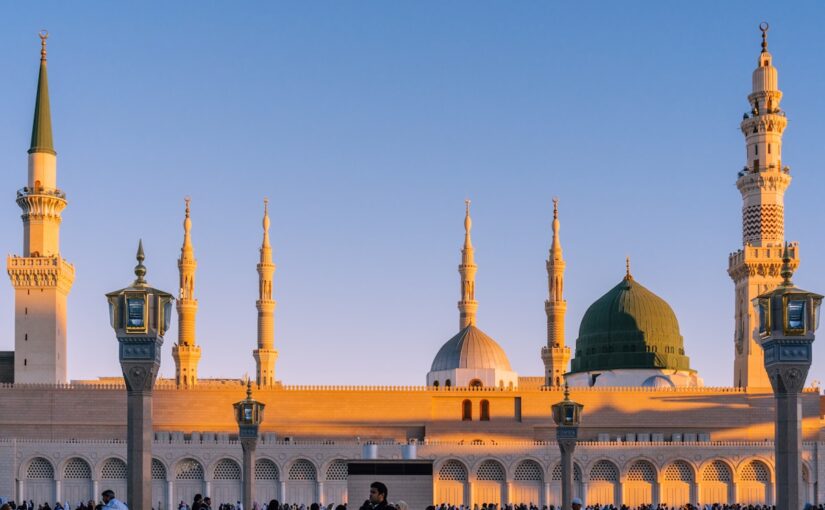
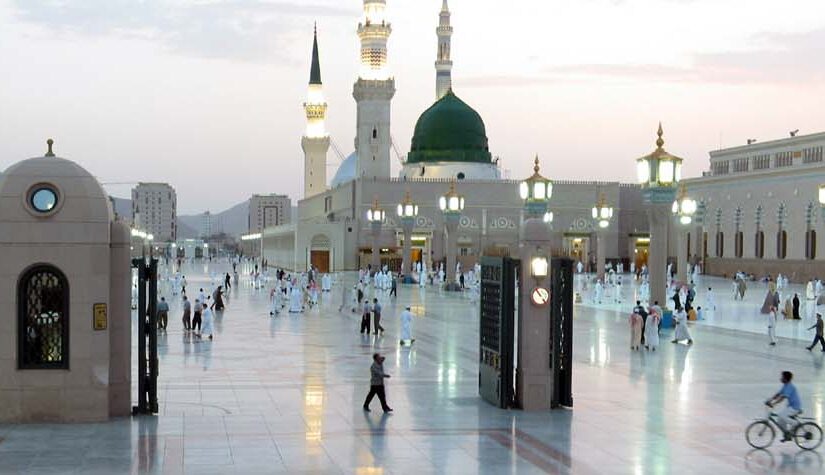
The title “Shahenshah-e-Haram” translates to “The Emperor of the Sanctuary.” It refers to Prophet Muhammad (peace be upon him) as the sovereign ruler of the sacred precincts of Mecca and Medina. The naat expresses deep love, reverence, and devotion to the Prophet, acknowledging his exalted status in the eyes of Allah.
The naat is widely recited at Milad gatherings, Mehfil-e-Naat events, and during Ramadan and other Islamic occasions. Its powerful words and emotional depth make it a favourite among naat lovers worldwide.
## Shahenshah-e-Haram Urdu Lyrics
شہنشاہِ حرم، شہنشاہِ حرم
فریاد ترا، بندہ آواز نہ دے
سو، شہنشاہِ حرم، شہنشاہِ حرم
فریاد ترا، بندہ آواز نہ دے
مدینے کا گدا، در کا سائل ہوں
مجھے رحمت کے سائے میں بسنے دے
مدینے کا گدا، در کا سائل ہوں
مجھے رحمت کے سائے میں بسنے دے
تری بخشش کا بھی میں مستحق نہیں
مگر دامنِ التجا تھام لے
تری بخشش کا بھی میں مستحق نہیں
مگر دامنِ التجا تھام لے
جو تیرے در سے نکلے تو کدھر جاؤں
کوئی نہیں سوائے تیرے سہارے کے
جو تیرے در سے نکلے تو کدھر جاؤں
کوئی نہیں سوائے تیرے سہارے کے
بھٹکتی ہے بے کسی میں زندگی
مری ناو ¿ غم کے سپرد کر دو
بھٹکتی ہے بے کسی میں زندگی
مری ناو ¿ غم کے سپرد کر دو
خدا کے بعد بڑا نام ہے محمد کا
یہ مانتا ہے زمانہ، زمانہ یہ کہتا ہے
خدا کے بعد بڑا نام ہے محمد کا
یہ مانتا ہے زمانہ، زمانہ یہ کہتا ہے
رسول اللہ، حبیب اللہ، شفیع المذنبین
یہ سب خطاب ہیں اور ان کی شان ہے
رسول اللہ، حبیب اللہ، شفیع المذنبین
یہ سب خطاب ہیں اور ان کی شان ہے
شہنشاہِ حرم، شہنشاہِ حرم
فریاد ترا، بندہ آواز نہ دے
## English Transliteration
Shahenshah-e-Haram, Shahenshah-e-Haram
Faryaad teraa, bandah aawaaz na de
So, Shahenshah-e-Haram, Shahenshah-e-Haram
Faryaad teraa, bandah aawaaz na de
Madinay ka gada, dar ka saail hoon
Mujhe rehmat ke saaye mein basne de
Madinay ka gada, dar ka saail hoon
Mujhe rehmat ke saaye mein basne de
Teri bakhshish ka bhi main mustahiq nahi
Magar daaman-e-iltija thaam le
Teri bakhshish ka bhi main mustahiq nahi
Magar daaman-e-iltija thaam le
Jo tere dar se nikle to kidhar jaoon
Koi nahi siwa tere sahaare ke
Jo tere dar se nikle to kidhar jaoon
Koi nahi siwa tere sahaare ke
Bhatakti hai be-kasi mein zindagi
Meri naao gham ke supurd kar do
Bhatakti hai be-kasi mein zindagi
Meri naao gham ke supurd kar do
Khuda ke baad bada naam hai Muhammad ka
Yeh maanta hai zamana, zamana yeh kehta hai
Khuda ke baad bada naam hai Muhammad ka
Yeh maanta hai zamana, zamana yeh kehta hai
Rasool Allah, Habeeb Allah, Shafee-ul-muznibeen
Yeh sab khitaab hain aur un ki shaan hai
Rasool Allah, Habeeb Allah, Shafee-ul-muznibeen
Yeh sab khitaab hain aur un ki shaan hai
Shahenshah-e-Haram, Shahenshah-e-Haram
Faryaad teraa, bandah aawaaz na de
## English Translation
**Verse 1:**
King of the Sanctuary, King of the Sanctuary
Your humble servant cries out, do not turn him away
So, King of the Sanctuary, King of the Sanctuary
Your humble servant cries out, do not turn him away
**Verse 2:**
I am a beggar of Madinah, a supplicant at your door
Let me live in the shade of your mercy
I am a beggar of Madinah, a supplicant at your door
Let me live in the shade of your mercy
**Verse 3:**
I am not even worthy of your forgiveness
Yet I hold onto the hem of your generosity
I am not even worthy of your forgiveness
Yet I hold onto the hem of your generosity
**Verse 4:**
If I leave your door, where will I go?
I have no support except yours
If I leave your door, where will I go?
I have no support except yours
**Verse 5:**
My life wanders in helplessness
Entrust my boat to the sea of your mercy
My life wanders in helplessness
Entrust my boat to the sea of your mercy
**Verse 6:**
After Allah, the greatest name is Muhammad’s
The world acknowledges this, the world declares this
After Allah, the greatest name is Muhammad’s
The world acknowledges this, the world declares this
**Verse 7:**
Messenger of Allah, Beloved of Allah, Intercessor for sinners
These are his titles, and these reflect his glory
Messenger of Allah, Beloved of Allah, Intercessor for sinners
These are his titles, and these reflect his glory
**Chorus:**
King of the Sanctuary, King of the Sanctuary
Your humble servant cries out, do not turn him away
## Meaning and Explanation
### First Stanza: The King of Haram
The poet opens by addressing the Prophet (peace be upon him) as “Shahenshah-e-Haram” — the Emperor of the Sanctuary. This title is deeply significant. The Haram refers to the sacred precincts of Mecca, particularly the Masjid al-Haram, but in a broader sense, it refers to the spiritual kingdom of the Prophet.
The phrase “Faryaad teraa, bandah aawaaz na de” expresses the poet’s plea: the servant is crying out, so do not make him raise his voice further. It reflects the humility of the supplicant who feels unworthy but desperate for the Prophet’s attention and intercession.
### Second Stanza: Beggar at the Door
The poet calls himself “Madinay ka gada” — a beggar of Madinah. This is not a literal beggar but a spiritual one. It signifies complete humility and dependence on the Prophet’s mercy. The poet asks to be allowed to live in the shade of mercy, showing that the Prophet’s grace is like a protective shelter.
### Third Stanza: Unworthiness and Hope
“I am not even worthy of your forgiveness” — this line captures the essence of Islamic humility. No matter how devout a person is, they cannot claim to deserve Allah’s mercy. Yet, the poet holds onto the “daaman-e-iltija” (the hem of supplication), refusing to let go of hope. This balance between fear and hope is central to Islamic spirituality.
### Fourth Stanza: No Other Refuge
This verse expresses total reliance on the Prophet’s intercession. The poet asks: if I leave your door, where will I go? In Islamic belief, the Prophet (peace be upon him) is the greatest intercessor on the Day of Judgment. This verse reminds believers that the Prophet’s intercession is a gift of Allah and a source of hope for sinners.
### Fifth Stanza: The Boat of Life
Life is compared to a wandering boat, lost in helplessness. The poet asks that his boat be entrusted to the sea of mercy (or grief, as “gham” can also mean love in Sufi terminology). In sufism, the love of the Prophet brings both sweetness and the pain of separation, and surrendering to that love is the path to salvation.
### Sixth Stanza: The Greatest Name
This is one of the most famous lines of the naat. “After Allah, the greatest name is Muhammad’s” declares the exalted status of the Prophet. It reflects the Islamic testimony of faith — La ilaha illallah, Muhammadur Rasul Allah — and emphasises that the Prophet’s name is eternally linked with the Divine.
### Seventh Stanza: Titles of Glory
The poet lists three key titles of the Prophet:
– **Rasool Allah** (Messenger of Allah): The one who brought the final revelation
– **Habeeb Allah** (Beloved of Allah): The one whom Allah loves above all creation
– **Shafee-ul-muznibeen** (Intercessor for sinners): The one who will plead for forgiveness for the faithful on Judgment Day
These titles reflect the three dimensions of the Prophet’s mission: conveying the message, being beloved to Allah, and interceding for his community.
## About the Poet: Hazrat Muhammad Iqbal Sialvi
Hazrat Muhammad Iqbal Sialvi was a renowned Islamic scholar and poet from Sialkot, Pakistan. He wrote many naats and religious poems that are widely recited today. His poetry is known for its deep spiritual insight, beautiful imagery, and profound love for the Prophet Muhammad (peace be upon him).
Shahenshah-e-Haram is considered one of his most famous works. The naat’s simple yet powerful language makes it accessible to people of all ages, while its depth rewards repeated reflection.
## Popular Reciters
While many have recited Shahenshah-e-Haram, the most famous rendition is by **Owais Raza Qadri**. His soulful voice and emotional delivery have made this naat popular across the world. Other notable reciters include:
– Muhammad Sadiq Qadri
– Hassan Raza
– Qari Shahid Mehmood Qadri
Each reciter brings their own style and emotion to the naat, but the words remain the same — a heartfelt plea to the King of the Sanctuary.
For more beautiful naats with Urdu lyrics and English translations, check out our collection of [Mustafa Jaan-e-Rahmat lyrics](/mustafa-jaan-e-rahmat-naat-lyrics-urdu-english-translation-meaning/) and [Ya Tayyaba naat lyrics](/ya-tayyaba-naat-lyrics-urdu-english-translation-meaning/).
You might also enjoy reading the lyrics and meaning of [Tajdar-e-Haram](/tajdar-e-haram-%d8%aa%d8%a7%d8%ac%d8%af%d8%a7%d8%b1-%d8%ad%d8%b1%d9%85-naat-lyrics-english-translation-meaning/), another beloved naat praising the Prophet.
## Final Thoughts
Shahenshah-e-Haram is more than just a poem. It is a heartfelt expression of love, humility, and devotion to the Prophet Muhammad (peace be upon him). Its verses remind us of our complete dependence on Allah and His beloved Messenger.
Whether you listen to it in a quiet moment of reflection or recite it in a gathering of believers, this naat has the power to touch the heart and draw you closer to the one it praises.
May Allah grant us all the ability to love and follow His beloved Prophet, and may we be among those who receive his intercession on the Day of Judgment. Ameen.