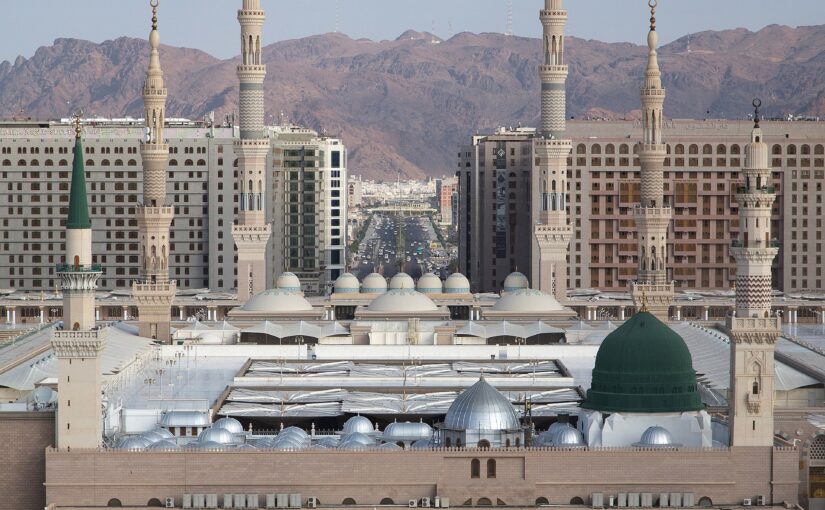
Mujhko Madine Bula Lo (مجھ کو مدینے بلا لو) – Full Naat Lyrics in Urdu, English Translation and Meaning

Introduction

“Mujhko Madine Bula Lo” (مجھ کو مدینے بلا لو) is one of the most beloved and soul-stirring naats in the rich tradition of Islamic devotional poetry. Also widely known as “Meri Jaan Madine Chalo” (مری جان مدینے چلو), this naat expresses a profound and heartfelt longing to visit Madina Munawwarah, the blessed city of Prophet Muhammad (peace be upon him). The naat captures the intense spiritual desire that every believer carries in their heart to be in the presence of the Prophet’s sacred city, to walk its streets, and to offer salutations at the Rawza Mubarak.

This naat has gained immense popularity across the Muslim world, particularly through the soulful renditions of Owais Raza Qadri, whose emotional recitation has touched millions of hearts. The simple yet powerful wording, combined with the deep spiritual yearning it expresses, has made it a staple at naat gatherings, Mehfil-e-Naat, and Islamic events worldwide. Whether recited in a quiet moment of personal devotion or sung collectively in large gatherings, “Mujhko Madine Bula Lo” never fails to evoke tears of love and longing for the beloved Prophet (PBUH).

Naat Lyrics in Urdu (Full)

Below are the complete verses of this beautiful naat in Urdu script:

مجھ کو مدینے بلا لو مری جان مدینے چلو
میرے آقا کا ہے پیغام کہ جان مدینے چلو

دل بھی مدینے چلا جا نہیں ہے صبر کوئی
یہ بتاؤ کوئی مجھ کو سمجھاؤ مدینے چلو

کیسی ہے جلوہ گری شہر مدینے کی حسین
چاند بھی دیکھ کے حیران ہے آؤ مدینے چلو

یہ تمنّٰی ہے دل و جان سے مدینے چلیں
ہر گھڑی یہ ہے دعا کہ کریں سجدہ وہیں

کیسی برکات ہیں اس خاک مدینے کے لئے
خاک کے ذرّے بھی ہیں نور مہ و سال وہیں

مجھ کو مدینے بلا لو مری جان مدینے چلو
میرے آقا کا ہے پیغام کہ جان مدینے چلو

English Transliteration

Verse 1:
Mujhko Madine Bula Lo Meri Jaan Madine Chalo
Mere Aaqa Ka Hai Paighaam Ke Jaan Madine Chalo

Verse 2:
Dil Bhi Madine Chala Ja Nahi Hai Sabr Koi
Ye Batao Koi Mujhko Samjhao Madine Chalo

Verse 3:
Kaisee Hai Jalwa Gari Shehr-e-Madine Ki Haseen
Chand Bhi Dekh Ke Hairan Hai Aao Madine Chalo

Verse 4:
Ye Tamanna Hai Dil-o-Jaan Se Madine Chalain
Har Ghadhi Ye Hai Dua Ke Karein Sajda Wahin

Verse 5:
Kaisee Barkaat Hain Is Khaak-e-Madine Ke Liye
Khaak Ke Zarre Bhi Hain Noor-e-Mah-o-Saal Wahin

Chorus (Repeated):
Mujhko Madine Bula Lo Meri Jaan Madine Chalo
Mere Aaqa Ka Hai Paighaam Ke Jaan Madine Chalo

English Translation

Verse 1:
“Call me to Madina, let us go to Madina, my dear
My Master’s message says: Come, let us go to Madina”

Verse 2:
“My heart has already gone to Madina, I have no patience left
Someone tell me, make me understand: let us go to Madina”

Verse 3:
“What a beautiful spectacle the city of Madina is
Even the moon is amazed upon seeing it; come, let us go to Madina”

Verse 4:
“This is my heartfelt desire: to go to Madina
Every moment I pray that I may prostrate there”

Verse 5:
“What blessings lie in the very soil of Madina
Even the particles of dust there are like the light of moon and stars”

Chorus:
“Call me to Madina, let us go to Madina, my dear
My Master’s message says: Come, let us go to Madina”

Meaning and Spiritual Background

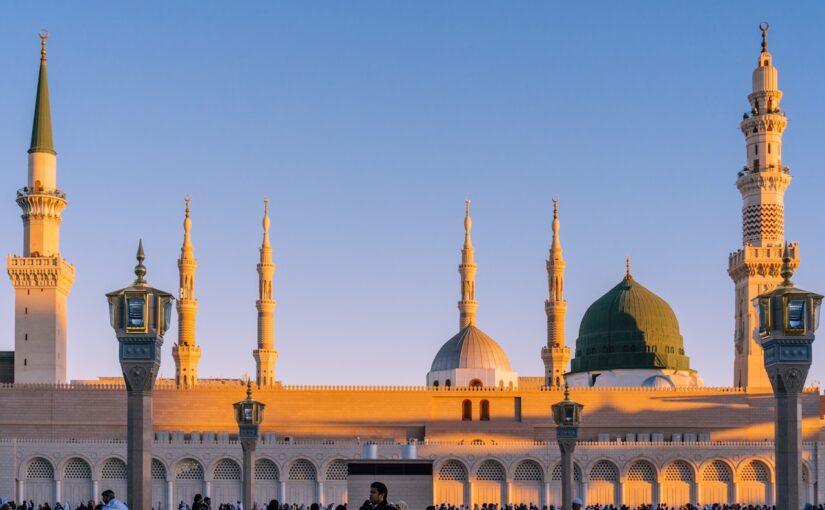
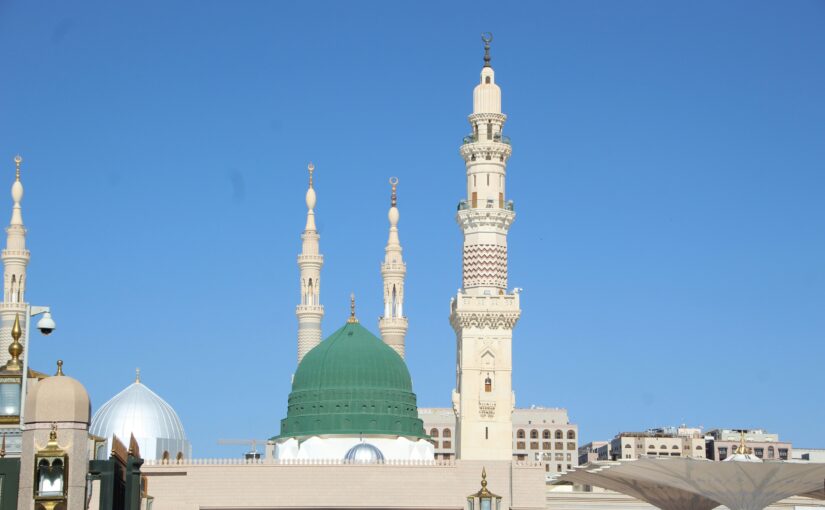
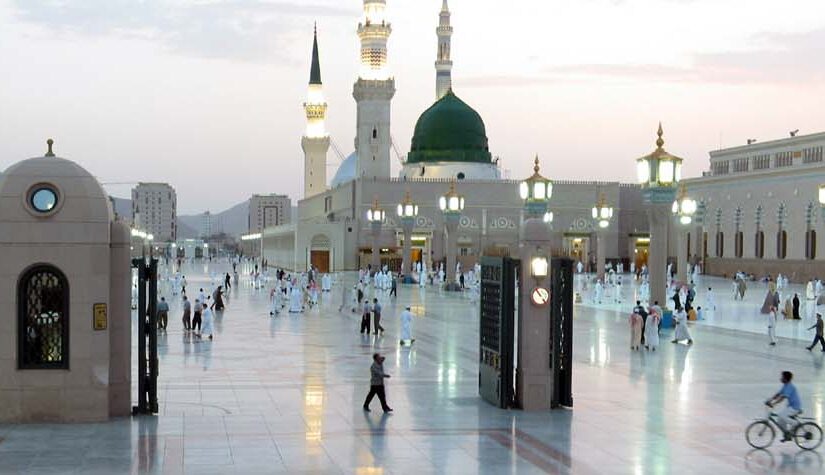
The naat “Mujhko Madine Bula Lo” is a beautiful expression of ‘Ishq-e-Mustafa’ – the deep and unwavering love for Prophet Muhammad (PBUH). Madina Munawwarah is not just a city; it is the spiritual heart of Islam. It is where the Prophet (PBUH) established the first Islamic state, built the first mosque of Islam (Masjid Quba), and where his sacred tomb resides in Masjid al-Nabawi beneath the iconic Green Dome.

The central theme of this naat is the burning desire to visit Madina and be in the proximity of the beloved Prophet. The repeated call “Mujhko Madine Bula Lo” reflects a state of spiritual restlessness, where the believer’s heart finds no peace except in the thought of reaching the blessed city. This longing is a hallmark of Islamic spirituality: the yearning to stand at the Rawza Mubarak, to offer Salaam to the Prophet (PBUH), and to feel the barakah (blessings) of that sacred land.

The line “Mere Aaqa Ka Hai Paighaam” beautifully suggests that the call to visit Madina is not merely a personal wish but a divine invitation. It echoes the famous hadith of the Prophet (PBUH) who said, “Whoever visits my grave after my death is like those who visited me during my lifetime.”

In the second verse, the poet captures the feeling of spiritual impatience: the heart has already flown to Madina, leaving the body behind. This separation between the heart’s desire and physical reality creates a beautiful tension that every lover of the Prophet can relate to.

The imagery in the line “Chand Bhi Dekh Ke Hairan Hai” is particularly striking. The poet suggests that even the moon, often a symbol of beauty in Islamic poetry, is amazed by the beauty of Madina. This is a reference to the famous hadith where the companions compared the Prophet’s face to the full moon, drawing a parallel between the beauty of the Prophet and the beauty of his city.

The soil of Madina (Khaak-e-Madina) holds special significance in Islamic tradition. The naat beautifully states that even the dust particles of Madina radiate the light of the moon and stars. This reflects the deep reverence Muslims hold for the blessed city, where every grain of sand is considered blessed due to its connection with the Prophet (PBUH).

Popularity and Reciters

This naat has been performed by many renowned naat reciters (Naat Khawans) across the globe. The most famous rendition is by Owais Raza Qadri, whose emotional and powerful voice has made this naat immensely popular in South Asia and beyond. Other notable reciters who have sung this naat include:

  • Owais Raza Qadri – The most famous rendition, known for its emotional depth and beautiful melody
  • Muhammad Owais Raza Qadri – Various recorded versions in different musical styles
  • Amjad Sabri – Late legendary Qawwal and Naat reciter
  • Hafiz Ahmed Raza Qadri – Known for his melodious voice and devotional style
  • Syed Fasihuddin Soharwardi – Emotional and traditional recitation
  • Various Qawwal groups – The naat is frequently performed in Qawwali style at dargahs and mehfils

The naat has also been widely shared on platforms like YouTube, SoundCloud, and various Islamic audio streaming services, garnering millions of views and listens. It is a staple at Milad gatherings, Urs ceremonies, and weekly naat programs in mosques across Pakistan, India, Bangladesh, the UK, and the Middle East.

Conclusion

“Mujhko Madine Bula Lo” is more than just a naat; it is a heartfelt prayer and an expression of the deepest spiritual longing a believer can have: to be in the blessed city of the Prophet (PBUH). Its simple yet profound words resonate with Muslims of all ages and backgrounds, reminding them of the ultimate goal of every believer: to be close to the beloved Prophet (PBUH) in this life and the Hereafter.

Whether you are listening to it during a quiet moment of reflection or reciting it in a gathering of fellow believers, this naat has the power to move hearts and bring tears to the eyes. It serves as a beautiful reminder of the love that lies at the very core of Islamic faith: the love for Prophet Muhammad (PBUH). May we all be blessed with the opportunity to visit Madina Munawwarah and offer our Salaam at the sacred Rawza, Ameen.


Dil Hai Madine Chal (دل ہے مدینے چل) — Naat Lyrics in Urdu, English Translation and Meaning

Dil Hai Madine Chal is a beautiful and popular naat recited by Owais Raza Qadri. The title translates to “The Heart Says Let’s Go to Madina.” This naat expresses the deep love and longing that every Muslim feels to visit the holy city of Madina Munawwarah and the blessed Roza of Prophet Muhammad.

About This Naat

Dil Hai Madine Chal is a soulful naat that captures the essence of a believer’s love for the Prophet. The poet beautifully expresses how the heart yearns to travel to Madina, to stand at the blessed shrine, and to immerse itself in the spiritual atmosphere of the city of the Prophet. The naat is popular in both Pakistan and India and is often recited at gatherings and Mehfil-e-Milad.

Dil Hai Madine Chal — Naat Lyrics in Urdu

دل ہے مدینے چل، دل ہے مدینے چل
یار مدینے چل، یار مدینے چل
دل ہے مدینے چل، دل ہے مدینے چل
یار مدینے چل، یار مدینے چل

جس نے پکارا مجھ کو، اس کا بلاوا ہے
اس کا بلاوا ہے، اس کا بلاوا ہے
اس کی ہوا ہے مجھ میں، اس کی صدا ہے
دل ہے مدینے چل، دل ہے مدینے چل
یار مدینے چل، یار مدینے چل

اس کی گلی میں جانا، اس کا گدا ہونا
اس کا گدا ہونا، اس کا گدا ہونا
اس کی نظر کا پانا، اس کا لقا ہونا
دل ہے مدینے چل، دل ہے مدینے چل
یار مدینے چل، یار مدینے چل

اس در پہ جا کے بیٹھوں، رو رو کے منہ چھپاؤں
رو رو کے منہ چھپاؤں، رو رو کے منہ چھپاؤں
کچھ اس طرح سے پیارے، دل کو بہلاوں
دل ہے مدینے چل، دل ہے مدینے چل
یار مدینے چل، یار مدینے چل

اے دل تو کب تلک یوں، بے قرینہ پھرے گا
بے قرینہ پھرے گا، بے قرینہ پھرے گا
اٹھ جا ابھی چلتے ہیں، سوئے مدینہ
دل ہے مدینے چل، دل ہے مدینے چل
یار مدینے چل، یار مدینے چل

Dil Hai Madine Chal — English Transliteration

Dil hai Madine chal, dil hai Madine chal
Yaar Madine chal, yaar Madine chal
Dil hai Madine chal, dil hai Madine chal
Yaar Madine chal, yaar Madine chal

Jis ne pukara mujh ko, us ka bulawa hai
Us ka bulawa hai, us ka bulawa hai
Us ki hawa hai mujh mein, us ki sada hai
Dil hai Madine chal, dil hai Madine chal
Yaar Madine chal, yaar Madine chal

Us ki gali mein jana, us ka gada hona
Us ka gada hona, us ka gada hona
Us ki nazar ka pana, us ka liqa hona
Dil hai Madine chal, dil hai Madine chal
Yaar Madine chal, yaar Madine chal

Is dar pe ja ke baithoon, ro ro ke munh chhupaoon
Ro ro ke munh chhupaoon, ro ro ke munh chhupaoon
Kuch is tarah se pyare, dil ko behlaoon
Dil hai Madine chal, dil hai Madine chal
Yaar Madine chal, yaar Madine chal

Ae dil tu kab talak yun, be-qarina phire ga
Be-qarina phire ga, be-qarina phire ga
Utha ja abhi chalte hain, soye Madina
Dil hai Madine chal, dil hai Madine chal
Yaar Madine chal, yaar Madine chal

Dil Hai Madine Chal — English Translation

Verse 1:
The heart says let us go to Madina, the heart says let us go to Madina
Beloved, let us go to Madina, beloved, let us go to Madina

Verse 2:
The One who called me, His invitation has come
His invitation has come, His invitation has come
His breeze is within me, His call is in the air
The heart says let us go to Madina…

Verse 3:
To walk in His street, to become His beggar
To become His beggar, to become His beggar
To receive His glance, to meet Him face to face
The heart says let us go to Madina…

Verse 4:
Let me sit at His door, hide my face while crying
Hide my face while crying, hide my face while crying
In this way, O Beloved, I will soothe my heart
The heart says let us go to Madina…

Verse 5:
O heart, how long will you wander without direction
Wander without direction, wander without direction
Get up, let us go now towards Madina
The heart says let us go to Madina…

Meaning and Background

The naat Dil Hai Madine Chal is a poetic expression of the deep spiritual longing to visit the city of the Prophet. The poet uses the metaphor of a heart pulling towards Madina, as if the very soul is being called by the beloved Prophet Muhammad.

The recurring theme is that the heart recognises the call of Madina. The poet says that the Prophet himself has called him, and this invitation is the reason for his restlessness. The mention of “His breeze” and “His call” suggests that the spiritual presence of the Prophet can be felt from afar, drawing the believer closer.

In Islamic tradition, Madina Munawwarah is considered the most sacred city after Makkah. It is the city where the Prophet migrated, built the first mosque, and where he is buried in the Masjid-e-Nabwi. Visiting Madina and offering salutations at the Prophet’s Roza is a deeply cherished act for Muslims worldwide.

The naat beautifully captures the feeling of a believer who has not yet visited Madina but yearns for it with every fibre of their being. It is a reminder that the love for the Prophet is not just a duty but a deep emotional connection that pulls the heart towards the blessed city.

About the Reciter: Owais Raza Qadri

Owais Raza Qadri is one of the most popular naat reciters in the world. Based in Pakistan, he has recorded hundreds of naats that are loved by millions. His melodious voice and spiritual style of recitation have made him a household name in the Islamic world. Dil Hai Madine Chal remains one of his most beloved naats.

If you enjoyed this naat, you might also like Mera Dil Tujh Hi Se Lagaya, Mere Muhammad, and Fida-e-Mustafa for more beautiful naat lyrics with translations.

Mera Dil Tujh Hi Se Lagaya — Naat Lyrics in Urdu, English Translation and Meaning

Introduction to Mera Dil Tujh Hi Se Lagaya

Mera Dil Tujh Hi Se Lagaya is one of the most beloved naats in the Urdu speaking world. This beautiful naat expresses the deep love and devotion of a believer for the Prophet Muhammad (peace be upon him). The poet pours out their heart, declaring that their heart is attached only to the Prophet and they seek nothing else but his love and closeness.

The naat is widely recited at mehfil-e-naat gatherings across Pakistan, India, Bangladesh, and the global Muslim community. Its simple yet powerful lyrics make it accessible to people of all ages. Many well-known naat khwans have performed this naat, making it a staple in Islamic devotional music.

The Spiritual Meaning of Mera Dil Tujh Hi Se Lagaya

The central theme of this naat is tawajjuh – the complete turning of one’s heart towards the Prophet Muhammad (PBUH). In Islamic spirituality, love for the Prophet is considered a sign of true faith. The Quran says, “Say, if you love Allah, then follow me, Allah will love you” (Surah Aal-e-Imran, 3:31).

This naat captures the essence of that love. The poet is saying that their heart has been attached to the Prophet, and this attachment is the source of their spiritual peace. They find comfort in the remembrance of the Prophet and seek his intercession. The lyrics reflect the deep desire of every believer to be close to the Prophet in this life and the hereafter.

Mera Dil Tujh Hi Se Lagaya Naat Lyrics in Urdu

Below are the complete lyrics in Urdu script:

میرا دل تجھ ہی سے لگایا ہے
اور کچھ مجھ کو نہیں بھایا ہے

میرے آقا تجھ سے ہے مجھ کو پیار
تیرے در سے اور کہاں جاؤں میں

تو ہے میرا سہارا اے نبی
تیرے دم سے یہ جہاں پایا ہے

میرا دل تجھ ہی سے لگایا ہے
اور کچھ مجھ کو نہیں بھایا ہے

تیرے در پہ آ کے مانگا میں نے
تیری رحمت کا ہے بھروسہ مجھے

تو کرے گا میرے گناہ معاف
تیرے در سے اور کہاں جاؤں میں

میرا دل تجھ ہی سے لگایا ہے
اور کچھ مجھ کو نہیں بھایا ہے

مجھ کو بخش دے گناہوں سے اے نبی
میرا دل تجھ ہی سے لگایا ہے

تیری چوکھٹ پہ میں نے سر رکھ دیا
تیرے سوا کوئی نہیں میرا

میرا دل تجھ ہی سے لگایا ہے
اور کچھ مجھ کو نہیں بھایا ہے

Mera Dil Tujh Hi Se Lagaya English Translation

Here is the English translation:

My heart is attached only to You
Nothing else pleases me anymore

O my Master, I love You
To whose door shall I go besides Yours

You are my support, O Prophet
Because of You, this world has meaning

My heart is attached only to You
Nothing else pleases me anymore

I came to Your door and asked
I have faith in Your mercy

You will forgive my sins
To whose door shall I go besides Yours

My heart is attached only to You
Nothing else pleases me anymore

Forgive me for my sins, O Prophet
My heart is attached only to You

I have placed my head at Your threshold
I have no one except You

My heart is attached only to You
Nothing else pleases me anymore

Word by Word Meaning

  • Mera Dil: My heart. In Islamic poetry, the heart is the seat of spiritual connection.
  • Tujh Hi Se: Only to You. This emphasises exclusivity of devotion.
  • Lagaya: Attached. The poet has intentionally attached their heart to the Prophet.
  • Aur Kuch Mujh Ko Nahi Bhaya: Nothing else pleases me.
  • Mere Aaqa: My Master. A term of deep respect and submission.

When and Where This Naat Is Recited

This naat is commonly recited at Mehfil-e-Naat gatherings, Eid Milad-un-Nabi celebrations, Urs and spiritual gatherings, Friday evenings, and in personal worship.

The Poetic Style of the Naat

This naat follows a traditional Urdu poetic structure with a repeating refrain. The rhyme scheme and meter make it easy to memorise and recite. The poet uses repetition, direct address, humility, and metaphor to create a powerful spiritual effect.

Conclusion

Mera Dil Tujh Hi Se Lagaya is a spiritual declaration of love and devotion that has touched the hearts of millions. Its message of complete devotion to the Prophet Muhammad (PBUH) remains powerful and moving. We hope this guide with Urdu lyrics, English translation, and meaning helps you appreciate this beautiful naat more deeply.

Rahmatun Lil’Alameen (رحمتہ للعالمین) — Naat Lyrics in Urdu, English Translation and Meaning

Rahmatun Lil’Alameen is a beautiful naat praising Prophet Muhammad (peace be upon him) as a mercy for all worlds. The title comes from the Quranic verse “Wa ma arsalnaka illa rahmatan lil’alameen” (And We have not sent you except as a mercy to the worlds). This naat reminds us of the Prophet’s compassionate nature and his role as a blessing for all of humanity.

Below you will find the full naat lyrics in Urdu, English translation and the meaning behind the verses.

About This Naat

Rahmatun Lil’Alameen is a widely recited naat in the Islamic world. The verses highlight different aspects of the Prophet’s character including his mercy, his kindness to children, his generosity and his role as a guide for humanity. The naat is often recited at religious gatherings, milads and during Ramadan.

The lyrics use simple yet powerful language to express love for the Prophet. Each verse builds on the theme of mercy, connecting the Prophet’s qualities to the daily lives of believers.

Rahmatun Lil’Alameen Naat Lyrics in Urdu

رحمتہ للعالمین ہیں مصطفیٰ ﷺ

ان کی ذات سے ہے نور کا نزول
ان کے دم سے ہے بخشش و قبول
ان کے طفیل آدم و رسول
رحمتہ للعالمین ہیں مصطفیٰ ﷺ

رحمتہ للعالمین ہیں مصطفیٰ ﷺ

وہ شفیع المذنبین ہیں مصطفیٰ ﷺ
رحمتہ للعالمین ہیں مصطفیٰ ﷺ

ان کی نظر میں سب برابر ہیں
امیر و غریب سب برابر ہیں
غلام و شہنشاہ سب برابر ہیں
رحمتہ للعالمین ہیں مصطفیٰ ﷺ

رحمتہ للعالمین ہیں مصطفیٰ ﷺ

وہ شفیع المذنبین ہیں مصطفیٰ ﷺ
رحمتہ للعالمین ہیں مصطفیٰ ﷺ

دردمندوں کے وہ غم خوار ہیں
بے سہاروں کے وہ سہارے ہیں
لاکھوں گنہگاروں کے وہ یار ہیں
رحمتہ للعالمین ہیں مصطفیٰ ﷺ

رحمتہ للعالمین ہیں مصطفیٰ ﷺ

وہ شفیع المذنبین ہیں مصطفیٰ ﷺ
رحمتہ للعالمین ہیں مصطفیٰ ﷺ

Rahmatun Lil’Alameen Naat English Translation

Mustafa (peace be upon him) is mercy for all the worlds.

From his being descends the light of revelation.
Through his breath comes forgiveness and acceptance.
Because of him came Adam and the Messengers.
Mustafa (peace be upon him) is mercy for all the worlds.

Mustafa (peace be upon him) is mercy for all the worlds.

He is the intercessor for the sinners.
Mustafa (peace be upon him) is mercy for all the worlds.

In his sight, all are equal.
The rich and the poor are all equal.
The slave and the emperor are all equal.
Mustafa (peace be upon him) is mercy for all the worlds.

He is the comforter of the distressed.
He is the support for those without support.
He is the friend of millions of sinners.
Mustafa (peace be upon him) is mercy for all the worlds.

Meaning and Background

The central theme of this naat is the universal mercy of Prophet Muhammad. The Quran itself describes the Prophet as a mercy to all worlds (Surah Al-Anbiya 21:107). This naat expands on that concept by showing how the Prophet’s mercy touched every aspect of life.

Equality: One verse highlights that the Prophet treated all people equally regardless of their wealth or status. This was a radical concept in 7th century Arabia and remains relevant today. The Prophet’s teachings emphasise that no person is superior to another except in piety.

Intercession: The naat refers to the Prophet as “Shafi’ul Muznibeen” or intercessor for sinners. In Islamic belief, the Prophet will intercede for his followers on the Day of Judgement. This gives hope to believers who struggle with sin.

Compassion for the vulnerable: The naat mentions the Prophet’s care for the distressed and those without support. This reflects the Prophet’s character. He was known for helping widows, orphans and the poor throughout his life.

If you enjoyed this naat, you may also like our collection of other naat lyrics. Read Tajdar-e-Haram lyrics and translation or explore another version of Tajdar-e-Haram. For more devotional poetry, check out Sallallahu Alal Mustafa naat.

Share this naat with family and friends. The love of the Prophet brings peace to the heart and strengthens faith.

Shah-e-Madina (شاہ مدینہ) – Owais Raza Qadri | Full Naat Lyrics & Translation

Shah-e-Madina (شاہ مدینہ) is one of the most beloved naats recited by Owais Raza Qadri. This beautiful tribute to the Holy Prophet ﷺ has touched millions of hearts across the world. With its soul-stirring melody and profound words, the naat expresses deep love and reverence for the King of Madina — Prophet Muhammad ﷺ.

The naat was originally written by the famous poet Syed Muhammad Sultan Rizvi and later popularized globally by Owais Raza Qadri’s powerful and emotional recitation. It is frequently recited at mehfils (spiritual gatherings) around the world, especially during the month of Rabi-ul-Awwal.

Urdu Lyrics (اشعار)

Verse 1

شاہ مدینہ شاہ مدینہ
Shah-e-Madina, Shah-e-Madina
King of Madina, King of Madina

تیرے در سے کوئی خالی نہ گیا
Tere dar se koi khaali na gaya
No one returned empty-handed from your door

Verse 2

تیری چوکھٹ پہ جو آیا ہے سلامت رہا
Terii chokhat pe jo aaya hai salaamat raha
Whoever came to your threshold remained safe

تیرا در ہر غم کا مداوا ہے مدینہ
Tera dar har gham ka madawa hai Madina
Your door is the cure for every sorrow, O Madina

Verse 3

اے شاہ مدینہ مجھے تیری پناہ
Aey Shah-e-Madina mujhe teri panaah
O King of Madina, grant me your refuge

تیرے در سے بڑھ کر نہیں کوئی جاہ
Tere dar se badh kar nahi koi jaah
There is no status greater than your doorstep

Verse 4

ہے بس ایک ہی التجا اے نبی
Hai bas ek hi iltija aey Nabi
I have just one plea, O Prophet

مجھے اپنی امت میں شامل کریں
Mujhe apni ummat mein shaamil karein
Include me in your Ummah (community)

Verse 5

ہے طلب صرف مدینہ ، ہے تمنا مدینہ
Hai talab sirf Madina, hai tamanna Madina
My desire is only Madina, my wish is Madina

ہر گھڑی یاد ہے مجھ کو وہ فضا ئے مدینہ
Har ghari yaad hai mujh ko woh faza-e-Madina
Every moment I remember the atmosphere of Madina

Verse 6

جس نے دیکھا اسے پھر بھول نہیں پاتا
Jis ne dekha use phir bhool nahi paata
Whoever saw it can never forget it

کوئی حسرت نہ رہی دل میں وہاں آنے کے بعد
Koi hasrat nah rahi dil mein wahan aane ke baad
No desire remains in the heart after arriving there

Verse 7

اے شاہ مدینہ مجھے بلا لو مدینہ
Aey Shah-e-Madina mujhe bula lo Madina
O King of Madina, call me to Madina

مجھے دیدارِ حبیبؐ کا شوق ہے بہت
Mujhe didaar-e-Habeeb ka shauq hai bohat
I long so much to see the Beloved Prophet ﷺ

Meaning and Significance

“Shah-e-Madina” translates to “The King of Madina,” a title of deep reverence for Prophet Muhammad ﷺ. The naat is a heartfelt expression of a believer’s longing to visit the blessed city of Madina and to be in the presence of the Prophet ﷺ.

The opening line, “Shah-e-Madina, Shah-e-Madina”, is an emotional cry that immediately draws the listener into a state of spiritual reflection. It is not merely a repetition of words but a declaration of love and allegiance to the greatest of Allah’s creations.

One of the most poignant themes in the naat is the supplication for refuge at the Prophet’s doorstep. The line “Aey Shah-e-Madina mujhe teri panaah” reflects the deep Islamic belief that seeking closeness to the Prophet ﷺ is a means of drawing closer to Allah Himself. It echoes the Quranic verse: “And if they had come to you when they wronged themselves… they would have found Allah Accepting of repentance and Merciful” (Quran 4:64).

The naat also beautifully captures the emotional pain of separation from Madina — a feeling well known to anyone who has visited the holy city and left with a longing to return. The verse “Har ghari yaad hai mujh ko woh faza-e-Madina” speaks to this universal experience of the Muslim heart.

Owais Raza Qadri, the renowned Naat Khwan from Pakistan, has become synonymous with this naat. His distinctive voice and passionate delivery have made “Shah-e-Madina” a staple at naat gatherings worldwide. Born in 1974 in Faisalabad, Owais Raza Qadri is one of the most celebrated naat reciters of the modern era, with millions of followers across the globe.

The poet Syed Muhammad Sultan Rizvi wrote the lyrics with such depth that every verse carries layers of meaning — from the simple longing of a devotee to the profound spiritual station of the Prophet ﷺ. The naat reminds believers that the door of the Prophet ﷺ is always open, and no one who comes with sincere love is ever turned away.

In a world filled with anxiety and uncertainty, “Shah-e-Madina” offers solace. Its repeated invocation of the Prophet’s name acts as a spiritual anchor, calming the heart and renewing faith. The naat is more than poetry — it is a supplication, a love letter, and a declaration of faith all woven together.

Listening to or reciting this naat is considered a form of dhikr (remembrance), bringing barakah (blessings) and spiritual peace. Many Muslims make it a daily practice to listen to “Shah-e-Madina” as part of their morning or evening routines, finding in it a connection to the Prophet ﷺ that transcends time and distance.

May Allah grant us all the opportunity to visit the blessed city of Madina and be counted among the followers of the beloved Prophet Muhammad ﷺ. Ameen.

Allah Hoo (اللہ ہو) — Naat Lyrics in Urdu with English Translation and Meaning

Introduction to Allah Hoo (اللہ ہو)

“Allah Hoo” (اللہ ہو) is one of the most loved and widely recited Islamic naats in the Urdu-speaking world. This powerful naat is a simple yet deep expression of devotion to Allah. The phrase “Allah Hoo” itself is a form of dhikr (remembrance of Allah) that has been used by Muslims for centuries. The naat focuses entirely on the oneness of Allah, His mercy and the soul’s longing for its Creator.

Unlike many naats that praise Prophet Muhammad (peace be upon him), Allah Hoo is a naat e ilahi written directly in praise of Allah Almighty. Its repetitive, rhythmic structure makes it easy to remember and deeply moving to recite. Many people around the world know this naat by heart, even if they do not speak Urdu.

Background of the Naat

The naat “Allah Hoo” is attributed to various Sufi traditions and has been popularised by many famous naat khwans (reciters) including Qari Waheed Zafar Qasmi, Owais Raza Qadri and others. The exact origin of the naat is difficult to trace, as it emerged from the oral traditions of Sufi poetry and has been passed down through generations.

The naat reflects the core Islamic concept of tawheed (the oneness of Allah). The repetition of “Allah Hoo” is a form of dhikr that helps the believer connect with Allah on a deep spiritual level. In Sufi tradition, the name “Allah” is considered the greatest name of Allah (Ism-e-Azam), and reciting it with presence of heart brings the soul closer to its Creator.

Allah Hoo (اللہ ہو) Naat Lyrics in Urdu

اللہ ہو، اللہ ہو، اللہ ہو

اللہ ہو، اللہ ہو، اللہ ہو

تیری رحمت کے دریا بہتے ہیں ہر سو
تیرے فضلوں کے سائے ہیں ہر گھڑی
تیری ذات سے روشن ہے سارا جہاں
تیرے در پہ جھکے سب کی پیشانی

اللہ ہو، اللہ ہو، اللہ ہو

تو ہی رب ہے، تو ہی مالک ہے
تو ہی قادر، تو ہی رازق ہے
تیرے در سے جو بھی خالی گیا
اسے دنیا نے کبھی سنبھالا نہیں

اللہ ہو، اللہ ہو، اللہ ہو

تیرے ذکر سے دل کو سکون ملے
تیری یاد میں راتیں جاگیں
تیرے در سے جو بھی مانگا اس نے
تیرے خزانے نے کبھی ٹوکرا نہیں

اللہ ہو، اللہ ہو، اللہ ہو

دل کی دھڑکن میں تیرا نام ہے
ہر سانس میں تیرا پیغام ہے
تیرے بغیر جی نہیں لگتا
تو ہی مقصود، تو ہی مراد ہے

اللہ ہو، اللہ ہو، اللہ ہو

English Transliteration

Allah Hoo, Allah Hoo, Allah Hoo

Teri rahmat ke dariya behte hain har soo
Tere fazlo ke saaye hain har ghari
Teri zaat se roshan hai saara jahaan
Tere dar pe jhuke sab ki peshaani

Allah Hoo, Allah Hoo, Allah Hoo

Tu hi Rab hai, tu hi Maalik hai
Tu hi Qaadir, tu hi Raaziq hai
Tere dar se jo bhi khaali gaya
Use duniya ne kabhi sambhala nahi

Allah Hoo, Allah Hoo, Allah Hoo

Tere zikr se dil ko sakoon mile
Teri yaad mein raatein jaagein
Tere dar se jo bhi maanga usne
Tere khazaane ne kabhi thukraya nahi

Allah Hoo, Allah Hoo, Allah Hoo

Dil ki dharkan mein tera naam hai
Har saans mein tera payghaam hai
Tere baghair jee nahi lagta
Tu hi maqsood, tu hi muraad hai

Allah Hoo, Allah Hoo, Allah Hoo

English Translation

Allah Hoo, Allah Hoo, Allah Hoo
Allah is the One, Allah is the One, Allah is the One

Rivers of Your mercy flow everywhere
The shadows of Your blessings are with me every moment
The entire universe is illuminated by Your being
Every forehead bows at Your door

Allah Hoo, Allah Hoo, Allah Hoo
Allah is the One, Allah is the One, Allah is the One

You are the Lord, You are the Master
You are the All-Powerful, You are the Provider
Whoever left Your door empty-handed
The world could never take care of them

Allah Hoo, Allah Hoo, Allah Hoo
Allah is the One, Allah is the One, Allah is the One

The heart finds peace through Your remembrance
Nights are spent awake in Your love
Whoever asked from Your door
Your treasure never turned them away

Allah Hoo, Allah Hoo, Allah Hoo
Allah is the One, Allah is the One, Allah is the One

Your name is in every heartbeat
Your message is in every breath
Life feels incomplete without You
You are the purpose, You are the desire

Allah Hoo, Allah Hoo, Allah Hoo
Allah is the One, Allah is the One, Allah is the One

Meaning and Significance

The naat “Allah Hoo” carries a profound spiritual message. The repetition of “Allah Hoo” throughout the naat serves as a form of meditation. By repeating the name of Allah, the believer’s heart becomes focused on the Divine, leaving behind worldly concerns and distractions.

The verses describe several important aspects of Islamic belief:

  • Allah’s Mercy: The naat begins by describing the rivers of mercy flowing from Allah. This reminds us that Allah’s mercy is vast and available to everyone.
  • Allah as Sustainer: The verses describe Allah as the Provider (Raaziq) and the All-Powerful (Qaadir), reminding us that everything we have comes from Him alone.
  • Reliance on Allah: The naat teaches us that true support comes only from Allah. Those who turn away from Him find no real help in the world.
  • The Power of Dhikr: The act of remembering Allah brings peace to the heart, as stated in the Quran: “Verily, in the remembrance of Allah do hearts find rest” (Surah Ar-Ra’d, verse 28).

This naat is often recited in gatherings of dhikr and spiritual assemblies. Its simple yet profound message makes it accessible to people of all ages. Children learn it easily, and elders recite it with deep emotion. The naat transcends cultural boundaries and is loved by Urdu-speaking Muslims around the world.

When to Recite Allah Hoo

There is no fixed time for reciting this naat. It can be recited at any time as a form of dhikr and meditation. Many people find it particularly beneficial to recite:

  • In the early morning after Fajr prayer
  • During moments of stress or anxiety
  • In gatherings of dhikr and spiritual reflection
  • Before sleeping as a form of evening remembrance
  • During difficult times when seeking comfort from Allah

Popular Reciters

The naat “Allah Hoo” has been recited by many famous naat khwans. Some notable recitations include:

  • Qari Waheed Zafar Qasmi – known for his soulful and emotional recitation
  • Owais Raza Qadri – popular among younger audiences
  • Muhammad Nabeel – a rising voice in naat recitation
  • Hamza Saleem – known for his melodious renditions

Each reciter brings their own style to the naat, but the core message remains the same – the love and devotion to Allah, the One and Only.

For more naat lyrics and translations, check out our other posts including Ya Nabi Salam Alaika, Hasbi Rabbi and Tajdar-e-Haram.

Tajdar-e-Haram — Naat Lyrics in Urdu, English Translation and Meaning

“Tajdar-e-Haram” (تاجدارِ حرم) is one of the most beloved and widely recited naats in the Islamic world. Made famous globally by the voices of Atif Aslam and many other renowned naat khwans, this beautiful naat is a heartfelt ode to Prophet Muhammad (peace be upon him). The title translates to “The Crown of the Holy Sanctuary,” a reference to the Prophet’s unparalleled status as the leader of all prophets and the beloved of Allah.

Introduction to Tajdar-e-Haram

Tajdar-e-Haram is a modern naat that has captured the hearts of Muslims across the globe. Its poetic verses express deep love, reverence, and devotion to the Prophet Muhammad (PBUH), acknowledging him as the crown of the holy sanctuary of Mecca and the intercessor for all humankind. The naat was originally written by a Pakistani poet and has been performed by various artists, with Atif Aslam’s rendition being the most internationally recognised.

Background and Meaning

The opening line, “Tajdar-e-Haram ho nigah-e-karam,” is a heartfelt plea: “O Crown of the Holy Sanctuary, bestow your gracious glance upon us.” This sets the tone for the entire naat, which oscillates between praise of the Prophet’s lofty station and humble supplication for his mercy and intercession.

Naat Lyrics — Tajdar-e-Haram

Verse 1

Urdu Script:
تاجدارِ حرم ہو نگاہِ کرم
ہم گداﺅں پر اتنا کرم ہو نہ ہو
ہم تیرے در سے جو اٹھ گئے تو کہاں جائیں گے

English Translation:
O Crown of the Holy Sanctuary, cast a gracious glance upon us
Show us kindness, even if we do not deserve it
If we are turned away from your door, where else shall we go?

Verse 2

Urdu Script:
ٹوٹا ہوا دل ہے، آہ بھرنے دے
درد کا بوجھ ہے، تھوڑی سی راحت دے
تیرے سوا کوئی سننے والا نہیں
اپنے قدموں میں رکھ لے، نہیں تو کہاں جائیں گے

English Translation:
My heart is broken, let me sigh
I carry the weight of pain, grant me some relief
There is no one else who listens but You
Keep me at Your feet, or where shall I go?

Verse 3

Urdu Script:
رحمتہ اللعالمین ہو تم
آقائے دو جہاں ہو تم
بخش دے مجھ گنہگار کو
تمہارے در سے جو اٹھ گیا تو کہاں جائے گا

English Translation:
You are the Mercy to the Worlds
You are the Master of Both Worlds
Forgive this sinful one
If turned away from Your door, where shall he go?

Verse 4

Urdu Script:
میرے دل میں بسالو تمہیں
ہر دم یاد کرو تمہیں
دور نہ ہو یہ فاصلہ کبھی
اپنی رحمت سے چھپا لو، نہیں تو کہاں جائیں گے

English Translation:
Let me enshrine You in my heart
Let me remember You with every breath
May this distance never grow
Hide me in Your mercy, or where shall I go?

Verse 5

Urdu Script:
تم ہو من کی تمنا تم ہو دل کی دعا
تم ہی ہو میرے دل کا سکون
تمہارے بنا یہ دل کہاں دھڑکتا ہے
تمہیں چھوڑ کر ائے صنم کہاں جائیں گے

English Translation:
You are the heart’s desire, You are the soul’s prayer
You alone are the peace of my heart
Without You, how does this heart beat?
Leaving You, O Beloved, where would I go?

Verse 6

Urdu Script:
جب تک ہے یہ جہاں ہم یہی کریں گے
ہر سانس میں تیرا ذکر کریں گے
تیرے در سے جو اٹھ گئے تو کہاں جائیں گے
تاجدارِ حرم ہو نگاہِ کرم

English Translation:
As long as this world exists, this is what I will do
I will remember You with every breath
If turned away from Your door, where shall I go?
O Crown of the Holy Sanctuary, cast a gracious glance upon us

Meaning and Spiritual Significance

The naat uses the imagery of a “broken heart” and “burden of pain” to speak to the human condition. We all experience hardship, loss, and regret. The naat reminds us that the Prophet’s door is always open, and that turning to him in love and devotion is a path to spiritual healing.

The reference to the Prophet as “Rahmatul-lil-aalameen” (Mercy to the Worlds) is drawn directly from the Quran (Surah Al-Anbiya 21:107). The naat also touches on the concept of shafa’ah (intercession), giving believers comfort and motivating them to live righteous lives while maintaining love for the Prophet.

Conclusion

Tajdar-e-Haram is a timeless naat that continues to inspire and move Muslims around the world. May Allah grant us the ability to love the Prophet (PBUH) with all our hearts, and may these words draw us closer to him and to our Creator. Ameen.

Sallallahu Alal Mustafa — Naat Lyrics in Urdu, English Translation and Meaning

Sallallahu Alal Mustafa — Naat Lyrics in Urdu

صَلَّى اللّٰہُ عَلَى الْمُصْطَفٰی – یہ عربی نعت شریف سمیع یوسف کی آواز میں دنیا بھر میں مشہور ہے، حالانکہ یہ دراصل ایک روایتی عربی نعت ہے جسے مختلف انداز میں پڑھا اور گایا جاتا ہے۔ اس نعت میں حضور نبی اکرم صلی اللہ علیہ وآلہ وسلم کی ذات والا صفات پر درود و سلام پیش کیا گیا ہے۔

Continue reading Sallallahu Alal Mustafa — Naat Lyrics in Urdu, English Translation and Meaning

Labbaik Ya Rasool Allah (لبیک یا رسول اللہ) — Naat Lyrics in Urdu, English Translation and Meaning

Introduction to Labbaik Ya Rasool Allah (لبیک یا رسول اللہ)

“Labbaik Ya Rasool Allah” is a powerful and soul-stirring naat that has captured the hearts of millions of Muslims around the world. The title “Labbaik Ya Rasool Allah” translates to “I am here, O Messenger of Allah” – a phrase of profound devotion and submission to Prophet Muhammad (peace be upon him). This naat is famously recited by the beloved naat khwan Hafiz Tahir Qadri, whose melodious voice has made this naat immensely popular across the globe.

The naat carries a message of unwavering love, sacrifice, and commitment to the Prophet Muhammad (PBUH). It inspires believers to spread the message of Islam, stand up for the honor of the Prophet, and dedicate their lives to his teachings. The recurring refrain “Labbaik Ya Rasool Allah” echoes the spirit of the Hajj pilgrimage where pilgrims chant “Labbaik Allahumma Labbaik” (Here I am, O Allah, here I am), but here it is directed to the beloved Prophet, symbolizing the deep love and connection Muslims feel for him.

Full Urdu Lyrics of Labbaik Ya Rasool Allah

لبیک یا رسول اللہ

لبیک یا رسول اللہ لبیک یا رسول اللہ
لبیک لبیک لبیک یا رسول اللہ

خود کو مٹا دیں گے، ہم جان لُٹا دیں گے
ناموسِ آقا پر، ہم سر کٹا دیں گے

لبیک لبیک لبیک یا رسول اللہ
حاضر ہیں حاضر ہیں حاضر ہیں ہم
لبیک لبیک لبیک یا رسول اللہ

کریا کریا بستی بستی ذکر نبی کا عام کرو
پیارے آقا کے دیوانوں ! ہاتھ میں ڈالے ہاتھ چلو
حب نبی کے ہر دل میں، تم جا کے دیپ جلاؤ
اونچے میں اونچا نبی کا جھنڈا، گھر گھر میں لہراؤ

خود کو مٹا دیں گے، ہم جان لُٹا دیں گے
ناموسِ آقا پر، ہم سر کٹا دیں گے

لبیک لبیک لبیک یا رسول اللہ
حاضر ہیں حاضر ہیں حاضر ہیں ہم
لبیک لبیک لبیک یا رسول اللہ

ابن علی نے کرب و بلا میں تم کو یہ پیغام دیا
یاد رکھو پیارے آقا نے تم کو پاک نظام دیا
توڑ دو بازو کی قوت کو، ظلم کے ایذاں ڈھاؤ
اونچے میں اونچا نبی کا جھنڈا ہر گھر میں لہراؤ

خود کو مٹا دیں گے، ہم جان لُٹا دیں گے
ناموسِ آقا پر، ہم سر کٹا دیں گے

سبز ہلالی پرچم یارو! ہم کو جان سے پیارا ہے
اس پر گنبدِ خضریٰ ہو یہ منشور ہمارا ہے
اس گنبد کے سائے تلے تم سارے ایک ہو جاؤ
نبی کا جھنڈا، امن کا جھنڈا ہر گھر میں لہراؤ

لب پہ نعتِ پاک کا نغمہ، کل بھی تھا اور آج بھی ہے
میرے نبی سے میرا رشتہ، کل بھی تھا اور آج بھی ہے
بتلا دو تم دشمنِ نبی کو، غیرتِ مسلم زندہ ہے
دین پہ مر مٹنے کا جذبہ، کل بھی تھا اور آج بھی ہے

رنگ برنگے جھنڈے چھوڑو، تھام لو گنبد والا
ہم سے راضی ہو جائے گا، سوہنے مدینے والا
اس پرچم کے سائے تلے تم مل کر قدم بڑھاؤ
اونچے میں اونچا نبی کا جھنڈا ہر گھر میں لہراؤ

English Transliteration (Roman Urdu)

Labbaik Ya Rasool Allah, Labbaik Ya Rasool Allah
Labbaik, Labbaik, Labbaik Ya Rasool Allah

Khud ko mita denge, hum jaan luta denge
Naamoose Aaqa par, hum sar kata denge

Labbaik, Labbaik, Labbaik Ya Rasool Allah
Haazir hain, haazir hain, haazir hain hum
Labbaik, Labbaik, Labbaik Ya Rasool Allah

Kariya kariya, basti basti, zikr nabi ka aam karo
Pyaare aaqa ke deewano, haath mein daale haath chalo
Hubb-e-nabi ka har dil mein, tum jaake deep jalaao
Unche mein uncha nabi ka jhanda, ghar ghar mein lehraao

Khud ko mita denge, hum jaan luta denge
Naamoose Aaqa par, hum sar kata denge

Ibne Ali ne karbo-bala mein tumko yeh paighaam diya
Yaad rakho pyaare aaqa ne tumko paak nizaam diya
Tod do baahu ki quwwat ko, zulm ke aezaan dhaao
Unche mein uncha nabi ka jhanda, har ghar mein lehraao

Sabz hilaali parcham yaaro, hum ko jaan se pyaara hai
Is par gumbad-e-Khazra ho, yeh manshoor hamaara hai
Is gumbad ke saaye tale tum saare ek ho jaao
Nabi ka jhanda, aman ka jhanda, har ghar mein lehraao

Lab pe naat-e-paak ka naghma, kal bhi tha aur aaj bhi hai
Mere nabi se mera rishta, kal bhi tha aur aaj bhi hai
Batla do tum dushman-e-nabi ko, ghairat-e-muslim zinda hai
Deen pe mar mitne ka jazba, kal bhi tha aur aaj bhi hai

Rang birange jhande chhodo, thaam lo gumbad waala
Hum se raazi ho jayega, sohne madine waala
Is parcham ke saaye tale tum mil kar qadam badaao
Unche mein uncha nabi ka jhanda, har ghar mein lehraao

English Translation of Each Verse

Verse 1: Labbaik Ya Rasool Allah, Labbaik Ya Rasool Allah / Labbaik, Labbaik, Labbaik Ya Rasool Allah
Translation: I am here, O Messenger of Allah. I am here, O Messenger of Allah. I am here, I am here, I am here, O Messenger of Allah.

Verse 2: Khud ko mita denge, hum jaan luta denge / Naamoose Aaqa par, hum sar kata denge
Translation: We will annihilate ourselves, we will sacrifice our lives / For the honor of our Master, we will lay down our heads.

Verse 3: Kariya kariya, basti basti, zikr nabi ka aam karo / Pyaare aaqa ke deewano, haath mein daale haath chalo / Hubb-e-nabi ka har dil mein, tum jaake deep jalaao / Unche mein uncha nabi ka jhanda, ghar ghar mein lehraao
Translation: In every street, every settlement, spread the remembrance of the Prophet / O lovers of the beloved Master, walk hand in hand / Light the lamp of love for the Prophet in every heart / Raise the flag of the Prophet, the highest of all, in every home.

Verse 4: Ibne Ali ne karbo-bala mein tumko yeh paighaam diya / Yaad rakho pyaare aaqa ne tumko paak nizaam diya / Tod do baahu ki quwwat ko, zulm ke aezaan dhaao / Unche mein uncha nabi ka jhanda, har ghar mein lehraao
Translation: The son of Ali (Imam Hussain) gave you this message in Karbala / Remember that the beloved Master gave you a pure system / Break the power of oppression, destroy the tools of tyranny / Raise the flag of the Prophet, the highest of all, in every home.

Verse 5: Sabz hilaali parcham yaaro, hum ko jaan se pyaara hai / Is par gumbad-e-Khazra ho, yeh manshoor hamaara hai / Is gumbad ke saaye tale tum saare ek ho jaao / Nabi ka jhanda, aman ka jhanda, har ghar mein lehraao
Translation: O friends, the green crescent flag is dearer to us than life / With the Green Dome upon it, this is our manifesto / Under the shade of this dome, become one united / The flag of the Prophet, the flag of peace, raise in every home.

Verse 6: Lab pe naat-e-paak ka naghma, kal bhi tha aur aaj bhi hai / Mere nabi se mera rishta, kal bhi tha aur aaj bhi hai / Batla do tum dushman-e-nabi ko, ghairat-e-muslim zinda hai / Deen pe mar mitne ka jazba, kal bhi tha aur aaj bhi hai
Translation: The melody of the sacred naat on my lips, it was there yesterday and it is here today / My connection to my Prophet, it was there yesterday and it is here today / Tell the enemies of the Prophet that the honor of the Muslim is still alive / The spirit to die for the faith, it was there yesterday and it is here today.

Verse 7: Rang birange jhande chhodo, thaam lo gumbad waala / Hum se raazi ho jayega, sohne madine waala / Is parcham ke saaye tale tum mil kar qadam badaao / Unche mein uncha nabi ka jhanda, har ghar mein lehraao
Translation: Leave aside the colourful flags, hold onto the one with the dome / The beautiful one of Madinah will be pleased with us / Under the shade of this flag, step forward together / Raise the flag of the Prophet, the highest of all, in every home.

Meaning and Spiritual Significance

“Labbaik Ya Rasool Allah” is much more than a naat; it is a declaration of love and allegiance to Prophet Muhammad (PBUH). The central theme revolves around the willingness to sacrifice everything for the honor of the Prophet. The phrase “Labbaik” (I am here) is deeply rooted in Islamic tradition, originally used in the Hajj pilgrimage as “Labbaik Allahumma Labbaik.” By addressing this directly to the Prophet, the naat draws a powerful parallel between the devotion of Hajj and the devotion to the Prophet.

The naat emphasizes several key themes:

  • Sacrifice and Devotion: The recurring pledge to sacrifice life and limb for the Prophet’s honor reflects the highest form of spiritual love.
  • Spreading the Message: The call to spread the remembrance of the Prophet in every street and settlement is a reminder of the duty of every Muslim to share the beauty of Islam.
  • Unity: The imagery of walking hand in hand and uniting under the Green Dome emphasizes Muslim unity and brotherhood.
  • Steadfastness: The verses about Imam Hussain’s message in Karbala remind believers of the sacrifices made by the Prophet’s family and the importance of standing firm against oppression.
  • Timeless Connection: The verses “Kal bhi tha aur aaj bhi hai” (It was there yesterday and it is here today) reinforce the eternal and unbroken bond between the believer and the Prophet.

Background and Context

“Labbaik Ya Rasool Allah” was popularized by Hafiz Tahir Qadri, a renowned naat khwan from Pakistan known for his powerful and emotionally charged recitations. The naat has become a staple at religious gatherings, Milad un-Nabi celebrations, and Islamic conferences worldwide. Its powerful message resonates particularly strongly with those who feel a deep emotional connection to the Prophet Muhammad (PBUH).

The naat draws inspiration from historical Islamic events, most notably the sacrifices of Karbala as mentioned in the verse about Imam Hussain (RA), the grandson of the Prophet. The reference to the Green Dome (Gumbad-e-Khazra) of Masjid an-Nabawi in Madinah serves as a powerful symbol that unites Muslims across all sects and schools of thought. The flag symbolism throughout the naat represents the spread of Islam and the establishment of justice and peace in society.

This naat continues to inspire millions around the world, reminding them of their love for the Prophet and their commitment to his teachings. It is frequently played at Islamic gatherings and has been recited by various naat khwans, each bringing their own unique style while preserving the powerful message of the original composition.

Mujhe Darbar-e-Mustafa Le Chal (مجھے دربارِ مصطفیٰ لے چل) — Naat Lyrics in Urdu, English Translation and Meaning

Mujhe Darbar-e-Mustafa Le Chal (مجھے دربارِ مصطفیٰ لے چل) is one of the most beloved and soul-stirring Urdu naats that expresses a devotee’s deep yearning to be taken to the blessed court of Prophet Muhammad ﷺ. This naat beautifully captures the spiritual longing of a believer who feels lost in the material world and seeks refuge in the presence of the Beloved Prophet. The verses resonate with humility, love, and the sincere plea to be counted among those who are blessed with a visit to Madinah.

Mujhe Darbar-e-Mustafa Le Chal naat - Beautiful view of Masjid al-Nabawi at sunset with green dome representing the court of Prophet Muhammad ﷺ

Mujhe Darbar-e-Mustafa Le Chal — The Naat Lyrics in Urdu

Below are the complete lyrics of this beautiful naat in Urdu, presented in their original poetic form. Each verse has been preserved with its authentic structure and rhyme scheme:

Verse 1 — The Opening Plea

مجھے دربارِ مصطفیٰ لے چل
میرے آقا مدینہ لے چل

Translation: Take me to the court of Mustafa ﷺ, O my master, take me to Madinah.

The naat begins with this heartfelt plea — a direct supplication to the Prophet ﷺ requesting to be brought to his sacred court. “Darbar-e-Mustafa” refers to the blessed gathering and presence of Prophet Muhammad ﷺ, and “Madina” is the illuminated city where his blessed resting place lies. This opening sets the tone for the entire naat: a soul yearning for spiritual closeness.

Verse 2 — None But You

نہیں ہے کوئی مجھ کو تیرے سوا
مجھے اپنا سہارا دے لے چل

Translation: There is no one for me except You, grant me Your support and take me along.

Here the poet expresses complete helplessness and total reliance on the Prophet ﷺ. The line “There is no one for me except You” reflects the Islamic concept of tawassul — seeking intercession through the love and status of the Prophet. The believer acknowledges that only through the Prophet’s mercy and support can they hope to reach their spiritual destination.

Verse 3 — The Sinner’s Hope

میں گناہوں کا بوجھ اٹھائے پھروں
مجھے بخشش کا پیغام دے لے چل

Translation: I wander carrying the burden of my sins, grant me the message of forgiveness and take me along.

This verse is deeply moving — it acknowledges human weakness and the weight of sin that every person carries. The poet does not pretend to be righteous but instead comes with complete humility, asking not just for company but for the message of forgiveness itself. It reflects the core Islamic teaching that no matter how great one’s sins, the mercy of Allah and the intercession of His Prophet ﷺ are always hope-giving.

Verse 4 — A Heart in Pain

ترے در پر بچھائے ہوں گے سر
مجھے بھی ایک جھلک دکھا لے چل

Translation: People will have laid their heads at Your door, show me just a glimpse as well, take me along.

The imagery here is beautiful — the “door” (dar) of the Prophet is the ultimate destination where countless devotees have laid their heads in submission and love. The poet humbly asks not for much, just a single glimpse (jhalak) of the blessed court. This is a powerful metaphor for the spiritual ambiance of Madinah where millions come to pay their respects at the Rawdah Mubarak.

Verse 5 — The Wanderer’s Cry

بھٹکتا پھرتا ہوں در بدر
مجھے اپنی گلی میں بلا لے چل

Translation: I wander lost from door to door, call me to Your street and take me along.

This verse speaks to the existential search every human experiences. The phrase “door to door” (dar ba-dar) evokes the image of a homeless wanderer seeking belonging. The only true home, the poet suggests, is the “street” (gali) of the Prophet — a reference to the blessed neighborhoods of Madinah near Masjid-e-Nabawi. It’s a cry of spiritual homelessness, finding rest only in the love of Muhammad ﷺ.

Verse 6 — The Final Plea

سے الحمد کے در پہ پہنچا دے
مجھے شہرِ نبی پہ لا لے چل

Translation: Deliver me to the door of Al-Hamd, bring me to the city of the Prophet, take me along.

The reference to “Al-Hamd” (Praise) is likely an allusion to Surah Al-Fatihah which begins with praise to Allah, and also to the praise (hamd) that is the essence of naat poetry. The poet asks to be brought to the “city of the Prophet” — Madinat-un-Nabi — the ultimate destination for every sincere believer’s heart. The repetition of “le chal” (take me along) throughout the naat reinforces the urgency and sincerity of this spiritual request.

The Meaning and Spiritual Significance

Mujhe Darbar-e-Mustafa Le Chal is more than just a naat — it is a spiritual travelogue of the soul. The naat encapsulates the Islamic concept of shauq (spiritual longing) and hijr (separation) that has been the hallmark of Sufi and devotional poetry for centuries. Every verse is saturated with the pain of distance from the beloved Prophet and the burning desire to be in his presence.

The recurring phrase “le chal” (take me along) is significant — it shows complete passivity and surrender. The poet is not asking for directions or advice; they are asking to be taken, to be carried. This reflects the deep humility of someone who recognizes they cannot reach the divine presence through their own efforts alone but need the intervention and grace of the Prophet ﷺ.

Key Themes in the Naat

  • Tawassul (Intercession): The naat beautifully demonstrates the concept of seeking the Prophet’s intercession, a practice rooted in Islamic tradition.
  • Humility and Acknowledgment of Sin: The poet does not claim righteousness but comes as a humble sinner seeking forgiveness through love of the Prophet.
  • Love for Madinah: The deep emotional connection Muslims feel toward the holy city of Madinah and Masjid-e-Nabawi is central to the naat.
  • Spiritual Homelessness: The wandering imagery reflects the soul’s search for its true home — in the presence of Allah and His Messenger.
  • Hope in Divine Mercy: Despite the weight of sins, the naat radiates hope — the belief that the Prophet’s ﷺ mercy is vast enough to embrace all who come with love.

Background and Popularity

Mujhe Darbar-e-Mustafa Le Chal has been recited by countless naat khwans (reciters) across the Indian subcontinent. Its simple yet profound language makes it accessible to people from all walks of life — from the learned scholar to the common devotee. The naat is often recited at Mehfil-e-Naat gatherings, especially during the month of Rabi-ul-Awwal when Muslims around the world celebrate the birth of the Prophet Muhammad ﷺ.

The naat has been performed by renowned reciters including Owais Raza Qadri, whose soulful rendition has brought the lyrics to millions of listeners worldwide. Various YouTube channels and Islamic audio platforms feature this naat, with millions of views attesting to its enduring popularity. Its melody is haunting yet simple, making it easy for congregations to join in the chorus-like repetition of the central plea.

Why This Naat Resonates with Muslims

There is something universal in the plea of “Mujhe Darbar-e-Mustafa Le Chal” that speaks to every Muslim heart. The desire to visit Madinah, to pray in Masjid-e-Nabawi, to stand at the Rawdah and send salutations upon the Prophet ﷺ — these are not mere tourist aspirations but deep spiritual yearnings rooted in love. Every Muslim considers themselves a guest of the Prophet’s city, and this naat gives voice to that longing.

In a world filled with distractions, materialism, and spiritual emptiness, this naat serves as a reminder of what truly matters: the love of Allah and His Messenger ﷺ. It pulls the heart away from worldly attachments and redirects it toward the eternal peace found in the blessed presence of the Prophet. The lyric “Mujhe apni gali mein bula le chal” (Call me to your street) perfectly captures this — no grand palaces or worldly treasures, just the simple honor of being in the neighborhood of the Beloved.

Conclusion

Mujhe Darbar-e-Mustafa Le Chal is a timeless masterpiece of Islamic devotional poetry. Its verses capture the essence of what it means to love the Prophet Muhammad ﷺ — to long for his presence, to seek his intercession, and to humble oneself at his blessed court. Whether you have visited Madinah a hundred times or are still dreaming of your first visit, this naat will stir something deep within your soul and remind you of the ultimate destination of every believer’s heart: the court of Mustafa ﷺ.

May Allah grant us all the opportunity to visit the blessed city of Madinah and stand at the court of His beloved Prophet ﷺ. Ameen.