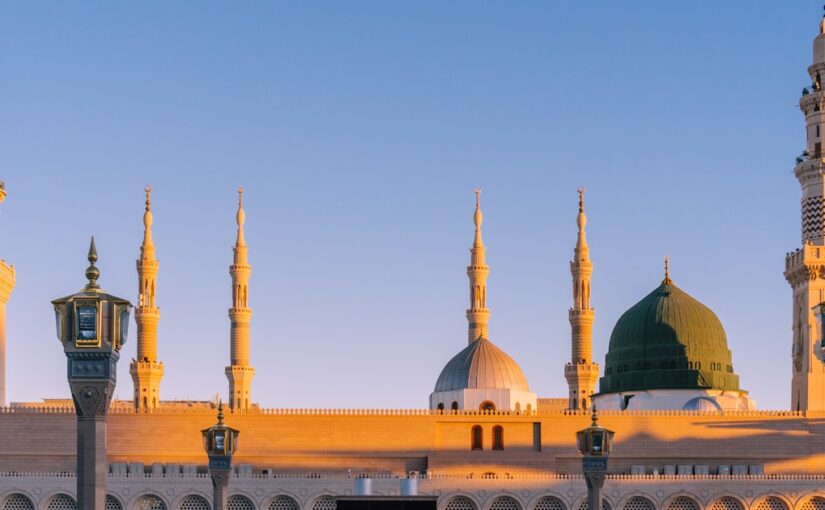

Mawla Ya Salli Wa Sallim (مولیٰ یصل وسلم) — Naat Lyrics in Urdu, English Translation and Meaning

Maula Ya Salli Wa Sallim Daiman Abadan is one of the most beloved and widely recited naats in the Muslim world. Its verses overflow with love, reverence, and devotion for Prophet Muhammad (peace be upon him). This soulful kalaam combines classical Arabic verses from the famous Qasida Burdah with touching Urdu poetry, creating a spiritual masterpiece that resonates across generations.

In this article, you will find the full Mawla Ya Salli Wa Sallim lyrics in Urdu (Perso-Arabic script), Roman Urdu transliteration, English translation of each verse, and the background and meaning of this timeless naat.

Maula Ya Salli Wa Sallim Lyrics in Urdu

Below are the complete lyrics of Maula Ya Salli Wa Sallim in Urdu script:

مَولا یَ صَلِّ وَسَلِّم دَائِماََ إ بَدََا
عَلٰی حَبِیْبِکَ خَیْرِ الخَلْقِ کُلِّھِمِ

سحر کا وقت تھا معصوم کلیاں مسکراتی تھیں
ہوائیں خیر مقدم کے ترانے گنگناتی تھیں
ابھی جبرائیل اترے بھی نہ تھے کعبے کے منبر سے
کہ اتنے میں صدا آئی یہ عبداللہ کے گھر سے
مبارک ہو شہہِ ہر دو سرا تشریف لے آئے
مبارک ہو محمد مصطفیٰ تشریف لے آئے

مَولا یَ صَلِّ وَسَلِّم دَائِماََ إ بَدََا
عَلٰی حَبِیْبِکَ خَیْرِ الخَلْقِ کُلِّھِمِ

مُحَمّدٌ سَیِّدُ الکَوْنَیْنِ والثَّقَلَیْنِ
وَالفَرِقَیْنِ مِنْ عَرَ بِِ وَّ مِنْ عَجَمِ

وہ محمد فخرِ عالم ہادیِ کل انس و جاں
سرورِ کونین سلطانِ عرب شاہِ عجم
ایک دن جبرائیل سے کہنے لگے شاہِ اُمم
تم نے دیکھا ہے جہاں بتلاؤ تو کیسے ہیں ہم
عرض کی جبرائیل نے اے شاہِ دیں اے محترم
آپ کا کوئی مماثل ہی نہیں رب کی قسم

مَولا یَ صَلِّ وَسَلِّم دَائِماََ إ بَدََا
عَلٰی حَبِیْبِکَ خَیْرِ الخَلْقِ کُلِّھِمِ

ہُوْ اَلحَبِیْبُ الَّذِیْ تُرْ جَی شَفَا عَتُہُ
لِکُلِّ ھَوْلِِ مِنَ الأَھْوَالِ مُقْتَحِمِ

میرے مولا صدا تحیت و درود کے گجرے
اپنے محبوب پر جو ہے تیری مخلوق میں بہترین
اسی محبوب سے وابستہ امیدِ شفاعت ہے
کہ ہر ہمت شکن مشکل میں جس نے دستگیری کی
نہ کوئی آپ جیسا تھا نہ کوئی آپ جیسا ہے
کوئی یوسف سے پوچھے مصطفیٰ کا حسن کیسا ہے
زمیں و آسماں میں کوئی بھی مثال نہ ملی

مَولا یَ صَلِّ وَسَلِّم دَائِماََ إ بَدََا
عَلٰی حَبِیْبِکَ خَیْرِ الخَلْقِ کُلِّھِمِ

یَا رَبِّ بِا لْمُصْطَفٰی بَلِّغْ مَقَا صِدَنَا
وَ غْفِر لَنَا مَا مَضٰی یَا وَاسِعَ الْکَرَمِ

سلام ان پر جنہوں نے بیکسوں کی دستگیری کی
سلام ان پر جنہوں نے بادشاہی میں فقیری کی
سلام ان پر جن کے گھر نہ چاندی تھی نہ سونا تھا
سلام ان پر جن کا ٹوٹا بوریا بچھونا تھا
سلام اے آمنہ کے لال اے محبوب سبحانی
سلام اے فخر موجودات فخر نوع انسانی
تیری صورت تیری سیرت تیرا نقشہ تیرا چلنا
تبسم گفتگو بندہ نوازی خلقت ثانی
تیرا در ہو میرا سر ہو میرا دل ہو تیرا گھر ہو
تمنا مختصر سی ہے مگر تمہید تمہانی

مَولا یَ صَلِّ وَسَلِّم دَائِماََ إ بَدََا
عَلٰی حَبِیْبِکَ خَیْرِ الخَلْقِ کُلِّھِمِ

Roman Urdu Transliteration

For those who cannot read the Urdu script, here is the Roman Urdu transliteration of the naat:

Maula Ya Salli Wa Sallim Daiman Abadan
Ala Habibika Khairil Khalqi Kullimi

Sahar ka waqt tha masoom kaliyan muskuraati thin
Hawaain khair maqdam ke taraanay gungunaati thin
Abhi Jibraeel utre bhi na thay Kaabe ke mimbar se
Ke itnay mein sada aayi yeh Abdullah ke ghar se
Mubarak ho Shahe har do sara tashrif le aaye
Mubarak ho Muhammad Mustafa tashrif le aaye

Maula Ya Salli Wa Sallim Daiman Abadan
Ala Habibika Khairil Khalqi Kullimi

Muhammadun Sayyidul Kawnayni wa Saqalayni
Wal Farikayni Min Arabiwwa Min Ajami

Woh Muhammad fakhr-e-aalam haadi-e-kul ins-o-jaan
Sarwar-e-kawnain sultan-e-Arab shah-e-Ajam
Ek din Jibraeel se kehnay lage Shah-e-Umam
Tum ney dekha hai jahan batao to kaisay hain hum
Arz ki Jibraeel ney ae Shah-e-deen ae muhtaram
Aap ka koi mumasil hi nahi Rab ki qasam

Maula Ya Salli Wa Sallim Daiman Abadan
Ala Habibika Khairil Khalqi Kullimi

Hu al-habib alladhi turja shafa’atuhu
Likulli hawlin min al-ahwali muqtahami

Mere Maula sada tahiyyat o durood ke gajray
Apne mehboob par jo hai teri makhlooq mein behtareen
Isi mehboob se wabasta umeed-e-shafa’at hai
Ke har himmat-shikan mushkil mein jis ney dastgiri ki
Na koi aap jaisa tha na koi aap jaisa hai
Koi Yusuf se puche Mustafa ka husn kaisa hai
Zameen-o-aasman mein koi bhi misaal na mili

Maula Ya Salli Wa Sallim Daiman Abadan
Ala Habibika Khairil Khalqi Kullimi

Ya Rabbi bil Mustafa balligh maqasidana
Wa ghfir lana ma mada ya wasi’al karam

Salam un par jinhoon ney be-kason ki dastgiri ki
Salam un par jinhoon ney badshahi mein faqeeri ki
Salam un par jin ke ghar na chaandi thi na sona tha
Salam un par jin ka toota boriya bichhona tha
Salam ae Aamina ke laal ae mahboob-e-subhani
Salam ae fakhre maujoodaat fakhre no-e-insani
Teri surat teri seerat tera naqsha tera chalna
Tabassum guftagu banda nawazi khalqat-e-saani
Tera dar ho mera sar ho mera dil ho tera ghar ho
Tamanna mukhtasar si hai magar tamheed tumhaari

Maula Ya Salli Wa Sallim Daiman Abadan
Ala Habibika Khairil Khalqi Kullimi

English Translation

Verse 1 (Arabic Refrain):
“O Allah, send Your blessings and peace perpetually and eternally upon Your beloved, the best of all creation.”

Verse 2 (Urdu – The Birth of the Prophet):
“It was the time of dawn, innocent buds were smiling. The breezes were humming songs of welcome. Jibraeel had not yet descended from the pulpit of the Kaaba when a voice called out from the house of Abdullah. Congratulations, the King of both worlds has arrived. Congratulations, Muhammad Mustafa has arrived.”

Verse 3 (Arabic – The Leader of Creation):
“Muhammad is the leader of the two worlds (this life and the hereafter) and of the two heavy burdens (humans and jinn), and of both the Arabs and the non-Arabs.”

Verse 4 (Urdu – The Pride of the Universe):
“He is Muhammad, the pride of the universe, the guide of all humans and jinn. The leader of both worlds, the Sultan of Arabia, the King of Persia. One day the Leader of Nations asked Jibraeel, ‘You have seen the universe, tell me, how am I?’ Jibraeel replied, ‘O King of Faith, O Honoured One, by the oath of my Lord, there is none like You.'”

Verse 5 (Arabic – The Intercessor):
“He is the Beloved whose intercession is sought for every overwhelming trial and terror.”

Verse 6 (Urdu – The Hope of Intercession):
“My Lord, forever strings of salutations and blessings upon Your Beloved, who is the best among all creation. It is from this Beloved that the hope of intercession is attached. He is the One who helped in every daunting difficulty. There was none like you before, and there is none like you now. If you ask Yusuf about the beauty of Mustafa, even he would marvel. No likeness could be found in the heavens or the earth.”

Verse 7 (Arabic – The Final Supplication):
“O Lord, by the rank of Mustafa (the Chosen One), fulfill our goals and forgive us for what has passed, O Possessor of Infinite Generosity.”

Verse 8 (Urdu – Salutations and Praises):
“Peace and blessings upon him who helped the helpless. Peace upon him who embraced poverty even while being a king. Peace upon him in whose house there was neither silver nor gold. Peace upon him whose bedding was a torn mat. Peace be upon you, O beloved son of Aamina, O beloved of the Glorious Lord. Peace be upon you, O pride of all existence, O pride of humanity. Your face, your character, your features, your walk, your smile, your speech, your kindness to servants, your entire being — it is a second creation. May your doorway be my resting place, may my heart be your home. My wish is small, but its foundation is you.”

Background and History

The Arabic verses of Maula Ya Salli Wa Sallim are taken from the famous Qasida al-Burda (The Poem of the Mantle), composed by Imam Sharafuddin Abu Abdullah Muhammad bin Zaid al-Busiri (1211-1294 CE). Imam Busiri was a renowned Egyptian poet and scholar from the Sanhaja Berber tribe of Morocco. He wrote the Qasida al-Burda in praise of Prophet Muhammad (peace be upon him) after being miraculously cured of paralysis. In a dream, the Prophet (peace be upon him) wrapped him in his mantle (burda), and when he woke, he was healed. The poem became one of the most celebrated works of Islamic poetry, recited across the Muslim world for centuries.

The Urdu portion of this naat was written by later poets who beautifully expanded on the themes of the Qasida al-Burda, blending classical Arabic with soulful Urdu couplets. The naat in its combined Arabic-Urdu form has been popularized by numerous naat khwans across South Asia and beyond, becoming a staple in mehfil-e-milad gatherings, especially during Rabi-ul-Awwal.

Meaning and Significance

Maula Ya Salli Wa Sallim is more than a naat — it is a heartfelt prayer and a supplication. The repeated refrain is essentially a form of durood (sending blessings upon the Prophet), which carries immense spiritual reward. Every verse celebrates a different aspect of the Prophet’s life and character: his blessed birth, his unmatched status as leader of all creation, his role as intercessor, his humility and simplicity, his physical and spiritual beauty, and his compassion for the helpless.

The naat serves as a spiritual bridge, connecting the believer to their Prophet through love and devotion. It reminds Muslims of the Prophet’s unparalleled rank as Rahmatul-lil-Alameen (Mercy for all worlds) and inspires them to follow his teachings. The plea for intercession (shafa’at) in the closing verses reflects the deep hope that every Muslim carries — that on the Day of Judgment, the Prophet’s mercy and compassion will embrace his ummah.

When and Where It Is Recited

Maula Ya Salli Wa Sallim is recited in Islamic gatherings throughout the year, with special emphasis during Rabi-ul-Awwal (the month of the Prophet’s birth). It is commonly heard in mehfil-e-milad, seerat conferences, Jummah gatherings, and even in personal worship. Many Muslims recite or listen to this naat daily as a form of sending durood upon the Prophet (peace be upon him), seeking blessings, peace, and spiritual connection.

Conclusion

Maula Ya Salli Wa Sallim Daiman Abadan is a timeless treasure of Islamic devotional poetry. Its blend of Arabic verses from the Qasida al-Burda and soulful Urdu couplets creates a unique spiritual experience that touches hearts across the world. Whether recited in a grand mehfil or whispered in quiet devotion, this naat brings the believer closer to the love of Prophet Muhammad (peace be upon him) and renews faith in the mercy and blessings of Allah.


Tere Dar Pe Aaya Hoon (تیرے در پے آیا ہوں) — Naat Lyrics in Urdu, English Translation and Meaning

Introduction to Tere Dar Pe Aaya Hoon

“Tere Dar Pe Aaya Hoon” is one of the most beloved naats in the Islamic world. Penned with deep love and devotion for Prophet Muhammad (peace be upon him), this naat expresses the profound humility of a believer who comes to the doorstep of the Prophet seeking shelter, forgiveness and blessings.

The naat captures the essence of the relationship between a Muslim and their beloved Prophet. The poet speaks directly to the Prophet, acknowledging that despite a lifetime of sins and shortcomings, the only hope is the mercy and intercession of the one who was sent as a mercy to all mankind.

This naat is widely recited in Urdu-speaking communities during Milad gatherings, naat nights and daily spiritual practices. It has been performed by many renowned naat khwans including Owais Raza Qadri, whose soulful rendition has made this kalaam known worldwide.

Tere Dar Pe Aaya Hoon — Naat Lyrics in Urdu

تیرے در پے آیا ہوں یا رسول اللہ ﷺ
تیری پناہ میں آیا ہوں یا رسول اللہ ﷺ

بے کسوں کے والی، بے سہاروں کے سہارے
میں ترا ہی سہارا ڈھونڈتا پھرتا ہوں
تیری چوکھٹ پہ سر رکھ دے، کوئی مانگے نہ مانگے
میں تو بس تیرا در ہی ڈھونڈتا پھرتا ہوں

تیرے در پے آیا ہوں یا رسول اللہ ﷺ
تیری پناہ میں آیا ہوں یا رسول اللہ ﷺ

دنیا نے بہت نکالا، گھر سے نکالا
تیرے در پہ آنے کی مجھ کو آڑ لگی
تیری محفل میں بیٹھوں تو کوئی پوچھے نہ پوچھے
میری بخشش تیرے صدقے میں آڑ لگی

تیرے در پے آیا ہوں یا رسول اللہ ﷺ
تیری پناہ میں آیا ہوں یا رسول اللہ ﷺ

جب تک تیری امت کا ایک بھی گنہگار ہے
تو رحمت کے دروازے بند نہ کرنا
تیرے در سے خالی ہاتھ واپس نہ جانے دے
مجھ گنہگار سے منہ بھی نہ موڑنا

تیرے در پے آیا ہوں یا رسول اللہ ﷺ
تیری پناہ میں آیا ہوں یا رسول اللہ ﷺ

Tere Dar Pe Aaya Hoon — English Transliteration

Tere dar pe aaya hoon, ya Rasool Allah
Teri panaah mein aaya hoon, ya Rasool Allah

Be-kason ke waali, be-saharon ke sahare
Main tera hi sahaara dhoondta phirta hoon
Teri chokhat pe sar rakh de, koi maange na maange
Main to bas tera dar hi dhoondta phirta hoon

Tere dar pe aaya hoon, ya Rasool Allah
Teri panaah mein aaya hoon, ya Rasool Allah

Duniya ne bahut nikaala, ghar se nikaala
Tere dar pe aane ki mujh ko aar lagi
Teri mehfil mein baithoon to koi puche na puche
Meri bakhshish tere sadqe mein aar lagi

Tere dar pe aaya hoon, ya Rasool Allah
Teri panaah mein aaya hoon, ya Rasool Allah

Jab tak teri ummat ka ek bhi gunahgaar hai
To rehmat ke darwaaze band na karna
Tere dar se khaali haath waapis na jaane de
Mujh gunahgaar se munh bhi na modna

Tere dar pe aaya hoon, ya Rasool Allah
Teri panaah mein aaya hoon, ya Rasool Allah

English Translation of Tere Dar Pe Aaya Hoon

Here is the English translation of this beautiful naat:

I have come to your doorstep, O Messenger of Allah
I have come seeking your shelter, O Messenger of Allah

O Helper of the helpless, O Support of the unsupported
I wander searching only for your support
Whether anyone asks or not, let me place my head at your threshold
I wander searching only for your door

I have come to your doorstep, O Messenger of Allah
I have come seeking your shelter, O Messenger of Allah

The world cast me out, turned me out of my home
But coming to your door became my refuge
Whether anyone asks about me or not, let me sit in your gathering
My salvation is tied to your blessed name

I have come to your doorstep, O Messenger of Allah
I have come seeking your shelter, O Messenger of Allah

As long as even one sinner remains in your ummah
Do not close the doors of mercy
Do not send me back empty-handed from your door
Do not turn your face away from this sinner

I have come to your doorstep, O Messenger of Allah
I have come seeking your shelter, O Messenger of Allah

The Meaning and Theme of This Naat

The central theme of “Tere Dar Pe Aaya Hoon” is the concept of tawassul or seeking intercession through the Prophet Muhammad (peace be upon him). In Islamic spirituality, the Prophet is considered a mercy to all worlds (Rehmat-ul-Aalameen), and believers turn to him as a means of drawing closer to Allah.

The poet brilliantly captures several layers of spiritual meaning:

Humility Before the Prophet

The repeated refrain “Tere dar pe aaya hoon” emphasises the posture of a humble servant. In Islamic culture, the doorstep (dar) represents honour and protection. The poet is not demanding anything but simply presenting themselves at the door, trusting in the Prophet’s generosity.

Rejection by the World

The verse about being cast out by the world (“Duniya ne bahut nikaala”) speaks to a universal human experience. Everyone faces rejection, disappointment and hardship. But the poet finds comfort in the fact that the Prophet’s door is always open, regardless of how many times the world turns them away.

Hope for Forgiveness

The final verse is the emotional peak. The poet begs that the door of mercy never close as long as even one sinner remains in the ummah. This reflects the Islamic belief that the Prophet’s intercession (shafa’ah) extends to all believers, especially the sinners who have no other hope.

Background of the Naat

While the exact origins of “Tere Dar Pe Aaya Hoon” are not precisely documented, it belongs to the rich tradition of Urdu naat poetry that flourished in South Asia. The naat genre has deep roots in the Indian subcontinent, where poets in Urdu, Punjabi, Sindhi and other regional languages have composed verses in praise of the Prophet for centuries.

This particular naat gained widespread popularity in the late 20th and early 21st centuries, performed by contemporary naat khwans at gatherings across Pakistan, India, Bangladesh and the global Muslim diaspora. Its simple yet profound lyrics make it accessible to people of all ages while carrying deep spiritual weight.

The Spiritual Significance of Reciting Naat

Reciting or listening to naat is considered an act of worship in Islam. It is a way of expressing love for the Prophet, which is a fundamental part of faith. The Quran says, “Say, if you love Allah, then follow me, Allah will love you” (Surah Al-Imran 3:31).

Poetry in praise of the Prophet has a long tradition in Islamic history. From the time of the Prophet himself, when poets like Hassan ibn Thabit composed verses to defend and honour him, to the present day, naat has remained a powerful medium of spiritual expression.

For those seeking more naat lyrics and translations, read our collection of Shahenshah-e-Haram lyrics and meaning and Tajdar-e-Haram lyrics.

Why This Naat Is Special

What makes “Tere Dar Pe Aaya Hoon” stand out among the vast collection of Urdu naats is its emotional honesty. The poet does not pretend to be righteous or deserving. The poem is a raw confession of human weakness and a bold declaration of hope in the Prophet’s mercy.

The structure of the naat builds emotional intensity with each verse. Each verse ends with the refrain, bringing the listener back to that image of standing humbly at the Prophet’s door. By the final verse, the emotion reaches its peak as the poet begs not to be sent away empty-handed.

It is this emotional journey that makes “Tere Dar Pe Aaya Hoon” a favourite at naat gatherings. Listeners often find themselves moved to tears as the words speak to their own spiritual struggles and hopes.

Popular Renditions

Several naat khwans have recorded this kalaam, each bringing their unique style:

  • Owais Raza Qadri — His soulful rendition is perhaps the most widely recognised
  • Muhammad Hasan — A heartfelt version with beautiful melody
  • Hafiz Ahmed Raza Qadri — Known for his emotional delivery
  • Anas Ayub — A modern rendition that appeals to younger audiences

Each version brings out different emotional dimensions of the same beautiful words.

Final Thoughts

“Tere Dar Pe Aaya Hoon” is more than just a naat. It is a prayer, a confession and an expression of hope all woven into one. For anyone who has ever felt lost, rejected or unworthy, these words offer comfort. The door of mercy is always open. All you have to do is come to the doorstep.

If you enjoyed this naat, explore our other naat lyrics including Sallallahu Alaihi Wasallam lyrics and Ya Nabi Salam Alayka lyrics for more spiritual inspiration.

Woh Mera Nabi Hai (وه میرا نبی ہے) — Naat Lyrics in Urdu, English Translation and Meaning

About the Naat ‘Woh Mera Nabi Hai’

‘Woh Mera Nabi Hai’ (وه میرا نبی ہے) is a beautiful and heartfelt naat that expresses deep love and devotion for Prophet Muhammad (peace be upon him). The title translates to ‘He is My Prophet’ in English. This naat is popular in South Asia and is recited at Milad gatherings, Mehfil-e-Naat events, and in personal worship.

The naat celebrates the unique status of the Prophet as the beloved of Allah, the intercessor for sinners, and the mercy for all worlds. Its lyrics are simple yet profound, making it accessible to people of all ages.

Woh Mera Nabi Hai — Full Urdu Lyrics

وہ میرا نبی ہے، وہ میرا حبیب ہے
وہ مصطفیٰ ہے، وہ شفیع المذنبین ہے

جن کو خدا نے ہدایت کا علم دیا
ان کی محبت میں ہم نے بھی دل دیا
وہ رحمتہ للعالمین ہے
وہ میرا نبی ہے، وہ میرا حبیب ہے

ان کے در پر جو بھی آیا، خالی نہ گیا
جس نے بھی مانگا، اسے بھر کر دیا
وہ باب الحوائج ہے
وہ میرا نبی ہے، وہ میرا حبیب ہے

ان کے صدقے میں یہ دنیا بنی ہے
ان کے صدقے میں رحمت ہوئی ہے
وہ خیر البریہ ہے
وہ میرا نبی ہے، وہ میرا حبیب ہے

دل مدینے کا طالب ہے، یا نبی
روضے پہ جانا ہے مجھے، یا نبی
آپ کے در کا میں گدا ہوں
وہ میرا نبی ہے، وہ میرا حبیب ہے

جب بھی میں ان کا نام لیتا ہوں
دل مرا مسکرانے لگتا ہے
وہ نور مجسم ہے
وہ میرا نبی ہے، وہ میرا حبیب ہے

English Transliteration

Woh mera Nabi hai, woh mera Habeeb hai
Woh Mustafa hai, woh Shafi-al-Muznibeen hai

Jin ko Khuda ne hidayat ka ilm diya
Un ki mohabbat mein hum ne bhi dil diya
Woh Rahmatan Lil Alameen hai
Woh mera Nabi hai, woh mera Habeeb hai

Un ke dar par jo bhi aaya, khali na gaya
Jis ne bhi maanga, usey bhar kar diya
Woh Bab-al-Hawaij hai
Woh mera Nabi hai, woh mera Habeeb hai

Un ke sadqay mein yeh duniya bani hai
Un ke sadqay mein rehmat hui hai
Woh Khayr-al-Bariyyah hai
Woh mera Nabi hai, woh mera Habeeb hai

Dil Madinay ka talib hai, Ya Nabi
Roze pe jana hai mujhe, Ya Nabi
Aap ke dar ka mein gada hoon
Woh mera Nabi hai, woh mera Habeeb hai

Jab bhi mein un ka naam leta hoon
Dil mera muskuranay lagta hai
Woh Noor-e-Mujassam hai
Woh mera Nabi hai, woh mera Habeeb hai

English Translation

Verse 1:
He is my Prophet, he is my Beloved
He is Mustafa (the Chosen One), he is the Intercessor for sinners

Verse 2:
Those whom Allah gave the knowledge of guidance
We have also given our hearts to their love
He is a Mercy for all the worlds
He is my Prophet, he is my Beloved

Verse 3:
Whoever came to his door did not go empty-handed
Whoever asked, he gave abundantly
He is the Door of Needs (one through whom needs are fulfilled)
He is my Prophet, he is my Beloved

Verse 4:
For his sake, this world was created
For his sake, mercy was bestowed
He is the Best of Creation
He is my Prophet, he is my Beloved

Verse 5:
My heart yearns for Madinah, O Prophet
I long to visit your blessed resting place, O Prophet
I am a beggar at your door
He is my Prophet, he is my Beloved

Verse 6:
Whenever I take his name
My heart begins to smile
He is the Embodied Light
He is my Prophet, he is my Beloved

Meaning and Background

The naat ‘Woh Mera Nabi Hai’ is a personal declaration of love and devotion to Prophet Muhammad (peace be upon him). Each verse highlights a different aspect of the Prophet’s blessed personality and his role in creation.

1. The Chosen One and Intercessor: The opening verse describes the Prophet as Mustafa (the Chosen One) and Shafi-al-Muznibeen (the Intercessor for sinners). These titles reflect the Islamic belief that Allah chose the Prophet for his noble mission and that the Prophet will intercede for his followers on the Day of Judgment.

2. Rahmatan Lil Alameen: This phrase is directly from the Quran (Surah Al-Anbiya 21:107), where Allah says, ‘And We have not sent you except as a mercy to the worlds.’ This verse emphasises that the Prophet’s mission was one of mercy for all of creation, not just for humans.

3. Bab-al-Hawaij: The Prophet is described as the Door of Needs. This reflects the belief that turning to the Prophet with sincere love and seeking his intercession is a means of having one’s needs fulfilled by Allah.

4. Created for His Sake: The verse ‘For his sake, this world was created’ reflects a well-known hadith (prophetic tradition) that Allah created the universe for the sake of the Prophet Muhammad. While scholars debate the exact interpretation, the general meaning is that the Prophet is the greatest of creation and the reason for creation’s honour.

5. Longing for Madinah: The fifth verse expresses the deep spiritual longing that Muslims have to visit Madinah and the Prophet’s resting place (Rawza Mubarak). This longing is a common theme in Islamic poetry and reflects the love that believers hold for the Prophet.

6. Noor-e-Mujassam: The Prophet is described as the Embodied Light. This is based on the Islamic understanding that the Prophet’s essence was created from light (noor) and that he illuminates the path of guidance for humanity. The Quran describes the Prophet as a light: ‘There has come to you light from Allah and a clear Book’ (Surah Al-Maidah 5:15).

When to Recite This Naat

‘Woh Mera Nabi Hai’ is suitable for recitation at any time as a form of devotion. It is especially popular during:

  • Milad-un-Nabi gatherings (the Prophet’s birthday)
  • Mehfil-e-Naat events
  • Friday nights and other blessed nights
  • Personal worship and meditation
  • Daily recitation as part of awrad (spiritual practices)

Related Naats

If you enjoyed this naat, you may also like:

Download and Share

Feel free to share these lyrics with friends and family. Understanding the meaning of the naat you recite deepens your connection to the words and to the love of the Prophet. May Allah accept our devotion and grant us the honour of visiting Madinah. Ameen.

Salam Ya Mustafa (السلام علیک یا مصطفیٰ) — Naat Lyrics in Urdu, English Translation and Meaning

About the Naat ‘Salam Ya Mustafa’

‘Salam Ya Mustafa’ (السلام علیک یا مصطفیٰ) is one of the most beloved and widely recited naats in the Islamic world. The title translates to “Peace Be Upon You, O Mustafa” (Mustafa being one of the names of Prophet Muhammad ﷺ, meaning “The Chosen One”).

This naat is a heartfelt expression of love, devotion, and longing for the Prophet Muhammad ﷺ. It is recited by millions of Muslims around the world, especially in South Asia, and is known for its soulful melody and deep emotional impact.

The naat was popularised by famous naat khwans (reciters) and is often heard at gatherings, mosques, and during religious events. Its simple yet profound lyrics make it accessible to people of all ages.

Salam Ya Mustafa — Full Urdu Lyrics

السلام علیک یا مصطفیٰ
السلام علیک یا مجتبیٰ

السلام علیک یا حبیبی
السلام علیک یا شفیع المذنبین

السلام علیک یا طاہر
السلام علیک یا طاہر

السلام علیک یا نور
السلام علیک یا سراج المنیر

السلام علیک یا رحمتہ للعالمین
السلام علیک یا نعمتہ للمؤمنین

السلام علیک یا خیر البریہ
السلام علیک یا خیر الوریٰ

السلام علیک یا شمس الہدیٰ
السلام علیک یا صاحب المعراج

السلام علیک یا صاحب الوسیلہ
السلام علیک یا صاحب الفضیلہ

السلام علیک یا رؤوف الرحیم
السلام علیک یا شفیع عظیم

السلام علیک یا خاتم النبیین
السلام علیک یا امام المرسلین

السلام علیک یا حبیب اللہ
السلام علیک یا نبی اللہ

السلام علیک یا رسول اللہ
السلام علیک یا خلیل اللہ

English Transliteration

Assalamu Alaika Ya Mustafa
Assalamu Alaika Ya Mujtaba

Assalamu Alaika Ya Habibi
Assalamu Alaika Ya Shafi-al-Muznibeen

Assalamu Alaika Ya Tahir

Assalamu Alaika Ya Noor
Assalamu Alaika Ya Siraj-al-Muneer

Assalamu Alaika Ya Rahmatan Lil Alameen
Assalamu Alaika Ya Ni’matan Lil Mu’mineen

Assalamu Alaika Ya Khayr-al-Bariyyah
Assalamu Alaika Ya Khayr-al-Wara

Assalamu Alaika Ya Shams-al-Huda
Assalamu Alaika Ya Sahib-al-Miraj

Assalamu Alaika Ya Sahib-al-Waseelah
Assalamu Alaika Ya Sahib-al-Fadeelah

Assalamu Alaika Ya Ra’oof-ar-Raheem
Assalamu Alaika Ya Shafi-e-Azeem

Assalamu Alaika Ya Khatam-an-Nabiyyeen
Assalamu Alaika Ya Imam-al-Mursaleen

Assalamu Alaika Ya Habib-Allah
Assalamu Alaika Ya Nabi-Allah

Assalamu Alaika Ya Rasool-Allah
Assalamu Alaika Ya Khalil-Allah

English Translation

Salam Ya Mustafa: Peace be upon you, O Mustafa (the Chosen One)

Salam Ya Mujtaba: Peace be upon you, O Mujtaba (the Selected One)

Salam Ya Habibi: Peace be upon you, O my Beloved

Salam Ya Shafi-al-Muznibeen: Peace be upon you, O Intercessor for the sinners

Salam Ya Tahir: Peace be upon you, O Pure One

Salam Ya Noor: Peace be upon you, O Light

Salam Ya Siraj-al-Muneer: Peace be upon you, O Bright Lamp

Salam Ya Rahmatan Lil Alameen: Peace be upon you, O Mercy for all the worlds

Salam Ya Ni’matan Lil Mu’mineen: Peace be upon you, O Blessing for the believers

Salam Ya Khayr-al-Bariyyah: Peace be upon you, O Best of Creation

Salam Ya Shams-al-Huda: Peace be upon you, O Sun of Guidance

Salam Ya Sahib-al-Miraj: Peace be upon you, O Owner of the Ascension

Salam Ya Sahib-al-Waseelah: Peace be upon you, O Owner of the Intercession

Salam Ya Ra’oof-ar-Raheem: Peace be upon you, O Most Kind, Most Merciful

Salam Ya Shafi-e-Azeem: Peace be upon you, O Great Intercessor

Salam Ya Khatam-an-Nabiyyeen: Peace be upon you, O Seal of the Prophets

Salam Ya Imam-al-Mursaleen: Peace be upon you, O Leader of the Messengers

Salam Ya Habib-Allah: Peace be upon you, O Beloved of Allah

Salam Ya Rasool-Allah: Peace be upon you, O Messenger of Allah

The Meaning and Significance

‘Salam Ya Mustafa’ is not just a naat; it is a continuous salutation and greeting to the Prophet Muhammad ﷺ. Each line of the naat begins with “Assalamu Alaika” (Peace be upon you), which is the Islamic greeting of peace. By reciting this naat, the believer sends salutations of peace and blessings upon the Prophet.

The naat uses many of the beautiful names and attributes of the Prophet ﷺ found in the Quran and Hadith. Each name highlights a different aspect of his blessed personality:

  • Mustafa and Mujtaba: Both mean “the Chosen One,” emphasising that Allah chose the Prophet for his noble mission.
  • Noor and Siraj-al-Muneer: The Quran describes the Prophet as a “light” and a “bright lamp” (Surah Al-Ahzab 33:46).
  • Rahmatan Lil Alameen: This is directly from the Quran (Surah Al-Anbiya 21:107), where Allah says, “And We have not sent you except as a mercy to the worlds.”
  • Khatam-an-Nabiyyeen: The Seal of the Prophets, meaning he is the final Prophet sent by Allah (Surah Al-Ahzab 33:40).
  • Shafi (Intercessor): The Prophet will intercede for his followers on the Day of Judgment.

This naat is often recited in gatherings of dhikr (remembrance of Allah) and on special occasions like Milad-un-Nabi (the Prophet’s birthday). Its repetitive structure makes it easy to learn and recite, even for children, while its profound meanings provide deep spiritual nourishment.

You may also enjoy reading other naats on our site, such as Ya Nabi Salam Alayka and Tajdar-e-Haram for more beautiful poetry in praise of the Prophet ﷺ.

When to Recite ‘Salam Ya Mustafa’

There is no fixed time for reciting this naat. Muslims recite it at any time as a form of devotion and love for the Prophet ﷺ. However, it is particularly popular:

  • During gatherings of naat and dhikr
  • On Friday nights and other blessed nights
  • During the month of Rabi-ul-Awwal (the month of the Prophet’s birth)
  • After prayers as a form of salawat (sending blessings upon the Prophet)
  • At spiritual gatherings and urs (death anniversaries of saints)

Check out more naat lyrics in our Naat collection and Naat Lyrics section for other beautiful poems.

Mere Aaqa (میرے آقا) — Naat Lyrics in Urdu, English Translation and Meaning

Introduction

“Mere Aaqa” (میرے آقا) meaning “My Master” is a beloved naat sharif that expresses deep love and devotion for Prophet Muhammad (peace be upon him). The poet pours out his heart, calling the Prophet his master, his guide and the light of his life.

This naat is popular across the Islamic world and is recited at gatherings, Milad un-Nabi events and in daily worship. Its simple yet powerful words resonate with anyone who loves the Prophet.

Below you will find the full Urdu lyrics, English transliteration, English translation and the spiritual meaning behind this beautiful naat.

Mere Aaqa Naat Lyrics in Urdu

میرے آقاؐ، میرے آقاؐ
آپ کی ہے ہر صدا پیاری

میرے آقاؐ، میرے آقاؐ
آپ کی ہے ہر ادا پیاری

آپ کا روضہ ہے مدینے میں
وہ جگہ ہے کتنی پیاری

آپ کے در پر جو بھی آیا
اس کو ملی بخشش ہماری

میرے آقاؐ، میرے آقاؐ
مجھ کو اپنی نظر میں رکھنا

دل کو مدینے سے لگا دو
یہ ہے حسرت ہماری

مجھ کو اپنے در سے لگا لو
ورنہ دنیا ہے اجاڑ

آپ کے صدقے میں مانگوں
رب سے ملے ہمیں بھی یہ پیار

میرے آقاؐ، میرے آقاؐ
آپ کے در سے جدا نہ کرنا

English Transliteration

Mere Aaqa, mere Aaqa
Aap ki hai har sada pyari

Mere Aaqa, mere Aaqa
Aap ki hai har ada pyari

Aap ka roza hai Madinay mein
Woh jagah hai kitni pyari

Aap ke dar par jo bhi aaya
Usko mili bakhshish hamari

Mere Aaqa, mere Aaqa
Mujh ko apni nazar mein rakhna

Dil ko Madinay se laga do
Yeh hai hasrat hamari

Mujh ko apne dar se laga lo
Warna duniya hai ujaar

Aap ke sadqay mein maangoon
Rab se mile hamein bhi yeh pyaar

Mere Aaqa, mere Aaqa
Aap ke dar se juda na karna

English Translation

My Master, my Master
Every word of Yours is beloved

My Master, my Master
Every mannerism of Yours is beloved

Your blessed resting place is in Madinah
That place is so precious

Whoever came to Your door
Received forgiveness, our hope

My Master, my Master
Keep me in Your gracious sight

Attach my heart to Madinah
This is my deepest wish

Keep me close to Your door
Otherwise this world is barren

Through Your blessings, I ask
That my Lord grants me this love too

My Master, my Master
Do not ever separate me from Your door

Meaning and Background

“Mere Aaqa” uses the word “Aaqa” (آقا) which in Urdu and Persian means master, lord or leader. In the context of this naat, it refers to Prophet Muhammad (SAW) as the spiritual master of all believers.

The naat explores several key themes:

1. Love for the Prophet: The repeated refrain “Mere Aaqa, mere Aaqa” is not just a title but a declaration of love. The poet claims ownership of this relationship, using the word “mere” (my) to express personal connection.

2. The Sanctity of Madinah: The reference to the Prophet’s resting place (roza) in Madinah highlights the deep spiritual longing Muslims have to visit the city of the Prophet. Madinah is not just a city; it is a place of peace and spiritual fulfilment.

3. Seeking Intercession: The lines “Aap ke dar par jo bhi aaya / Usko mili bakhshish” reflect the belief that those who seek the Prophet’s intercession with sincerity receive Allah’s forgiveness.

4. Fear of Separation: The closing plea “Aap ke dar se juda na karna” (do not separate me from Your door) expresses the believer’s deepest fear: being distanced from the Prophet’s spiritual presence.

5. Worldly Detachment: “Warna duniya hai ujaar” (otherwise the world is barren) reminds us that without the Prophet’s guidance, the material world holds no real value.

When to Recite This Naat

“Mere Aaqa” is suitable for recitation at any time, but it is especially popular during:

  • Milad un-Nabi gatherings (the Prophet’s birthday)
  • Friday nights and other blessed nights
  • Before or after namaaz in congregation
  • Personal worship and meditation
  • Qawwali and naat competitions

The naat is often recited in a melancholic yet hopeful tone, reflecting the deep love and yearning of the believer for the Prophet’s presence.

About the Poet

The exact origins of “Mere Aaqa” are traced to traditional South Asian naat poetry. Like many classical naats, it has been passed down through oral tradition and performed by various renowned naat khwaans (reciters).

This naat continues to inspire millions of Muslims around the world, bringing them closer to the love of Prophet Muhammad (SAW).

Download and Share

Feel free to share the lyrics and translation with friends and family. Understanding the meaning of the naat deepens your connection to the words you recite. May Allah accept our love for the Prophet and grant us the honour of visiting his blessed city. Ameen.

Shahenshah-e-Haram (شہنشاہِ حرم) — Naat Lyrics in Urdu, English Translation and Meaning

# Shahenshah-e-Haram (شہنشاہِ حرم) — Naat Lyrics in Urdu, English Translation and Meaning

Shahenshah-e-Haram is one of the most beloved naats in the Islamic world. Written by the renowned poet and scholar Hazrat Muhammad Iqbal Sialvi, this naat beautifully praises Prophet Muhammad (peace be upon him) as the King of the Haram, the beloved of Allah, and the intercessor for humanity.

This naat gained immense popularity through various reciters, most notably Owais Raza Qadri, whose soulful rendition made it a household name across Pakistan, India, and the global Muslim community.

In this post, you will find the complete Urdu lyrics of Shahenshah-e-Haram, along with the English transliteration, word by word translation, and a deeper explanation of the meaning behind each verse.

## About Shahenshah-e-Haram

The title “Shahenshah-e-Haram” translates to “The Emperor of the Sanctuary.” It refers to Prophet Muhammad (peace be upon him) as the sovereign ruler of the sacred precincts of Mecca and Medina. The naat expresses deep love, reverence, and devotion to the Prophet, acknowledging his exalted status in the eyes of Allah.

The naat is widely recited at Milad gatherings, Mehfil-e-Naat events, and during Ramadan and other Islamic occasions. Its powerful words and emotional depth make it a favourite among naat lovers worldwide.

## Shahenshah-e-Haram Urdu Lyrics

شہنشاہِ حرم، شہنشاہِ حرم
فریاد ترا، بندہ آواز نہ دے

سو، شہنشاہِ حرم، شہنشاہِ حرم
فریاد ترا، بندہ آواز نہ دے

مدینے کا گدا، در کا سائل ہوں
مجھے رحمت کے سائے میں بسنے دے

مدینے کا گدا، در کا سائل ہوں
مجھے رحمت کے سائے میں بسنے دے

تری بخشش کا بھی میں مستحق نہیں
مگر دامنِ التجا تھام لے

تری بخشش کا بھی میں مستحق نہیں
مگر دامنِ التجا تھام لے

جو تیرے در سے نکلے تو کدھر جاؤں
کوئی نہیں سوائے تیرے سہارے کے

جو تیرے در سے نکلے تو کدھر جاؤں
کوئی نہیں سوائے تیرے سہارے کے

بھٹکتی ہے بے کسی میں زندگی
مری ناو ¿ غم کے سپرد کر دو

بھٹکتی ہے بے کسی میں زندگی
مری ناو ¿ غم کے سپرد کر دو

خدا کے بعد بڑا نام ہے محمد کا
یہ مانتا ہے زمانہ، زمانہ یہ کہتا ہے

خدا کے بعد بڑا نام ہے محمد کا
یہ مانتا ہے زمانہ، زمانہ یہ کہتا ہے

رسول اللہ، حبیب اللہ، شفیع المذنبین
یہ سب خطاب ہیں اور ان کی شان ہے

رسول اللہ، حبیب اللہ، شفیع المذنبین
یہ سب خطاب ہیں اور ان کی شان ہے

شہنشاہِ حرم، شہنشاہِ حرم
فریاد ترا، بندہ آواز نہ دے

## English Transliteration

Shahenshah-e-Haram, Shahenshah-e-Haram
Faryaad teraa, bandah aawaaz na de

So, Shahenshah-e-Haram, Shahenshah-e-Haram
Faryaad teraa, bandah aawaaz na de

Madinay ka gada, dar ka saail hoon
Mujhe rehmat ke saaye mein basne de

Madinay ka gada, dar ka saail hoon
Mujhe rehmat ke saaye mein basne de

Teri bakhshish ka bhi main mustahiq nahi
Magar daaman-e-iltija thaam le

Teri bakhshish ka bhi main mustahiq nahi
Magar daaman-e-iltija thaam le

Jo tere dar se nikle to kidhar jaoon
Koi nahi siwa tere sahaare ke

Jo tere dar se nikle to kidhar jaoon
Koi nahi siwa tere sahaare ke

Bhatakti hai be-kasi mein zindagi
Meri naao gham ke supurd kar do

Bhatakti hai be-kasi mein zindagi
Meri naao gham ke supurd kar do

Khuda ke baad bada naam hai Muhammad ka
Yeh maanta hai zamana, zamana yeh kehta hai

Khuda ke baad bada naam hai Muhammad ka
Yeh maanta hai zamana, zamana yeh kehta hai

Rasool Allah, Habeeb Allah, Shafee-ul-muznibeen
Yeh sab khitaab hain aur un ki shaan hai

Rasool Allah, Habeeb Allah, Shafee-ul-muznibeen
Yeh sab khitaab hain aur un ki shaan hai

Shahenshah-e-Haram, Shahenshah-e-Haram
Faryaad teraa, bandah aawaaz na de

## English Translation

**Verse 1:**

King of the Sanctuary, King of the Sanctuary
Your humble servant cries out, do not turn him away

So, King of the Sanctuary, King of the Sanctuary
Your humble servant cries out, do not turn him away

**Verse 2:**

I am a beggar of Madinah, a supplicant at your door
Let me live in the shade of your mercy

I am a beggar of Madinah, a supplicant at your door
Let me live in the shade of your mercy

**Verse 3:**

I am not even worthy of your forgiveness
Yet I hold onto the hem of your generosity

I am not even worthy of your forgiveness
Yet I hold onto the hem of your generosity

**Verse 4:**

If I leave your door, where will I go?
I have no support except yours

If I leave your door, where will I go?
I have no support except yours

**Verse 5:**

My life wanders in helplessness
Entrust my boat to the sea of your mercy

My life wanders in helplessness
Entrust my boat to the sea of your mercy

**Verse 6:**

After Allah, the greatest name is Muhammad’s
The world acknowledges this, the world declares this

After Allah, the greatest name is Muhammad’s
The world acknowledges this, the world declares this

**Verse 7:**

Messenger of Allah, Beloved of Allah, Intercessor for sinners
These are his titles, and these reflect his glory

Messenger of Allah, Beloved of Allah, Intercessor for sinners
These are his titles, and these reflect his glory

**Chorus:**

King of the Sanctuary, King of the Sanctuary
Your humble servant cries out, do not turn him away

## Meaning and Explanation

### First Stanza: The King of Haram

The poet opens by addressing the Prophet (peace be upon him) as “Shahenshah-e-Haram” — the Emperor of the Sanctuary. This title is deeply significant. The Haram refers to the sacred precincts of Mecca, particularly the Masjid al-Haram, but in a broader sense, it refers to the spiritual kingdom of the Prophet.

The phrase “Faryaad teraa, bandah aawaaz na de” expresses the poet’s plea: the servant is crying out, so do not make him raise his voice further. It reflects the humility of the supplicant who feels unworthy but desperate for the Prophet’s attention and intercession.

### Second Stanza: Beggar at the Door

The poet calls himself “Madinay ka gada” — a beggar of Madinah. This is not a literal beggar but a spiritual one. It signifies complete humility and dependence on the Prophet’s mercy. The poet asks to be allowed to live in the shade of mercy, showing that the Prophet’s grace is like a protective shelter.

### Third Stanza: Unworthiness and Hope

“I am not even worthy of your forgiveness” — this line captures the essence of Islamic humility. No matter how devout a person is, they cannot claim to deserve Allah’s mercy. Yet, the poet holds onto the “daaman-e-iltija” (the hem of supplication), refusing to let go of hope. This balance between fear and hope is central to Islamic spirituality.

### Fourth Stanza: No Other Refuge

This verse expresses total reliance on the Prophet’s intercession. The poet asks: if I leave your door, where will I go? In Islamic belief, the Prophet (peace be upon him) is the greatest intercessor on the Day of Judgment. This verse reminds believers that the Prophet’s intercession is a gift of Allah and a source of hope for sinners.

### Fifth Stanza: The Boat of Life

Life is compared to a wandering boat, lost in helplessness. The poet asks that his boat be entrusted to the sea of mercy (or grief, as “gham” can also mean love in Sufi terminology). In sufism, the love of the Prophet brings both sweetness and the pain of separation, and surrendering to that love is the path to salvation.

### Sixth Stanza: The Greatest Name

This is one of the most famous lines of the naat. “After Allah, the greatest name is Muhammad’s” declares the exalted status of the Prophet. It reflects the Islamic testimony of faith — La ilaha illallah, Muhammadur Rasul Allah — and emphasises that the Prophet’s name is eternally linked with the Divine.

### Seventh Stanza: Titles of Glory

The poet lists three key titles of the Prophet:

– **Rasool Allah** (Messenger of Allah): The one who brought the final revelation
– **Habeeb Allah** (Beloved of Allah): The one whom Allah loves above all creation
– **Shafee-ul-muznibeen** (Intercessor for sinners): The one who will plead for forgiveness for the faithful on Judgment Day

These titles reflect the three dimensions of the Prophet’s mission: conveying the message, being beloved to Allah, and interceding for his community.

## About the Poet: Hazrat Muhammad Iqbal Sialvi

Hazrat Muhammad Iqbal Sialvi was a renowned Islamic scholar and poet from Sialkot, Pakistan. He wrote many naats and religious poems that are widely recited today. His poetry is known for its deep spiritual insight, beautiful imagery, and profound love for the Prophet Muhammad (peace be upon him).

Shahenshah-e-Haram is considered one of his most famous works. The naat’s simple yet powerful language makes it accessible to people of all ages, while its depth rewards repeated reflection.

## Popular Reciters

While many have recited Shahenshah-e-Haram, the most famous rendition is by **Owais Raza Qadri**. His soulful voice and emotional delivery have made this naat popular across the world. Other notable reciters include:

– Muhammad Sadiq Qadri
– Hassan Raza
– Qari Shahid Mehmood Qadri

Each reciter brings their own style and emotion to the naat, but the words remain the same — a heartfelt plea to the King of the Sanctuary.

For more beautiful naats with Urdu lyrics and English translations, check out our collection of [Mustafa Jaan-e-Rahmat lyrics](/mustafa-jaan-e-rahmat-naat-lyrics-urdu-english-translation-meaning/) and [Ya Tayyaba naat lyrics](/ya-tayyaba-naat-lyrics-urdu-english-translation-meaning/).

You might also enjoy reading the lyrics and meaning of [Tajdar-e-Haram](/tajdar-e-haram-%d8%aa%d8%a7%d8%ac%d8%af%d8%a7%d8%b1-%d8%ad%d8%b1%d9%85-naat-lyrics-english-translation-meaning/), another beloved naat praising the Prophet.

## Final Thoughts

Shahenshah-e-Haram is more than just a poem. It is a heartfelt expression of love, humility, and devotion to the Prophet Muhammad (peace be upon him). Its verses remind us of our complete dependence on Allah and His beloved Messenger.

Whether you listen to it in a quiet moment of reflection or recite it in a gathering of believers, this naat has the power to touch the heart and draw you closer to the one it praises.

May Allah grant us all the ability to love and follow His beloved Prophet, and may we be among those who receive his intercession on the Day of Judgment. Ameen.

Mustafa Jaan-e-Rahmat (مصطفیٰ جانِ رحمت) — Naat Lyrics in Urdu, English Translation and Meaning

Overview

“Mustafa Jaan-e-Rahmat” (مصطفیٰ جانِ رحمت) — also known as “Mustafa Jaan-e-Rahmat Pe Lakhon Salaam” — is one of the most beloved and widely recited naats in the Islamic world. Composed by the great Islamic scholar and poet Imam Ahmed Raza Khan Barelvi (1856–1921), this masterpiece of devotional poetry contains 171 couplets, making it the longest salutation (salam) in the Urdu language. Each verse is a heartfelt expression of love, reverence, and praise for Prophet Muhammad ﷺ.

The title “Mustafa Jaan-e-Rahmat” translates to “Mustafa (the Chosen One), the Essence of Mercy” — a direct reference to the Qur’anic description of the Prophet as a “Mercy to the Worlds” (Rahmatan lil-‘Alameen). This naat is recited in mehfils, milad gatherings, and mosques across the globe, particularly in South Asia.

Poet Background: Imam Ahmed Raza Khan Barelvi

Imam Ahmed Raza Khan (1856–1921 CE), also known as A’la Hazrat, was a prominent Islamic scholar, jurist, theologian, and poet from Bareilly, India. He was a follower of the Hanafi school of jurisprudence and the founder of the Barelvi movement. His contributions to Islamic literature, particularly in the genre of naat and poetry praising the Prophet ﷺ, are unparalleled. He wrote extensively in Urdu, Arabic, and Persian. “Mustafa Jaan-e-Rahmat Pe Lakhon Salaam” is widely considered his magnum opus in devotional poetry.

Meaning and Significance

This naat is far more than a simple poem — it is a comprehensive spiritual tribute that touches upon multiple aspects of the Prophet’s ﷺ life, character, and miraculous attributes. The verses describe:

  • The Prophet’s ﷺ physical beauty and noble features (face, eyes, brows, cheeks, stature)
  • His moral excellence and character
  • The miracles granted to him (splitting of the moon, reversal of the sun)
  • The Night of Isra and Mi’raj (Ascension)
  • His role as intercessor (Shafa’at) on the Day of Judgment
  • His family (Ahl al-Bayt) and companions
  • The blessings of sending salutations (Durood) upon him

The repetitive refrain “Pe Lakhon Salaam” (Millions of Salutations) creates a rhythmic, meditative quality that elevates the soul and brings the reciter closer to the beloved Prophet ﷺ.

Mustafa Jaan-e-Rahmat Pe Lakhon Salaam — Full Lyrics

Below are the Urdu lyrics, Roman transliteration, and English translation of the opening verses of this timeless naat.


Verse 1

Urdu: مصطفےٰ جانِ رحمت پہ لاکھوں سلام ❁ شمعِ بزمِ ہدایت پہ لاکھوں سلام

Transliteration: Muṣṭafā jān-e-raḥmat pe lākhoñ salām. Shamʿ-e-bazm-e-hidāyat pe lākhoñ salām.

Translation: Upon Mustafa, the essence of mercy, millions of salutations. Upon the radiant lamp among the assembly of prophets, millions of salutations.

Verse 2

Urdu: مہر چرخِ نبوّت پہ روشن درود ❁ گلِ باغِ رسالت پہ لاکھوں سلام

Transliteration: Mihr-e-charkh-e-nubuwwat pe raushan durūd. Gul-e-bāgh-e-risālat pe lākhoñ salām.

Translation: Upon the sun of the sky of prophethood, radiant blessings. Upon the flower of the garden of messengership, millions of salutations.

Verse 3

Urdu: شہریارِ ارم تاجدارِ حرم ❁ نو بہارِ شفاعت پہ لاکھوں سلام

Transliteration: Shahryār-e-Iram tājdār-e-haram. Nau bahār-e-shafāʿat pe lākhoñ salām.

Translation: Upon the sovereign of Iram, the crowned lord of the haram. Upon the vibrant spring of intercession, millions of salutations.

Verse 4

Urdu: شب اسریٰ کے دولہا پہ دائم درود ❁ نوشۂ بزمِ جنت پہ لاکھوں سلام

Transliteration: Shab-e-asrā ke dulhā pe dāyim durūd. Naushah-e-bazm-e-jannat pe lākhoñ salām.

Translation: Upon the bridegroom of the night of Isra (Mi’raj), eternal blessings. Upon the groom of the assembly of paradise, millions of salutations.

Verse 5

Urdu: عرش کی زیب و زینت پہ عرشی درود ❁ فرش کی طیب و نزہت پہ لاکھوں سلام

Transliteration: Arsh ki zeyb o zīnat pe arshī durūd. Farsh ki ṭīb o nuzhat pe lākhoñ salām.

Translation: Upon the beauty and adornment of the Throne, celestial blessings. Upon the earth’s sweet fragrance and purity, millions of salutations.

Verse 6

Urdu: نورِ عینِ لطافت پہ الطف درود ❁ زیب و زین نظافت پہ لاکھوں سلام

Transliteration: Nūr-e-ʿayn-e-laṭāfat pe alṭāf durūd. Zeyb o zayn-e-nazāfat pe lākhoñ salām.

Translation: Upon the light and essence of sublimity, the most sublime blessings. Upon the adornment and splendour of purity, millions of salutations.

Verse 7

Urdu: سرو نازِ قِدَم مغزِ راز حِکَم ❁ یکّہ تازِ فضیلت پہ لاکھوں سلام

Transliteration: Sarw-e-nāz-e-qidam, maghz-e-rāz-e-ḥikam. Yakka-tāz-e-fazīlat pe lākhoñ salām.

Translation: The graceful cypress of pre-eternity, the very core of the secret of wisdoms. Upon the unrivalled one in excellence, millions of salutations.

Verse 8

Urdu: نقطۂ سِرِّ وحدت پہ یکتا درود ❁ مرکزِ دورِ کثرت پہ لاکھوں سلام

Transliteration: Nuqṭa-e-sirr-e-waḥdat pe yaktā durūd. Markaz-e-dawr-e-kasrat pe lākhoñ salām.

Translation: Upon the focal point of the hidden secret of unity, peerless blessings. Upon the source of the cycle of multiplicity, millions of salutations.

Verse 9

Urdu: صاحبِ رَجعتِ شمس و شقُ القمر ❁ نائبِ دستِ قدرت پہ لاکھوں سلام

Transliteration: Ṣāḥib-e-rajʿat-e-shams o shaqqu l-qamar. Nāyib-e-dast-e-qudrat pe lākhoñ salām.

Translation: The master of the sun’s reversal and the splitting of the moon. Upon the vicegerent of the hand of power, millions of salutations.

Verse 10

Urdu: جس کے زیرِ لِوا آدم و من سِوا ❁ اس سزائے سیادت پہ لاکھوں سلام

Transliteration: Jis ke zeyr-e-liwā Ādam o man siwā. Us sazā-e-siyādat pe lākhoñ salām.

Translation: Beneath whose banner stand Adam and all others. Upon that lord of leadership, millions of salutations.

Verse 11

Urdu: عرش تا فرش ہے جس کے زیرِ نگیں ❁ اُس کی قاہر ریاست پہ لاکھوں سلام

Transliteration: Arsh tā farsh hai jis ke zeyr-e-nagīñ. Us ki qāhir riyāsat pe lākhoñ salām.

Translation: The one to whom all from the Throne to the earth is subject. Upon his overpowering sovereignty, millions of salutations.

Verse 12

Urdu: اصل ہر بُود و بہبود تُخمِ وجود ❁ قاسمِ کنزِ نعمت پہ لاکھوں سلام

Transliteration: Aṣl-e-har būd o bahbūd, tukhum-e-wujūd. Qāsim-e-kanz-e-niʿmat pe lākhoñ salām.

Translation: The source of all being and well-being, the seed of existence. Upon the dispenser of the treasure of blessings, millions of salutations.

Verse 13

Urdu: فتحِ بابِ نبوت پہ بے حد دُرود ❁ ختمِ دورِ رسالت پہ لاکھوں سلام

Transliteration: Fatḥ-e-bāb-e-nubuwwat pe be-ḥad durūd. Khatm-e-dawr-e-risālat pe lākhoñ salām.

Translation: Upon the opening of the gate of prophethood, unbounded blessings. Upon the seal of the cycle of messengership, millions of salutations.

Verse 14

Urdu: شرقِ انوارِ قدرت پہ نوری دُرود ❁ فتقِ اَزہارِ قربت پہ لاکھوں سلام

Transliteration: Sharq-e-anwār-e-qudrat pe nūrī durūd. Fatq-e-azhār-e-qurbat pe lākhoñ salām.

Translation: Upon the dawning of the lights of divine power, luminous blessings. Upon the blossoming of the flowers of divine nearness, millions of salutations.

Verse 15

Urdu: بے سہیم و قسیم و عدیل و مثیل ❁ جوہرِ فردِ عزّت پہ لاکھوں سلام

Transliteration: Be-sahīm o qasīm o ʿadīl o mithīl. Jawhar-e-fard-e-ʿizzat pe lākhoñ salām.

Translation: Without partner, without equal, without rival or peer. Upon the essence of singular honour, millions of salutations.

Verse 16

Urdu: سِرِّ غیبِ ہدایت پہ غیبی دُرود ❁ عطرِ جیبِ نہایت پہ لاکھوں سلام

Transliteration: Sirr-e-ghayb-e-hidāyat pe ghaybī durūd. ʿItr-e-jayb-e-nihāyat pe lākhoñ salām.

Translation: Upon the hidden secret of guidance, unseen blessings. Upon the fragrance from the bosom of ultimate perfection, millions of salutations.

Verse 17

Urdu: ماہِ لاہوتِ خَلوت پہ لاکھوں دُرود ❁ شاہِ ناسوتِ جَلوت پہ لاکھوں سلام

Transliteration: Māh-e-lāhūt-e-khalwat pe lākhoñ durūd. Shāh-e-nāsūt-e-jalwat pe lākhoñ salām.

Translation: Upon the moon of the secluded realm of divinity, countless blessings. Upon the king of the earthly realm in manifestation, millions of salutations.

Verse 18

Urdu: کنزِ ہر بے کس و بے نوا پر دُرود ❁ حرزِ ہر رفتہ طاقت پہ لاکھوں سلام

Transliteration: Kanz-e-har be-kas o be-nawā par durūd. Ḥirz-e-har rafta ṭāqat pe lākhoñ salām.

Translation: Upon the treasure of every helpless and destitute one, unceasing blessings. Upon the refuge of all who are without strength, millions of salutations.

Verse 19

Urdu: پرتوِ اسمِ ذاتِ اَحد پر دُرود ❁ نُسخۂ جامعیت پہ لاکھوں سلام

Transliteration: Partaw-e-Ism-e-Zāt-e-Aḥad par durūd. Nuskha-e-jāmiʿiyyat pe lākhoñ salām.

Translation: Upon the radiant reflection of the Divine Essence, the One, unending blessings. Upon the compendium of all-embracing perfection, millions of salutations.

Verse 20

Urdu: مطلعِ ہر سعادت پہ اسعد دُرود ❁ مقطعِ ہر سیادت پہ لاکھوں سلام

Transliteration: Maṭlaʿ-e-har saʿādat pe asʿad durūd. Maqṭaʿ-e-har siyādat pe lākhoñ salām.

Translation: Upon the dawning of every felicity, most fortunate blessings. Upon the culmination of every leadership, millions of salutations.

Why This Naat Is So Beloved

What makes “Mustafa Jaan-e-Rahmat” so special is its unique blend of profound spiritual depth and poetic beauty. Imam Ahmed Raza Khan masterfully wove together references from the Qur’an, Hadith, and Islamic tradition with exquisite Urdu poetry. The rhyme scheme and rhythm make it easy to memorise and recite, while the depth of meaning rewards repeated contemplation.

The naat covers virtually every aspect of the Prophet’s ﷺ blessed being — from his physical appearance (his radiant face, his blessed hair, his noble stature) to his spiritual station (the highest rank in creation, the beloved of Allah, the intercessor for humanity). Each couplet is a gem of devotion, polished by love and set in the gold of faith.

When and Where to Recite

This naat is traditionally recited:

  • During Milad un-Nabi ﷺ celebrations
  • At mehfil-e-naat gatherings
  • On Fridays (Jumu’ah)
  • In the mornings and evenings as a form of dhikr and devotion
  • At Islamic conferences and spiritual gatherings

The famous refrain “Pe Lakhon Salaam” makes it particularly suitable for group recitation, where one person leads and the congregation responds.

FAQs

Who wrote “Mustafa Jaan-e-Rahmat Pe Lakhon Salaam”?

The naat was written by Imam Ahmed Raza Khan Barelvi (A’la Hazrat), the renowned Islamic scholar and poet of the Indian subcontinent.

How many verses are in this naat?

The complete naat contains 171 couplets (ash’ār), making it the longest salam in Urdu.

What does “Mustafa Jaan-e-Rahmat” mean?

“Mustafa” means “the Chosen One” (one of the names of Prophet Muhammad ﷺ), “Jaan” means “essence” or “soul”, and “Rahmat” means “mercy”. So the title translates to “Muhammad (PBUH), the Essence of Mercy” — a reference to the Qur’anic verse “And We have not sent you but as a mercy to the worlds” (21:107).

Is this naat available in audio?

Yes, many renowned qaris and naat khawans have recited this naat, including Qari Waheed Zafar Qasmi, Atif Aslam, and countless others.

Conclusion

“Mustafa Jaan-e-Rahmat Pe Lakhon Salaam” is more than a naat — it is a spiritual journey into the love of the Prophet ﷺ. Each verse is a stepping stone toward a deeper connection with the beloved Messenger of Allah. Whether you recite it in solitude or in congregation, its rhythmic verses have the power to transform hearts and bring peace to the soul.

Allah Hoo (اللہ ہو) — Naat Lyrics, English Translation and Meaning

“Allah Hoo” (اللہ ہو) is one of the most famous and beloved sufi naats in the Islamic world. This powerful kalam (poem) is a beautiful expression of divine love and the soul’s longing for Allah. It has been recited by countless naat khwans and qawwals, most notably by the legendary Nusrat Fateh Ali Khan, whose rendition made it famous worldwide.

In this post, you will find the full Urdu lyrics of Allah Hoo, their English transliteration, an English translation, and an explanation of the meaning and spiritual significance of this timeless naat.

Background of Allah Hoo

“Allah Hoo” is a sufi kalam that originated in the South Asian sufi tradition. The word “Hoo” (ہُو) is an Arabic pronoun meaning “He” and is used in sufi dhikr to refer to the Divine Essence. The repetition of “Allah Hoo” is a form of meditation and remembrance of Allah that is central to sufi practice.

The naat has been performed by many famous artists over the decades. Nusrat Fateh Ali Khan’s qawwali version brought it to international fame, and it has since been covered by numerous singers including Rahat Fateh Ali Khan, Abida Parveen, and many others.

The lyrics of Allah Hoo speak of the soul’s deep love for Allah and the Prophet Muhammad (peace be upon him), the pain of separation from the Divine, and the joy of spiritual union. It is a profound expression of tawheed (the oneness of Allah) and the soul’s journey towards its Creator.

Allah Hoo — Urdu Lyrics (اللہ ہو کے اردو بول)

Here are the full Urdu lyrics of Allah Hoo as commonly recited:

اللہ ہو اللہ ہو
اللہ ہو اللہ ہو

اللہ ہو اللہ ہو
اللہ ہو اللہ ہو

سچ اللہ ہو
سچ اللہ ہو
سچ اللہ ہو
سچ اللہ ہو

تیرے لوگ تیری راہوں میں
تیرے در پہ آئے ہیں
تیرے در پہ آ کے سب نے
تیرا ہی نام پایا ہے

اللہ ہو اللہ ہو
اللہ ہو اللہ ہو

میں تیرے در پہ آیا ہوں
مجھے اپنا بنا لے
ترے در سے جو آیا ہے
وہ کبھی نہ لوٹ کر جائے

اللہ ہو اللہ ہو
اللہ ہو اللہ ہو

ذرا سی دیر میں نے تجھ کو
پکارا ہے خدایا
میرا دل تیری راہوں میں
لٹا کر میں نے پایا

اللہ ہو اللہ ہو
اللہ ہو اللہ ہو

ترے در سے جو کوئی آیا
وہ کبھی خالی نہ جائے
مرے اللہ ترے در سے
مجھے خالی نہ بھیجے

اللہ ہو اللہ ہو
اللہ ہو اللہ ہو
سچ اللہ ہو
سچ اللہ ہو
اللہ ہو اللہ ہو
اللہ ہو اللہ ہو

English Transliteration

Here is the English transliteration of Allah Hoo:

Allah Hoo Allah Hoo
Allah Hoo Allah Hoo

Allah Hoo Allah Hoo
Allah Hoo Allah Hoo

Sach Allah Hoo
Sach Allah Hoo
Sach Allah Hoo
Sach Allah Hoo

Tere log teri raahon mein
Tere dar pe aaye hain
Tere dar pe aa ke sab ne
Tera hi naam paaya hai

Allah Hoo Allah Hoo
Allah Hoo Allah Hoo

Main tere dar pe aaya hoon
Mujhe apna bana le
Tere dar se jo aaya hai
Woh kabhi na laut kar jaaye

Allah Hoo Allah Hoo
Allah Hoo Allah Hoo

Zara si deer mein ne tujh ko
Pukaara hai Khudaya
Mera dil teri raahon mein
Luta kar mein ne paaya

Allah Hoo Allah Hoo
Allah Hoo Allah Hoo

Tere dar se jo koi aaya
Woh kabhi khali na jaaye
Mere Allah tere dar se
Mujhe khali na bheje

Allah Hoo Allah Hoo
Allah Hoo Allah Hoo
Sach Allah Hoo
Sach Allah Hoo
Allah Hoo Allah Hoo
Allah Hoo Allah Hoo

English Translation

Here is the English translation of the Allah Hoo naat:

Allah He is, Allah He is

Allah He is, Allah He is

Truly Allah He is
Truly Allah He is
Truly Allah He is
Truly Allah He is

Your people, on Your paths,
Have come to Your door
Having come to Your door,
They have found only Your name

Allah He is, Allah He is

I have come to Your door
Make me Yours
Whoever comes from Your door
Never returns disappointed

Allah He is, Allah He is

In but a moment, I called out to You,
O my God
My heart, on Your paths,
I found by surrendering it

Allah He is, Allah He is

Whoever comes from Your door,
Never returns empty-handed
My Allah, from Your door,
Do not send me away empty-handed

Allah He is, Allah He is
Truly Allah He is
Truly Allah He is
Allah He is, Allah He is

Meaning and Explanation

The Repetition of Allah Hoo

The constant repetition of “Allah Hoo” throughout the naat is a form of dhikr (remembrance of Allah). In sufi tradition, the name of Allah is the most powerful form of meditation. By repeating “Allah Hoo,” the seeker aligns their heart with the Divine presence and moves closer to spiritual realisation. The phrase “Sach Allah Hoo” (Truly Allah He is) affirms the ultimate reality that nothing exists except Allah.

Coming to Allah’s Door

The imagery of coming to Allah’s door is a powerful metaphor in Islamic spirituality. It represents the soul turning towards its Creator in humility and need. The poet describes how people come to Allah’s door from all paths and find only His name, meaning that everything else falls away in the presence of the Divine.

The Surrender of the Heart

One of the most beautiful verses says: “Mera dil teri raahon mein, luta kar mein ne paaya” (My heart, on Your paths, I found by surrendering it). This is the essence of sufi spirituality. The heart can only find true peace and fulfilment when it is surrendered to Allah. The more we give ourselves to the Divine, the more we truly find ourselves.

Hope and Mercy

The naat ends with a plea that Allah does not send anyone away empty-handed from His door. This reflects the Islamic understanding of Allah’s infinite mercy and generosity. No matter how sinful or unworthy a person feels, they should never despair of Allah’s mercy. The door of repentance and prayer is always open.

Why Allah Hoo is So Beloved

“Allah Hoo” has become one of the most recognisable Islamic songs in the world because of its powerful simplicity. The message is universal: the soul’s longing for its Creator. The melody, especially in Nusrat Fateh Ali Khan’s rendition, is deeply moving and can bring tears to the eyes of listeners regardless of their background.

The naat transcends cultural boundaries and is loved by Muslims from South Asia, the Middle East, Africa, and the West. It is recited in qawwali gatherings, sufi festivals, and personal meditation sessions. Its timeless message of divine love continues to touch hearts around the world.

Download and Share

You can use these lyrics for personal recitation, sharing with friends, or educational purposes. If you would like to listen to this beautiful naat, search for “Allah Hoo Nusrat Fateh Ali Khan” on YouTube or your preferred streaming platform.

Related Posts

Mujh Ko Madine Bula Lo (مجھ کو مدینے بلا لو) — Naat Lyrics, English Translation and Meaning

“Mujh Ko Madine Bula Lo” is one of the most beloved naats in the Urdu-speaking world. Written by the renowned poet and scholar Hafiz Muhammad Saleem, this naat expresses a deep longing to visit the city of Madinah and be in the presence of Prophet Muhammad (ﷺ). The lyrics capture the yearning of a believer who feels the pull of the Prophet’s mosque and the peace that awaits there.

In this post, you will find the complete Urdu lyrics of “Mujh Ko Madine Bula Lo” along with a simple English translation and the deeper meaning behind each verse.

Background of the Naat

“Mujh Ko Madine Bula Lo” was written by Hafiz Muhammad Saleem, a Pakistani poet who composed many naats and religious poems. The naat became widely popular when recited by famous naat khwans (reciters) at religious gatherings across Pakistan, India, and the broader Muslim world.

The central theme of this naat is the intense love and attachment a believer feels towards Madinah and the Prophet’s mosque (Masjid an-Nabawi). The poet describes a heart that is restless until it reaches the blessed city. Every line speaks of devotion, humility, and the hope that Allah will grant the believer a visit to the Prophet’s resting place.

Complete Urdu Lyrics

Here are the full lyrics of “Mujh Ko Madine Bula Lo” in Urdu:

Verse 1:
مجھ کو مدینے بلا لو مدینے بلا لو
آؤ میرے پیارے نبی ﷺ کے مدینے چلیں
مجھ کو مدینے بلا لو

Verse 2:
دل توڑ کے رکھ دیا غموں نے مجھے
آ کر مرے آقا ﷺ سنبھالو مجھے
بے کس کو کہیں کا نہ چھوڑا غم نے
میرے نبی ﷺ کے مدینے چلیں
مجھ کو مدینے بلا لو

Verse 3:
دنیا کے غموں نے دبا رکھا ہے مجھے
دنیا نہ بہلا سکی نہ انساں میرے
دکھ دے کے زمانہ نے بے رحمی سے
میں تو ہوں مجبور تمہارا سائیں
مجھ کو مدینے بلا لو

Verse 4:
راضی ہے جہان سارا تم پر مگر
ایک فقیر کو بھی پکارو ذرا
مجھ کو تو یاد ہیں گلیاں مدینے کی
میں تو ہوں شیدا مدینے والوں کا
مجھ کو مدینے بلا لو

Verse 5:
کتنی حسین ہے یہ گھڑی جب اٹھے
آنکھ سے اشک نکلتے ہوں نبی ﷺ کے لیے
آ کر مری چشم تر کو سنبھالو میرے آقا ﷺ
مجھ کو مدینے بلا لو

Verse 6:
قسمت والے ہیں جو مدینے گئے
اے خدا مجھ کو بھی مدینے بلا لے
مجھے شرف دے مدینے کی گلیوں کا
مجھے بھی شامل کر مدینے والوں میں
مجھ کو مدینے بلا لو

English Translation

Verse 1:
Call me to Madinah, call me to Madinah
Come, let us go to the city of my beloved Prophet (ﷺ)
Call me to Madinah

Verse 2:
Sorrows have shattered my heart completely
Come, my Master (ﷺ), and take care of me
Grief has left me helpless everywhere
Let me go to the city of my Prophet (ﷺ)
Call me to Madinah

Verse 3:
The worries of this world have weighed me down
Neither the world nor anyone could comfort me
Time has hurt me with cruelty
I am helpless, O my Lord
Call me to Madinah

Verse 4:
The whole world is pleased with You
But call this poor beggar too, just once
I still remember the streets of Madinah
I am obsessed with the people of Madinah
Call me to Madinah

Verse 5:
How beautiful is that moment when I rise
And tears flow from my eyes for the Prophet (ﷺ)
Come, my Master (ﷺ), and comfort my tearful eyes
Call me to Madinah

Verse 6:
Blessed are those who have gone to Madinah
O Allah, call me to Madinah too
Grant me the honour of Madinah’s streets
Include me among the people of Madinah
Call me to Madinah

The Meaning and Message

“Mujh Ko Madine Bula Lo” is more than just a poem. It is a sincere prayer. The poet uses simple, heartfelt language to express a universal Muslim longing — the desire to visit Madinah and be close to the Prophet Muhammad (ﷺ).

Each verse reflects different aspects of this spiritual journey:

  • Yearning and Devotion: The repeated plea “Call me to Madinah” shows the intensity of the believer’s love. It is not a casual request but a desperate cry from the heart.
  • Worldly Sorrow: The poet acknowledges the pain and difficulties of life. The only cure, he suggests, is spiritual connection to the Prophet (ﷺ).
  • Humility: The poet calls himself a “poor beggar,” showing that visiting Madinah is not a right but a blessing that only Allah can grant.
  • Hope: Despite the sorrow, the naat is filled with hope. The poet believes that the Prophet’s (ﷺ) mercy is always available to those who seek it.

Popular Reciters

“Mujh Ko Madine Bula Lo” has been recited by many famous naat khwans over the years. Some of the most popular renditions include:

  • Owais Raza Qadri — His emotional recitation is one of the most widely shared versions.
  • Sibt-e-Jaafar Zaidi — Known for his soulful voice and deep expression.
  • Muhammad Farhan Ali Qadri — A beautiful modern rendition.

If you enjoy this naat, you might also like Ya Nabi Salam Alayka and Tajdar-e-Haram, both of which express similar themes of love and devotion to the Prophet (ﷺ).

Final Thoughts

“Mujh Ko Madine Bula Lo” remains one of the most cherished naats in Urdu literature. Its simple yet profound lyrics continue to move hearts and bring tears to eyes. Whether you are listening to it at a Mehfil-e-Naat or reciting it in the quiet of your home, the naat carries a powerful spiritual message: the love of the Prophet (ﷺ) is the cure for every sorrow, and Madinah is the destination of every believer’s heart.

If you are looking for more naat lyrics, explore our collection of beautiful naats in Urdu or read the meaning behind Mere Maula.