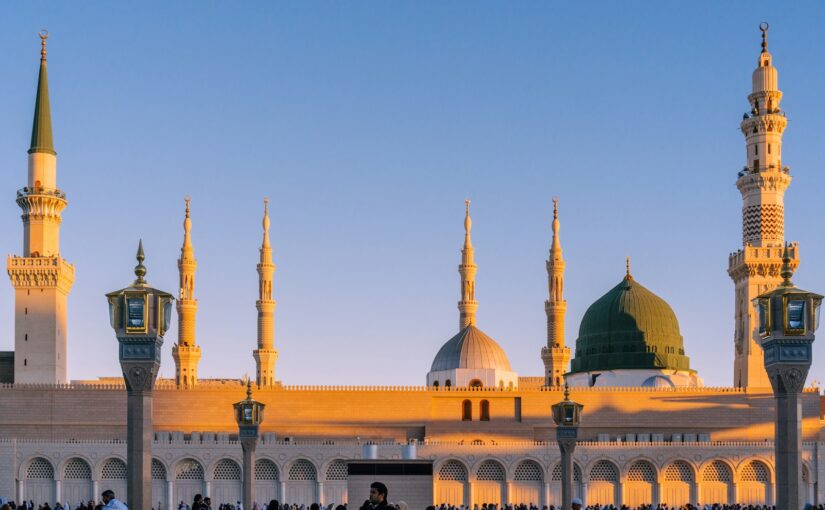
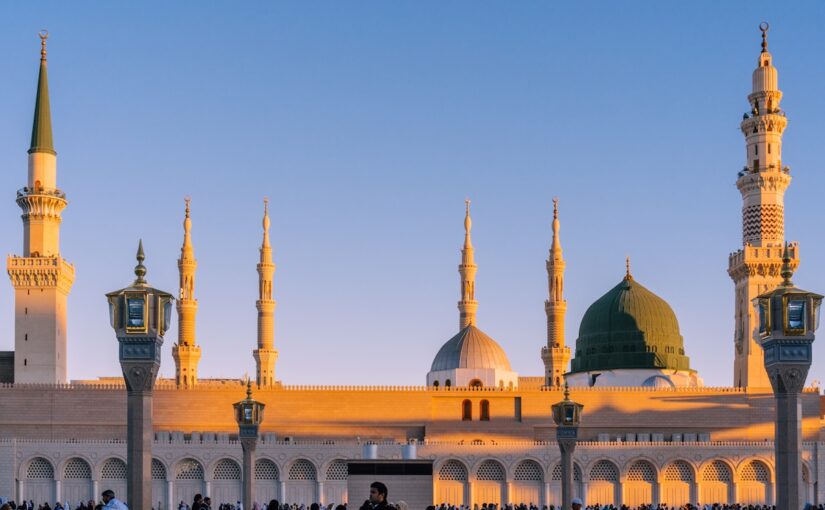
Ya Mustafa (یا مصطفیٰ) — Full Naat Lyrics in Urdu, English Translation and Meaning

“Ya Mustafa” (یا مصطفیٰ) is one of the most beloved and widely recited naats in the Islamic world. Sung by the renowned naat reciter Owais Raza Qadri, this soul-stirring naat is a heartfelt call to the Prophet Muhammad ﷺ, expressing deep love, devotion, and an unshakable bond between the believer and the final Messenger of Allah. The melody’s emotional depth combined with the powerful Urdu lyrics has made it a staple at religious gatherings, Mehfil-e-Naat events, and Ramadan special programs across the globe.

Owais Raza Qadri, a British-born naat khuwan of Pakistani descent, is a prominent figure in the world of Islamic nasheeds and naats. Known for his passionate delivery and soulful voice, Owais Raza Qadri has recorded hundreds of naats including other classics like “Mere Aaqa Ka Darbar,” “Tajdar-e-Haram,” and “Mustafa Jaane Rehmat.” His rendition of “Ya Mustafa” has amassed millions of views online and continues to inspire millions of Muslims to express their love for the Prophet Muhammad ﷺ through poetry and melody.

In this article, we present the complete lyrics of “Ya Mustafa” in both Urdu script and Roman English transliteration, along with a detailed English translation and explanation of its powerful verses. Whether you are looking to learn this beautiful naat by heart or seeking a deeper understanding of its words, this guide has everything you need.

Ya Mustafa Lyrics in Urdu (یا مصطفیٰ نعت کے اردو اشعار)

Below are the full Urdu lyrics of Ya Mustafa recited by Owais Raza Qadri:

یا مصطفیٰ یا مصطفیٰ
میرے نبی مصطفیٰ ﷺ
یا مصطفیٰ یا مصطفیٰ
میرے نبی مصطفیٰ ﷺ

یاد ہے تجھ کو وہ گھڑی
جب نہ تھا کوئی جدھر
آدم و حوا تھے نہیں
نہ تھا کوئی بشر

تھی نہ عرش و کرسی و لوح
نہ تھا قلم و رقم
نہ فلک نہ تھی زمیں
نہ تھا شمس و قمر

تھی نہ کوئی مخلوق تھی
نہ تھا لیل و نہار
نہ تھیں جنت و جہنم
نہ ثواب نہ وزر

تھا نہ کوئی شے وجود میں
سوائے ذات زوالفقار
تھی نہ کوئی دوسری ذات
نہ کوئی دوسرا جہاں

تب بھی تھے تمؐ اور اب بھی ہو
یا مصطفیٰ یا مصطفیٰ
میرے نبی مصطفیٰ ﷺ

یا مصطفیٰ یا مصطفیٰ
میرے نبی مصطفیٰ ﷺ
یا مصطفیٰ یا مصطفیٰ
میرے نبی مصطفیٰ ﷺ

پھر جب اِس دنیا میں
تشریف لائے آپؐ
خاتم النبیین ہو کر
ختم ہوئی نبوت

مکہ سے مدینہ تک
نور کا سفر تھا جاری
دشمنوں کو بھی بخش دیا
ایسے تھے ہم سے پیارے

ہر اک دکھ میں ہوگی مدد
جو پکارے گا تمؐ کو
تمؐ تو رحمت ہو خدا کی
حشر میں بھی یاد رکھنا

یا مصطفیٰ یا مصطفیٰ
میرے نبی مصطفیٰ ﷺ
یا مصطفیٰ یا مصطفیٰ
میرے نبی مصطفیٰ ﷺ

Ya Mustafa English Translation

Here is the English translation of the Ya Mustafa naat, line by line:

Ya Mustafa, Ya Mustafa
Mere Nabi Mustafa ﷺ
Ya Mustafa, Ya Mustafa
Mere Nabi Mustafa ﷺ

O Mustafa! O Mustafa!
My Prophet Mustafa ﷺ
O Mustafa! O Mustafa!
My Prophet Mustafa ﷺ

Yaad hai tujh ko woh ghari
Jab na tha koi jidhar
Aadam o Hawwa thay nahi
Na tha koi bashar

Do you remember that moment
When there was no one around
Neither Adam nor Eve existed
Nor any human being

Thi nah Arsh o Kursi o Loh
Na tha Qalam o Raqam
Na falak na thi zameen
Na tha Shams o Qamar

There was no Throne, no Footstool, no Tablet
No Pen, no writing
No sky, no earth
No sun, no moon

Thi na koi makhlooq thi
Na tha Lail o Nahaar
Na thin Jannat o Jahannam
Na sawaab na wazr

No creation existed
Neither night nor day
Neither Paradise nor Hell
No reward, no sin

Tha na koi shai wujood mein
Sawaey Zaat-e-Zulaf-e-Yaar
Thi na koi doosri zaat
Na koi doosra jahan

Nothing existed in the universe
Except the Divine Being of the Beloved
There was no other being
No other world

Tab bhi thay tum aur ab bhi ho
Ya Mustafa, Ya Mustafa
Mere Nabi Mustafa ﷺ

Even then you existed, and even now you exist
O Mustafa! O Mustafa!
My Prophet Mustafa ﷺ

Phir jab is duniya mein
Tashreef laaye aap
Khatam-un-Nabiyyeen ho kar
Khatam hui nubuwwat

Then when in this world
You arrived with honour
As the Seal of the Prophets
Prophethood was completed

Makkah se Madinah tak
Noor ka safar tha jaari
Dushmano ko bhi bakhsh diya
Aisay thay hum say pyaare

From Makkah to Madinah
The journey of light continued
Even enemies were forgiven
Such was the love you had for us

Har ik dukh mein hogi madad
Jo pukaare ga tumhen
Tum to rehmat ho Khuda ki
Hashar mein bhi yaad rakhna

In every sorrow there will be help
If one calls upon you
You are the mercy of Allah
Remember us on the Day of Judgment too

Ya Mustafa, Ya Mustafa
Mere Nabi Mustafa ﷺ
Ya Mustafa, Ya Mustafa
Mere Nabi Mustafa ﷺ

O Mustafa! O Mustafa!
My Prophet Mustafa ﷺ
O Mustafa! O Mustafa!
My Prophet Mustafa ﷺ

Meaning and Background of Ya Mustafa Naat

The title “Ya Mustafa” means “O Mustafa” — “Mustafa” (مصطفیٰ) being one of the most beloved names of the Prophet Muhammad ﷺ, meaning “The Chosen One” or “The Elect.” This name reflects the Islamic belief that Allah chose Prophet Muhammad ﷺ above all of creation to be the final messenger and mercy to mankind.

The opening verses of the naat take the listener on a profound spiritual journey — back to a time before creation itself. The poet describes a state when nothing existed except Allah: no heavens, no earth, no angels, no humans, no Paradise, no Hell. And yet, even in that pre-eternal state, the blessed soul of Prophet Muhammad ﷺ was already present. This is a beautiful reference to the famous hadith in which the Prophet ﷺ said, “I was a prophet when Adam was between water and clay” (Sunan Tirmidhi).

The naat then moves through time — describing the Prophet’s ﷺ arrival in this world as the Seal of the Prophets, his migration from Makkah to Madinah (the Hijrah), his unparalleled forgiveness even towards his enemies, and finally, the believer’s plea for his intercession (Shafa’ah) on the Day of Judgment. The recurring chorus “Tab bhi thay tum aur ab bhi ho” — “Even then you were, and even now you are” — beautifully connects the pre-eternal existence of the Prophet ﷺ with his continuing presence and spiritual guidance in the hearts of believers today.

This naat is widely performed in mosques, Islamic schools, and at Milad-un-Nabi gatherings around the world. It resonates deeply because it captures both the cosmic significance of the Prophet ﷺ — his existence before time — and his deeply personal, merciful relationship with every believer. The line “Har ik dukh mein hogi madad, jo pukaare ga tumhen” (In every sorrow there will be help, if one calls upon you) is particularly moving, reflecting the deep trust and reliance that Muslims place in the intercession and love of the Prophet Muhammad ﷺ.

More Beautiful Naats You Might Like

If you enjoyed the Ya Mustafa lyrics, you may also like these similar naats:

These naats, also popularized by Owais Raza Qadri and other renowned reciters, share the same themes of love, devotion, and reverence for the Prophet Muhammad ﷺ. Each one is a unique expression of the spiritual bond between the believer and the Chosen One.

May Allah bless us with the love of His beloved Prophet ﷺ and grant us his intercession on the Day of Judgment. Ameen.

Madina Madina (مدینہ مدینہ) — Full Naat Lyrics in Urdu, English Translation and Meaning

Introduction

Madina Madina (مدینہ مدینہ) is one of the most beloved and widely recited naats in the Islamic world. This beautiful poetic composition expresses the deep love, longing, and spiritual attachment that Muslims feel for Madina Munawwarah — the blessed city of Prophet Muhammad (peace be upon him). The naat has been performed by numerous renowned naat khwans across the globe and continues to move hearts with its soulful melody and heartfelt words.

The phrase “Madina Madina” is a passionate call to the holy city, reflecting the yearning of every believer who wishes to visit the Rawdah Mubarak and offer salutations at the blessed shrine. This naat is especially popular during religious gatherings, Mehfil-e-Milaad, and in the month of Rabi-ul-Awwal when Muslims around the world celebrate the birth of the Prophet (PBUH). Its simple yet profound lyrics resonate with people of all ages and backgrounds, making it a staple in naat collections worldwide.

مدینہ مدینہ — اردو lyrics

مدینہ مدینہ مدینہ مدینہ

مدینے کا نظارہ دل چاہتا ہے
مدینے میں جا کر میں آنکھیں بچھا دوں

مدینہ مدینہ مدینہ مدینہ

جو آیا مدینے میں بخشش ہوئی ہے
مدینہ مدینہ مدینہ مدینہ

مدینے کی گلیوں میں آنسو بہا دوں
مدینے کی خاک اپنی آنکھوں میں لگ لوں

مدینہ مدینہ مدینہ مدینہ

مدینے میں ہے میرے آقا کا روضہ
مدینے میں جا کر سلام عرض کروں

مدینہ مدینہ مدینہ مدینہ

Romanized Transliteration

Madeena Madeena Madeena Madeena

Madeene ka nazaara dil chahta hai
Madeene mein jaakar main aankhen bichha doon

Madeena Madeena Madeena Madeena

Jo aaya Madeene mein bakhshish hui hai
Kisi ne kaha hai kisi ne suna hai

Madeena Madeena Madeena Madeena

Madeene ki galiyon mein aansoo bahaa doon
Madeene ki khaak apni aankhon mein lag loon

Madeena Madeena Madeena Madeena

Madeene mein hai mere Aaqa ka rouza
Madeene mein jaakar salaam arz karoon

Madeena Madeena Madeena Madeena

English Translation

Verse 1:
Madeena, Madeena, Madeena, Madeena —
My heart yearns to behold the sight of Madina.
Let me go to Madina and lay down my eyes (as an offering).

Verse 2:
Whoever has come to Madina has been blessed —
This is what someone has said, and someone has heard.

Verse 3:
Let me shed tears in the streets of Madina,
Let me apply the dust of Madina to my eyes.

Verse 4:
In Madina lies the sacred resting place of my Master,
Let me go to Madina and present my salaams.

Meaning and Background

The naat “Madina Madina” is a powerful expression of the spiritual longing that every Muslim feels towards the holy city of Madina Munawwarah. This city holds an unparalleled place in Islamic history and in the hearts of believers. It was the city that welcomed Prophet Muhammad (PBUH) during his migration (Hijra) from Makkah and became the center of the first Islamic state.

The lyrics beautifully capture several profound themes:

Longing for the Beloved City: The repeated chorus of “Madina Madina” is not merely a name but a heartfelt cry of love. It echoes the sentiment of millions of Muslims who have grown up hearing stories of the Prophet’s city and yearn to visit it at least once in their lifetime. The desire to “lay down one’s eyes” speaks to the ultimate submission and humility before the sacred precincts.

The Gift of Forgiveness: The naat mentions that whoever comes to Madina receives forgiveness. This refers to the immense spiritual blessings associated with visiting the Prophet’s mosque (Masjid an-Nabawi). It is narrated in authentic hadith that one prayer in Masjid an-Nabawi is better than a thousand prayers elsewhere. The atmosphere of Madina is believed to be filled with divine mercy and blessings.

Tears of Love: The reference to shedding tears in the streets of Madina reflects the emotional intensity of visiting a place so deeply connected to the Prophet’s life. Many pilgrims describe being moved to tears when they first see the green dome of the Prophet’s mosque. These tears are not of sorrow but of overwhelming love and spiritual connection.

Dust of Madina: Applying the dust of Madina to one’s eyes is a poetic expression of seeking blessings (tabarruk) from the sacred earth. This practice has been observed by Muslims throughout history, treating the soil of Madina with reverence because of its connection to the Prophet (PBUH).

The Sacred Rawdah: The naat culminates with the most profound truth — that in Madina lies the Rawdah Mubarak, the blessed resting place of Prophet Muhammad (PBUH). The Rawdah is described in hadith as one of the gardens of Paradise. Presenting salaam at the Rawdah is the culmination of every pilgrim’s journey, fulfilling the deep desire to greet the Prophet (PBUH) directly.

When and Where It Is Recited

“Madina Madina” is typically recited:

  • During Mehfil-e-Milaad gatherings celebrating the birth of the Prophet (PBUH)
  • At naat khwani events and Islamic musical gatherings
  • In the month of Rabi-ul-Awwal
  • On the occasion of Urs and other religious commemorations
  • By pilgrims traveling to or returning from Madina
  • In daily gatherings of dhikr and remembrance

Conclusion

“Madina Madina” remains one of the most cherished naats in the Urdu-speaking Muslim world. Its simple yet deeply emotional lyrics capture the universal love that Muslims hold for the city of the Prophet (PBUH). Whether recited in a quiet gathering or sung in a large congregation, this naat has the power to move hearts and remind believers of the ultimate goal — to be among those who are blessed to visit Madina and present their respects at the Rawdah of the beloved Prophet (peace be upon him). May Allah grant us all the opportunity to visit Madina Munawwarah. Ameen.

Popular Renditions of Madina Madina

The naat “Madina Madina” has been performed by countless naat khwans over the decades, each bringing their unique style and emotion to the recitation. Some of the most beloved renditions include those by Qari Waheed Zafar Qasmi, whose soulful voice adds a layer of spiritual depth to the lyrics. His rendition has become the most widely recognized version across the Indian subcontinent and is often played in homes, mosques, and Islamic gatherings.

Other notable reciters include Owais Raza Qadri, whose energetic and passionate style brings a different flavor to the naat, and Hafiz Ahmed Raza Qadri, whose melodious rendition has garnered millions of listeners online. In recent years, younger naat khwans have also recorded contemporary versions of this classic, introducing it to new generations. The naat has also been performed by international artists and featured in various Islamic music compilations.

The Spiritual Significance of Madina

To truly understand the depth of this naat, one must appreciate what Madina means in the Islamic spiritual tradition. Madina Munawwarah (the illuminated city) is not just a geographical location but a spiritual sanctuary. It is the city where the Prophet Muhammad (PBUH) built the first mosque, established the first Islamic community, and where he spent the last ten years of his blessed life. The very air of Madina is believed to carry barakah (divine blessings), and every corner of the city is steeped in sacred history.

The Prophet (PBUH) said, “Between my house and my pulpit is a garden from the gardens of Paradise” (Bukhari). This area, known as the Rawdah, is the heart of Masjid an-Nabawi and the focal point of every pilgrim’s visit. The love for Madina is so deeply ingrained in Muslim consciousness that even those who have never visited feel a profound connection to it – a connection beautifully expressed in the simple yet powerful refrain of “Madina Madina.”

Ya Nabi Salam Alaika (یا نبی سلام علیک) — Naat Lyrics in Urdu with English Translation and Meaning

Introduction — Ya Nabi Salam Alaika (یا نبی سلام علیک)

Ya Nabi Salam Alaika (Arabic/Urdu: یا نبی سلام علیک) is one of the most beloved and widely recited naats across the Muslim world. The title translates to “O Prophet, Peace Be Upon You” — a direct and heartfelt salutation to Prophet Muhammad ﷺ. This naat has been popularized by countless nasheed artists across the globe and has become a staple at gatherings of dhikr, milads, and Islamic events.

The opening refrain — “Ya Nabi Salam Alaika, Ya Rasul Salam Alaika” — is a simple yet profoundly powerful declaration of love and respect for the final Messenger of Allah. Its melodic rhythm and deeply spiritual lyrics have made it a favorite among Muslims of all ages, from young children learning their first naat to elders attending religious gatherings.

This naat transcends linguistic boundaries. While originally composed in Arabic, it has been recited and translated into Urdu, English, Turkish, Malay, and numerous other languages, making it one of the most universal expressions of love for the Prophet ﷺ in the Islamic world.

Background and Origin

The exact origins of “Ya Nabi Salam Alaika” are rooted in the rich tradition of islamic nasheed and naat that emerged from the Arab world and South Asia. The phrase “Ya Nabi Salam Alaika” itself draws directly from the Islamic tradition of sending salawat (blessings) upon the Prophet Muhammad ﷺ, a practice commanded in the Holy Quran:

“Indeed, Allah confers blessing upon the Prophet, and His angels [ask Him to do so]. O you who have believed, ask [Allah to confer] blessing upon him and ask [Allah to grant him] peace.” (Quran 33:56)

Over the centuries, this Quranic commandment inspired poets and musicians to compose beautiful expressions of salawat in various forms. “Ya Nabi Salam Alaika” emerged as one of the most cherished of these compositions. It has been performed by numerous renowned artists, including:

  • Maher Zain — The Swedish-Lebanese singer popularized this naat to a global audience through his album “Thank You Allah” (2009), making it one of the most recognized Islamic nasheeds of the modern era.
  • Mishary Rashid Alafasy — The Kuwaiti imam and nasheed artist has performed powerful renditions that resonate deeply in the Arab world.
  • Sami Yusuf — Often called the “King of Islamic Nasheed,” his version brought the naat to Western Muslim audiences.
  • Various Qawwali artists — The naat has been incorporated into traditional Qawwali performances, especially in the Indian subcontinent.

Despite its modern popularity through these artists, the words of this naat echo centuries of Islamic devotional poetry. The act of calling out “Ya Nabi” (O Prophet) is a deeply rooted practice in Islamic spirituality, reflecting the believer’s yearning for the Prophet’s intercession and blessings.

When and Why This Naat is Recited

Ya Nabi Salam Alaika is recited on numerous occasions, reflecting its versatility and universal appeal:

1. Milad un-Nabi (Mawlid) Celebrations

The naat is a highlight of gatherings celebrating the birth of Prophet Muhammad ﷺ (12th Rabi’ al-Awwal). Its opening call — “Ya Nabi Salam Alaika” — perfectly captures the spirit of rejoicing in the Prophet’s ﷺ birth and sending blessings upon him.

2. Friday Gatherings

Many Muslims recite this naat on Fridays (Jumu’ah), as it is a day of increased salawat upon the Prophet ﷺ. The Prophet ﷺ said: “Send abundant blessings upon me on Friday, for the blessings are presented to me.” (Abu Dawud).

3. Daily Morning and Evening Dhikr

Due to its gentle, reflective melody and profound meaning, many Muslims incorporate this naat into their daily morning and evening remembrance of Allah. The act of sending salam to the Prophet ﷺ at the start and end of each day is considered a means of drawing closer to Allah.

4. Islamic Conferences and Spiritual Gatherings

At religious conferences, spiritual retreats, and Islamic events worldwide, this naat is frequently performed as an opening or closing segment, setting a spiritually uplifting atmosphere.

5. Personal Moments of Reflection

Many individuals recite this naat during moments of personal spiritual reflection, in times of difficulty as a means of seeking the Prophet’s intercession, or simply as a way to fill their homes with the remembrance of Allah and His Messenger ﷺ.

6. Before Travel or Important Undertakings

It is common among the faithful to recite this naat before embarking on a journey, especially before traveling to Madinah Munawwarah to visit the Prophet’s ﷺ blessed mosque.

The Meaning and Significance

“Ya Nabi Salam Alaika” is more than just a beautiful melody — it is a profound spiritual supplication. The central theme is sending salutations of peace (salam) to Prophet Muhammad ﷺ, acknowledging his status as the mercy to all worlds (Rahmatan lil Alameen).

The repetition of the opening line creates a meditative state, allowing the believer to focus entirely on their love for the Prophet ﷺ. In Islamic spirituality, this practice of sending salawat is believed to:

  • Draw down blessings (barakah) into one’s life and home
  • Bring the believer closer to the Prophet ﷺ on the Day of Judgment
  • Serve as a means of having one’s sins forgiven — The Prophet ﷺ said: “Whoever sends blessings upon me once, Allah sends blessings upon him tenfold.” (Muslim)
  • Bring peace to the heart in times of distress and anxiety
  • Strengthen the spiritual connection between the believer and the Prophet ﷺ

The naat beautifully blends traditional Arabic salawat with poetic expressions of love and devotion. It reminds the believer that the ultimate source of intercession and spiritual guidance is found in following the path of Prophet Muhammad ﷺ.

Islamic Context: The Virtue of Sending Salam upon the Prophet ﷺ

In Islamic tradition, sending salawat and salam upon Prophet Muhammad ﷺ is one of the most virtuous acts a believer can perform. The Quran explicitly commands it, and the Prophet ﷺ emphasized its immense rewards.

In addition to the Quranic verse mentioned above, numerous hadith highlight the importance of this practice:

The Prophet ﷺ said: “The nearest of people to me on the Day of Resurrection will be those who send the most blessings upon me.” (Tirmidhi)

He ﷺ also said: “Do not make my grave a place of celebration. Send blessings upon me, for your blessings are conveyed to me wherever you may be.” (Abu Dawud)

“Ya Nabi Salam Alaika” is thus not merely a poem or a song — it is an act of worship, a means of drawing closer to Allah through love for His beloved Prophet ﷺ. When recited with sincerity and understanding, it fulfills the Quranic command and earns immense spiritual rewards.

Full Arabic/Urdu Lyrics — یا نبی سلام علیک (Ya Nabi Salam Alaika)

یا نبی سلام علیک، یا رسول سلام علیک
یا حبیب سلام علیک، صلوٰۃ اللہ علیک

اشرق الانوار من طاہ، و اضائت دار احمد
فبہ قد حصل المقصود، بہ قد حصل المطلوب

طاب وقت الحب یا قوم، ھاتوا اشعار المدام
فھوی المختار قد حاز، کل قلب مستھام

یا نبی سلام علیک، یا رسول سلام علیک
یا حبیب سلام علیک، صلوٰۃ اللہ علیک

طاب ذکر الحب یا قوم، فاذکرو مولی الوری
حبہ للعاشقین النور، یجلو کل صدر

فاشکرو نعمہ اللہ، و علیکم بالصلاۃ
و علی الھادی صلوا، و اذا نادی المنادی

یا نبی سلام علیک، یا رسول سلام علیک
یا حبیب سلام علیک، صلوٰۃ اللہ علیک

سیدی یا جد احمد، یا ابو القاسم ھاشم
یا شفیع الخلق اجمع، یا معین العاجزین

بک قد حازت موالاتی، شرف فی العالمین
فاذا کان رضی اللہ، عنی یا رسول اللہ

یا نبی سلام علیک، یا رسول سلام علیک
یا حبیب سلام علیک، صلوٰۃ اللہ علیک

Roman Transliteration

Ya Nabi Salam Alaika, Ya Rasul Salam Alaika
O Prophet, peace be upon You, O Messenger, peace be upon You

Ya Habib Salam Alaika, Salawatullahi Alaika
O Beloved, peace be upon You, the blessings of Allah be upon You

Ashraqal Anwaru Min Tahi, Wa Ada’atu Daru Ahmad
The lights have shone from Tah (the pure one), and the house of Ahmad is illuminated

Fabi Qad Hasal Maqsood, Bi Qad Hasal Matloob
For through him the goal has been attained, through him the desired has been achieved

Taba Waqtul Hubbi Ya Qawm, Hatu Asha’ral Mudam
Sweet is the time of love, O people, bring forth the verses of eternal joy

Fahawal Mukhtaru Qad Haza, Kullu Qalbin Mustaham
For the love of the Chosen One has captured every enraptured heart

Ya Nabi Salam Alaika, Ya Rasul Salam Alaika
O Prophet, peace be upon You, O Messenger, peace be upon You

Ya Habib Salam Alaika, Salawatullahi Alaika
O Beloved, peace be upon You, the blessings of Allah be upon You

Taba Dhikrul Hubbi Ya Qawm, Fadhkuru Mawlal Wara
Sweet is the remembrance of love, O people, so remember the Master of creation

Hubbahu Lil ‘Ashiqeenan Noor, Yajlu Kulla Sadr
His love is light for the lovers, illuminating every heart

Fashkuru Ni’matallah, Wa Alaykum Bis Salah
So be grateful for the blessings of Allah, and upon you be prayer

Wa ‘Alal Hadi Sallu, Wa Iza Nada Al-Munadi
And send blessings upon the Guide, when the caller calls

Ya Nabi Salam Alaika, Ya Rasul Salam Alaika
O Prophet, peace be upon You, O Messenger, peace be upon You

Ya Habib Salam Alaika, Salawatullahi Alaika
O Beloved, peace be upon You, the blessings of Allah be upon You

Sayyidi Ya Jadda Ahmad, Ya Abal Qasimi Hashim
My master, O ancestor Ahmad, O father of Qasim, the Hashimite

Ya Shafi’al Khalqi Ajma’, Ya Mu’inal ‘Ajizin
O intercessor of all creation, O helper of the helpless

Bika Qad Hazat Mawalati, Sharafan Fil ‘Alameen
Through You, my allegiance has attained honor among the worlds

Fa Iza Kana Radhiyallahu, ‘Anni Ya Rasulallah
For if Allah is pleased with me, O Messenger of Allah

Ya Nabi Salam Alaika, Ya Rasul Salam Alaika
O Prophet, peace be upon You, O Messenger, peace be upon You

Ya Habib Salam Alaika, Salawatullahi Alaika
O Beloved, peace be upon You, the blessings of Allah be upon You

English Translation — Line by Line

Arabic/Transliteration English Translation
Ya Nabi Salam Alaika O Prophet, peace be upon You
Ya Rasul Salam Alaika O Messenger, peace be upon You
Ya Habib Salam Alaika O Beloved, peace be upon You
Salawatullahi Alaika The blessings of Allah be upon You
Ashraqal Anwaru Min Tahi The lights have shone from the Pure One
Wa Ada’atu Daru Ahmad And the house of Ahmad is illuminated
Fabi Qad Hasal Maqsood Through him the ultimate goal is attained
Bi Qad Hasal Matloob Through him the desired has been achieved
Taba Waqtul Hubbi Ya Qawm Sweet is the time of love, O people
Hatu Asha’ral Mudam Bring forth the verses of eternal joy
Fahawal Mukhtaru Qad Haza For the love of the Chosen One has captured
Kullu Qalbin Mustaham Every enraptured and devoted heart
Sayyidi Ya Jadda Ahmad My master, O ancestor Ahmad
Ya Abal Qasimi Hashim O father of Qasim, the Hashimite
Ya Shafi’al Khalqi Ajma’ O intercessor of all creation
Ya Mu’inal ‘Ajizin O helper of the helpless
Bika Qad Hazat Mawalati Through You, my allegiance has attained honor
Sharafan Fil ‘Alameen Honor and dignity among all the worlds

Meaning and Explanation — A Deep Dive

Verse 1: The Call of Love

The naat opens with the powerful repeated refrain — “Ya Nabi Salam Alaika, Ya Rasul Salam Alaika, Ya Habib Salam Alaika, Salawatullahi Alaika.” This is not merely a greeting; it is a profound spiritual invocation. Each title — Nabi (Prophet), Rasul (Messenger), Habib (Beloved) — highlights a different aspect of the Prophet’s ﷺ station. “Nabi” emphasizes his role as the recipient of divine revelation, “Rasul” underscores his mission to convey Allah’s message, and “Habib” reflects the intimate, loving relationship between the Prophet and Allah — for the Prophet ﷺ is called Habibullah (the Beloved of Allah). The closing line, “Salawatullahi Alaika” (the blessings of Allah be upon you), serves as a supplication that Allah’s infinite mercy and blessings descend upon the Prophet ﷺ.

Verse 2: The Light of Prophethood

“Ashraqal Anwaru Min Tahi, Wa Ada’atu Daru Ahmad” — This verse beautifully describes the light of prophethood emanating from the pure being (Tahi — The Pure One, referring to Prophet Muhammad ﷺ). His house, the blessed household of Ahmad, is illuminated by this divine light. In Islamic tradition, the concept of Nur-e-Muhammadi (the Light of Muhammad) holds that the Prophet’s ﷺ light was created before all of creation and serves as the source of all spiritual illumination.

“Fabi Qad Hasal Maqsood, Bi Qad Hasal Matloob” — Through the Prophet ﷺ, the ultimate purpose (maqsood) has been fulfilled and the desired objective (matloob) has been achieved. This refers to the completion of Allah’s final guidance through the Prophet Muhammad ﷺ, who came as the seal of all prophets and brought the final, complete message for humanity.

Verse 3: The Sweetness of Divine Love

“Taba Waqtul Hubbi Ya Qawm” — The poet calls out to the people, declaring that the time of love is sweet. This verse invites all believers to enter into the blessed state of love for the Prophet ﷺ. The mention of “verses of eternal joy” (asha’ral mudam) suggests that the poetry of love for the Prophet is not fleeting but everlasting.

“Fahawal Mukhtaru Qad Haza, Kullu Qalbin Mustaham” — The love of Al-Mukhtar (the Chosen One — another title of the Prophet ﷺ) has captivated every enraptured heart. The word “Mustaham” implies a heart that is deeply in love, almost intoxicated with devotion — a state that Sufi poets often describe as spiritual ecstasy (wajd).

Verse 4: The Call to Remembrance

“Taba Dhikrul Hubbi Ya Qawm, Fadhkuru Mawlal Wara” — The remembrance (dhikr) of love is sweet. The poet urges us to remember the Master of creation (Mawla al-Wara — Allah). This verse connects love for the Prophet ﷺ with the remembrance of Allah, showing that the two are intrinsically linked. One cannot truly love Allah without loving His Prophet ﷺ, and remembering the Prophet ﷺ is a form of remembering Allah.

“Hubbahu Lil ‘Ashiqeenan Noor, Yajlu Kulla Sadr” — His love is light for the lovers, illuminating every heart. This beautiful metaphor describes how the love of the Prophet ﷺ dispels darkness from the heart, bringing clarity, peace, and spiritual illumination.

Verse 5: Supplication and Gratitude

“Sayyidi Ya Jadda Ahmad, Ya Abal Qasimi Hashim” — This verse addresses the Prophet ﷺ by his noble lineage and titles. “Sayyidi” (my master), “Jadda Ahmad” (ancestor of Ahmad — a reference to his lineage), “Abal Qasim” (father of Qasim — his son), and “Hashim” (from the noble tribe of Banu Hashim).

“Ya Shafi’al Khalqi Ajma’, Ya Mu’inal ‘Ajizin” — The Prophet ﷺ is invoked as the intercessor (Shafi’) of all creation and the helper (Mu’in) of the helpless. This acknowledges the Prophet’s ﷺ role on the Day of Judgment, where he will intercede for his ummah, as promised in numerous hadith.

“Bika Qad Hazat Mawalati, Sharafan Fil ‘Alameen” — Through allegiance to the Prophet ﷺ, one attains honor among all the worlds. This powerful declaration asserts that true honor and dignity come not from worldly status, wealth, or power, but from love and devotion to Prophet Muhammad ﷺ.

Virtues of Reciting Ya Nabi Salam Alaika

The recitation of “Ya Nabi Salam Alaika” carries immense spiritual benefits rooted in the Islamic tradition of sending salawat upon the Prophet ﷺ:

  1. Fulfilling a Quranic Command — By reciting this naat, believers fulfill the command of Allah in Quran 33:56 to send blessings and peace upon the Prophet ﷺ.
  2. Tenfold Blessings — The Prophet ﷺ said: “Whoever sends blessings upon me once, Allah sends blessings upon him ten times.” (Muslim). Each line of this naat that invokes salawat brings this reward.
  3. Closeness to the Prophet on Judgment Day — The Prophet ﷺ promised: “The people most worthy of me on the Day of Resurrection are those who send the most blessings upon me.” (Tirmidhi).
  4. Forgiveness of Sins — The Prophet ﷺ said: “Send blessings upon me, for it is purification for you.” (Ahmad). Regular recitation of this naat serves as spiritual purification.
  5. Relief from Anxiety — The remembrance of the Prophet ﷺ brings tranquility to the heart. This naat, with its gentle rhythm and profound meaning, serves as a remedy for spiritual restlessness and anxiety.
  6. Increase in Sustenance — Scholars have noted that sending abundant salawat upon the Prophet ﷺ can be a means of increase in one’s provision (rizq) and blessings in one’s life.

How to Recite Ya Nabi Salam Alaika

This naat is traditionally recited with deep emotion and a melodic, flowing rhythm. Here are some guidelines for recitation:

  • Begin with Durood — Start by reciting Durood (salutations upon the Prophet ﷺ) to enter into a state of blessing and spiritual readiness.
  • Recite with Understanding — Read the Arabic/Urdu lyrics alongside the English translation to fully grasp the profound meaning of each verse.
  • Maintain a Slow, Reflective Pace — Do not rush through the verses. Allow each line to resonate in your heart before moving to the next.
  • Repeat the Refrain with Devotion — The refrain “Ya Nabi Salam Alaika” is the heart of this naat. Repeat it with focused devotion, imagining yourself standing before the blessed Rawdah of the Prophet ﷺ in Madinah.
  • End with Dua — Conclude your recitation with a heartfelt supplication (dua), asking Allah to accept your salawat and grant you the love of the Prophet ﷺ in this life and the next.
  • Listen to Renowned Reciters — For proper pronunciation and melody, listen to versions by Maher Zain, Mishary Rashid Alafasy, or Sami Yusuf.

Conclusion

Ya Nabi Salam Alaika is more than a naat — it is a spiritual lifeline connecting the believer to the beloved Prophet Muhammad ﷺ. Its beautiful refrain, “Ya Nabi Salam Alaika, Ya Rasul Salam Alaika,” echoes the yearning of every Muslim heart to send peace and blessings upon the one who brought mercy to all worlds.

Whether recited in the solitude of one’s home, in the congregation of a mosque, or during the blessed journey to Madinah Munawwarah, this naat carries the power to transform hearts and draw souls closer to their Creator through love for His final Messenger.

May Allah accept our salawat, increase our love for the Prophet ﷺ, and grant us the honor of being among those who will be closest to him on the Day of Resurrection. May we be blessed to recite this naat not only in this world but also in the gardens of Jannah, in the company of the Prophet ﷺ and his blessed companions. Ameen.


This article is dedicated to all lovers of the Prophet Muhammad ﷺ.
If you find any errors in the lyrics or translation, please contact us so we can correct them.

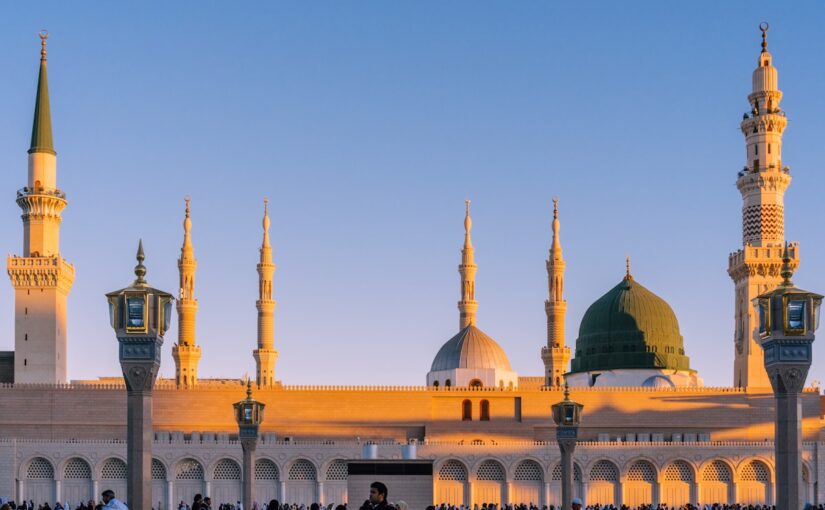
Mere Aaqa (میرے آقا) — Naat Lyrics in Urdu, English Translation and Meaning

Introduction

“Mere Aaqa” (میرے آقا) meaning “My Master” is a beloved naat sharif that expresses deep love and devotion for Prophet Muhammad (peace be upon him). The poet pours out his heart, calling the Prophet his master, his guide and the light of his life.

This naat is popular across the Islamic world and is recited at gatherings, Milad un-Nabi events and in daily worship. Its simple yet powerful words resonate with anyone who loves the Prophet.

Below you will find the full Urdu lyrics, English transliteration, English translation and the spiritual meaning behind this beautiful naat.

Mere Aaqa Naat Lyrics in Urdu

میرے آقاؐ، میرے آقاؐ
آپ کی ہے ہر صدا پیاری

میرے آقاؐ، میرے آقاؐ
آپ کی ہے ہر ادا پیاری

آپ کا روضہ ہے مدینے میں
وہ جگہ ہے کتنی پیاری

آپ کے در پر جو بھی آیا
اس کو ملی بخشش ہماری

میرے آقاؐ، میرے آقاؐ
مجھ کو اپنی نظر میں رکھنا

دل کو مدینے سے لگا دو
یہ ہے حسرت ہماری

مجھ کو اپنے در سے لگا لو
ورنہ دنیا ہے اجاڑ

آپ کے صدقے میں مانگوں
رب سے ملے ہمیں بھی یہ پیار

میرے آقاؐ، میرے آقاؐ
آپ کے در سے جدا نہ کرنا

English Transliteration

Mere Aaqa, mere Aaqa
Aap ki hai har sada pyari

Mere Aaqa, mere Aaqa
Aap ki hai har ada pyari

Aap ka roza hai Madinay mein
Woh jagah hai kitni pyari

Aap ke dar par jo bhi aaya
Usko mili bakhshish hamari

Mere Aaqa, mere Aaqa
Mujh ko apni nazar mein rakhna

Dil ko Madinay se laga do
Yeh hai hasrat hamari

Mujh ko apne dar se laga lo
Warna duniya hai ujaar

Aap ke sadqay mein maangoon
Rab se mile hamein bhi yeh pyaar

Mere Aaqa, mere Aaqa
Aap ke dar se juda na karna

English Translation

My Master, my Master
Every word of Yours is beloved

My Master, my Master
Every mannerism of Yours is beloved

Your blessed resting place is in Madinah
That place is so precious

Whoever came to Your door
Received forgiveness, our hope

My Master, my Master
Keep me in Your gracious sight

Attach my heart to Madinah
This is my deepest wish

Keep me close to Your door
Otherwise this world is barren

Through Your blessings, I ask
That my Lord grants me this love too

My Master, my Master
Do not ever separate me from Your door

Meaning and Background

“Mere Aaqa” uses the word “Aaqa” (آقا) which in Urdu and Persian means master, lord or leader. In the context of this naat, it refers to Prophet Muhammad (SAW) as the spiritual master of all believers.

The naat explores several key themes:

1. Love for the Prophet: The repeated refrain “Mere Aaqa, mere Aaqa” is not just a title but a declaration of love. The poet claims ownership of this relationship, using the word “mere” (my) to express personal connection.

2. The Sanctity of Madinah: The reference to the Prophet’s resting place (roza) in Madinah highlights the deep spiritual longing Muslims have to visit the city of the Prophet. Madinah is not just a city; it is a place of peace and spiritual fulfilment.

3. Seeking Intercession: The lines “Aap ke dar par jo bhi aaya / Usko mili bakhshish” reflect the belief that those who seek the Prophet’s intercession with sincerity receive Allah’s forgiveness.

4. Fear of Separation: The closing plea “Aap ke dar se juda na karna” (do not separate me from Your door) expresses the believer’s deepest fear: being distanced from the Prophet’s spiritual presence.

5. Worldly Detachment: “Warna duniya hai ujaar” (otherwise the world is barren) reminds us that without the Prophet’s guidance, the material world holds no real value.

When to Recite This Naat

“Mere Aaqa” is suitable for recitation at any time, but it is especially popular during:

  • Milad un-Nabi gatherings (the Prophet’s birthday)
  • Friday nights and other blessed nights
  • Before or after namaaz in congregation
  • Personal worship and meditation
  • Qawwali and naat competitions

The naat is often recited in a melancholic yet hopeful tone, reflecting the deep love and yearning of the believer for the Prophet’s presence.

About the Poet

The exact origins of “Mere Aaqa” are traced to traditional South Asian naat poetry. Like many classical naats, it has been passed down through oral tradition and performed by various renowned naat khwaans (reciters).

This naat continues to inspire millions of Muslims around the world, bringing them closer to the love of Prophet Muhammad (SAW).

Download and Share

Feel free to share the lyrics and translation with friends and family. Understanding the meaning of the naat deepens your connection to the words you recite. May Allah accept our love for the Prophet and grant us the honour of visiting his blessed city. Ameen.