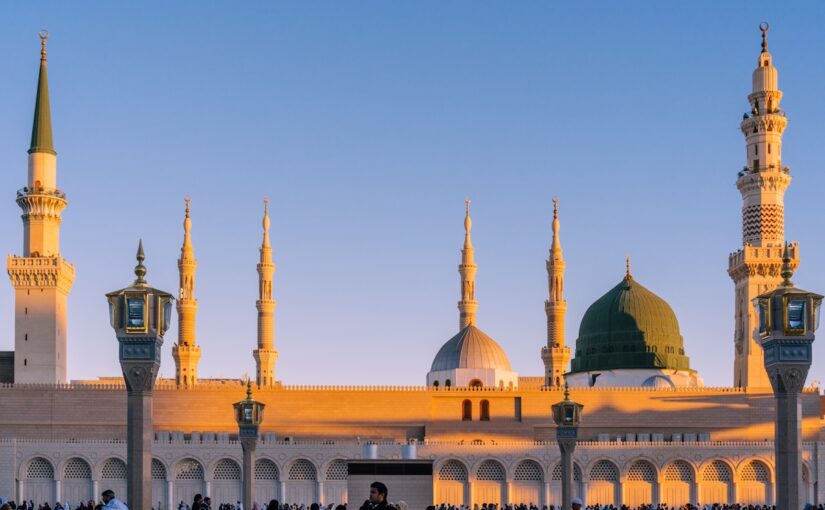
Mere Maula (میرے مولا) – Complete Urdu Lyrics & English Translation

Mere Maula (میرے مولا) – Complete Urdu Lyrics & English Translation

Mere Maula” (میرے مولا), meaning “My Master” or “My Lord,” is one of the most soul-stirring naats in the Urdu language. The naat is a heartfelt plea to Allah — a beautiful blend of Hamd (praise of Allah) and Naat (praise of the Prophet ﷺ). Its lyrics talk about seeking the protection and mercy of the Almighty, expressing the singer’s complete reliance on the Creator.

Background of Mere Maula

The naat Mere Maula was popularised by the legendary Pakistani singer Junaid Jamshed (1964–2016). Junaid Jamshed was originally a pop icon — the lead vocalist of Pakistan’s biggest pop band, Vital Signs, famous for hits like “Dil Dil Pakistan.” After leaving the music industry in the early 2000s, he dedicated his life to Islamic preaching and nasheed/naat recitation. His journey from pop stardom to becoming a respected religious figure inspired millions.

Junaid Jamshed’s rendition of “Mere Maula” touched hearts across South Asia. With his soft, emotional voice and sincere delivery, he captured the longing of a believer seeking Allah’s mercy. The naat became a staple at religious gatherings, Islamic conferences, and continues to be widely shared on YouTube and social media platforms.

The lyrics of Mere Maula are traditionally attributed to various Islamic poets. The naat uses simple yet profound Urdu phrases that resonate deeply with listeners — making it accessible even to those who may not be fluent in Arabic or complex poetic forms.

Why Mere Maula Is So Beloved

  • Emotional depth: The naat expresses total submission and reliance on Allah — something every believer understands at a personal level.
  • Simple yet powerful lyrics: The words are easy to remember but carry deep spiritual meaning.
  • Junaid Jamshed’s unique legacy: His personal story of transformation adds layers of meaning to the performance.
  • Universality: The theme of seeking the Master’s mercy transcends cultural and linguistic boundaries.

Mere Maula – Full Urdu Lyrics (مکمل اردو نعت)

Verse 1

Urdu:
میرے مولا میرا غم دور کر دے
میرے دل سے میرا غم دور کر دے
مجھے اپنا بنا لے یا الٰہی
اپنے در سے کبھی نہ دور کر دے

English Translation:
My Master, remove my sorrow from me
Remove the grief from my heart
Make me Your own, O my Lord
Never cast me away from Your door

Verse 2

Urdu:
جو بھی تجھ سے مانگتا ہے وہ پاتا ہے
مجھ کو تو نے در پہ اپنے بلا لیا
بے کسوں کا تو ہے سہارا یا الٰہی
میرے مولا میرا غم دور کر دے

English Translation:
Whoever asks from You, receives
You called me to Your doorstep
You are the support of the helpless, O my Lord
My Master, remove my sorrow from me

Verse 3

Urdu:
تیرے در سے جو بھی خالی لوٹتا ہے
اس کو سمجھو وہ نادان ہے دیوانہ
مجھ کو اپنا بنا لے یا الٰہی
اپنے در سے کبھی نہ دور کر دے

English Translation:
Whoever returns empty-handed from Your door
Know that they are foolish, not mad with love
Make me Your own, O my Lord
Never cast me away from Your door

Verse 4

Urdu:
تیرے در کے سوا میرا کوئی نہیں ہے
تو ہی میرا ہے تو ہی میرا سہارا
مجھ کو اپنا بنا لے یا الٰہی
میرے مولا میرا غم دور کر دے

English Translation:
I have no one except Your door
You are mine, and You are my support
Make me Your own, O my Lord
My Master, remove my sorrow from me

Verse 5

Urdu:
تیرے در پہ جو آیا وہ خالی نہ گیا
بھر کے اس کو تو نے اپنی بخشش سے دیا
درد والو نے تجھ سے درد سارے پا لئے
میرے مولا میرا غم دور کر دے

English Translation:
Whoever came to Your door never left empty
You filled them with Your forgiveness
Those in pain received all their cure from You
My Master, remove my sorrow from me

Verse 6

Urdu:
مجھ کو تو نے اپنی رحمت سے نوازا
اپنے در سے لگا کر اپنا بنا لیا
میں گنہگار ہوں لیکن تو ہے غفار
میرے مولا میرا غم دور کر دے

English Translation:
You blessed me with Your mercy
You attached me to Your door and made me Your own
I am a sinner, but You are the Oft-Forgiving
My Master, remove my sorrow from me

Meaning and Explanation

The naat “Mere Maula” is structured as a direct conversation between the believer and Allah (ﷻ). Unlike naats that focus exclusively on praising the Prophet ﷺ, this piece is primarily a Hamd — expressing the singer’s deep emotional connection with the Creator.

Key themes:

  • Submission and reliance: The repeated plea “Mere Maula” establishes a relationship of total trust and dependence on Allah.
  • Seeking forgiveness: “I am a sinner, but You are the Oft-Forgiving” — this reflects the Islamic concept of Tawbah (repentance) and the believer’s hope in Allah’s infinite mercy.
  • Attachment to Allah’s door: The imagery of being attached to Allah’s door (dar) symbolizes seeking nearness to the Divine — a central theme in Islamic spirituality.
  • Comfort in times of hardship: The refrain “remove my sorrow” speaks to the universal human experience of grief and the comfort found in turning to the Divine.

The naat draws its power from its simplicity. It doesn’t use complex metaphors or heavy Arabic vocabulary. Instead, it speaks directly to the heart in everyday Urdu — making its message accessible to everyone, from scholars to common people.

Junaid Jamshed – The Voice Behind the Naat

Junaid Jamshed (1964–2016) was a remarkable figure in Pakistan’s cultural and religious landscape. Born in Karachi, he studied at the prestigious NED University and later formed the band Vital Signs in 1986. The band’s debut album included the iconic “Dil Dil Pakistan,” which became an unofficial national anthem.

In the early 2000s, Junaid underwent a profound spiritual transformation. He left the music industry, grew a beard, and began using his voice exclusively for Islamic content. He became a naat khawan (naat reciter) and a preacher, delivering lectures across Pakistan and internationally.

His rendition of “Mere Maula” is perhaps his most famous naat. The sincerity in his voice reflects his own spiritual journey — from worldly fame to complete devotion to the Creator. Junaid Jamshed tragically died in a plane crash near Havelian in December 2016, but his voice continues to inspire millions who listen to “Mere Maula” in their moments of solitude and prayer.

Conclusion

“Mere Maula” remains one of the most cherished Islamic devotional songs in the Urdu-speaking world. Its timeless message of submission, hope, and reliance on Allah resonates across generations. Whether you are going through a difficult time or simply seeking spiritual connection, this naat offers comfort and reminds us that the door of the Almighty is always open for those who seek Him.

May Allah accept our prayers and grant us the ability to always remember Him in times of ease and hardship. Ameen.

Note: All lyrics are transcribed to the best of our knowledge. Please inform us of any corrections you may find.
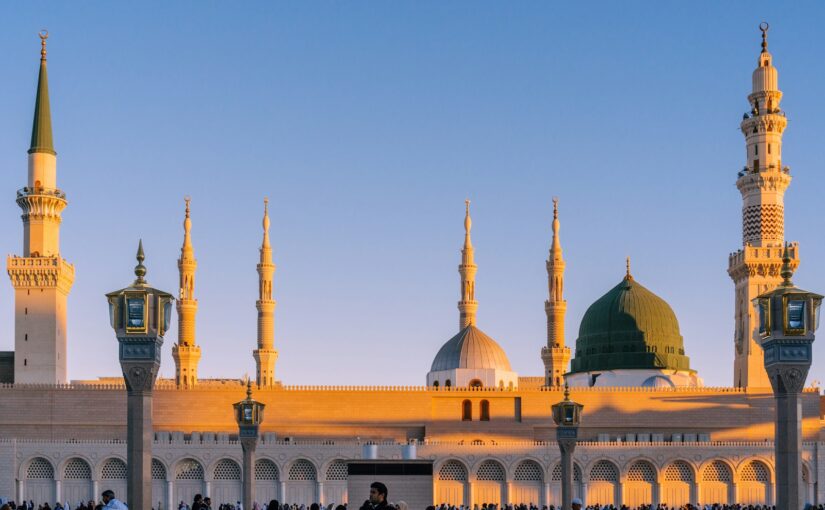

Aaqa Ke Sadqe Mein (آقا کے صدقے میں) – Urdu Naat Lyrics with English Translation

Aaqa Ke Sadqe Mein (آقا کے صدقے میں) – An Overview

“Aaqa Ke Sadqe Mein” (also known as “Tere Sadqe Mein Aaqa”) is one of the most beloved Urdu naats of the modern era. The title translates to “For the Sake of My Master” — a heartfelt expression of devotion to the Prophet Muhammad (peace be upon him). The naat beautifully illustrates how through the blessed arrival of the Prophet ﷺ, the whole world received the gift of Islam. Its powerful refrain — “Hasbi Rabbi Jallallah, Ma fi Qalbi Ghairullah, Noor-e-Muhammad Sallallah, La Ilaha Illallah” — has become iconic among naat enthusiasts worldwide.

Who Popularised This Naat?

This naat was popularised by the immensely talented Asad Raza Attari, a young naat reciter known for his soft, melodious voice that touches the hearts of listeners. His rendition of “Tere Sadqe Mein Aaqa” gained widespread fame through Al-Ghosia production in 2018. The naat has since been covered by many other renowned naat khwans including Hafiz Bilal Qadri and Aramish Munir, but Asad Raza Attari’s original version remains the most cherished.

Meaning and Theme

The core theme of “Aaqa Ke Sadqe Mein” is the transformative power of Prophet Muhammad’s ﷺ message. The naat takes us through several pivotal moments in Islamic history:

  • The story of Abu Jahl — the staunch polytheist who arrogantly challenged the Prophet ﷺ by hiding pebbles in his fist, only to witness a miracle when the pebbles themselves proclaimed La Ilaha Illallah.
  • The conversion of Umar (RA) — how he found his sister reciting the Quran and was so moved by the divine words that his heart instantly proclaimed faith.
  • The story of Bilal (RA) — the Abyssinian slave whose unshakable faith in the Oneness of Allah, even under the torture of a heavy stone on his chest, became a timeless example of devotion.
  • The transformation from idol worship to Tawheed — how the world was steeped in polytheism until the Prophet ﷺ arrived and shattered every idol.

Throughout the naat, the refrain anchors the listener in the declaration of Tawheed — reminding us that the ultimate reality is Allah’s oneness and that Prophet Muhammad ﷺ is His beloved messenger.

Aaqa Ke Sadqe Mein – Full Urdu Lyrics (آقا کے صدقے میں – مکمل اردو نعت) 🤲

Verse 1

Urdu:
تیرے صدقے میں آقا سارے جہاں کو دین ملا
بے دینوں نے کلمہ پڑھا لا الہ الا اللہ

English Translation:
For the sake of my Master, the entire world received the faith.
Even the faithless recited the kalima: La Ilaha Illallah.

Refrain (Chorus)

Urdu:
حسبی ربی جل اللہ – مافی قلبی غیر اللہ
نور محمد ﷺ صل اللہ – لا الہ الا اللہ

English Translation:
Sufficient for me is my Lord, Allah is Majestic — there is none in my heart but Allah.
The light of Muhammad ﷺ — blessings of Allah — there is no god but Allah.

Verse 2 – The Story of Abu Jahl

Urdu:
سمٹے نبی، ابو جہل گیا، آقا سے اس نے یہ کہا
گر ہو نبی بتلاؤ ذرا، میری مُٹھی میں ہے کیا
آقا کا فرمان ہوا، اور فضلِ رحمن ہوا
مُٹھی سے پتھر بولا لا الہ الا اللہ

English Translation:
Abu Jahl approached the Prophet and said, “If you are a prophet, tell me what is in my fist.”
The command of the Master came, and by the grace of the Most Merciful,
The pebbles in his fist proclaimed: La Ilaha Illallah.

Verse 3 – The Conversion of Umar (RA)

Urdu:
اپنی بہن سے بولے عمر، یہ تو بتا کیا کرتی تھی
میرے آنے سے پہلے، کیا چپکے چپکے پڑھتی تھی
بہن نے جب قرآن پڑھا، سن کے کلامِ پاکِ خدا
دل یہ عمر کا بول اٹھا لا الہ الا اللہ

English Translation:
Umar said to his sister, “Tell me, what were you reciting secretly before I arrived?”
When his sister recited the Quran, upon hearing the pure words of God,
The heart of Umar cried out: La Ilaha Illallah.

Verse 4 – The Story of Bilal (RA)

Urdu:
وہ جو بلالِ حبشی ہیں سرورِ دین کا پیارا ہے
دنیا کے ہر عاشق کی آنکھوں کا وہ تارا ہے
ظلم ہوئے کتنے ان پر، سینے پہ رکھا پتھر
پھر بھی لب پہ جاری تھا لا الہ الا اللہ

English Translation:
Bilal the Abyssinian — beloved of the Leader of the Faith —
He is the star in the eyes of every lover in the world.
So many cruelties were inflicted upon him, a stone placed on his chest,
Yet his lips kept reciting: La Ilaha Illallah.

Verse 5 – The Era of Idolatry

Urdu:
دنیا کے انسان سبھی شرک و بدعت کرتے تھے
رب کے تھے بندے پھر بھی بُت کی عبادت کرتے تھے
بُت خانے ہیں ٹھہرائے، میرے نبی ہیں جب آئے
کہنے لگی مخلوقِ خدا لا الہ الا اللہ

English Translation:
All of humanity was steeped in polytheism and innovation,
They were servants of the Lord yet worshipped idols.
Idol houses stood firm, but when my Prophet came,
All of God’s creation began to say: La Ilaha Illallah.

Verse 6 – All of Creation Glorifies Allah

Urdu:
گلشن کلمہ پڑھتے ہیں، چڑیا کلمہ پڑھتی ہے
دنیا کی مخلوق سبھی، ذکرِ خدا کا کرتی ہے
کہتے سبھی ہیں جن و بشر، کہتا شجر ہے، کہتا حجر
کہتا ہے پتا پتا لا الہ الا اللہ

English Translation:
Gardens recite the kalima, the sparrow recites the kalima,
All of creation engages in the remembrance of God.
Jinn and mankind all proclaim, the trees declare, the stones declare,
Every single leaf proclaims: La Ilaha Illallah.

Final Verse

Urdu:
تیرے صدقے میں آقا سارے جہاں کو دین ملا
بے دینوں نے کلمہ پڑھا لا الہ الا اللہ

English Translation:
For the sake of my Master, the entire world received the faith.
Even the faithless recited the kalima: La Ilaha Illallah.

The Refrain (Hasbi Rabbi Jallallah) – Explained

The refrain of this naat holds deep spiritual significance:

  • حسبی ربی (Hasbi Rabbi) — “My Lord is sufficient for me.” This is a declaration of complete trust in Allah, echoing the words the Prophet ﷺ himself would recite in times of difficulty.
  • جل اللہ (Jallallah) — “Allah is Majestic.” A recognition of Allah’s supreme majesty and glory.
  • مافی قلبی غیر اللہ (Ma fi Qalbi Ghairullah) — “There is none in my heart but Allah.” A powerful affirmation of pure, untainted love for the Creator alone.
  • نور محمد ﷺ صل اللہ (Noor-e-Muhammad Sallallah) — “The light of Muhammad, blessings of Allah be upon him.” Acknowledging the Prophet ﷺ as the blessed light sent as mercy to all worlds.
  • لا الہ الا اللہ (La Ilaha Illallah) — “There is no god but Allah.” The foundation of Islamic faith — the declaration of Tawheed.

Together, this refrain beautifully weaves together love for Allah and love for His Prophet ﷺ — the essence of Islamic spirituality.

Why This Naat Is So Beloved

“Aaqa Ke Sadqe Mein” has become a staple at naat gatherings, mehfils, and Islamic events across the globe. Its popularity stems from several factors:

  • Powerful storytelling: Each verse narrates a pivotal moment from Islamic history, making it both spiritually uplifting and educational.
  • Emotional depth: The naat evokes deep emotions of love for the Prophet ﷺ and a longing to connect with the early days of Islam.
  • Memorable refrain: “Hasbi Rabbi Jallallah” is easy to remember and deeply resonant, making audiences join in during gatherings.
  • Melodious composition: Asad Raza Attari’s soulful rendition has made this naat accessible to people of all ages.

Whether you are listening to it for the first time or the hundredth, “Aaqa Ke Sadqe Mein” has the power to move hearts and strengthen faith. The message is timeless — that through the blessed arrival of Prophet Muhammad ﷺ, the world was illuminated with the light of Tawheed, and that light continues to shine in the hearts of believers today.

Download and Share

You can listen to the full naat by Asad Raza Attari on YouTube. Share these lyrics with friends and family so they too can enjoy the beauty of this heartfelt tribute to the Prophet Muhammad ﷺ. May Allah accept our love for His beloved Prophet and grant us the ability to follow his blessed teachings. Ameen.

Note: All lyrics are transcribed to the best of our knowledge. If you notice any corrections, please let us know so we can update the post.

Lam Yati Naziruka (لم یأت نظیرک) — Full Naat Lyrics in Urdu, English Translation and Meaning

Lam Yati Naziruka is one of the most beloved naats in the Islamic world. Written in praise of Prophet Muhammad (peace be upon him), this naat has been recited by countless qaris and naat khwans across the globe. Its powerful lyrics and soulful melody make it a favourite at mehfils and religious gatherings.

In this post, you will find the complete Lam Yati Naziruka naat lyrics in Urdu script, along with English translation and the meaning behind each verse. We have also included background on the naat and guidance on how to recite it properly.

Background of Lam Yati Naziruka

Lam Yati Naziruka is an Arabic naat that celebrates the unmatched status of Prophet Muhammad (PBUH). The title translates to “There Has Not Come the Like of You” — a direct reference to the fact that no prophet or human being compares to the final messenger of Allah.

The naat draws from Islamic teachings that describe the Prophet’s unique position among all prophets. It highlights his character, his mercy towards mankind and his special status with Allah. The verses are deeply rooted in Quranic descriptions of the Prophet’s noble qualities.

Many famous reciters have performed this naat, including Mishary Rashid Alafasy and other well-known Islamic vocalists. The naat is also widely recited in Urdu by naat khwans across Pakistan and India, often with slight variations in melody and style.

Complete Lam Yati Naziruka Lyrics in Urdu

لم یأت نظیرک فی الناس
یا من صلیت علیہ و سلمت
یا خیر خلق اللہ کلھم
یا شافع المذنبین غدا
یا سید المرسلین کلھم
یا خیر من وطئ الثری قدما
یا من لہ خلق کریم
وعلیہ نزل القرآن
یا من لہ خلق عظیم
انت الامین علی الرسالات
انت الامین علی الایات

English Transliteration

Lam yaati nazeeruka fin naas
Ya man sallayta alayhi wa sallamt
Ya khayra khalqil laahi kullihim
Ya shaafi’al mudhnibeena ghada
Ya sayyidal mursaleena kullihim
Ya khayra man wati’as suraa qadama
Ya man lahu khuluqun kareem
Wa alayhi nazalal quran
Ya man lahu khuluqun azeem
Antal ameenu alar risaalaat
Antal ameenu alal aayaat

Urdu Translation (اردو ترجمہ)

اے وہ جس پر اللہ نے درود اور سلام بھیجا
لوگوں میں تیری مثال نہیں آئی
اے اللہ کی تمام مخلوق میں سے بہترین
اے کل گناہگاروں کی شفاعت کرنے والے
اے تمام رسولوں کے سردار
اے زمین پر قدم رکھنے والوں میں بہترین
اے وہ جس کا اخلاق کریم ہے
اور جس پر قرآن نازل ہوا
اے وہ جس کا اخلاق عظیم ہے
تو پیغاموں پر امین ہے
تو آیات پر امین ہے

English Translation

There has not come the like of you among mankind
O you upon whom Allah sent blessings and peace
O the best of all Allah’s creation
O intercessor of the sinners on the Day of Judgment
O leader of all the messengers
O the best of all who have walked upon the earth
O you who possess noble character
And upon whom the Quran was revealed
O you who possess magnificent character
You are the trustworthy bearer of the messages
You are the guardian of the signs

Deeper Meaning of Each Verse

The naat opens with a powerful statement: “There has not come the like of you among mankind.” This is not poetic exaggeration. It is a factual statement rooted in Islamic belief. Prophet Muhammad (PBUH) is the final prophet and the most beloved to Allah. No human before or after him can match his status.

“O you upon whom Allah sent blessings and peace” refers to the Quranic command where Allah and His angels send blessings upon the Prophet. This verse reminds believers to also send salawat upon him.

“O the best of all Allah’s creation” affirms that the Prophet holds the highest rank among all of creation, including angels and all prophets. This is a cornerstone of Islamic faith.

“O intercessor of the sinners on the Day of Judgment” refers to the Prophet’s role as an intercessor for his ummah on the Day of Judgment. This is a source of great hope for Muslims who strive to follow his teachings.

“O leader of all the messengers” acknowledges that while all prophets are respected, Muhammad (PBUH) holds the highest rank as the seal of the prophets.

“O the best of all who have walked upon the earth” emphasizes that the Prophet’s virtues and character are unmatched by anyone who has ever lived.

“O you who possess noble character” and “O you who possess magnificent character” refer to the Quranic verse where Allah describes the Prophet’s character as “khuluqin azeem” (magnificent character). This is one of the highest compliments given to any being in the Quran.

“You are the trustworthy bearer of the messages” and “You are the guardian of the signs” highlight the Prophet’s role in delivering and preserving Allah’s revelations.

The Virtue of Reciting Lam Yati Naziruka

Reciting this naat brings numerous spiritual benefits. It strengthens love for the Prophet (PBUH), which is an essential part of faith. It reminds believers of the Prophet’s unique status and encourages them to follow his example.

Many Muslims recite this naat regularly as part of their daily worship or during gatherings. The naat is especially popular on Fridays, during Ramadan and on the 12th of Rabi-ul-Awwal (Eid Milad-un-Nabi).

The melodic nature of the naat makes it easy to memorise and recite. Parents often teach this naat to their children as one of the first naats they learn.

Download and Share

You can share these lyrics with family and friends. The naat is also available in audio format from various Islamic websites and streaming platforms. Listening to a beautiful recitation while reading the translation can deepen your understanding and spiritual connection.

May Allah bless us all with true love for His Prophet (PBUH) and grant us his intercession on the Day of Judgment. Ameen.

For more naat lyrics and translations, check out our collection of Tajdar-e-Haram naat lyrics, Mere Aaqa Ka Darbar naat lyrics and Mustafa Jaane Rehmat naat lyrics in Urdu and English.

Mere Dil Mein Hai Madina (میرے دل میں ہے مدینہ) — Full Naat Lyrics in Urdu, English Translation and Meaning

Introduction

Mere Dil Mein Hai Madina” (میرے دل میں ہے مدینہ) is a deeply touching Urdu naat that expresses the profound love and longing a believer feels for the blessed city of Madina Munawwarah and the Prophet Muhammad ﷺ. The title translates to “My Heart Holds Madina” — a powerful declaration that the love of Madina is not just a passing emotion but something ingrained in the very core of a believer’s being.

This beautiful naat has been widely popularized by the renowned naat khwan Owais Raza Qadri, whose soulful voice and heartfelt rendition have made it a favourite at mehfil-e-naat gatherings around the world. The naat captures the universal yearning that every Muslim carries — the desire to visit the city of the Prophet ﷺ, to stand at his blessed Rawza, and to feel the spiritual peace that only Madina can offer.

In this post, we present the complete Urdu lyrics of “Mere Dil Mein Hai Madina” with full English translation and an exploration of the spiritual meaning behind the verses.


Mere Dil Mein Hai Madina — Urdu Lyrics (میرے دل میں ہے مدینہ مکمل اُردو نعت)

Verse 1

میرے دل میں ہے مدینہ، میرے دل میں ہے مدینہ

مجھ کو یاد آ رہا ہے، اپنا شہرِ مصطفیٰ
میرے دل میں ہے مدینہ، میرے دل میں ہے مدینہ

Verse 2

وہ نگارِ مدینہ، میرے دل کا چین ہے
جس نے دیکھا اس کو وہ، کبھی غمگین نہیں

میرے دل میں ہے مدینہ، میرے دل میں ہے مدینہ

Verse 3

آرزو ہے دل کی اب، مدینے میں جا کے رہوں
روضۂ احمد پہ میں، جا کے ہمیشہ ہی رہوں

میرے دل میں ہے مدینہ، میرے دل میں ہے مدینہ

Verse 4

اس قدر پیار ہے مدینہ تجھ سے
جیسے دریا کو پیار ہے پانی سے

میرے دل میں ہے مدینہ، میرے دل میں ہے مدینہ


Mere Dil Mein Hai Madina — English Translation (Line by Line)

Verse 1

My heart holds Madina, my heart holds Madina

I am reminded of our city of Mustafa (SAW)
My heart holds Madina, my heart holds Madina

Verse 2

The beloved of Madina is the peace of my heart
Whoever has seen him is never sorrowful

My heart holds Madina, my heart holds Madina

Verse 3

My heart’s desire now is to go and live in Madina
To go and forever remain at the Rawza of Ahmad (SAW)

My heart holds Madina, my heart holds Madina

Verse 4

I love you, Madina, to such an extent
As a river loves its water

My heart holds Madina, my heart holds Madina


Meaning and Spiritual Background

The Significance of “Mere Dil Mein Hai Madina”

This naat is a beautiful expression of ishq-e-Mustafa (love for the Prophet ﷺ) and the deep emotional connection that Muslims have with the city of Madina. The repeated refrain “Mere Dil Mein Hai Madina” serves as a mantra of devotion — a constant reminder that the love of the Prophet’s city resides in the heart at all times, through every joy and every sorrow.

The Yearning for Madina

The opening verse — “Mujh ko yaad aa raha hai, apna shahr-e-Mustafa” (I am reminded of our city of Mustafa) — speaks to the deep spiritual pull that Madina exerts on the believer’s heart. Even for those who have never visited, the love for Madina is innate, placed there by Allah as a sign of faith. The Prophet ﷺ himself said: “Iman (faith) returns to Madina just as a snake returns to its hole” (Bukhari and Muslim).

The Healing Power of the Prophet’s City

Verse 2 beautifully expresses that the “beloved of Madina” (a reference to the Prophet ﷺ or to the city itself) is the peace of the heart, and those who have seen it are never sad again. This reflects the spiritual reality that visiting Madina and the Rawza Mubarak brings a profound sense of peace and contentment that stays with a person for a lifetime.

Desire to Dwell Near the Prophet ﷺ

Verse 3 expresses the ultimate aspiration of a believer: to go and live in Madina, to remain forever at the blessed Rawza of the Prophet Muhammad ﷺ. This is not just a physical desire but a spiritual one — to be close to the one whose intercession (shafa’at) every believer hopes for on the Day of Judgment.

The Depth of Love

The final verse uses a beautiful metaphor — loving Madina like a river loves its water. This speaks to the natural, inseparable, and life-giving nature of this love. Just as a river cannot exist without water, a believer’s heart cannot be complete without the love of Madina and the Prophet ﷺ.

About the Reciter: Owais Raza Qadri

Owais Raza Qadri is one of the most celebrated naat reciters in the Islamic world. Born in Karachi, Pakistan, he is known for his melodious voice and deeply emotional renditions of naat. His recitation of “Mere Dil Mein Hai Madina” has touched millions of hearts, and his recordings are widely shared and listened to during Islamic gatherings and in daily worship. He represents the Sufi tradition of devotion through poetry and music, continuing the legacy of great naat poets and reciters.

Where This Naat is Recited

“Mere Dil Mein Hai Madina” is commonly recited at:

  • Mehfil-e-Naat (gatherings for naat recitation)
  • Milad un-Nabi (celebrations of the Prophet’s birthday)
  • Urs and Sufi gatherings
  • Daily acts of worship — many Muslims listen to this naat as part of their daily routine to keep the love of the Prophet ﷺ alive in their hearts
  • Travel to Madina — it is often recited during journeys for Umrah and Hajj, especially when approaching the holy city

Conclusion

“Mere Dil Mein Hai Madina” is more than just a naat — it is a declaration of love, a prayer, and a reminder of the spiritual home that every believer carries in their heart. The verses speak to the soul, reminding us that no matter where we are in the world, Madina lives within us. May Allah bless us all with the opportunity to visit the blessed city of the Prophet ﷺ and may He keep the love of Madina alive in our hearts forever. Ameen.

Keh Do Madine Jaana Hai (کہ دو مدینے جانا ہے) — Full Naat Lyrics in Urdu, English Translation and Meaning

Introduction

The love for Madina, the city of the Prophet Muhammad ﷺ, runs deep in the hearts of Muslims around the world. “Keh Do Madine Jaana Hai” (کہ دو مدینے جانا ہے) is a heartfelt Urdu naat that beautifully expresses the yearning of a believer to visit the holy city of Madina Munawwarah and the blessed Rawza of the Prophet ﷺ. The naat captures the deep emotional connection and longing that every Muslim feels for the city that welcomed the final Messenger of Allah.

In this post, we present the complete Urdu lyrics in Arabic script along with the English translation and background of this soulful naat.


Keh Do Madine Jaana Hai — Urdu Lyrics (کہ دو مدینے جانا ہے)

Verse 1

کہ دو مدینے جانا ہے
مجھے اب تو زمانے بھر سے
کہ دو مدینے جانا ہے

کہ دو مدینے جانا ہے
یہ دل کہہ رہا ہے ہر گھڑی
مدینے کا دیوانہ ہے
کہ دو مدینے جانا ہے

Verse 2

نبی ﷺ کے روضے پہ جانا ہے
اسی آرزو میں جینا ہے
دکھا دے جلوہ اک مرتبہ
بس اتنا ہی تو تمنا ہے

کہ دو مدینے جانا ہے
کہ دو مدینے جانا ہے

Verse 3

وہاں سبز گنبد کی چھاؤں میں
بچھڑے دل بھی مل جاتے ہیں
جو بھی گیا وہ خالی نہ گیا
دربارِ نبی سے کچھ پا کے گیا

کہ دو مدینے جانا ہے
کہ دو مدینے جانا ہے

Verse 4

محبت میں ہو ایسی مستی
کہ یادِ نبی سے دل بستی
دلِ بے قرار کو قرار ملے
مدینے کی گلیوں میں گھومتے ہوئے

کہ دو مدینے جانا ہے
کہ دو مدینے جانا ہے

Verse 5

نگاہیں بچھائے بیٹھے ہیں
تمنا دل میں سجاتے ہیں
کوئی پیغام لے آئے مدینے سے
بس اتنی سی آرزو جگاتی ہے

کہ دو مدینے جانا ہے
کہ دو مدینے جانا ہے

Verse 6

صبا سے کہہ دو چلیں مدینے
خوشبو بن کے بکھریں مدینے
رحمتوں کی بارش برسے ہر طرف
مٹ جائیں گناہ سب دھل کے مدینے

کہ دو مدینے جانا ہے
مجھے اب تو زمانے بھر سے
کہ دو مدینے جانا ہے


English Translation

Verse 1

Tell me, I must go to Madina
Away from everyone in this world
Tell me, I must go to Madina

Tell me, I must go to Madina
This heart utters it every moment
It has gone mad for Madina
Tell me, I must go to Madina

Verse 2

I yearn to visit the blessed Rawza of the Prophet ﷺ
This is the desire I live for
Show me Your splendour just once
This alone is my wish

Tell me, I must go to Madina

Verse 3

Under the shade of the green dome there
Even broken hearts become whole
No one returns empty-handed
They gain something from the court of the Prophet

Tell me, I must go to Madina

Verse 4

In this love is such intoxication
That the heart dwells in the remembrance of the Prophet
This restless heart finds peace
While strolling through the streets of Madina

Tell me, I must go to Madina

Verse 5

We sit with eyes wide in anticipation
Nurturing longing in our hearts
If only a message would come from Madina
This small wish keeps me going

Tell me, I must go to Madina

Verse 6

Tell the morning breeze, let us go to Madina
Scatter like fragrance in Madina
May mercy rain all around
May all sins wash away in Madina

Tell me, I must go to Madina
Away from everyone in this world
Tell me, I must go to Madina


Meaning and Background

About This Naat

Keh Do Madine Jaana Hai” is a beautiful original naat sharif that reflects the profound love and attachment that Muslims feel for the blessed city of Madina Munawwarah. The naat captures the universal yearning of believers to visit the city where the Prophet Muhammad ﷺ established the first Islamic state and where his blessed soul rests in the Rawza Mubarak beneath the iconic green dome of Masjid an-Nabawi.

The Central Themes

Yearning for Madina

The recurring refrain “کہ دو مدینے جانا ہے” (Tell me, I must go to Madina) echoes throughout the naat as a cry of the heart. It reflects the spiritual longing that every believer experiences — a pull towards the city that is blessed by Allah’s final revelation and the presence of His beloved Prophet. This yearning is not just physical travel but a metaphor for spiritual journey and closeness to the Divine.

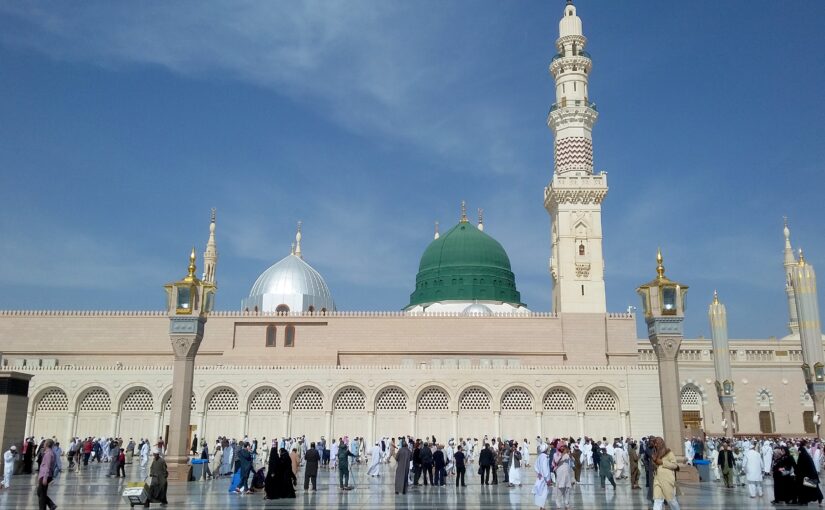
The Green Dome (سبز گنبد)

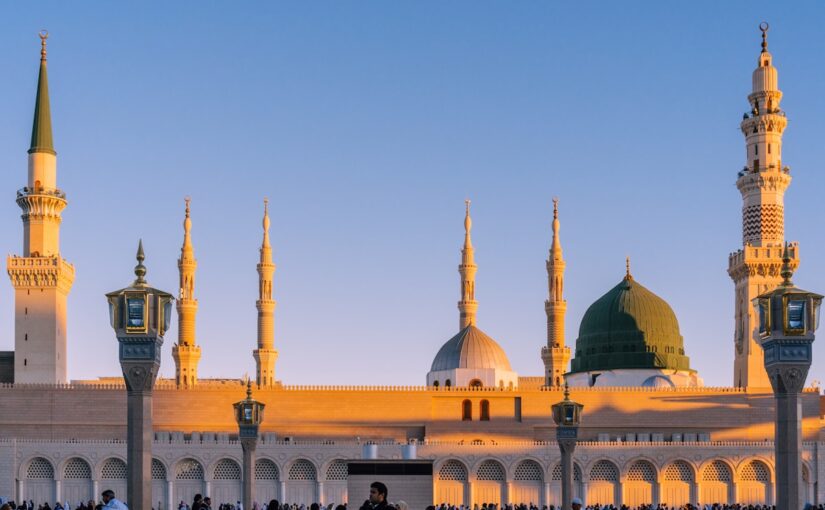
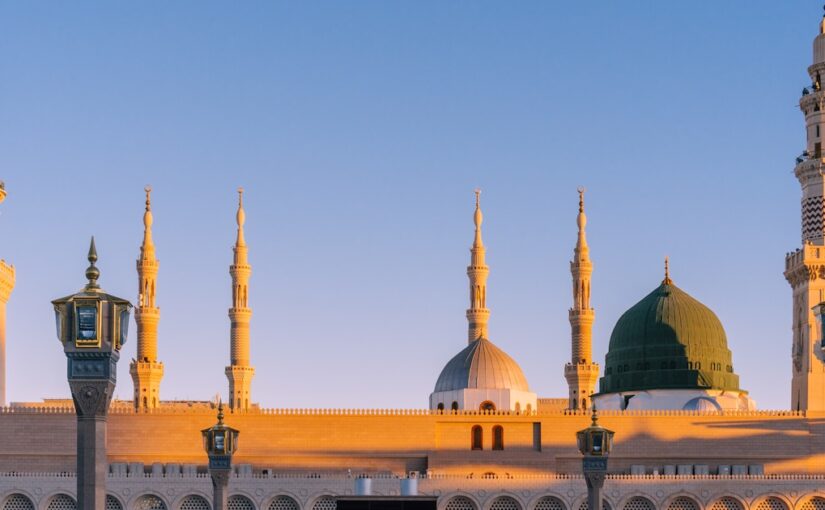
The iconic green dome of Masjid an-Nabawi is mentioned as a symbol of hope and healing. The naat beautifully conveys that those who visit the Prophet’s ﷺ mosque with sincere faith find their hearts mended and their prayers answered. The dome has become one of the most recognized symbols of Islam and represents the spiritual centre of the Muslim world.

Desire for Forgiveness and Mercy

The final verses speak of rain as a metaphor for divine mercy washing away sins. This reflects the Islamic belief that visiting Madina and the Prophet’s ﷺ mosque is a means of seeking forgiveness and drawing closer to Allah. The Prophet ﷺ said, “One prayer in this mosque of mine is better than a thousand prayers elsewhere” (Sahih Bukhari).

Spiritual Significance of Madina

Madina Munawwarah (the Illuminated City) holds a special place in the hearts of Muslims. It was to Madina that the Prophet Muhammad ﷺ migrated (Hijrah) in 622 CE, and it became the base from which Islam spread across the Arabian Peninsula. The city is home to:

  • Masjid an-Nabawi — The Prophet’s Mosque, the second holiest mosque in Islam
  • Rawza Mubarak — The blessed resting place of the Prophet Muhammad ﷺ
  • Jannat al-Baqi — The historic cemetery where many companions are buried
  • Masjid Quba — The first mosque built in Islamic history
  • Masjid al-Qiblatain — The mosque with two qiblas

Why We Recite Naat

Naat is a form of Islamic poetry that praises the Prophet Muhammad ﷺ. It is a way of expressing love, devotion, and gratitude to the one whom Allah has described as “a mercy to all the worlds” (Rahmatun Lil’Alameen). Reciting naat is considered a virtuous act that strengthens one’s faith and brings peace to the heart. The tradition of naat recitation goes back to the time of the Companions, including the famous poet Hassaan ibn Thabit (RA), who recited poetry in praise of the Prophet ﷺ with his approval.

May Allah grant us all the opportunity to visit the blessed city of Madina Munawwarah and the sacred Rawza of the Prophet Muhammad ﷺ. Ameen.

Gunahon Ki Aadat Chhuda Mere Maula (گناہوں کی عادت چھڑا میرے مولا) — Full Naat Lyrics in Urdu, English Translation and Meaning

Gunahon Ki Aadat Chhuda Mere Maula — Full Naat Lyrics in Urdu, English Translation and Meaning

The Naat “Gunahon Ki Aadat Chhuda Mere Maula” (گناہوں کی عادت چھڑا میرے مولا) is one of the most heartfelt and emotional supplications (munajat) in Islamic devotional poetry. Written and recited by the renowned Alhaj Owais Raza Qadri, this powerful naat has also been beautifully rendered by Hafiz Tahir Qadri. The kalam is a humble plea to Allah ﷻ — a sincere cry for forgiveness, guidance, and spiritual transformation.

In this post, we present the complete lyrics in Urdu, Roman English transliteration, and English translation with the deep meaning behind each verse.


About the Naat: “Gunahon Ki Aadat Chhuda Mere Maula”

This is not just a naat — it is a munajat (a whispered prayer). The poet Owais Raza Qadri pours his heart out, confessing human weakness and seeking Allah’s mercy. Each verse is a conversation between a humble servant and his Lord. The naat draws heavily from Quranic concepts like “Ud’ooni” (Call upon Me, I will respond to you — Surah Ghafir 40:60) and the balance between Allah’s justice and His infinite mercy.

The beauty of this kalam lies in its raw honesty. The poet does not pretend to be pious — he admits his faults, his bad habits, his sins, and then places his hope entirely in Allah’s mercy. This makes it deeply relatable for anyone on a spiritual journey.

Recited widely in mehfils, tahajjud prayers, and personal devotion, this naat has touched millions of hearts across the globe.

Video


گناہوں کی عادت چھڑا میرے مولا — اردو lyrics

گناہوں کی عادت چھڑا، میرے مولا
مجھے نیک انسان بنا، میرے مولا!

میری سابقہ ہر خطا، میرے مولا!
تو رحمت سے اپنی مٹا، میرے مولا!

تو قدرت سے اپنی بدل نیکیوں سے
ہر ایک میری لغزش خطا، میرے مولا!

جو تجھ کو، جو تیرے نبی کو پسند ہے
مجھے ایسا بندہ بنا، میرے مولا!

تو مسجود میرا، میں ساجد ہوں تیرا
تو مالک، میں بندہ تیرا، میرے مولا!

تو مطلوب میرا، میں طالب ہوں تیرا
مجھے دے دے اپنی ولا، میرے مولا!

ہے “اُدعونی” فرمان قرآن میں تیرا
تو سن لے میری التجا، میرے مولا!

تو لے گا اگر عدل سے کام اپنے
میں ہوں مستحق نار کا، میرے مولا!

جو رحمت تیری شاملِ حال ہو تو
ٹھکانہ ہے جنت میرا، میرے مولا!

تجھے تو خبر ہے میں کتنا برا ہوں
تو عیبوں کو میرے چھپا، میرے مولا!

میری تا قیامت جو نسلیں ہوں، یا رب!
ہوں سب عاشقِ مصطفیٰ، میرے مولا!

نہ محتاج کر تُو جہاں میں کسی کا
مجھے مفلسی سے بچا، میرے مولا!

رُلا تو مجھے بس غمِ مصطفیٰ میں
نہ دنیا کے غم میں رُلا، میرے مولا!

جنہوں نے کہا ہے دعاؤں کا مجھ سے
تو کر دے سبھی کا بھلا، میرے مولا!

ہیں کعبے پہ نظریں عُبیدِ رضا کی
ہو مقبول ہر ایک دعا، میرے مولا!

✍️ شاعر: اویس رضا قادری


English Transliteration (Roman Urdu)

Gunahon ki aadat chhuda, mere Maula
Mujhe nek insaan bana, mere Maula!

Meri sabiqa har khata, mere Maula!
Tu rehmat se apni mita, mere Maula!

Tu qudrat se apni badal nekiyon se
Har ik meri lagzish khata, mere Maula!

Jo tujh ko, jo tere Nabi ko pasand hai
Mujhe aisa banda bana, mere Maula!

Tu masjood mera, main saajid hoon tera
Tu Maalik, main banda tera, mere Maula!

Tu matloob mera, main taalib hoon tera
Mujhe de de apni wila, mere Maula!

Hai “Ud’ooni” farmaan Qur’an mein tera
Tu sun le meri iltijaa, mere Maula!

Tu lega agar ‘adl se kaam apne
Main hoon mustahiqq naar ka, mere Maula!

Jo rehmat teri shaamil-e-haal ho to
Thikaana hai jannat mera, mere Maula!

Tujhe to khabar hai main kitna bura hoon
Tu ‘aibon ko mere chhupa, mere Maula!

Meri taa-Qayamat jo naslen ho, ya Rab!
Hon sab ‘aashiq-e-Mustafa, mere Maula!

Na mohtaaj kar tu jahaan mein kisi ka
Mujhe muflisi se bacha, mere Maula!

Rula tu mujhe bas gham-e-Mustafa mein
Na duniya ke gham mein rula, mere Maula!

Jinhon ne kaha hai duaon ka mujhse
Tu karde sabhi ka bhala, mere Maula!

Hain Ka’be pe nazrein ‘Ubaid-e-Raza ki
Ho maqbool har ik du’aa, mere Maula!

✍️ Poet: Owais Raza Qadri


English Translation (Word-by-Word Meaning)

Verse 1

Gunahon ki aadat chhuda, mere Maula — Rid me of the habit of sins, my Lord
Mujhe nek insaan bana, mere Maula — Make me a righteous person, my Lord

Verse 2

Meri sabiqa har khata, mere Maula — Every past mistake of mine, my Lord
Tu rehmat se apni mita, mere Maula — Erase it with Your mercy, my Lord

Verse 3

Tu qudrat se apni badal nekiyon se — Through Your power, change with good deeds
Har ik meri lagzish khata, mere Maula — Every slip and error of mine, my Lord

Verse 4

Jo tujh ko, jo tere Nabi ko pasand hai — Whatever pleases You and Your Prophet
Mujhe aisa banda bana, mere Maula — Make me such a servant, my Lord

Verse 5

Tu masjood mera, main saajid hoon tera — You are my object of worship, I am the one who prostrates to You
Tu Maalik, main banda tera, mere Maula — You are the Master, I am Your servant, my Lord

Verse 6

Tu matloob mera, main taalib hoon tera — You are my goal, I am the seeker of You
Mujhe de de apni wila, mere Maula — Grant me Your closeness/protection, my Lord

Verse 7

Hai “Ud’ooni” farmaan Qur’an mein tera — “Call upon Me” is Your command in the Quran
Tu sun le meri iltijaa, mere Maula — So listen to my plea, my Lord

Verse 8

Tu lega agar ‘adl se kaam apne — If You deal with justice
Main hoon mustahiqq naar ka, mere Maula — I deserve the Fire, my Lord

Verse 9

Jo rehmat teri shaamil-e-haal ho to — But if Your mercy embraces my state
Thikaana hai jannat mera, mere Maula — Then Paradise is my destination, my Lord

Verse 10

Tujhe to khabar hai main kitna bura hoon — You already know how bad I am
Tu ‘aibon ko mere chhupa, mere Maula — Hide my faults, my Lord

Verse 11

Meri taa-Qayamat jo naslen ho, ya Rab — All my generations until Qayamat, O Lord
Hon sab ‘aashiq-e-Mustafa, mere Maula — May they all be lovers of Mustafa ﷺ, my Lord

Verse 12

Na mohtaaj kar tu jahaan mein kisi ka — Do not make me dependent on anyone in this world
Mujhe muflisi se bacha, mere Maula — Save me from poverty, my Lord

Verse 13

Rula tu mujhe bas gham-e-Mustafa mein — Let me weep only in the sorrow of Mustafa ﷺ
Na duniya ke gham mein rula, mere Maula — Do not make me weep in worldly grief, my Lord

Verse 14

Jinhon ne kaha hai duaon ka mujhse — Those who have asked me for prayers
Tu karde sabhi ka bhala, mere Maula — Do good to all of them, my Lord

Verse 15

Hain Ka’be pe nazrein ‘Ubaid-e-Raza ki — Ubaid-e-Raza’s gaze is upon the Kaaba
Ho maqbool har ik du’aa, mere Maula — May every prayer be accepted, my Lord

(The poet refers to himself as ‘Ubaid-e-Raza — the servant of Raza, a pen name of Owais Raza Qadri)


Meaning and Background

The naat “Gunahon Ki Aadat Chhuda Mere Maula” is a profound spiritual supplication that reflects the core of Islamic repentance (tawbah). Let’s explore its deeper meaning:

1. The Theme of Repentance

The opening verse immediately strikes at the heart of human struggle — bad habits and sins. The poet does not ask for mere forgiveness but for a complete transformation: “Rid me of the habit of sins.” This reflects the Islamic concept that true repentance is not just saying “I’m sorry” but actively changing one’s lifestyle.

2. Balancing Hope and Fear (Khauf and Raja)

Verse 8 beautifully balances Allah’s justice and mercy: “If You deal with justice, I deserve the Fire. But if Your mercy embraces my state, then Paradise is my destination.” This is classic Islamic spirituality — a believer walks between fear of Allah’s justice and hope in His infinite mercy.

3. Quranic Reference (Ud’ooni)

Verse 7 directly references the Quranic verse: “And your Lord says: Call upon Me; I will respond to you.” (Surah Ghafir 40:60). This makes the naat deeply rooted in Islamic scripture and reminds the listener that Allah Himself has invited us to make dua.

4. Love of the Prophet ﷺ

The poet asks that all his descendants remain lovers of Prophet Muhammad ﷺ, showing that true faith is not just personal but generational. The longing to cry in the love of Mustafa ﷺ rather than in worldly grief shows profound spiritual prioritization.

5. Humility and Self-Awareness

Throughout the naat, the poet displays remarkable humility: “You already know how bad I am” and “Hide my faults.” This vulnerability is what makes the naat so powerful — it is the honest cry of a soul that knows its shortcomings but refuses to lose hope in Allah’s mercy.

6. Concern for Others

In the later verses, the poet does not only pray for himself but also for those who have asked him for prayers, showing selflessness and community spirit — a beautiful Islamic value.

About the Poet: Owais Raza Qadri

Alhaj Owais Raza Qadri is one of the most beloved naat khwans (reciters) in the Islamic world. Born in Karachi, Pakistan, he belongs to the Qadri Sufi order and has been reciting naats since childhood. His unique style combines emotional depth with classical melody. Some of his most famous naats include Tajdar-e-Haram, Shah-e-Madina, and of course, Gunahon Ki Aadat Chhuda Mere Maula. His kalam is known for its poetic beauty, spiritual depth, and accessibility to common people.

When to Recite This Naat

  • Tahajjud Prayer: The quiet hours of the night are perfect for this heartfelt munajat
  • After Isha: A beautiful way to end the day with repentance
  • In Mehfils: Popular in gatherings of devotional poetry
  • Personal Dua: For those seeking spiritual transformation

FAQs

Who wrote “Gunahon Ki Aadat Chhuda Mere Maula”?

The naat was written by Alhaj Owais Raza Qadri, who is both the poet and the original reciter.

Who else has recited this naat?

Hafiz Tahir Qadri has also recited this naat beautifully, giving it his own emotional touch.

What is the meaning of “Mere Maula”?

“Mere Maula” means “My Lord” or “My Master” — referring to Allah ﷻ.

Is this a naat or a dua?

It is a munajat (supplication) in the form of a naat — a devotional poem that is both praise and prayer combined.


May Allah ﷻ accept this humble effort and grant us the ability to leave our sins and become righteous. Ameen.

If you found this post beneficial, please share it with others and remember us in your duas.

Labbaik Ya Rasool Allah (لبیک یا رسول اللہ) – Full Naat Lyrics in Urdu, English Translation and Meaning

Labbaik Ya Rasool Allah (لبیک یا رسول اللہ) — Complete Naat Lyrics in Urdu and English

“Labbaik Ya Rasool Allah” is a beloved naat that expresses deep love and devotion for the Prophet Muhammad (peace be upon him). The phrase “Labbaik” means “I am at your service,” and is traditionally used in the Hajj pilgrimage. In this naat, it is beautifully repurposed to show the singer’s readiness to serve and follow the Prophet. This naat is popular in the South Asian Islamic tradition and is often recited at Mehfil-e-Milad gatherings across the world.

Labbaik Ya Rasool Allah — Urdu Lyrics (لبیک یا رسول اللہ اردو Lyrics)

لبیک یا رسول اللہ ﷺ
لبیک یا رسول اللہ ﷺ
لبیک یا رسول اللہ ﷺ
لبیک یا رسول اللہ ﷺ

آپ کا در ہے جنتوں سے بھی پیارا
یہی مرا مان ہے یہی مرا مان ہے
لبیک یا رسول اللہ ﷺ

دل ہے مدینے کا دیوانہ
تم ہی ہو میری جان و دل
تم ہی ہو میرا ایمان
لبیک یا رسول اللہ ﷺ

مجھ کو ہے شوق مدینے جانے
دیکھوں تمہارا جلوہ
کرلوں نفل نماز و سلام
لبیک یا رسول اللہ ﷺ

آقا کی محبت ہے ورثہ
آقا کی محبت ہے ورثہ
سرکار کا ہے فیض ہر دم
لبیک یا رسول اللہ ﷺ

جس نے تمہیں دیکھا وہی تو پایا
باقی تو سب ہے بے کار
لبیک یا رسول اللہ ﷺ

Labbaik Ya Rasool Allah — English Transliteration

Labbaik Ya Rasool Allah

Aap ka dar hai jannaton se bhi pyara
Yahi mera maan hai, yahi mera maan hai
Labbaik Ya Rasool Allah

Dil hai Madine ka deewana
Tum hi ho meri jaan o dil
Tum hi ho mera imaan
Labbaik Ya Rasool Allah

Mujh ko hai shauq Madine jaane
Dekhoon tumhara jalwa
Karloon nafil namaz o salaam
Labbaik Ya Rasool Allah

Aaqa ki mohabbat hai virsa
Sarkar ka hai faiz har dam
Labbaik Ya Rasool Allah

Jis ne tumhein dekha wahi to paaya
Baaqi to sab bekaar
Baaqi to sab bekaar
Labbaik Ya Rasool Allah

Labbaik Ya Rasool Allah — English Translation

Labbaik Ya Rasool Allah — I am at your service, O Messenger of Allah. This opening line is repeated four times, building a sense of devotion and surrender. The repetition mirrors the Hajj talbiyah and connects the love of the Prophet with the spirit of pilgrimage.

Aap ka dar hai jannaton se bhi pyara — Your court is more beloved than paradise. This line expresses the belief that being in the presence of the Prophet, even spiritually, is greater than any worldly or heavenly reward. The poet places love for the Prophet above all else.

Yahi mera maan hai — This is my pride. The poet declares that devotion to the Prophet is not just an act of worship, but a source of honour and identity.

Dil hai Madine ka deewana — My heart is crazy for Madina. Madina, the city of the Prophet, holds a special place in the hearts of Muslims. The poet describes an intense, almost overwhelming love for the city where the Prophet is buried.

Tum hi ho meri jaan o dil, tum hi ho mera imaan — You are my life and heart, you are my faith. This couplet beautifully expresses that the Prophet is at the centre of the poet’s existence, both emotionally and spiritually.

Mujh ko hai shauq Madine jaane — I long to go to Madina. The desire to visit the Prophet’s mosque and grave is a common theme in naat poetry. It reflects the deep yearning that many Muslims feel to make pilgrimage to Madina.

Dekhoon tumhara jalwa — So I may behold your splendour. The poet hopes to witness the spiritual light of the Prophet during their visit.

Karloon nafil namaz o salaam — So I may offer extra prayers and send salutations. This line shows the intention to perform acts of worship and send blessings upon the Prophet during the visit.

Aaqa ki mohabbat hai virsa — Love for the Master is our inheritance. This line speaks to the tradition of love for the Prophet being passed down through generations of Muslims.

Sarkar ka hai faiz har dam — The blessings of the Master are with us at every moment. The poet acknowledges that the spiritual grace of the Prophet is constantly present in the lives of believers.

Jis ne tumhein dekha wahi to paaya — Whoever saw you, truly found you. This line refers to the companions of the Prophet who were blessed to see him in person and thus attained the highest level of faith.

Baaqi to sab bekaar — Everything else is worthless. The powerful conclusion reminds us that without love for the Prophet, all other achievements are meaningless.

The Meaning and Significance of Labbaik Ya Rasool Allah

“Labbaik Ya Rasool Allah” is more than just a naat. It is a declaration of love, loyalty, and spiritual commitment. The phrase “Labbaik” carries immense weight in Islamic tradition. When pilgrims say “Labbaik Allahumma Labbaik” during Hajj, they are declaring their complete submission to Allah. By using this same powerful phrase for the Prophet, the poet elevates the love of the Prophet to the highest level of devotion that stops short of worship, which belongs only to Allah.

This naat reminds Muslims of the importance of following the Sunnah and keeping the love of the Prophet alive in their hearts. It encourages believers to visit Madina, to send salutations upon the Prophet, and to make his teachings a central part of their lives. The simple yet profound lyrics make it accessible to people of all ages, which is why it remains a favourite at Islamic gatherings around the world.

For more naat lyrics, you can explore other popular naats on our site such as Ya Habibi Ya Muhammad, Mustafa Jaane Rehmat, and Tajdar-e-Haram.

When to Recite Labbaik Ya Rasool Allah

This naat is commonly recited at Milad-un-Nabi gatherings, during Islamic conferences, and in personal worship. Many people also listen to it while travelling to Madina or during the month of Rabi-ul-Awwal when Muslims around the world celebrate the birth of the Prophet. The soothing rhythm and heartfelt lyrics make it suitable for both group recitation and individual reflection.

Final Thoughts

“Labbaik Ya Rasool Allah” captures the essence of Islamic devotion to the Prophet Muhammad (peace be upon him). Its powerful lyrics, beautiful meaning, and spiritual depth have made it a timeless classic in the world of naat recitation. Whether you are listening to it for the first time or have known it for years, this naat continues to inspire love and longing for the Prophet and his blessed city of Madina.

Ya Habibi Ya Muhammad (یا حبیبی یا محمد) — Full Naat Lyrics in Urdu & English

Ya Habibi Ya Muhammad (یا حبیبی یا محمد) is a soul-stirring Islamic naat that expresses deep love and devotion for the Prophet Muhammad ﷺ. This beautiful naat calls out to the beloved Prophet with the affectionate title “Habibi” (My Beloved), reflecting the intense spiritual connection that believers feel. Below are the full Urdu lyrics, Roman Urdu transliteration, and English translation.

Ya Habibi Ya Muhammad Naat Lyrics in Urdu

The complete Ya Habibi Ya Muhammad naat lyrics in Urdu with full script:

یا حبیبی یا محمد ﷺ

یا حبیبی یا محمد ﷺ
اپنی محبت کا صدقہ دے دے

یا رسول اللہ ﷺ
اپنی امت کا صدقہ دے دے

دل میں ہے جذبہ مدینے کا
شوق ہے دیدارِ نبی کا

دردِ فرقت نے بے قرار کیا
ہجر کی راتوں نے بے حال کیا

آؤ چلیں مدینے کی طرف
یہ پکارے ہے دل ہمیشہ

نور کا دریا ہے روضہ تیرا
جنت کا ٹکڑا ہے گنبد سبز

میرا نبی سب سے حسین ہے
نور سے پاک اس کا دامن ہے

مجھ کو بھی آقا اپنا بنا لیں
دردِ دل کا مداوا کر دیں

یا حبیبی یا محمد ﷺ
اپنی محبت کا صدقہ دے دے

یا رسول اللہ ﷺ
اپنی امت کا صدقہ دے دے

Roman Urdu Transliteration

For those who cannot read Urdu script, here is the Roman Urdu transliteration of Ya Habibi Ya Muhammad:

Ya Habibi Ya Muhammad (SAW)

Ya habibi ya Muhammad (SAW)
Apni mohabbat ka sadqa de de

Ya Rasool Allah (SAW)
Apni ummat ka sadqa de de

Dil mein hai jazba Madine ka
Shauq hai deedar-e-Nabi ka

Dard-e-furqat ne beqarar kiya
Hijr ki raaton ne behaal kiya

Aao chalein Madine ki taraf
Ye pukare hai dil hamesha

Noor ka dariya hai roza tera
Jannat ka tukda hai gumbad-e-sabz

Mera Nabi sab se haseen hai
Noor se paak uss ka daman hai

Mujh ko bhi Aaqa apna bana lein
Dard-e-dil ka madawa kar dein

Ya habibi ya Muhammad (SAW)
Apni mohabbat ka sadqa de de

Ya Rasool Allah (SAW)
Apni ummat ka sadqa de de

English Translation of Ya Habibi Ya Muhammad

Below is the English translation of each verse of this beautiful naat:

یا حبیبی یا محمد ﷺ — اپنی محبت کا صدقہ دے دے

O my Beloved, O Muhammad ﷺ — Grant me the blessing of your love

یا رسول اللہ ﷺ — اپنی امت کا صدقہ دے دے

O Messenger of Allah ﷺ — Bless your Ummah (community)

دل میں ہے جذبہ مدینے کا — شوق ہے دیدارِ نبی کا

My heart yearns for Madinah — I long to see the Prophet’s blessed face

دردِ فرقت نے بے قرار کیا — ہجر کی راتوں نے بے حال کیا

The pain of separation has left me restless — The nights of distance have drained me

آؤ چلیں مدینے کی طرف — یہ پکارے ہے دل ہمیشہ

Come, let us journey towards Madinah — This is what my heart always calls out

نور کا دریا ہے روضہ تیرا — جنت کا ٹکڑا ہے گنبد سبز

Your blessed resting place is a river of light — The green dome is a piece of Paradise

میرا نبی سب سے حسین ہے — نور سے پاک اس کا دامن ہے

My Prophet is the most beautiful of all — His cloak is pure, made of divine light

مجھ کو بھی آقا اپنا بنا لیں — دردِ دل کا مداوا کر دیں

O Master, make me Your own — Heal the pain within my heart

Meaning and Background

The naat “Ya Habibi Ya Muhammad” (یا حبیبی یا محمد) is a beautiful expression of love and devotion to Prophet Muhammad ﷺ. The phrase “Ya Habibi” translates to “O My Beloved,” a deeply personal and affectionate address that reflects the intimate relationship between a believer and the Prophet.

The Significance of “Habibi” in Islamic Tradition

In Islamic spirituality, the term “Habib” (beloved) holds profound significance. Allah Himself refers to Prophet Muhammad ﷺ as His Habib. The Prophet ﷺ is the beloved of Allah, and through this naat, believers express their own love and devotion by addressing him with this cherished title. This naat reminds us that love for the Prophet is not merely an emotion but a central pillar of faith (iman).

The Themes of the Naat

1. Longing for Madinah: The naat beautifully expresses the deep yearning to visit the blessed city of Madinah and the Prophet’s ﷺ mosque (Masjid-e-Nabwi). This longing (shauq) is a recurring theme in Islamic poetry and reflects the spiritual connection Muslims feel toward the city of the Prophet.

2. The Pain of Separation: Verses about “dard-e-furqat” (pain of separation) and “hijr ki raatein” (nights of distance) capture the emotional state of a believer who has not yet been blessed with a visit to the Prophet’s ﷺ resting place. This spiritual yearning is a form of divine love.

3. The Green Dome: The reference to “gumbad-e-sabz” (the green dome) is a powerful symbol. The iconic green dome of Masjid-e-Nabwi in Madinah marks the sacred resting place of Prophet Muhammad ﷺ. Describing it as “a piece of Paradise” and “a river of light” reflects the deep reverence Muslims hold for this site.

4. Seeking Intercession: The repeated refrain “Ya Rasool Allah, apni ummat ka sadqa de de” is a plea for the Prophet’s ﷺ intercession and blessings upon the entire Muslim Ummah. It reflects the belief in the Prophet’s ﷺ role as a mercy to all worlds (Rahmatun Lil’Alameen).

Who Recites Ya Habibi Ya Muhammad?

This naat has been recited by several renowned naat khwans (reciters) across the Islamic world. It is particularly popular in South Asia (Pakistan and India) where naat gatherings (mehfils) are common. Various renditions exist with minor variations in the verses, but the core message of love and devotion to the Prophet ﷺ remains consistent. The naat is often recited during:

  • Eid Milad-un-Nabi (celebrations of the Prophet’s ﷺ birth)
  • Friday gatherings and spiritual mehfils
  • Personal devotion and dhikr sessions
  • Travel preparations for Umrah and Hajj

Spiritual Benefits of Reciting This Naat

Reciting naats like Ya Habibi Ya Muhammad is considered a highly rewarding act in Islamic tradition. The benefits include:

  • Strengthening love for the Prophet ﷺ: Regular recitation deepens one’s emotional and spiritual connection with the Prophet.
  • Increasing iman (faith): Reflecting on the Prophet’s ﷺ qualities through poetry strengthens belief.
  • Finding peace: The rhythmic verses and spiritual content bring calm to the heart.
  • Seeking intercession: The verses serve as a means of requesting the Prophet’s ﷺ blessings.
  • Community bonding: Reciting in gatherings fosters unity and shared spirituality.

The Green Dome of Madinah: A Symbol of Love

The mention of the “green dome” (گنبد سبز / gumbad-e-sabz) in this naat is especially poignant. The iconic green dome of Masjid-e-Nabwi is one of the most recognizable symbols in Islam. Originally built during the Mamluk period and later painted green during the Ottoman era, it stands as a visual reminder of the Prophet’s ﷺ presence in Madinah. For millions of Muslims who cannot visit, seeing images of the green dome brings comfort and a sense of connection to the beloved Prophet.

This naat captures that sentiment perfectly — the dome is described as “a piece of Paradise” because the Prophet ﷺ said, “Between my house and my pulpit is a garden from the gardens of Paradise” (Riyad al-Jannah).

Conclusion

Ya Habibi Ya Muhammad (یا حبیبی یا محمد) is more than just a naat — it is a heartfelt prayer, a declaration of love, and an expression of the deep spiritual connection between a believer and the Prophet Muhammad ﷺ. Whether recited in solitude or in a gathering, its words carry the power to move hearts and bring souls closer to the beloved Prophet.

May we all be blessed with the opportunity to visit the blessed city of Madinah and the sacred resting place of the Prophet Muhammad ﷺ. Ameen.

Read more Islamic naat lyrics, Urdu poetry, and spiritual content on Naatlines.com.

Maula Ya Salli Wa Sallim (مولا یصل و سلم) — Full Naat Lyrics in Urdu, English Translation and Meaning

Maula Ya Salli Wa Sallim (مولا یصل و سلم) — Full Naat Lyrics in Urdu, English Translation and Meaning

“Maula Ya Salli Wa Sallim” is one of the most beloved Islamic naats recited across the Muslim world. This beautiful poem praising Prophet Muhammad (peace be upon him) was written by the renowned Islamic scholar Imam Busiri. The naat expresses deep love and devotion for the Prophet and asks for blessings upon him continually.

Below you will find the complete Urdu lyrics, English translation, and the meaning behind this classic naat.

Background of the Naat

Imam Sharafuddin al-Busiri (1211-1294 CE) was a famous Sufi poet from Egypt who wrote several poems in praise of the Prophet Muhammad (PBUH). His most famous work is Qasida al-Burdah (The Poem of the Cloak). “Maula Ya Salli Wa Sallim” is among his most cherished compositions.

The poem asks Allah to send blessings and peace upon the Prophet continuously, emphasising that the love of the Prophet is the highest form of devotion. It is often recited during gatherings of dhikr, milad, and on special Islamic occasions.

Urdu Lyrics (اردو اشعار)

مولا یا صَلِّ وَسَلِّم دَائِمًا اَبَدًا
عَلٰی حَبِیبِکَ خَیرِ الخَلقِ کُلِّھِمِ

مَنْ لَہُ الْخُلُقُ الْعَظِیْمُ الْکَرِیْمُ
وَالْوَجْہُ الْمُنِیْرُ الَّذِیْ یُضِیْءُ الظُّلَمْ

ہُوَ الْحَبِیْبُ الَّذِیْ یُرْجٰی شَفَاعَتُہٗ
لِکُلِّ ہَوْلٍ مِنَ الْاَھْوَالِ مُقْتَحَمْ

مولا یا صَلِّ وَسَلِّم دَائِمًا اَبَدًا
عَلٰی حَبِیبِکَ خَیرِ الخَلقِ کُلِّھِمِ

نبی کریم ہیں وہ ذات پاک
جن کے اخلاق عظیم ہیں
جن کا چہرہ مبارک نورانی ہے
جو اندھیروں کو روشن کر دیتا ہے

وہ محبوب ہیں جن کی شفاعت کی امید ہے
ہر مشکل اور ہر خوف کے وقت

مولا یا صَلِّ وَسَلِّم دَائِمًا اَبَدًا
عَلٰی حَبِیبِکَ خَیرِ الخَلقِ کُلِّھِمِ

English Translation

Maula Ya Salli Wa Sallim Daaiman Abada
Ala Habibika Khayril Khalqi Kullihimi

O Allah, send blessings and peace forever and ever
Upon Your Beloved, the best of all creation

Man Lahul Khuluqul Azeemul Kareem
Wal Wajhul Muneerulladhi Yudhi’udh Dhulami

He who possesses the greatest and most noble character
And his radiant face illuminates the darkness

Huwal Habeebulladhi Yurja Shafa’atuhu
Likulli Hawlin Minal Ahwali Muqtahami

He is the Beloved whose intercession is hoped for
Against every terror and every fearful situation

Maula Ya Salli Wa Sallim Daaiman Abada
Ala Habibika Khayril Khalqi Kullihimi

O Allah, send blessings and peace forever and ever
Upon Your Beloved, the best of all creation

Meaning and Significance

The central theme of “Maula Ya Salli Wa Sallim” is the constant sending of blessings (salawat) upon Prophet Muhammad (PBUH). The repetition of the refrain emphasises that this act of sending blessings should be continuous and never-ending.

The poem highlights three key aspects of the Prophet’s personality:

  1. His noble character – The Prophet is described as having the greatest and most generous character, reflecting the Quranic verse “And indeed, you are of a great moral character” (Quran 68:4).
  2. His luminous face – The Prophet’s face is described as radiant, bringing light to darkness. This signifies his role as a guide who brought the light of Islam to a world of ignorance.
  3. His intercession – Muslims hope for the Prophet’s intercession (shafa’ah) on the Day of Judgment. The poem expresses this hope and trust in the Prophet’s mercy towards his followers.

When to Recite This Naat

This naat is commonly recited:

  • During Milad un-Nabi gatherings
  • At daily dhikr and salawat circles
  • On Friday mornings
  • As part of morning and evening adhkar
  • During Islamic conferences and spiritual gatherings

Benefits of Reciting Salawat

Reciting blessings upon the Prophet carries immense rewards. The Prophet (PBUH) said: “Whoever sends blessings upon me once, Allah sends blessings upon him ten times.” This naat is a beautiful way to earn these blessings while reflecting on the Prophet’s greatness.

May Allah accept our salawat and grant us the love of His beloved Prophet, Muhammad (peace be upon him). Ameen.

Ae Saba Mustafa Se Keh Dena (اے صبا مصطفیٰ سے کہہ دینا) — Full Naat Lyrics in Urdu, English Translation and Meaning

Ae Saba Mustafa Se Keh Dena — Full Naat Lyrics in Urdu, English Translation and Meaning

One of the most beloved and emotionally stirring salam (salutation) recited in honour of the Prophet Muhammad ﷺ, “Ae Saba Mustafa Se Keh Dena” (اے صبا مصطفیٰ سے کہہ دینا) is a masterpiece of Islamic devotional poetry. Rendered in the soulful voice of the renowned naat khawan Owais Raza Qadri, this kalam was penned by the gifted poet Hasan Akbar Kamal. It has become a staple in mehfil-e-naat gatherings across the globe, moving countless hearts with its profound expression of yearning, love, and spiritual longing for the blessed city of Madina and its beloved inhabitant — the Holy Prophet ﷺ.

The word “Saba” refers to the gentle morning breeze, and in this poetic composition, the breeze becomes a messenger — a carrier of love, grief, and salaam from devotees who cannot physically be in Madina but whose hearts reside there. The naat is classified as a salam, a form of Islamic poetry that sends greetings and salutations upon the Prophet ﷺ. Its deeply emotional verses capture the essence of what it means to be an ashiq-e-Rasool — a passionate lover of the Prophet.


Significance of “Ae Saba Mustafa Se Keh Dena”

This salam holds a special place in the hearts of Muslims, particularly those from the Barelvi and Sufi traditions. It is often recited during Milad-un-Nabi gatherings, Urs celebrations, and weekly naat khwani sessions. The beauty of this kalam lies in its universality — anyone who has ever felt the burning desire to visit Madina, to stand before the Rawza Mubarak, and to send salaam upon the Prophet ﷺ will find their emotions mirrored in these verses.

The salam uses powerful imagery: the moon and stars sending salaam, the fragrant breeze carrying the scent of the Prophet’s ﷺ blessed hair, and the pilgrims (Haaji) serving as messengers to the Beloved. It bridges the distance between the devotee and his beloved Prophet, making the heart feel closer to Madina even when the body is far away.


Full Urdu Lyrics (Complete Kalam)

اے صبا مصطفیٰ سے کہہ دینا
غم کے مارے سلام کہتے ہیں
یاد کرتے ہیں تم کو شام و سحر
دل ہمارے سلام کہتے ہیں

اللہ اللہ حضور کی باتیں
مرحبا رنگ و نور کی باتیں
چاند جن کی بلائیں لیتا ہے
اور تارے سلام کہتے ہیں

اللہ اللہ حضور کے گیسو
بھیگی بھیگی مہکتی وہ خوشبو
جن سے معمور ہے فضائے سو
وہ نظارے سلام کہتے ہیں

جب محمد کا نام آتا ہے
رحمتوں کا پیغام آتا ہے
لب ہمارے درود پڑھتے ہیں
دل ہمارے سلام کہتے ہیں

عاشقوں کا سلام لے جاؤ
غمزدوں کا پیام لے جاؤ
حاجیو مصطفیٰ سے کہہ دینا
بے سہارے سلام کہتے ہیں

ذکر تھا آخری مہینے کا
تذکرہ چھڑ گیا مدینے کا
حاجیو مصطفیٰ سے کہہ دینا
غم کے مارے سلام کہتے ہیں

زائرِ طیبہ تو مدینے میں
سونے آقا سے اتنا کہہ دینا
آپ کی گردِ راہ کو آقا
چاند تارے سلام کہتے ہیں


Roman Transliteration

Ae saba Mustafa se keh dena
Gham ke maare salaam kehte hain
Yaad karte hain tumko shaam o sahar
Dil hamare salaam kehte hain

Allah Allah huzoor ki baatein
Marhaba rang o noor ki baatein
Chaand jin ki balaaein leta hai
Aur taare salaam kehte hain

Allah Allah huzoor ke gesu
Bheeni bheeni mehekti wo khushbu
Jin se maamur hain fiza e so
Wo nazaare salaam kehte hain

Jab Muhammad ka naam aata hai
Rehmato(n) ka payaam aata hai
Lab hamare durood parhte hain
Dil hamaray salaam kehte hain

Ashiqo(n) ka salaam le jao
Ghamzado(n) ka payaam le jao
Haajio Mustafa se keh dena
Be saharay salaam kehte hain

Zikr tha aakhri maheenay ka
Tazkira chirr gaya Madinay ka
Haajio Mustafa se keh dena
Gham ke maaray salaam kehte hain

Zaairey Taiba tu madinay main
Sohnay Aaqa se itna keh dena
Aap ki gard e raah ko Aaqa
Chaand taarey salaam kehte hain


English Translation (Line by Line)

Verse 1:
“O morning breeze, go tell Mustafa (the Chosen One) ﷺ —
The grief-stricken send their salutations.
We remember You morning and evening —
Our hearts send their salutations.”

The poet personifies the gentle morning breeze, asking it to carry the message to the Prophet ﷺ. The phrase “gham ke maare” (grief-stricken) reflects the spiritual anguish of separation — the distance from the Beloved Prophet ﷺ is a source of deep sorrow for the devotee. The constant remembrance (morning and evening) shows that the love of the Prophet ﷺ is not momentary but a lifelong devotion.

Verse 2:
“How magnificent are the words of the Beloved!
How splendid the tales of (his) splendour and light!
The moon itself sacrifices itself for them,
And the stars offer their salutations.”

This verse exalts the blessed speech and attributes of the Prophet ﷺ. The moon — one of Allah’s greatest signs — is said to sacrifice itself (take “balaa” — a superstitious expression of admiration) for these qualities. The stars join the moon in sending salaam, illustrating that all of creation honours the Prophet ﷺ.

Verse 3:
“How blessed are the locks of the Beloved!
That fragrant, delicate scent —
With which the entire atmosphere is filled —
Even those scenes offer their salutations.”

The reference to the Prophet’s ﷺ hair (gesu) and its fragrance highlights the physical beauty of the Prophet ﷺ, which is well-documented in Islamic tradition. The Hadith describes the Prophet’s ﷺ perspiration as more fragrant than musk, and this verse poetically captures how even the air itself is perfumed by his blessed presence.

Verse 4:
“When the name of Muhammad ﷺ is mentioned,
A message of mercy arrives.
Our lips recite durood (blessings upon him),
While our hearts send salutations.”

This verse emphasizes the spiritual reality that merely uttering the Prophet’s ﷺ name brings divine mercy. It beautifully distinguishes between the outward act (reciting durood with the lips) and the inward emotion (salaam from the heart), suggesting that true devotion involves both body and soul.

Verse 5:
“Take the salutations of the lovers (of the Prophet),
Carry the message of the sorrowful ones.
O pilgrims, go tell Mustafa ﷺ —
The helpless ones send their salutations.”

Here, the poet turns to the pilgrims (Haaji) who are fortunate enough to visit Madina, asking them to be messengers. The term “be sahaare” (the helpless, the unsupported) reflects the devotee’s recognition that they have no intercessor save the Prophet ﷺ himself — a theme deeply rooted in Islamic spirituality.

Verse 6:
“The conversation turned to the final month,
And the discussion shifted to Madina.
O pilgrims, go tell Mustafa ﷺ —
The grief-stricken send their salutations.”

This verse captures a familiar experience among those who love the Prophet ﷺ: even in casual conversation, any mention of the Islamic calendar or sacred months naturally leads to thoughts of Madina. The mere mention of the city ignites a passionate longing.

Verse 7:
“O visitor of Tayba (Madina), when you are in Madina,
Say this much to the Golden Master:
‘Even the dust of Your path, O Master —
The moon and stars send their salutations to it.'”

This final verse is deeply moving. The Prophet ﷺ is addressed as “Sohnay Aaqa” (Golden Master), a term of immense endearment. The devotee acknowledges that even the dust on the path leading to the Prophet’s ﷺ blessed abode is honoured by the celestial bodies — a powerful image of the sanctity of Madina.


Deeper Meaning and Themes

1. The Pain of Separation (Firaq): The central theme of this salam is the agony of being physically separated from the Prophet ﷺ and Madina. Every verse pulses with the ache of longing. This is not a superficial sadness but a deep spiritual yearning that defines the ashiq-e-Rasool (lover of the Prophet). Islamic spirituality teaches that love for the Prophet ﷺ is a pathway to love for Allah Himself, as the Quran says: “Say, [O Muhammad], ‘If you should love Allah, then follow me, [so] Allah will love you'” (Quran 3:31).

2. Creation Honouring the Prophet: Throughout the salam, celestial bodies — the moon, the stars, the breeze, the atmosphere — are depicted as actively sending salutations upon the Prophet ﷺ. This reflects the Islamic belief that all of creation recognizes the Prophet’s ﷺ nobility. The Quran affirms: “The seven heavens and the earth and whatever is in them exalt Him” (Quran 17:44), and the Prophet ﷺ himself is described as a “mercy to the worlds” (Quran 21:107).

3. The Role of the Believer as Messenger: The repeated refrain addressed to the “Haaji” (pilgrim) and “Zaair” (visitor) highlights the Islamic concept of the Ummah’s interconnectedness. Those blessed to visit Madina carry not just their own salaam but the salaam of the entire community. This creates a beautiful spiritual bond among believers across time and space.

4. Hope and Intercession: The salam exudes a profound hope in the mercy and intercession (shafa’ah) of the Prophet ﷺ. The devotees describe themselves as “gham ke maare” (grief-stricken) and “be sahaare” (helpless), acknowledging their spiritual poverty while simultaneously placing complete trust in the Prophet’s ﷺ compassion. This reflects the Islamic concept of tawassul — seeking nearness to Allah through the love and station of His beloved Prophet.

5. The Beauty of the Prophet: The salam celebrates both the physical and spiritual beauty of the Prophet ﷺ — his speech, his appearance, his fragrance. This is rooted in the Islamic tradition of describing the Prophet’s ﷺ noble features (Shama’il), which is considered an act of love and devotion. The famous collection “Shama’il al-Tirmidhi” documents the physical description of the Prophet ﷺ as narrated by his companions.


About the Reciter: Owais Raza Qadri

Owais Raza Qadri is arguably the most popular naat khawan in the Indian subcontinent and among the global Urdu-speaking Muslim community. Born in 1994 in Nagpur, India, he rose to prominence through his soulful renditions of classical naats and salams. His distinctive voice — rich, emotional, and deeply resonant — has made him a household name among lovers of Islamic devotional music. He is a disciple of the esteemed scholar Muhammad Ilyas Attar Qadri and belongs to the Qadri Sufi order.

Owais Raza Qadri has recorded hundreds of naats and performed at countless mehfil-e-naat gatherings worldwide. His rendition of “Ae Saba Mustafa Se Keh Dena” is particularly famous for its raw emotional power — his voice cracks and quivers at moments of heightened emotion, bringing listeners to tears and making them feel the weight of every verse.


About the Poet: Hasan Akbar Kamal

Hasan Akbar Kamal is a respected Urdu poet whose work in the genre of naat and salam has earned him a lasting legacy. His poetry combines classical Urdu literary elegance with simple, accessible language that speaks directly to the heart. “Ae Saba Mustafa Se Keh Dena” is among his most famous compositions, cherished for its sincere expression of love and longing for the Prophet ﷺ.


When to Recite This Salam

“Ae Saba Mustafa Se Keh Dena” is traditionally recited:

  • During Milad-un-Nabi (the celebration of the Prophet’s ﷺ birth)
  • At weekly naat gatherings and mehfil-e-naat events
  • On Thursday evenings (a time when many Muslims send special salaam upon the Prophet ﷺ)
  • During personal spiritual reflection and devotion
  • Before or after Hajj and Umrah journeys
  • In gatherings where the topic of Madina or visiting the Prophet’s ﷺ mosque is discussed

Conclusion: The Spiritual Significance

“Ae Saba Mustafa Se Keh Dena” is far more than a piece of poetry — it is a spiritual lifeline for millions of Muslims who long for the blessed city of Madina but cannot visit it. It gives voice to the silent tears shed by those whose hearts are in Madina while their bodies are bound to distant lands.

The salam teaches us an essential lesson about Islamic spirituality: that love for the Prophet Muhammad ﷺ is not merely a theological concept but a living, breathing emotion that permeates every aspect of a believer’s life. It is this love that transforms ordinary existence into a journey toward the Divine. The Prophet ﷺ himself said: “None of you truly believes until I am more beloved to him than his father, his child, and all of humanity” (Sahih Bukhari).

Whether you are listening to Owais Raza Qadri’s tearful rendition or reciting the verses yourself in quiet devotion, “Ae Saba Mustafa Se Keh Dena” reminds us that the door to Madina is always open — even if only through the wings of our longing hearts and the breeze of our salaam.

May Allah grant us all the opportunity to visit the blessed Rawza Mubarak of the Prophet Muhammad ﷺ in Madina Munawwarah, and may our salaam always reach its Beloved Destination. Ameen.


Tags

Ae Saba Mustafa Se Keh Dena, Owais Raza Qadri naat lyrics, Urdu naat lyrics with English translation, Salam on Prophet Muhammad, Madina naat, Islamic devotional poetry, Hasan Akbar Kamal salam, naat e rasool, salam lyrics in Urdu, best Owais Raza Qadri naats