Mustafa Jaane Rehmat (مصطفیٰ جانِ رحمت) — Full Naat Lyrics in Urdu, English Translation and Meaning

Introduction to Mustafa Jaane Rehmat

“Mustafa Jaane Rehmat” (مصطفیٰ جانِ رحمت) is a deeply moving and popular naat that praises Prophet Muhammad (peace be upon him). The title translates to “Mustafa, the Soul of Mercy” — Mustafa being one of the beloved names of the Prophet, meaning “the Chosen One”. This naat beautifully expresses the love, devotion and longing that believers feel for the Prophet, describing him as the embodiment of mercy sent for all of creation.

The naat is recited across the Muslim world, particularly in South Asia, and is cherished for its heartfelt lyrics and simple yet profound message. Below, we present the full lyrics in Urdu, along with the English transliteration and translation.

Mustafa Jaane Rehmat — Urdu Lyrics (مصطفیٰ جانِ رحمت)

Verse 1

مصطفیٰ جانِ رحمت پہ لاکھوں سلام
شفیعِ امت پہ لاکھوں سلام

Verse 2

وہ ہیں شہرِ مدینہ کے تاجدار
ان پر آتا ہے لاکھوں بار نثار

Verse 3

آپ کی ذات ہے رحمتِ کامران
آپ ہی سے ہے دنیا کا سامان

Verse 4

آپ کی آمد سے روشن ہوا ہر مکاں
آپ ہی کی ہے نورانی نشاں

Verse 5

دلِ مومن کو ہے آپ سے پیار
آپ ہی ہیں ہمارے آقا و تاجدار

Verse 6

مصطفیٰ جانِ رحمت پہ لاکھوں درود
آپ پر اور آپ کی آل و اصحاب پر

English Transliteration

Verse 1
Mustafa jaane rahmat pe laakhon salaam
Shafee’e ummat pe laakhon salaam

Verse 2
Woh hain shahr-e-madina ke tajdaar
Un par aata hai laakhon baar nisaar

Verse 3
Aap ki zaat hai rahmat-e-kaamran
Aap hi se hai duniya ka saaman

Verse 4
Aap ki aamad se roshan hua har makaan
Aap hi ki hai noorani nishaan

Verse 5
Dil-e-momin ko hai aap se pyaar
Aap hi hain hamaare aaqa o tajdaar

Verse 6
Mustafa jaane rahmat pe laakhon darood
Aap par aur aap ki aal o ashaab par

English Translation

Verse 1
Millions of salutations upon Mustafa, the soul of mercy
Millions of salutations upon the intercessor of the Ummah

Verse 2
He is the crown of the city of Madina
Millions of sacrifices are offered upon him

Verse 3
His being is the perfect mercy
Through him alone is the provision of this world

Verse 4
His arrival illuminated every home
His is the sign of divine light

Verse 5
The heart of the believer loves him
He is our Master and our Crown

Verse 6
Millions of blessings upon Mustafa, the soul of mercy
Upon him and upon his family and companions

Meaning and Background

“Mustafa Jaane Rehmat” is a naat that focuses on the concept of Prophet Muhammad (PBUH) as a mercy to all worlds, a theme deeply rooted in the Quranic verse: “And We have not sent you except as a mercy to the worlds” (Surah Al-Anbiya, 21:107). The naat celebrates the Prophet’s role as an intercessor (Shafee’) for his Ummah on the Day of Judgment, a source of hope and comfort for believers.

The lyrics paint a picture of the Prophet as the crown of Madina, whose very arrival brought light to the world. The repeated refrain of “laakhon salaam” and “laakhon darood” (millions of salutations and blessings) reflects the deep love and reverence that Muslims hold for their Prophet. The naat ends with blessings on the Prophet’s family (Aal) and companions (Ashaab), a common practice in Islamic poetry that acknowledges his household and those who supported his mission.

This naat is often recited at Milad gatherings, in mosques and during personal devotion. Its simple yet powerful language makes it accessible to people of all ages, and its message of love and mercy resonates with Muslims across cultures and languages.

For more naat lyrics, explore our collection including Tajdar-e-Haram, Ya Nabi Salam Alaika, and Rahmatun Lil’Alameen.

Mere Aaqa Ka Darbar (میرے آقا کا دربار) — Full Naat Lyrics in Urdu, English Translation and Meaning

Introduction

“Mere Aaqa Ka Darbar” (میرے آقا کا دربار) is an original naat written in the traditional style of Islamic devotional poetry, celebrating the blessed court and presence of Prophet Muhammad (peace be upon him). The title translates to “The Court of My Master” — a heartfelt expression of love and reverence for the final messenger of Allah.

This naat captures the essence of a believer’s longing to stand at the Prophet’s doorstep, to be counted among his humble servants, and to find salvation through his intercession. It draws inspiration from centuries of naat tradition, echoing themes found in classic works while expressing them in fresh, soul-stirring verses.

Like many beloved naats, “Mere Aaqa Ka Darbar” is ideal for recitation at Mehfil-e-Milad gatherings, Islamic conferences, and in personal devotion. Its verses speak directly to the heart, reminding us of the infinite mercy and love that the Prophet (PBUH) brought to humanity.
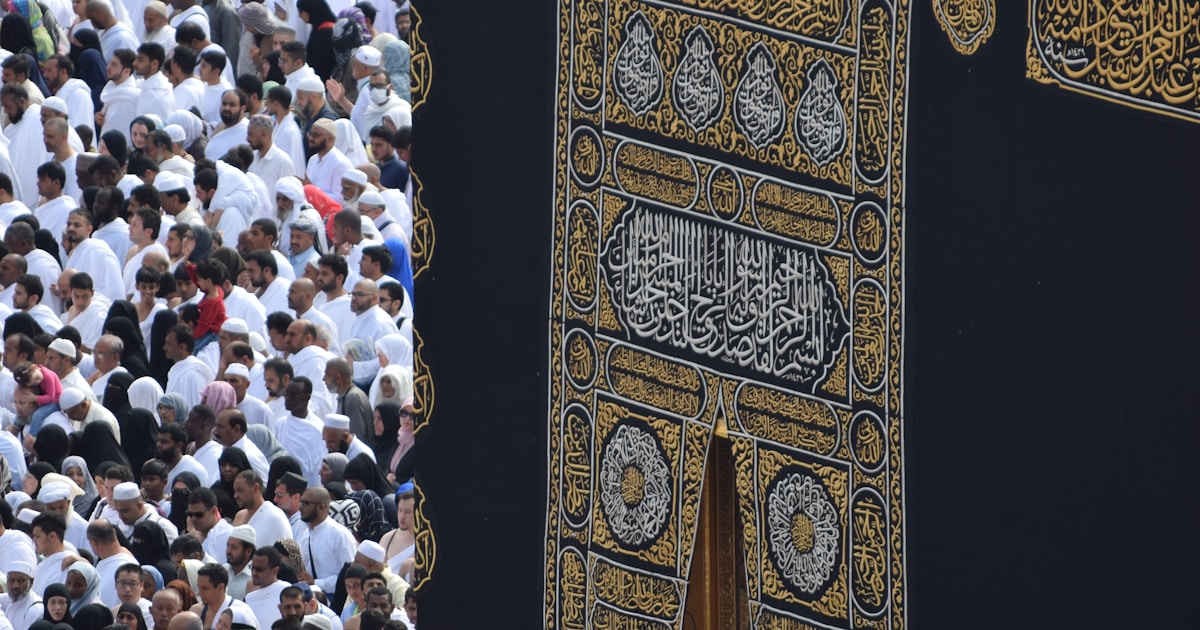
Beautiful green dome of a mosque against a clear blue sky, symbolizing Islamic spirituality and devotion

Full Urdu Lyrics — Mere Aaqa Ka Darbar (میرے آقا کا دربار)

Below are the complete lyrics of Mere Aaqa Ka Darbar in Urdu script. Each verse is presented in the traditional style of naat recitation.

Verse 1

میرے آقا کا دربار ہے کیا کہنا
ہر غمزدہ کا غمخوار ہے کیا کہنا

جو بھی آیا اس در پہ خالی نہ لوٹا
بے شک وہ کریم و غفار ہے کیا کہنا

Verse 2

مدینے کی گلیوں میں اک بار بلا لو
مجھے خاکِ درِ یار میں ملا دو

میری آنکھوں کو دیدار کا شوق ہے ورنہ
یہ دنیا تو بس اک خمار ہے کیا کہنا

Verse 3

تیرے در پہ آ کر میں نے مانگی ہے بخشش
تیری چوکھٹ پہ رکھ دی ہے یہ جانِ ناچیز

جس نے تجھ کو پا لیا اس نے سب کچھ پایا
تیری محبت ہی اک تاج و تخت و تار ہے کیا کہنا

Verse 4

اے شہہِ دیں ، اے رحمتِ عالم
تیرے صدقے میں آیا ہے ہر بے کس و بے درماں

تیرے قدموں کی خاک اپنی آنکھوں کا نور
تیرا در ہی میرا قبلہ و امن و قرار ہے کیا کہنا

Verse 5

جب تذکرہ ہوتا ہے تیرے حسن کا اے محبوب
پھول جھڑتے ہیں الفاظ سے، چاندنی برستی ہے

تجھے رب نے رحمت بنا کر بھیجا ہے
تو خود اک آیت و احکام و اخبار ہے کیا کہنا

Verse 6

میری پیشانی پہ تیرے در کا نشان ہو
میرے سینے میں تیری محبت کا ایمان ہو

دونوں جہاں میں یہی میرا کاروبار ہے
تیرا دامن ہی میرا اعتبار ہے کیا کہنا

Verse 7

جو تجھ سے رشتہ جوڑ لے وہ کبھی بھٹکتا نہیں
جو تیرے در کا مانگنے والا ہو وہ مرتا نہیں

تیری محفل میں بیٹھ کر جو سر جھکا دے
اس کے لئے جنت کا در بار بار ہے کیا کہنا

Verse 8

یا نبی العربی ، یا شفیع المذنبین
آپ کے صدقے میں ملتی ہے ہر غم کی دوا

جس نے آپ کا واسطہ دیا دربارِ حق میں
اس کی حاجت رائیگاں نہ گنوار ہے کیا کہنا

Chorus (Refrain)

میرے آقا کا دربار ہے کیا کہنا
ہر غمزدہ کا غمخوار ہے کیا کہنا

جو بھی آیا اس در پہ خالی نہ لوٹا
بے شک وہ کریم و غفار ہے کیا کہنا

English Translation of Mere Aaqa Ka Darbar

Verse 1 Translation

What can I say about the court of my Master!
The Comforter of every sorrowful soul — what can I say!

Whoever came to this doorstep did not return empty-handed
Indeed, He is the Generous and the All-Forgiving — what can I say!

Verse 2 Translation

Call me once to the streets of Madina
Let me be mixed with the sacred dust of my Beloved’s doorstep

My eyes yearn for the blessed vision — otherwise
This world is nothing but a passing intoxication — what can I say!

Verse 3 Translation

I came to your door seeking forgiveness
I placed this humble soul at your threshold

Whoever found You has found everything
Your love alone is crown, throne, and treasure — what can I say!

Verse 4 Translation

O Leader of Faith, O Mercy to the Worlds
Through your mediation, every helpless and destitute one finds hope

The dust of your blessed feet is the light of my eyes
Your door is my qibla, my peace, my solace — what can I say!

Verse 5 Translation

When Your beauty is mentioned, O Beloved
Flowers fall from words, moonlight descends

Your Lord sent You as a mercy
You Yourself are a living sign, a command, a message — what can I say!

Verse 6 Translation

May the mark of Your doorstep be on my forehead
May the faith of Your love reside in my chest

In both worlds, this is my only trade
Your庇护 is my sole reliance — what can I say!

Verse 7 Translation

Whoever connects with You never goes astray
Whoever begs at Your door never truly dies

Whoever bows their head in Your assembly
For them, the gates of paradise open again and again — what can I say!

Verse 8 Translation

O Prophet of the Arabs, O Intercessor for the Sinners
Through Your mediation comes the cure for every sorrow

Whoever invoked Your name in the Court of Truth
Their need was never wasted nor lost — what can I say!

Chorus Translation

What can I say about the court of my Master!
The Comforter of every sorrowful soul — what can I say!

Whoever came to this doorstep did not return empty-handed
Indeed, He is the Generous and the All-Forgiving — what can I say!

Background and Spiritual Significance

The naat “Mere Aaqa Ka Darbar” draws from the deep well of Islamic spirituality that revolves around love for the Prophet Muhammad (peace be upon him). The repeated refrain “kya kehna” (کیا کہنا / what can I say!) expresses the poet’s recognition that words can never fully capture the magnificence of the Prophet’s station.

The central metaphor of the “darbar” (court/doorstep) is a powerful one in Islamic poetry. It represents the Prophet’s role as an intercessor and a source of divine mercy. In Islamic tradition, the Prophet (PBUH) said: “I am the city of knowledge, and Ali is its gate”, but the concept extends beyond — the Prophet’s very being is a door to Divine mercy. To stand at his doorstep is to stand at the threshold of salvation.

Key themes in this naat include:

  • Intercession (Shafa’at): The belief that the Prophet (PBUH) will intercede for his followers on the Day of Judgment is a cornerstone of Sunni Islamic theology. The naat repeatedly alludes to seeking forgiveness through the Prophet’s mediation.
  • Love for Madina: The longing to visit the Prophet’s city and mosque is a recurring theme. The streets of Madina are sacred because they were walked by the best of creation.
  • Spiritual Poverty (Faquir): The poet presents himself as a beggar at the Prophet’s door — not in material terms, but in spiritual ones. This is the highest form of humility in Islamic mysticism.
  • The Prophet’s Beauty (Husn-e-Nabwi): Reference to the Prophet’s physical and spiritual beauty, a common theme in naat poetry that draws from the rich tradition of describing his blessed appearance.

When and Where to Recite This Naat

“Mere Aaqa Ka Darbar” is suitable for a wide range of Islamic gatherings:

  • Mehfil-e-Milad: Celebrations of the Prophet’s birth (12th Rabi’ al-Awwal) where naats are the centerpiece of the gathering.
  • Eid Milad-un-Nabi: Public processions and conferences marking the Prophet’s birthday.
  • Weekly Durood gatherings: Many communities hold Thursday night or Friday gatherings for Durood and naat recitation.
  • Personal devotion: The naat can be recited during personal worship and moments of spiritual reflection.
  • Islamic events and conferences: Suitable for opening or closing segments.

Why Original Naats Matter

While classic naats like “Tajdar-e-Haram” and “Ya Nabi Salam Alaika” hold an irreplaceable place in Islamic devotional literature, the tradition of writing new naats keeps the spirit of praise alive. Every era produces poets who express their love for the Prophet (PBUH) in their own language, style, and cultural context. This naat stands in that proud tradition — original verses, rooted in authentic Islamic spirituality, written for the contemporary believer.

The Urdu language, with its rich poetic heritage from Ghalib, Iqbal, and the countless poets of the subcontinent, provides an especially beautiful medium for naat writing. The fusion of Persian, Arabic, Turkish, and local vernaculars creates a tapestry of expression uniquely suited to devotional poetry.

Conclusion

“Mere Aaqa Ka Darbar (میرے آقا کا دربار)” is more than just a naat — it is a spiritual journey, a heartfelt plea, and a declaration of love for the final messenger of Allah. Its verses remind us that the Prophet’s door is always open, his mercy always flowing, and his intercession always available to those who sincerely seek it.

May Allah grant us the honor of visiting the Prophet’s blessed city, of standing at his sacred doorstep, and of being counted among his followers on the Day of Judgment. Ameen.

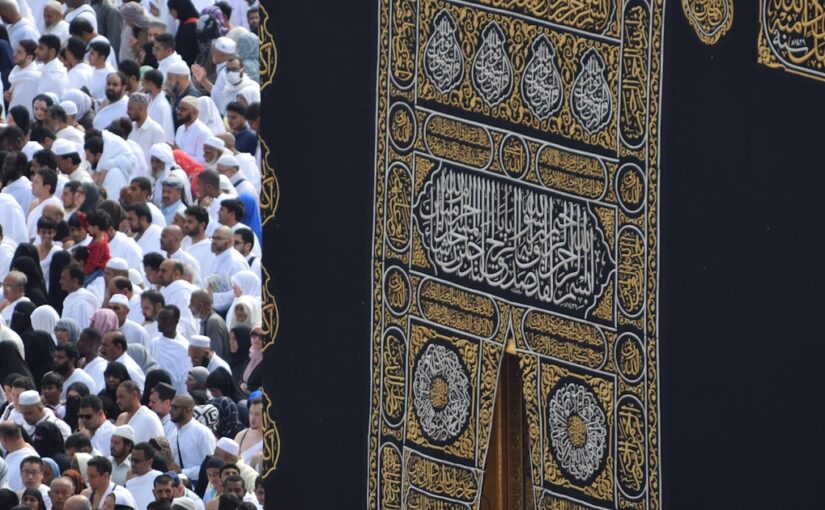
Tajdar-e-Haram (تاجدارِ حرم) — Full Naat Lyrics in Urdu, English Translation and Meaning

Tajdar-e-Haram (تاجدارِ حرم) is one of the most beloved and spiritually uplifting naats in the Islamic world. This beautiful composition, popularised by the acclaimed naat khwan Owais Raza Qadri, is a heartfelt tribute to Prophet Muhammad (peace be upon him). The title translates to “The Crown of the Haram” – a reference to the Prophet’s supreme status as the crown of the sacred sanctuary. The naat has touched millions of hearts across the globe and is recited in Mehfil-e-Milaad gatherings, at mosques, and in personal devotion. Its powerful lyrics express love, devotion, and the deep yearning to be in the blessed presence of the Prophet.

Full Urdu Lyrics of Tajdar-e-Haram

Below are the complete lyrics of Tajdar-e-Haram in Urdu script. Each verse is presented as it is traditionally recited.

Verse 1

تاجدارِ حرم اے تاجدارِ حرم
اپنے در سے نہ مجھ کو نکال ساقیِ کوثر

تاجدارِ حرم اے تاجدارِ حرم
مجھ کو بخشش کا اک ذریعہ بتا دے ساقیِ کوثر

تاجدارِ حرم اے تاجدارِ حرم
مجھے درکار ہے اک جھلک تیرے دیدار کی

تاجدارِ حرم اے تاجدارِ حرم
تیری چوکھٹ پہ ہیں سب کے سب در بہ در

Verse 2

جو تجھ کو پا لے وہ کھو نہیں سکتا
جو تجھ سے جا لگے وہ رو نہیں سکتا

تیرے در کا فقیر بن جاوں تو کیا بات ہے
تیری محبت میں جیوں اور مروں تو کیا بات ہے

تاجدارِ حرم اے تاجدارِ حرم
اپنے در سے نہ مجھ کو نکال ساقیِ کوثر

Verse 3

مدینے کی گلیوں میں اک روز آؤں گا
تیرے قدموں کی خاک اپنی آنکھوں میں لگاؤں گا

تیری محفل میں جا کے میں بیٹھوں گا
تیرے در پہ جا کے میں سر جھکاؤں گا

تاجدارِ حرم اے تاجدارِ حرم
مجھ کو بخشش کا اک ذریعہ بتا دے ساقیِ کوثر

Chorus (Refrain)

تاجدارِ حرم اے تاجدارِ حرم
تیری چوکھٹ پہ ہیں سب کے سب در بہ در

تاجدارِ حرم اے تاجدارِ حرم
اپنے در سے نہ مجھ کو نکال ساقیِ کوثر

English Translation of Tajdar-e-Haram

Verse 1 Translation

O Crown of the Haram, O Crown of the Haram
Do not turn me away from your door, O Saqi of Kawthar

O Crown of the Haram, O Crown of the Haram
Show me some means of forgiveness, O Saqi of Kawthar

O Crown of the Haram, O Crown of the Haram
I seek just one glimpse of your blessed sight

O Crown of the Haram, O Crown of the Haram
At your threshold, everyone stands as a humble beggar

Verse 2 Translation

Whoever finds you can never be lost
Whoever clings to you can never weep

If I become a beggar at your door, what a blessing
If I live and die in your love, what a blessing

O Crown of the Haram, O Crown of the Haram
Do not turn me away from your door, O Saqi of Kawthar

Verse 3 Translation

One day I will walk through the streets of Madina
I will apply the dust of your blessed feet to my eyes

I will sit in your blessed gathering
I will bow my head at your sacred door

O Crown of the Haram, O Crown of the Haram
Show me some means of forgiveness, O Saqi of Kawthar

Chorus Translation

O Crown of the Haram, O Crown of the Haram
At your threshold, everyone stands as a humble beggar

O Crown of the Haram, O Crown of the Haram
Do not turn me away from your door, O Saqi of Kawthar

Meaning and Spiritual Significance

Tajdar-e-Haram is far more than a poetic composition. It carries deep spiritual meaning that resonates with every believer. The term “Tajdar-e-Haram” – the Crown of the Haram – refers to Prophet Muhammad (PBUH) as the most honoured being in the sacred sanctuary. This phrase itself reflects the belief that the Prophet holds the highest status in all of creation.

The repeated reference to “Saqi of Kawthar” is particularly significant. In Islamic tradition, Al-Kawthar is a river in Paradise promised to the Prophet (PBUH). Calling the Prophet the “Saqi” or cupbearer of Kawthar symbolises his role as the intercessor and the source of spiritual nourishment for his followers. The believer is asking not to be turned away from the Prophet’s door – a metaphor for seeking the Prophet’s intercession and being included among his followers on the Day of Judgement.

The plea “Show me some means of forgiveness” highlights a central theme of the naat: human weakness and the need for divine mercy. The believer acknowledges their shortcomings and turns to the Prophet as the means (wasila) through which they hope to attain Allah’s forgiveness. This reflects the Islamic concept of tawassul – seeking closeness to Allah through the love and reverence of His beloved Prophet.

The imagery in verse 3 of walking through the streets of Madina, applying the dust of the Prophet’s footsteps to one’s eyes, and bowing at his door, expresses the deep yearning that every Muslim feels to visit the blessed city of Madina Munawwarah and the Rawdah Mubarak. These lines capture the emotional and spiritual longing that lies at the heart of Islamic devotion.

The naat also teaches humility. The line “At your threshold, everyone stands as a humble beggar” reminds us that regardless of worldly status, every person is spiritually dependent on the mercy of Allah and the intercession of His Prophet.

When to Recite This Naat

Tajdar-e-Haram can be recited at any time, but it holds special significance on the following occasions:

  • During Mehfil-e-Milaad gatherings celebrating the birth of the Prophet (PBUH)
  • In the blessed month of Rabi-ul-Awwal
  • On Fridays (Jumma) as part of devotional recitation
  • During personal worship and spiritual reflection
  • Before or after visiting the Prophet’s Mosque in Madina
  • At Islamic events and religious conferences
  • As part of daily dhikr and remembrance of the Prophet (PBUH)

The naat is particularly moving when recited with devotion and understanding of its meaning. Many people find that listening to or reciting Tajdar-e-Haram brings a sense of peace, spiritual connection, and emotional closeness to the Prophet Muhammad (PBUH).

Whether you are learning it for the first time or have recited it countless times, Tajdar-e-Haram remains a timeless expression of love for the Prophet (PBUH) and a beautiful means of seeking spiritual elevation.

Madina Madina (مدینہ مدینہ) — Full Naat Lyrics in Urdu, English Translation and Meaning

Introduction

Madina Madina (مدینہ مدینہ) is one of the most beloved and widely recited naats in the Islamic world. This beautiful poetic composition expresses the deep love, longing, and spiritual attachment that Muslims feel for Madina Munawwarah — the blessed city of Prophet Muhammad (peace be upon him). The naat has been performed by numerous renowned naat khwans across the globe and continues to move hearts with its soulful melody and heartfelt words.

The phrase “Madina Madina” is a passionate call to the holy city, reflecting the yearning of every believer who wishes to visit the Rawdah Mubarak and offer salutations at the blessed shrine. This naat is especially popular during religious gatherings, Mehfil-e-Milaad, and in the month of Rabi-ul-Awwal when Muslims around the world celebrate the birth of the Prophet (PBUH). Its simple yet profound lyrics resonate with people of all ages and backgrounds, making it a staple in naat collections worldwide.

مدینہ مدینہ — اردو lyrics

مدینہ مدینہ مدینہ مدینہ

مدینے کا نظارہ دل چاہتا ہے
مدینے میں جا کر میں آنکھیں بچھا دوں

مدینہ مدینہ مدینہ مدینہ

جو آیا مدینے میں بخشش ہوئی ہے
مدینہ مدینہ مدینہ مدینہ

مدینے کی گلیوں میں آنسو بہا دوں
مدینے کی خاک اپنی آنکھوں میں لگ لوں

مدینہ مدینہ مدینہ مدینہ

مدینے میں ہے میرے آقا کا روضہ
مدینے میں جا کر سلام عرض کروں

مدینہ مدینہ مدینہ مدینہ

Romanized Transliteration

Madeena Madeena Madeena Madeena

Madeene ka nazaara dil chahta hai
Madeene mein jaakar main aankhen bichha doon

Madeena Madeena Madeena Madeena

Jo aaya Madeene mein bakhshish hui hai
Kisi ne kaha hai kisi ne suna hai

Madeena Madeena Madeena Madeena

Madeene ki galiyon mein aansoo bahaa doon
Madeene ki khaak apni aankhon mein lag loon

Madeena Madeena Madeena Madeena

Madeene mein hai mere Aaqa ka rouza
Madeene mein jaakar salaam arz karoon

Madeena Madeena Madeena Madeena

English Translation

Verse 1:
Madeena, Madeena, Madeena, Madeena —
My heart yearns to behold the sight of Madina.
Let me go to Madina and lay down my eyes (as an offering).

Verse 2:
Whoever has come to Madina has been blessed —
This is what someone has said, and someone has heard.

Verse 3:
Let me shed tears in the streets of Madina,
Let me apply the dust of Madina to my eyes.

Verse 4:
In Madina lies the sacred resting place of my Master,
Let me go to Madina and present my salaams.

Meaning and Background

The naat “Madina Madina” is a powerful expression of the spiritual longing that every Muslim feels towards the holy city of Madina Munawwarah. This city holds an unparalleled place in Islamic history and in the hearts of believers. It was the city that welcomed Prophet Muhammad (PBUH) during his migration (Hijra) from Makkah and became the center of the first Islamic state.

The lyrics beautifully capture several profound themes:

Longing for the Beloved City: The repeated chorus of “Madina Madina” is not merely a name but a heartfelt cry of love. It echoes the sentiment of millions of Muslims who have grown up hearing stories of the Prophet’s city and yearn to visit it at least once in their lifetime. The desire to “lay down one’s eyes” speaks to the ultimate submission and humility before the sacred precincts.

The Gift of Forgiveness: The naat mentions that whoever comes to Madina receives forgiveness. This refers to the immense spiritual blessings associated with visiting the Prophet’s mosque (Masjid an-Nabawi). It is narrated in authentic hadith that one prayer in Masjid an-Nabawi is better than a thousand prayers elsewhere. The atmosphere of Madina is believed to be filled with divine mercy and blessings.

Tears of Love: The reference to shedding tears in the streets of Madina reflects the emotional intensity of visiting a place so deeply connected to the Prophet’s life. Many pilgrims describe being moved to tears when they first see the green dome of the Prophet’s mosque. These tears are not of sorrow but of overwhelming love and spiritual connection.

Dust of Madina: Applying the dust of Madina to one’s eyes is a poetic expression of seeking blessings (tabarruk) from the sacred earth. This practice has been observed by Muslims throughout history, treating the soil of Madina with reverence because of its connection to the Prophet (PBUH).

The Sacred Rawdah: The naat culminates with the most profound truth — that in Madina lies the Rawdah Mubarak, the blessed resting place of Prophet Muhammad (PBUH). The Rawdah is described in hadith as one of the gardens of Paradise. Presenting salaam at the Rawdah is the culmination of every pilgrim’s journey, fulfilling the deep desire to greet the Prophet (PBUH) directly.

When and Where It Is Recited

“Madina Madina” is typically recited:

  • During Mehfil-e-Milaad gatherings celebrating the birth of the Prophet (PBUH)
  • At naat khwani events and Islamic musical gatherings
  • In the month of Rabi-ul-Awwal
  • On the occasion of Urs and other religious commemorations
  • By pilgrims traveling to or returning from Madina
  • In daily gatherings of dhikr and remembrance

Conclusion

“Madina Madina” remains one of the most cherished naats in the Urdu-speaking Muslim world. Its simple yet deeply emotional lyrics capture the universal love that Muslims hold for the city of the Prophet (PBUH). Whether recited in a quiet gathering or sung in a large congregation, this naat has the power to move hearts and remind believers of the ultimate goal — to be among those who are blessed to visit Madina and present their respects at the Rawdah of the beloved Prophet (peace be upon him). May Allah grant us all the opportunity to visit Madina Munawwarah. Ameen.

Popular Renditions of Madina Madina

The naat “Madina Madina” has been performed by countless naat khwans over the decades, each bringing their unique style and emotion to the recitation. Some of the most beloved renditions include those by Qari Waheed Zafar Qasmi, whose soulful voice adds a layer of spiritual depth to the lyrics. His rendition has become the most widely recognized version across the Indian subcontinent and is often played in homes, mosques, and Islamic gatherings.

Other notable reciters include Owais Raza Qadri, whose energetic and passionate style brings a different flavor to the naat, and Hafiz Ahmed Raza Qadri, whose melodious rendition has garnered millions of listeners online. In recent years, younger naat khwans have also recorded contemporary versions of this classic, introducing it to new generations. The naat has also been performed by international artists and featured in various Islamic music compilations.

The Spiritual Significance of Madina

To truly understand the depth of this naat, one must appreciate what Madina means in the Islamic spiritual tradition. Madina Munawwarah (the illuminated city) is not just a geographical location but a spiritual sanctuary. It is the city where the Prophet Muhammad (PBUH) built the first mosque, established the first Islamic community, and where he spent the last ten years of his blessed life. The very air of Madina is believed to carry barakah (divine blessings), and every corner of the city is steeped in sacred history.

The Prophet (PBUH) said, “Between my house and my pulpit is a garden from the gardens of Paradise” (Bukhari). This area, known as the Rawdah, is the heart of Masjid an-Nabawi and the focal point of every pilgrim’s visit. The love for Madina is so deeply ingrained in Muslim consciousness that even those who have never visited feel a profound connection to it – a connection beautifully expressed in the simple yet powerful refrain of “Madina Madina.”

Mujhko Madine Bula Lo (مجھ کو مدینے بلا لو) – Full Naat Lyrics in Urdu, English Translation and Meaning

Introduction

“Mujhko Madine Bula Lo” (مجھ کو مدینے بلا لو) is one of the most beloved and soul-stirring naats in the rich tradition of Islamic devotional poetry. Also widely known as “Meri Jaan Madine Chalo” (مری جان مدینے چلو), this naat expresses a profound and heartfelt longing to visit Madina Munawwarah, the blessed city of Prophet Muhammad (peace be upon him). The naat captures the intense spiritual desire that every believer carries in their heart to be in the presence of the Prophet’s sacred city, to walk its streets, and to offer salutations at the Rawza Mubarak.

This naat has gained immense popularity across the Muslim world, particularly through the soulful renditions of Owais Raza Qadri, whose emotional recitation has touched millions of hearts. The simple yet powerful wording, combined with the deep spiritual yearning it expresses, has made it a staple at naat gatherings, Mehfil-e-Naat, and Islamic events worldwide. Whether recited in a quiet moment of personal devotion or sung collectively in large gatherings, “Mujhko Madine Bula Lo” never fails to evoke tears of love and longing for the beloved Prophet (PBUH).

Naat Lyrics in Urdu (Full)

Below are the complete verses of this beautiful naat in Urdu script:

مجھ کو مدینے بلا لو مری جان مدینے چلو
میرے آقا کا ہے پیغام کہ جان مدینے چلو

دل بھی مدینے چلا جا نہیں ہے صبر کوئی
یہ بتاؤ کوئی مجھ کو سمجھاؤ مدینے چلو

کیسی ہے جلوہ گری شہر مدینے کی حسین
چاند بھی دیکھ کے حیران ہے آؤ مدینے چلو

یہ تمنّٰی ہے دل و جان سے مدینے چلیں
ہر گھڑی یہ ہے دعا کہ کریں سجدہ وہیں

کیسی برکات ہیں اس خاک مدینے کے لئے
خاک کے ذرّے بھی ہیں نور مہ و سال وہیں

مجھ کو مدینے بلا لو مری جان مدینے چلو
میرے آقا کا ہے پیغام کہ جان مدینے چلو

English Transliteration

Verse 1:
Mujhko Madine Bula Lo Meri Jaan Madine Chalo
Mere Aaqa Ka Hai Paighaam Ke Jaan Madine Chalo

Verse 2:
Dil Bhi Madine Chala Ja Nahi Hai Sabr Koi
Ye Batao Koi Mujhko Samjhao Madine Chalo

Verse 3:
Kaisee Hai Jalwa Gari Shehr-e-Madine Ki Haseen
Chand Bhi Dekh Ke Hairan Hai Aao Madine Chalo

Verse 4:
Ye Tamanna Hai Dil-o-Jaan Se Madine Chalain
Har Ghadhi Ye Hai Dua Ke Karein Sajda Wahin

Verse 5:
Kaisee Barkaat Hain Is Khaak-e-Madine Ke Liye
Khaak Ke Zarre Bhi Hain Noor-e-Mah-o-Saal Wahin

Chorus (Repeated):
Mujhko Madine Bula Lo Meri Jaan Madine Chalo
Mere Aaqa Ka Hai Paighaam Ke Jaan Madine Chalo

English Translation

Verse 1:
“Call me to Madina, let us go to Madina, my dear
My Master’s message says: Come, let us go to Madina”

Verse 2:
“My heart has already gone to Madina, I have no patience left
Someone tell me, make me understand: let us go to Madina”

Verse 3:
“What a beautiful spectacle the city of Madina is
Even the moon is amazed upon seeing it; come, let us go to Madina”

Verse 4:
“This is my heartfelt desire: to go to Madina
Every moment I pray that I may prostrate there”

Verse 5:
“What blessings lie in the very soil of Madina
Even the particles of dust there are like the light of moon and stars”

Chorus:
“Call me to Madina, let us go to Madina, my dear
My Master’s message says: Come, let us go to Madina”

Meaning and Spiritual Background

The naat “Mujhko Madine Bula Lo” is a beautiful expression of ‘Ishq-e-Mustafa’ – the deep and unwavering love for Prophet Muhammad (PBUH). Madina Munawwarah is not just a city; it is the spiritual heart of Islam. It is where the Prophet (PBUH) established the first Islamic state, built the first mosque of Islam (Masjid Quba), and where his sacred tomb resides in Masjid al-Nabawi beneath the iconic Green Dome.

The central theme of this naat is the burning desire to visit Madina and be in the proximity of the beloved Prophet. The repeated call “Mujhko Madine Bula Lo” reflects a state of spiritual restlessness, where the believer’s heart finds no peace except in the thought of reaching the blessed city. This longing is a hallmark of Islamic spirituality: the yearning to stand at the Rawza Mubarak, to offer Salaam to the Prophet (PBUH), and to feel the barakah (blessings) of that sacred land.

The line “Mere Aaqa Ka Hai Paighaam” beautifully suggests that the call to visit Madina is not merely a personal wish but a divine invitation. It echoes the famous hadith of the Prophet (PBUH) who said, “Whoever visits my grave after my death is like those who visited me during my lifetime.”

In the second verse, the poet captures the feeling of spiritual impatience: the heart has already flown to Madina, leaving the body behind. This separation between the heart’s desire and physical reality creates a beautiful tension that every lover of the Prophet can relate to.

The imagery in the line “Chand Bhi Dekh Ke Hairan Hai” is particularly striking. The poet suggests that even the moon, often a symbol of beauty in Islamic poetry, is amazed by the beauty of Madina. This is a reference to the famous hadith where the companions compared the Prophet’s face to the full moon, drawing a parallel between the beauty of the Prophet and the beauty of his city.

The soil of Madina (Khaak-e-Madina) holds special significance in Islamic tradition. The naat beautifully states that even the dust particles of Madina radiate the light of the moon and stars. This reflects the deep reverence Muslims hold for the blessed city, where every grain of sand is considered blessed due to its connection with the Prophet (PBUH).

Popularity and Reciters

This naat has been performed by many renowned naat reciters (Naat Khawans) across the globe. The most famous rendition is by Owais Raza Qadri, whose emotional and powerful voice has made this naat immensely popular in South Asia and beyond. Other notable reciters who have sung this naat include:

  • Owais Raza Qadri – The most famous rendition, known for its emotional depth and beautiful melody
  • Muhammad Owais Raza Qadri – Various recorded versions in different musical styles
  • Amjad Sabri – Late legendary Qawwal and Naat reciter
  • Hafiz Ahmed Raza Qadri – Known for his melodious voice and devotional style
  • Syed Fasihuddin Soharwardi – Emotional and traditional recitation
  • Various Qawwal groups – The naat is frequently performed in Qawwali style at dargahs and mehfils

The naat has also been widely shared on platforms like YouTube, SoundCloud, and various Islamic audio streaming services, garnering millions of views and listens. It is a staple at Milad gatherings, Urs ceremonies, and weekly naat programs in mosques across Pakistan, India, Bangladesh, the UK, and the Middle East.

Conclusion

“Mujhko Madine Bula Lo” is more than just a naat; it is a heartfelt prayer and an expression of the deepest spiritual longing a believer can have: to be in the blessed city of the Prophet (PBUH). Its simple yet profound words resonate with Muslims of all ages and backgrounds, reminding them of the ultimate goal of every believer: to be close to the beloved Prophet (PBUH) in this life and the Hereafter.

Whether you are listening to it during a quiet moment of reflection or reciting it in a gathering of fellow believers, this naat has the power to move hearts and bring tears to the eyes. It serves as a beautiful reminder of the love that lies at the very core of Islamic faith: the love for Prophet Muhammad (PBUH). May we all be blessed with the opportunity to visit Madina Munawwarah and offer our Salaam at the sacred Rawza, Ameen.

Dil Hai Madine Chal (دل ہے مدینے چل) — Naat Lyrics in Urdu, English Translation and Meaning

Dil Hai Madine Chal is a beautiful and popular naat recited by Owais Raza Qadri. The title translates to “The Heart Says Let’s Go to Madina.” This naat expresses the deep love and longing that every Muslim feels to visit the holy city of Madina Munawwarah and the blessed Roza of Prophet Muhammad.

About This Naat

Dil Hai Madine Chal is a soulful naat that captures the essence of a believer’s love for the Prophet. The poet beautifully expresses how the heart yearns to travel to Madina, to stand at the blessed shrine, and to immerse itself in the spiritual atmosphere of the city of the Prophet. The naat is popular in both Pakistan and India and is often recited at gatherings and Mehfil-e-Milad.

Dil Hai Madine Chal — Naat Lyrics in Urdu

دل ہے مدینے چل، دل ہے مدینے چل
یار مدینے چل، یار مدینے چل
دل ہے مدینے چل، دل ہے مدینے چل
یار مدینے چل، یار مدینے چل

جس نے پکارا مجھ کو، اس کا بلاوا ہے
اس کا بلاوا ہے، اس کا بلاوا ہے
اس کی ہوا ہے مجھ میں، اس کی صدا ہے
دل ہے مدینے چل، دل ہے مدینے چل
یار مدینے چل، یار مدینے چل

اس کی گلی میں جانا، اس کا گدا ہونا
اس کا گدا ہونا، اس کا گدا ہونا
اس کی نظر کا پانا، اس کا لقا ہونا
دل ہے مدینے چل، دل ہے مدینے چل
یار مدینے چل، یار مدینے چل

اس در پہ جا کے بیٹھوں، رو رو کے منہ چھپاؤں
رو رو کے منہ چھپاؤں، رو رو کے منہ چھپاؤں
کچھ اس طرح سے پیارے، دل کو بہلاوں
دل ہے مدینے چل، دل ہے مدینے چل
یار مدینے چل، یار مدینے چل

اے دل تو کب تلک یوں، بے قرینہ پھرے گا
بے قرینہ پھرے گا، بے قرینہ پھرے گا
اٹھ جا ابھی چلتے ہیں، سوئے مدینہ
دل ہے مدینے چل، دل ہے مدینے چل
یار مدینے چل، یار مدینے چل

Dil Hai Madine Chal — English Transliteration

Dil hai Madine chal, dil hai Madine chal
Yaar Madine chal, yaar Madine chal
Dil hai Madine chal, dil hai Madine chal
Yaar Madine chal, yaar Madine chal

Jis ne pukara mujh ko, us ka bulawa hai
Us ka bulawa hai, us ka bulawa hai
Us ki hawa hai mujh mein, us ki sada hai
Dil hai Madine chal, dil hai Madine chal
Yaar Madine chal, yaar Madine chal

Us ki gali mein jana, us ka gada hona
Us ka gada hona, us ka gada hona
Us ki nazar ka pana, us ka liqa hona
Dil hai Madine chal, dil hai Madine chal
Yaar Madine chal, yaar Madine chal

Is dar pe ja ke baithoon, ro ro ke munh chhupaoon
Ro ro ke munh chhupaoon, ro ro ke munh chhupaoon
Kuch is tarah se pyare, dil ko behlaoon
Dil hai Madine chal, dil hai Madine chal
Yaar Madine chal, yaar Madine chal

Ae dil tu kab talak yun, be-qarina phire ga
Be-qarina phire ga, be-qarina phire ga
Utha ja abhi chalte hain, soye Madina
Dil hai Madine chal, dil hai Madine chal
Yaar Madine chal, yaar Madine chal

Dil Hai Madine Chal — English Translation

Verse 1:
The heart says let us go to Madina, the heart says let us go to Madina
Beloved, let us go to Madina, beloved, let us go to Madina

Verse 2:
The One who called me, His invitation has come
His invitation has come, His invitation has come
His breeze is within me, His call is in the air
The heart says let us go to Madina…

Verse 3:
To walk in His street, to become His beggar
To become His beggar, to become His beggar
To receive His glance, to meet Him face to face
The heart says let us go to Madina…

Verse 4:
Let me sit at His door, hide my face while crying
Hide my face while crying, hide my face while crying
In this way, O Beloved, I will soothe my heart
The heart says let us go to Madina…

Verse 5:
O heart, how long will you wander without direction
Wander without direction, wander without direction
Get up, let us go now towards Madina
The heart says let us go to Madina…

Meaning and Background

The naat Dil Hai Madine Chal is a poetic expression of the deep spiritual longing to visit the city of the Prophet. The poet uses the metaphor of a heart pulling towards Madina, as if the very soul is being called by the beloved Prophet Muhammad.

The recurring theme is that the heart recognises the call of Madina. The poet says that the Prophet himself has called him, and this invitation is the reason for his restlessness. The mention of “His breeze” and “His call” suggests that the spiritual presence of the Prophet can be felt from afar, drawing the believer closer.

In Islamic tradition, Madina Munawwarah is considered the most sacred city after Makkah. It is the city where the Prophet migrated, built the first mosque, and where he is buried in the Masjid-e-Nabwi. Visiting Madina and offering salutations at the Prophet’s Roza is a deeply cherished act for Muslims worldwide.

The naat beautifully captures the feeling of a believer who has not yet visited Madina but yearns for it with every fibre of their being. It is a reminder that the love for the Prophet is not just a duty but a deep emotional connection that pulls the heart towards the blessed city.

About the Reciter: Owais Raza Qadri

Owais Raza Qadri is one of the most popular naat reciters in the world. Based in Pakistan, he has recorded hundreds of naats that are loved by millions. His melodious voice and spiritual style of recitation have made him a household name in the Islamic world. Dil Hai Madine Chal remains one of his most beloved naats.

If you enjoyed this naat, you might also like Mera Dil Tujh Hi Se Lagaya, Mere Muhammad, and Fida-e-Mustafa for more beautiful naat lyrics with translations.

Mera Dil Tujh Hi Se Lagaya — Naat Lyrics in Urdu, English Translation and Meaning

Introduction to Mera Dil Tujh Hi Se Lagaya

Mera Dil Tujh Hi Se Lagaya is one of the most beloved naats in the Urdu speaking world. This beautiful naat expresses the deep love and devotion of a believer for the Prophet Muhammad (peace be upon him). The poet pours out their heart, declaring that their heart is attached only to the Prophet and they seek nothing else but his love and closeness.

The naat is widely recited at mehfil-e-naat gatherings across Pakistan, India, Bangladesh, and the global Muslim community. Its simple yet powerful lyrics make it accessible to people of all ages. Many well-known naat khwans have performed this naat, making it a staple in Islamic devotional music.

The Spiritual Meaning of Mera Dil Tujh Hi Se Lagaya

The central theme of this naat is tawajjuh – the complete turning of one’s heart towards the Prophet Muhammad (PBUH). In Islamic spirituality, love for the Prophet is considered a sign of true faith. The Quran says, “Say, if you love Allah, then follow me, Allah will love you” (Surah Aal-e-Imran, 3:31).

This naat captures the essence of that love. The poet is saying that their heart has been attached to the Prophet, and this attachment is the source of their spiritual peace. They find comfort in the remembrance of the Prophet and seek his intercession. The lyrics reflect the deep desire of every believer to be close to the Prophet in this life and the hereafter.

Mera Dil Tujh Hi Se Lagaya Naat Lyrics in Urdu

Below are the complete lyrics in Urdu script:

میرا دل تجھ ہی سے لگایا ہے
اور کچھ مجھ کو نہیں بھایا ہے

میرے آقا تجھ سے ہے مجھ کو پیار
تیرے در سے اور کہاں جاؤں میں

تو ہے میرا سہارا اے نبی
تیرے دم سے یہ جہاں پایا ہے

میرا دل تجھ ہی سے لگایا ہے
اور کچھ مجھ کو نہیں بھایا ہے

تیرے در پہ آ کے مانگا میں نے
تیری رحمت کا ہے بھروسہ مجھے

تو کرے گا میرے گناہ معاف
تیرے در سے اور کہاں جاؤں میں

میرا دل تجھ ہی سے لگایا ہے
اور کچھ مجھ کو نہیں بھایا ہے

مجھ کو بخش دے گناہوں سے اے نبی
میرا دل تجھ ہی سے لگایا ہے

تیری چوکھٹ پہ میں نے سر رکھ دیا
تیرے سوا کوئی نہیں میرا

میرا دل تجھ ہی سے لگایا ہے
اور کچھ مجھ کو نہیں بھایا ہے

Mera Dil Tujh Hi Se Lagaya English Translation

Here is the English translation:

My heart is attached only to You
Nothing else pleases me anymore

O my Master, I love You
To whose door shall I go besides Yours

You are my support, O Prophet
Because of You, this world has meaning

My heart is attached only to You
Nothing else pleases me anymore

I came to Your door and asked
I have faith in Your mercy

You will forgive my sins
To whose door shall I go besides Yours

My heart is attached only to You
Nothing else pleases me anymore

Forgive me for my sins, O Prophet
My heart is attached only to You

I have placed my head at Your threshold
I have no one except You

My heart is attached only to You
Nothing else pleases me anymore

Word by Word Meaning

  • Mera Dil: My heart. In Islamic poetry, the heart is the seat of spiritual connection.
  • Tujh Hi Se: Only to You. This emphasises exclusivity of devotion.
  • Lagaya: Attached. The poet has intentionally attached their heart to the Prophet.
  • Aur Kuch Mujh Ko Nahi Bhaya: Nothing else pleases me.
  • Mere Aaqa: My Master. A term of deep respect and submission.

When and Where This Naat Is Recited

This naat is commonly recited at Mehfil-e-Naat gatherings, Eid Milad-un-Nabi celebrations, Urs and spiritual gatherings, Friday evenings, and in personal worship.

The Poetic Style of the Naat

This naat follows a traditional Urdu poetic structure with a repeating refrain. The rhyme scheme and meter make it easy to memorise and recite. The poet uses repetition, direct address, humility, and metaphor to create a powerful spiritual effect.

Conclusion

Mera Dil Tujh Hi Se Lagaya is a spiritual declaration of love and devotion that has touched the hearts of millions. Its message of complete devotion to the Prophet Muhammad (PBUH) remains powerful and moving. We hope this guide with Urdu lyrics, English translation, and meaning helps you appreciate this beautiful naat more deeply.

Rahmatun Lil’Alameen (رحمتہ للعالمین) — Naat Lyrics in Urdu, English Translation and Meaning

Rahmatun Lil’Alameen is a beautiful naat praising Prophet Muhammad (peace be upon him) as a mercy for all worlds. The title comes from the Quranic verse “Wa ma arsalnaka illa rahmatan lil’alameen” (And We have not sent you except as a mercy to the worlds). This naat reminds us of the Prophet’s compassionate nature and his role as a blessing for all of humanity.

Below you will find the full naat lyrics in Urdu, English translation and the meaning behind the verses.

About This Naat

Rahmatun Lil’Alameen is a widely recited naat in the Islamic world. The verses highlight different aspects of the Prophet’s character including his mercy, his kindness to children, his generosity and his role as a guide for humanity. The naat is often recited at religious gatherings, milads and during Ramadan.

The lyrics use simple yet powerful language to express love for the Prophet. Each verse builds on the theme of mercy, connecting the Prophet’s qualities to the daily lives of believers.

Rahmatun Lil’Alameen Naat Lyrics in Urdu

رحمتہ للعالمین ہیں مصطفیٰ ﷺ

ان کی ذات سے ہے نور کا نزول
ان کے دم سے ہے بخشش و قبول
ان کے طفیل آدم و رسول
رحمتہ للعالمین ہیں مصطفیٰ ﷺ

رحمتہ للعالمین ہیں مصطفیٰ ﷺ

وہ شفیع المذنبین ہیں مصطفیٰ ﷺ
رحمتہ للعالمین ہیں مصطفیٰ ﷺ

ان کی نظر میں سب برابر ہیں
امیر و غریب سب برابر ہیں
غلام و شہنشاہ سب برابر ہیں
رحمتہ للعالمین ہیں مصطفیٰ ﷺ

رحمتہ للعالمین ہیں مصطفیٰ ﷺ

وہ شفیع المذنبین ہیں مصطفیٰ ﷺ
رحمتہ للعالمین ہیں مصطفیٰ ﷺ

دردمندوں کے وہ غم خوار ہیں
بے سہاروں کے وہ سہارے ہیں
لاکھوں گنہگاروں کے وہ یار ہیں
رحمتہ للعالمین ہیں مصطفیٰ ﷺ

رحمتہ للعالمین ہیں مصطفیٰ ﷺ

وہ شفیع المذنبین ہیں مصطفیٰ ﷺ
رحمتہ للعالمین ہیں مصطفیٰ ﷺ

Rahmatun Lil’Alameen Naat English Translation

Mustafa (peace be upon him) is mercy for all the worlds.

From his being descends the light of revelation.
Through his breath comes forgiveness and acceptance.
Because of him came Adam and the Messengers.
Mustafa (peace be upon him) is mercy for all the worlds.

Mustafa (peace be upon him) is mercy for all the worlds.

He is the intercessor for the sinners.
Mustafa (peace be upon him) is mercy for all the worlds.

In his sight, all are equal.
The rich and the poor are all equal.
The slave and the emperor are all equal.
Mustafa (peace be upon him) is mercy for all the worlds.

He is the comforter of the distressed.
He is the support for those without support.
He is the friend of millions of sinners.
Mustafa (peace be upon him) is mercy for all the worlds.

Meaning and Background

The central theme of this naat is the universal mercy of Prophet Muhammad. The Quran itself describes the Prophet as a mercy to all worlds (Surah Al-Anbiya 21:107). This naat expands on that concept by showing how the Prophet’s mercy touched every aspect of life.

Equality: One verse highlights that the Prophet treated all people equally regardless of their wealth or status. This was a radical concept in 7th century Arabia and remains relevant today. The Prophet’s teachings emphasise that no person is superior to another except in piety.

Intercession: The naat refers to the Prophet as “Shafi’ul Muznibeen” or intercessor for sinners. In Islamic belief, the Prophet will intercede for his followers on the Day of Judgement. This gives hope to believers who struggle with sin.

Compassion for the vulnerable: The naat mentions the Prophet’s care for the distressed and those without support. This reflects the Prophet’s character. He was known for helping widows, orphans and the poor throughout his life.

If you enjoyed this naat, you may also like our collection of other naat lyrics. Read Tajdar-e-Haram lyrics and translation or explore another version of Tajdar-e-Haram. For more devotional poetry, check out Sallallahu Alal Mustafa naat.

Share this naat with family and friends. The love of the Prophet brings peace to the heart and strengthens faith.

Shah-e-Madina (شاہ مدینہ) – Owais Raza Qadri | Full Naat Lyrics & Translation

Shah-e-Madina (شاہ مدینہ) is one of the most beloved naats recited by Owais Raza Qadri. This beautiful tribute to the Holy Prophet ﷺ has touched millions of hearts across the world. With its soul-stirring melody and profound words, the naat expresses deep love and reverence for the King of Madina — Prophet Muhammad ﷺ.

The naat was originally written by the famous poet Syed Muhammad Sultan Rizvi and later popularized globally by Owais Raza Qadri’s powerful and emotional recitation. It is frequently recited at mehfils (spiritual gatherings) around the world, especially during the month of Rabi-ul-Awwal.

Urdu Lyrics (اشعار)

Verse 1

شاہ مدینہ شاہ مدینہ
Shah-e-Madina, Shah-e-Madina
King of Madina, King of Madina

تیرے در سے کوئی خالی نہ گیا
Tere dar se koi khaali na gaya
No one returned empty-handed from your door

Verse 2

تیری چوکھٹ پہ جو آیا ہے سلامت رہا
Terii chokhat pe jo aaya hai salaamat raha
Whoever came to your threshold remained safe

تیرا در ہر غم کا مداوا ہے مدینہ
Tera dar har gham ka madawa hai Madina
Your door is the cure for every sorrow, O Madina

Verse 3

اے شاہ مدینہ مجھے تیری پناہ
Aey Shah-e-Madina mujhe teri panaah
O King of Madina, grant me your refuge

تیرے در سے بڑھ کر نہیں کوئی جاہ
Tere dar se badh kar nahi koi jaah
There is no status greater than your doorstep

Verse 4

ہے بس ایک ہی التجا اے نبی
Hai bas ek hi iltija aey Nabi
I have just one plea, O Prophet

مجھے اپنی امت میں شامل کریں
Mujhe apni ummat mein shaamil karein
Include me in your Ummah (community)

Verse 5

ہے طلب صرف مدینہ ، ہے تمنا مدینہ
Hai talab sirf Madina, hai tamanna Madina
My desire is only Madina, my wish is Madina

ہر گھڑی یاد ہے مجھ کو وہ فضا ئے مدینہ
Har ghari yaad hai mujh ko woh faza-e-Madina
Every moment I remember the atmosphere of Madina

Verse 6

جس نے دیکھا اسے پھر بھول نہیں پاتا
Jis ne dekha use phir bhool nahi paata
Whoever saw it can never forget it

کوئی حسرت نہ رہی دل میں وہاں آنے کے بعد
Koi hasrat nah rahi dil mein wahan aane ke baad
No desire remains in the heart after arriving there

Verse 7

اے شاہ مدینہ مجھے بلا لو مدینہ
Aey Shah-e-Madina mujhe bula lo Madina
O King of Madina, call me to Madina

مجھے دیدارِ حبیبؐ کا شوق ہے بہت
Mujhe didaar-e-Habeeb ka shauq hai bohat
I long so much to see the Beloved Prophet ﷺ

Meaning and Significance

“Shah-e-Madina” translates to “The King of Madina,” a title of deep reverence for Prophet Muhammad ﷺ. The naat is a heartfelt expression of a believer’s longing to visit the blessed city of Madina and to be in the presence of the Prophet ﷺ.

The opening line, “Shah-e-Madina, Shah-e-Madina”, is an emotional cry that immediately draws the listener into a state of spiritual reflection. It is not merely a repetition of words but a declaration of love and allegiance to the greatest of Allah’s creations.

One of the most poignant themes in the naat is the supplication for refuge at the Prophet’s doorstep. The line “Aey Shah-e-Madina mujhe teri panaah” reflects the deep Islamic belief that seeking closeness to the Prophet ﷺ is a means of drawing closer to Allah Himself. It echoes the Quranic verse: “And if they had come to you when they wronged themselves… they would have found Allah Accepting of repentance and Merciful” (Quran 4:64).

The naat also beautifully captures the emotional pain of separation from Madina — a feeling well known to anyone who has visited the holy city and left with a longing to return. The verse “Har ghari yaad hai mujh ko woh faza-e-Madina” speaks to this universal experience of the Muslim heart.

Owais Raza Qadri, the renowned Naat Khwan from Pakistan, has become synonymous with this naat. His distinctive voice and passionate delivery have made “Shah-e-Madina” a staple at naat gatherings worldwide. Born in 1974 in Faisalabad, Owais Raza Qadri is one of the most celebrated naat reciters of the modern era, with millions of followers across the globe.

The poet Syed Muhammad Sultan Rizvi wrote the lyrics with such depth that every verse carries layers of meaning — from the simple longing of a devotee to the profound spiritual station of the Prophet ﷺ. The naat reminds believers that the door of the Prophet ﷺ is always open, and no one who comes with sincere love is ever turned away.

In a world filled with anxiety and uncertainty, “Shah-e-Madina” offers solace. Its repeated invocation of the Prophet’s name acts as a spiritual anchor, calming the heart and renewing faith. The naat is more than poetry — it is a supplication, a love letter, and a declaration of faith all woven together.

Listening to or reciting this naat is considered a form of dhikr (remembrance), bringing barakah (blessings) and spiritual peace. Many Muslims make it a daily practice to listen to “Shah-e-Madina” as part of their morning or evening routines, finding in it a connection to the Prophet ﷺ that transcends time and distance.

May Allah grant us all the opportunity to visit the blessed city of Madina and be counted among the followers of the beloved Prophet Muhammad ﷺ. Ameen.

Ya Mustafa Ya Mujtaba (یا مصطفیٰ یا مجتبیٰ) — Naat Lyrics in Urdu, English Translation and Meaning

“Ya Mustafa Ya Mujtaba” is a beloved naat in praise of Prophet Muhammad (peace be upon him). The title calls out to the Prophet as “Mustafa” (the Chosen One) and “Mujtaba” (the Elected One), two of his most honoured titles. This naat is recited in mosques, at religious gatherings, and in homes across the Muslim world.

Below you will find the complete lyrics in Urdu script, along with English transliteration and translation, plus the meaning and background of this beautiful naat.

Ya Mustafa Ya Mujtaba — Urdu Lyrics

یامصطفیٰ یامجتبیٰ
اے خدا کے محبوب مصطفیٰ
یا مصطفیٰ یا مجتبیٰ

میرے دل کا سکون ہے تم ہو
میرے غم کا علاج ہے تم ہو
مجھ کو تیری پناہ چاہیے
میرے آقا تمہارا نام لیا

یا مصطفیٰ یا مجتبیٰ
اے خدا کے محبوب مصطفیٰ
یا مصطفیٰ یا مجتبیٰ

تم ہو رحمت دو جہاں کے لیے
تم ہو نورِ خدا کا جلوہ گری
تم ہی سب سے مکیں و مدنی
تم ہی شافع ہو امت کے لیے

یا مصطفیٰ یا مجتبیٰ
اے خدا کے محبوب مصطفیٰ
یا مصطفیٰ یا مجتبیٰ

دل میں ہے شوق مدینہ کا
آنکھوں میں ہے خواب حرم کا
مجھ کو لے چل مدینے جا کے
ایک بار دیدار کرا دے ساقی

یا مصطفیٰ یا مجتبیٰ
اے خدا کے محبوب مصطفیٰ
یا مصطفیٰ یا مجتبیٰ

تیرے در پر آیا ہوں میں
تیرے صدقے میں نے سب کھویا
دے دے اک نظر کرم کی مجھ پر
میری بخشش کا ذریعہ بنا

یا مصطفیٰ یا مجتبیٰ
اے خدا کے محبوب مصطفیٰ
یا مصطفیٰ یا مجتبیٰ

English Transliteration

Ya Mustafa Ya Mujtaba
Aye Khuda Ke Mahboob Mustafa
Ya Mustafa Ya Mujtaba

Mere Dil Ka Sukoon Hai Tum Ho
Mere Gham Ka Ilaaj Hai Tum Ho
Mujh Ko Teri Panah Chahiye
Mere Aaqa Tumhara Naam Liya

Ya Mustafa Ya Mujtaba
Aye Khuda Ke Mahboob Mustafa
Ya Mustafa Ya Mujtaba

Tum Ho Rehmat Do Jahan Ke Liye
Tum Ho Noor-e-Khuda Ka Jalwa Gari
Tum Hi Sabse Makki o Madani
Tum Hi Shafi’e Ho Ummat Ke Liye

Ya Mustafa Ya Mujtaba
Aye Khuda Ke Mahboob Mustafa
Ya Mustafa Ya Mujtaba

Dil Mein Hai Shauq Madina Ka
Ankhon Mein Hai Khwab Haram Ka
Mujh Ko Le Chal Madine Ja Ke
Ek Baar Deedar Kara De Saqi

Ya Mustafa Ya Mujtaba
Aye Khuda Ke Mahboob Mustafa
Ya Mustafa Ya Mujtaba

Tere Dar Par Aaya Hoon Main
Tere Sadqe Mein Ne Sab Khoya
De De Ek Nazar Karam Ki Mujh Par
Meri Bakhshish Ka Zariya Bana

Ya Mustafa Ya Mujtaba
Aye Khuda Ke Mahboob Mustafa
Ya Mustafa Ya Mujtaba

English Translation

Verse 1

O Mustafa, O Mujtaba —
O beloved of God, Mustafa
O Mustafa, O Mujtaba

You are the peace of my heart
You are the cure for my sorrows
I need your protection
My master, I have taken your name

Verse 2

You are mercy for both worlds
You are the manifestation of God’s light
You are the one honoured in Makkah and Madinah
You are the intercessor for the Ummah

Verse 3

My heart longs for Madinah
My eyes dream of the Haram (sacred sanctuary)
Take me to Madinah
Let me once behold the blessed sight

Verse 4

I have come to your doorstep
I have lost everything in your devotion
Cast one merciful glance upon me
Be the means of my forgiveness

Meaning and Background

The titles “Mustafa” (the Chosen One) and “Mujtaba” (the Elected One) are among the many names of Prophet Muhammad (peace be upon him). These names reflect his unique status as God’s chosen messenger and the final prophet in Islam.

This naat expresses deep love and devotion for the Prophet. Each verse reflects a different aspect of the believer’s relationship with him: seeking peace from worldly troubles, acknowledging his role as mercy for all creation, longing to visit his city of Madinah, and ultimately hoping for his intercession and forgiveness.

The line “Tum Ho Rehmat Do Jahan Ke Liye” references the Quranic verse where Allah says about the Prophet: “We have not sent you except as a mercy to the worlds” (Surah Al-Anbiya, 21:107). This is a central belief in Islam — that the Prophet Muhammad (peace be upon him) was sent as a mercy not just for humans, but for all of creation.

The longing for Madinah expressed in the third verse is a common theme in Islamic poetry. Madinah is the city where the Prophet migrated to and where his blessed resting place is located. Visiting his mosque and offering greetings at his tomb is a deeply spiritual experience for Muslims.

This naat is often recited during gatherings, especially on Fridays and during the month of Rabi-ul-Awwal, when Muslims commemorate the Prophet’s birth. Many famous naat khawans have performed this piece, and it remains popular across South Asia and beyond.

Why ‘Ya Mustafa Ya Mujtaba’ is So Beloved

Several factors make this naat a favourite among reciters and listeners:

  • Simple yet powerful lyrics — the words are easy to remember while carrying deep spiritual meaning.
  • Universal appeal — the themes of love, longing, and hope for intercession resonate with all Muslims.
  • Melodic structure — the repeating chorus makes it easy to join in and creates a meditative rhythm.
  • Emotional depth — the verses express sincere devotion that moves both reciters and listeners.

About the Poet

“Ya Mustafa Ya Mujtaba” is a traditional naat, and its exact origins are not well documented. Like many classical naats, it has been passed down through generations of oral tradition. Various naat reciters have popularised different versions of the lyrics, which is common in the naat tradition.

The naat tradition itself dates back to the time of the Prophet (peace be upon him), when companion poets like Hassan ibn Thabit recited poetry in his praise. Today, naats continue to be an important form of Islamic devotion and artistic expression.

May this naat bring peace to your heart and draw you closer to the love of Prophet Muhammad (peace be upon him).