Allah Hu (اللہ ہو) – Full Naat Lyrics in Urdu, English Translation and Meaning

Allah Hu (اللہ ہو) – A Timeless Naat of Divine Love

“Allah Hu” (اللہ ہو) is one of the most beloved and widely recited Islamic naats across the Muslim world. Unlike naats that focus on praising the Prophet Muhammad ﷺ, “Allah Hu” is a form of dhikr (remembrance of Allah) set to a beautiful poetic rhythm. It echoes the soul-stirring call of Sufi tradition, reminding the listener of the oneness and majesty of Allah.

This naat is deeply rooted in the Islamic spiritual tradition of tasawwuf (Sufism). The phrase “Allah Hu” itself is a sacred utterance, a repetition of the divine name that brings the heart closer to the Creator. The naat has been recited by countless saints, scholars, and devotees over centuries, and its melody varies across cultures while retaining the same core spiritual message.

The Spiritual Significance of “Allah Hu”

In Islamic spirituality, the repetition of Allah’s name is a form of dhikr that purifies the heart. The word “Hu” (ہو) means “He” in Arabic, referring to the divine essence of Allah. When combined as “Allah Hu,” it becomes a powerful declaration of God’s presence and sovereignty.

The naat is often recited in gatherings of dhikr, during mehfils, and in Sufi khanqahs (spiritual centres). Its hypnotic rhythm helps participants enter a state of spiritual contemplation and connection with the divine. The beauty of “Allah Hu” lies in its simplicity — it does not require complex knowledge of theology. Anyone, regardless of their level of religious education, can feel its profound spiritual impact.

Allah Hu (اللہ ہو) – Full Naat Lyrics

Below are the complete lyrics in Roman Urdu transliteration, original Urdu script, and English translation.

Verse 1 – The Call to Remember Allah

Roman Urdu:
Allah Hu, Allah Hu
Allah Hu, Allah Hu
La ilaha illallah, Allah Hu

Urdu:
اللہ ہو، اللہ ہو
اللہ ہو، اللہ ہو
لا الہ الا اللہ، اللہ ہو

English Translation:
Allah, He is (the One)
There is no god but Allah, He is Allah

The opening lines establish the central theme of tawheed (monotheism). The repetition of “Allah Hu” is a rhythmic invocation that draws the heart toward divine remembrance. The phrase “La ilaha illallah” is the foundation of Islamic faith — the declaration that there is no deity worthy of worship except Allah.

Verse 2 – The Majesty of the Creator

Roman Urdu:
Wohi Allah hai, wohi Rabb hai
Wohi Malik hai, wohi Wahab hai
Har zarra uski shan batata hai
Wohi Allah hai, Allah Hu

Urdu:
وہی اللہ ہے، وہی رب ہے
وہی مالک ہے، وہی وہاب ہے
ہر ذرہ اس کی شان بتاتا ہے
وہی اللہ ہے، اللہ ہو

English Translation:
He is Allah, He is the Lord
He is the Master, He is the Bestower
Every atom proclaims His glory
He is Allah, Allah Hu

This verse reflects on the majesty of Allah as the Creator and Sustainer of the universe. Every atom in existence bears witness to His power and mercy. The names “Rabb” (Lord), “Malik” (Master), and “Wahab” (Bestower) highlight different aspects of the divine nature.

Verse 3 – The Ever-Living, The Self-Subsisting

Roman Urdu:
Al-Hayyul Qayyum, wohi hai
Arsh ka malik, wohi hai
Na uski aankh lagti hai
Na usko neend aati hai
Wohi Allah hai, Allah Hu

Urdu:
الحی القیوم، وہی ہے
عرش کا مالک، وہی ہے
نہ اس کی آنکھ لگتی ہے
نہ اسکو نیند آتی ہے
وہی اللہ ہے، اللہ ہو

English Translation:
The Ever-Living, the Self-Subsisting, He is the One
The Master of the Throne, He is the One
No slumber overtakes Him
Nor does sleep befall Him
He is Allah, Allah Hu

This verse draws from Ayat-ul-Kursi (the Throne Verse), one of the most powerful verses of the Quran. Al-Hayyul Qayyum (The Ever-Living, the Self-Subsisting) are two of the most beautiful names of Allah, emphasising His eternal existence and absolute self-sufficiency.

Verse 4 – The Provider and Sustainer

Roman Urdu:
Wohi Raziq hai, wohi Karim hai
Wohi Ghaffar hai, wohi Rahim hai
Uske dar se koi khali nahi
Wohi Allah hai, Allah Hu

Urdu:
وہی رازق ہے، وہی کریم ہے
وہی غفار ہے، وہی رحیم ہے
اسکے در سے کوئی خالی نہیں
وہی اللہ ہے، اللہ ہو

English Translation:
He is the Provider, He is the Generous
He is the Forgiver, He is the Merciful
No one leaves His door empty-handed
He is Allah, Allah Hu

The attributes of Allah as Ar-Raziq (The Provider), Al-Karim (The Generous), Al-Ghaffar (The Forgiver), and Ar-Rahim (The Merciful) remind the believer that all blessings come from Allah alone. His mercy encompasses everything, and His generosity knows no bounds.

The History and Background of Allah Hu

“Allah Hu” is not attributed to a single poet or reciter. It is a traditional naat that has been passed down through generations of Sufi mystics and Islamic scholars. The words are derived from the Quran and the teachings of the Prophet Muhammad ﷺ, woven into a poetic form that facilitates dhikr.

The naat is particularly popular in South Asia (Pakistan, India, Bangladesh), but it is also recited in Turkey, Iran, the Arab world, and wherever Muslims gather for spiritual remembrance. Different Qawwals and naat reciters have added their own melodic variations, making “Allah Hu” a universal naat that transcends cultural boundaries.

Famous reciters of “Allah Hu” include Nusrat Fateh Ali Khan, whose qawwali version brought the naat to international audiences, and various Pakistani naat reciters who have recorded their own soulful renditions.

The Power of Dhikr Through Naat

Naat recitation is a form of ibadah (worship) that combines poetry, melody, and spiritual devotion. When a believer recites or listens to “Allah Hu,” the repetition of Allah’s name penetrates the heart and creates a state of spiritual peace. The Quran says: “Verily, in the remembrance of Allah do hearts find rest” (Surah Ar-Rad, 13:28).

This naat is especially powerful because of its simplicity. The constant repetition of “Allah Hu” allows the worshipper to focus entirely on the divine presence, letting go of worldly distractions. It is a bridge between the human soul and its Creator.

How to Recite Allah Hu

There is no fixed rule for reciting “Allah Hu.” You can recite it softly to yourself as a form of personal dhikr, or join a group gathering where the naat is sung collectively. The most important aspect is sincerity and focus on the meaning of the words. When reciting, try to feel the presence of Allah in your heart and let the words resonate within you.

May the recitation of “Allah Hu” bring peace to your heart and strengthen your connection with the Creator. Ameen.

Related Naat

If you enjoyed this naat, you may also like Sarkar Ka Shahar (سرکار کا شہر) – Full Naat Lyrics in Urdu and English Translation.
Sarkar Ka Shahar (سرکار کا شہر) Full Naat Lyrics in Urdu, English Translation and Meaning

Sarkar Ka Shahar (سرکار کا شہر) – Full Naat Lyrics in Urdu, English Translation and Meaning

The iconic naat that captures the love, longing, and spiritual devotion for Madina, the city of the Beloved Prophet ﷺ


Introduction

Sarkar Ka Shahar” (Urdu: سرکار کا شہر) is one of the most beloved naats in the Urdu-speaking Muslim world. The title translates to “The City of the Master” — a direct and heartfelt reference to Madina Munawwarah, the blessed city where the Prophet Muhammad ﷺ lived, preached, and is buried.

This naat captures the deep spiritual longing (ishq-e-Mustafa) that every Muslim feels for Madina. Unlike many other naats that focus on praising the Prophet directly, “Sarkar Ka Shahar” takes a unique approach — it praises the city itself as a reflection of the Prophet’s grace. To love Madina is to love the Prophet ﷺ, and the streets, air, and soil of Madina are blessed because he ﷺ walked upon them.

The naat is widely recited at mehfils, naat gatherings, and religious events across Pakistan and India. Its soulful melody and deeply emotional lyrics have made it a staple for naat reciters worldwide. Multiple versions exist by famous reciters, and the lyrics vary slightly between renditions. Below we present the most widely accepted version with Urdu text, Roman transliteration, and English translation.


The Significance of Madina in Islamic Spirituality

Before diving into the lyrics, it is important to understand the spiritual significance of Madina. The city holds a unique place in the heart of every believer:

  • Masjid-e-Nabawi — The Prophet’s Mosque, the second holiest mosque in Islam, where prayers are multiplied by 1,000.
  • The Rawdah — The garden between the Prophet’s house and his pulpit, described by the Prophet ﷺ as a garden from the gardens of Paradise.
  • The Blessed Grave — The final resting place of Prophet Muhammad ﷺ, alongside his companions Abu Bakr (RA) and Umar (RA).
  • City of Light — Madina is called “Madinat-un-Nabi” (City of the Prophet) and “Al-Madina-tul-Munawwara” (The Enlightened City).

“Sarkar Ka Shahar” beautifully weaves these elements into its verses, expressing the deep desire to visit Madina, to pray in Masjid-e-Nabawi, and to send salutations upon the Prophet ﷺ.


Full Naat Lyrics: Sarkar Ka Shahar (سرکار کا شہر)

Below, each verse is presented in three forms: the original Urdu script, Roman transliteration for non-Urdu readers, and a line-by-line English translation.

Verse 1 – The Heart’s Longing for Madina

Urdu:
سرکار کا شہر ہے، مدینہ ہے
دل کا قرار ہے، مدینہ ہے

Transliteration:
Sarkar ka shahar hai, Madina hai
Dil ka qarar hai, Madina hai

English Translation:
This is the city of the Master, this is Madina
This is the peace of the heart, this is Madina

The opening lines immediately establish the central theme. “Sarkar” (سرکار) is an Urdu honorific meaning “master” or “lord” — here referring to Prophet Muhammad ﷺ. The poet declares that Madina is not just a city; it is the very peace and tranquility of the heart. For the believer, setting foot in Madina brings a spiritual calm that cannot be found anywhere else in the world.

Verse 2 – The Blessed Prophet’s City

Urdu:
جس شہر میں آقا کا گھر ہے
وہ شہر بڑا پیارا ہے

Transliteration:
Jis shahr mein Aaqa ka ghar hai
Woh shahr bara pyara hai

English Translation:
The city where the Master’s home is
That city is so beloved

This verse speaks directly to the blessing upon Madina — because the Prophet ﷺ made this city his home, every corner of it is infused with barakah (spiritual blessing). A million cities may exist, but none can compare to the city that sheltered the Final Messenger of Allah.

Verse 3 – Madina, The City of Light

Urdu:
مدینہ نور کا دریا ہے
سارے جہاں سے ہے جُدا

Transliteration:
Madina noor ka dariya hai
Sare jahan se hai juda

English Translation:
Madina is a river of light
It is distinct from the entire world

This beautiful metaphor describes Madina as a “river of light” — noor (نور) being the divine illumination that radiated from the Prophet ﷺ and his teachings. The city is set apart from all other cities in the world, both in its earthly reality and its spiritual station. Pilgrims who have visited Madina often describe an indescribable light and peace that permeates the air, especially around Masjid-e-Nabawi.

Verse 4 – Yearning for the Prophet’s Mosque

Urdu:
مسجد نبوی میں جا کر
دل سے سلام پڑھوں گا

Transliteration:
Masjid-e-Nabwi mein ja kar
Dil se salam parhunga

English Translation:
Going to the Prophet’s Mosque
I will recite salutations from my heart

This verse expresses the dream of every Muslim — to stand in Masjid-e-Nabawi, face the Rawdah, and send salaam (peace and blessings) upon the Prophet ﷺ. It is a deeply emotional aspiration, one that brings tears to the eyes of those who long to visit but have not yet been able. It also reflects the Sunnah of sending durood and salam upon the Prophet ﷺ, which brings immense spiritual reward.

Verse 5 – Madina, Our True Home

Urdu:
یہ شہر ہے سکون کا
یہ شہر ہے اماں کا

Transliteration:
Yeh shahr hai sukoon ka
Yeh shahr hai aman ka

English Translation:
This city is of tranquility
This city is of peace and safety

The Qur’an itself refers to Makkah as a city of peace and security, and the same is said about Madina — the city where the Prophet established the first Islamic state. In a world full of chaos, materialism, and spiritual emptiness, Madina represents an oasis of peace. The poet reminds us that Madina is not just a geographical location but a spiritual sanctuary where the weary heart finds rest.

Verse 6 – Tears of Longing

Urdu:
مدینہ یاد آتا ہے
تو آنکھیں بھر آتی ہیں

Transliteration:
Madina yaad aata hai
To aankhein bhar aati hain

English Translation:
When Madina comes to mind
Then tears fill the eyes

This is perhaps the most emotional verse of the naat. The love for Madina is so profound that just the thought of it brings tears. This is not sadness but the tears of ishq (divine love) and shawq (intense longing). Many believers who have never visited Madina still feel a deep, inexplicable connection to it, and the mere mention of the city stirs their souls.

Verse 7 – The Beloved Prophet’s ﷺ Presence

Urdu:
جہاں جلوہ گر ہیں سرکار
وہ شہر مدینہ ہے

Transliteration:
Jahan jalwa gar hain Sarkar
Woh shahr Madina hai

English Translation:
Where the Master is present
That city is Madina

“Jalwa gar” denotes one who manifests or reveals their beauty and presence. The poet expresses that the Prophet’s ﷺ spiritual presence continues to illuminate Madina. Though he ﷺ is not physically among us, his blessed soul, his teachings, and his legacy fill the city. It is this living connection that makes Madina eternally radiant.

Verse 8 – The Call to Visit

Urdu:
چلو چلیں مدینے کو
مری آرزو ہے یہی

Transliteration:
Chalo chalein Madine ko
Meri aarzu hai yehi

English Translation:
Let us go to Madina
This is my only wish

The naat concludes with a powerful call to action — an invitation to journey to Madina. For many Muslims, visiting Madina at least once in their lifetime is a cherished dream. Whether through Umrah, Hajj, or a dedicated ziyarat trip, the desire to stand in the city of the Prophet is an aspiration shared across generations and cultures.


Meaning and Spiritual Significance

“Sarkar Ka Shahar” is far more than a song. It is a spiritual expression of the deepest love a believer can feel — the love for Allah’s Messenger ﷺ and for the city he called home. Here are the key spiritual themes:

1. Tawassul Through Place

The naat uses the love of Madina as a means to draw closer to the Prophet ﷺ. Loving what the Prophet loved, including his city, is a form of spiritual connection. The Prophet ﷺ himself said: “Ibrahim (AS) declared Makkah sacred, and I declare Madina sacred” (Sahih Bukhari).

2. The Concept of Barakah

Throughout the naat, the theme of spiritual blessing (barakah) is pervasive. Madina is described as a city of light, peace, and tranquility — all manifestations of the barakah that descended upon it through the Prophet’s ﷺ presence. Visiting Madina is not just a tourist journey; it is a journey to draw from this wellspring of blessing.

3. Ishq-e-Mustafa (Love of the Chosen One)

The deep emotional longing expressed in the naat reflects the concept of ishq-e-Mustafa — the love of the Beloved Prophet. This love is central to Islamic spirituality. The Qur’an says: “Say, [O Muhammad], ‘If you should love Allah, then follow me, [so] Allah will love you'” (Qur’an 3:31). Loving the Prophet ﷺ is the path to loving Allah.

4. The Universality of Longing

Whether a person has visited Madina ten times or never set foot there, the longing expressed in the naat resonates universally. It captures a collective spiritual desire that transcends geography, language, and culture. Muslims from Nigeria to Indonesia, from America to Malaysia, all share this same ache for Madina.


Why “Sarkar Ka Shahar” Remains a Favorite

  • Emotional Depth: The simple yet profound lyrics touch the heart immediately. The repetition of “Madina hai” creates a rhythmic, meditative quality.
  • Melody: The naat’s tune is soulful but easy to learn, making it accessible for both professional reciters and everyday believers.
  • Community Recitation: It is frequently recited in groups at mehfils, making it a bonding experience for the community.
  • Year-Round Relevance: While naats about Ramadan or Eid are seasonal, “Sarkar Ka Shahar” is relevant throughout the year, especially during the Islamic months of Hajj and Umrah seasons when pilgrims depart for Saudi Arabia.
  • Timeless Message: The longing for Madina and the love for the Prophet ﷺ are timeless. Generations of Muslims have shared these same feelings.

How to Recite This Naat

For those new to reciting “Sarkar Ka Shahar,” here are some tips:

  1. Learn the Urdu script first — Even if you cannot read Urdu fluently, practice the script. The rhythm and rhyme depend on the original words.
  2. Understand the meaning — Read the English translation to internalize what you are saying. Recitation with understanding is far more moving.
  3. Start slow — Listen to a recitation by a known naat khawan (reciter) and try to match the pace and melody.
  4. Focus on the emotion — The power of this naat lies in the emotions it evokes. Recite with sincerity and love in your heart.
  5. Practice the refrain — Chorus sections (“Madina hai”) are meant for group participation. If reciting alone, use them as moments of reflection.

Complete Urdu Text (Full Version)

Below is the complete Urdu text of “Sarkar Ka Shahar” for easy reading and memorization:

سرکار کا شہر ہے، مدینہ ہے
دل کا قرار ہے، مدینہ ہے

جس شہر میں آقا کا گھر ہے
وہ شہر بڑا پیارا ہے

مدینہ نور کا دریا ہے
سارے جہاں سے ہے جُدا

مسجد نبوی میں جا کر
دل سے سلام پڑھوں گا

یہ شہر ہے سکون کا
یہ شہر ہے اماں کا

مدینہ یاد آتا ہے
تو آنکھیں بھر آتی ہیں

جہاں جلوہ گر ہیں سرکار
وہ شہر مدینہ ہے

چلو چلیں مدینے کو
مری آرزو ہے یہی


Conclusion

“Sarkar Ka Shahar” (سرکار کا شہر) is more than just a naat — it is an expression of the soul’s deepest longing. It reminds us that Madina is not just a city on the map but a spiritual destination. Its streets hold the footsteps of the Prophet ﷺ, its air carries the scent of his blessed presence, and its soil is blessed beyond measure.

Whether you have been blessed to visit Madina or still dream of going, this naat resonates with the love that resides in every believer’s heart. May Allah ﷻ grant us all the opportunity to visit the city of the Beloved Prophet ﷺ, to pray in Masjid-e-Nabawi, and to send our salam at the Rawdah. Ameen.

If you enjoyed this naat, you may also like: Naat Lyrics Collection | Urdu Naats | Islamic Naats

Mere Khwaja (میرے خواجہ) — Full Naat Lyrics in Urdu, English Translation and Meaning

“Mere Khwaja” is a soul-stirring Urdu naat that expresses deep love and devotion for Prophet Muhammad (peace be upon him). The word “Khwaja” (خواجہ) means “Master” or “Lord,” and in this beautiful naat, the poet addresses the beloved Prophet as his master and guide.

The Meaning and Significance of “Mere Khwaja”

This heartfelt naat is a passionate declaration of love for the Prophet Muhammad (PBUH). The poet uses the term “Khwaja” — a title of great honor and reverence in Islamic tradition — to refer to the Prophet as the ultimate master of both worlds. The naat captures the essence of a believer’s longing to be in the presence of the Prophet and to follow his blessed path.

The lyrics beautifully weave together themes of love, devotion, repentance, and the hope for intercession on the Day of Judgment. Each verse begins with the refrain “Mere Khwaja” (میرے خواجہ), establishing an intimate and personal connection between the reciter and the Prophet.

Mere Khwaja Naat Lyrics in Urdu

میرے خواجہ، میرے خواجہ

میرے خواجہ، میں نے مانگا تیرا در
میرے خواجہ، تو نے بخشی مجھ کو نظر

میرے خواجہ، تیری رحمت کا ہے سمندر
میرے خواجہ، تو ہے سب کا سہارا

میرے خواجہ، تجھ سے لگتا ہے دل میرا
میرے خواجہ، تو ہے میرا مددگار

میرے خواجہ، تجھ کو رب نے بھیجا ہے
میرے خواجہ، رحمت للعالمین

میرے خواجہ، تیرے در پہ آیا ہوں
میرے خواجہ، مجھ کو اپنا بنا لے

میرے خواجہ، گناہوں سے بھرا ہوں میں
میرے خواجہ، مجھ کو معاف کر دے

میرے خواجہ، تیری چوکھٹ پر سر ہے
میرے خواجہ، اور کچھ نہیں ہے میرے پاس

میرے خواجہ، مجھ کو اپنی پناہ میں لے
میرے خواجہ، مجھ کو اپنی امت میں رکھ

میرے خواجہ، تجھ پہ لاکھوں سلام
میرے خواجہ، تجھ پہ درود و سلام

Mere Khwaja Naat Lyrics in English (Roman Urdu)

Mere Khwaja, mere Khwaja

Mere Khwaja, maine maanga tera dar
Mere Khwaja, tune bakhshi mujh ko nazar

Mere Khwaja, teri rehmat ka hai samandar
Mere Khwaja, tu hai sab ka sahara

Mere Khwaja, tujh se lagta hai dil mera
Mere Khwaja, tu hai mera madadgar

Mere Khwaja, tujh ko Rabb ne bheja hai
Mere Khwaja, rehmatul lil aalameen

Mere Khwaja, tere dar pe aaya hoon
Mere Khwaja, mujh ko apna bana le

Mere Khwaja, gunahon se bhara hoon main
Mere Khwaja, mujh ko maaf kar de

Mere Khwaja, teri chauth par sir hai
Mere Khwaja, aur kuch nahi hai mere paas

Mere Khwaja, mujh ko apni panah mein le
Mere Khwaja, mujh ko apni ummat mein rakh

Mere Khwaja, tujh pe laakhon salam
Mere Khwaja, tujh pe durood o salam

English Translation of Mere Khwaja

My Master, my Master

My Master, I begged at your door
My Master, you granted me Your blessed gaze

My Master, Your mercy is an ocean
My Master, You are the support of all

My Master, my heart is attached to You
My Master, You are my helper

My Master, Your Lord sent You
My Master, as a mercy to all worlds

My Master, I have come to Your door
My Master, accept me as Your own

My Master, I am filled with sins
My Master, forgive me

My Master, my head is at Your threshold
My Master, I have nothing else

My Master, grant me Your protection
My Master, keep me in Your nation

My Master, countless salutations upon You
My Master, blessings and peace upon You

The Spiritual Essence of Mere Khwaja

The naat “Mere Khwaja” holds a special place in the hearts of millions around the world. It is a beautiful expression of the Islamic concept of tawassul — seeking closeness to Allah through the love and intercession of the Prophet Muhammad (PBUH). The simplicity of the lyrics makes it accessible to people of all ages, while its profound spiritual depth resonates with those seeking a deeper connection with their faith.

The recurring refrain of “Mere Khwaja” establishes a personal, intimate relationship between the believer and the Prophet. It reflects the Qur’anic instruction: “Say, [O Muhammad], ‘If you should love Allah, then follow me, [so] Allah will love you and forgive you your sins.'” (Qur’an 3:31)

Each verse of the naat takes the listener on a spiritual journey — from acknowledging the Prophet’s exalted status as “Rehmatul lil Aalameen” (Mercy to all worlds), to confessing one’s own shortcomings and sins, and finally seeking forgiveness and protection. This progression mirrors the Islamic concept of tawbah (repentance) and the hope for shafa’ah (intercession) on the Day of Judgment.

Why “Khwaja”? Understanding the Title

The title “Khwaja” (خواجہ) is a Persian and Urdu honorific meaning “Master,” “Lord,” or “Noble One.” In the context of this naat, it is used to address Prophet Muhammad (PBUH) as the spiritual master of all believers. The term carries connotations of:

  • Honor and Respect: Acknowledging the Prophet’s elevated rank in creation
  • Love and Affection: Expressing the intimate bond between a believer and their beloved Prophet
  • Submission: Surrendering one’s will to follow the Prophet’s teachings
  • Hope: Seeking the Prophet’s intercession and blessings

When to Recite Mere Khwaja

This beautiful naat is particularly popular during:

  • Milad-un-Nabi (Mawlid) gatherings celebrating the Prophet’s birth
  • Friday (Jummah) gatherings and spiritual assemblies
  • Qawwali and Naat Mehfils worldwide
  • Personal devotion and daily remembrance of the Prophet
  • Ramadan nights and spiritual retreats

Popular Reciters of Mere Khwaja

While many naat khawans have recited “Mere Khwaja,” some of the most beloved renditions include those by:

  • Junaid Jamshed — The late legendary Pakistani singer and naat khawan whose soulful voice made this naat famous worldwide
  • Owais Raza Qadri — Known for his passionate and emotional recitations
  • Asif Hussain Samdani — A popular naat khawan with a melodious voice

The Legacy of Mere Khwaja

“Mere Khwaja” has become one of the most beloved naats in the Urdu-speaking world. Its simple yet profound lyrics have touched millions of hearts across generations. The naat continues to inspire devotion and love for the Prophet Muhammad (PBUH) in both traditional gatherings and modern digital platforms.

The beauty of “Mere Khwaja” lies in its universality — it speaks directly to the heart of every believer who yearns for a connection with the Prophet. Whether recited in a grand mehfil or whispered in quiet solitude, the words “Mere Khwaja” carry the weight of centuries of Islamic devotion and love.

May Allah grant us the ability to truly love His beloved Prophet and to follow his blessed path. Ameen.

Hasbi Rabbi (حسبي ربي) Full Naat Lyrics in Urdu, English Translation and Meaning

About the Naat “Hasbi Rabbi” (حسبي ربي)

“Hasbi Rabbi” which translates to “My Lord is Sufficient for Me” is one of the most beloved Islamic naats recited by Muslims around the world. The phrase “Hasbi Rabbi” comes from a deep place of trust and reliance on Allah. It is a declaration that no matter what happens in life, Allah alone is enough. This powerful naat has been performed by many famous nasheed artists, with the most popular version being by Sami Yusuf, whose rendition touched millions of hearts globally.

The naat is not just a song but a spiritual reminder of Tawakkul (trust in Allah). It reminds believers that when all else fails, Allah’s mercy and support are always there. The simple yet profound lyrics make it easy to memorise and recite, which is why it is popular at Islamic gatherings, in homes, and at schools across the Muslim world.

Below you will find the full Urdu lyrics, English translation, Urdu script, and the deeper meaning behind this beautiful naat.

Hasbi Rabbi Urdu Lyrics (حسبي ربي اردو lyrics)

Verse 1:
حسبي ربي جل الله
ما في قلبي غير الله
نور محمد صلى الله عليه وسلم

Verse 2:
لا إله إلا الله
محمد رسول الله
نور محمد صلى الله عليه وسلم

Verse 3:
ذكر الله شفاء قلبي
حب النبي دواء روحي
نور محمد صلى الله عليه وسلم

Verse 4:
يا رب يا رب يا الله
اغفر ذنوبي يا الله
نور محمد صلى الله عليه وسلم

Roman English Transliteration

Verse 1:
Hasbi Rabbi Jal Allah
Ma fi qalbi ghairullah
Noor-e-Muhammad sallallahu alaihi wasallam

Verse 2:
La ilaha illallah
Muhammadur Rasulullah
Noor-e-Muhammad sallallahu alaihi wasallam

Verse 3:
Zikrullah shifa-e-qalbi
Hubbun-nabi dawa-e-roohi
Noor-e-Muhammad sallallahu alaihi wasallam

Verse 4:
Ya Rabb, Ya Rabb, Ya Allah
Ighfir zunoobi Ya Allah
Noor-e-Muhammad sallallahu alaihi wasallam

English Translation

Verse 1:
My Lord is sufficient for me, glorious is Allah
There is nothing in my heart except Allah
The light of Muhammad (peace be upon him)

Verse 2:
There is no god except Allah
Muhammad is the Messenger of Allah
The light of Muhammad (peace be upon him)

Verse 3:
The remembrance of Allah is the healing of my heart
The love of the Prophet is the medicine for my soul
The light of Muhammad (peace be upon him)

Verse 4:
O Lord, O Lord, O Allah
Forgive my sins, O Allah
The light of Muhammad (peace be upon him)

Meaning and Explanation

The Meaning of “Hasbi Rabbi”

The phrase “Hasbi Rabbi” means “My Lord is enough for me” or “Allah is sufficient for me.” This is a phrase of complete trust and reliance on Allah. When a believer says these words, they are declaring that they do not need anyone or anything else because Allah’s support and mercy are enough. This is the essence of Tawakkul, the Islamic concept of trusting in Allah’s plan.

Jal Allah – The Majesty of Allah

“Jal Allah” refers to the majesty and glory of Allah. It reminds us that Allah is above everything and is the Most High. When combined with “Hasbi Rabbi,” it creates a powerful declaration that the Majestic Lord is sufficient for all our needs.

Ma Fi Qalbi Ghairullah – Nothing in My Heart Except Allah

This line expresses the purification of the heart. It means that the believer’s heart is free from love of anything that goes against Allah’s commands. It is a state of spiritual purity where love for Allah and His Prophet fills the heart completely. This does not mean we cannot love our family or worldly things, but that our ultimate love and loyalty belong to Allah alone.

Noor-e-Muhammad – The Light of Muhammad

The repeated phrase “Noor-e-Muhammad” refers to the spiritual light of Prophet Muhammad (peace be upon him). Islamic tradition teaches that the Prophet was created from light, as mentioned in various hadith. His light guides the believers and illuminates their path. By repeating this phrase, the naat reminds us of the Prophet’s blessed station and his role as a guide for all of humanity.

Zikrullah Shifa-e-Qalbi – Remembrance of Allah Heals the Heart

This verse teaches that the remembrance of Allah (Zikr) is a cure for the heart. When we feel anxious, sad, or stressed, reciting Allah’s names and remembering His blessings brings peace to our hearts. The Quran itself says: “Verily, in the remembrance of Allah do hearts find rest” (Surah Ar-Rad, verse 28). This line encourages believers to make Zikr a daily habit.

Hubbun-Nabi Dawa-e-Roohi – Love of the Prophet is Medicine for the Soul

Just as Zikr heals the heart, love for the Prophet (PBUH) heals the soul. Loving the Prophet means following his example, respecting his teachings, and sending blessings upon him. This love brings spiritual nourishment and strengthens our faith.

The Supplication for Forgiveness

The final verse is a heartfelt dua asking Allah for forgiveness. “Ighfir zunoobi Ya Allah” means “Forgive my sins, O Allah.” This shows the humility of the believer who recognises their mistakes and turns to Allah for mercy. It reminds us that no matter how much we try, we are human and we make mistakes, but Allah’s mercy is always available to those who seek it.

The Popularity of Hasbi Rabbi

Hasbi Rabbi gained international fame through Sami Yusuf, the British-Azerbaijani singer who is considered one of the pioneers of modern Islamic nasheed music. His album “Al-Muallim,” which included Hasbi Rabbi, became a worldwide hit and introduced millions of people to Islamic spiritual music.

The naat is popular because of its simple melody, repetitive structure, and profound meaning. It is easy for children to learn and yet deep enough for adults to reflect upon. It is often recited at:

  • Islamic schools and madrasas
  • Family gatherings and religious events
  • Ramadan and Eid celebrations
  • Daily personal worship and meditation

You can find numerous versions of Hasbi Rabbi on YouTube and streaming platforms, each with its own musical style while keeping the same sacred lyrics. The enduring popularity of this naat shows how timeless its message truly is.

Final Thoughts

Hasbi Rabbi is more than just a naat. It is a spiritual anchor for millions of Muslims around the world. Its simple words carry deep meaning about trust in Allah, love for the Prophet (PBUH), and the importance of seeking forgiveness. Reciting this naat regularly can bring peace to the heart and strengthen one’s connection with the Creator.

Whether you are learning it for the first time or have been reciting it for years, Hasbi Rabbi remains a beautiful reminder of what truly matters in life. May Allah accept our recitation and grant us the light of Muhammad (PBUH) in this world and the next. Ameen.

Rahmatun Lil Alameen (رحمتہ للعالمین) Full Naat Lyrics in Urdu, English Translation and Meaning

Rahmatun Lil Alameen (رحمتہ للعالمین) Full Naat Lyrics in Urdu, English Translation and Meaning

About the Naat

“Rahmatun Lil Alameen” which translates to “Mercy for All the Worlds” is one of the most beautiful and widely recited Islamic praises of Prophet Muhammad (peace be upon him). The phrase itself is taken from the Holy Quran (Surah Al-Anbiya, verse 107) where Allah says:

“And We have not sent you (O Muhammad) except as a mercy to all the worlds.”

This naat was written by the well-known Islamic poet and has been performed by various artists. The most famous rendition is by Maher Zain, the Swedish-Lebanese singer whose nasheeds have reached millions of people around the world.

The song captures the deep love and reverence that Muslims feel for the Prophet Muhammad (PBUH). It describes his noble character, his compassion and the mercy he brought to all of creation.

Rahmatun Lil Alameen Urdu Lyrics (رحمتہ للعالمین اردو lyrics)

Please note that this naat contains both Arabic and English lyrics in its original version. Below is the full text with Urdu transliteration where available.

رحمتہ للعالمین

رحمتہ للعالمین

آپ صلی اللہ علیہ وآلہ وسلم رحمتہ للعالمین ہیں

آپ صلی اللہ علیہ وآلہ وسلم رحمتہ للعالمین ہیں

نور سے بھرا ہے آپ کا چہرہ

ساری کائنات ہے تم پر فدا

رحمتہ للعالمین

رحمتہ للعالمین

آپ کی محبت میں جیتے ہیں

آپ کی محبت میں مرتے ہیں

رحمتہ للعالمین

رحمتہ للعالمین

Roman English Transliteration

Rahmatun lil alameen

Rahmatun lil alameen

Aap sallallahu alaihi wa aalihi sallam rahmatun lil alameen hain

Aap sallallahu alaihi wa aalihi sallam rahmatun lil alameen hain

Noor se bhara hai aap ka chehra

Saari kaainaat hai tum par fida

Rahmatun lil alameen

Rahmatun lil alameen

Aap ki muhabbat mein jeete hain

Aap ki muhabbat mein marte hain

Rahmatun lil alameen

Rahmatun lil alameen

Full Lyrics in Arabic and English (Maher Zain Version)

The original nasheed by Maher Zain contains the following verses in Arabic and English:

Rahmatun lil alameen (Mercy for all the worlds)

Rahmatun lil alameen (Mercy for all the worlds)

You are the mercy for all the worlds

You are the mercy for all the worlds

Your face is filled with light

The whole universe adores you

Rahmatun lil alameen

Rahmatun lil alameen

In your love we live

In your love we die

Rahmatun lil alameen

Rahmatun lil alameen

Meaning and Explanation

The central theme of “Rahmatun Lil Alameen” is that Prophet Muhammad (PBUH) was sent as a mercy not just for humans but for all of creation. This includes animals, birds, plants and even the environment.

Mercy for Humanity

The Prophet (PBUH) showed mercy to all people regardless of their faith, background or status. He visited the sick, helped the poor and forgave even his worst enemies. When he conquered Makkah, he granted amnesty to the very people who had persecuted him and his followers for years.

His mercy extended to children, women, the elderly and slaves at a time when such groups had few rights. He taught that the best among people are those who are most beneficial to others.

Mercy for Animals

The Prophet (PBUH) taught kindness to animals. He said that a woman entered Hellfire because she kept a cat locked up without food. And a man was forgiven because he gave water to a thirsty dog.

He forbade striking animals, using them for target practice or overloading them. He said that showing kindness to any living creature brings reward from Allah.

Mercy for the Environment

The Prophet (PBUH) encouraged planting trees, conserving water and keeping the environment clean. He said that if the Day of Judgement comes while you have a seedling in your hand, you should still plant it.

These teachings show that the mercy of the Prophet (PBUH) extends to all of creation, which is exactly what “Rahmatun Lil Alameen” means.

The Popularity of This Naat

Rahmatun Lil Alameen has become one of the most popular Islamic nasheeds of the modern era. Maher Zain’s version has been viewed hundreds of millions of times on YouTube and streamed across all major platforms.

The song is popular because:

Its melody is beautiful and easy to remember

The message is universal and uplifting

It combines modern musical production with traditional Islamic themes

It appeals to people of all ages

Many Muslims around the world listen to this naat during Ramadan, on Fridays and at Islamic gatherings. It has also been used in weddings, Eid celebrations and other special occasions.

Why This Naat Matters

Rahmatun Lil Alameen reminds Muslims of the core message of Islam: mercy and compassion. In a world that often seems divided and harsh, this naat brings people together with its message of love for the Prophet (PBUH) and his merciful nature.

It also serves as a reminder for Muslims to embody the same mercy in their own lives. If the Prophet (PBUH) was a mercy to all the worlds, his followers should strive to be merciful too.

For more beautiful naats, check out our collection including Dono Jahan Ki, Tajdar-e-Haram and Hasbi Rabbi.

How to Listen and Recite

Rahmatun Lil Alameen is typically recited in a gentle, emotional style. The melody is slow and meditative, allowing the listener to reflect on the meaning of the words.

You can find the Maher Zain version on YouTube, Spotify and Apple Music. Many Islamic channels also have versions with just vocals and no instruments, which some Muslims prefer.

The naat is suitable for all occasions and is often played at the beginning of Islamic gatherings to set a spiritual tone.

Final Thoughts

Rahmatun Lil Alameen is more than just a song. It is a declaration of love for the Prophet Muhammad (PBUH) and a reminder of his merciful nature. Whether you listen to it for inspiration, comfort or spiritual connection, it has the power to touch your heart.

Dono Jahan Ki (دونوں جہاں کی) Full Naat Lyrics in Urdu, English Translation and Meaning

A Beautiful Naat by Junaid Jamshed

“Dono Jahan Ki” is one of the most beloved and well-known naats in the Islamic world. Sung originally by the legendary Junaid Jamshed (may Allah have mercy on him), this naat has touched the hearts of millions of people around the globe. Its simple yet powerful lyrics speak about the love for Prophet Muhammad (peace be upon him) and the blessing he is for all of creation.

In this article, we share the full Urdu lyrics of Dono Jahan Ki, along with Roman English transliteration and a detailed English translation and meaning.

About the Naat

“Dono Jahan Ki” translates to “Of Both Worlds.” The naat describes how the Prophet Muhammad (PBUH) is the greatest blessing for both this world and the hereafter. Every line of this naat expresses deep love, respect and devotion to the final messenger of Allah.

Junaid Jamshed recorded this naat as part of his journey from being a famous pop singer in Pakistan to becoming a beloved Islamic preacher and nasheed artist. His rendition of Dono Jahan Ki remains the most popular version and is recited in homes, mosques and gatherings across the world.

Dono Jahan Ki Urdu Lyrics (دونوں جہاں کی)

دونوں جہاں کی حصہ میں بھیک مانگتا ہوں

مجھ کو عطا ہو مدینہ میں ایک جھونپڑی

یہ نہ سمجھو کہ ہم نے تجھ کو بھلا دیا ہے

تیری طرف سے اب بھی دل کو لگا دیا ہے

کیا بتائیں ہم تجھ کو اے دو جہاں کے تاجدار

کب سے پیاسا ہے ترے در کا ہم کو انتظار

دونوں جہاں کی حصہ میں بھیک مانگتا ہوں

مجھ کو عطا ہو مدینہ میں ایک جھونپڑی

ہم نے مانا کہ گنہگار ہیں بے حد ہم

تیری اک ذات پہ ہم نے تو دل دے دیا ہے

دونوں جہاں کی حصہ میں بھیک مانگتا ہوں

مجھ کو عطا ہو مدینہ میں ایک جھونپڑی

تیری چوکھٹ پہ جو آیا ہے وہ خالی نہ گیا

میرے آقا تیرے در کا یہی ہے رواج

دونوں جہاں کی حصہ میں بھیک مانگتا ہوں

مجھ کو عطا ہو مدینہ میں ایک جھونپڑی

Roman English Transliteration

Dono jahan ki hissa mein bheek maangta hoon

Mujh ko ata ho Madina mein aik jhonpri

Yeh na samjho ke hum ne tujh ko bhula diya hai

Teri taraf se ab bhi dil ko laga diya hai

Kya batayein hum tujh ko ai do jahan ke tajdaar

Kab se pyaasa hai tere dar ka hum ko intezaar

Dono jahan ki hissa mein bheek maangta hoon

Mujh ko ata ho Madina mein aik jhonpri

Hum ne maana ke gunahgaar hain be-hadd hum

Teri aik zaat pe hum ne to dil de diya hai

Dono jahan ki hissa mein bheek maangta hoon

Mujh ko ata ho Madina mein aik jhonpri

Teri chokhat pe jo aaya hai wo khaali na gaya

Mere aaqa tere dar ka yahi hai rawaj

Dono jahan ki hissa mein bheek maangta hoon

Mujh ko ata ho Madina mein aik jhonpri

English Translation and Meaning

Verse 1:

“I beg for my share from both worlds

Grant me a small hut in Madina”

The poet begins by humbly asking for nothing more than a simple dwelling in the blessed city of Madina. This is not a request for wealth, power or worldly status. It is the ultimate desire of a lover of the Prophet (PBUH) to be close to his resting place.

Verse 2:

“Do not think that we have forgotten you

We still keep our heart attached to you”

This verse expresses the constant remembrance of the Prophet (PBUH). Even if a person may commit mistakes or drift away, the love for the Prophet remains in their heart. It is a beautiful reminder that true love never fades.

Verse 3:

“What can we tell you, O crown of both worlds

How long we have been thirsty, waiting at your door”

The Prophet (PBUH) is referred to as the “crown of both worlds” (tajdaar-e-do jahan), meaning he is the most honoured and exalted being in this world and the next. The poet expresses the deep longing to be in the presence of the Prophet.

Verse 4:

“We admit that we are extremely sinful

But on your single being, we have given our hearts”

This is a confession of human weakness and sin, combined with the hope that the love of the Prophet (PBUH) will be enough for salvation. It reflects the Islamic concept that love of the Prophet is a path to forgiveness.

Verse 5:

“Whoever has come to your threshold has not gone empty-handed

My master, this is the tradition of your door”

This verse speaks about the generosity and blessing of the Prophet’s court. No one who asks with a sincere heart is turned away. The Prophet (PBUH) is the greatest intercessor and his door is always open for those who seek.

The Spiritual Message of Dono Jahan Ki

This naat carries a profound spiritual message that resonates with Muslims of all backgrounds. At its heart, the naat is about the ultimate desire to be close to the Prophet Muhammad (PBUH) and to live in the city of Madina.

The repeated request for “a small hut in Madina” is not about a physical dwelling. It is a metaphor for spiritual closeness. It represents the wish to be among the blessed ones who are near the Prophet in this life and the hereafter.

The naat also teaches us humility. The poet does not claim to be worthy or deserving. Instead, they admit their sins and shortcomings. But they hold on to one thing: the love of the Prophet (PBUH). They believe that this love is enough to bring them to the doorstep of mercy.

About Junaid Jamshed

Junaid Jamshed (1964-2016) was a Pakistani singer, songwriter and Islamic preacher. He first gained fame as the lead vocalist of the pop band Vital Signs in the 1980s and 1990s. After leaving the music industry, he dedicated his life to Islamic preaching and recording naats and nasheeds.

His naats, including Dono Jahan Ki, continue to inspire millions of people around the world. He passed away in a plane crash in 2016, but his legacy lives on through his beautiful Islamic recordings.

How to Recite Dono Jahan Ki

This naat is traditionally recited in a slow, emotional style. The melody is gentle and repetitive, making it easy to learn and remember. It is often recited at:

  • Milad and Mehfil-e-Naat gatherings
  • Islamic events and conferences
  • Personal devotion and spiritual reflection
  • Family gatherings during Ramadan and other blessed occasions

Conclusion

Dono Jahan Ki is more than just a naat. It is a heartfelt prayer, a declaration of love, and a humble request for the greatest gift a believer can hope for: closeness to the Prophet Muhammad (PBUH).

Whether you recite it in Arabic, Urdu or English, the message remains the same. The love of the Prophet is the light that guides us through both worlds.

*For more beautiful naat lyrics and translations, explore our collection of classic naats including Tajdar-e-Haram and Ya Mustafa.*

Sallu Ala Muhammad (صلوا علی محمد) — Full Naat Lyrics in Urdu, English Translation and Meaning

Sallu Ala Muhammad (صلوا علی محمد) — Full Naat Lyrics in Urdu, English Translation and Meaning

“Sallu Ala Muhammad” is a beautiful and widely recited naat that calls upon believers to send blessings upon the Prophet Muhammad (peace be upon him). The title translates to “Send Blessings Upon Muhammad,” and the lyrics express deep love, devotion and reverence for the final messenger of Islam.

This naat is popular across the Muslim world and is often recited at Milad gatherings, Islamic conferences and daily gatherings. Its simple yet powerful message reminds Muslims of the importance of sending salawat (blessings) upon the Prophet.

Background and Significance

The phrase “Sallu Ala Muhammad” is directly inspired by the Quranic verse in Surah Al-Ahzab (33:56): “Indeed, Allah and His angels send blessings upon the Prophet. O you who have believed, ask blessings upon him and salute him with a worthy greeting.” This naat puts that divine command into poetic form, making it easy for believers to remember and recite.

The naat is known for its soulful melody and easy-to-remember lyrics. It is often recited by famous naat reciters across Pakistan, India and the Gulf region. The repetitive chorus makes it particularly popular at gatherings where large groups join in collective remembrance.

Urdu Lyrics (اردو lyrics)

صلوا علی محمد
صلوا علی محمد
صلوا علی محمد
محمد مصطفیٰ ﷺ

آپ کا در ہے اعلیٰ
آپ کا رتبہ عالی
آپ ہے شاہِ والا
محمد مصطفیٰ ﷺ

آپ پہ لاکھوں سلام
آپ پہ لاکھوں درود
آپ ہے رحمتِ عام
محمد مصطفیٰ ﷺ

آپ سے ملتا ہے نور
آپ سے پاتا ہے نور
آپ ہے بحرِ طہور
محمد مصطفیٰ ﷺ

آپ ہے شافعِ محشر
آپ ہے ساقیِ کوثر
آپ ہے رحمتِ باور
محمد مصطفیٰ ﷺ

آپ کا اخلاق عظیم
آپ ہے خلقِ عظیم
آپ ہے شہہ دارِ کلیم
محمد مصطفیٰ ﷺ

میری حاجت ہے یہی
میری طاقت ہے یہی
آپ سے نسبت ہے یہی
محمد مصطفیٰ ﷺ

صلوا علی محمد
صلوا علی محمد
صلوا علی محمد
محمد مصطفیٰ ﷺ

Roman Urdu Transliteration

Sallu Ala Muhammad
Sallu Ala Muhammad
Sallu Ala Muhammad
Muhammad Mustafa ﷺ

Aap ka dar hai aala
Aap ka rutba aali
Aap hai Shah-e-waala
Muhammad Mustafa ﷺ

Aap pe laakhon salaam
Aap pe laakhon durood
Aap hai rehmat-e-aam
Muhammad Mustafa ﷺ

Aap se milta hai noor
Aap se paata hai noor
Aap hai behr-e-tahoor
Muhammad Mustafa ﷺ

Aap hai shafe-e-mahshar
Aap hai saaqi-e-kauthar
Aap hai rehmat-e-baawar
Muhammad Mustafa ﷺ

Aap ka akhlaq azeem
Aap hai khulq-e-azeem
Aap hai shah daare kaleem
Muhammad Mustafa ﷺ

Meri haajat hai yehi
Meri taaqat hai yehi
Aap se nisbat hai yehi
Muhammad Mustafa ﷺ

Sallu Ala Muhammad
Sallu Ala Muhammad
Sallu Ala Muhammad
Muhammad Mustafa ﷺ

English Translation

Verse 1 (Chorus):
Send blessings upon Muhammad
Muhammad, the Chosen One ﷺ

Verse 2:
Your station is the highest
Your rank is the most exalted
You are the noble King
Muhammad, the Chosen One ﷺ

Verse 3:
Millions of salutations upon you
Millions of blessings upon you
You are mercy for all creation
Muhammad, the Chosen One ﷺ

Verse 4:
From you comes divine light
From you is light received
You are the ocean of purity
Muhammad, the Chosen One ﷺ

Verse 5:
You are the intercessor on Judgment Day
You are the giver of the River of Kauthar
You are the embodiment of mercy
Muhammad, the Chosen One ﷺ

Verse 6:
Your character is magnificent
You possess the greatest morality
You are the lord of the one spoken to (Moses)
Muhammad, the Chosen One ﷺ

Verse 7:
This is my only wish
This is my only strength
To be connected to you
Muhammad, the Chosen One ﷺ

Verse 8 (Chorus):
Send blessings upon Muhammad
Muhammad, the Chosen One ﷺ

Meaning and Spiritual Message

The central theme of “Sallu Ala Muhammad” is the importance of sending salawat (blessings) upon the Prophet Muhammad. Each verse highlights a different aspect of the Prophet’s exalted status: his high rank in the sight of Allah, his role as a mercy to all creation, his intercession on the Day of Judgment, and his noble character.

The repeated chorus acts as a meditation, drawing the believer into a state of remembrance and love. The verses move from praising the Prophet’s external virtues to expressing the believer’s deep personal need for connection with him.

The line “Meri haajat hai yehi, meri taaqat hai yehi, aap se nisbat hai yehi” is particularly moving. It translates to “This is my only wish, this is my only strength, to be connected to you.” This expresses the core of Islamic spirituality: that the believer’s ultimate aspiration is to be close to the Prophet and, through him, to Allah.

When to Recite This Naat

“Sallu Ala Muhammad” is suitable for recitation at any time. It is commonly recited during Milad-un-Nabi celebrations, at weekly gatherings for dhikr and salawat, and as part of morning and evening prayers. Many Muslims also recite it while travelling or during moments of personal reflection.

The simplicity of the lyrics makes it accessible to people of all ages. Children often learn this naat as one of their first, and it remains a favourite throughout life.

Maula Ya Salli Wa Sallim (مولا یصل و سلم) — Full Naat Lyrics in Urdu, English Translation and Meaning

Introduction to Maula Ya Salli Wa Sallim

Maula Ya Salli Wa Sallim is one of the most beloved Islamic naats in the Muslim world. The words are taken from the famous Qasida al-Burda (The Poem of the Cloak), written by the great Sufi poet Imam Sharafuddin Muhammad al-Busiri in the 13th century. This poem is considered one of the finest pieces of Islamic poetry ever written. It is a praise of the Prophet Muhammad (peace be upon him).

The refrain “Maula Ya Salli Wa Sallim” is a heartfelt prayer. It asks Allah to send blessings and peace upon the Prophet. The words are simple but carry deep spiritual meaning. Muslims around the world recite these lines with love and devotion.

If you enjoy this naat, you may also like other beautiful naats on our site such as Tajdar-e-Haram and Hasbi Rabbi.

The Background of Qasida al-Burda

Imam al-Busiri wrote Qasida al-Burda during a difficult time in his life. He was suffering from paralysis and his body was weak. One night, he composed this poem as a prayer to Allah, asking for healing through the love of the Prophet Muhammad (peace be upon him).

After finishing the poem, he recited it with deep devotion. He fell asleep and saw the Prophet in a dream. The Prophet placed his cloak (burda) on al-Busiri’s shoulders. When he woke up, he was cured. The poem became known as Qasida al-Burda, the Poem of the Cloak.

The part that begins with “Maula Ya Salli Wa Sallim” is the most famous section. It is often recited as a standalone naat in gatherings and mosques.

For more naats with similar themes, check out Suna Hai naat lyrics.

Maula Ya Salli Wa Sallim Full Lyrics in Urdu (مکمل اردو اشعار)

مَوْلَايَ صَلِّ وَسَلِّمْ دَائِمًا أَبَدًا
عَلَى حَبِيبِكَ خَيْرِ الْخَلْقِ كُلِّهِمِ

ہُوَ الْحَبِیبُ الَّذِي تُرْجَى شَفَاعَتُہ
لِكُلِّ ہَوْلٍ مِنَ الْاَہْوَالِ مُقْتَحِمِ

مَنْ لَہُ الْخَلَائِقُ فِي الْآلَامِ تَلْتَجِئُ
مِنْ كُلِّ بَأْسَاءَ وَالْأَسْقَامِ وَالْأَلَمِ

مَا سَارَ نُوْرُ الْہُدٰی یَوْمًا بِمَشْرِقِ
اِلَّا وَقَدْ سَارَ فِي الْاَقْطَارِ لَمْ یُسَمِ

اَنْتَ الْحَبِیبُ الَّذِي رُتْبَتُہُ سَمَتْ
فِی الْخَلْقِ وَالْخُلْقِ وَالْاِحْسَانِ وَالْکَرَمِ

فَضْلُ الْإِلٰہِ عَلَی الْاَکْوَانِ قَدْ شَمِلَتْ
فِی مَدْحِ خَیْرِ الْوَرٰی اٰیَاتُ مُنْتَظِمِ

مَوْلَايَ صَلِّ وَسَلِّمْ دَائِمًا أَبَدًا
عَلَى حَبِيبِكَ خَيْرِ الْخَلْقِ كُلِّهِمِ

English Transliteration

Mawlaya salli wa sallim da’iman abada
‘Ala habibika khayril khalqi kullihimi

Huwal habibul ladhi turja shafa’atuhu
Likulli hawlin minal ahwali muqtahimi

Man lahul khala’iqu fil alami talta’i
Min kulli ba’sa’i wal asqami wal alami

Ma sara nurul huda yawman bimashriqi
Illa wa qad sara fil aqtari lam yusami

Antal habibul ladhi ruttatuhu samat
Fil khalqi wal khulqi wal ihsani wal karami

Fadlul ilahi ‘alal akwani qad shamilat
Fi madhi khayril wara ayatum muntazimi

Mawlaya salli wa sallim da’iman abada
‘Ala habibika khayril khalqi kullihimi

English Translation

Verse 1 (Refrain):
My Lord, send blessings and peace forever and always
Upon Your Beloved, the best of all creation

Verse 2:
He is the Beloved whose intercession is sought
For every terror and hardship that overwhelms

Verse 3:
He is the one to whom all creation turns in times of pain
From every calamity, illness, and suffering

Verse 4:
The light of guidance never rose in any place
Without it reaching all regions, incomparable

Verse 5:
You are the Beloved whose rank has risen high
In creation, character, kindness, and generosity

Verse 6:
The grace of Allah encompasses all existence
In praise of the best of humanity, verses are arranged

Verse 7 (Refrain):
My Lord, send blessings and peace forever and always
Upon Your Beloved, the best of all creation

Meaning and Significance

The central theme of Maula Ya Salli Wa Sallim is love and devotion to the Prophet Muhammad (peace be upon him). Each verse highlights a different aspect of his blessed qualities.

The refrain is a humble prayer. The poet asks Allah to send blessings upon the Prophet continuously. This is based on the Quranic verse where Allah says: “Indeed, Allah and His angels send blessings upon the Prophet. O you who believe, send blessings upon him and greet him with peace.” (Quran 33:56)

The poem reminds us that the Prophet is the ultimate source of intercession. In times of hardship, believers turn to him for help. His light has spread across the world. His character and kindness are unmatched.

Reciting this naat brings peace to the heart. It is a way of expressing love for the Prophet and seeking Allah’s blessings. Many Muslims recite these verses daily as part of their morning and evening prayers.

For more spiritual naats, you can read Ya Rasool Allah naat lyrics and Allah Hu Allah Hu.

When to Recite Maula Ya Salli Wa Sallim

This naat is often recited on special occasions and in daily worship:

  • During Milad-un-Nabi (the Prophet’s birthday) gatherings
  • On Friday nights and mornings
  • After Fajr and Maghrib prayers
  • At Islamic gatherings and conferences
  • During personal moments of devotion and remembrance

The beauty of this naat is that it can be recited anytime. Its message is timeless. It reminds us of the love Muslims hold for the Prophet Muhammad (peace be upon him).

Final Thoughts

Maula Ya Salli Wa Sallim is more than just poetry. It is a prayer, an expression of love, and a reminder of the Prophet’s blessed station. Whether you recite it in Arabic, Urdu, or English, the meaning remains the same. We ask Allah to send peace and blessings upon the best of creation.

May these words bring barakah and peace into your life. Recite them with sincerity, and feel the connection to the beloved Prophet grow stronger.

Labbaik Ya Rasool Allah (لبیک یا رسول اللہ) — Full Naat Lyrics in Urdu, English Translation and Meaning

“Labbaik Ya Rasool Allah (لبیک یا رسول اللہ)” is one of the most beloved and frequently recited naats in the Islamic world. This soul-stirring poem, famously rendered by Owais Raza Qadri, expresses a devotee’s deep love and longing for Prophet Muhammad ﷺ. The phrase “Labbaik Ya Rasool Allah” means “Here I am, O Messenger of Allah” — a powerful declaration of readiness, devotion, and submission to the beloved Prophet. This naat is a staple at milad gatherings, naat evenings, and spiritual assemblies worldwide.

Background and Significance

The phrase “Labbaik” is famously associated with the Hajj pilgrimage, where pilgrims proclaim “Labbaik Allahumma Labbaik” (Here I am, O Allah, here I am). By adapting this sacred call and directing it to the Prophet ﷺ, the naat “Labbaik Ya Rasool Allah” creates a profound link between the devotion of Hajj and the love for the Prophet. It suggests that just as a pilgrim answers the call of Allah, a believer answers the call of His Messenger.

Owais Raza Qadri, a renowned naat khawan from Pakistan, popularised this naat through his heartfelt renditions. His style blends traditional Islamic poetry with a melodious, accessible delivery that resonates with audiences of all ages. The naat has been performed at countless religious gatherings and has been covered by many artists, becoming a timeless classic in the genre of Islamic devotional poetry.

The central theme of “Labbaik Ya Rasool Allah” is the believer’s unwavering love and devotion to the Prophet Muhammad ﷺ. The lyrics speak of coming to Madinah with an open heart, answering the call of the beloved, and finding spiritual peace in the presence of the Prophet. It reflects the deep emotional connection that Muslims feel toward their Prophet — a love that transcends time and space.

Full Urdu Lyrics (مکمل اردو کلام)

Below are the complete lyrics of “Labbaik Ya Rasool Allah” in Urdu script:

لبیک یا رسول اللہ، لبیک یا رسول اللہ

مدینے کی گلیوں میں، چلا ہوں میں سر برہنہ
لبیک یا رسول اللہ، لبیک یا رسول اللہ

در و بام نے پکارا، تجھے اے سخی مدینہ
لبیک یا رسول اللہ، لبیک یا رسول اللہ

تری خاک بھی ہے شفا، تری چاک بھی ہے بینا
لبیک یا رسول اللہ، لبیک یا رسول اللہ

مری جان و دل پہ چھائی، مدینہ کی ہر ادا ہے
لبیک یا رسول اللہ، لبیک یا رسول اللہ

جو تیرے در پہ آیا، وہ کبھی نہ خالی جایا
لبیک یا رسول اللہ، لبیک یا رسول اللہ

یہ مانگی ہے تمنا، تمہارے در کی ٹھوکر
لبیک یا رسول اللہ، لبیک یا رسول اللہ

مرے دل کی ہر دھڑکن، ہے تیرا ہی نام لیتی
لبیک یا رسول اللہ، لبیک یا رسول اللہ

تمہیں یاد کر کے رونا، ہے میری عبادت
لبیک یا رسول اللہ، لبیک یا رسول اللہ

کرم کا ہے اک سہارا، ترے در کے ہو گیا میں
لبیک یا رسول اللہ، لبیک یا رسول اللہ

مدینے سے ہے نسبت، یہی میری پہچان ہے
لبیک یا رسول اللہ، لبیک یا رسول اللہ

Roman English Transliteration

For readers who cannot read Urdu script, here is the Roman English transliteration:

Labbaik Ya Rasool Allah, Labbaik Ya Rasool Allah

Madine ki galiyon mein, chala hoon main sar barehna
Labbaik Ya Rasool Allah, Labbaik Ya Rasool Allah

Dar o baam ne pukara, tujhe aye sakhi Madina
Labbaik Ya Rasool Allah, Labbaik Ya Rasool Allah

Terri khaak bhi hai shifa, terri chaak bhi hai beena
Labbaik Ya Rasool Allah, Labbaik Ya Rasool Allah

Meri jaan o dil pe chhai, Madina ki har ada hai
Labbaik Ya Rasool Allah, Labbaik Ya Rasool Allah

Jo tere dar pe aaya, wo kabhi na khaali jaaya
Labbaik Ya Rasool Allah, Labbaik Ya Rasool Allah

Yeh maangi hai tamanna, tumhare dar ki thokar
Labbaik Ya Rasool Allah, Labbaik Ya Rasool Allah

Mere dil ki har dhadkan, hai tera hi naam leti
Labbaik Ya Rasool Allah, Labbaik Ya Rasool Allah

Tumhein yaad kar ke rona, hai meri ibadat
Labbaik Ya Rasool Allah, Labbaik Ya Rasool Allah

Karam ka hai ek sahaara, tere dar ke ho gaya main
Labbaik Ya Rasool Allah, Labbaik Ya Rasool Allah

Madine se hai nisbat, yahi meri pehchaan hai
Labbaik Ya Rasool Allah, Labbaik Ya Rasool Allah

English Translation (Verse by Verse)

Verse 1: Labbaik Ya Rasool Allah, Labbaik Ya Rasool Allah — Here I am, O Messenger of Allah, here I am, O Messenger of Allah

Verse 2: Madine ki galiyon mein, chala hoon main sar barehna — Through the streets of Madinah, I walk with my head uncovered (in humility)
Labbaik Ya Rasool Allah, Labbaik Ya Rasool Allah — Here I am, O Messenger of Allah

Verse 3: Dar o baam ne pukara, tujhe aye sakhi Madina — Every door and wall has called out to you, O generous one of Madinah
Labbaik Ya Rasool Allah, Labbaik Ya Rasool Allah — Here I am, O Messenger of Allah

Verse 4: Terri khaak bhi hai shifa, terri chaak bhi hai beena — Your dust is a cure, even your torn garment brings sight (spiritual vision)
Labbaik Ya Rasool Allah, Labbaik Ya Rasool Allah — Here I am, O Messenger of Allah

Verse 5: Meri jaan o dil pe chhai, Madina ki har ada hai — Every manner of Madinah has captured my heart and soul
Labbaik Ya Rasool Allah, Labbaik Ya Rasool Allah — Here I am, O Messenger of Allah

Verse 6: Jo tere dar pe aaya, wo kabhi na khaali jaaya — Whoever comes to your doorstep never leaves empty-handed
Labbaik Ya Rasool Allah, Labbaik Ya Rasool Allah — Here I am, O Messenger of Allah

Verse 7: Yeh maangi hai tamanna, tumhare dar ki thokar — This is my only wish: to stumble at your doorstep (to fall prostrate at your threshold)
Labbaik Ya Rasool Allah, Labbaik Ya Rasool Allah — Here I am, O Messenger of Allah

Verse 8: Mere dil ki har dhadkan, hai tera hi naam leti — Every beat of my heart takes your name
Labbaik Ya Rasool Allah, Labbaik Ya Rasool Allah — Here I am, O Messenger of Allah

Verse 9: Tumhein yaad kar ke rona, hai meri ibadat — Crying while remembering you is my worship
Labbaik Ya Rasool Allah, Labbaik Ya Rasool Allah — Here I am, O Messenger of Allah

Verse 10: Karam ka hai ek sahaara, tere dar ke ho gaya main — By Your grace, I have become attached to your doorstep
Labbaik Ya Rasool Allah, Labbaik Ya Rasool Allah — Here I am, O Messenger of Allah

Verse 11: Madine se hai nisbat, yahi meri pehchaan hai — My connection to Madinah is my true identity
Labbaik Ya Rasool Allah, Labbaik Ya Rasool Allah — Here I am, O Messenger of Allah

Themes and Meaning

“Labbaik Ya Rasool Allah” is more than just a naat — it is a spiritual journey expressed through poetry. Several key themes emerge from the verses:

Unconditional Love and Devotion: The refrain “Labbaik Ya Rasool Allah” echoes throughout the naat like a heartbeat. It represents the believer’s unconditional response to the call of the Prophet. Just as a pilgrim responds “Labbaik” to Allah during Hajj, the devotee here responds to the spiritual call of the beloved Prophet ﷺ.

Humility and Self-Surrender: The imagery of walking through Madinah’s streets “with an uncovered head” (sar barehna) is a powerful symbol of humility. In Eastern tradition, covering one’s head is a sign of respect; walking bareheaded signifies complete surrender and vulnerability before the beloved.

Madinah as a Sanctuary: The entire city of Madinah is portrayed as a place of spiritual healing. The dust of Madinah is described as “shifa” (cure), echoing the hadith that the soil of Madinah has healing properties. Even the walls and doors of Madinah call out to the believer, welcoming them to the city of the Prophet.

Call and Response Structure: The naat follows a distinctive call-and-response pattern. Each verse describes a different aspect of love and longing for the Prophet, and each is answered by the powerful refrain “Labbaik Ya Rasool Allah.” This structure makes the naat easy to remember and deeply engaging for listeners, who naturally join in with the refrain during gatherings.

Hope and Generosity: The verse “Jo tere dar pe aaya, wo kabhi na khaali jaaya” (Whoever comes to your doorstep never leaves empty-handed) reflects the Islamic belief in the Prophet’s ﷺ intercession and generosity. It gives hope to believers that their prayers and supplications made through love of the Prophet will not go unanswered.

Why This Naat Matters

“Labbaik Ya Rasool Allah” holds a special place in Islamic devotional tradition for several reasons:

  • Emotional Connection: Its simple yet profound lyrics create an immediate emotional connection with listeners. The repetition of “Labbaik Ya Rasool Allah” allows even those who do not understand Arabic or Urdu to participate in the devotion.
  • Bridge Between Cultures: The naat bridges Arabic Islamic tradition (the word “Labbaik” from Hajj) with Urdu devotional poetry, creating a unique fusion that appeals to South Asian Muslims while remaining rooted in classical Islamic concepts.
  • Spiritual Preparation: Many believers listen to this naat when preparing for Umrah or Hajj, or simply to connect spiritually with the Prophet ﷺ in their daily lives.
  • Community Bonding: The call-and-response nature makes it a staple at milad gatherings, where the entire congregation joins in the refrain, creating a powerful sense of unity and collective devotion.

In essence, this naat is a love letter to the Prophet Muhammad ﷺ — a declaration that the believer is always ready, always present, and always devoted. It reminds us that the love of the Prophet is not just a feeling but a call to action: to be humble, to seek knowledge, to serve others, and to constantly strive to be worthy of his intercession.

More Naat Lyrics You Might Like

If you enjoyed “Labbaik Ya Rasool Allah,” you may also like these naat lyrics:

Conclusion

“Labbaik Ya Rasool Allah (لبیک یا رسول اللہ)” is a timeless naat that continues to inspire millions around the world. Its powerful refrain, profound meaning, and emotional depth make it a true gem of Islamic devotional poetry. Whether recited in solitude or sung in congregation, this naat serves as a reminder of the believer’s eternal connection to the Prophet Muhammad ﷺ — a connection that transcends time, space, and language.

May we all be blessed to visit the blessed city of Madinah and answer the call of the beloved Prophet ﷺ with a sincere “Labbaik.” Ameen.

Aye Sabz Gumbad Wale (اے سبز گنبد والے) – Full Naat Lyrics in Urdu, English Translation and Meaning

The History and Background of Aye Sabz Gumbad Wale

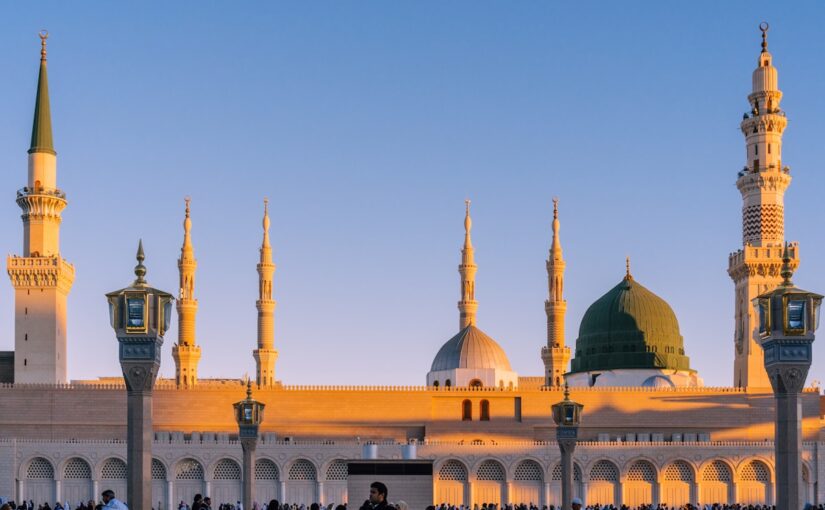
The naat Aye Sabz Gumbad Wale was written by a poet whose heart was filled with the love of the Prophet Muhammad (PBUH). The green dome (Gumbad-e-Khizra) of Masjid al-Nabawi was originally built in 1817 during the reign of Ottoman Sultan Mahmud II. It was painted green in 1837 and has remained an iconic symbol of Madina ever since.

Aye Sabz Gumbad Wale – Urdu Lyrics (اے سبز گنبد والے)

اے سبز گنبد والے مجھ کو مدینہ بلا لے

مولا مری قسمت میں دیدار مدینہ کر دے
میرے پیارے نبی کا میں دیدار مدینہ کر دے
اے سبز گنبد والے مجھ کو مدینہ بلا لے

میں خود نہیں آ سکتا تو مجھ کو بلا لے
آنکھوں میں بٹھا لے اور دل میں بسا لے
اے سبز گنبد والے مجھ کو مدینہ بلا لے

بس ایک نظر دے کے مری جان نکال
اے جانِ مدینہ ترے در پہ سوال
اے سبز گنبد والے مجھ کو مدینہ بلا لے

نہ مانگے گا کچھ اور ترے در کا گدا
بس اک نظرِ کرم اور تیرا سہرا
اے سبز گنبد والے مجھ کو مدینہ بلا لے

مدینے کی گلیوں میں بسیرا ہو ہمارا
محمد (ﷺ) کے در کا یہی آرزو ہے ہمیں
اے سبز گنبد والے مجھ کو مدینہ بلا لے

مجھے اپنی آنکھوں کا نور بنا لے
مجھے اپنی قوم کا سرور بنا لے
اے سبز گنبد والے مجھ کو مدینہ بلا لے

مری زندگی کا مقصد مدینہ ہے
مری موت کے بعد بھی مدینہ ہے
اے سبز گنبد والے مجھ کو مدینہ بلا لے

Roman English Transliteration

Aye Sabz Gumbad Waale, mujh ko Madina bula le.

English Translation and Meaning

Verse 1: “O Owner of the Green Dome, call me to Madina.” The poet directly addresses the Prophet, expressing longing to visit Madina.

Verse 2: “O my Lord, grant me the vision of Madina in my destiny.” A prayer for divine favour.

Verse 3: “I cannot come on my own, so You call me.” A beautiful expression of humility.

Verse 4: “Just give me one glance and take my life away.” Complete devotion.

Verse 5: “Your beggar at the door will ask for nothing else. Just one gracious glance and Your intercession.” Humble request for intercession.

Verse 6: “May our dwelling be in the streets of Madina.” The ultimate desire to live near the Prophet.

Verse 7: “Make me the light of Your eyes. Make me the joy of Your nation.” Plea for spiritual elevation.

Verse 8: “My life’s purpose is Madina. Even after my death, Madina is my destination.” The culmination of spiritual longing.

If you would like to explore more naats, check out Tajdar-e-Haram lyrics, Ya Mustafa lyrics, and Hasbi Rabbi lyrics.