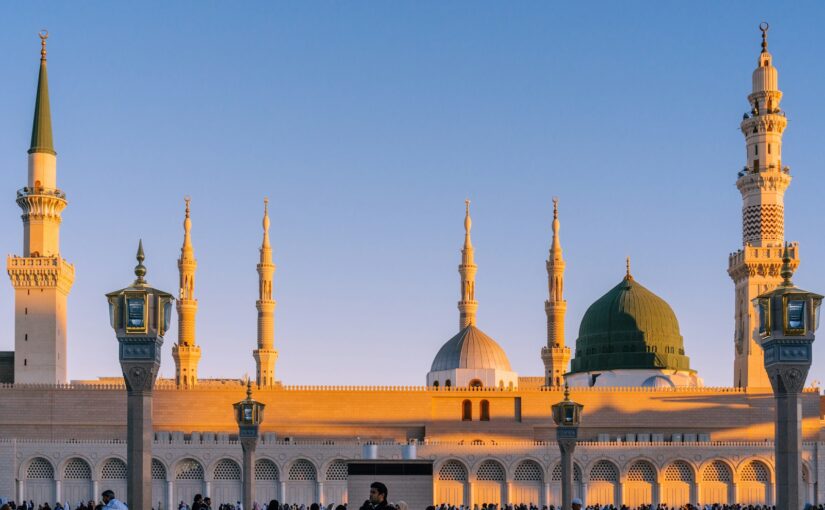
Ya Mustafa (یا مصطفیٰ) — Full Naat Lyrics in Urdu, English Translation and Meaning

Introduction to Ya Mustafa (یا مصطفیٰ)

“Ya Mustafa” is one of the most beloved naats in the Islamic world. “Ya Mustafa” translates to “O Chosen One” and is a heartfelt address to Prophet Muhammad (peace be upon him). This naat expresses deep love, devotion, and longing for the Prophet. It is recited at milads, naat gatherings, and Islamic celebrations.

Ya Mustafa Naat Lyrics in Urdu

یا مصطفیٰ یا مصطفیٰ
یا مصطفیٰ یا مجتبیٰ

مدینے والے مصطفیٰ
ترے صدقے میں کیا کیا دیا

ترے در پہ آئے ہیں سر بکف
کرم کی جلوے ہیں منتظر

بنا کر گدا ترے در کا
ہمیں تو نے مانگا نہیں مانگا کیا

نظر کرم کی ہے اک جھلک
ملی زندگی بخش دے یا نبی

مدینے کی گلیوں کا ہر پتھر
ہمیں تیرا پیغام سناتا ہے

یہ گنبد خضرا کی چھاؤں میں
ہر سانس ہمیں رحم بناتی ہے

رحمت کے جام ملے ہیں یہاں
غم و غصہ سب بھلا دیا

کرم کی نظر درِ مصطفیٰ
ہمیں دے گئی زندگی کا پتہ

دعا ہے یا رب مدینہ ملا
دل مضطر کو سکون عطا

یا مصطفیٰ یا مجتبیٰ
یا مصطفیٰ یا مصطفیٰ

Roman English Transliteration

Ya Mustafa, Ya Mustafa / Ya Mustafa, Ya Mujtaba

Madine wale Mustafa / Tere sadqe mein kya kya diya

Tere dar pe aaye hain sar ba kaf / Karam ki jhalwein hain muntazir

Bana kar gada tere dar ka / Humein to ne manga nahi manga kya

Nazar karam ki hai ek jhalak / Mili zindagi bakhsh de ya Nabi

Madine ki galiyon ka har pathar / Humein tera paigham sunata hai

Yeh gumbad e khazra ki chhaon mein / Har saans humein raham banati hai

Rehmat ke jaam mile hain yahan / Gham o ghussa sab bhula diya

Karam ki nazar dar e Mustafa / Humein de gayi zindagi ka pata

Dua hai ya Rab Madina mila / Dil e muztar ko sukun ata

Ya Mustafa, Ya Mujtaba / Ya Mustafa, Ya Mustafa

English Translation

Ya Mustafa, Ya Mustafa / Ya Mustafa, Ya Mujtaba – (O Chosen One, O Chosen One / O Chosen One, O Elected One)

Madine wale Mustafa / Tere sadqe mein kya kya diya – (O Mustafa of Madinah / What have I not sacrificed for you)

Tere dar pe aaye hain sar ba kaf / Karam ki jhalwein hain muntazir – (We have come to your doorstep with our head in our hands / Your blessings await us)

Bana kar gada tere dar ka / Humein to ne manga nahi manga kya – (Having made us beggars at your door / You did not ask, what was there to ask)

Madine ki galiyon ka har pathar / Humein tera paigham sunata hai – (Every stone of Madinah’s streets tells us your message)

Yeh gumbad e khazra ki chhaon mein / Har saans humein raham banati hai – (In the shade of the Green Dome, every breath becomes mercy)

Meaning and Background

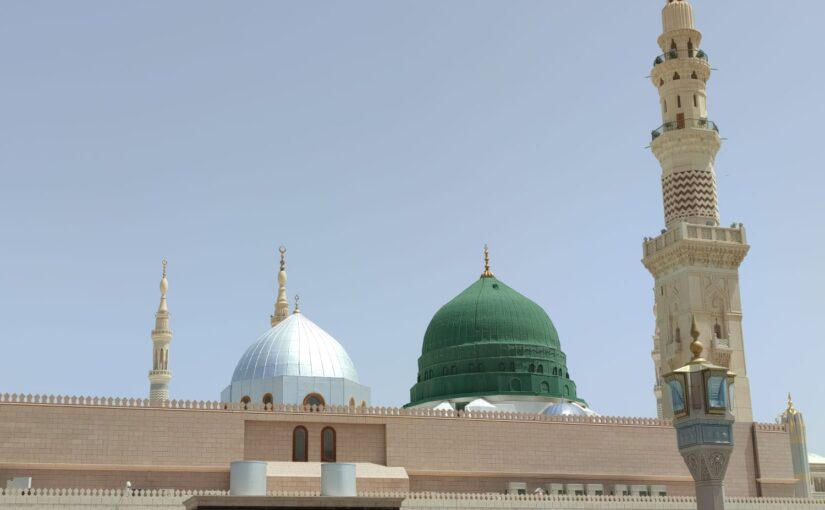
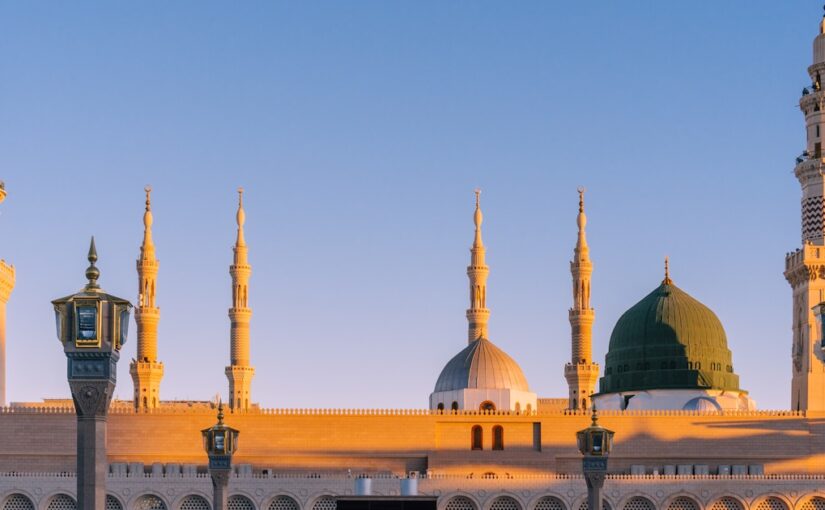
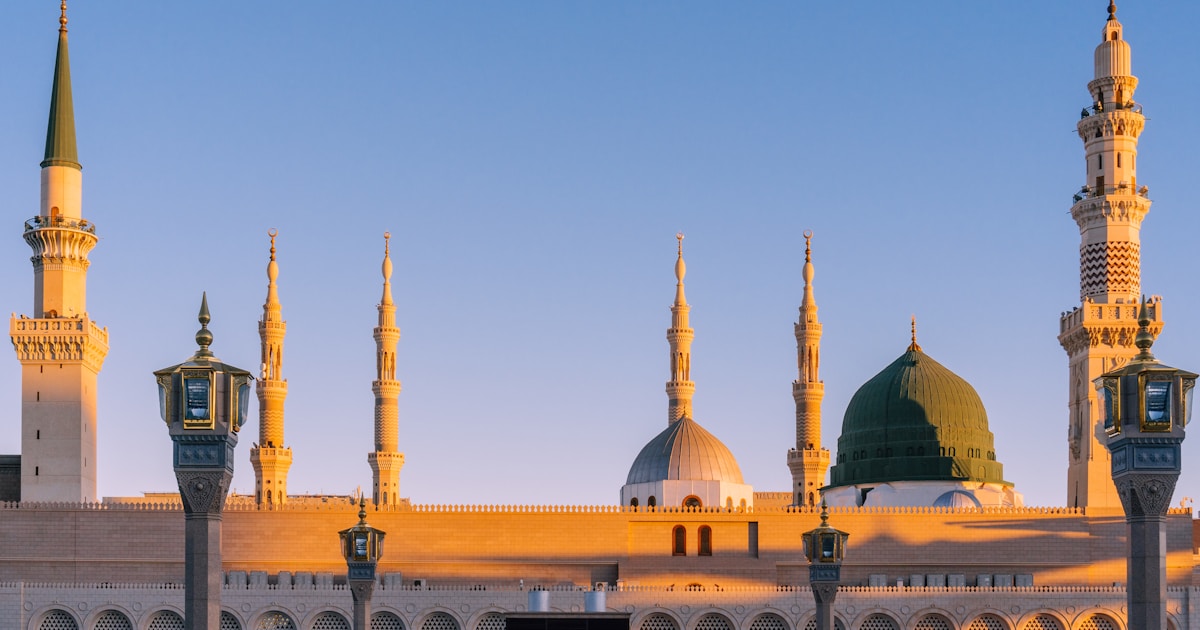
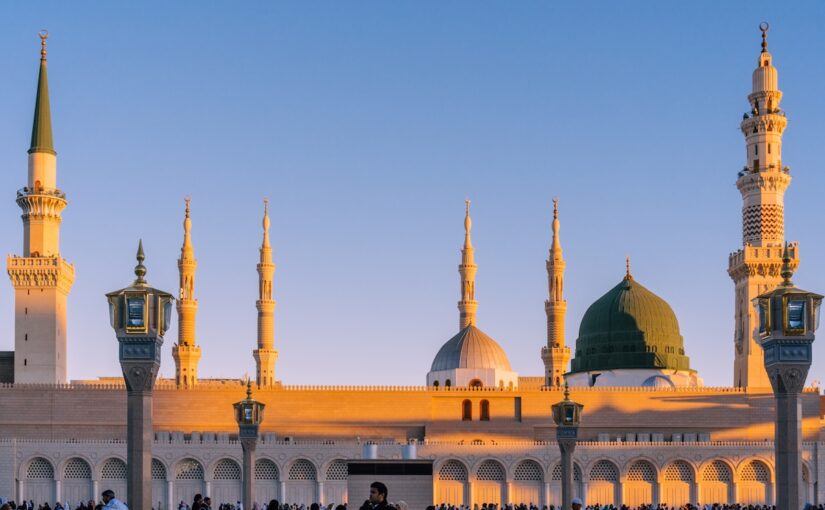
The naat captures a believer’s love for Prophet Muhammad (peace be upon him). “Mustafa” means “the Chosen One.” The verses describe arriving at Madinah with complete humility. The Green Dome (Gumbad-e-Khazra) over the Prophet’s resting place in Masjid al-Nabawi is a source of spiritual healing.

This naat is popular during Rabi’ al-Awwal and at naat gatherings worldwide. For more naat lyrics, explore Tajdar-e-Haram, Hasbi Rabbi, and Assubhu Bada.

Hasbi Rabbi (حسبي ربي) Full Naat Lyrics in Urdu, English Translation and Meaning

Introduction to Hasbi Rabbi

“Hasbi Rabbi” (حسبي ربي) is one of the most beloved Islamic naats of the modern era, made famous by the British-Muslim singer Sami Yusuf. The title translates to “My Lord is Sufficient for Me” — a powerful declaration of Tawheed (the oneness of Allah) and complete reliance on the Creator. The naat is built around the beautiful Arabic phrase “حسبي ربي جل الله” (Hasbi Rabbi Jallallah), which means “My Lord is sufficient for me, Glorified is Allah.”

Released as part of Sami Yusuf’s debut album Al-Mu’allim in 2003, this nasheed/naat quickly became a global phenomenon. It has been recited in homes, mosques, and Islamic events worldwide. The simple yet profound lyrics, combined with a captivating melody, have made “Hasbi Rabbi” a timeless classic in Islamic devotional music.

Background and Significance

The phrase “Hasbi Rabbi Jallallah” has deep roots in Islamic spirituality. It echoes the Quranic teaching:

“Hasbunallahu wa ni’mal wakeel” — “Allah is sufficient for us and the best disposer of affairs” (Surah Aal-e-Imran 3:173)

Sami Yusuf, born in 1980 to Azerbaijani parents, rose to fame with this very track. The naat’s universal appeal lies in its simplicity — it doesn’t require complex musical arrangements to move the heart. The repetition of Allah’s name and the declaration of His sufficiency resonates with believers across all ages and backgrounds.

Over the years, “Hasbi Rabbi” has been covered by countless artists and nasheed groups. It remains a staple at Islamic gatherings, spiritual retreats, and especially during Ramadan and Eid celebrations. The naat’s message of relying solely on Allah for all needs and protection is a fundamental Islamic concept that every Muslim can connect with.

Full Urdu Lyrics — Hasbi Rabbi Naat

Below are the complete Hasbi Rabbi naat lyrics in Urdu script:

حسبي ربي جل اللہ
ما فی قلبی غیر اللہ
نور محمد صلی اللہ
لا الہ الا اللہ

حسبي ربي جل اللہ
ما فی قلبی غیر اللہ
نور محمد صلی اللہ
لا الہ الا اللہ

حسبي ربي جل اللہ
ما فی قلبی غیر اللہ
نور محمد صلی اللہ
لا الہ الا اللہ

اللہ اللہ اللہ اللہ
نور محمد صلی اللہ
اللہ اللہ اللہ اللہ
لا الہ الا اللہ

اللہ اللہ اللہ اللہ
نور محمد صلی اللہ
اللہ اللہ اللہ اللہ
لا الہ الا اللہ

حسبي ربي جل اللہ
ما فی قلبی غیر اللہ
نور محمد صلی اللہ
لا الہ الا اللہ

Roman Urdu Transliteration

For those who cannot read Arabic/Urdu script, here is the Roman Urdu transliteration:

Verse 1:
Hasbi Rabbi Jallallah
Ma fi qalbi ghairullah
Noor-e-Muhammad Sallallahu
La ilaha illallah

Verse 2:
Hasbi Rabbi Jallallah
Ma fi qalbi ghairullah
Noor-e-Muhammad Sallallahu
La ilaha illallah

Verse 3:
Hasbi Rabbi Jallallah
Ma fi qalbi ghairullah
Noor-e-Muhammad Sallallahu
La ilaha illallah

Chorus:
Allah, Allah, Allah, Allah
Noor-e-Muhammad Sallallahu
Allah, Allah, Allah, Allah
La ilaha illallah

Repeat Chorus

Final Verse:
Hasbi Rabbi Jallallah
Ma fi qalbi ghairullah
Noor-e-Muhammad Sallallahu
La ilaha illallah

English Translation — Verse by Verse

Here is the meaning of each line in English:

Hasbi Rabbi Jallallah

“My Lord is sufficient for me. Glorified is Allah.”
This opening line is the heart of the naat. “Hasbi” comes from the Arabic root meaning “sufficiency.” The believer declares that Allah alone is enough — enough for protection, enough for provision, enough for everything. “Jallallah” is an exclamation of Allah’s majesty and glory.

Ma fi qalbi ghairullah

“There is nothing in my heart except Allah.”
This line speaks of pure Tawheed — the purification of the heart from all attachments except the love of Allah. It is a state of spiritual excellence where the heart is emptied of worldly distractions and filled entirely with devotion to the Creator.

Noor-e-Muhammad Sallallahu

“The light of Muhammad, peace be upon him.”
This refers to the concept of Nur-e-Muhammadi — the primordial light of the Prophet Muhammad, which according to Islamic tradition was the first creation of Allah. It is through this blessed light that all of creation came into being. The addition of the blessing shows reverence and love for the Prophet.

La ilaha illallah

“There is no god but Allah.”
The most fundamental declaration in Islam — the Kalimah Tayyibah. It is the essence of Tawheed, the first pillar of faith, and the key to Paradise. This phrase is the foundation upon which the entire religion of Islam is built.

Allah, Allah, Allah, Allah

“Allah, Allah, Allah, Allah”
The beautiful repetition of Allah’s name — a form of Dhikr (remembrance of Allah). The repetition helps the heart focus and find peace through the remembrance of the Divine. This is a common practice in Islamic spirituality, rooted in the Quranic command: “Remember Allah with much remembrance” (Surah Al-Ahzab 33:41).

Meaning and Spiritual Message

The profound spiritual message of “Hasbi Rabbi” can be summarized in three key themes:

1. Tawheed — The Oneness of Allah

The naat revolves entirely around the concept of Tawheed. From the opening declaration “Hasbi Rabbi” (My Lord is sufficient for me) to the powerful “La ilaha illallah” (There is no god but Allah), the entire composition is a celebration of the oneness of the Creator. It reminds the believer that true sufficiency, peace, and fulfillment are found only in Allah.

2. Love for the Prophet

The line “Noor-e-Muhammad Sallallahu” beautifully combines love for the Prophet with the declaration of Allah’s oneness. In Islamic spirituality, love for the Prophet is an essential part of faith. The Prophet said: “None of you truly believes until I am more beloved to him than his father, his child, and all of mankind.” This naat expresses that love in its purest form.

3. Dhikr — Remembrance of Allah

The repeated chanting of “Allah, Allah” in the chorus is a form of Dhikr that helps believers connect with their Creator. The Quran says: “Verily, in the remembrance of Allah do hearts find rest” (Surah Ar-Ra’d 13:28). This naat serves as both a devotional song and a spiritual exercise — a way to purify the heart and draw closer to Allah.

When and Where It Is Commonly Recited

“Hasbi Rabbi” has become an integral part of Islamic devotional practice across the globe. It is most commonly recited in the following settings:

  • During Ramadan: The naat is frequently played during iftar gatherings, Tarawih breaks, and Ramadan spiritual programs.
  • Mawlid al-Nabi (Eid Milad-un-Nabi): Celebrations of the Prophet’s birth often feature this naat prominently.
  • Eid al-Fitr and Eid al-Adha: Family gatherings and community events during Eids include this uplifting naat.
  • Spiritual retreats and Halaqas: Islamic study circles often begin or end with this naat to create a spiritually charged atmosphere.
  • Morning and evening routines: Many Muslims listen to Hasbi Rabbi as part of their daily adhkar (remembrances).
  • Educational institutions: Islamic schools and madrasas teach this naat to students for morning assemblies and events.
  • Online and social media: The naat has millions of views on YouTube and is widely shared across Islamic content platforms.

Conclusion

“Hasbi Rabbi (Hasbi Rabbi)” is more than just a beautiful melody — it is a spiritual masterpiece that encapsulates the very essence of Islamic faith. The combination of Tawheed, love for the Prophet, and the power of Dhikr makes it a transformative experience for listeners. Whether you are hearing it for the first time or the hundredth time, its message penetrates the heart and reminds us of the ultimate truth: Allah is sufficient for us, and there is no deity worthy of worship except Him.

May Allah bless us with the ability to internalize the message of this beautiful naat and live our lives in complete reliance on Him alone. Ameen.


Keywords: Hasbi Rabbi, Hasbi Rabbi naat, Hasbi Rabbi lyrics, Sami Yusuf naat, Islamic nasheed, Urdu naat lyrics, Arabic naat translation, Hasbi Rabbi Jallallah meaning, Islamic devotional music

Assubhu Bada (الصبح بدا) — Full Naat Lyrics in Urdu, English Translation and Meaning

“Assubhu Bada” (الصبح بدا) — meaning “The Morning Has Appeared” — is one of the most beloved traditional Islamic naats ever written. This timeless Arabic naat celebrates the blessed birth and arrival of Prophet Muhammad ﷺ, using the beautiful metaphor of dawn breaking to symbolize the light he brought to a world lost in darkness. Sung by countless artists across the Muslim world — most famously by Mesut Kurtis — this naat has touched millions of hearts and is recited in homes, mosques, and gatherings worldwide.

The poetry is rich with imagery: darkness giving way to light, night being dispelled by a radiant face, and the Prophet ﷺ being described as the sun at its highest zenith. Every verse is a testament to the profound love Muslims hold for the final Messenger of Allah.

The Background of Assubhu Bada

“Assubhu Bada” is a classical Arabic qasida (ode) that has been passed down through generations. Its exact origins trace back to traditional Islamic poetry composed in praise of Prophet Muhammad ﷺ. The title refers to “the morning” (subhu) that “appeared” (bada) — a direct reference to the Prophet ﷺ whose arrival was like the dawn after a long, dark night.

The poem references Yathrib, the former name of Madinah, where the Prophet ﷺ migrated and established the first Islamic state. The naat beautifully weaves together themes of light, guidance, love, and devotion. In the Urdu-speaking world, this naat is extremely popular and is often recited at Milad-un-Nabi (Eid Milad) gatherings, naat nights, and spiritual assemblies.

The chorus — “Ya Rabbi salli wa sallim da’iman abadan / ‘Ala habibika khayril khalqi kullihim” (O Lord, send blessings and peace forever and ever upon Your Beloved, the best of all creation) — is a direct supplication invoking salawat upon the Prophet ﷺ, following the Quranic command in Surah Al-Ahzab (33:56): “Indeed, Allah confers blessing upon the Prophet, and His angels [ask Him to do so]. O you who have believed, ask [Allah to confer] blessing upon him and ask [Allah to grant him] peace.”

Verse 1 — The Dawn of Prophecy

Arabic Lyrics

اَلصُّبْحُ بَدَا مِنْ ثَغْرِ يَثْرِب
وَاللَّيْلُ انْجَلَىٰ عَنْ وَجْهِهِ الْأَشْهَب
وَالنُّورُ بَدَا مِنْ وَجْهِهِ الْمُضِيءِ
كَالشَّمْسِ فِي رَابِعَةِ الْأَبْرُج

Urdu Transliteration

Subhu bada min thaghri yathrib
Wal laylu in jala ‘an wajhihil ash-hab
Wan-nuru bada min wajhihil mudhi’
Kash-shamsi fi raabi’atil abruj

English Translation

The dawn has appeared from the horizon of Yathrib (Madinah)
And the night has been dispelled by his radiant face
Light shines forth from his luminous face
Like the sun in its highest zenith

Meaning

This opening verse is breathtaking in its imagery. “Subhu bada” — the morning appeared — is not just about a literal sunrise. It is the spiritual dawn that came with Prophet Muhammad ﷺ. Yathrib (the pre-Islamic name of Madinah) is mentioned as the place from which this dawn rose, referencing the Hijra (migration) that marked a turning point in Islamic history. The “night” is the age of ignorance (Jahiliyyah) — a time of darkness, oppression, and spiritual emptiness. The Prophet’s ﷺ face is described as “ash-hab” (radiant, luminous), and his light is compared to the sun at its highest point in the sky — unstoppable, undeniable, warming every soul it touches. The verse beautifully establishes the central metaphor of the entire naat: the Prophet ﷺ as light personified.

Chorus — The Blessing Upon the Beloved

Arabic Lyrics

يَا رَبِّ صَلِّ وَسَلِّمْ دَائِمًا أَبَدًا
عَلَىٰ حَبِيبِكَ خَيْرِ الْخَلْقِ كُلِّهِم

Urdu Transliteration

Ya Rabbi salli wa sallim da’iman abadan
‘Ala habibika khayril khalqi kullihim

English Translation

O my Lord, send blessings and peace forever and ever
Upon Your Beloved, the best of all creation

Meaning

This chorus is the heart of the naat — a direct and loving plea to Allah to send salawat (blessings) upon the Prophet ﷺ. The words “da’iman abadan” (forever and ever) emphasize the eternal nature of this blessing. The Prophet ﷺ is described as “habibika” (Your Beloved) — a profound reminder of the special station the Prophet holds with Allah, described in the Quran as the one “who is praised” (Muhammad) and the “Beloved of Allah” (Habibullah). By calling the Prophet ﷺ “khayril khalqi kullihim” (the best of all creation), the poet affirms the Islamic belief that Prophet Muhammad ﷺ is the greatest and most noble of all beings ever created.

Verse 2 — The Taste of Love

Arabic Lyrics

مَنْ ذَاقَ حُبَّهُ عَرَفَ طَرِيقَ الْهُدَىٰ
وَمَنْ أَحَبَّ سَارَ فِي دَرْبِ الْمُصْطَفَىٰ

Urdu Transliteration

Man dhaqa hubbahu ‘arafa tareeqal huda
Wa man ahabba saara fi darbil Mustafa

English Translation

Whoever tastes His love knows the path of guidance
And whoever loves, walks on the path of Mustafa (the Chosen One)

Meaning

This verse speaks to the transformative power of love for the Prophet ﷺ. The word “dhaqa” (tasted) implies an experiential, deeply personal encounter — not just intellectual knowledge but a felt experience of love. The poet suggests that this love is the key to finding guidance (huda). Once a person truly loves the Prophet ﷺ, they naturally begin to follow his path (darbil Mustafa). “Mustafa” means “the Chosen One” — one of the Prophet’s ﷺ most beloved titles. This verse reminds us that love for the Prophet ﷺ is not just emotion; it translates into action. True love means walking his path, embodying his teachings, and living his sunnah.

Verse 3 — The Guide of All Worlds

Arabic Lyrics

طه الرَّسُولُ الْهَادِي وَالْهَادِي لَنَا
يَا سَيِّدَ الْكَوْنَيْنِ يَا مَنْ بِهِ اهْتَدَىٰ

Urdu Transliteration

Taha Rasulul Hadi wal Hadi lana
Ya Sayyidal Kawnayni ya man bihi ihtada

English Translation

Ta-Ha, the Messenger, the Guide, and our Guide
O Master of both worlds, O one through whom guidance is found

Meaning

The verse opens with “Taha” — one of the mysterious letters (huruf al-muqatta’at) from the Quran that begin Surah Ta-Ha (Chapter 20). Islamic scholars have offered various interpretations of these letters, but in the context of this naat, “Taha” is used as an affectionate name for the Prophet ﷺ. The Prophet ﷺ is described as “al-Hadi” (the Guide) — one who shows the way. Repeated twice for emphasis: he is the guide in a universal sense and also our personal guide. “Sayyidal kawnayni” means “Master of both worlds” — this world and the hereafter. The verse affirms the Prophet’s ﷺ supreme station and his role as the means through which humanity finds guidance. “Bihi ihtada” — through him, people are guided — echoes the Quranic verse that the Prophet ﷺ guides to the straight path (Surah Ash-Shura 42:52).

Verse 4 — The Call to Allah

Arabic Lyrics

يَا مَنْ دَعَا لِلَّهِ رَبًّا فَأَسْمَعَا
يَا خَيْرَ مَنْ حَجَّ الْبَيْتَ وَصَلَّىٰ مَعَا

Urdu Transliteration

Ya man da’a lillahi rabban fa asma’a
Ya khayra man hajjal bayta wa salla ma’a

English Translation

O one who called to Allah as Lord and made all hear
O best of those who performed Hajj of the House and prayed together

Meaning

This verse highlights two key aspects of the Prophet’s ﷺ mission: his call to Tawheed (the oneness of Allah) and his role in establishing worship. “Da’a lillahi rabban” refers to the Prophet’s ﷺ invitation to worship Allah alone — the central message of all prophets. “Fa asma’a” — and He made all hear — refers to the Prophet’s ﷺ message reaching far and wide. Despite facing persecution, his call could not be silenced. The second line praises the Prophet ﷺ as the best of those who performed Hajj and prayed — his pilgrimage (Hajjat al-Wida, the Farewell Pilgrimage) was the model for all Muslims, and his prayers were the most perfect. The word “ma’a” (together) may also refer to the Prophet ﷺ praying in congregation, establishing the importance of community worship.

Verse 5 — The Eternal Support

Arabic Lyrics

يَا سَنَدِي يَا سَنَدِي أَنْتَ لِي فِي الزَّمَانِ
وَأَنْتَ لِي مُذْ كُنْتُ فِي عَالَمِ الْأَمَانِ

Urdu Transliteration

Ya sanadi ya sanadi anta li fi-z-zaman
Wa anta li mudh kuntu fi ‘alamil aman

English Translation

O my support, my support, you are for me in all times
And you have been for me since I was in the world of covenant

Meaning

The final verse is deeply personal and emotional. “Sanadi” means “my support” or “my pillar” — the one I lean on. Repeated twice for emphasis, it reflects the poet’s complete reliance on the Prophet ﷺ as an intercessor and spiritual anchor. “Anta li fi-z-zaman” — you are for me in all times — acknowledges that the Prophet’s ﷺ love and support transcend time and circumstance. The second line references “‘alamil aman” — the world of covenant — which alludes to the primordial covenant mentioned in the Quran (Surah Al-A’raf 7:172) when all souls testified to Allah’s lordship. The poet beautifully suggests that their love for the Prophet ﷺ predates this worldly existence — it was written into their soul from the very beginning. This is the ultimate expression of spiritual connection: a love that is eternal, pre-eternal, and woven into the very fabric of one’s being.

The Spiritual Significance

“Assubhu Bada” is more than a beautiful melody — it is a theological masterpiece in poetic form. Every verse is layered with meaning, drawing from Quranic imagery, prophetic tradition, and the depths of Islamic spirituality. The naat teaches us that:

  • The arrival of Prophet Muhammad ﷺ was like the dawn after a long night — bringing light to a world in darkness.
  • Love for the Prophet ﷺ is the key to guidance — when we truly love him, we naturally follow his path.
  • Salawat (sending blessings upon the Prophet ﷺ) is both a command from Allah and a gift from the believer’s heart.
  • The Prophet ﷺ is not just a historical figure but a living source of support and intercession for those who love him.
  • This love is eternal — it existed before this world and will continue into the next.

In Urdu-speaking households across Pakistan, India, and Bangladesh, “Assubhu Bada” holds a special place. It is often the first naat children learn, the one recited at family gatherings, and the one that brings tears to the eyes of the elderly. Its simple yet profound poetry transcends age, culture, and background — speaking directly to the heart of every believer.

Why This Naat is Loved Worldwide

The universal appeal of “Assubhu Bada” lies in its combination of spiritual depth and melodic beauty. Unlike more complex poetic works, its Arabic is relatively accessible, making it easy for non-Arabic speakers to learn and recite. The imagery — dawn, light, the sun, guidance — is universally understood and deeply resonant. The chorus invoking salawat is both a prayer and a declaration of love, repeated like a heartbeat throughout the naat. Mesut Kurtis’s famous rendition introduced this naat to a new generation, and it has since been covered by countless artists including Sami Yusuf, Maher Zain, and many others. In the digital age, “Assubhu Bada” has gone viral multiple times, with millions of YouTube views and shares across social media platforms.

Conclusion

“Assubhu Bada” (الصبح بدا) — The Morning Has Appeared — is a gift to the Muslim ummah. Its verses carry the light of Prophetic love, the warmth of spiritual guidance, and the depth of eternal devotion. Whether you are hearing it for the first time or the thousandth, this naat has the power to move hearts, soften souls, and draw the believer closer to the Beloved Prophet Muhammad ﷺ.

May Allah bless us all with the love of His Messenger ﷺ, guide us on his path, and grant us his intercession on the Day of Judgment. Ameen.


Note: The Arabic lyrics and translations of “Assubhu Bada” may vary slightly between different recitations and traditions. The version presented here is the most widely recognized and recited form.


Har Lamha (ہر لمحہ) — Full Naat Lyrics in Urdu, English Translation and Meaning


Har Lamha (ہر لمحہ) — Full Naat Lyrics in Urdu, English Translation, and Meaning


Har Lamha (ہر لمحہ) — Full Naat Lyrics and Translation

Har Lamha is a deeply heartfelt naat that expresses a believer’s constant, every-moment longing for Prophet Muhammad ﷺ. The word “lamha” means “moment” in Urdu, and the naat beautifully captures how the remembrance and love of the Prophet ﷺ should fill every second of a Muslim’s life. This naat is widely recited across the Indian subcontinent and resonates deeply with those who yearn for the presence of the Beloved ﷺ in their daily existence.

The poet takes the listener on a spiritual journey — from the pain of separation to the hope of union, from the darkness of this world to the light of Madinah. Every verse is a prayer, a plea, and a declaration of love all at once.

Verse 1

Urdu Lyrics

ہر لمحہ مرا نعت پڑھے دل کو قرار آئے
مجھ کو تو مرے آقا کی محبت میں قرار آئے

English Translation

May every moment of mine be spent reciting naat, bringing peace to my heart.
May I find my rest and tranquility in the love of my Master (the Prophet ﷺ).

Meaning

The poet begins with a powerful aspiration — that not just some moments, but every moment (har lamha) be devoted to praising the Prophet ﷺ. The connection between naat (praise) and qaraar (peace, stillness of heart) is significant. In Islamic spirituality, true peace is not found in material accumulation or worldly achievements but in the remembrance and love of Allah and His Messenger ﷺ. The poet asks to find their rest — the deep, soul-level tranquility — specifically in their love for the Prophet ﷺ.

Verse 2

Urdu Lyrics

وہ سایۂ رحمت ہے جہاں بیٹھ کے روؤں
اس سائے میں آنے سے مرے دل کو قرار آئے

English Translation

He is the shade of mercy where I can sit and weep.
In coming under that shade, my heart finds peace.

Meaning

The Prophet ﷺ is described as the “shade of mercy” (saaya-e-rahmat) — a beautiful metaphor drawn from the Quranic concept of Allah’s mercy encompassing all things. The Prophet ﷺ is that mercy made manifest. The poet expresses a desire to sit in this shade and weep — tears of love, of repentance, of longing. There is profound vulnerability here. The poet is not ashamed of their tears. Instead, they recognize that under the Prophet’s ﷺ mercy, even tears become a source of healing and peace for the heart.

Verse 3

Urdu Lyrics

بے نام و نشاں پھرتا ہوں میں صحرا میں
مجھ کو تو مرے آقا کے مدینے میں قرار آئے

English Translation

I wander nameless and directionless in the desert.
May I find my rest in the Madinah of my Master ﷺ.

Meaning

This verse captures the existential restlessness of the human condition. The “desert” symbolizes dunya (this worldly life) — vast, disorienting, and barren of true satisfaction. The poet feels “nameless” (be-naam o nishaan) — without identity or direction. The only cure? To reach Madinah, the city of the Prophet ﷺ. Madinah here is both a physical place and a spiritual state — a destination where the wandering soul finally arrives home.

Verse 4

Urdu Lyrics

وہ شہر مدینہ ہے، وہ گنبد خضرا ہے
جس گنبد کے سائے میں مرے دل کو قرار آئے

English Translation

That is the city of Madinah, that is the Green Dome.
In the shade of that dome, may my heart find peace.

Meaning

The Green Dome (Gumbad-e-Khazra) over the Prophet’s ﷺ sacred resting place in Masjid an-Nabawi is one of the most recognizable symbols in Islam. The poet yearns for even the shade of this dome — a metaphorical way of saying that just being near the Prophet ﷺ, even spiritually, brings complete tranquility. The Green Dome is not just architecture; it represents the spiritual heart of Islam, the physical marker of where the Beloved ﷺ lies, where millions of hearts turn towards every day.

Verse 5

Urdu Lyrics

اے میرے خدا اب تو مجھ کو وہاں پہنچا
جہاں پہنچ کر میرے دل کو قرار آئے

English Translation

O my Allah, now let me reach that place
Where, once I arrive, my heart will find peace.

Meaning

The poet turns directly to Allah in supplication (dua). After expressing longing in the earlier verses, this is the moment of surrender — acknowledging that only Allah can grant the ability to reach Madinah. The phrase “ab to” (now, please) carries urgency and desperation. It reflects the believer’s understanding that guidance and the ability to visit the Prophet’s ﷺ city come only from Allah. The poet asks not for wealth or status but for the one destination where the heart will finally be at rest.

Verse 6

Urdu Lyrics

وہ جس گھر میں رہتے ہیں وہ گھر ہے مدینہ
اس گھر کی گلی میں مرے دل کو قرار آئے

English Translation

The house in which he lives — that house is Madinah.
In the streets of that house, may my heart find peace.

Meaning

This verse emphasizes the intimate connection between the Prophet ﷺ and the city of Madinah. The Prophet ﷺ made Madinah his home, and in doing so, transformed it into a place of eternal blessing. The poet doesn’t even ask to enter the home — just to be in the streets of that holy city, to walk where the Prophet ﷺ walked, to breathe the air of that blessed land. It reflects the profound love that makes a believer content with even the smallest proximity to the Beloved ﷺ.

Verse 7

Urdu Lyrics

مجھ کو تو مرے آقا کی ایک جھلک مل جائے
اس جھلک کے صدقے میں مرے دل کو قرار آئے

English Translation

May I be granted just one glimpse of my Master ﷺ.
In the blessing of that glimpse, may my heart find peace.

Meaning

The climax of the naat — the poet asks for the ultimate gift: a single glimpse (jhalak) of the Prophet ﷺ. This reflects the deep-seated belief in the spiritual sight (ziyarat) of the Prophet ﷺ, whether in this world, in dreams, or in the hereafter. The phrase “us jhalak ke sadqe mein” (in the charity/blessing of that glimpse) shows how transformative even a momentary vision of the Prophet ﷺ would be. One look — and every wound would heal, every sorrow would lift, and the heart would be at peace forever.

Conclusion: The Spiritual Significance of Har Lamha

Har Lamha is more than a poem set to melody. It is a roadmap for the heart that longs for the Divine Beloved ﷺ. Each verse peels back a layer of worldly distraction and points towards the ultimate destination — the presence of Prophet Muhammad ﷺ in Madinah.

What makes this naat special is its raw honesty. The poet does not pretend to be righteous or already close to the Prophet ﷺ. Instead, they confess their wandering, their namelessness, their tears. They admit that peace has not yet been found — and they actively plead for it, moment by moment.

In a world filled with anxiety, depression, and spiritual emptiness, Har Lamha offers a healing alternative. It teaches that the peace we search for in careers, relationships, and possessions is actually waiting for us in the love of Rasoolullah ﷺ. The naat reminds us that every moment can be made sacred when it is filled with his remembrance.

Reciting or listening to Har Lamha regularly softens the heart, strengthens the connection to the Prophet ﷺ, and keeps the believer focused on the ultimate goal: to be among those who find peace in the shade of the Green Dome, in the streets of Madinah, and in the blessed presence of the Beloved ﷺ.


May Allah grant us all the ability to visit Madinah and find peace in the love of His Messenger ﷺ. Ameen.


Suna Hai (سنا ہے) — Full Naat Lyrics in Urdu, English Translation and Meaning

# Suna Hai (سنا ہے) — Full Naat Lyrics in Urdu, English Translation and Meaning

“Suna Hai” is one of the most beloved naats in the Islamic world, famously recited by Owais Raza Qadri. The opening line “Suna hai log usay dewana kehtay hain” has become iconic among naat lovers. This beautiful kalam expresses the deep love and longing of a believer for Prophet Muhammad (peace be upon him).

The naat reflects the theme that those who truly love the Prophet are often considered “mad” by the world, but their madness is one of devotion and spiritual connection. In this article, we present the full lyrics in Urdu, Roman Urdu transliteration, English translation and the deeper meaning behind this soul-stirring naat.

## About the Naat

Suna Hai was originally written by the renowned poet Syed Muhammad Saeed Rifai. The kalam gained massive popularity when Owais Raza Qadri recited it at various gatherings. Today, it is one of the most requested naats at mehfils around the world.

The naat captures the beautiful paradox of loving the Prophet. To the outside world, a lover of Muhammad appears crazy or foolish. But in reality, this love is the highest form of spiritual attainment. The poet describes how the lover finds peace only in the remembrance of the Prophet and longs to be in Madina.

## Suna Hai Naat Lyrics in Urdu

سنا ہے لوگ اسے دیوانہ کہتے ہیں
مجھے اپنا بنا لو مرا زمانہ کہتے ہیں

یہ عشق ہے کہ محبت کا ایک نشہ ہے
مجھے تو آپ کی گلی کا آشیانہ کہتے ہیں

مدینہ شہر ہے پاکیزہ یہ ہے اہلِ صفا کا
یہاں تو خاک کو بھی لوگ دانہ کہتے ہیں

وہ پیار کرتے ہیں مجھ سے اتنا کہ دنیا والے
محبت میں مجھے اپنا دیوانہ کہتے ہیں

یہ کون سی ہے محبت یہ کیسا ہے نشہ
کہ مجھ کو لوگ مرا آپ دیوانہ کہتے ہیں

حضور آپ سے نسبت ہے اور پھر کیا غم
میں آپ کا ہوں مجھے اپنا زمانہ کہتے ہیں

## Suna Hai Naat Lyrics in Roman Urdu

Suna hai log usay dewana kehtay hain
Mujhe apna bana lo mera zamana kehtay hain

Yeh ishq hai ke mohabbat ka ek nashe hai
Mujhe toh aap ki gali ka aashiyana kehtay hain

Madina shehar hai paakeezah yeh hai ahl-e-safa ka
Yahan toh khaak ko bhi log daanah kehtay hain

Woh pyaar kartay hain mujhse itna ke duniya walay
Mohabbat mein mujhe apna dewana kehtay hain

Yeh kaun si hai mohabbat yeh kaisa hai nasha
Ke mujh ko log mera aap dewana kehtay hain

Huzoor aap se nisbat hai aur phir kya gham
Mein aap ka hoon mujhe apna zamana kehtay hain

## Suna Hai Naat Translation in English

I have heard that people call him mad (crazy with love)
Make me your own, though the world calls me yours

This is love, this is the intoxication of devotion
They say my home is in your street, O Prophet

Madina is a pure city, it belongs to the people of purity
Even its dust is considered precious by the people

He loves me so much that the people of the world
In their observation, call me mad for my love of him

What kind of love is this, what intoxication is this
That people call me mad for my beloved

When I have a connection with you, O Prophet, what sorrow can I have
I belong to you, though the world claims me as theirs

## Deeper Meaning and Message

The naat Suna Hai carries several layers of spiritual meaning. At its core, it celebrates the beautiful madness of loving the Prophet. The poet is aware that the world sees this love as irrational. But for the believer, this love is the most rational thing in existence.

### The Madness of Love

When someone falls deeply in love with the Prophet, their priorities change. They no longer care about worldly status or material wealth. Their only desire is to be close to the beloved. The world calls this madness. But in Islamic spirituality, this is the highest state of faith. The poet embraces this label proudly.

### The Purity of Madina

Madina is described as a city of purity. The phrase “even its dust is precious” reflects the deep reverence Muslims have for the city of the Prophet. Every particle of Madina is blessed because it was touched by the Prophet’s presence. This is why believers long to visit Madina and consider it sacred.

### Complete Trust in the Prophet

The final verse expresses complete trust. When you have a connection with the Prophet, you have no reason to fear or grieve. The love of the Prophet overshadows all worldly concerns. This is the ultimate comfort for a believer.

## Popular Reciters of Suna Hai

While Owais Raza Qadri’s rendition is the most famous, many other reciters have performed this naat beautifully. Some of the popular versions include:

– Owais Raza Qadri (original and most popular version)
– Javed Iqbal Qadri
– Qari Asif Hussain
– Atta Ullah Khan Niazi
– Irfan Haider

Each reciter brings their own style to the naat while preserving its emotional depth and spiritual essence.

## When to Recite This Naat

Suna Hai is often recited at mehfils, Islamic gatherings and during the month of Rabi-ul-Awwal, which marks the birth of the Prophet. It is also commonly played on religious occasions and is a favourite at naat competitions.

Many Muslims listen to this naat daily as part of their morning or evening routine. Its soothing melody and heartfelt words make it perfect for spiritual reflection.

## Final Reflection

Suna Hai is more than just a naat. It is a declaration of love that transcends logic. The poet proudly accepts being called mad because his madness is for the greatest of all creation. For anyone seeking to understand the depth of love Muslims have for Prophet Muhammad, this naat captures it perfectly.

May Allah grant us all the love of His beloved Prophet and give us the opportunity to visit Madina. Ameen.

**Keywords:** Suna Hai naat lyrics, Owais Raza Qadri naat, Urdu naat lyrics with English translation, Islamic naat kalam, naat about Prophet Muhammad, Madina love poetry

**Tags:** Suna Hai, Owais Raza Qadri, Naat, Islamic Poetry, Urdu Naat Lyrics

Tajdar-e-Haram (تاجدارِ حرم) — Full Naat Lyrics in Urdu, English Translation and Meaning

Tajdar-e-Haram Naat Lyrics - Islamic Naat in Urdu with English Translation

Introduction

Tajdar-e-Haram (تاجدارِ حرم) — meaning “Crown of the Sacred Sanctuary” — is one of the most beloved Islamic naats in the Urdu-speaking world. Written by the renowned Pakistani naat poet Syed Muhammad Iqbal (a different poet from Allama Iqbal), this naat is a heartfelt tribute to Prophet Muhammad (peace be upon him).

The title itself, Tajdar-e-Haram, refers to the Prophet as the crown and ornament of the sacred sanctuary — a metaphor for his supreme status in the eyes of his followers. The naat beautifully expresses the deep love, devotion, and spiritual connection that believers feel for the Prophet, with Madina Munawwarah as the eternal backdrop of this love.

Below you will find the complete lyrics in Urdu, a Roman/transliteration version for pronunciation, and an English translation with explanation of each verse.

Tajdar-e-Haram — The Poet and Background

Syed Muhammad Iqbal is a celebrated naat poet from Pakistan whose works are recited at naat gatherings and religious events across the subcontinent. His poetry is known for its simplicity, deep reverence, and musical flow. Unlike Allama Iqbal’s philosophical and reformist poetry, Syed Muhammad Iqbal’s naats focus purely on love, praise, and devotion to the Prophet Muhammad (PBUH).

Tajdar-e-Haram has been recited by countless qawwals and naat khwans, including popular renditions by Qari Waheed Zafar, Owais Raza Qadri, and others. Its melody and words have made it a staple at mehfil-e-naat gatherings worldwide.

Tajdar-e-Haram (تاجدارِ حرم) — Full Naat Lyrics

Verse 1

تاجدارِ حرم ہو نگاہِ کرم
ہم پہ ہو آپ کا سایہ کم کم

Tajdar-e-Haram ho nigah-e-karam
Hum pe ho aap ka saaya kam kam

Translation: O Crown of the Sacred Sanctuary, bestow a gracious glance. Let your shadow fall upon us, even if just a little.

Meaning: The poet addresses the Prophet as the crown of Haram (the sacred precincts of Makkah and Madina) and humbly requests even a small portion of his merciful attention and protection.

Verse 2

آپ آقا ہیں ہمارے مدینے والے
کیا کریں گے ہم تم بن سہارے مدینے والے

Aap aaqa hain hamaare Madine waale
Kya karenge hum tum bin sahaare Madine waale

Translation: You are our master, the one from Madina. What will we do without your support, O one from Madina.

Meaning: This verse acknowledges the Prophet as the ultimate leader (aaqa) and the one associated with Madina. It expresses complete dependence on his intercession and spiritual support, asking rhetorically how believers would survive without him.

Verse 3

چاند کہتا ہے تجھے دیکھ کے چاندی ہو گیا
یہ مدینہ ہے یہاں ہر کوئی دیوانہ ہو گیا

Chaand kehta hai tujhe dekh ke chaandi ho gaya
Yeh Madina hai yahan har koi deewana ho gaya

Translation: The moon says, “Seeing you, it turned silver.” This is Madina, where everyone has become enchanted.

Meaning: A beautiful poetic metaphor — the moon itself acknowledges the radiance of the Prophet’s face and says it has turned silver (pale) in comparison. The second line captures the overwhelming spiritual atmosphere of Madina where everyone falls deeply in love with the Prophet.

Verse 4

کتنا خوب ہے نظارہ تمہارے چہرے کا
آپ ہی ہو ہمارا معبود و پیارا

Kitna khoob hai nazaara tumhaare chehre ka
Aap hi ho hamaara mabood o pyaara

Translation: How beautiful is the sight of your face. You alone are our beloved and adored.

Meaning: The poet marvels at the blessed appearance of the Prophet and declares that he is both the object of love (pyaara) and the one worthy of devotion. The word mabood (meaning worshipped or adored) is used in the context of reverential love, not in the sense of divine worship — a common devotional expression in naat poetry.

The Spiritual Significance of Tajdar-e-Haram

Tajdar-e-Haram is more than just poetry — it is a spiritual expression of ishq-e-rasi (love for the Prophet). This love is considered a central tenet of Islamic faith. The naat reminds believers of the Prophet’s role as a mercy to all worlds (Rehmat-ul-Aalameen) and the importance of seeking his intercession (shafa’at).

Each verse builds on the theme of humble supplication. The poet does not ask for worldly riches or status — instead, the request is for a glance of mercy (nigah-e-karam) and the shadow of protection (saaya). This reflects the core of Islamic spirituality: the believer’s ultimate aspiration is closeness to the Prophet and, through him, to Allah.

The mention of Madina in multiple verses is significant. For Muslims, Madina is not just a city — it is the city of the Prophet, the place where he lived, taught, and is buried. It holds a sacred place in the hearts of believers, and visiting it (ziyarat) is considered a tremendous blessing.

Why This Naat is So Popular

Several factors contribute to the enduring popularity of Tajdar-e-Haram:

  • Simple yet profound lyrics: The words are easy to understand but carry deep meaning, making them accessible to people of all ages.
  • Beautiful rhythm: The meter of the poem lends itself well to various musical and vocal renditions, from slow, soulful recitations to energetic qawwali performances.
  • Universal appeal: The themes of love, devotion, and longing for the Prophet resonate across cultures and Islamic traditions.
  • Memorable refrain: The opening line “Tajdar-e-Haram ho nigah-e-karam” is instantly recognizable to anyone familiar with Urdu naat.

Frequently Asked Questions

Who wrote Tajdar-e-Haram?

Tajdar-e-Haram was written by Syed Muhammad Iqbal, a well-known naat poet from Pakistan. He is distinct from the philosopher-poet Allama Muhammad Iqbal.

What does Tajdar-e-Haram mean?

Tajdar-e-Haram translates to “Crown of the Sacred Sanctuary” — referring to the Prophet Muhammad (PBUH) as the crown and ornament of the holy precincts of Makkah and Madina.

Is Tajdar-e-Haram in the Quran?

No, Tajdar-e-Haram is a naat (devotional poem) written in praise of the Prophet Muhammad (PBUH). It is not from the Quran but is a popular composition recited by Muslims around the world.

Can I use these lyrics for my naat recitation?

Yes, the lyrics of Tajdar-e-Haram are widely shared and recited. You are welcome to use them for personal recitation, mehfil-e-naat, or qawwali performances.

Conclusion

Tajdar-e-Haram remains one of the most cherished naats in the Urdu language. Its simple yet powerful verses capture the essence of a believer’s love for the Prophet Muhammad (PBUH). Whether recited in a quiet gathering or sung in a grand qawwali, its words continue to touch hearts and inspire devotion.

We hope this complete lyrics page with Urdu text, Roman transliteration, and English translation helps you understand and appreciate the beauty of this timeless naat.

Ya Ilahi (یا الہی) — Full Naat Lyrics in Urdu, English Translation and Meaning

Ya Ilahi (یا الہی) is a deeply moving Islamic hamd — a devotional poem that directly addresses Allah (SWT) with love, humility, and absolute submission. Recited across the Muslim world in gatherings, mosques, and personal moments of reflection, this naat captures the essence of a believer’s relationship with their Creator: one of surrender, hope, and unwavering trust.

In this post, we present the full Ya Ilahi lyrics in Urdu (Arabic script), along with Roman transliteration for non-Urdu speakers, and a verse-by-verse English translation to help you connect with the meaning of every line.

Ya Ilahi (یا الہی) — The Naat Lyrics

Verse 1 — In Urdu (Arabic Script)

یا الہی یا الہی
تیرا در بہت پیارا
تیرے در پہ آیا ہوں
مرے دل نے پکارا

Roman Transliteration

Ya Ilahi, Ya Ilahi
Tera dar bahut pyara
Tere dar pe aaya hoon
Mere dil ne pukara

English Translation

O my God, O my God,
Your court is so beloved,
I have come to Your doorstep,
My heart has called out to You.


Verse 2 — In Urdu (Arabic Script)

یا الہی یا الہی
تجھ کو دل سے مانا
تو ہے رب سبحانی
تیرے سوا نہ جانا

Roman Transliteration

Ya Ilahi, Ya Ilahi
Tujh ko dil se mana
Tu hai Rab Subhani
Tere siwa na jaana

English Translation

O my God, O my God,
I have accepted You with my heart,
You are the Lord, the Glorious,
I know none apart from You.


Verse 3 — In Urdu (Arabic Script)

یا الہی یا الہی
تو ہے غفور رحیمی
مجھ گنہگار کو بخش
تو ہے عین کریمی

Roman Transliteration

Ya Ilahi, Ya Ilahi
Tu hai Ghafoor Raheemi
Mujh gunahgar ko bakhsh
Tu hai ain Kareemi

English Translation

O my God, O my God,
You are the Oft-Forgiving, the Most Merciful,
Forgive me, this sinful one,
You are the essence of Generosity.


Verse 4 — In Urdu (Arabic Script)

یا الہی یا الہی
تو ہے رازق کریم
مجھ کو دے سمجھ کے
صبر و شکر عظیم

Roman Transliteration

Ya Ilahi, Ya Ilahi
Tu hai Raziq Kareem
Mujh ko de samajh ke
Sabr o shukr azeem

English Translation

O my God, O my God,
You are the Generous Provider,
Grant me, with understanding,
Great patience and gratitude.


Verse 5 — In Urdu (Arabic Script)

یا الہی یا الہی
تو ہے نور الہدیٰ
راستہ دکھا دے مجھ کو
تیری راہ ہے ہدایت

Roman Transliteration

Ya Ilahi, Ya Ilahi
Tu hai Noor-ul-Huda
Rasta dikha de mujh ko
Teri rah hai hidayat

English Translation

O my God, O my God,
You are the Light of Guidance,
Show me the path,
Your way is the true guidance.


Verse 6 — In Urdu (Arabic Script)

یا الہی یا الہی
دل کو سکون عطا کر
درد کو دوائی دے
مجھ کو اپنا بنا لے
ہے یہی التجا در

Roman Transliteration

Ya Ilahi, Ya Ilahi
Dil ko sukoon ata kar
Dard ko dawa de
Mujh ko apna bana le
Yeh hai iltija dar

English Translation

O my God, O my God,
Grant peace to my heart,
Give cure to my pain,
Make me Yours,
This is my earnest plea at Your door.


The Spiritual Meaning and Significance of Ya Ilahi

The naat “Ya Ilahi” is more than poetry — it is a soul-stirring conversation between the believer and their Creator. Every line of this hamd reflects the core teachings of Islam: Tawheed (the Oneness of Allah), Tawbah (repentance), and Tawakkul (trust in Allah).

Complete Submission to the Divine

The opening line “Tera dar bahut pyara” (Your court is so beloved) sets the tone of the entire poem. In Islamic spirituality, the “door” or “court” of Allah symbolizes the ultimate sanctuary — a place where the helpless find shelter, the sinful seek forgiveness, and the broken find healing. Coming to Allah’s door with an open heart is the essence of sincere worship (Ibadah).

The Power of Repentance

The verse “Tu hai Ghafoor Raheemi, mujh gunahgar ko bakhsh” (You are the Oft-Forgiving, the Most Merciful, forgive me, this sinful one) is a beautiful expression of the Islamic concept of repentance. Allah describes Himself in the Quran as Al-Ghafoor (The Ever-Forgiving) and Ar-Raheem (The Most Merciful). This verse reminds the believer that no matter how great one’s sins may be, Allah’s mercy is infinitely greater. As the Quran says: “Say, O My servants who have transgressed against themselves, do not despair of the mercy of Allah. Indeed, Allah forgives all sins” (Quran 39:53).

Seeking Guidance and Light

When the poet says “Tu hai Noor-ul-Huda, rasta dikha de mujh ko” (You are the Light of Guidance, show me the path), it echoes one of the most frequent prayers in the Quran: “Ihdinas-siratal mustaqeem” (Guide us to the straight path) from Surah Al-Fatiha. This is a recognition that human efforts alone are insufficient — true guidance comes only from Allah.

Patience and Gratitude

The request for “Sabr o shukr azeem” (great patience and gratitude) reflects two pillars of the Islamic spiritual journey. The Quran repeatedly pairs patience (Sabr) with gratitude (Shukr) as qualities of the successful believer. Together, they form the foundation of a life lived in conscious awareness of Allah.

Inner Peace and Healing

The closing verses turn to a deeply personal supplication: “Dil ko sukoon ata kar, dard ko dawa de” (Grant peace to my heart, give cure to my pain). This speaks to the human condition — we all carry hidden wounds, anxieties, and struggles. The naat reminds us that the ultimate source of healing is not in material things but in turning to Allah. As the Quran assures: “Verily, in the remembrance of Allah do hearts find rest” (Quran 13:28).

Why Ya Ilahi Resonates Across the Muslim World

Ya Ilahi has been recited by countless voices across generations — from humble village mosques to grand Islamic gatherings. Its beauty lies in its simplicity: the words are easy to memorize, yet they carry profound spiritual depth. Anyone, from a young child memorizing their first naat to an elderly person reflecting on a lifetime of faith, can find meaning in these lines.

The naat transcends cultural and linguistic boundaries. While originally composed in Urdu, its message is universal — the longing of the human soul for its Creator. The repetition of “Ya Ilahi” (O my God) throughout the poem mirrors the rhythm of dhikr (remembrance of Allah), making it not just a poem to read, but a meditation to experience.

Final Reflections

The naat Ya Ilahi is a timeless reminder of what matters most: our relationship with Allah. In a world filled with distractions, material pursuits, and temporary attachments, this hamd calls us back to the One who never leaves us. It is a prayer for forgiveness, a plea for guidance, a request for patience, and a yearning for peace — all wrapped in the simple, repeated call: Ya Ilahi.

We hope this post helps you connect more deeply with the meaning of these beautiful words. Whether you recite them in solitude, in congregation, or simply reflect on their meaning, may the light of Ya Ilahi illuminate your heart.

Download or share this naat: Bookmark this page, share it with family and friends, and keep the spirit of Ya Ilahi alive.

Allahumma inni as’aluka birahmatikal lati wasi’at kulla shay’in an taghfira li.

Allah Hu Allah Hu (اللہ ھو اللہ ھو) — Full Naat Lyrics in Urdu, English Translation and Meaning

Allah Hu Allah Hu is one of the most beloved spiritual naats in the Islamic world. The simple yet profound repetition of Allah’s name creates a deep sense of peace and connection with the Divine. This kalam is a form of dhikr (remembrance of Allah) set to beautiful poetry, often recited in gatherings, mosques and especially during the blessed month of Ramadan.

In this post, we share the full lyrics of Allah Hu Allah Hu in Urdu script, Roman English transcription, English translation and the spiritual meaning behind this powerful naat.

About the Naat

Allah Hu Allah Hu is a Sufi-style naat that focuses entirely on the remembrance of Allah. The phrase “Allah Hu” itself means “He is Allah” – a declaration of His oneness and presence. The repetition of this divine name is a form of meditation that brings the heart closer to the Creator.

This naat does not tell a specific story like some other kalams. Instead, it creates a spiritual atmosphere through the continuous invocation of Allah’s name. It is often recited in Qawwali style and has been popularised by various naat khwans across the world.

If you enjoy this naat, you might also like Hasbi Rabbi – another beautiful kalam about trusting in Allah.

Allah Hu Allah Hu – Urdu Lyrics (اللہ ھو اللہ ھو)

اللہ ھو اللہ ھو
اللہ ھو اللہ ھو

اللہ ھو اللہ ھو
اللہ ھو اللہ ھو

لا الہ الا اللہ
اللہ ھو اللہ ھو

سبحان اللہ الحمد اللہ
اللہ ھو اللہ ھو

لا الہ الا اللہ
اللہ ھو اللہ ھو

اللہ اکبر اللہ اکبر
اللہ ھو اللہ ھو

ہر چیز فنا ہو گی
باقی ہے صرف اللہ ھو

اللہ ھو اللہ ھو
اللہ ھو اللہ ھو

Roman English Transcription

Allah Hu Allah Hu
Allah Hu Allah Hu

Allah Hu Allah Hu
Allah Hu Allah Hu

La ilaha illallah
Allah Hu Allah Hu

SubhanAllah Alhamdulillah
Allah Hu Allah Hu

La ilaha illallah
Allah Hu Allah Hu

Allahu Akbar Allahu Akbar
Allah Hu Allah Hu

Har cheez fana ho gi
Baaqi hai sirf Allah Hu

Allah Hu Allah Hu
Allah Hu Allah Hu

English Translation

Allah Hu Allah Hu – He is Allah, He is Allah

Allah Hu Allah Hu – He is Allah, He is Allah

La ilaha illallah – There is no god but Allah
Allah Hu Allah Hu – He is Allah, He is Allah

SubhanAllah Alhamdulillah – Glory be to Allah, all praise is for Allah
Allah Hu Allah Hu – He is Allah, He is Allah

La ilaha illallah – There is no god but Allah
Allah Hu Allah Hu – He is Allah, He is Allah

Allahu Akbar Allahu Akbar – Allah is the Greatest, Allah is the Greatest
Allah Hu Allah Hu – He is Allah, He is Allah

Har cheez fana ho gi – Everything will perish
Baaqi hai sirf Allah Hu – Only Allah remains, He is Allah

Meaning and Spiritual Significance

The beauty of Allah Hu Allah Hu lies in its simplicity. The entire kalam revolves around the core message of Islam: the oneness of Allah. Each verse reminds the listener of different aspects of Allah’s greatness.

The repetition of “Allah Hu” is a form of dhikr. In Islamic spirituality, reciting Allah’s name repeatedly purifies the heart and brings peace to the soul. The Quran itself says, “Verily, in the remembrance of Allah do hearts find rest” (Surah Ar-Ra’d, 13:28).

The line “Har cheez fana ho gi, Baaqi hai sirf Allah Hu” carries a deep message. It reminds us that everything in this world is temporary. Wealth, status, relationships – all will come to an end. Only Allah is eternal. This verse encourages humility and helps the believer stay focused on what truly matters in life.

When to Recite This Naat

Allah Hu Allah Hu can be recited at any time. Many people recite it during:

  • Fajr and evening prayers for a peaceful start and end to the day
  • Ramadan nights and Taraweeh breaks
  • Spiritual gatherings and mehfils
  • Moments of stress or anxiety when the heart needs calm

The gentle rhythm of this kalam makes it ideal for group recitation. It brings people together in a shared act of worship and creates a powerful atmosphere of spirituality.

If you are looking for more nasheeds and naats for Ramadan, read our collection of Ya Rasool Allah lyrics for another beautiful kalam.

Popular Reciters

Several well-known naat khwans have recited Allah Hu Allah Hu. Each brings their own style while keeping the core message intact. Qawwali legends like Nusrat Fateh Ali Khan have performed variations of this kalam that are loved worldwide. Modern artists continue to release new renditions that reach younger audiences while preserving the spiritual essence.

Final Thoughts

Allah Hu Allah Hu is more than just a naat. It is a spiritual practice wrapped in poetry. The continuous remembrance of Allah’s name brings barakah into your day and strengthens your faith. Whether you recite it alone in your room or in a gathering of believers, the effect is the same – peace that fills the heart.

We hope you enjoyed these lyrics. Bookmark this page and share it with others who love naat recitation. For more beautiful kalams, take a look at Mera Dil Badal De and Mujhe Le Chal Madina.

Mujhe Le Chal Madina (مجھے لے چل مدینہ) — Full Naat Lyrics in Urdu, English Translation and Meaning

Mujhe Le Chal Madina is a beautiful and emotional naat that expresses a deep longing to visit the city of Madina and the blessed mosque of the Prophet Muhammad (peace be upon him). This naat captures the love and yearning that millions of Muslims feel for Madina. In this article, you will find the full lyrics in Urdu, roman English transliteration and the English translation with meaning.

About the Naat

Mujhe Le Chal Madina is a popular naat recited by various naat khwans across the world. The lyrics speak from the heart of a believer who desperately wants to visit the holy city of Madina and offer salaam at the blessed resting place of the Prophet (PBUH). The naat highlights the spiritual connection that Muslims have with Madina and the desire to be in the presence of the Prophet.

The theme of this naat revolves around love for the Prophet Muhammad (PBUH) and the sacred city of Madina. It reminds us of the blessings of visiting the Prophet’s Mosque and the peace that fills the heart when one thinks of Madina.

If you enjoy this naat, you may also like reading Meri Zindagi Hai Madina, another beautiful naat about the love for Madina.

Mujhe Le Chal Madina — Urdu Lyrics (مجھے لے چل مدینہ)

مجھے لے چل مدینہ یا رسول اللہ ﷺ
تری محبتوں میں ڈبو دے یا رسول اللہ ﷺ

مدینہ جانے کو جی کرتا ہے
مدینہ جانے کو دل چاہے
مدینے والے سے ملنے کو
مرا دل بے قرار آئے

مجھے لے چل مدینہ یا رسول اللہ ﷺ
تری محبتوں میں ڈبو دے یا رسول اللہ ﷺ

نظر آئے گا جب مدینہ
تو آنکھیں نم ہو جائیں گی
حرم کا دیدار ہوگا تو
دعائیں لب پہ آئیں گی

مجھے لے چل مدینہ یا رسول اللہ ﷺ
تری محبتوں میں ڈبو دے یا رسول اللہ ﷺ

وہاں گنبد خضریٰ کا سایہ
ہر اک مومن پہ ہے
وہ بخشش کا سامان لے جاتا ہے

مجھے لے چل مدینہ یا رسول اللہ ﷺ
تری محبتوں میں ڈبو دے یا رسول اللہ ﷺ

یہ دنیا ایک فانی ہے
کسی کو ساتھ لے کر نہیں جانی
مدینے جا کے بس جاؤں
یہی ہے آرزو میری

مجھے لے چل مدینہ یا رسول اللہ ﷺ
تری محبتوں میں ڈبو دے یا رسول اللہ ﷺ

Roman English Transliteration

Mujhe le chal Madina ya Rasool Allah ﷺ
Teri mohabbaton mein dooba de ya Rasool Allah ﷺ

Madina jaane ko ji karta hai
Madina jaane ko dil chahe
Madine waley se milne ko
Mera dil beqarar aaye

Mujhe le chal Madina ya Rasool Allah ﷺ
Teri mohabbaton mein dooba de ya Rasool Allah ﷺ

Nazar aayega jab Madina
To aankhen nam ho jayengi
Haram ka deedar hoga to
Duaen lab pe aayengi

Mujhe le chal Madina ya Rasool Allah ﷺ
Teri mohabbaton mein dooba de ya Rasool Allah ﷺ

Wahan gumbad-e-khazra ka saya
Har ek momin par hai
Madine mein jo bhi jaata hai
Woh bakhshish ka samaan le jaata hai

Mujhe le chal Madina ya Rasool Allah ﷺ
Teri mohabbaton mein dooba de ya Rasool Allah ﷺ

Yeh duniya aik faani hai
Kisi ko saath le kar nahi jaani
Madine ja ke bas jaoon
Yahi hai aarzoo meri

Mujhe le chal Madina ya Rasool Allah ﷺ
Teri mohabbaton mein dooba de ya Rasool Allah ﷺ

English Translation

Take me to Madina, O Messenger of Allah ﷺ
Immerse me in Your love, O Messenger of Allah ﷺ

My heart yearns to go to Madina
My soul desires to go to Madina
To meet the one who resides in Madina
My heart becomes restless

Take me to Madina, O Messenger of Allah ﷺ
Immerse me in Your love, O Messenger of Allah ﷺ

When Madina comes into sight
My eyes will fill with tears
When I see the sacred Haram
Supplications will flow from my lips

Take me to Madina, O Messenger of Allah ﷺ
Immerse me in Your love, O Messenger of Allah ﷺ

The shade of the Green Dome
Covers every believer there
Whoever goes to Madina
Carries with them the means of forgiveness

Take me to Madina, O Messenger of Allah ﷺ
Immerse me in Your love, O Messenger of Allah ﷺ

This world is temporary
No one can take anyone along
To settle in Madina forever
That is my only wish

Take me to Madina, O Messenger of Allah ﷺ
Immerse me in Your love, O Messenger of Allah ﷺ

Meaning and Background

The naat “Mujhe Le Chal Madina” is a heartfelt appeal to the Prophet Muhammad (PBUH) to be taken to the blessed city of Madina. The poet expresses a deep spiritual longing that many Muslims feel. Madina is not just a city; it is the home of the Prophet’s Mosque, the place where the early Muslim community was established and the final resting place of the Prophet (PBUH).

The repeated refrain “Ya Rasool Allah” shows the direct address to the Prophet, expressing love and devotion. The mention of the Green Dome refers to the iconic green dome built over the Prophet’s tomb in Masjid al-Nabawi.

The naat also carries a message about the temporary nature of this world. The poet says that this world is temporary and nothing can be taken with us. The ultimate wish is to settle in Madina and be close to the Prophet (PBUH). This reflects the Islamic belief that the love of the Prophet is central to faith.

For more beautiful naats, check out Madina Jaane Ko Dil Karta Hai and Mere Dil Mein Hai Madina.

When to Recite This Naat

Mujhe Le Chal Madina is often recited at Milad gatherings, during Islamic events and at naat competitions. It is also a favourite for personal recitation, especially when someone is preparing for Umrah or Hajj. The emotional tone of the naat makes it suitable for gatherings where the love of the Prophet (PBUH) is celebrated.

You can find many beautiful renditions of this naat on YouTube and Islamic audio platforms. Different reciters bring their own style and emotion to the verses, making each version unique.

For another naat about Madina, you may enjoy Dil Hai Madine Chal.