Mujhe Aane De Madine (مجھے آنے دے مدینے) — Full Naat Lyrics in Urdu, Roman & English

Introduction

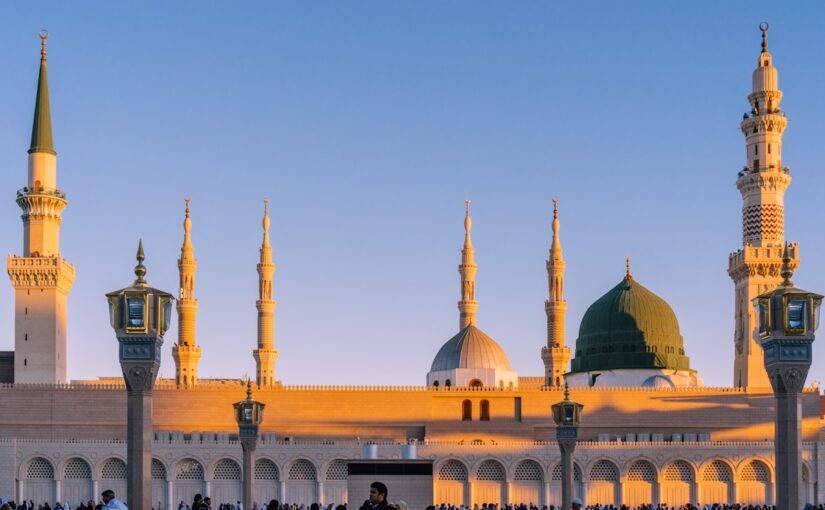
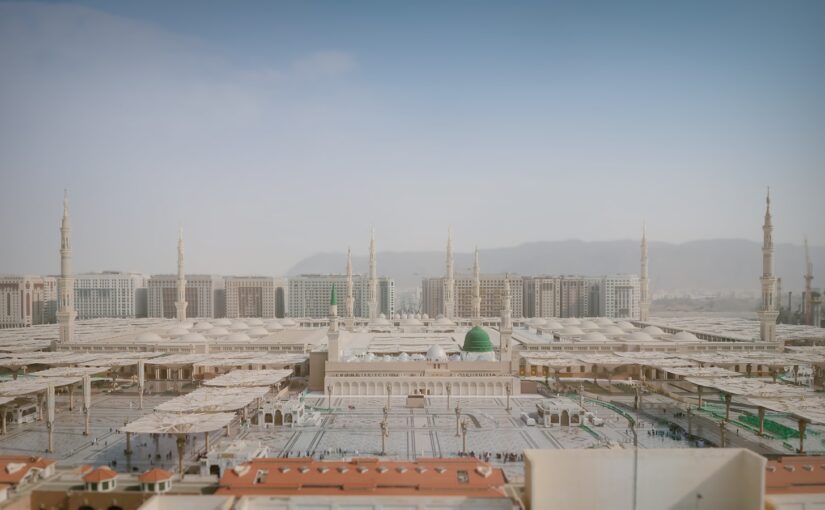
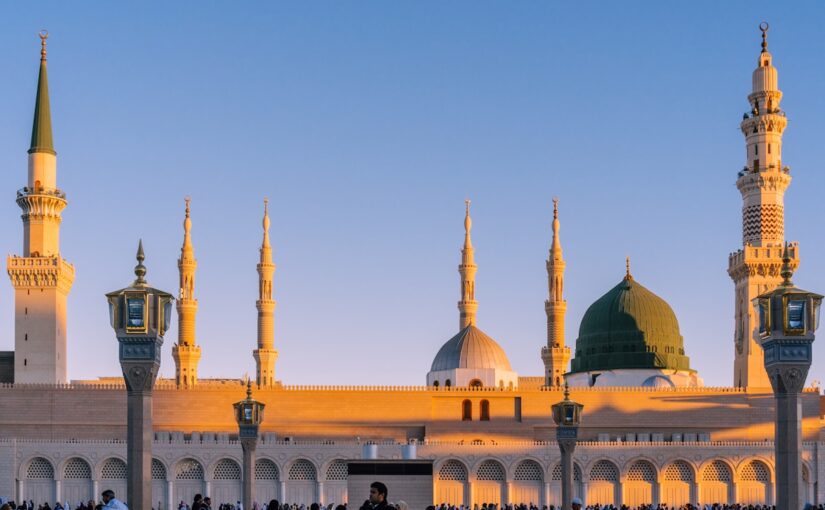
“Mujhe Aane De Madine” (مجھے آنے دے مدینے) is one of the most beloved and emotionally powerful naats in the Islamic world. This beautiful naat is a heartfelt plea from a believer who longs to visit the sacred city of Madina Munawwara and be in the blessed presence of Prophet Muhammad ﷺ. The naat expresses the deep yearning and spiritual restlessness that every Muslim feels for the city of the Prophet — a longing that can only be satisfied by standing at the Rawza Mubarak and offering salutations to the Beloved ﷺ.

This naat was popularised by the world-renowned naat khwan Owais Raza Qadri, whose soul-stirring voice and emotional delivery have made this naat a staple at milad gatherings, mehfils, and Islamic events around the globe. Owais Raza Qadri, a Pakistani naat khwan known for his powerful yet soothing voice, has recorded numerous naats that have touched the hearts of millions. His recitation of “Mujhe Aane De Madine” is particularly famous for capturing the raw emotion of a devotee who cannot bear to stay away from Madina any longer.

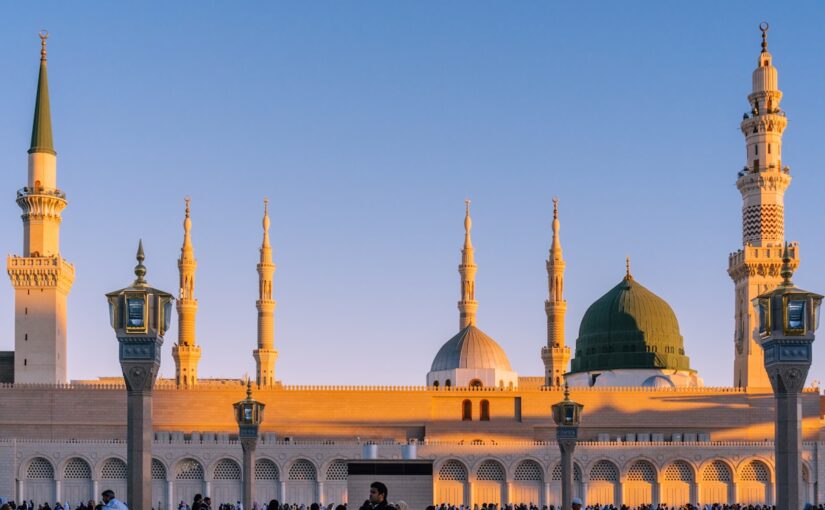
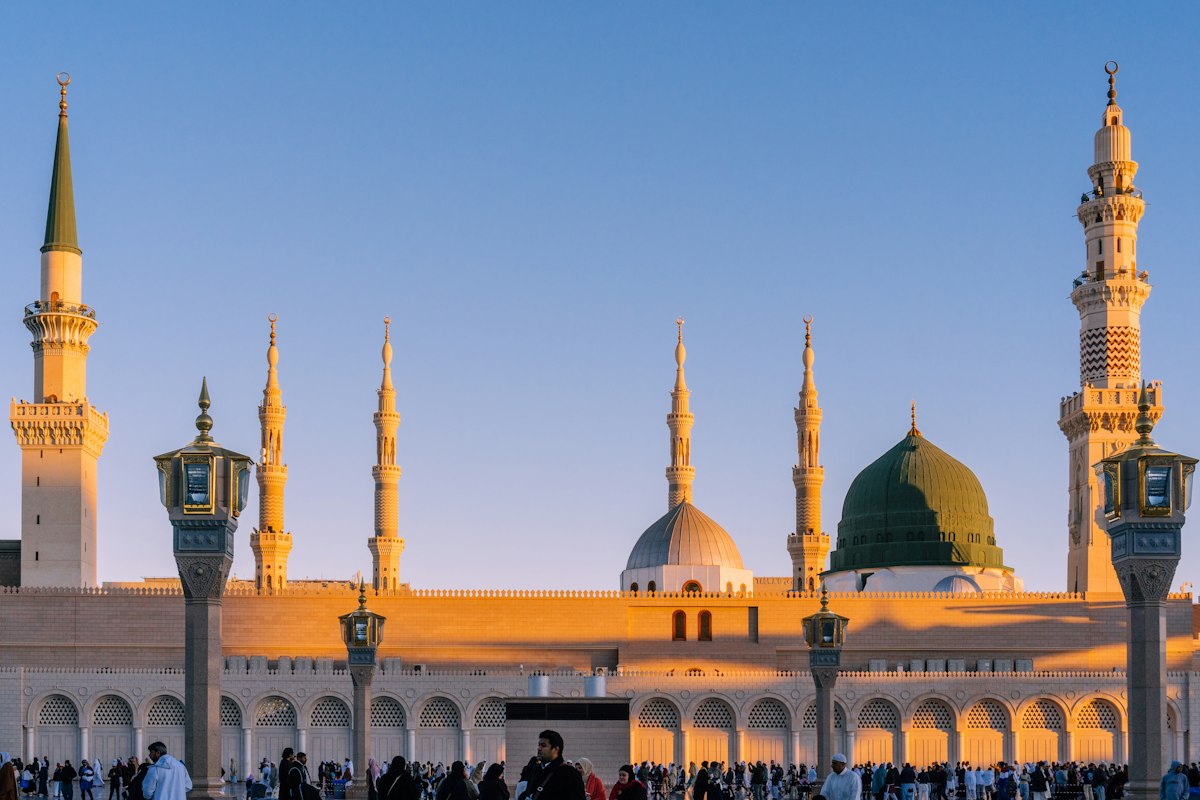
The naat belongs to the genre of “Madina naats” — devotional poems that express love and longing for the city of the Prophet ﷺ. These naats hold a special place in Islamic devotional poetry because Madina is not just a city; it is the home of the Prophet, the place where the Quran was completed, and the site of Masjid al-Nabawi, the second holiest mosque in Islam.

In this post, we share the full Urdu lyrics of Mujhe Aane De Madine along with Roman English transliteration, word-by-word English translation, and the deeper spiritual meaning behind this moving naat.


Mujhe Aane De Madine (مجھے آنے دے مدینے) — Full Urdu Lyrics

Verse 1

مجھے آنے دے مدینے، مجھے آنے دے مدینے

ترے در پر جو بھی آتا ہے، وہ خالی نہیں جاتا
مجھے آنے دے مدینے، مجھے آنے دے مدینے

Verse 2

مری آنکھوں نے ترا روضہ ابھی دیکھا نہیں لیکن
تری یادوں نے مجھ کو ایسے رلایا ہے کچھ ایسے

مرا دل چاہتا ہے اب میں تیرے شہر میں جا کر
کروں نعتِ رسول اور پھر وہیں پر میں مر جاؤں

مجھے آنے دے مدینے، مجھے آنے دے مدینے

Verse 3

ترے کوچے کی خاک اپنی آنکھوں کا سرمہ بناؤں
ترے در پر جھکا کے سر، خدا سے مانگ لوں میں سب کچھ

مری قسمت سنور جائے اگر تو ایک بار مجھ کو
بلا لے اپنے در پر تو، نبی کے شہر میں جا کر

مجھے آنے دے مدینے، مجھے آنے دے مدینے

Verse 4

یہ دنیا کی محبتیں جھوٹی ہیں، سب جھوٹی ہیں
تری محبتوں میں ہے سچائی، تری محبتوں میں ہے وفا

مرے آقا ﷺ تیرے در کا میں دیوانہ ہوں
مجھے مدینے بلا لو، مجھے مدینے بلا لو

مجھے آنے دے مدینے، مجھے آنے دے مدینے

Verse 5

میں گنہگار ہوں، میں ناچیز ہوں، میں ناکام ہوں
مگر تیری محبت ہے مرے دل میں، تیرا نام ہے ہونٹوں پہ

اسی امید پر آیا ہوں تیرے در پہ جنابِ رسالت ﷺ
کہ مجھ کو اپنی نظر کرم سے نواز دو، مجھے مدینے بلا لو

مجھے آنے دے مدینے، مجھے آنے دے مدینے

Verse 6

مری ساری تمنا ہے، مری ساری آرزو ہے
کہ میں اک بار چلوں مدینے، کروں طواف روضے کا

کروں سلام تمہیں اے شہنشاہِ مدینہ ﷺ
مری جان نثار ہو تیری نعلین پہ، مرا دل فدا ہو

مجھے آنے دے مدینے، مجھے آنے دے مدینے


Roman English Transliteration

Verse 1

Mujhe aane de Madine, mujhe aane de Madine

Tere dar par jo bhi aata hai, woh khaali nahi jaata
Mujhe aane de Madine, mujhe aane de Madine

Verse 2

Meri aankhon ne tera roza abhi dekha nahi lekin
Teri yaadon ne mujh ko aise rulaaya hai kuch aise

Mera dil chahta hai ab main tere sheher mein ja kar
Karoon naat-e-Rasool aur phir wahin par main mar jaaon

Mujhe aane de Madine, mujhe aane de Madine

Verse 3

Tere koche ki khaak apni aankhon ka surma banaaun
Tere dar par jhuka ke sar, Khuda se maang loon main sab kuch

Meri qismat sanwar jaaye agar tu ek baar mujh ko
Bula le apne dar par tu, Nabi ke sheher mein ja kar

Mujhe aane de Madine, mujhe aane de Madine

Verse 4

Yeh duniya ki muhabbatein jhooti hain, sab jhooti hain
Teri muhabbaton mein hai sachchai, teri muhabbaton mein hai wafa

Mere Aaqa ﷺ tere dar ka main deewana hoon
Mujhe Madine bula lo, mujhe Madine bula lo

Mujhe aane de Madine, mujhe aane de Madine

Verse 5

Main gunehgaar hoon, main naacheez hoon, main naakaam hoon
Magar teri mohabbat hai mere dil mein, tera naam hai honton par

Isi umeed par aaya hoon tere dar par janaab-e-risalat ﷺ
Ke mujh ko apni nazar-e-karam se nawaz do, mujhe Madine bula lo

Mujhe aane de Madine, mujhe aane de Madine

Verse 6

Meri saari tamanna hai, meri saari aarzu hai
Ke main ek baar chaloon Madine, karoon tawaaf-e-roza ka

Karoon salaam tumhein ae shahanshah-e-Madina ﷺ
Meri jaan nisaar ho teri naalain par, mera dil fida ho

Mujhe aane de Madine, mujhe aane de Madine


English Translation

Verse 1

Let me come to Madina, let me come to Madina

Whoever comes to Your door does not return empty-handed
Let me come to Madina, let me come to Madina

Verse 2

My eyes have not yet seen your blessed shrine, but
Your memories have made me weep like never before

My heart now desires that I go to your city
And recite the praise of the Messenger, and then breathe my last right there

Let me come to Madina, let me come to Madina

Verse 3

I want to make the dust of your alleyway the kohl of my eyes
And bowing my head at your door, ask Allah for everything

My fate would be transformed if You, just once,
Call me to your door, to the city of the Prophet

Let me come to Madina, let me come to Madina

Verse 4

The loves of this world are all false, entirely false
In Your love is truth, in Your love is loyalty

My Master ﷺ, I am crazed for Your door
Call me to Madina, call me to Madina

Let me come to Madina, let me come to Madina

Verse 5

I am a sinner, I am worthless, I am a failure
But Your love is in my heart, Your name is on my lips

With this hope I have come to Your door, O Prophet of Allah ﷺ
That You honour me with Your gracious glance, call me to Madina

Let me come to Madina, let me come to Madina

Verse 6

My every wish, my every desire is
That I walk once in Madina, perform the circumambulation of the blessed shrine

I send salutations to You, O King of Madina ﷺ
May my soul be sacrificed on Your sandals, may my heart be devoted

Let me come to Madina, let me come to Madina


Meaning and Significance

“Mujhe Aane De Madine” is more than just a naat — it is a window into the soul of a believer who is deeply in love with the Prophet Muhammad ﷺ and His city. Every verse of this naat carries profound spiritual meaning:

The Longing for Madina

At its core, this naat is about the spiritual longing that every Muslim feels for Madina Munawwara. This is not merely a desire to travel to a beautiful city; it is a deep, almost unbearable yearning to be in the place where the Prophet ﷺ lived, prayed, and is buried. The repeated refrain “Mujhe aane de Madine” is the desperate cry of a heart that cannot rest until it reaches its destination.

Hope in Divine Mercy

The line “Tere dar par jo bhi aata hai, woh khaali nahi jaata” reflects the Islamic belief that no one who turns to the Prophet ﷺ with sincere love is ever turned away. The Prophet is Rahmat-ul-lil-Alameen (a mercy to all worlds), and seeking his intercession and blessings is a cherished tradition in Islamic spirituality.

The Desire for a Blessed End

One of the most poignant verses expresses the wish to die in Madina after reciting the praise of the Prophet ﷺ. This reflects the widespread belief among Muslims that dying in Madina — the sacred city of the Prophet — is among the greatest blessings a believer can receive. It is also a reminder of the importance of ending one’s life in a state of imaan and love for the Prophet.

Worldly Love vs. Divine Love

The naat contrasts the fleeting, often deceptive loves of this world with the pure, eternal love for the Prophet ﷺ. This is a recurring theme in Islamic devotional poetry — the idea that only love for Allah and His Messenger is true and lasting, while all worldly attachments are temporary and ultimately unsatisfying.

The Dust of Madina as Spiritual Medicine

The image of making the dust of Madina’s alleyways into kohl for one’s eyes is a powerful metaphor. In Islamic tradition, the soil of Madina is considered blessed because it surrounds the resting place of the Prophet ﷺ. The poet wants to fill their very sight with the essence of Madina, symbolising a desire to see everything through the lens of love for the Prophet.

Humility and Hope

Throughout the naat, the poet acknowledges their sins, shortcomings, and unworthiness. Yet they do not lose hope. They come to the door of the Prophet ﷺ with full confidence that mercy awaits them. This balance between khauf (fear of Allah) and raja (hope in Allah’s mercy) is a hallmark of authentic Islamic spirituality.


Who Made It Popular?

The naat “Mujhe Aane De Madine” gained widespread popularity largely through the emotional recitation of Owais Raza Qadri, one of the most famous naat khwans of the modern era. Born in Karachi, Pakistan, Owais Raza Qadri has been reciting naats since childhood and has released hundreds of naats that are beloved across the globe. His unique style combines a powerful voice with deep emotional expression, making listeners feel the words as if they were their own.

Other notable reciters who have performed this naat include various artists from the subcontinent, but Owais Raza Qadri’s rendition remains the most recognised and cherished version.


Conclusion

“Mujhe Aane De Madine (مجھے آنے دے مدینے)” is a naat that speaks directly to the heart of every Muslim who loves the Prophet Muhammad ﷺ and longs to visit his blessed city. It reminds us that the ultimate destination of every believer is not just a physical place, but a spiritual station — a state of being close to the Beloved ﷺ.

May Allah grant us all the opportunity to visit Madina Munawwara, to offer our salaam at the Rawza Mubarak, and to be counted among those who love the Prophet ﷺ with all their hearts. Ameen.

If you enjoyed this naat, please share it with your family and friends. May the love of the Prophet ﷺ fill our hearts and guide us on the straight path.


Mere Aaqa Lyrics in Urdu – میرا آقا کا نعت کلام (Full Translation & Meaning)

Introduction

Mere Aaqa” (میرے آقا) is a deeply emotional and soul-stirring naat in praise of Prophet Muhammad ﷺ. The phrase “Mere Aaqa” translates to “My Master” or “My Lord” — a term of profound love and reverence that a believer addresses to the beloved Prophet. This naat expresses the longing, devotion, and unconditional love that Muslims hold for Rasulullah ﷺ.

The naat speaks of the Prophet as the ultimate source of guidance, mercy, and intercession. Its verses capture the essence of Ishq-e-Rasool — the love for the Prophet — and remind the listener of the spiritual connection that transcends time and space. The lyrics are a heartfelt plea for the Prophet’s intercession and a declaration of unwavering faith.

This beautiful naat is recited in various styles across the Muslim world, often in gatherings of Milad and Qawwali. Its simple yet powerful words make it accessible to people of all ages, allowing everyone to join in the praise of the Greatest of Creation, Sayyidina Muhammad ﷺ.

Urdu Lyrics — میرے آقا کا نعت کلام

میرے آقا، میرے آقا
آپ کی ذات پہ میں نے دل لٹایا
میرے آقا، میرے آقا

آپ کی ذات سے ملتا ہے سکون دل کو
آپ کی یاد سے ملتی ہے راحت جان کو
میرے آقا، میرے آقا

دامنِ مصطفیٰ تھام لیا ہے میں نے
بھیڑ میں آپ ہی کام آئیں گے
میرے آقا، میرے آقا

کیسا ہے کرم آپ کا، کیسی ہے عنایت
میری حسرتوں کا ساماں آپ نے کیا
میرے آقا، میرے آقا

آپ کی نظرِ کرم ہو، آپ کی رحمت ہو
دونوں جہاں میں بس یہی آرزو ہے
میرے آقا، میرے آقا

بے کسوں کے سہارے، غمزدوں کے شریک
آپ کا در ہے پناہ گاہ ہماری
میرے آقا، میرے آقا

جب سانسوں کی ڈور ٹوٹے، جب دنیا سے جانا
آپ کا دامن ہو تھامے، بس یہی دعا ہے
میرے آقا، میرے آقا

Roman Transliteration

Mere Aaqa, Mere Aaqa
Aap ki zaat pe maine dil lutaya
Mere Aaqa, Mere Aaqa

Aap ki zaat se milta hai sukun dil ko
Aap ki yaad se milti hai rahat jaan ko
Mere Aaqa, Mere Aaqa

Daaman-e-Mustafa thaam liya hai meine
Bheer mein aap hi kaam aayenge
Mere Aaqa, Mere Aaqa

Kaisa hai karam aap ka, kaisi hai inaayat
Meri hasrato ka saamaan aap ne kiya
Mere Aaqa, Mere Aaqa

Aap ki nazar-e-karam ho, aap ki rehmat ho
Dono jahaan mein bas yahi aarzoo hai
Mere Aaqa, Mere Aaqa

Bekason ke sahare, ghamzadon ke shareek
Aap ka dar hai panah gaah hamari
Mere Aaqa, Mere Aaqa

Jab saanson ki dor toote, jab duniya se jaana
Aap ka daaman ho thaame, bas yahi dua hai
Mere Aaqa, Mere Aaqa

English Translation

Verse 1:
My Master, My Master
Upon Your being, I have sacrificed my heart
My Master, My Master

Verse 2:
From Your being comes peace to the heart
From Your remembrance comes comfort to the soul
My Master, My Master

Verse 3:
I have grasped the cloak of Mustafa (ﷺ)
In the crowd (of the Day of Judgment), only You will help me
My Master, My Master

Verse 4:
What grace is Yours, what kindness
You have arranged for all my desires
My Master, My Master

Verse 5:
May Your gracious gaze be upon me, may Your mercy be upon me
In both worlds, this is my only wish
My Master, My Master

Verse 6:
Support of the helpless, companion of the sorrowful
Your court is our sanctuary
My Master, My Master

Verse 7:
When the thread of breath breaks, when I must leave this world
May I be holding Your cloak — this is my only prayer
My Master, My Master

Meaning and Significance

The naat “Mere Aaqa” holds a special place in the hearts of Muslims because it reflects the deep, personal connection between a believer and the Prophet Muhammad ﷺ. The repeated refrain “Mere Aaqa” (My Master) is not just a title — it is an acknowledgment of the Prophet’s lofty station and a declaration of servitude to his spiritual leadership.

Each verse of this naat touches upon different aspects of a believer’s relationship with the Prophet:

  • Sacrifice of Heart: The opening lines speak of sacrificing one’s heart upon the Prophet — meaning to dedicate one’s entire being and love to him, as commanded by Allah in the Quran: “Say, if your fathers, your sons… are dearer to you than Allah and His Messenger… then wait until Allah brings about His command” (Quran 9:24).
  • Peace and Comfort: The second verse highlights the peace that comes from the Prophet’s remembrance. This echoes the Quranic verse: “Verily, in the remembrance of Allah do hearts find rest” (Quran 13:28). The Prophet ﷺ is the living embodiment of that remembrance.
  • Holding the Cloak: The imagery of grasping the Prophet’s cloak (daaman-e-Mustafa) is a powerful metaphor for seeking intercession and holding firmly onto the Sunnah. It reflects the belief that the Prophet’s intercession (shafa’ah) will save believers on the Day of Judgement.
  • Divine Grace: The verses about grace and kindness acknowledge that all good in a believer’s life comes through the barakah (blessing) of following the Prophet ﷺ.
  • Final Hope: The concluding verse is perhaps the most emotional — it asks that at the moment of death, the believer’s last attachment be to the Prophet. This reflects the deep desire to die with imaan (faith) and in the love of Rasulullah ﷺ.

Reciting “Mere Aaqa” is a form of dhikr (remembrance) that strengthens one’s spiritual connection. It is often recited in gatherings, before travel, or during times of difficulty as a means of seeking the Prophet’s spiritual assistance. Scholars remind us that while we ask the Prophet for intercession, we recognize that all power ultimately comes from Allah, and the Prophet ﷺ is the chosen means through which Allah’s mercy flows to the believers.

In Islamic tradition, composing and reciting naat is a form of expressing love for the Prophet ﷺ, which is itself an act of worship. The Quran says: “Indeed, Allah and His angels send blessings upon the Prophet. O you who believe, send blessings upon him and greet him with peace” (Quran 33:56). Naat like “Mere Aaqa” are a beautiful way of fulfilling this command.

May Allah grant us the ability to truly love His Prophet ﷺ and to be among those who will be under his blessed banner on the Day of Judgement. Ameen.

Ya Rasool Allah (یا رسول اللہ) — Full Naat Lyrics in Urdu, English Translation and Meaning

Ya Rasool Allah (یا رسول اللہ) is a deeply beloved naat that expresses love, devotion and longing for Prophet Muhammad (peace be upon him). The phrase “Ya Rasool Allah” means “O Messenger of Allah,” and the naat is a heartfelt call to the Prophet, expressing the singer’s deep desire to be in his presence and to receive his blessings.

In this post, we share the full Urdu lyrics of Ya Rasool Allah, along with the English translation and a brief explanation of the meaning behind this beautiful naat.

About the Naat

Ya Rasool Allah is one of the most popular naats recited across the Islamic world. It is often recited at gatherings, milads, and religious events. The naat captures the essence of a believer’s love for the Prophet Muhammad (PBUH), praising his noble character and expressing the hope of being blessed by his intercession on the Day of Judgment.

The naat is known for its emotional and soul-stirring melody, and it has been recited by many famous naat khwans over the years. Its simple yet powerful lyrics make it accessible to people of all ages.

Ya Rasool Allah (یا رسول اللہ) — Urdu Lyrics

یا رسول اللہ یا رسول اللہ
مجھ کو اپنی پناہ میں لے لو
یا رسول اللہ یا رسول اللہ
مجھ کو اپنی پناہ میں لے لو

دلِ غمگین کو مسرور کردو
زندگی کا مقصد پورا کردو
آپ کے در کا میں ہوں گدا
مجھ کو اپنی پناہ میں لے لو

یا رسول اللہ یا رسول اللہ
مجھ کو اپنی پناہ میں لے لو

نہیں کوئی غیر تیرے سوا
تُو ہی ہے میرا آسرا
دردِ دل کا اب چارہ کردو
مجھ کو اپنی پناہ میں لے لو

یا رسول اللہ یا رسول اللہ
مجھ کو اپنی پناہ میں لے لو

میری بخشش کا سامان کردو
میرے دامن کو پاک کردو
آپ کا احسان ہو مجھ پہ سدا
مجھ کو اپنی پناہ میں لے لو

یا رسول اللہ یا رسول اللہ
مجھ کو اپنی پناہ میں لے لو

جو تجھے یاد کرے ہر گھڑی
اس کی حسرت نہ رہے کوئی
مجھ کو اپنی محبت دو
مجھ کو اپنی پناہ میں لے لو

یا رسول اللہ یا رسول اللہ
مجھ کو اپنی پناہ میں لے لو

Roman English Transliteration

Ya Rasool Allah, Ya Rasool Allah
Mujh ko apni panah mein le lo
Ya Rasool Allah, Ya Rasool Allah
Mujh ko apni panah mein le lo

Dil-e-ghamgeen ko masroor kardo
Zindagi ka maqsad poori kardo
Aap ke dar ka main hoon gada
Mujh ko apni panah mein le lo

Ya Rasool Allah, Ya Rasool Allah
Mujh ko apni panah mein le lo

Nahi hai koi ghair tere siwa
Tu hi hai mera aasra
Dard-e-dil ka ab charah kardo
Mujh ko apni panah mein le lo

Ya Rasool Allah, Ya Rasool Allah
Mujh ko apni panah mein le lo

Meri bakhshish ka samaan kardo
Mere daman ko paak kardo
Aap ka ehsaan ho mujh pe sada
Mujh ko apni panah mein le lo

Ya Rasool Allah, Ya Rasool Allah
Mujh ko apni panah mein le lo

Jo tujhe yaad kare har ghari
Uski hasrat na rahe koi
Mujh ko apni mohabbat do
Mujh ko apni panah mein le lo

Ya Rasool Allah, Ya Rasool Allah
Mujh ko apni panah mein le lo

English Translation

Ya Rasool Allah, Ya Rasool Allah
Take me under your protection
Ya Rasool Allah, Ya Rasool Allah
Take me under your protection

Make my sorrowful heart joyful
Fulfil the purpose of my life
I am a beggar at your door
Take me under your protection

Ya Rasool Allah, Ya Rasool Allah
Take me under your protection

There is no one besides You
You are my only support
Now heal the pain of my heart
Take me under your protection

Ya Rasool Allah, Ya Rasool Allah
Take me under your protection

Arrange for my forgiveness
Cleanse my garment (of sins)
May your kindness always be upon me
Take me under your protection

Ya Rasool Allah, Ya Rasool Allah
Take me under your protection

The one who remembers You every moment
May no desire remain unfulfilled
Grant me Your love
Take me under Your protection

Ya Rasool Allah, Ya Rasool Allah
Take me under your protection

Meaning and Significance

The naat “Ya Rasool Allah” is a humble supplication from a believer to the Prophet Muhammad (PBUH). The poet uses the imagery of a beggar standing at a door, asking for shelter and protection. This reflects the Islamic belief that the Prophet (PBUH) is a source of intercession and mercy for his followers.

Each verse touches on different aspects of the believer’s relationship with the Prophet:

  • Shelter and protection: The repeated plea “take me under your protection” reflects the believer’s need for spiritual safety and guidance.
  • Healing of the heart: The request to make the sorrowful heart joyful shows that turning to the Prophet brings comfort and peace.
  • Forgiveness: Asking for forgiveness and cleansing of sins is a central theme in Islamic spirituality. The poet recognises human weakness and seeks intercession.
  • Love and devotion: The final verse asks for the Prophet’s love, which is considered the highest spiritual aspiration for a believer.

Reciting Ya Rasool Allah regularly is believed to strengthen one’s connection with the Prophet (PBUH) and bring barakah (blessings) into one’s life.

More Naat Lyrics

If you enjoyed this naat, you might also like:

Share This Naat

Feel free to share this naat with family and friends. May the love of the Prophet Muhammad (PBUH) fill our hearts and guide us on the right path. Ameen.

Mera Dil Badal De (میرا دل بدل دے) — Full Naat Lyrics in Urdu, English Translation and Meaning

Mera Dil Badal De (میرا دل بدل دے) — Lyrics and Translation

“Mera Dil Badal De” is a deeply emotional and spiritual naat that serves as a heartfelt supplication to Allah. The lyrics express a sincere desire for spiritual transformation, asking Allah to change the heart, forgive sins, and grant the ability to follow the path of righteousness. This naat resonates with many Muslims who seek to improve their relationship with their Creator.

The naat is often recited in a slow, contemplative style that allows the listener to reflect on the meaning of each line. It is particularly popular during moments of personal reflection, in the early hours of the morning, and during Islamic gatherings where the focus is on repentance and spiritual renewal.

Background and Significance

The exact origins of “Mera Dil Badal De” are not widely documented, but it belongs to the tradition of supplication naats (munajat) where the poet speaks directly to Allah in a tone of humility and hope. Unlike naats that praise the Prophet Muhammad (peace be upon him), this piece is a direct conversation with Allah, asking for personal transformation.

The beauty of this naat lies in its honesty. The poet does not pretend to be perfect. Instead, they admit their shortcomings, their weak faith, and their inability to change without divine help. This vulnerability makes the naat deeply relatable for anyone who has struggled with their spiritual state.

The recurring theme of the heart (dil) is significant in Islamic spirituality. The heart is seen as the centre of faith, intention, and spiritual perception. A pure heart leads to righteous actions, while a diseased heart leads to sin. Asking Allah to “change” or “transform” the heart is asking for a complete spiritual overhaul.

Mera Dil Badal De — Urdu Lyrics (میرا دل بدل دے)

Verse 1:
میرا دل بدل دے، میرا دل بدل دے

Verse 2:
تیری رحمت کے در پر، میں آیا ہوں یارب
مجھے بخش دے گناہ، میرا دل بدل دے

Verse 3:
نہیں مجھ میں کوئی لیاقت نہ صلاحیت
تیرے کرم کی ہے حاجت، میرا دل بدل دے

Verse 4:
بہت دور ہوں میں تجھ سے، بہت دور ہوں میں
مجھے اپنا بنا لے، میرا دل بدل دے

Verse 5:
تیرے ذکر سے آباد، مرا دل کر دے
تیری عبادت میں برکت، میرا دل بدل دے

Verse 6:
نظر انداز کیا تو نے، اپنی رحمت سے
مجھے پھر سے سنبھال لے، میرا دل بدل دے

Verse 7:
تیری محبت کا جوہر، مرے دل میں بھر دے
تیرے سوا سب سے بیزاری، میرا دل بدل دے

English Translation

Verse 1:
Change my heart, O Lord, change my heart

Verse 2:
I have come to the door of Your mercy, O my Lord
Forgive my sins, change my heart

Verse 3:
I have no worthiness nor ability of my own
I am in need of Your grace, change my heart

Verse 4:
I am so far from You, so very far
Make me Your own, change my heart

Verse 5:
Fill my heart with Your remembrance
Bless my worship, change my heart

Verse 6:
You have not turned away from me with Your mercy
Pick me up again, change my heart

Verse 7:
Fill my heart with the essence of Your love
Create in me detachment from all except You, change my heart

Meaning and Explanation

Verse 1: The repeated plea “Mera Dil Badal De” (Change my heart) sets the tone for the entire naat. Repetition in Islamic prayers and supplications is common. It emphasises the sincerity and urgency of the request. The poet is not casually asking. They are begging, repeating the plea as if knocking persistently on a door.

Verse 2: The poet acknowledges that they come to Allah’s door of mercy. This is an admission that they cannot change themselves without divine intervention. “Forgive my sins” comes before “change my heart” because forgiveness clears the way for spiritual transformation. You cannot build a pure heart on a foundation of unrepented sin.

Verse 3: This verse captures the essence of Islamic theology regarding human capability. While Islam teaches that humans have free will, it also teaches that all goodness comes from Allah. The poet admits they have no inherent worthiness or ability. True change is only possible through Allah’s grace (karam).

Verse 4: The distance the poet feels from Allah is a common theme in Islamic spirituality. It reflects the experience of many believers who go through periods of spiritual low. The request “Make me Your own” is powerful. It is not just asking for forgiveness or change, but for a relationship of belonging with the Divine.

Verse 5: Dhikr (remembrance of Allah) is the key to inner peace in Islam. The poet asks for a heart that is alive with the remembrance of Allah and worship that is blessed. An “abandoned” heart is one that does not remember Allah. An “flourishing” heart is one that is constantly connected to its Creator.

Verse 6: The poet acknowledges that despite their sins and shortcomings, Allah has not turned away from them. This is a recognition of Allah’s mercy and patience. The request to be “picked up again” shows that the poet has fallen but wants to get back up. This is the essence of tawba (repentance).

Verse 7: The final verse reaches the highest level of spiritual aspiration: love for Allah and detachment from everything else. “Fill my heart with the essence of Your love” is the ultimate goal of the spiritual journey. Detachment from everything except Allah (bizaari) does not mean abandoning the world. It means that nothing in the world matters more than the pleasure of Allah.

How to Recite This Naat

“Mera Dil Badal De” is best recited in a slow, contemplative tone. Allow each verse to sink into your heart before moving to the next. Many people recite this naat in the early morning (tahajjud time) or after prayers when the heart is most receptive.

The naat can be recited individually or in a gathering. When recited in a group, the lead reciter typically delivers each line and the group responds with the chorus “Mera Dil Badal De”. This call-and-response format creates a powerful sense of collective supplication.

There are no strict rules about melody for this naat. Some reciters use a simple, repetitive tune that mirrors the persistence of the lyrics. Others use a more emotional, varied melody that reflects the journey from despair to hope. Choose the style that helps you connect most deeply with the meaning.

Final Thoughts

“Mera Dil Badal De” is more than a naat. It is a prayer that captures the universal human longing for transformation and growth. Whether you are going through a difficult spiritual phase or simply want to deepen your connection with Allah, this naat expresses what many hearts feel but struggle to put into words.

Let the words settle in your heart. Repeat them with sincerity. And trust that the One who hears all prayers is listening to yours too.

For more naat lyrics and translations, check out our posts on Hasbi Rabbi, Maula Mere Maula, and Tajdar-e-Haram.

Hasbi Rabbi (حسبی ربی) — Full Naat Lyrics in Urdu, English Translation and Meaning

Hasbi Rabbi (حسبی ربی) is one of the most beloved and widely recited Islamic naats in the Muslim world. Known for its deeply spiritual and soulful melody, this naat has touched the hearts of millions. The phrase “Hasbi Rabbi Jallallah, Ma fi qalbi ghairullah” translates to “Sufficient for me is my Lord, Glorious is Allah — there is none in my heart except Allah.”

This naat expresses a believer’s complete reliance on Allah Almighty. It is a beautiful declaration of faith, contentment, and love for the Creator. The lyrics are simple yet profound, making it one of the most popular naats recited in gatherings, mosques, and Islamic events worldwide.

Hasbi Rabbi: Background and Meaning

The phrase “Hasbi Rabbi” (حسبی ربی) literally means “My Lord is sufficient for me.” It reflects a state of complete trust and submission to Allah. When a believer says these words, they are expressing that Allah is enough — enough for protection, provision, guidance, and mercy. The naat beautifully combines this profound meaning with a melody that resonates deep within the soul.

Many renowned Islamic singers and naat reciters have performed Hasbi Rabbi, making it a timeless classic. It is often recited during gatherings of dhikr, in mosques, and at religious events in South Asia and beyond. The simple repetition of the core lines allows listeners to focus on the meaning and connect spiritually.

Islamic calligraphy art
Islamic calligraphy — the art of beautiful writing used to preserve the words of Allah

Hasbi Rabbi Naat Lyrics — Full Text

Below are the complete lyrics of Hasbi Rabbi in the original Arabic script (as used in Urdu), along with Roman English transliteration and English translation.

Verse 1 — The Core Chant

Language Text
Arabic / Urdu Script حسبی ربی جل اللہ
ما فی قلبی غیر اللہ
نور محمد صلی اللہ
ما فی قلبی غیر اللہ
Roman / Transliteration Hasbi Rabbi Jallallah
Ma fi qalbi ghairullah
Noor-e-Muhammad Sallallah
Ma fi qalbi ghairullah
English Translation Sufficient for me is my Lord, Glorious is Allah
There is none in my heart except Allah
The light of Muhammad, peace be upon him
There is none in my heart except Allah

Verse 2 — Declaration of Faith

Language Text
Arabic / Urdu Script لا الہ الا اللہ
محمد رسول اللہ
ہر دل میں ہے یہ صدا
ما فی قلبی غیر اللہ
Roman / Transliteration La ilaha illallah
Muhammadur Rasulullah
Har dil mein hai yeh sada
Ma fi qalbi ghairullah
English Translation There is no god but Allah
Muhammad is the Messenger of Allah
In every heart is this call
There is none in my heart except Allah

Verse 3 — Love for the Prophet

Language Text
Arabic / Urdu Script مصطفیٰ جان رحمت
پر نور ان کی ذات
دل میں بس گیا ہے
ما فی قلبی غیر اللہ
Roman / Transliteration Mustafa Jaan-e-Rahmat
Pur noor un ki zaat
Dil mein bas gaya hai
Ma fi qalbi ghairullah
English Translation Mustafa, the beloved of mercy
His being is filled with light
He has settled in my heart
There is none in my heart except Allah
Beautiful mosque at night with crescent moon
A beautiful mosque illuminated at night — a reminder of the peace found in worship

The Spiritual Significance of Hasbi Rabbi

Hasbi Rabbi is not just a naat — it is a spiritual invocation (dhikr) that reminds believers of the ultimate sufficiency of Allah. The phrase “Hasbi Allah” appears in the Holy Quran, where Allah instructs the believers to say:

“Hasbunallah wa ni’mal wakeel”
(Allah is sufficient for us, and He is the best Disposer of affairs)
— Surah Al-Imran 3:173

This connection to the Quran gives the naat a profound depth. When reciting Hasbi Rabbi, a believer is echoing the words of Prophet Ibrahim (AS) and the companions of the Prophet Muhammad (PBUH), who placed their complete trust in Allah in times of difficulty.

The line “Ma fi qalbi ghairullah” (There is nothing in my heart except Allah) speaks to the purification of the heart — the highest spiritual station where a believer’s heart is cleared of all worldly attachments and filled only with the love of Allah. This is known as tazkiyah (purification of the soul) in Islamic spirituality.

The mention of “Noor-e-Muhammad Sallallah” connects the naat to the love of the Prophet Muhammad (PBUH), whose light (noor) is a central theme in Islamic poetry and spirituality. The Prophet (PBUH) is described as a “light-giving lamp” (sirajun munir) in the Quran:

“O Prophet, indeed We have sent you as a witness and a bringer of good tidings and a warner. And one who invites to Allah, by His permission, and an illuminating lamp.”
— Surah Al-Ahzab 33:45-46

Who Recites Hasbi Rabbi?

Hasbi Rabbi has been performed by many distinguished naat reciters over the years. Some of the most popular renditions include:

  • Owais Raza Qadri — His soulful rendition of Hasbi Rabbi is among the most listened-to naats online, with millions of views.
  • Qari Waheed Zafar Qasmi — Known for his melodious voice and beautiful delivery of Islamic poetry.
  • Hafiz Tahir Qadri — His energetic and emotional style brings a unique flavor to this naat.
  • Junaid Jamshed — The late legendary singer recorded this naat with his signature warmth and devotion.

Each rendition brings its own emotional depth while preserving the core spiritual message of the naat.

Hasbi Rabbi in Popular Culture

Hasbi Rabbi has gained immense popularity across social media platforms, particularly on YouTube, TikTok, and Instagram, where short clips of the naat are widely shared. The melody is instantly recognizable, and many people who are not fluent in Arabic or Urdu find themselves moved by the beauty of the sound and the sincerity of the message.

The naat is also frequently played in the background of Islamic videos, Quran recitation compilations, and spiritual content. Its simple yet powerful lyrics make it an ideal choice for those seeking a meaningful Islamic audio experience.

Why Hasbi Rabbi Is So Beloved

There are several reasons why Hasbi Rabbi holds such a special place in the hearts of Muslims:

  1. Simplicity of Words: The lyrics are short, easy to memorize, and can be repeated as a form of dhikr.
  2. Depth of Meaning: Despite its simplicity, the naat carries profound spiritual meaning rooted in Quranic concepts.
  3. Beautiful Melody: The tune is gentle, uplifting, and easy to follow, making it accessible to people of all ages.
  4. Universal Appeal: The message of putting complete trust in Allah resonates with Muslims from all cultures and backgrounds.

Listen to Hasbi Rabbi Naat

To truly appreciate the beauty of this naat, we recommend listening to a recitation. The combination of the heartfelt lyrics with the melody creates a deeply moving spiritual experience. You can find several renditions of Hasbi Rabbi on popular streaming platforms and video sharing websites.

Frequently Asked Questions

What does Hasbi Rabbi mean?

Hasbi Rabbi means “My Lord is sufficient for me.” It is a declaration of complete trust and reliance on Allah.

Is Hasbi Rabbi mentioned in the Quran?

The phrase “Hasbi Allah” and “Hasbunallah” appear in the Quran (e.g., Surah Al-Imran 3:173 and Surah At-Tawbah 9:129). The naat draws inspiration from these Quranic verses.

Can I recite Hasbi Rabbi as daily dhikr?

Yes, the words of Hasbi Rabbi are beautiful and spiritually uplifting to recite as part of your daily remembrance of Allah. Many Muslims incorporate these phrases into their morning and evening adhkar.

Who wrote Hasbi Rabbi?

Hasbi Rabbi is a traditional naat whose exact origins are unknown. It has been passed down through generations and adapted by various reciters over time. The core verses are rooted in Quranic phrases and traditional Islamic expressions.

Final Thoughts

Hasbi Rabbi is a timeless naat that continues to inspire millions of believers around the world. Its simple yet powerful message — that Allah alone is sufficient for us — is a profound reminder in today’s busy and often stressful world. Whether you recite it in solitude, listen to it in a gathering, or share it with loved ones, Hasbi Rabbi brings peace to the heart and strengthens the bond between the believer and the Creator.

For more beautiful naats, explore our collection of Naat Lyrics including other beloved classics like Ya Nabi Ya Nabi, Tajdar-e-Haram, and Sallu Alal Mustafa.

May the beauty of Hasbi Rabbi bring barakah and peace to your heart. Ameen.

Ya Nabi Ya Nabi (یا نبی یا نبی) Full Naat Lyrics in Urdu, English Translation and Meaning

Meaning and Background

Meaning and Background

"Ya Nabi Ya Nabi" is a heartfelt naat that expresses deep love and devotion for Prophet Muhammad (peace be upon him). The repeated refrain "Ya Nabi" which means "O Prophet" reflects the singer's constant remembrance and longing for the Prophet's intercession and blessings.

This naat is traditionally recited in gatherings of Milad-un-Nabi and other Islamic events where Muslims come together to send blessings upon the Prophet. The lyrics convey a sense of humility and spiritual need, emphasising that true happiness comes from following the Prophet's teachings.

The line "Aap ki nazar karam ho to kya kami hai" beautifully captures the belief that if the Prophet looks upon someone with kindness and grace, they lack nothing in this world or the next. It reminds listeners that material wealth is not the true measure of success, but rather spiritual closeness to Allah and His Messenger.

The naat also touches on the concept of tawassul or seeking intercession, which is a common theme in Islamic devotional poetry. The poet expresses total reliance on the Prophet's intercession, asking only at his doorstep and expecting blessings through his love.

The phrase "Bhool kar duniya ki har khushi, Aap ke dar pe aa gaya hoon" highlights the idea that the love of the Prophet transcends all worldly attachments. It encourages believers to prioritise their spiritual connection over temporary material pleasures.

This naat is popular across South Asia and is often recited in both Urdu and regional languages. Its simple yet profound lyrics make it accessible to people of all ages, and it continues to be a favourite at Islamic gatherings, schools and mosques.

The melody typically used for this naat is gentle and emotional, designed to evoke feelings of love and devotion in the listener. Many renowned naat khwans have recorded this piece, and it remains a staple in the repertoires of Islamic vocal artists.

Urdu Lyrics

یا نبی یا نبی یا نبی یا نبی

آپ کی محبتوں کے صدقے میں جی رہا ہوں

یا نبی یا نبی یا نبی یا نبی

آپ ہی کی ذات ہے میری زندگی کا سہارا

دل سے نکلی ہے صدا ہر گھڑی

آپ کے در پہ آ گیا ہوں یارسول اللہ

آپ ہی کے در پہ آ کر مانگیں گے

آپ ہی کے صدقے میں پائیں گے

یا نبی یا نبی یا نبی یا نبی

آپ کی نظر کرم ہو تو کیا کمی ہے

بھول کر دنیا کی ہر خوشی

آپ کے در پہ آ گیا ہوں یا رسول اللہ

Roman Urdu Transliteration

Ya Nabi Ya Nabi Ya Nabi Ya Nabi

Aap ki mohabbaton ke sadqe mein jee raha hoon

Ya Nabi Ya Nabi Ya Nabi Ya Nabi

Aap hi ki zaat hai meri zindagi ka sahara

Dil se nikli hai sada har ghari

Aap ke dar pe aa gaya hoon Ya Rasool Allah

Aap hi ke dar pe aakar maangenge

Aap hi ke sadqe mein payenge

Ya Nabi Ya Nabi Ya Nabi Ya Nabi

Aap ki nazar karam ho to kya kami hai

Bhool kar duniya ki har khushi

Aap ke dar pe aa gaya hoon Ya Rasool Allah

English Translation

O Prophet, O Prophet, O Prophet, O Prophet

I live by the grace of your love

O Prophet, O Prophet, O Prophet, O Prophet

Your being is the support of my life

From my heart rises a call every moment

I have come to your doorstep, O Messenger of Allah

We will ask only at your doorstep

We will receive only through your blessing

O Prophet, O Prophet, O Prophet, O Prophet

If you cast a gracious glance, what could I lack?

Forgetting every worldly happiness

I have come to your doorstep, O Messenger of Allah

Related Naats

Mustafa Jaan e Rehmat – مصطفیٰ جانِ رحمت Naat Lyrics in Urdu, Roman & English

Beautiful mosque architecture at sunset

Mustafa Jaan-e-Rehmat – The Beloved Mercy of the Universe

“Mustafa Jaan-e-Rehmat” (مصطفیٰ جانِ رحمت) is one of the most beloved and widely recited naats in the Islamic world. Meaning “Mustafa (the Chosen One), the very life and soul of mercy,” this naat is a heartfelt tribute to Prophet Muhammad ﷺ, celebrating his exalted status as the most merciful being ever sent to humanity. The lyrics overflow with love, reverence, and longing for the Prophet, making it a staple in every Mehfil-e-Naat across South Asia, the Middle East, and beyond.

The title itself, “Mustafa Jaan-e-Rehmat,” beautifully encapsulates the essence of the Prophet ﷺ — he is not just a messenger but the embodiment of mercy itself. The word “Jaan” (soul/life) signifies that mercy is inseparable from his being; it is his very essence. This naat has been rendered by countless renowned naat khawans including Qari Waheed Zafar Qasmi, Owais Raza Qadri, and many others, each bringing their unique soulful melody to these timeless words.

Urdu Lyrics (اردو lyrics)

Below are the complete Urdu lyrics of “Mustafa Jaan-e-Rehmat”:

مصطفیٰ جانِ رحمت پہ لاکھوں سلام
شمعِ رسالت پہ لاکھوں سلام

ذرہ ذرہ ہے گواہ ان کے کمالات کا
آفتاب و ماہ گواہ ان کے جلالات کا

وہ رحمت للعالمین، رحمتِ دو جہاں
ان کے صدقے میں ہے یہ سارا جہاں

ہر نبی سے وہ افضل، سخی بھی وہ ہے
دین و دنیا کا حاصل، نبی بھی وہ ہے

جو خدا کے محبوب، وہ ہیں محمد ﷺ
ان پہ درود و سلام، لاکھوں درود و سلام

بے کسوں کے والی، غمگساروں کے سہارے
مانگتے ہیں سب درِ مصطفیٰ سے

ان کے در کا بھکاری دولتمندوں کا سردار
جو بھی آیا اس در سے، خالی نہ گیا

مصطفیٰ جانِ رحمت پہ لاکھوں سلام
شمعِ رسالت پہ لاکھوں سلام

مدینے کا وہ شہر، جہاں رحمتیں برستی ہیں
جہاں کے ذرّے ذرّے پہ رحمتِ حق ہے

جس نے ایک بار دیکھ لیا اس شہر کو
اس کی زندگی بدل جاتی ہے، سنور جاتی ہے

اے مصطفیٰ، اے جانِ رحمت
تم پہ سلام، لاکھوں سلام، بے حساب سلام

Roman Urdu Transliteration

For those who cannot read Urdu script, here is the Roman Urdu transliteration:

Mustafa jaan-e-rehmat pe laakhon salaam
Sham-e-risaalat pe laakhon salaam

Zarra zarra hai gawah un ke kamaalaat ka
Aaftaab o maah gawah un ke jalaalaat ka

Woh rahmatul lil aalameen, rahmat-e-doo jahan
Un ke sadqe mein hai yeh saara jahan

Har nabi se woh afzal, sakhi bhi woh hai
Deen o duniya ka haasil, nabi bhi woh hai

Jo Khuda ke mehboob, woh hain Muhammad ﷺ
Un pe durood o salaam, laakhon durood o salaam

Bekason ke waali, ghamgusaaron ke sahaare
Maangte hain sab dar-e-Mustafa se

Un ke dar ka bhikari dolatmandon ka sardar
Jo bhi aaya is dar se, khaali na gaya

Mustafa jaan-e-rehmat pe laakhon salaam
Sham-e-risaalat pe laakhon salaam

Madine ka woh shahr, jahan rahmatein barasti hain
Jahan ke zarre zarre pe rahmat-e-haq hai

Jis ne ek baar dekh liya us shahr ko
Uski zindagi badal jaati hai, sanwar jaati hai

Aye Mustafa, aye jaan-e-rehmat
Tum pe salaam, laakhon salaam, be-hisaab salaam

English Translation (Line by Line)

Mustafa (the Chosen One), the very soul of mercy — millions of salutations upon you
The lamp of prophethood — millions of salutations upon you

Every single atom bears witness to your perfect qualities
The sun and the moon bear witness to your majesty and glory

He is a mercy to all the worlds, mercy for both realms (this world and the Hereafter)
This entire universe exists by virtue of him

He is more excellent than all prophets, and he is the most generous
He is the ultimate goal of both faith and the world, and he is the Prophet

He who is the beloved of God — he is Muhammad ﷺ
Upon him be blessings and peace — millions of blessings and peace

Guardian of the helpless, support of the grief-stricken
Everyone begs at the door of Mustafa

The beggar at his door becomes the leader of the wealthy
Whoever came to this door, never left empty-handed

Mustafa, the soul of mercy — millions of salutations upon you
The lamp of prophethood — millions of salutations upon you

That city of Madinah, where mercies shower down
Every single particle of it is covered by the mercy of God

Whoever has laid eyes upon that city even once
Their life transforms completely, their life becomes beautiful

O Mustafa, O soul of mercy
Upon you be peace — millions of salutations, countless salutations

Meaning and Background

The naat “Mustafa Jaan-e-Rehmat” is steeped in deep Islamic spirituality and the rich tradition of Naat poetry in Urdu. The phrase “Mustafa” (مصطفیٰ) means “the Chosen One” — one of the most beloved names of Prophet Muhammad ﷺ. Combined with “Jaan-e-Rehmat” (soul of mercy), the title captures the Islamic belief that the Prophet ﷺ was sent as a mercy not just to humanity, but to all of creation.

The Qur’an itself declares the Prophet’s ﷺ role as a universal mercy in Surah Al-Anbiya (21:107):

“And We have not sent you, [O Muhammad], except as a mercy to the worlds.”

This verse is the foundational basis of the naat. The poet beautifully expands upon this theme, showing how the Prophet’s ﷺ mercy encompasses every atom of existence — from the smallest particle (zarra) to the sun and moon (aaftaab o maah). The imagery is cosmic in scale, reflecting the universal reach of the Prophet’s ﷺ blessings.

Key Themes Explored in the Naat:

  • Universal Mercy (Rahmatul lil Aalameen): The Prophet ﷺ as a mercy for all creation, not just Muslims or humans, but the entire cosmos.
  • Prophetic Excellence (Afzaliyat): The belief that Prophet Muhammad ﷺ is the most superior of all prophets, a core tenet of Islamic faith.
  • Generosity and Intercession (Sakhaawat aur Shafa’at): The Prophet’s ﷺ unparalleled generosity — no one who turns to him with sincerity leaves empty-handed. This alludes to the concept of intercession on the Day of Judgment.
  • Love for Madinah: A recurring theme in naat poetry, expressing deep longing and reverence for the blessed city where the Prophet ﷺ is buried.
  • Spiritual Transformation: The idea that even a single glance or connection with the Prophet ﷺ or his city can transform a person’s entire life.

The Power of Salam (Salutations):

The recurring refrain “Laakhon Salaam” (millions of salutations) is not mere repetition — it reflects the infinite nature of the love Muslims hold for their Prophet. In Islamic tradition, sending salutations (salawat/durud) upon the Prophet ﷺ is both a commandment from Allah and a deeply spiritual act that brings the believer closer to their beloved Prophet. The Prophet ﷺ himself said, “Whoever sends one salutation upon me, Allah sends ten upon him” (Sahih Muslim).

Literary and Poetic Merit:

This naat employs several poetic devices that elevate it in the Urdu naat tradition:

  • Takrar (Repetition): The repeated “Laakhon Salaam” creates a hypnotic, meditative quality perfect for collective recitation.
  • Tashbih (Simile): The Prophet ﷺ is compared to a lamp (shama) — a source of light and guidance in darkness.
  • Mubaligha (Hyperbole): Cosmic imagery (sun, moon, every atom) emphasizes the infinite scope of the Prophet’s ﷺ greatness.
  • Radeef aur Qafiya: The consistent rhyme scheme makes it musically beautiful and easy to memorize.

Occasions for Recitation:

“Mustafa Jaan-e-Rehmat” is recited on virtually every occasion where naat is performed:

  • Weekly Mehfil-e-Naat gatherings
  • Eid Milad-un-Nabi ﷺ celebrations
  • Eid ul-Fitr and Eid ul-Adha gatherings
  • Urs (death anniversaries) of Sufi saints
  • Marriage ceremonies (as spiritual interlude)
  • Daily personal recitation for spiritual connection

Popular Renditions:

This naat has been performed by many legendary naat khawans. Some of the most beloved renditions include:

  • Qari Waheed Zafar Qasmi — known for his deeply emotional and powerful recitation style
  • Owais Raza Qadri — brings a soulful, melodious quality
  • Mohammad Farhan Ali Qadri — a more contemporary, youthful rendition
  • Junaid Jamshed — the late pop star turned Islamic singer recorded a beautiful version

Each rendition brings its own flavor, yet the core message remains unchanged: an outpouring of love and reverence for the most beloved of Allah’s creation — Prophet Muhammad ﷺ.

The Spiritual Significance of Naat

Naat poetry occupies a special place in Islamic spirituality. Unlike other forms of poetry, naat is considered a form of worship (ibadat) when recited with sincerity and love for the Prophet ﷺ. The great Sufi masters have always emphasized that love for the Prophet ﷺ is the gateway to love for Allah. As the famous saying goes: “Whoever loves my Sunnah, loves me. And whoever loves me, will be with me in Paradise.”

“Mustafa Jaan-e-Rehmat” captures this profound spiritual truth in every verse. It reminds us that the Prophet ﷺ is not a figure of the distant past but a living presence whose mercy and intercession are accessible to believers at all times. The salutations (salam) we send reach him, as the Prophet ﷺ said: “There is no one who sends salutations upon me except that his salutation is brought to me” (Sunan Abu Dawud).

May we all be blessed with the true love of Mustafa ﷺ and the ability to send countless salutations upon him. Ameen.

مصطفیٰ جانِ رحمت پہ لاکھوں سلام
شمعِ رسالت پہ لاکھوں سلام

Chand Chand Sai Dikhte Hain – چاند چاند سے دکھتے ہیں • Naat Lyrics

Chand Chand Sai Dikhte Hain Naat – چاند چاند سے دکھتے ہیں

“Chand Chand Sai Dikhte Hain” is a heartfelt Urdu Naat that beautifully describes the radiant beauty and noble character of Prophet Muhammad ﷺ. The poet uses the metaphor of the moon (chand) — the most beautiful and luminous object in the night sky — to convey that the Prophet’s ﷺ blessed face outshines even the brightest moons. Every verse is overflowing with ishq-e-Rasool (love for the Prophet), making it a beloved Naat recited in Mehfil-e-Naat gatherings around the world.

This Naat reminds us that when we look at the Prophet ﷺ, we see a light that no worldly beauty can match. The moon, though beautiful, is humbled in comparison to the Noor-e-Mujassam (embodied light) of the Beloved of Allah.

Continue reading Chand Chand Sai Dikhte Hain – چاند چاند سے دکھتے ہیں • Naat Lyrics

Maula Mere Maula Lyrics – مولا میرے مولا (English Translation & Meaning)

Maula Mere Maula – An Overview

“Maula Mere Maula” (مولا میرے مولا) is one of the most beloved and soul-stirring naats in the Islamic world. The word “Maula” means “Master” or “Lord,” and in this naat, the devotee calls out to Allah Almighty with deep love and submission. While the original version was composed and sung by the Roohani Sisters, it gained massive popularity when Atif Aslam performed it for the Bollywood film Anjaana Anjaani in 2010. Though the film version was a reimagining for a wider audience, the core devotional essence of this naat has resonated with millions across the globe.

What makes “Maula Mere Maula” so special is its simplicity. The lyrics are short yet profoundly meaningful. They express complete surrender to the will of Allah, a plea for mercy, and a declaration of love that transcends all worldly attachments. It is a naat that can be recited in moments of joy, sorrow, gratitude, or desperation — a constant reminder that our ultimate refuge is with our Creator.

In this post, we present the complete Urdu lyrics of “Maula Mere Maula” in beautiful Nastaliq script, along with word-by-word English translation and a deeper exploration of the meaning behind each verse.

Islamic mosque dome and crescent moon at sunset
Serene mosque under the evening sky — a reflection of devotion.

Complete Urdu Lyrics of Maula Mere Maula (مولا میرے مولا)

Below are the full lyrics in Urdu Nastaliq script:

مولا میرے مولا، مولا میرے مولا

میرا کوئی نہیں ہے تیرے سوا

مولا میرے مولا، مولا میرے مولا

میرا کوئی نہیں ہے تیرے سوا

تو ہی تو ہے جو دیتا ہے سب کو

تھام لے میری باندھ لے

تو ہی تو ہے جو دیتا ہے سب کو

تھام لے میری باندھ لے

درد مرا تو ہی جاگے

تو ہی میری نیند جاگے

درد مرا تو ہی جاگے

تو ہی میری نیند جاگے

دل مرا چیرے نہیں

تو جو مجھے چھیڑے نہیں

دل مرا چیرے نہیں

تو جو مجھے چھیڑے نہیں

درد مرا تو ہی جاگے

تو ہی میری نیند جاگے

درد مرا تو ہی جاگے

تو ہی میری نیند جاگے

مولا میرے مولا، مولا میرے مولا

میرا کوئی نہیں ہے تیرے سوا

مولا میرے مولا، مولا میرے مولا

میرا کوئی نہیں ہے تیرے سوا

English Transliteration

For those who cannot read Urdu script, here is the Roman English transliteration:

Maula mere Maula, Maula mere Maula
Mera koi nahi hai tere siwa
Maula mere Maula, Maula mere Maula
Mera koi nahi hai tere siwa

Tu hi tu hai jo deta hai sab ko
Thaam le meri baandh le
Tu hi tu hai jo deta hai sab ko
Thaam le meri baandh le

Dard mera tu hi jaage
Tu hi meri neend jaage
Dard mera tu hi jaage
Tu hi meri neend jaage

Dil mera chhede nahi
Tu jo mujhe chhede nahi
Dil mera chhede nahi
Tu jo mujhe chhede nahi

Dard mera tu hi jaage
Tu hi meri neend jaage
Dard mera tu hi jaage
Tu hi meri neend jaage

Maula mere Maula, Maula mere Maula
Mera koi nahi hai tere siwa
Maula mere Maula, Maula mere Maula
Mera koi nahi hai tere siwa

English Translation (Word by Word & Verse by Verse)

Verse 1

مولا میرے مولا، مولا میرے مولا
Maula mere Maula, Maula mere Maula
Translation: My Lord, my Master. My Lord, my Master.

The repetition of “Maula” is significant. In Arabic and Persian/Urdu devotional poetry, repetition deepens the emotional connection. The heart calls out again and again — not out of forgetfulness but out of love. Every “Maula” is a renewed surrender.

میرا کوئی نہیں ہے تیرے سوا
Mera koi nahi hai tere siwa
Translation: I have no one except You.

This line is the essence of Tawheed (Islamic monotheism). When a believer reaches the point where they recognize that no human being, no wealth, no status, no worldly thing can truly help them — only then do they turn completely to Allah. This is the state of ikhlas (sincere devotion).

Verse 2

تو ہی تو ہے جو دیتا ہے سب کو
Tu hi tu hai jo deta hai sab ko
Translation: It is only You who gives to everyone.

This acknowledges Allah as Ar-Razzaq — The Provider. Everything we have, from the air in our lungs to the food on our table, comes from Him alone. No intermediary is needed.

تھام لے میری باندھ لے
Thaam le meri baandh le
Translation: Hold me, tie me (to Yourself).

A beautiful plea. The devotee asks not for wealth or worldly success, but to be held and bound to Allah. To be “tied” to the Divine means to be kept on the straight path (Sirat-ul-Mustaqeem), protected from straying into sin.

Verse 3

درد مرا تو ہی جاگے
Dard mera tu hi jaage
Translation: Only You stay awake with my pain.

تو ہی میری نیند جاگے
Tu hi meri neend jaage
Translation: Only You watch over my sleep.

These two lines capture a profound spiritual truth. When we are in pain, sleepless, tossing and turning at night — Allah is the One who is aware of every tear, every sigh. And when we are finally able to sleep, it is His mercy that grants us rest and His protection that guards us. No human being can be with us 24 hours a day, but Allah never slumbers nor sleeps (Ayat-ul-Kursi, Surah Al-Baqarah 2:255).

Verse 4

دل مرا چیرے نہیں
Dil mera chhede nahi
Translation: My heart does not stir/break.

تو جو مجھے چھیڑے نہیں
Tu jo mujhe chhede nahi
Translation: Unless You touch/inspire me.

This verse speaks about spiritual awakening. The heart remains dormant — it doesn’t feel the pain of separation, it doesn’t yearn for the Divine — unless Allah Himself stirs it. This is a recognition that hidayah (guidance) comes only from Allah. We cannot force our hearts to love; we can only open them and ask Him to fill them.

💡 Spiritual Insight

“Maula Mere Maula” is more than just a song — it is a dua (supplication) set to melody. Every verse is a lesson in Tawheed. The naat teaches us that:

  • Our ultimate dependency is on Allah alone
  • Pain and hardship are softened when we turn to Him
  • The heart is awakened only by His touch
  • True peace comes from being “tied” to the Divine

The Meaning Behind “Maula Mere Maula”

At its core, “Maula Mere Maula” is a confession of complete dependence on Allah. The word “Maula” carries multiple layers of meaning in Arabic:

  • Master — the One who owns everything
  • Protector — the One who guards and shields
  • Friend — the One who is closest to us
  • Benefactor — the One who bestows blessings

When someone recites “Maula Mere Maula,” they are declaring all four of these relationships simultaneously. You are saying: “You are my Master, my Protector, my Friend, and my Provider. There is no one else I can turn to.”

The structure of the naat follows a classic pattern of Islamic devotional poetry: declaration → plea → surrender → repetition. The repetition of the chorus brings the heart back to the central truth — “Mera koi nahi hai tere siwa” (I have no one except You). This mirrors the practice of dhikr (remembrance of Allah), where a phrase is repeated to internalize its meaning.

When to Recite “Maula Mere Maula”

While this naat can be recited at any time, it is especially meaningful in these situations:

  • During Tahajjud — the late-night prayer when the heart feels closest to Allah
  • In times of difficulty — when you feel alone and need to remember that Allah is with you
  • After Fajr — starting the day with a reminder of who is in control
  • Before sleep — entrusting your rest and your dreams to the One who never sleeps

May Allah accept this humble effort, and may the words of “Maula Mere Maula” bring peace and closeness to your heart. Ameen.

Read more Islamic naat lyrics, translations, and spiritual reflections at Naatlines.com.

Sarkar Ka Madina (سرکار کا مدینہ) — Full Naat Lyrics in Urdu, English Translation and Meaning

Sarkar Ka Madina (سرکار کا مدینہ) is one of the most beloved and widely recited Islamic naats in the Urdu-speaking world. Written and popularized by renowned naat reciters, this naat beautifully describes the spiritual beauty of Madina Munawwarah, the city of the Prophet Muhammad (peace be upon him). The phrase “Sarkar Ka Madina” translates to “The Madina of the Master” — referring to the blessed city that surrounds Masjid an-Nabawi, the mosque of Prophet Muhammad (PBUH).

This naat captures the deep love and longing that Muslims feel for Madina. Every stanza paints a vivid picture of the Green Dome, the illuminated minarets, the golden grill (Sunehri Jaali), and the sacred earth that holds the graves of the Prophet (PBUH) and his noble companions. The naat expresses the heartfelt wish of every believer: to have Madina as their final resting place.

The Background of Sarkar Ka Madina Naat

While the exact origins of this naat are traced to traditional Islamic poetry praising Madina, it gained widespread fame through the soulful renditions by Owais Raza Qadri and other prominent naat khwans. The naat draws on centuries of Islamic poetic tradition that venerates Madina as a city of light, mercy, and spiritual refuge.

Madina holds a special place in every Muslim’s heart. It was the city that welcomed the Prophet (PBUH) during the Hijrah, became the first Islamic state, and houses his blessed resting place beneath the Green Dome. This naat beautifully articulates the universal yearning of Muslims to visit and dwell in this sacred city.

Sarkar Ka Madina — Urdu Lyrics (اردو اشعار)

Here are the complete Urdu lyrics of the naat Sarkar Ka Madina in proper Urdu script:

عشاق کا ہے پیارا سرکار کا مدینہ
ہر آنکھ کا ہے تارا سرکار کا مدینہ

دیکھی سنہری جالی، محراب ان کا منبر
جنت کا ہے نظارہ سرکار کا مدینہ

گنبد مینار ان کے کیا خوب لگ رہے ہیں
خلدِ بریں کا نقشہ سرکار کا مدینہ

جس کو یقین نہ آئے طیبہ وہ دیکھ آئے
جنت سے جیسے اترا سرکار کا مدینہ

دامن میں ہیں احد کے، تربت یہ کیا نرالی
مدفن میں ہے اس کے حمزہ سرکار کا مدینہ

واں حاجیوں کا جانا، یاں عاصیوں کا آنا
ہے کعبہ کا بھی کعبہ سرکار کا مدینہ

انوار ہیں برستے شام و سحر یہاں پر
ہیں کس قدر سہانا سرکار کا مدینہ

سرکار کی گلی میں گر موت آ گئی تو
بخشش کا ہے سہارا سرکار کا مدینہ

اے کاش موت ہم کو طیبہ نگر میں آئے
بنے آخری ٹھکانہ سرکار کا مدینہ

حسنین و فاطمہ کے، مولا علی کے صدقے
رہے یوں ہی آنا جانا سرکار کا مدینہ

رضوان کی دعا ہے، احمد کی التجا ہے
بنے آخری ٹھکانہ سرکار کا مدینہ

جاؤں مدینہ پھر سے یہ آرزو دلی ہے
احمد کا ہو ٹھکانہ سرکار کا مدینہ

Sarkar Ka Madina — English Translation (Stanza by Stanza)

Verse 1:
Ushaaq Ka Hai Pyara Sarkaar Ka Madina
Har Aankh Ka Hai Taara Sarkaar Ka Madina

Translation: Beloved to the lovers (of the Prophet) is the Madina of the Master
The star of every eye is the Madina of the Master

Verse 2:
Dekhi Sunehri Jaali, Mehraab Unka Mimbar
Jannat Ka Hai Nazaara Sarkaar Ka Madina

Translation: See the golden grill, the prayer niche, and the pulpit
It is a scene of Paradise — the Madina of the Master

Verse 3:
Gunbad Minaar Unke Kya Khoob Lag Rahe Hai
Khuld-e-Bari Ka Naqsha Sarkaar Ka Madina

Translation: How beautifully his dome and minarets appear
It is a blueprint of the Eternal Paradise — the Madina of the Master

Verse 4:
Jis Ko Yaqeen Na Aaye Taiba Woh Dekh Aaye
Jannat Se Jaise Utra Sarkaar Ka Madina

Translation: Whoever does not believe, let them come and see Taybah
As if Paradise itself has descended — the Madina of the Master

Verse 5:
Daaman Mein Hain Uhad Ke, Turbat Ye Kya Niraali
Madfan Mein Hai Iske Hamza Sarkaar Ka Madina

Translation: In its skirt lies Mount Uhud, what a unique burial ground
Hamza (the Prophet’s uncle) rests in its earth — the Madina of the Master

Verse 6:
Waan Hajiyon Ka Jaana, Yaan Aasiyon Ka Aana
Hai Kaabe Ka Bhi Kaaba Sarkaar Ka Madina

Translation: There the pilgrims go, here the sinners come
Even the Kaaba has its own Kaaba — the Madina of the Master

Verse 7:
Anwaar Hai Baraste Shaam-o-Sahar Yahan Par
Hain Kis Qadar Suhana Sarkaar Ka Madina

Translation: Lights are showering here, morning and evening
How delightful it is — the Madina of the Master

Verse 8:
Sarkaar Ki Gali Mein Gar Maut Aa Gayi To
Bakhshish Ka Hai Sahara Sarkaar Ka Madina

Translation: If death comes to me in the street of the Master
It is a support for forgiveness — the Madina of the Master

Verse 9:
Aye Kaash Maut Humko Taibe Nagar Mein Aaye
Bane Aakhri Thikana Sarkaar Ka Madina

Translation: O, I wish that death comes to me in the city of Taybah
May my final resting place be — the Madina of the Master

Verse 10:
Hasnain O Fatima Ke, Maula Ali Ke Sadqe
Rahe Yun Hi Aana Jaana Sarkaar Ka Madina

Translation: For the sake of Hasan, Hussain, Fatima, and Maula Ali
May I keep coming and going to — the Madina of the Master

Verse 11:
Rizwan Ki Dua Hai, Ahmad Ki Iltija Hai
Bane Aakhri Thikana Sarkaar Ka Madina

Translation: This is the prayer of Rizwan, this is the plea of Ahmad
May my final abode be — the Madina of the Master

Verse 12:
Jaau Madine Phir Se Ye Aarzoo Dili Hai
Ahmad Ka Ho Thikana Sarkaar Ka Madina

Translation: My heart’s deepest desire is to go to Madina once more
May Ahmad’s resting place be — the Madina of the Master

The Meaning and Spiritual Significance

The naat Sarkar Ka Madina is more than poetry — it is a heartfelt expression of a believer’s spiritual connection to the Prophet Muhammad (PBUH) and his city. Every verse reflects the deep-rooted love that Muslims across the world hold for Madina Munawwarah.

The opening verse establishes Madina as beloved to “the lovers” (ushaaq) — referring to those who love the Prophet (PBUH). This sets the tone for the entire naat, which is an outpouring of love and devotion. The “golden grill” (Sunehri Jaali) mentioned in the second verse refers to the beautiful golden lattice that surrounds the Rawdah — the sacred area between the Prophet’s pulpit and his house, described by the Prophet himself as “a garden from the gardens of Paradise.”

The mention of Mount Uhud and Hazrat Hamza (RA) connects the beauty of Madina with the sacrifices made by early Muslims. Hazrat Hamza, the beloved uncle of the Prophet (PBUH), was martyred in the Battle of Uhud and is buried there. This adds a layer of historical and emotional depth to the naat.

One of the most powerful themes in this naat is the desire to die in Madina. The poet prays repeatedly for Madina to be the final resting place — a sentiment shared by countless Muslims. According to Islamic tradition, there is a special mercy for those who are buried in the sacred soil of Madina.

The verse that calls Madina “the Kaaba of the Kaaba” (Hai Kaabe Ka Bhi Kaaba) is particularly profound. While Makkah is the physical direction of prayer (Qibla), Madina holds the spiritual heart of Islam — the resting place of the Prophet (PBUH). This highlights the unique status of Madina in Islamic spirituality.

Why Sarkar Ka Madina is So Popular

Sarkar Ka Madina resonates deeply with Muslims because it captures the universal love for the Prophet (PBUH) and his city in simple yet profound words. The naat does not use complex Arabic phrases — it speaks directly to the heart in Urdu, making it accessible to millions of Urdu-speaking Muslims around the world.

The refrain “Sarkaar Ka Madina” repeated throughout the naat creates a hypnotic, meditative rhythm that allows listeners to immerse themselves in the spiritual atmosphere of Madina. It has been recited by numerous naat khwans including Owais Raza Qadri, and each rendition brings out the deep emotional connection to the blessed city.

May Allah grant us all the opportunity to visit Madina Munawwarah and may He make the sacred city of the Prophet (PBUH) our final resting place. Ameen.