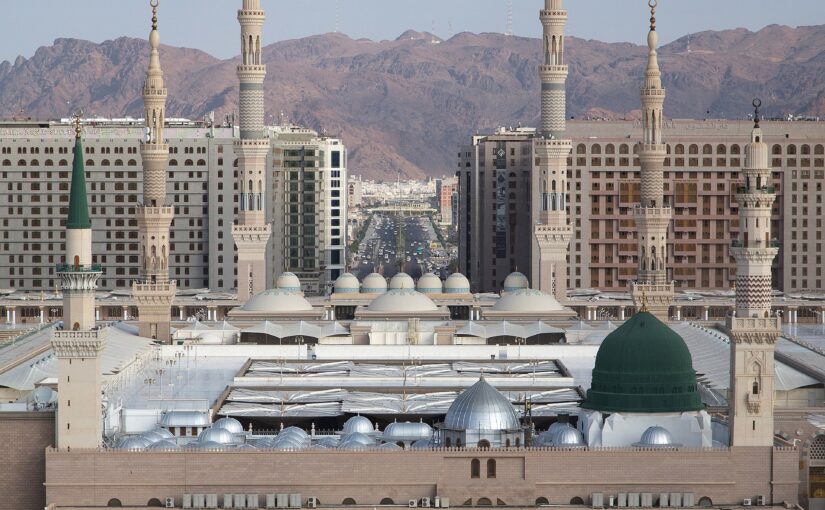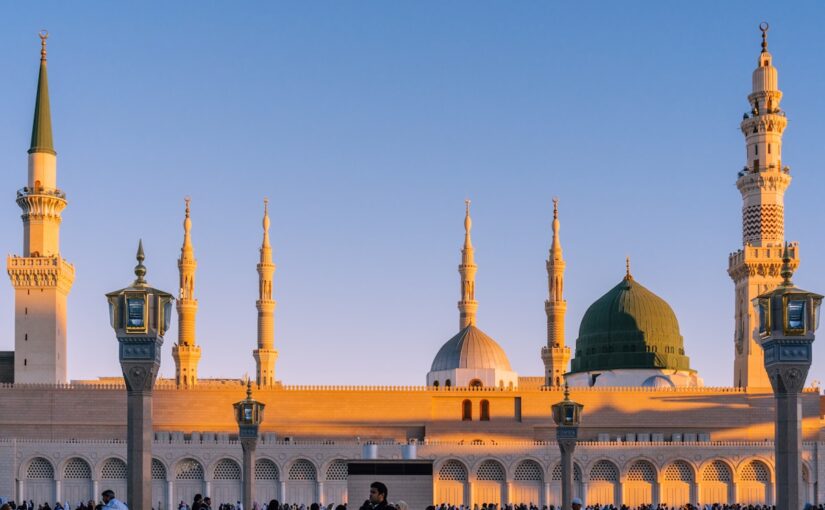

Gunahon Ki Aadat Chhuda Mere Maula (گناہوں کی عادت چھڑا میرے مولا) — Full Naat Lyrics in Urdu, English Translation and Meaning

Gunahon Ki Aadat Chhuda Mere Maula — Full Naat Lyrics in Urdu, English Translation and Meaning

The Naat “Gunahon Ki Aadat Chhuda Mere Maula” (گناہوں کی عادت چھڑا میرے مولا) is one of the most heartfelt and emotional supplications (munajat) in Islamic devotional poetry. Written and recited by the renowned Alhaj Owais Raza Qadri, this powerful naat has also been beautifully rendered by Hafiz Tahir Qadri. The kalam is a humble plea to Allah ﷻ — a sincere cry for forgiveness, guidance, and spiritual transformation.

In this post, we present the complete lyrics in Urdu, Roman English transliteration, and English translation with the deep meaning behind each verse.


About the Naat: “Gunahon Ki Aadat Chhuda Mere Maula”

This is not just a naat — it is a munajat (a whispered prayer). The poet Owais Raza Qadri pours his heart out, confessing human weakness and seeking Allah’s mercy. Each verse is a conversation between a humble servant and his Lord. The naat draws heavily from Quranic concepts like “Ud’ooni” (Call upon Me, I will respond to you — Surah Ghafir 40:60) and the balance between Allah’s justice and His infinite mercy.

The beauty of this kalam lies in its raw honesty. The poet does not pretend to be pious — he admits his faults, his bad habits, his sins, and then places his hope entirely in Allah’s mercy. This makes it deeply relatable for anyone on a spiritual journey.

Recited widely in mehfils, tahajjud prayers, and personal devotion, this naat has touched millions of hearts across the globe.

Video


گناہوں کی عادت چھڑا میرے مولا — اردو lyrics

گناہوں کی عادت چھڑا، میرے مولا
مجھے نیک انسان بنا، میرے مولا!

میری سابقہ ہر خطا، میرے مولا!
تو رحمت سے اپنی مٹا، میرے مولا!

تو قدرت سے اپنی بدل نیکیوں سے
ہر ایک میری لغزش خطا، میرے مولا!

جو تجھ کو، جو تیرے نبی کو پسند ہے
مجھے ایسا بندہ بنا، میرے مولا!

تو مسجود میرا، میں ساجد ہوں تیرا
تو مالک، میں بندہ تیرا، میرے مولا!

تو مطلوب میرا، میں طالب ہوں تیرا
مجھے دے دے اپنی ولا، میرے مولا!

ہے “اُدعونی” فرمان قرآن میں تیرا
تو سن لے میری التجا، میرے مولا!

تو لے گا اگر عدل سے کام اپنے
میں ہوں مستحق نار کا، میرے مولا!

جو رحمت تیری شاملِ حال ہو تو
ٹھکانہ ہے جنت میرا، میرے مولا!

تجھے تو خبر ہے میں کتنا برا ہوں
تو عیبوں کو میرے چھپا، میرے مولا!

میری تا قیامت جو نسلیں ہوں، یا رب!
ہوں سب عاشقِ مصطفیٰ، میرے مولا!

نہ محتاج کر تُو جہاں میں کسی کا
مجھے مفلسی سے بچا، میرے مولا!

رُلا تو مجھے بس غمِ مصطفیٰ میں
نہ دنیا کے غم میں رُلا، میرے مولا!

جنہوں نے کہا ہے دعاؤں کا مجھ سے
تو کر دے سبھی کا بھلا، میرے مولا!

ہیں کعبے پہ نظریں عُبیدِ رضا کی
ہو مقبول ہر ایک دعا، میرے مولا!

✍️ شاعر: اویس رضا قادری


English Transliteration (Roman Urdu)

Gunahon ki aadat chhuda, mere Maula
Mujhe nek insaan bana, mere Maula!

Meri sabiqa har khata, mere Maula!
Tu rehmat se apni mita, mere Maula!

Tu qudrat se apni badal nekiyon se
Har ik meri lagzish khata, mere Maula!

Jo tujh ko, jo tere Nabi ko pasand hai
Mujhe aisa banda bana, mere Maula!

Tu masjood mera, main saajid hoon tera
Tu Maalik, main banda tera, mere Maula!

Tu matloob mera, main taalib hoon tera
Mujhe de de apni wila, mere Maula!

Hai “Ud’ooni” farmaan Qur’an mein tera
Tu sun le meri iltijaa, mere Maula!

Tu lega agar ‘adl se kaam apne
Main hoon mustahiqq naar ka, mere Maula!

Jo rehmat teri shaamil-e-haal ho to
Thikaana hai jannat mera, mere Maula!

Tujhe to khabar hai main kitna bura hoon
Tu ‘aibon ko mere chhupa, mere Maula!

Meri taa-Qayamat jo naslen ho, ya Rab!
Hon sab ‘aashiq-e-Mustafa, mere Maula!

Na mohtaaj kar tu jahaan mein kisi ka
Mujhe muflisi se bacha, mere Maula!

Rula tu mujhe bas gham-e-Mustafa mein
Na duniya ke gham mein rula, mere Maula!

Jinhon ne kaha hai duaon ka mujhse
Tu karde sabhi ka bhala, mere Maula!

Hain Ka’be pe nazrein ‘Ubaid-e-Raza ki
Ho maqbool har ik du’aa, mere Maula!

✍️ Poet: Owais Raza Qadri


English Translation (Word-by-Word Meaning)

Verse 1

Gunahon ki aadat chhuda, mere Maula — Rid me of the habit of sins, my Lord
Mujhe nek insaan bana, mere Maula — Make me a righteous person, my Lord

Verse 2

Meri sabiqa har khata, mere Maula — Every past mistake of mine, my Lord
Tu rehmat se apni mita, mere Maula — Erase it with Your mercy, my Lord

Verse 3

Tu qudrat se apni badal nekiyon se — Through Your power, change with good deeds
Har ik meri lagzish khata, mere Maula — Every slip and error of mine, my Lord

Verse 4

Jo tujh ko, jo tere Nabi ko pasand hai — Whatever pleases You and Your Prophet
Mujhe aisa banda bana, mere Maula — Make me such a servant, my Lord

Verse 5

Tu masjood mera, main saajid hoon tera — You are my object of worship, I am the one who prostrates to You
Tu Maalik, main banda tera, mere Maula — You are the Master, I am Your servant, my Lord

Verse 6

Tu matloob mera, main taalib hoon tera — You are my goal, I am the seeker of You
Mujhe de de apni wila, mere Maula — Grant me Your closeness/protection, my Lord

Verse 7

Hai “Ud’ooni” farmaan Qur’an mein tera — “Call upon Me” is Your command in the Quran
Tu sun le meri iltijaa, mere Maula — So listen to my plea, my Lord

Verse 8

Tu lega agar ‘adl se kaam apne — If You deal with justice
Main hoon mustahiqq naar ka, mere Maula — I deserve the Fire, my Lord

Verse 9

Jo rehmat teri shaamil-e-haal ho to — But if Your mercy embraces my state
Thikaana hai jannat mera, mere Maula — Then Paradise is my destination, my Lord

Verse 10

Tujhe to khabar hai main kitna bura hoon — You already know how bad I am
Tu ‘aibon ko mere chhupa, mere Maula — Hide my faults, my Lord

Verse 11

Meri taa-Qayamat jo naslen ho, ya Rab — All my generations until Qayamat, O Lord
Hon sab ‘aashiq-e-Mustafa, mere Maula — May they all be lovers of Mustafa ﷺ, my Lord

Verse 12

Na mohtaaj kar tu jahaan mein kisi ka — Do not make me dependent on anyone in this world
Mujhe muflisi se bacha, mere Maula — Save me from poverty, my Lord

Verse 13

Rula tu mujhe bas gham-e-Mustafa mein — Let me weep only in the sorrow of Mustafa ﷺ
Na duniya ke gham mein rula, mere Maula — Do not make me weep in worldly grief, my Lord

Verse 14

Jinhon ne kaha hai duaon ka mujhse — Those who have asked me for prayers
Tu karde sabhi ka bhala, mere Maula — Do good to all of them, my Lord

Verse 15

Hain Ka’be pe nazrein ‘Ubaid-e-Raza ki — Ubaid-e-Raza’s gaze is upon the Kaaba
Ho maqbool har ik du’aa, mere Maula — May every prayer be accepted, my Lord

(The poet refers to himself as ‘Ubaid-e-Raza — the servant of Raza, a pen name of Owais Raza Qadri)


Meaning and Background

The naat “Gunahon Ki Aadat Chhuda Mere Maula” is a profound spiritual supplication that reflects the core of Islamic repentance (tawbah). Let’s explore its deeper meaning:

1. The Theme of Repentance

The opening verse immediately strikes at the heart of human struggle — bad habits and sins. The poet does not ask for mere forgiveness but for a complete transformation: “Rid me of the habit of sins.” This reflects the Islamic concept that true repentance is not just saying “I’m sorry” but actively changing one’s lifestyle.

2. Balancing Hope and Fear (Khauf and Raja)

Verse 8 beautifully balances Allah’s justice and mercy: “If You deal with justice, I deserve the Fire. But if Your mercy embraces my state, then Paradise is my destination.” This is classic Islamic spirituality — a believer walks between fear of Allah’s justice and hope in His infinite mercy.

3. Quranic Reference (Ud’ooni)

Verse 7 directly references the Quranic verse: “And your Lord says: Call upon Me; I will respond to you.” (Surah Ghafir 40:60). This makes the naat deeply rooted in Islamic scripture and reminds the listener that Allah Himself has invited us to make dua.

4. Love of the Prophet ﷺ

The poet asks that all his descendants remain lovers of Prophet Muhammad ﷺ, showing that true faith is not just personal but generational. The longing to cry in the love of Mustafa ﷺ rather than in worldly grief shows profound spiritual prioritization.

5. Humility and Self-Awareness

Throughout the naat, the poet displays remarkable humility: “You already know how bad I am” and “Hide my faults.” This vulnerability is what makes the naat so powerful — it is the honest cry of a soul that knows its shortcomings but refuses to lose hope in Allah’s mercy.

6. Concern for Others

In the later verses, the poet does not only pray for himself but also for those who have asked him for prayers, showing selflessness and community spirit — a beautiful Islamic value.

About the Poet: Owais Raza Qadri

Alhaj Owais Raza Qadri is one of the most beloved naat khwans (reciters) in the Islamic world. Born in Karachi, Pakistan, he belongs to the Qadri Sufi order and has been reciting naats since childhood. His unique style combines emotional depth with classical melody. Some of his most famous naats include Tajdar-e-Haram, Shah-e-Madina, and of course, Gunahon Ki Aadat Chhuda Mere Maula. His kalam is known for its poetic beauty, spiritual depth, and accessibility to common people.

When to Recite This Naat

  • Tahajjud Prayer: The quiet hours of the night are perfect for this heartfelt munajat
  • After Isha: A beautiful way to end the day with repentance
  • In Mehfils: Popular in gatherings of devotional poetry
  • Personal Dua: For those seeking spiritual transformation

FAQs

Who wrote “Gunahon Ki Aadat Chhuda Mere Maula”?

The naat was written by Alhaj Owais Raza Qadri, who is both the poet and the original reciter.

Who else has recited this naat?

Hafiz Tahir Qadri has also recited this naat beautifully, giving it his own emotional touch.

What is the meaning of “Mere Maula”?

“Mere Maula” means “My Lord” or “My Master” — referring to Allah ﷻ.

Is this a naat or a dua?

It is a munajat (supplication) in the form of a naat — a devotional poem that is both praise and prayer combined.


May Allah ﷻ accept this humble effort and grant us the ability to leave our sins and become righteous. Ameen.

If you found this post beneficial, please share it with others and remember us in your duas.
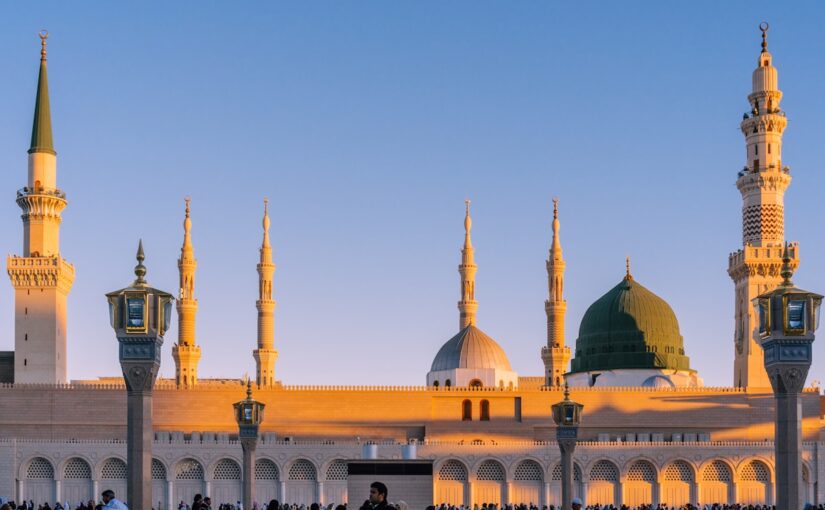
Tajdar-e-Haram (تاجدارِ حرم) — Full Naat Lyrics in Urdu, English Translation and Meaning

Tajdar-e-Haram (تاجدارِ حرم) is one of the most beloved and spiritually uplifting naats in the Islamic world. This beautiful composition, popularised by the acclaimed naat khwan Owais Raza Qadri, is a heartfelt tribute to Prophet Muhammad (peace be upon him). The title translates to “The Crown of the Haram” – a reference to the Prophet’s supreme status as the crown of the sacred sanctuary. The naat has touched millions of hearts across the globe and is recited in Mehfil-e-Milaad gatherings, at mosques, and in personal devotion. Its powerful lyrics express love, devotion, and the deep yearning to be in the blessed presence of the Prophet.

Full Urdu Lyrics of Tajdar-e-Haram

Below are the complete lyrics of Tajdar-e-Haram in Urdu script. Each verse is presented as it is traditionally recited.

Verse 1

تاجدارِ حرم اے تاجدارِ حرم
اپنے در سے نہ مجھ کو نکال ساقیِ کوثر

تاجدارِ حرم اے تاجدارِ حرم
مجھ کو بخشش کا اک ذریعہ بتا دے ساقیِ کوثر

تاجدارِ حرم اے تاجدارِ حرم
مجھے درکار ہے اک جھلک تیرے دیدار کی

تاجدارِ حرم اے تاجدارِ حرم
تیری چوکھٹ پہ ہیں سب کے سب در بہ در

Verse 2

جو تجھ کو پا لے وہ کھو نہیں سکتا
جو تجھ سے جا لگے وہ رو نہیں سکتا

تیرے در کا فقیر بن جاوں تو کیا بات ہے
تیری محبت میں جیوں اور مروں تو کیا بات ہے

تاجدارِ حرم اے تاجدارِ حرم
اپنے در سے نہ مجھ کو نکال ساقیِ کوثر

Verse 3

مدینے کی گلیوں میں اک روز آؤں گا
تیرے قدموں کی خاک اپنی آنکھوں میں لگاؤں گا

تیری محفل میں جا کے میں بیٹھوں گا
تیرے در پہ جا کے میں سر جھکاؤں گا

تاجدارِ حرم اے تاجدارِ حرم
مجھ کو بخشش کا اک ذریعہ بتا دے ساقیِ کوثر

Chorus (Refrain)

تاجدارِ حرم اے تاجدارِ حرم
تیری چوکھٹ پہ ہیں سب کے سب در بہ در

تاجدارِ حرم اے تاجدارِ حرم
اپنے در سے نہ مجھ کو نکال ساقیِ کوثر

English Translation of Tajdar-e-Haram

Verse 1 Translation

O Crown of the Haram, O Crown of the Haram
Do not turn me away from your door, O Saqi of Kawthar

O Crown of the Haram, O Crown of the Haram
Show me some means of forgiveness, O Saqi of Kawthar

O Crown of the Haram, O Crown of the Haram
I seek just one glimpse of your blessed sight

O Crown of the Haram, O Crown of the Haram
At your threshold, everyone stands as a humble beggar

Verse 2 Translation

Whoever finds you can never be lost
Whoever clings to you can never weep

If I become a beggar at your door, what a blessing
If I live and die in your love, what a blessing

O Crown of the Haram, O Crown of the Haram
Do not turn me away from your door, O Saqi of Kawthar

Verse 3 Translation

One day I will walk through the streets of Madina
I will apply the dust of your blessed feet to my eyes

I will sit in your blessed gathering
I will bow my head at your sacred door

O Crown of the Haram, O Crown of the Haram
Show me some means of forgiveness, O Saqi of Kawthar

Chorus Translation

O Crown of the Haram, O Crown of the Haram
At your threshold, everyone stands as a humble beggar

O Crown of the Haram, O Crown of the Haram
Do not turn me away from your door, O Saqi of Kawthar

Meaning and Spiritual Significance

Tajdar-e-Haram is far more than a poetic composition. It carries deep spiritual meaning that resonates with every believer. The term “Tajdar-e-Haram” – the Crown of the Haram – refers to Prophet Muhammad (PBUH) as the most honoured being in the sacred sanctuary. This phrase itself reflects the belief that the Prophet holds the highest status in all of creation.

The repeated reference to “Saqi of Kawthar” is particularly significant. In Islamic tradition, Al-Kawthar is a river in Paradise promised to the Prophet (PBUH). Calling the Prophet the “Saqi” or cupbearer of Kawthar symbolises his role as the intercessor and the source of spiritual nourishment for his followers. The believer is asking not to be turned away from the Prophet’s door – a metaphor for seeking the Prophet’s intercession and being included among his followers on the Day of Judgement.

The plea “Show me some means of forgiveness” highlights a central theme of the naat: human weakness and the need for divine mercy. The believer acknowledges their shortcomings and turns to the Prophet as the means (wasila) through which they hope to attain Allah’s forgiveness. This reflects the Islamic concept of tawassul – seeking closeness to Allah through the love and reverence of His beloved Prophet.

The imagery in verse 3 of walking through the streets of Madina, applying the dust of the Prophet’s footsteps to one’s eyes, and bowing at his door, expresses the deep yearning that every Muslim feels to visit the blessed city of Madina Munawwarah and the Rawdah Mubarak. These lines capture the emotional and spiritual longing that lies at the heart of Islamic devotion.

The naat also teaches humility. The line “At your threshold, everyone stands as a humble beggar” reminds us that regardless of worldly status, every person is spiritually dependent on the mercy of Allah and the intercession of His Prophet.

When to Recite This Naat

Tajdar-e-Haram can be recited at any time, but it holds special significance on the following occasions:

  • During Mehfil-e-Milaad gatherings celebrating the birth of the Prophet (PBUH)
  • In the blessed month of Rabi-ul-Awwal
  • On Fridays (Jumma) as part of devotional recitation
  • During personal worship and spiritual reflection
  • Before or after visiting the Prophet’s Mosque in Madina
  • At Islamic events and religious conferences
  • As part of daily dhikr and remembrance of the Prophet (PBUH)

The naat is particularly moving when recited with devotion and understanding of its meaning. Many people find that listening to or reciting Tajdar-e-Haram brings a sense of peace, spiritual connection, and emotional closeness to the Prophet Muhammad (PBUH).

Whether you are learning it for the first time or have recited it countless times, Tajdar-e-Haram remains a timeless expression of love for the Prophet (PBUH) and a beautiful means of seeking spiritual elevation.

Mujhko Madine Bula Lo (مجھ کو مدینے بلا لو) – Full Naat Lyrics in Urdu, English Translation and Meaning

Introduction

“Mujhko Madine Bula Lo” (مجھ کو مدینے بلا لو) is one of the most beloved and soul-stirring naats in the rich tradition of Islamic devotional poetry. Also widely known as “Meri Jaan Madine Chalo” (مری جان مدینے چلو), this naat expresses a profound and heartfelt longing to visit Madina Munawwarah, the blessed city of Prophet Muhammad (peace be upon him). The naat captures the intense spiritual desire that every believer carries in their heart to be in the presence of the Prophet’s sacred city, to walk its streets, and to offer salutations at the Rawza Mubarak.

This naat has gained immense popularity across the Muslim world, particularly through the soulful renditions of Owais Raza Qadri, whose emotional recitation has touched millions of hearts. The simple yet powerful wording, combined with the deep spiritual yearning it expresses, has made it a staple at naat gatherings, Mehfil-e-Naat, and Islamic events worldwide. Whether recited in a quiet moment of personal devotion or sung collectively in large gatherings, “Mujhko Madine Bula Lo” never fails to evoke tears of love and longing for the beloved Prophet (PBUH).

Naat Lyrics in Urdu (Full)

Below are the complete verses of this beautiful naat in Urdu script:

مجھ کو مدینے بلا لو مری جان مدینے چلو
میرے آقا کا ہے پیغام کہ جان مدینے چلو

دل بھی مدینے چلا جا نہیں ہے صبر کوئی
یہ بتاؤ کوئی مجھ کو سمجھاؤ مدینے چلو

کیسی ہے جلوہ گری شہر مدینے کی حسین
چاند بھی دیکھ کے حیران ہے آؤ مدینے چلو

یہ تمنّٰی ہے دل و جان سے مدینے چلیں
ہر گھڑی یہ ہے دعا کہ کریں سجدہ وہیں

کیسی برکات ہیں اس خاک مدینے کے لئے
خاک کے ذرّے بھی ہیں نور مہ و سال وہیں

مجھ کو مدینے بلا لو مری جان مدینے چلو
میرے آقا کا ہے پیغام کہ جان مدینے چلو

English Transliteration

Verse 1:
Mujhko Madine Bula Lo Meri Jaan Madine Chalo
Mere Aaqa Ka Hai Paighaam Ke Jaan Madine Chalo

Verse 2:
Dil Bhi Madine Chala Ja Nahi Hai Sabr Koi
Ye Batao Koi Mujhko Samjhao Madine Chalo

Verse 3:
Kaisee Hai Jalwa Gari Shehr-e-Madine Ki Haseen
Chand Bhi Dekh Ke Hairan Hai Aao Madine Chalo

Verse 4:
Ye Tamanna Hai Dil-o-Jaan Se Madine Chalain
Har Ghadhi Ye Hai Dua Ke Karein Sajda Wahin

Verse 5:
Kaisee Barkaat Hain Is Khaak-e-Madine Ke Liye
Khaak Ke Zarre Bhi Hain Noor-e-Mah-o-Saal Wahin

Chorus (Repeated):
Mujhko Madine Bula Lo Meri Jaan Madine Chalo
Mere Aaqa Ka Hai Paighaam Ke Jaan Madine Chalo

English Translation

Verse 1:
“Call me to Madina, let us go to Madina, my dear
My Master’s message says: Come, let us go to Madina”

Verse 2:
“My heart has already gone to Madina, I have no patience left
Someone tell me, make me understand: let us go to Madina”

Verse 3:
“What a beautiful spectacle the city of Madina is
Even the moon is amazed upon seeing it; come, let us go to Madina”

Verse 4:
“This is my heartfelt desire: to go to Madina
Every moment I pray that I may prostrate there”

Verse 5:
“What blessings lie in the very soil of Madina
Even the particles of dust there are like the light of moon and stars”

Chorus:
“Call me to Madina, let us go to Madina, my dear
My Master’s message says: Come, let us go to Madina”

Meaning and Spiritual Background

The naat “Mujhko Madine Bula Lo” is a beautiful expression of ‘Ishq-e-Mustafa’ – the deep and unwavering love for Prophet Muhammad (PBUH). Madina Munawwarah is not just a city; it is the spiritual heart of Islam. It is where the Prophet (PBUH) established the first Islamic state, built the first mosque of Islam (Masjid Quba), and where his sacred tomb resides in Masjid al-Nabawi beneath the iconic Green Dome.

The central theme of this naat is the burning desire to visit Madina and be in the proximity of the beloved Prophet. The repeated call “Mujhko Madine Bula Lo” reflects a state of spiritual restlessness, where the believer’s heart finds no peace except in the thought of reaching the blessed city. This longing is a hallmark of Islamic spirituality: the yearning to stand at the Rawza Mubarak, to offer Salaam to the Prophet (PBUH), and to feel the barakah (blessings) of that sacred land.

The line “Mere Aaqa Ka Hai Paighaam” beautifully suggests that the call to visit Madina is not merely a personal wish but a divine invitation. It echoes the famous hadith of the Prophet (PBUH) who said, “Whoever visits my grave after my death is like those who visited me during my lifetime.”

In the second verse, the poet captures the feeling of spiritual impatience: the heart has already flown to Madina, leaving the body behind. This separation between the heart’s desire and physical reality creates a beautiful tension that every lover of the Prophet can relate to.

The imagery in the line “Chand Bhi Dekh Ke Hairan Hai” is particularly striking. The poet suggests that even the moon, often a symbol of beauty in Islamic poetry, is amazed by the beauty of Madina. This is a reference to the famous hadith where the companions compared the Prophet’s face to the full moon, drawing a parallel between the beauty of the Prophet and the beauty of his city.

The soil of Madina (Khaak-e-Madina) holds special significance in Islamic tradition. The naat beautifully states that even the dust particles of Madina radiate the light of the moon and stars. This reflects the deep reverence Muslims hold for the blessed city, where every grain of sand is considered blessed due to its connection with the Prophet (PBUH).

Popularity and Reciters

This naat has been performed by many renowned naat reciters (Naat Khawans) across the globe. The most famous rendition is by Owais Raza Qadri, whose emotional and powerful voice has made this naat immensely popular in South Asia and beyond. Other notable reciters who have sung this naat include:

  • Owais Raza Qadri – The most famous rendition, known for its emotional depth and beautiful melody
  • Muhammad Owais Raza Qadri – Various recorded versions in different musical styles
  • Amjad Sabri – Late legendary Qawwal and Naat reciter
  • Hafiz Ahmed Raza Qadri – Known for his melodious voice and devotional style
  • Syed Fasihuddin Soharwardi – Emotional and traditional recitation
  • Various Qawwal groups – The naat is frequently performed in Qawwali style at dargahs and mehfils

The naat has also been widely shared on platforms like YouTube, SoundCloud, and various Islamic audio streaming services, garnering millions of views and listens. It is a staple at Milad gatherings, Urs ceremonies, and weekly naat programs in mosques across Pakistan, India, Bangladesh, the UK, and the Middle East.

Conclusion

“Mujhko Madine Bula Lo” is more than just a naat; it is a heartfelt prayer and an expression of the deepest spiritual longing a believer can have: to be in the blessed city of the Prophet (PBUH). Its simple yet profound words resonate with Muslims of all ages and backgrounds, reminding them of the ultimate goal of every believer: to be close to the beloved Prophet (PBUH) in this life and the Hereafter.

Whether you are listening to it during a quiet moment of reflection or reciting it in a gathering of fellow believers, this naat has the power to move hearts and bring tears to the eyes. It serves as a beautiful reminder of the love that lies at the very core of Islamic faith: the love for Prophet Muhammad (PBUH). May we all be blessed with the opportunity to visit Madina Munawwarah and offer our Salaam at the sacred Rawza, Ameen.

Dil Hai Madine Chal (دل ہے مدینے چل) — Naat Lyrics in Urdu, English Translation and Meaning

Dil Hai Madine Chal is a beautiful and popular naat recited by Owais Raza Qadri. The title translates to “The Heart Says Let’s Go to Madina.” This naat expresses the deep love and longing that every Muslim feels to visit the holy city of Madina Munawwarah and the blessed Roza of Prophet Muhammad.

About This Naat

Dil Hai Madine Chal is a soulful naat that captures the essence of a believer’s love for the Prophet. The poet beautifully expresses how the heart yearns to travel to Madina, to stand at the blessed shrine, and to immerse itself in the spiritual atmosphere of the city of the Prophet. The naat is popular in both Pakistan and India and is often recited at gatherings and Mehfil-e-Milad.

Dil Hai Madine Chal — Naat Lyrics in Urdu

دل ہے مدینے چل، دل ہے مدینے چل
یار مدینے چل، یار مدینے چل
دل ہے مدینے چل، دل ہے مدینے چل
یار مدینے چل، یار مدینے چل

جس نے پکارا مجھ کو، اس کا بلاوا ہے
اس کا بلاوا ہے، اس کا بلاوا ہے
اس کی ہوا ہے مجھ میں، اس کی صدا ہے
دل ہے مدینے چل، دل ہے مدینے چل
یار مدینے چل، یار مدینے چل

اس کی گلی میں جانا، اس کا گدا ہونا
اس کا گدا ہونا، اس کا گدا ہونا
اس کی نظر کا پانا، اس کا لقا ہونا
دل ہے مدینے چل، دل ہے مدینے چل
یار مدینے چل، یار مدینے چل

اس در پہ جا کے بیٹھوں، رو رو کے منہ چھپاؤں
رو رو کے منہ چھپاؤں، رو رو کے منہ چھپاؤں
کچھ اس طرح سے پیارے، دل کو بہلاوں
دل ہے مدینے چل، دل ہے مدینے چل
یار مدینے چل، یار مدینے چل

اے دل تو کب تلک یوں، بے قرینہ پھرے گا
بے قرینہ پھرے گا، بے قرینہ پھرے گا
اٹھ جا ابھی چلتے ہیں، سوئے مدینہ
دل ہے مدینے چل، دل ہے مدینے چل
یار مدینے چل، یار مدینے چل

Dil Hai Madine Chal — English Transliteration

Dil hai Madine chal, dil hai Madine chal
Yaar Madine chal, yaar Madine chal
Dil hai Madine chal, dil hai Madine chal
Yaar Madine chal, yaar Madine chal

Jis ne pukara mujh ko, us ka bulawa hai
Us ka bulawa hai, us ka bulawa hai
Us ki hawa hai mujh mein, us ki sada hai
Dil hai Madine chal, dil hai Madine chal
Yaar Madine chal, yaar Madine chal

Us ki gali mein jana, us ka gada hona
Us ka gada hona, us ka gada hona
Us ki nazar ka pana, us ka liqa hona
Dil hai Madine chal, dil hai Madine chal
Yaar Madine chal, yaar Madine chal

Is dar pe ja ke baithoon, ro ro ke munh chhupaoon
Ro ro ke munh chhupaoon, ro ro ke munh chhupaoon
Kuch is tarah se pyare, dil ko behlaoon
Dil hai Madine chal, dil hai Madine chal
Yaar Madine chal, yaar Madine chal

Ae dil tu kab talak yun, be-qarina phire ga
Be-qarina phire ga, be-qarina phire ga
Utha ja abhi chalte hain, soye Madina
Dil hai Madine chal, dil hai Madine chal
Yaar Madine chal, yaar Madine chal

Dil Hai Madine Chal — English Translation

Verse 1:
The heart says let us go to Madina, the heart says let us go to Madina
Beloved, let us go to Madina, beloved, let us go to Madina

Verse 2:
The One who called me, His invitation has come
His invitation has come, His invitation has come
His breeze is within me, His call is in the air
The heart says let us go to Madina…

Verse 3:
To walk in His street, to become His beggar
To become His beggar, to become His beggar
To receive His glance, to meet Him face to face
The heart says let us go to Madina…

Verse 4:
Let me sit at His door, hide my face while crying
Hide my face while crying, hide my face while crying
In this way, O Beloved, I will soothe my heart
The heart says let us go to Madina…

Verse 5:
O heart, how long will you wander without direction
Wander without direction, wander without direction
Get up, let us go now towards Madina
The heart says let us go to Madina…

Meaning and Background

The naat Dil Hai Madine Chal is a poetic expression of the deep spiritual longing to visit the city of the Prophet. The poet uses the metaphor of a heart pulling towards Madina, as if the very soul is being called by the beloved Prophet Muhammad.

The recurring theme is that the heart recognises the call of Madina. The poet says that the Prophet himself has called him, and this invitation is the reason for his restlessness. The mention of “His breeze” and “His call” suggests that the spiritual presence of the Prophet can be felt from afar, drawing the believer closer.

In Islamic tradition, Madina Munawwarah is considered the most sacred city after Makkah. It is the city where the Prophet migrated, built the first mosque, and where he is buried in the Masjid-e-Nabwi. Visiting Madina and offering salutations at the Prophet’s Roza is a deeply cherished act for Muslims worldwide.

The naat beautifully captures the feeling of a believer who has not yet visited Madina but yearns for it with every fibre of their being. It is a reminder that the love for the Prophet is not just a duty but a deep emotional connection that pulls the heart towards the blessed city.

About the Reciter: Owais Raza Qadri

Owais Raza Qadri is one of the most popular naat reciters in the world. Based in Pakistan, he has recorded hundreds of naats that are loved by millions. His melodious voice and spiritual style of recitation have made him a household name in the Islamic world. Dil Hai Madine Chal remains one of his most beloved naats.

If you enjoyed this naat, you might also like Mera Dil Tujh Hi Se Lagaya, Mere Muhammad, and Fida-e-Mustafa for more beautiful naat lyrics with translations.

Shah-e-Madina (شاہ مدینہ) – Owais Raza Qadri | Full Naat Lyrics & Translation

Shah-e-Madina (شاہ مدینہ) is one of the most beloved naats recited by Owais Raza Qadri. This beautiful tribute to the Holy Prophet ﷺ has touched millions of hearts across the world. With its soul-stirring melody and profound words, the naat expresses deep love and reverence for the King of Madina — Prophet Muhammad ﷺ.

The naat was originally written by the famous poet Syed Muhammad Sultan Rizvi and later popularized globally by Owais Raza Qadri’s powerful and emotional recitation. It is frequently recited at mehfils (spiritual gatherings) around the world, especially during the month of Rabi-ul-Awwal.

Urdu Lyrics (اشعار)

Verse 1

شاہ مدینہ شاہ مدینہ
Shah-e-Madina, Shah-e-Madina
King of Madina, King of Madina

تیرے در سے کوئی خالی نہ گیا
Tere dar se koi khaali na gaya
No one returned empty-handed from your door

Verse 2

تیری چوکھٹ پہ جو آیا ہے سلامت رہا
Terii chokhat pe jo aaya hai salaamat raha
Whoever came to your threshold remained safe

تیرا در ہر غم کا مداوا ہے مدینہ
Tera dar har gham ka madawa hai Madina
Your door is the cure for every sorrow, O Madina

Verse 3

اے شاہ مدینہ مجھے تیری پناہ
Aey Shah-e-Madina mujhe teri panaah
O King of Madina, grant me your refuge

تیرے در سے بڑھ کر نہیں کوئی جاہ
Tere dar se badh kar nahi koi jaah
There is no status greater than your doorstep

Verse 4

ہے بس ایک ہی التجا اے نبی
Hai bas ek hi iltija aey Nabi
I have just one plea, O Prophet

مجھے اپنی امت میں شامل کریں
Mujhe apni ummat mein shaamil karein
Include me in your Ummah (community)

Verse 5

ہے طلب صرف مدینہ ، ہے تمنا مدینہ
Hai talab sirf Madina, hai tamanna Madina
My desire is only Madina, my wish is Madina

ہر گھڑی یاد ہے مجھ کو وہ فضا ئے مدینہ
Har ghari yaad hai mujh ko woh faza-e-Madina
Every moment I remember the atmosphere of Madina

Verse 6

جس نے دیکھا اسے پھر بھول نہیں پاتا
Jis ne dekha use phir bhool nahi paata
Whoever saw it can never forget it

کوئی حسرت نہ رہی دل میں وہاں آنے کے بعد
Koi hasrat nah rahi dil mein wahan aane ke baad
No desire remains in the heart after arriving there

Verse 7

اے شاہ مدینہ مجھے بلا لو مدینہ
Aey Shah-e-Madina mujhe bula lo Madina
O King of Madina, call me to Madina

مجھے دیدارِ حبیبؐ کا شوق ہے بہت
Mujhe didaar-e-Habeeb ka shauq hai bohat
I long so much to see the Beloved Prophet ﷺ

Meaning and Significance

“Shah-e-Madina” translates to “The King of Madina,” a title of deep reverence for Prophet Muhammad ﷺ. The naat is a heartfelt expression of a believer’s longing to visit the blessed city of Madina and to be in the presence of the Prophet ﷺ.

The opening line, “Shah-e-Madina, Shah-e-Madina”, is an emotional cry that immediately draws the listener into a state of spiritual reflection. It is not merely a repetition of words but a declaration of love and allegiance to the greatest of Allah’s creations.

One of the most poignant themes in the naat is the supplication for refuge at the Prophet’s doorstep. The line “Aey Shah-e-Madina mujhe teri panaah” reflects the deep Islamic belief that seeking closeness to the Prophet ﷺ is a means of drawing closer to Allah Himself. It echoes the Quranic verse: “And if they had come to you when they wronged themselves… they would have found Allah Accepting of repentance and Merciful” (Quran 4:64).

The naat also beautifully captures the emotional pain of separation from Madina — a feeling well known to anyone who has visited the holy city and left with a longing to return. The verse “Har ghari yaad hai mujh ko woh faza-e-Madina” speaks to this universal experience of the Muslim heart.

Owais Raza Qadri, the renowned Naat Khwan from Pakistan, has become synonymous with this naat. His distinctive voice and passionate delivery have made “Shah-e-Madina” a staple at naat gatherings worldwide. Born in 1974 in Faisalabad, Owais Raza Qadri is one of the most celebrated naat reciters of the modern era, with millions of followers across the globe.

The poet Syed Muhammad Sultan Rizvi wrote the lyrics with such depth that every verse carries layers of meaning — from the simple longing of a devotee to the profound spiritual station of the Prophet ﷺ. The naat reminds believers that the door of the Prophet ﷺ is always open, and no one who comes with sincere love is ever turned away.

In a world filled with anxiety and uncertainty, “Shah-e-Madina” offers solace. Its repeated invocation of the Prophet’s name acts as a spiritual anchor, calming the heart and renewing faith. The naat is more than poetry — it is a supplication, a love letter, and a declaration of faith all woven together.

Listening to or reciting this naat is considered a form of dhikr (remembrance), bringing barakah (blessings) and spiritual peace. Many Muslims make it a daily practice to listen to “Shah-e-Madina” as part of their morning or evening routines, finding in it a connection to the Prophet ﷺ that transcends time and distance.

May Allah grant us all the opportunity to visit the blessed city of Madina and be counted among the followers of the beloved Prophet Muhammad ﷺ. Ameen.

Mere Muhammad (میرے محمد) — Naat Lyrics in Urdu, English Translation and Meaning

Introduction

The Naat “Mere Muhammad (میرے محمد)” is one of the most beloved and widely recited Naats in the Islamic world. Recited by the renowned Naat Khawan Owais Raza Qadri, this beautiful Naat expresses deep love, devotion, and longing for Prophet Muhammad ﷺ. Every verse captures the heartfelt emotions of a believer who finds no rest without the remembrance of the Beloved Prophet.

This Naat has touched millions of hearts across the globe and is recited in Mehfil-e-Milad gatherings, Islamic conferences, and daily spiritual routines. Its simple yet profound lyrics make it accessible to people of all ages, while its message of unconditional love for the Prophet ﷺ resonates deeply within the soul.

History and Significance

“Mere Muhammad” was popularized by Owais Raza Qadri, a world-famous Naat Khawan from Pakistan who has dedicated his life to spreading the love of Prophet Muhammad ﷺ through his soulful voice. The Naat is written in a contemporary Urdu style that blends classical poetic elements with modern expression, making it a favourite among young and old alike.

The Naat is often recited during Milad-un-Nabi (the celebration of the Prophet’s ﷺ birth), at Urs gatherings, and in daily assemblies where devotees gather to remember Allah and His Messenger. It has been translated into multiple languages including English, Hindi, and Turkish, reaching audiences far beyond the Urdu-speaking world.

The central theme of “Mere Muhammad” is the spiritual connection between a believer and the Prophet ﷺ. The lyrics speak of a heart that finds peace only in the remembrance of Muhammad ﷺ, of eyes that long to see the blessed city of Madina, and of a soul that seeks intercession through love of the Prophet.

Mere Muhammad (میرے محمد) — Full Naat Lyrics in Urdu

Below are the complete Urdu lyrics of Mere Muhammad as recited by Owais Raza Qadri:

میرے محمد ﷺ تم ہو میرے لیے
دنیا و عقبیٰ کی اک اک گھڑی

تم ہی ملے تو سب کچھ ملا
تم نہ ملے تو کچھ بھی نہیں

میرے محمد ﷺ تم ہو میرے لیے
ہر سانس تم پر فدا ہو نبی

تم ہو مری آنکھوں کی روشنی
تم ہو مرے دل کی دھڑکن نبی

میرے محمد ﷺ تم ہو میرے لیے
کتنا ہے پیارا تمہارا نام

تم سے ہے میری زندگی سنورتی
تم سے ہے میری آخرت سنورتی

میرے محمد ﷺ تم ہو میرے لیے
کتنا ہے پیارا تمہارا دامن

تھام لوں گا تمہارا دامن
چھوڑوں گا نہیں کبھی نبی

میرے محمد ﷺ تم ہو میرے لیے
تم کو چاہوں تو بن جائے بات

تم کو چاہوں تو مل جائے ساتھ
تم کو چاہوں تو مل جائے سب کچھ

میرے محمد ﷺ تم ہو میرے لیے
آؤ مدینے چلیں نبی

روضے پہ جا کر جھکیں نبی
آنکھوں میں بھر لیں دیدار نبی

میرے محمد ﷺ تم ہو میرے لیے
تم سے ہے رونق محفل نبی

تم سے ہے روشن ہر منزل نبی
تم سے ہے میرا ایمان نبی

میرے محمد ﷺ تم ہو میرے لیے

English Transliteration

For those who cannot read Urdu, here is the Roman English transliteration of this beautiful Naat:

Mere Muhammad ﷺ tum ho mere liye
Duniya wa uqba ki ek ek ghari

Tum hi mile to sab kuch mila
Tum na mile to kuch bhi nahi

Mere Muhammad ﷺ tum ho mere liye
Har saans tum par fida ho Nabi

Tum ho meri aankhon ki roshni
Tum ho mere dil ki dhadkan Nabi

Mere Muhammad ﷺ tum ho mere liye
Kitna hai pyara tumhara naam

Tum se hai meri zindagi sanwarti
Tum se hai meri aakhirat sanwarti

Mere Muhammad ﷺ tum ho mere liye
Kitna hai pyara tumhara daaman

Thaam loonga tumhara daaman
Chhoroonga nahi kabhi Nabi

Mere Muhammad ﷺ tum ho mere liye
Tum ko chahoon to ban jaaye baat

Tum ko chahoon to mil jaaye saath
Tum ko chahoon to mil jaaye sab kuch

Mere Muhammad ﷺ tum ho mere liye
Aao Madine chalein Nabi

Rouza pe ja kar jhukein Nabi
Aankhon mein bhar lein deedaar Nabi

Mere Muhammad ﷺ tum ho mere liye
Tum se hai raunaq mehfil Nabi

Tum se hai roshan har manzil Nabi
Tum se hai mera imaan Nabi

Mere Muhammad ﷺ tum ho mere liye

English Translation and Meaning

Verse 1: “Mere Muhammad, tum ho mere liye — Duniya wa uqba ki ek ek ghari”
Meaning: O my Muhammad ﷺ, you are everything to me — in every moment of this world and the Hereafter. The poet expresses that the Prophet ﷺ is the central figure in both worldly and spiritual life.

Verse 2: “Tum hi mile to sab kuch mila — Tum na mile to kuch bhi nahi”
Meaning: If I have found you (O Prophet), I have found everything. If I have not found you, I have found nothing. This powerful line conveys that the love and connection with Prophet Muhammad ﷺ is the ultimate treasure.

Verse 3: “Har saans tum par fida ho Nabi”
Meaning: Every breath is sacrificed for you, O Prophet. This reflects the depth of devotion where every moment of life is dedicated to the love of the Prophet ﷺ.

Verse 4: “Tum ho meri aankhon ki roshni — Tum ho mere dil ki dhadkan”
Meaning: You are the light of my eyes — you are the heartbeat of my heart. This metaphor beautifully illustrates how the Prophet ﷺ is the source of spiritual vision and the very pulse of a believer’s existence.

Verse 5: “Aao Madine chalein Nabi — Rouza pe ja kar jhukein Nabi”
Meaning: Let us go to Madina, O Prophet — let us bow at your blessed tomb. This expresses the profound longing that every believer feels to visit the city of Madina and pay respects at the Rawza Mubarak of the Prophet ﷺ.

Who Wrote This Naat?

The Naat “Mere Muhammad” is popularized by Owais Raza Qadri, one of the most famous Naat Khawans of the modern era. Born in 1989 in Karachi, Pakistan, Owais Raza Qadri belongs to the Qadri Sufi order and is known for his emotional and melodious renditions of Naats that connect deeply with listeners. He is a student of the renowned religious scholar Maulana Ilyas Qadri and his Naats are regularly featured on Madani Channel and other Islamic media platforms worldwide.

When Is This Naat Recited?

“Mere Muhammad” is a versatile Naat recited on many occasions, including:

  • Milad-un-Nabi (12th Rabi-ul-Awwal) — The celebration of the Prophet’s birth
  • Mehfil-e-Milad gatherings — Weekly or monthly congregations of Naat recitation
  • Urs celebrations — Of Awliya Allah (saints) where Naat is recited in their honour
  • Eid Milad events — Around the Islamic world
  • Daily spiritual routine — Many believers listen to this Naat daily as part of their spiritual practice
  • Ramadan and other blessed nights — Particularly during Shab-e-Barat and other sacred occasions

Why Mere Muhammad Is So Special

What makes “Mere Muhammad” stand out among thousands of Naats is its universal appeal. The lyrics are straightforward yet deeply meaningful, making it easy for anyone to connect with. The melody is soul-stirring, and when recited by Owais Raza Qadri, it brings tears to the eyes of listeners. The Naat’s refrain of “Mere Muhammad, tum ho mere liye” strikes directly at the heart, reminding believers that the Prophet ﷺ is not just a historical figure but a living reality in the lives of those who love him.

The Naat has become a staple at Mehfil-e-Milad gatherings globally and enjoys millions of views on digital platforms. It transcends cultural and linguistic boundaries, being equally loved in Pakistan, India, Bangladesh, the UK, the USA, the Middle East, and beyond. Its message of unconditional love and devotion to the Prophet ﷺ makes it timeless.

Frequently Asked Questions

Q: Who recited “Mere Muhammad”?
A: This Naat is famously recited by Owais Raza Qadri.

Q: Is “Mere Muhammad” a Naat or a Manqbat?
A: It is a Naat, as it praises Prophet Muhammad ﷺ.

Q: What language is the Naat in?
A: The Naat is in Urdu with some Arabic phrases.

Q: Where can I listen to this Naat?
A: You can find it on YouTube, Spotify, soundcloud, and various Islamic audio platforms by searching “Mere Muhammad Owais Raza Qadri”.

Q: Can I use these lyrics for my Mehfil?
A: Yes, these lyrics are freely shared to spread the love of Prophet Muhammad ﷺ. You are welcome to use them in your gatherings.

Conclusion

“Mere Muhammad (میرے محمد)” is more than just a Naat — it is a heartfelt expression of love for the greatest human being to ever walk the earth, Prophet Muhammad ﷺ. Its simple yet profound words remind us that true success lies in the love and devotion to our beloved Prophet. May Allah ﷻ grant us all the ability to visit the blessed city of Madina and spend our lives in the love of the Prophet ﷺ. Ameen.

May this Naat bring peace to your heart and strengthen your bond with the Beloved Prophet ﷺ. Share it with your family and friends to spread the blessings.

No schema found.

Aana Hoga Madine (آنا ہوگا مدینے) — Naat Lyrics in Urdu, English Translation and Meaning

Aana Hoga Madine is one of the most beloved naats in the Urdu speaking world. Written and recited by Owais Qadri, this naat expresses a deep longing to visit the city of Madinah and the blessed Rawza of Prophet Muhammad (PBUH). The words reflect the yearning of every Muslim heart to stand before the beloved Prophet and send salutations upon him.

In this post, you will find the complete lyrics of Aana Hoga Madine in Urdu, a Roman Urdu transliteration, an English translation, and a brief background on the naat’s meaning and significance.

Background of Aana Hoga Madine

Aana Hoga Madine was written by Owais Raza Qadri, a well known naat khwan from Pakistan. His soulful voice and heartfelt delivery have made this naat popular across the world. The naat focuses on the theme of longing and hope — the hope that one day the reciter will be blessed with a visit to Madinah and the honour of standing in the presence of the beloved Prophet.

The title means “I will have to go to Madinah” or “I must go to Madinah.” It is a statement of certainty and faith. The reciter is not asking for permission. He is declaring his intention. No matter what obstacles come, he will reach Madinah.

This naat is especially popular during gatherings where people express their love for the Prophet. It is recited at mehfils, milads, and during travels to Madinah.

Urdu Lyrics of Aana Hoga Madine (آنا ہوگا مدینے)

آنا ہوگا مدینے ضرور آنا ہوگا
آپ صلی اللہ علیہ وسلم کے دیوانے ضرور آنا ہوگا

یہ نہیں کہ نظر آتے نہیں یارب ہم کو
تیری رحمت کے خزانے ضرور آنا ہوگا

جسم کربل میں ترستا ہے وضو کے واسطے
خون کے پیاسے بھی دریا پہ نہ آنے والے

آپ صلی اللہ علیہ وسلم کے در کا میں بھکاری ہوں
مجھے حاتم کا نہیں کوفہ کا سکندر ہونا

میری بخشش کا ذریعہ ہے محمد کا غم
میرے گناہ تو دریا ہیں یہ سمندر ہونا

مدینے والے مجھے بھی اپنا بنا لو
میں آ رہا ہوں مرے آقا مدینہ والو

یہ نہیں کہ نظر آتے نہیں یا رب ہم کو
تیری رحمت کے خزانے ضرور آنا ہوگا

آپ صلی اللہ علیہ وسلم کی محبت میں گزاریں گے ساری عمر
یہی آرزو ہے دل میں مدینے ضرور آنا ہوگا

Roman Urdu Transliteration

Aana hoga madine zaroor aana hoga
Aap sallallahu alaihi wasallam ke deewane zaroor aana hoga

Yeh nahi ke nazar aate nahi ya rabb hum ko
Teri rahmat ke khazane zaroor aana hoga

Jism karbal mein tarasta hai wazu ke waaste
Khoon ke pyaase bhi dariya pe nah aane wale

Aap sallallahu alaihi wasallam ke dar ka mein bhikari hoon
Mujhe Haatim ka nahi Kufa ka Sikandar hona

Meri bakhshish ka zariya hai Muhammad ka gham
Mere gunaah toh dariya hain yeh samandar hona

Madine wale mujhe bhi apna bana lo
Mein aa raha hoon mere aaqa madina walo

Yeh nahi ke nazar aate nahi ya rabb hum ko
Teri rahmat ke khazane zaroor aana hoga

Aap sallallahu alaihi wasallam ki mohabbat mein guzaarenge saari umar
Yahi aarzu hai dil mein madine zaroor aana hoga

English Translation

I will have to go to Madinah, I must go
I am a lover of the Prophet (PBUH), I must go

It is not that You do not see us, O Lord
But the treasures of Your mercy must be approached

My body yearns for ablution in Karbala
Those who thirst for blood will never come to the river

I am a beggar at the court of the Prophet (PBUH)
I do not need to be like Hatim or the conqueror of Kufa

The sorrow of Muhammad (PBUH) is the means of my forgiveness
My sins are rivers, and this sorrow is the ocean

O people of Madinah, accept me as one of your own
I am coming, my master, O people of Madinah

It is not that You do not see us, O Lord
But the treasures of Your mercy must be approached

I will spend my entire life in the love of the Prophet (PBUH)
This is the desire in my heart — I must go to Madinah

The Meaning and Significance of Aana Hoga Madine

This naat carries layers of spiritual meaning. On the surface, it is about the physical journey to Madinah. But deeper, it is about the spiritual journey towards the love of the Prophet.

The opening lines establish the certainty of the journey. The reciter declares “I will have to go to Madinah” not as a wish but as a certainty. This reflects the strong faith that Allah honours those who genuinely love His Messenger.

The line “Yeh nahi ke nazar aate nahi ya rabb hum ko / Teri rahmat ke khazane zaroor aana hoga” is profound. It acknowledges that Allah sees us and knows us. But His treasures of mercy are so vast that we must actively seek them. We cannot sit idle and expect mercy. We must make the effort to reach for it.

The reference to Karbala and thirst is a reminder of the sacrifices made by the family of the Prophet. It contrasts worldly thirst (for blood and revenge) with spiritual thirst (for purification and devotion).

The line about being a beggar at the Prophet’s door is a powerful expression of humility. The reciter does not want worldly fame or wealth. He wants only the honour of being connected to the Prophet. References to Hatim (known for generosity) and Sikandar (Alexander the Great, conqueror) show that worldly achievements mean nothing compared to the love of the Prophet.

The verse about sins and the ocean is beautiful. It acknowledges that our sins are vast like rivers. But the love and sorrow for the Prophet is like an ocean — it can absorb and wash away all sins. This brings hope to every believer who feels weighed down by their mistakes.

The final verses are a heartfelt plea to the people of Madinah and to the Prophet himself. The reciter announces that he is coming, and he asks to be accepted. This reflects the deep desire of every Muslim to be counted among the followers of the Prophet.

Why Aana Hoga Madine Resonates with So Many

This naat resonates because it speaks to a universal Muslim experience. Every Muslim who loves the Prophet dreams of visiting his mosque in Madinah. The naat puts that feeling into words.

The melody of this naat is simple but emotional. When recited with feeling, it brings tears to the eyes of listeners. It is often recited on flights approaching Madinah, during Umrah trips, and at the end of religious gatherings.

Final Thoughts

Aana Hoga Madine is more than a naat. It is a declaration of love. It is a statement of faith. It is the voice of every heart that yearns for the blessed city of the Prophet.

Whether you are planning your first visit to Madinah or you have been blessed to go many times, this naat captures the feeling that never fades — the longing to be near the beloved Prophet, peace be upon him.

May Allah grant us all the opportunity to visit the Rawza of the Prophet in Madinah. Ameen.

Badr-e-Duja (بدرِ دُجیٰ) — Naat Lyrics in Urdu, English Translation and Meaning

Introduction

“Badr-e-Duja” (بدرِ دُجیٰ) is one of the most beloved and widely recited naats in the Islamic world, particularly in South Asia. The title “Badr-e-Duja” translates to “The Full Moon of the Dark Night” and is one of the many beautiful titles of Prophet Muhammad (peace be upon him). This naat has been made immensely popular by the renowned naat khwan Owais Raza Qadri, whose soulful rendition touches the hearts of millions.

The naat is a poetic expression of deep love and veneration for the Prophet, comparing his radiant presence to a full moon that illuminates the darkness. It speaks of the city of Madina, the spiritual home of every Muslim, and the unique blessings that the Prophet brought to humanity. Every verse of Badr-e-Duja is filled with the poet’s longing to visit Madina and witness the blessed presence of the Prophet.

In this article, we present the complete lyrics of Badr-e-Duja in Urdu script, Roman Urdu transliteration, and English translation, along with an exploration of the naat’s meaning and spiritual significance.

Badr-e-Duja Naat Lyrics in Urdu, Roman Urdu and English Translation

Verse 1

Urdu:
بدرِ دُجیٰ جلوہ گر ہے شہرِ مدینہ میں
یعنی وہ آفتابِ رسالت ہے مدینہ میں

Roman Urdu:
Badr-e-duja jalwa gar hai shehr-e-Madina mein
Yani woh aftaab-e-risalat hai Madina mein

English Translation:
The full moon of the dark night shines brightly in the city of Madina
Meaning that the sun of prophethood resides in Madina

Verse 2

Urdu:
جس نے خدا سے پایا تھا عشق و وفا کا در
اس شہر میں ہے سرورِ کونین کا گہر

Roman Urdu:
Jis ne Khuda se paya tha ishq-o-wafa ka dar
Is shehr mein hai sarwar-e-kaunain ka guhar

English Translation:
The one who received the treasure of love and loyalty from God
In this city is the jewel of the master of both worlds

Verse 3

Urdu:
مدینہ وہ مقامِ محبوبِ خدا ہے
جہاں رحمتِ عالم کا ہر قدم پتہ ہے

Roman Urdu:
Madina woh maqam-e-mahbub-e-Khuda hai
Jahan rehmat-e-aalam ka har qadam pata hai

English Translation:
Madina is the station of the beloved of God
Where every step reveals the mercy for the worlds

Verse 4

Urdu:
وہ شہر کہ جس کی گلیوں میں چاند رستہ دکھاتا ہے
وہ شہر کہ جس کی فضاؤں میں نور برساتا ہے

Roman Urdu:
Woh shehr ke jis ki galiyon mein chaand rasta dikhata hai
Woh shehr ke jis ki fizaon mein noor barsata hai

English Translation:
That city in whose streets the moon shows the way
That city in whose atmosphere light showers down

Verse 5

Urdu:
یہ شہرِ مدینہ ہے اے دوستو یہاں دل آباد ہوتے ہیں
ذرا سوچو اس شہر میں آنے سے کیسے غم برباد ہوتے ہیں

Roman Urdu:
Yeh shehr-e-Madina hai ae dosto yahan dil aabaad hote hain
Zara socho is shehr mein aane se kaise ghum barbaad hote hain

English Translation:
This is the city of Madina, O friends, here hearts become prosperous
Just think how coming to this city destroys all sorrows

Verse 6

Urdu:
بدرِ دجیٰ کا نظارہ ہے یا رب کتنا حسین
نورِ محمد کا یہ جلوہ ہے کتنا حسین

Roman Urdu:
Badr-e-duja ka nazara hai ya Rab kitna haseen
Noor-e-Muhammad ka yeh jalwa hai kitna haseen

English Translation:
The sight of the full moon of the dark night is so beautiful, O Lord
This manifestation of the light of Muhammad is so beautiful

Meaning and Background of Badr-e-Duja

“Badr-e-Duja” is a compound Arabic phrase. “Badr” (بدر) means full moon, and “Duja” (دجیٰ) means the dark night. Together, “Badr-e-Duja” refers to the full moon that rises in a pitch-black night, providing complete illumination. This is a metaphorical reference to Prophet Muhammad (peace be upon him) who came as a guiding light in a world that was spiritually dark — a time when ignorance, oppression, and moral decay had spread across Arabia.

The Prophet is described as the full moon because just as the moon does not create its own light but reflects the sun, the Prophet perfectly reflected the divine light and guidance of Allah. His arrival illuminated the world with truth, justice, and compassion, dispelling the darkness of ignorance and sin.

The naat repeatedly invokes the city of Madina, which was the destination of the Prophet’s migration (Hijrah) and became the center of the Islamic civilization. Madina is not just a geographical location in the context of this naat; it represents a spiritual sanctuary where the Prophet’s presence continues to be felt by believers who visit his blessed city.

History of the Naat

Badr-e-Duja was written by a poet deeply devoted to the Prophet and was originally composed in Urdu and Persian-influenced Urdu. While the exact origin of the poem can be traced to traditional Islamic poetry circles in South Asia, it was the legendary Owais Raza Qadri who catapulted this naat to global fame. Owais Raza Qadri, a Pakistani naat khwan known for his powerful and emotional recitation style, recorded and performed Badr-e-Duja at countless gatherings, making it one of the most recognizable naats in the world.

Owais Raza Qadri belongs to the Qadri spiritual order and has been a prominent figure in the world of naat recitation for decades. His distinctive voice, combined with his deep spiritual connection to the words he recites, brings the poetry of Badr-e-Duja to life. His renditions of this naat have been viewed millions of times on platforms like YouTube and are played at Milad gatherings, Mehfil-e-Naat events, and Islamic conferences worldwide.

The naat has become a staple at religious gatherings in Pakistan, India, Bangladesh, the United Kingdom, and the United States, wherever South Asian Muslims have established communities. It is often recited at the conclusion of major Islamic events, and its verses are memorized by countless devotees.

Spiritual Significance of the Verses

The spiritual depth of Badr-e-Duja lies in its central metaphor of light and darkness. Throughout Islamic theology, the Prophet Muhammad (peace be upon him) is described as a source of divine light. The Quran itself refers to him as a “light-giving lamp” (siraj-e-muneer). The naat builds on this concept, describing the Prophet as the full moon of a dark night — the most brilliant source of light in the darkest of times.

The mention of Madina in every verse is significant. In Islamic spirituality, Madina holds a unique place as the city where the Prophet built his mosque, established the first Islamic state, and where his blessed body rests in the Rawdah. Visiting Madina is considered a profound spiritual experience, and the naat captures this longing that every believer feels to stand in the presence of the Prophet’s city.

The verses speak of hearts becoming prosperous and sorrows being destroyed upon entering Madina. This reflects the Islamic belief that visiting the Prophet’s mosque and city brings immense blessings, peace, and spiritual healing. Many Muslims who have visited Madina testify to an indescribable feeling of peace and tranquility that descends upon them, which the naat beautifully articulates.

The repeated emphasis on the “noor” or light of Muhammad in the naat reminds believers that the Prophet’s teachings continue to illuminate the path of humanity. Even today, his message of mercy, justice, and compassion guides billions of people around the world.

In essence, Badr-e-Duja is not just a poem or a song; it is a spiritual journey. It takes the listener from the darkness of worldly concerns into the illuminating presence of the Prophet, offering solace, hope, and a renewed connection with the divine through love of His messenger.

Tere Dar Pe Aaya Hoon (تیرے در پے آیا ہوں) — Naat Lyrics in Urdu, English Translation and Meaning

Introduction to Tere Dar Pe Aaya Hoon

“Tere Dar Pe Aaya Hoon” is one of the most beloved naats in the Islamic world. Penned with deep love and devotion for Prophet Muhammad (peace be upon him), this naat expresses the profound humility of a believer who comes to the doorstep of the Prophet seeking shelter, forgiveness and blessings.

The naat captures the essence of the relationship between a Muslim and their beloved Prophet. The poet speaks directly to the Prophet, acknowledging that despite a lifetime of sins and shortcomings, the only hope is the mercy and intercession of the one who was sent as a mercy to all mankind.

This naat is widely recited in Urdu-speaking communities during Milad gatherings, naat nights and daily spiritual practices. It has been performed by many renowned naat khwans including Owais Raza Qadri, whose soulful rendition has made this kalaam known worldwide.

Tere Dar Pe Aaya Hoon — Naat Lyrics in Urdu

تیرے در پے آیا ہوں یا رسول اللہ ﷺ
تیری پناہ میں آیا ہوں یا رسول اللہ ﷺ

بے کسوں کے والی، بے سہاروں کے سہارے
میں ترا ہی سہارا ڈھونڈتا پھرتا ہوں
تیری چوکھٹ پہ سر رکھ دے، کوئی مانگے نہ مانگے
میں تو بس تیرا در ہی ڈھونڈتا پھرتا ہوں

تیرے در پے آیا ہوں یا رسول اللہ ﷺ
تیری پناہ میں آیا ہوں یا رسول اللہ ﷺ

دنیا نے بہت نکالا، گھر سے نکالا
تیرے در پہ آنے کی مجھ کو آڑ لگی
تیری محفل میں بیٹھوں تو کوئی پوچھے نہ پوچھے
میری بخشش تیرے صدقے میں آڑ لگی

تیرے در پے آیا ہوں یا رسول اللہ ﷺ
تیری پناہ میں آیا ہوں یا رسول اللہ ﷺ

جب تک تیری امت کا ایک بھی گنہگار ہے
تو رحمت کے دروازے بند نہ کرنا
تیرے در سے خالی ہاتھ واپس نہ جانے دے
مجھ گنہگار سے منہ بھی نہ موڑنا

تیرے در پے آیا ہوں یا رسول اللہ ﷺ
تیری پناہ میں آیا ہوں یا رسول اللہ ﷺ

Tere Dar Pe Aaya Hoon — English Transliteration

Tere dar pe aaya hoon, ya Rasool Allah
Teri panaah mein aaya hoon, ya Rasool Allah

Be-kason ke waali, be-saharon ke sahare
Main tera hi sahaara dhoondta phirta hoon
Teri chokhat pe sar rakh de, koi maange na maange
Main to bas tera dar hi dhoondta phirta hoon

Tere dar pe aaya hoon, ya Rasool Allah
Teri panaah mein aaya hoon, ya Rasool Allah

Duniya ne bahut nikaala, ghar se nikaala
Tere dar pe aane ki mujh ko aar lagi
Teri mehfil mein baithoon to koi puche na puche
Meri bakhshish tere sadqe mein aar lagi

Tere dar pe aaya hoon, ya Rasool Allah
Teri panaah mein aaya hoon, ya Rasool Allah

Jab tak teri ummat ka ek bhi gunahgaar hai
To rehmat ke darwaaze band na karna
Tere dar se khaali haath waapis na jaane de
Mujh gunahgaar se munh bhi na modna

Tere dar pe aaya hoon, ya Rasool Allah
Teri panaah mein aaya hoon, ya Rasool Allah

English Translation of Tere Dar Pe Aaya Hoon

Here is the English translation of this beautiful naat:

I have come to your doorstep, O Messenger of Allah
I have come seeking your shelter, O Messenger of Allah

O Helper of the helpless, O Support of the unsupported
I wander searching only for your support
Whether anyone asks or not, let me place my head at your threshold
I wander searching only for your door

I have come to your doorstep, O Messenger of Allah
I have come seeking your shelter, O Messenger of Allah

The world cast me out, turned me out of my home
But coming to your door became my refuge
Whether anyone asks about me or not, let me sit in your gathering
My salvation is tied to your blessed name

I have come to your doorstep, O Messenger of Allah
I have come seeking your shelter, O Messenger of Allah

As long as even one sinner remains in your ummah
Do not close the doors of mercy
Do not send me back empty-handed from your door
Do not turn your face away from this sinner

I have come to your doorstep, O Messenger of Allah
I have come seeking your shelter, O Messenger of Allah

The Meaning and Theme of This Naat

The central theme of “Tere Dar Pe Aaya Hoon” is the concept of tawassul or seeking intercession through the Prophet Muhammad (peace be upon him). In Islamic spirituality, the Prophet is considered a mercy to all worlds (Rehmat-ul-Aalameen), and believers turn to him as a means of drawing closer to Allah.

The poet brilliantly captures several layers of spiritual meaning:

Humility Before the Prophet

The repeated refrain “Tere dar pe aaya hoon” emphasises the posture of a humble servant. In Islamic culture, the doorstep (dar) represents honour and protection. The poet is not demanding anything but simply presenting themselves at the door, trusting in the Prophet’s generosity.

Rejection by the World

The verse about being cast out by the world (“Duniya ne bahut nikaala”) speaks to a universal human experience. Everyone faces rejection, disappointment and hardship. But the poet finds comfort in the fact that the Prophet’s door is always open, regardless of how many times the world turns them away.

Hope for Forgiveness

The final verse is the emotional peak. The poet begs that the door of mercy never close as long as even one sinner remains in the ummah. This reflects the Islamic belief that the Prophet’s intercession (shafa’ah) extends to all believers, especially the sinners who have no other hope.

Background of the Naat

While the exact origins of “Tere Dar Pe Aaya Hoon” are not precisely documented, it belongs to the rich tradition of Urdu naat poetry that flourished in South Asia. The naat genre has deep roots in the Indian subcontinent, where poets in Urdu, Punjabi, Sindhi and other regional languages have composed verses in praise of the Prophet for centuries.

This particular naat gained widespread popularity in the late 20th and early 21st centuries, performed by contemporary naat khwans at gatherings across Pakistan, India, Bangladesh and the global Muslim diaspora. Its simple yet profound lyrics make it accessible to people of all ages while carrying deep spiritual weight.

The Spiritual Significance of Reciting Naat

Reciting or listening to naat is considered an act of worship in Islam. It is a way of expressing love for the Prophet, which is a fundamental part of faith. The Quran says, “Say, if you love Allah, then follow me, Allah will love you” (Surah Al-Imran 3:31).

Poetry in praise of the Prophet has a long tradition in Islamic history. From the time of the Prophet himself, when poets like Hassan ibn Thabit composed verses to defend and honour him, to the present day, naat has remained a powerful medium of spiritual expression.

For those seeking more naat lyrics and translations, read our collection of Shahenshah-e-Haram lyrics and meaning and Tajdar-e-Haram lyrics.

Why This Naat Is Special

What makes “Tere Dar Pe Aaya Hoon” stand out among the vast collection of Urdu naats is its emotional honesty. The poet does not pretend to be righteous or deserving. The poem is a raw confession of human weakness and a bold declaration of hope in the Prophet’s mercy.

The structure of the naat builds emotional intensity with each verse. Each verse ends with the refrain, bringing the listener back to that image of standing humbly at the Prophet’s door. By the final verse, the emotion reaches its peak as the poet begs not to be sent away empty-handed.

It is this emotional journey that makes “Tere Dar Pe Aaya Hoon” a favourite at naat gatherings. Listeners often find themselves moved to tears as the words speak to their own spiritual struggles and hopes.

Popular Renditions

Several naat khwans have recorded this kalaam, each bringing their unique style:

  • Owais Raza Qadri — His soulful rendition is perhaps the most widely recognised
  • Muhammad Hasan — A heartfelt version with beautiful melody
  • Hafiz Ahmed Raza Qadri — Known for his emotional delivery
  • Anas Ayub — A modern rendition that appeals to younger audiences

Each version brings out different emotional dimensions of the same beautiful words.

Final Thoughts

“Tere Dar Pe Aaya Hoon” is more than just a naat. It is a prayer, a confession and an expression of hope all woven into one. For anyone who has ever felt lost, rejected or unworthy, these words offer comfort. The door of mercy is always open. All you have to do is come to the doorstep.

If you enjoyed this naat, explore our other naat lyrics including Sallallahu Alaihi Wasallam lyrics and Ya Nabi Salam Alayka lyrics for more spiritual inspiration.