Mere Dil Mein Hai Madina (میرے دل میں ہے مدینہ) — Full Naat Lyrics in Urdu, English Translation and Meaning

Introduction

Mere Dil Mein Hai Madina” (میرے دل میں ہے مدینہ) is a deeply touching Urdu naat that expresses the profound love and longing a believer feels for the blessed city of Madina Munawwarah and the Prophet Muhammad ﷺ. The title translates to “My Heart Holds Madina” — a powerful declaration that the love of Madina is not just a passing emotion but something ingrained in the very core of a believer’s being.

This beautiful naat has been widely popularized by the renowned naat khwan Owais Raza Qadri, whose soulful voice and heartfelt rendition have made it a favourite at mehfil-e-naat gatherings around the world. The naat captures the universal yearning that every Muslim carries — the desire to visit the city of the Prophet ﷺ, to stand at his blessed Rawza, and to feel the spiritual peace that only Madina can offer.

In this post, we present the complete Urdu lyrics of “Mere Dil Mein Hai Madina” with full English translation and an exploration of the spiritual meaning behind the verses.


Mere Dil Mein Hai Madina — Urdu Lyrics (میرے دل میں ہے مدینہ مکمل اُردو نعت)

Verse 1

میرے دل میں ہے مدینہ، میرے دل میں ہے مدینہ

مجھ کو یاد آ رہا ہے، اپنا شہرِ مصطفیٰ
میرے دل میں ہے مدینہ، میرے دل میں ہے مدینہ

Verse 2

وہ نگارِ مدینہ، میرے دل کا چین ہے
جس نے دیکھا اس کو وہ، کبھی غمگین نہیں

میرے دل میں ہے مدینہ، میرے دل میں ہے مدینہ

Verse 3

آرزو ہے دل کی اب، مدینے میں جا کے رہوں
روضۂ احمد پہ میں، جا کے ہمیشہ ہی رہوں

میرے دل میں ہے مدینہ، میرے دل میں ہے مدینہ

Verse 4

اس قدر پیار ہے مدینہ تجھ سے
جیسے دریا کو پیار ہے پانی سے

میرے دل میں ہے مدینہ، میرے دل میں ہے مدینہ


Mere Dil Mein Hai Madina — English Translation (Line by Line)

Verse 1

My heart holds Madina, my heart holds Madina

I am reminded of our city of Mustafa (SAW)
My heart holds Madina, my heart holds Madina

Verse 2

The beloved of Madina is the peace of my heart
Whoever has seen him is never sorrowful

My heart holds Madina, my heart holds Madina

Verse 3

My heart’s desire now is to go and live in Madina
To go and forever remain at the Rawza of Ahmad (SAW)

My heart holds Madina, my heart holds Madina

Verse 4

I love you, Madina, to such an extent
As a river loves its water

My heart holds Madina, my heart holds Madina


Meaning and Spiritual Background

The Significance of “Mere Dil Mein Hai Madina”

This naat is a beautiful expression of ishq-e-Mustafa (love for the Prophet ﷺ) and the deep emotional connection that Muslims have with the city of Madina. The repeated refrain “Mere Dil Mein Hai Madina” serves as a mantra of devotion — a constant reminder that the love of the Prophet’s city resides in the heart at all times, through every joy and every sorrow.

The Yearning for Madina

The opening verse — “Mujh ko yaad aa raha hai, apna shahr-e-Mustafa” (I am reminded of our city of Mustafa) — speaks to the deep spiritual pull that Madina exerts on the believer’s heart. Even for those who have never visited, the love for Madina is innate, placed there by Allah as a sign of faith. The Prophet ﷺ himself said: “Iman (faith) returns to Madina just as a snake returns to its hole” (Bukhari and Muslim).

The Healing Power of the Prophet’s City

Verse 2 beautifully expresses that the “beloved of Madina” (a reference to the Prophet ﷺ or to the city itself) is the peace of the heart, and those who have seen it are never sad again. This reflects the spiritual reality that visiting Madina and the Rawza Mubarak brings a profound sense of peace and contentment that stays with a person for a lifetime.

Desire to Dwell Near the Prophet ﷺ

Verse 3 expresses the ultimate aspiration of a believer: to go and live in Madina, to remain forever at the blessed Rawza of the Prophet Muhammad ﷺ. This is not just a physical desire but a spiritual one — to be close to the one whose intercession (shafa’at) every believer hopes for on the Day of Judgment.

The Depth of Love

The final verse uses a beautiful metaphor — loving Madina like a river loves its water. This speaks to the natural, inseparable, and life-giving nature of this love. Just as a river cannot exist without water, a believer’s heart cannot be complete without the love of Madina and the Prophet ﷺ.

About the Reciter: Owais Raza Qadri

Owais Raza Qadri is one of the most celebrated naat reciters in the Islamic world. Born in Karachi, Pakistan, he is known for his melodious voice and deeply emotional renditions of naat. His recitation of “Mere Dil Mein Hai Madina” has touched millions of hearts, and his recordings are widely shared and listened to during Islamic gatherings and in daily worship. He represents the Sufi tradition of devotion through poetry and music, continuing the legacy of great naat poets and reciters.

Where This Naat is Recited

“Mere Dil Mein Hai Madina” is commonly recited at:

  • Mehfil-e-Naat (gatherings for naat recitation)
  • Milad un-Nabi (celebrations of the Prophet’s birthday)
  • Urs and Sufi gatherings
  • Daily acts of worship — many Muslims listen to this naat as part of their daily routine to keep the love of the Prophet ﷺ alive in their hearts
  • Travel to Madina — it is often recited during journeys for Umrah and Hajj, especially when approaching the holy city

Conclusion

“Mere Dil Mein Hai Madina” is more than just a naat — it is a declaration of love, a prayer, and a reminder of the spiritual home that every believer carries in their heart. The verses speak to the soul, reminding us that no matter where we are in the world, Madina lives within us. May Allah bless us all with the opportunity to visit the blessed city of the Prophet ﷺ and may He keep the love of Madina alive in our hearts forever. Ameen.
Keh Do Madine Jaana Hai (کہ دو مدینے جانا ہے) — Full Naat Lyrics in Urdu, English Translation and Meaning

Introduction

The love for Madina, the city of the Prophet Muhammad ﷺ, runs deep in the hearts of Muslims around the world. “Keh Do Madine Jaana Hai” (کہ دو مدینے جانا ہے) is a heartfelt Urdu naat that beautifully expresses the yearning of a believer to visit the holy city of Madina Munawwarah and the blessed Rawza of the Prophet ﷺ. The naat captures the deep emotional connection and longing that every Muslim feels for the city that welcomed the final Messenger of Allah.

In this post, we present the complete Urdu lyrics in Arabic script along with the English translation and background of this soulful naat.


Keh Do Madine Jaana Hai — Urdu Lyrics (کہ دو مدینے جانا ہے)

Verse 1

کہ دو مدینے جانا ہے
مجھے اب تو زمانے بھر سے
کہ دو مدینے جانا ہے

کہ دو مدینے جانا ہے
یہ دل کہہ رہا ہے ہر گھڑی
مدینے کا دیوانہ ہے
کہ دو مدینے جانا ہے

Verse 2

نبی ﷺ کے روضے پہ جانا ہے
اسی آرزو میں جینا ہے
دکھا دے جلوہ اک مرتبہ
بس اتنا ہی تو تمنا ہے

کہ دو مدینے جانا ہے
کہ دو مدینے جانا ہے

Verse 3

وہاں سبز گنبد کی چھاؤں میں
بچھڑے دل بھی مل جاتے ہیں
جو بھی گیا وہ خالی نہ گیا
دربارِ نبی سے کچھ پا کے گیا

کہ دو مدینے جانا ہے
کہ دو مدینے جانا ہے

Verse 4

محبت میں ہو ایسی مستی
کہ یادِ نبی سے دل بستی
دلِ بے قرار کو قرار ملے
مدینے کی گلیوں میں گھومتے ہوئے

کہ دو مدینے جانا ہے
کہ دو مدینے جانا ہے

Verse 5

نگاہیں بچھائے بیٹھے ہیں
تمنا دل میں سجاتے ہیں
کوئی پیغام لے آئے مدینے سے
بس اتنی سی آرزو جگاتی ہے

کہ دو مدینے جانا ہے
کہ دو مدینے جانا ہے

Verse 6

صبا سے کہہ دو چلیں مدینے
خوشبو بن کے بکھریں مدینے
رحمتوں کی بارش برسے ہر طرف
مٹ جائیں گناہ سب دھل کے مدینے

کہ دو مدینے جانا ہے
مجھے اب تو زمانے بھر سے
کہ دو مدینے جانا ہے


English Translation

Verse 1

Tell me, I must go to Madina
Away from everyone in this world
Tell me, I must go to Madina

Tell me, I must go to Madina
This heart utters it every moment
It has gone mad for Madina
Tell me, I must go to Madina

Verse 2

I yearn to visit the blessed Rawza of the Prophet ﷺ
This is the desire I live for
Show me Your splendour just once
This alone is my wish

Tell me, I must go to Madina

Verse 3

Under the shade of the green dome there
Even broken hearts become whole
No one returns empty-handed
They gain something from the court of the Prophet

Tell me, I must go to Madina

Verse 4

In this love is such intoxication
That the heart dwells in the remembrance of the Prophet
This restless heart finds peace
While strolling through the streets of Madina

Tell me, I must go to Madina

Verse 5

We sit with eyes wide in anticipation
Nurturing longing in our hearts
If only a message would come from Madina
This small wish keeps me going

Tell me, I must go to Madina

Verse 6

Tell the morning breeze, let us go to Madina
Scatter like fragrance in Madina
May mercy rain all around
May all sins wash away in Madina

Tell me, I must go to Madina
Away from everyone in this world
Tell me, I must go to Madina


Meaning and Background

About This Naat

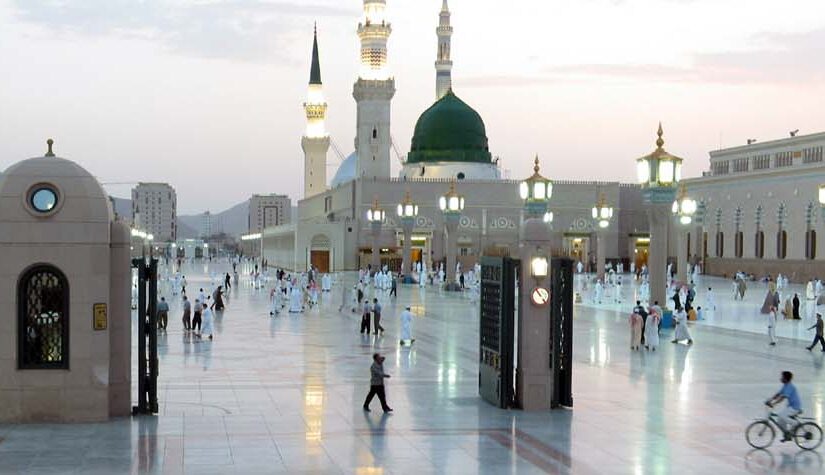
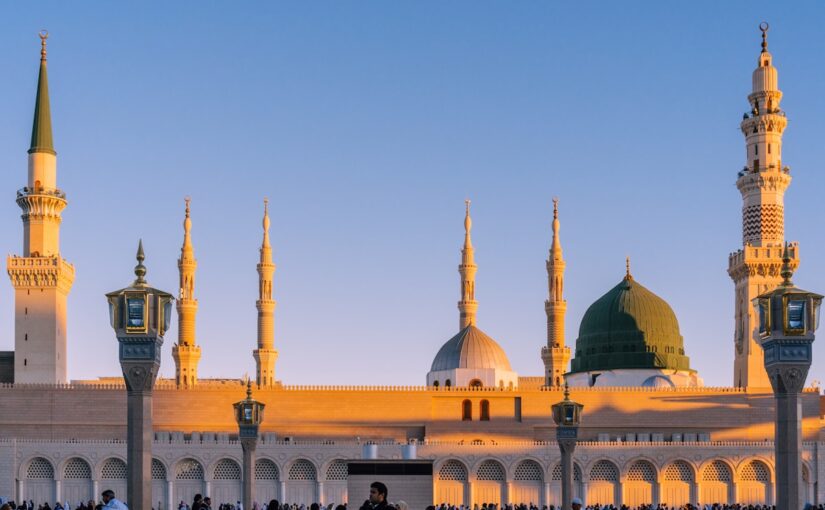
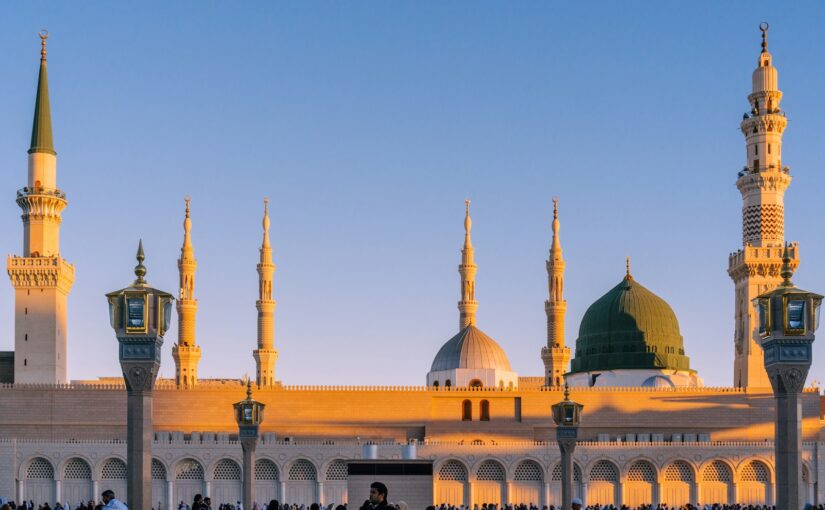
Keh Do Madine Jaana Hai” is a beautiful original naat sharif that reflects the profound love and attachment that Muslims feel for the blessed city of Madina Munawwarah. The naat captures the universal yearning of believers to visit the city where the Prophet Muhammad ﷺ established the first Islamic state and where his blessed soul rests in the Rawza Mubarak beneath the iconic green dome of Masjid an-Nabawi.

The Central Themes

Yearning for Madina

The recurring refrain “کہ دو مدینے جانا ہے” (Tell me, I must go to Madina) echoes throughout the naat as a cry of the heart. It reflects the spiritual longing that every believer experiences — a pull towards the city that is blessed by Allah’s final revelation and the presence of His beloved Prophet. This yearning is not just physical travel but a metaphor for spiritual journey and closeness to the Divine.

The Green Dome (سبز گنبد)

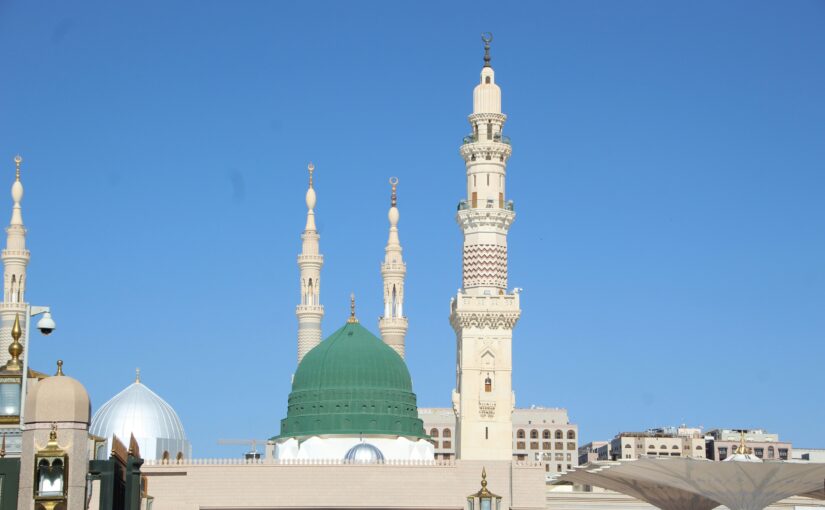
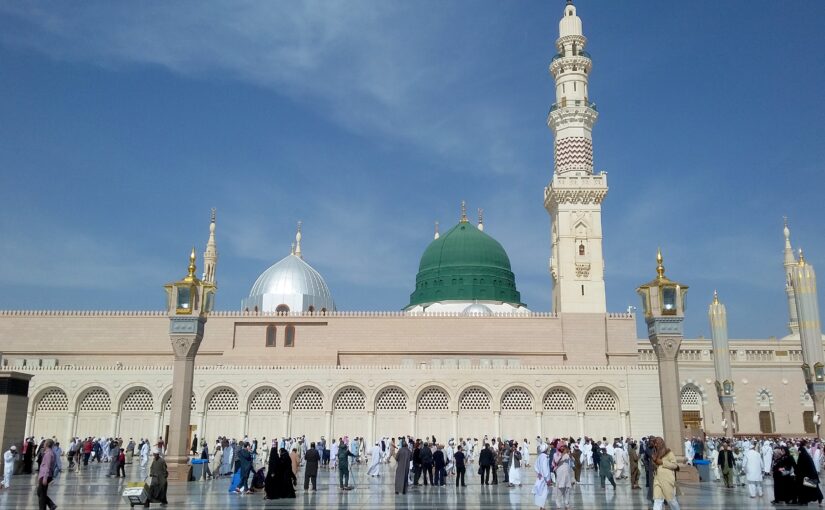
The iconic green dome of Masjid an-Nabawi is mentioned as a symbol of hope and healing. The naat beautifully conveys that those who visit the Prophet’s ﷺ mosque with sincere faith find their hearts mended and their prayers answered. The dome has become one of the most recognized symbols of Islam and represents the spiritual centre of the Muslim world.

Desire for Forgiveness and Mercy

The final verses speak of rain as a metaphor for divine mercy washing away sins. This reflects the Islamic belief that visiting Madina and the Prophet’s ﷺ mosque is a means of seeking forgiveness and drawing closer to Allah. The Prophet ﷺ said, “One prayer in this mosque of mine is better than a thousand prayers elsewhere” (Sahih Bukhari).

Spiritual Significance of Madina

Madina Munawwarah (the Illuminated City) holds a special place in the hearts of Muslims. It was to Madina that the Prophet Muhammad ﷺ migrated (Hijrah) in 622 CE, and it became the base from which Islam spread across the Arabian Peninsula. The city is home to:

  • Masjid an-Nabawi — The Prophet’s Mosque, the second holiest mosque in Islam
  • Rawza Mubarak — The blessed resting place of the Prophet Muhammad ﷺ
  • Jannat al-Baqi — The historic cemetery where many companions are buried
  • Masjid Quba — The first mosque built in Islamic history
  • Masjid al-Qiblatain — The mosque with two qiblas

Why We Recite Naat

Naat is a form of Islamic poetry that praises the Prophet Muhammad ﷺ. It is a way of expressing love, devotion, and gratitude to the one whom Allah has described as “a mercy to all the worlds” (Rahmatun Lil’Alameen). Reciting naat is considered a virtuous act that strengthens one’s faith and brings peace to the heart. The tradition of naat recitation goes back to the time of the Companions, including the famous poet Hassaan ibn Thabit (RA), who recited poetry in praise of the Prophet ﷺ with his approval.

May Allah grant us all the opportunity to visit the blessed city of Madina Munawwarah and the sacred Rawza of the Prophet Muhammad ﷺ. Ameen.

Madina Madina (مدینہ مدینہ) — Full Naat Lyrics in Urdu, English Translation and Meaning

Introduction

Madina Madina (مدینہ مدینہ) is one of the most beloved and widely recited naats in the Islamic world. This beautiful poetic composition expresses the deep love, longing, and spiritual attachment that Muslims feel for Madina Munawwarah — the blessed city of Prophet Muhammad (peace be upon him). The naat has been performed by numerous renowned naat khwans across the globe and continues to move hearts with its soulful melody and heartfelt words.

The phrase “Madina Madina” is a passionate call to the holy city, reflecting the yearning of every believer who wishes to visit the Rawdah Mubarak and offer salutations at the blessed shrine. This naat is especially popular during religious gatherings, Mehfil-e-Milaad, and in the month of Rabi-ul-Awwal when Muslims around the world celebrate the birth of the Prophet (PBUH). Its simple yet profound lyrics resonate with people of all ages and backgrounds, making it a staple in naat collections worldwide.

مدینہ مدینہ — اردو lyrics

مدینہ مدینہ مدینہ مدینہ

مدینے کا نظارہ دل چاہتا ہے
مدینے میں جا کر میں آنکھیں بچھا دوں

مدینہ مدینہ مدینہ مدینہ

جو آیا مدینے میں بخشش ہوئی ہے
مدینہ مدینہ مدینہ مدینہ

مدینے کی گلیوں میں آنسو بہا دوں
مدینے کی خاک اپنی آنکھوں میں لگ لوں

مدینہ مدینہ مدینہ مدینہ

مدینے میں ہے میرے آقا کا روضہ
مدینے میں جا کر سلام عرض کروں

مدینہ مدینہ مدینہ مدینہ

Romanized Transliteration

Madeena Madeena Madeena Madeena

Madeene ka nazaara dil chahta hai
Madeene mein jaakar main aankhen bichha doon

Madeena Madeena Madeena Madeena

Jo aaya Madeene mein bakhshish hui hai
Kisi ne kaha hai kisi ne suna hai

Madeena Madeena Madeena Madeena

Madeene ki galiyon mein aansoo bahaa doon
Madeene ki khaak apni aankhon mein lag loon

Madeena Madeena Madeena Madeena

Madeene mein hai mere Aaqa ka rouza
Madeene mein jaakar salaam arz karoon

Madeena Madeena Madeena Madeena

English Translation

Verse 1:
Madeena, Madeena, Madeena, Madeena —
My heart yearns to behold the sight of Madina.
Let me go to Madina and lay down my eyes (as an offering).

Verse 2:
Whoever has come to Madina has been blessed —
This is what someone has said, and someone has heard.

Verse 3:
Let me shed tears in the streets of Madina,
Let me apply the dust of Madina to my eyes.

Verse 4:
In Madina lies the sacred resting place of my Master,
Let me go to Madina and present my salaams.

Meaning and Background

The naat “Madina Madina” is a powerful expression of the spiritual longing that every Muslim feels towards the holy city of Madina Munawwarah. This city holds an unparalleled place in Islamic history and in the hearts of believers. It was the city that welcomed Prophet Muhammad (PBUH) during his migration (Hijra) from Makkah and became the center of the first Islamic state.

The lyrics beautifully capture several profound themes:

Longing for the Beloved City: The repeated chorus of “Madina Madina” is not merely a name but a heartfelt cry of love. It echoes the sentiment of millions of Muslims who have grown up hearing stories of the Prophet’s city and yearn to visit it at least once in their lifetime. The desire to “lay down one’s eyes” speaks to the ultimate submission and humility before the sacred precincts.

The Gift of Forgiveness: The naat mentions that whoever comes to Madina receives forgiveness. This refers to the immense spiritual blessings associated with visiting the Prophet’s mosque (Masjid an-Nabawi). It is narrated in authentic hadith that one prayer in Masjid an-Nabawi is better than a thousand prayers elsewhere. The atmosphere of Madina is believed to be filled with divine mercy and blessings.

Tears of Love: The reference to shedding tears in the streets of Madina reflects the emotional intensity of visiting a place so deeply connected to the Prophet’s life. Many pilgrims describe being moved to tears when they first see the green dome of the Prophet’s mosque. These tears are not of sorrow but of overwhelming love and spiritual connection.

Dust of Madina: Applying the dust of Madina to one’s eyes is a poetic expression of seeking blessings (tabarruk) from the sacred earth. This practice has been observed by Muslims throughout history, treating the soil of Madina with reverence because of its connection to the Prophet (PBUH).

The Sacred Rawdah: The naat culminates with the most profound truth — that in Madina lies the Rawdah Mubarak, the blessed resting place of Prophet Muhammad (PBUH). The Rawdah is described in hadith as one of the gardens of Paradise. Presenting salaam at the Rawdah is the culmination of every pilgrim’s journey, fulfilling the deep desire to greet the Prophet (PBUH) directly.

When and Where It Is Recited

“Madina Madina” is typically recited:

  • During Mehfil-e-Milaad gatherings celebrating the birth of the Prophet (PBUH)
  • At naat khwani events and Islamic musical gatherings
  • In the month of Rabi-ul-Awwal
  • On the occasion of Urs and other religious commemorations
  • By pilgrims traveling to or returning from Madina
  • In daily gatherings of dhikr and remembrance

Conclusion

“Madina Madina” remains one of the most cherished naats in the Urdu-speaking Muslim world. Its simple yet deeply emotional lyrics capture the universal love that Muslims hold for the city of the Prophet (PBUH). Whether recited in a quiet gathering or sung in a large congregation, this naat has the power to move hearts and remind believers of the ultimate goal — to be among those who are blessed to visit Madina and present their respects at the Rawdah of the beloved Prophet (peace be upon him). May Allah grant us all the opportunity to visit Madina Munawwarah. Ameen.

Popular Renditions of Madina Madina

The naat “Madina Madina” has been performed by countless naat khwans over the decades, each bringing their unique style and emotion to the recitation. Some of the most beloved renditions include those by Qari Waheed Zafar Qasmi, whose soulful voice adds a layer of spiritual depth to the lyrics. His rendition has become the most widely recognized version across the Indian subcontinent and is often played in homes, mosques, and Islamic gatherings.

Other notable reciters include Owais Raza Qadri, whose energetic and passionate style brings a different flavor to the naat, and Hafiz Ahmed Raza Qadri, whose melodious rendition has garnered millions of listeners online. In recent years, younger naat khwans have also recorded contemporary versions of this classic, introducing it to new generations. The naat has also been performed by international artists and featured in various Islamic music compilations.

The Spiritual Significance of Madina

To truly understand the depth of this naat, one must appreciate what Madina means in the Islamic spiritual tradition. Madina Munawwarah (the illuminated city) is not just a geographical location but a spiritual sanctuary. It is the city where the Prophet Muhammad (PBUH) built the first mosque, established the first Islamic community, and where he spent the last ten years of his blessed life. The very air of Madina is believed to carry barakah (divine blessings), and every corner of the city is steeped in sacred history.

The Prophet (PBUH) said, “Between my house and my pulpit is a garden from the gardens of Paradise” (Bukhari). This area, known as the Rawdah, is the heart of Masjid an-Nabawi and the focal point of every pilgrim’s visit. The love for Madina is so deeply ingrained in Muslim consciousness that even those who have never visited feel a profound connection to it – a connection beautifully expressed in the simple yet powerful refrain of “Madina Madina.”

Shah-e-Madina (شاہ مدینہ) – Owais Raza Qadri | Full Naat Lyrics & Translation

Shah-e-Madina (شاہ مدینہ) is one of the most beloved naats recited by Owais Raza Qadri. This beautiful tribute to the Holy Prophet ﷺ has touched millions of hearts across the world. With its soul-stirring melody and profound words, the naat expresses deep love and reverence for the King of Madina — Prophet Muhammad ﷺ.

The naat was originally written by the famous poet Syed Muhammad Sultan Rizvi and later popularized globally by Owais Raza Qadri’s powerful and emotional recitation. It is frequently recited at mehfils (spiritual gatherings) around the world, especially during the month of Rabi-ul-Awwal.

Urdu Lyrics (اشعار)

Verse 1

شاہ مدینہ شاہ مدینہ
Shah-e-Madina, Shah-e-Madina
King of Madina, King of Madina

تیرے در سے کوئی خالی نہ گیا
Tere dar se koi khaali na gaya
No one returned empty-handed from your door

Verse 2

تیری چوکھٹ پہ جو آیا ہے سلامت رہا
Terii chokhat pe jo aaya hai salaamat raha
Whoever came to your threshold remained safe

تیرا در ہر غم کا مداوا ہے مدینہ
Tera dar har gham ka madawa hai Madina
Your door is the cure for every sorrow, O Madina

Verse 3

اے شاہ مدینہ مجھے تیری پناہ
Aey Shah-e-Madina mujhe teri panaah
O King of Madina, grant me your refuge

تیرے در سے بڑھ کر نہیں کوئی جاہ
Tere dar se badh kar nahi koi jaah
There is no status greater than your doorstep

Verse 4

ہے بس ایک ہی التجا اے نبی
Hai bas ek hi iltija aey Nabi
I have just one plea, O Prophet

مجھے اپنی امت میں شامل کریں
Mujhe apni ummat mein shaamil karein
Include me in your Ummah (community)

Verse 5

ہے طلب صرف مدینہ ، ہے تمنا مدینہ
Hai talab sirf Madina, hai tamanna Madina
My desire is only Madina, my wish is Madina

ہر گھڑی یاد ہے مجھ کو وہ فضا ئے مدینہ
Har ghari yaad hai mujh ko woh faza-e-Madina
Every moment I remember the atmosphere of Madina

Verse 6

جس نے دیکھا اسے پھر بھول نہیں پاتا
Jis ne dekha use phir bhool nahi paata
Whoever saw it can never forget it

کوئی حسرت نہ رہی دل میں وہاں آنے کے بعد
Koi hasrat nah rahi dil mein wahan aane ke baad
No desire remains in the heart after arriving there

Verse 7

اے شاہ مدینہ مجھے بلا لو مدینہ
Aey Shah-e-Madina mujhe bula lo Madina
O King of Madina, call me to Madina

مجھے دیدارِ حبیبؐ کا شوق ہے بہت
Mujhe didaar-e-Habeeb ka shauq hai bohat
I long so much to see the Beloved Prophet ﷺ

Meaning and Significance

“Shah-e-Madina” translates to “The King of Madina,” a title of deep reverence for Prophet Muhammad ﷺ. The naat is a heartfelt expression of a believer’s longing to visit the blessed city of Madina and to be in the presence of the Prophet ﷺ.

The opening line, “Shah-e-Madina, Shah-e-Madina”, is an emotional cry that immediately draws the listener into a state of spiritual reflection. It is not merely a repetition of words but a declaration of love and allegiance to the greatest of Allah’s creations.

One of the most poignant themes in the naat is the supplication for refuge at the Prophet’s doorstep. The line “Aey Shah-e-Madina mujhe teri panaah” reflects the deep Islamic belief that seeking closeness to the Prophet ﷺ is a means of drawing closer to Allah Himself. It echoes the Quranic verse: “And if they had come to you when they wronged themselves… they would have found Allah Accepting of repentance and Merciful” (Quran 4:64).

The naat also beautifully captures the emotional pain of separation from Madina — a feeling well known to anyone who has visited the holy city and left with a longing to return. The verse “Har ghari yaad hai mujh ko woh faza-e-Madina” speaks to this universal experience of the Muslim heart.

Owais Raza Qadri, the renowned Naat Khwan from Pakistan, has become synonymous with this naat. His distinctive voice and passionate delivery have made “Shah-e-Madina” a staple at naat gatherings worldwide. Born in 1974 in Faisalabad, Owais Raza Qadri is one of the most celebrated naat reciters of the modern era, with millions of followers across the globe.

The poet Syed Muhammad Sultan Rizvi wrote the lyrics with such depth that every verse carries layers of meaning — from the simple longing of a devotee to the profound spiritual station of the Prophet ﷺ. The naat reminds believers that the door of the Prophet ﷺ is always open, and no one who comes with sincere love is ever turned away.

In a world filled with anxiety and uncertainty, “Shah-e-Madina” offers solace. Its repeated invocation of the Prophet’s name acts as a spiritual anchor, calming the heart and renewing faith. The naat is more than poetry — it is a supplication, a love letter, and a declaration of faith all woven together.

Listening to or reciting this naat is considered a form of dhikr (remembrance), bringing barakah (blessings) and spiritual peace. Many Muslims make it a daily practice to listen to “Shah-e-Madina” as part of their morning or evening routines, finding in it a connection to the Prophet ﷺ that transcends time and distance.

May Allah grant us all the opportunity to visit the blessed city of Madina and be counted among the followers of the beloved Prophet Muhammad ﷺ. Ameen.

Ya Mustafa Ya Mujtaba (یا مصطفیٰ یا مجتبیٰ) — Naat Lyrics in Urdu, English Translation and Meaning

“Ya Mustafa Ya Mujtaba” is a beloved naat in praise of Prophet Muhammad (peace be upon him). The title calls out to the Prophet as “Mustafa” (the Chosen One) and “Mujtaba” (the Elected One), two of his most honoured titles. This naat is recited in mosques, at religious gatherings, and in homes across the Muslim world.

Below you will find the complete lyrics in Urdu script, along with English transliteration and translation, plus the meaning and background of this beautiful naat.

Ya Mustafa Ya Mujtaba — Urdu Lyrics

یامصطفیٰ یامجتبیٰ
اے خدا کے محبوب مصطفیٰ
یا مصطفیٰ یا مجتبیٰ

میرے دل کا سکون ہے تم ہو
میرے غم کا علاج ہے تم ہو
مجھ کو تیری پناہ چاہیے
میرے آقا تمہارا نام لیا

یا مصطفیٰ یا مجتبیٰ
اے خدا کے محبوب مصطفیٰ
یا مصطفیٰ یا مجتبیٰ

تم ہو رحمت دو جہاں کے لیے
تم ہو نورِ خدا کا جلوہ گری
تم ہی سب سے مکیں و مدنی
تم ہی شافع ہو امت کے لیے

یا مصطفیٰ یا مجتبیٰ
اے خدا کے محبوب مصطفیٰ
یا مصطفیٰ یا مجتبیٰ

دل میں ہے شوق مدینہ کا
آنکھوں میں ہے خواب حرم کا
مجھ کو لے چل مدینے جا کے
ایک بار دیدار کرا دے ساقی

یا مصطفیٰ یا مجتبیٰ
اے خدا کے محبوب مصطفیٰ
یا مصطفیٰ یا مجتبیٰ

تیرے در پر آیا ہوں میں
تیرے صدقے میں نے سب کھویا
دے دے اک نظر کرم کی مجھ پر
میری بخشش کا ذریعہ بنا

یا مصطفیٰ یا مجتبیٰ
اے خدا کے محبوب مصطفیٰ
یا مصطفیٰ یا مجتبیٰ

English Transliteration

Ya Mustafa Ya Mujtaba
Aye Khuda Ke Mahboob Mustafa
Ya Mustafa Ya Mujtaba

Mere Dil Ka Sukoon Hai Tum Ho
Mere Gham Ka Ilaaj Hai Tum Ho
Mujh Ko Teri Panah Chahiye
Mere Aaqa Tumhara Naam Liya

Ya Mustafa Ya Mujtaba
Aye Khuda Ke Mahboob Mustafa
Ya Mustafa Ya Mujtaba

Tum Ho Rehmat Do Jahan Ke Liye
Tum Ho Noor-e-Khuda Ka Jalwa Gari
Tum Hi Sabse Makki o Madani
Tum Hi Shafi’e Ho Ummat Ke Liye

Ya Mustafa Ya Mujtaba
Aye Khuda Ke Mahboob Mustafa
Ya Mustafa Ya Mujtaba

Dil Mein Hai Shauq Madina Ka
Ankhon Mein Hai Khwab Haram Ka
Mujh Ko Le Chal Madine Ja Ke
Ek Baar Deedar Kara De Saqi

Ya Mustafa Ya Mujtaba
Aye Khuda Ke Mahboob Mustafa
Ya Mustafa Ya Mujtaba

Tere Dar Par Aaya Hoon Main
Tere Sadqe Mein Ne Sab Khoya
De De Ek Nazar Karam Ki Mujh Par
Meri Bakhshish Ka Zariya Bana

Ya Mustafa Ya Mujtaba
Aye Khuda Ke Mahboob Mustafa
Ya Mustafa Ya Mujtaba

English Translation

Verse 1

O Mustafa, O Mujtaba —
O beloved of God, Mustafa
O Mustafa, O Mujtaba

You are the peace of my heart
You are the cure for my sorrows
I need your protection
My master, I have taken your name

Verse 2

You are mercy for both worlds
You are the manifestation of God’s light
You are the one honoured in Makkah and Madinah
You are the intercessor for the Ummah

Verse 3

My heart longs for Madinah
My eyes dream of the Haram (sacred sanctuary)
Take me to Madinah
Let me once behold the blessed sight

Verse 4

I have come to your doorstep
I have lost everything in your devotion
Cast one merciful glance upon me
Be the means of my forgiveness

Meaning and Background

The titles “Mustafa” (the Chosen One) and “Mujtaba” (the Elected One) are among the many names of Prophet Muhammad (peace be upon him). These names reflect his unique status as God’s chosen messenger and the final prophet in Islam.

This naat expresses deep love and devotion for the Prophet. Each verse reflects a different aspect of the believer’s relationship with him: seeking peace from worldly troubles, acknowledging his role as mercy for all creation, longing to visit his city of Madinah, and ultimately hoping for his intercession and forgiveness.

The line “Tum Ho Rehmat Do Jahan Ke Liye” references the Quranic verse where Allah says about the Prophet: “We have not sent you except as a mercy to the worlds” (Surah Al-Anbiya, 21:107). This is a central belief in Islam — that the Prophet Muhammad (peace be upon him) was sent as a mercy not just for humans, but for all of creation.

The longing for Madinah expressed in the third verse is a common theme in Islamic poetry. Madinah is the city where the Prophet migrated to and where his blessed resting place is located. Visiting his mosque and offering greetings at his tomb is a deeply spiritual experience for Muslims.

This naat is often recited during gatherings, especially on Fridays and during the month of Rabi-ul-Awwal, when Muslims commemorate the Prophet’s birth. Many famous naat khawans have performed this piece, and it remains popular across South Asia and beyond.

Why ‘Ya Mustafa Ya Mujtaba’ is So Beloved

Several factors make this naat a favourite among reciters and listeners:

  • Simple yet powerful lyrics — the words are easy to remember while carrying deep spiritual meaning.
  • Universal appeal — the themes of love, longing, and hope for intercession resonate with all Muslims.
  • Melodic structure — the repeating chorus makes it easy to join in and creates a meditative rhythm.
  • Emotional depth — the verses express sincere devotion that moves both reciters and listeners.

About the Poet

“Ya Mustafa Ya Mujtaba” is a traditional naat, and its exact origins are not well documented. Like many classical naats, it has been passed down through generations of oral tradition. Various naat reciters have popularised different versions of the lyrics, which is common in the naat tradition.

The naat tradition itself dates back to the time of the Prophet (peace be upon him), when companion poets like Hassan ibn Thabit recited poetry in his praise. Today, naats continue to be an important form of Islamic devotion and artistic expression.

May this naat bring peace to your heart and draw you closer to the love of Prophet Muhammad (peace be upon him).

Mere Muhammad (میرے محمد) — Naat Lyrics in Urdu, English Translation and Meaning

Introduction

The Naat “Mere Muhammad (میرے محمد)” is one of the most beloved and widely recited Naats in the Islamic world. Recited by the renowned Naat Khawan Owais Raza Qadri, this beautiful Naat expresses deep love, devotion, and longing for Prophet Muhammad ﷺ. Every verse captures the heartfelt emotions of a believer who finds no rest without the remembrance of the Beloved Prophet.

This Naat has touched millions of hearts across the globe and is recited in Mehfil-e-Milad gatherings, Islamic conferences, and daily spiritual routines. Its simple yet profound lyrics make it accessible to people of all ages, while its message of unconditional love for the Prophet ﷺ resonates deeply within the soul.

History and Significance

“Mere Muhammad” was popularized by Owais Raza Qadri, a world-famous Naat Khawan from Pakistan who has dedicated his life to spreading the love of Prophet Muhammad ﷺ through his soulful voice. The Naat is written in a contemporary Urdu style that blends classical poetic elements with modern expression, making it a favourite among young and old alike.

The Naat is often recited during Milad-un-Nabi (the celebration of the Prophet’s ﷺ birth), at Urs gatherings, and in daily assemblies where devotees gather to remember Allah and His Messenger. It has been translated into multiple languages including English, Hindi, and Turkish, reaching audiences far beyond the Urdu-speaking world.

The central theme of “Mere Muhammad” is the spiritual connection between a believer and the Prophet ﷺ. The lyrics speak of a heart that finds peace only in the remembrance of Muhammad ﷺ, of eyes that long to see the blessed city of Madina, and of a soul that seeks intercession through love of the Prophet.

Mere Muhammad (میرے محمد) — Full Naat Lyrics in Urdu

Below are the complete Urdu lyrics of Mere Muhammad as recited by Owais Raza Qadri:

میرے محمد ﷺ تم ہو میرے لیے
دنیا و عقبیٰ کی اک اک گھڑی

تم ہی ملے تو سب کچھ ملا
تم نہ ملے تو کچھ بھی نہیں

میرے محمد ﷺ تم ہو میرے لیے
ہر سانس تم پر فدا ہو نبی

تم ہو مری آنکھوں کی روشنی
تم ہو مرے دل کی دھڑکن نبی

میرے محمد ﷺ تم ہو میرے لیے
کتنا ہے پیارا تمہارا نام

تم سے ہے میری زندگی سنورتی
تم سے ہے میری آخرت سنورتی

میرے محمد ﷺ تم ہو میرے لیے
کتنا ہے پیارا تمہارا دامن

تھام لوں گا تمہارا دامن
چھوڑوں گا نہیں کبھی نبی

میرے محمد ﷺ تم ہو میرے لیے
تم کو چاہوں تو بن جائے بات

تم کو چاہوں تو مل جائے ساتھ
تم کو چاہوں تو مل جائے سب کچھ

میرے محمد ﷺ تم ہو میرے لیے
آؤ مدینے چلیں نبی

روضے پہ جا کر جھکیں نبی
آنکھوں میں بھر لیں دیدار نبی

میرے محمد ﷺ تم ہو میرے لیے
تم سے ہے رونق محفل نبی

تم سے ہے روشن ہر منزل نبی
تم سے ہے میرا ایمان نبی

میرے محمد ﷺ تم ہو میرے لیے

English Transliteration

For those who cannot read Urdu, here is the Roman English transliteration of this beautiful Naat:

Mere Muhammad ﷺ tum ho mere liye
Duniya wa uqba ki ek ek ghari

Tum hi mile to sab kuch mila
Tum na mile to kuch bhi nahi

Mere Muhammad ﷺ tum ho mere liye
Har saans tum par fida ho Nabi

Tum ho meri aankhon ki roshni
Tum ho mere dil ki dhadkan Nabi

Mere Muhammad ﷺ tum ho mere liye
Kitna hai pyara tumhara naam

Tum se hai meri zindagi sanwarti
Tum se hai meri aakhirat sanwarti

Mere Muhammad ﷺ tum ho mere liye
Kitna hai pyara tumhara daaman

Thaam loonga tumhara daaman
Chhoroonga nahi kabhi Nabi

Mere Muhammad ﷺ tum ho mere liye
Tum ko chahoon to ban jaaye baat

Tum ko chahoon to mil jaaye saath
Tum ko chahoon to mil jaaye sab kuch

Mere Muhammad ﷺ tum ho mere liye
Aao Madine chalein Nabi

Rouza pe ja kar jhukein Nabi
Aankhon mein bhar lein deedaar Nabi

Mere Muhammad ﷺ tum ho mere liye
Tum se hai raunaq mehfil Nabi

Tum se hai roshan har manzil Nabi
Tum se hai mera imaan Nabi

Mere Muhammad ﷺ tum ho mere liye

English Translation and Meaning

Verse 1: “Mere Muhammad, tum ho mere liye — Duniya wa uqba ki ek ek ghari”
Meaning: O my Muhammad ﷺ, you are everything to me — in every moment of this world and the Hereafter. The poet expresses that the Prophet ﷺ is the central figure in both worldly and spiritual life.

Verse 2: “Tum hi mile to sab kuch mila — Tum na mile to kuch bhi nahi”
Meaning: If I have found you (O Prophet), I have found everything. If I have not found you, I have found nothing. This powerful line conveys that the love and connection with Prophet Muhammad ﷺ is the ultimate treasure.

Verse 3: “Har saans tum par fida ho Nabi”
Meaning: Every breath is sacrificed for you, O Prophet. This reflects the depth of devotion where every moment of life is dedicated to the love of the Prophet ﷺ.

Verse 4: “Tum ho meri aankhon ki roshni — Tum ho mere dil ki dhadkan”
Meaning: You are the light of my eyes — you are the heartbeat of my heart. This metaphor beautifully illustrates how the Prophet ﷺ is the source of spiritual vision and the very pulse of a believer’s existence.

Verse 5: “Aao Madine chalein Nabi — Rouza pe ja kar jhukein Nabi”
Meaning: Let us go to Madina, O Prophet — let us bow at your blessed tomb. This expresses the profound longing that every believer feels to visit the city of Madina and pay respects at the Rawza Mubarak of the Prophet ﷺ.

Who Wrote This Naat?

The Naat “Mere Muhammad” is popularized by Owais Raza Qadri, one of the most famous Naat Khawans of the modern era. Born in 1989 in Karachi, Pakistan, Owais Raza Qadri belongs to the Qadri Sufi order and is known for his emotional and melodious renditions of Naats that connect deeply with listeners. He is a student of the renowned religious scholar Maulana Ilyas Qadri and his Naats are regularly featured on Madani Channel and other Islamic media platforms worldwide.

When Is This Naat Recited?

“Mere Muhammad” is a versatile Naat recited on many occasions, including:

  • Milad-un-Nabi (12th Rabi-ul-Awwal) — The celebration of the Prophet’s birth
  • Mehfil-e-Milad gatherings — Weekly or monthly congregations of Naat recitation
  • Urs celebrations — Of Awliya Allah (saints) where Naat is recited in their honour
  • Eid Milad events — Around the Islamic world
  • Daily spiritual routine — Many believers listen to this Naat daily as part of their spiritual practice
  • Ramadan and other blessed nights — Particularly during Shab-e-Barat and other sacred occasions

Why Mere Muhammad Is So Special

What makes “Mere Muhammad” stand out among thousands of Naats is its universal appeal. The lyrics are straightforward yet deeply meaningful, making it easy for anyone to connect with. The melody is soul-stirring, and when recited by Owais Raza Qadri, it brings tears to the eyes of listeners. The Naat’s refrain of “Mere Muhammad, tum ho mere liye” strikes directly at the heart, reminding believers that the Prophet ﷺ is not just a historical figure but a living reality in the lives of those who love him.

The Naat has become a staple at Mehfil-e-Milad gatherings globally and enjoys millions of views on digital platforms. It transcends cultural and linguistic boundaries, being equally loved in Pakistan, India, Bangladesh, the UK, the USA, the Middle East, and beyond. Its message of unconditional love and devotion to the Prophet ﷺ makes it timeless.

Frequently Asked Questions

Q: Who recited “Mere Muhammad”?
A: This Naat is famously recited by Owais Raza Qadri.

Q: Is “Mere Muhammad” a Naat or a Manqbat?
A: It is a Naat, as it praises Prophet Muhammad ﷺ.

Q: What language is the Naat in?
A: The Naat is in Urdu with some Arabic phrases.

Q: Where can I listen to this Naat?
A: You can find it on YouTube, Spotify, soundcloud, and various Islamic audio platforms by searching “Mere Muhammad Owais Raza Qadri”.

Q: Can I use these lyrics for my Mehfil?
A: Yes, these lyrics are freely shared to spread the love of Prophet Muhammad ﷺ. You are welcome to use them in your gatherings.

Conclusion

“Mere Muhammad (میرے محمد)” is more than just a Naat — it is a heartfelt expression of love for the greatest human being to ever walk the earth, Prophet Muhammad ﷺ. Its simple yet profound words remind us that true success lies in the love and devotion to our beloved Prophet. May Allah ﷻ grant us all the ability to visit the blessed city of Madina and spend our lives in the love of the Prophet ﷺ. Ameen.

May this Naat bring peace to your heart and strengthen your bond with the Beloved Prophet ﷺ. Share it with your family and friends to spread the blessings.

No schema found.

Ya Ghous-e-Azam (یا غوث اعظم) — Manqbat Lyrics in Urdu, English Translation and Meaning

Ya Ghous-e-Azam (یا غوث اعظم) — Manqbat Lyrics in Urdu and English Translation

“Ya Ghous-e-Azam” is a famous manqbat written in praise of Sheikh Abdul Qadir Jilani (R.A.), the revered Sufi saint and founder of the Qadiriyya order. Also known as Ghous-e-Azam and Ghous-ul-Azam (the Greatest Helper), his spiritual rank is held in the highest regard by Muslims around the world. This manqbat is frequently recited at gatherings and milads, especially by those who follow the Qadri tradition.

Below are the full lyrics in Urdu, along with English transliteration and translation, as well as the spiritual meaning behind this beautiful manqbat.

Ya Ghous-e-Azam Manqbat — Full Lyrics in Urdu

یا غوث اعظم یا غوث اعظم
میرے غم کا نہ رہے کچھ اثر
مجھ کو اپنا کر لے یا میرے آقا
دردِ دل کا مجھے نہ رہے خبر

آپ کی ذات سے روشنی ہے
آپ سے ہے سب کا نورِ نظر
آپ کی بارگاہ میں جھک کر
ملتا ہے سب کو رزقِ بشر

یا غوث اعظم یا غوث اعظم
غمِ دل کا مداوا فرما دے
دردِ دل کی دوائی دے دے
دل کو میرا اپنی محبت سے بھر دے

آپ ہو بابِ حاجت خدا کے
آپ ہو سائلوں کی پناہ
تھام لو میرا ہاتھ غوث اعظم
ڈوبتے کو کنارہ لا دے

دنیا و عقبیٰ میں ہو سہارا
آپ کا فیض ہے ہر گھڑی جاری
یا غوث اعظم یا غوث اعظم
مجھ کو اپنی نظر میں رکھے

English Transliteration

Ya Ghous-e-Azam, Ya Ghous-e-Azam
Mere gham ka na rahe kuchh asar
Mujh ko apna kar le ya mere aaqa
Dard-e-dil ka mujhe na rahe khabar

Aap ki zaat se roshni hai
Aap se hai sab ka noor-e-nazar
Aap ki bargaah mein jhuk kar
Milta hai sab ko rizq-e-bashar

Ya Ghous-e-Azam, Ya Ghous-e-Azam
Gham-e-dil ka dawa farama de
Dard-e-dil ki dawai de de
Dil ko mera apni mohabbat se bhar de

Aap ho baab-e-haajat Khuda ke
Aap ho sailon ki panah
Thaam lo mera haath Ghous-e-Azam
Doobte ko kinara la de

Duniya wa uqba mein ho sahara
Aap ka faiz hai har ghari jaari
Ya Ghous-e-Azam, Ya Ghous-e-Azam
Mujh ko apni nazar mein rakhe

English Translation

Verse 1:
O Greatest Helper, O Greatest Helper
Let the effect of my sorrows fade away
Accept me as your own, O my master
Let me not even know the pain of my heart

Verse 2:
Your being is the source of light
From you comes the vision of all
By bowing at your court
Everyone receives their sustenance

Verse 3:
O Greatest Helper, O Greatest Helper
Provide the remedy for my heart’s grief
Give me the medicine for heart’s pain
Fill my heart with your love

Verse 4:
You are the door to God’s needs
You are the refuge of those who ask
Hold my hand, O Ghous-e-Azam
Bring the drowning one to shore

Verse 5:
In this world and the next, be my support
Your blessings flow at every moment
O Greatest Helper, O Greatest Helper
Keep me within your gaze

Meaning and Background

Sheikh Abdul Qadir Jilani (R.A.) was born in 1077 CE in the Iranian province of Gilan and passed away in 1166 CE in Baghdad. He is one of the most revered saints in Islamic history, known for his deep spiritual knowledge, piety, and countless miracles. His teachings emphasised the purification of the soul, devotion to Allah, and love for Prophet Muhammad (PBUH).

The title “Ghous-e-Azam” means “The Greatest Helper” or “The Supreme Supporter.” In Sufi tradition, a Ghous is a saint of the highest spiritual rank, one through whom divine help flows to all creation. Muslims who follow the Sufi path believe that calling upon Ghous-e-Azam in times of hardship brings spiritual relief and divine assistance.

This manqbat expresses the deep love and reliance that devotees feel towards Sheikh Abdul Qadir Jilani (R.A.). Each verse humbly asks for his intercession, spiritual healing, and protection. The repeated refrain “Ya Ghous-e-Azam” is a call for help and connection, acknowledging his special status as a beloved servant of Allah.

The line “Aap ki zaat se roshni hai” (Your being is the source of light) refers to the spiritual illumination that saints bring into the world. In Islamic mysticism, saints are seen as mirrors reflecting divine light, guiding others towards the truth.

This manqbat is traditionally recited on Thursday nights and during Qadiriyya gatherings. Many devotees make it a regular practice to recite it as part of their daily wird (spiritual routine) for seeking blessings and protection.

Significance in Islamic Tradition

While the love and reverence for saints like Ghous-e-Azam is deeply rooted in Sufi Islam, it is important to understand the Islamic basis for such devotion. The Quran says in Surah Al-Maida (5:35): “O you who have believed, fear Allah and seek the means of approach (wasila) to Him.” Many scholars interpret “wasila” as including the intercession of righteous servants of Allah.

Sheikh Abdul Qadir Jilani (R.A.) himself emphasised strict adherence to the Quran and Sunnah. His famous saying, “My feet are upon the neck of every saint of Allah,” highlights the supreme spiritual rank granted to him by Allah. This manqbat is not about worshipping the saint, but about seeking his blessed intercession and following his spiritual guidance.

The practice of reciting manqbats and naats keeps the hearts of believers connected to the love of Allah and His righteous servants. It is a form of spiritual poetry that has been part of Islamic culture for centuries.

How to Recite This Manqbat

This manqbat is typically recited in a melodious voice, with deep focus and devotion. It can be recited alone or in a gathering. Many people find peace by reciting it after Fajr or Maghrib prayers. The key is to recite with understanding of the meaning and sincere intention in the heart.

For the full experience, listen to recordings by renowned naat khwans such as Owais Raza Qadri or other Qadri reciters who have popularised this manqbat with beautiful compositions.

Labbaik Ya Rasool Allah (لبیک یا رسول اللہ) — Naat Lyrics in Urdu, English Translation and Meaning

Introduction to Labbaik Ya Rasool Allah (لبیک یا رسول اللہ)

“Labbaik Ya Rasool Allah” is a powerful and soul-stirring naat that has captured the hearts of millions of Muslims around the world. The title “Labbaik Ya Rasool Allah” translates to “I am here, O Messenger of Allah” – a phrase of profound devotion and submission to Prophet Muhammad (peace be upon him). This naat is famously recited by the beloved naat khwan Hafiz Tahir Qadri, whose melodious voice has made this naat immensely popular across the globe.

The naat carries a message of unwavering love, sacrifice, and commitment to the Prophet Muhammad (PBUH). It inspires believers to spread the message of Islam, stand up for the honor of the Prophet, and dedicate their lives to his teachings. The recurring refrain “Labbaik Ya Rasool Allah” echoes the spirit of the Hajj pilgrimage where pilgrims chant “Labbaik Allahumma Labbaik” (Here I am, O Allah, here I am), but here it is directed to the beloved Prophet, symbolizing the deep love and connection Muslims feel for him.

Full Urdu Lyrics of Labbaik Ya Rasool Allah

لبیک یا رسول اللہ

لبیک یا رسول اللہ لبیک یا رسول اللہ
لبیک لبیک لبیک یا رسول اللہ

خود کو مٹا دیں گے، ہم جان لُٹا دیں گے
ناموسِ آقا پر، ہم سر کٹا دیں گے

لبیک لبیک لبیک یا رسول اللہ
حاضر ہیں حاضر ہیں حاضر ہیں ہم
لبیک لبیک لبیک یا رسول اللہ

کریا کریا بستی بستی ذکر نبی کا عام کرو
پیارے آقا کے دیوانوں ! ہاتھ میں ڈالے ہاتھ چلو
حب نبی کے ہر دل میں، تم جا کے دیپ جلاؤ
اونچے میں اونچا نبی کا جھنڈا، گھر گھر میں لہراؤ

خود کو مٹا دیں گے، ہم جان لُٹا دیں گے
ناموسِ آقا پر، ہم سر کٹا دیں گے

لبیک لبیک لبیک یا رسول اللہ
حاضر ہیں حاضر ہیں حاضر ہیں ہم
لبیک لبیک لبیک یا رسول اللہ

ابن علی نے کرب و بلا میں تم کو یہ پیغام دیا
یاد رکھو پیارے آقا نے تم کو پاک نظام دیا
توڑ دو بازو کی قوت کو، ظلم کے ایذاں ڈھاؤ
اونچے میں اونچا نبی کا جھنڈا ہر گھر میں لہراؤ

خود کو مٹا دیں گے، ہم جان لُٹا دیں گے
ناموسِ آقا پر، ہم سر کٹا دیں گے

سبز ہلالی پرچم یارو! ہم کو جان سے پیارا ہے
اس پر گنبدِ خضریٰ ہو یہ منشور ہمارا ہے
اس گنبد کے سائے تلے تم سارے ایک ہو جاؤ
نبی کا جھنڈا، امن کا جھنڈا ہر گھر میں لہراؤ

لب پہ نعتِ پاک کا نغمہ، کل بھی تھا اور آج بھی ہے
میرے نبی سے میرا رشتہ، کل بھی تھا اور آج بھی ہے
بتلا دو تم دشمنِ نبی کو، غیرتِ مسلم زندہ ہے
دین پہ مر مٹنے کا جذبہ، کل بھی تھا اور آج بھی ہے

رنگ برنگے جھنڈے چھوڑو، تھام لو گنبد والا
ہم سے راضی ہو جائے گا، سوہنے مدینے والا
اس پرچم کے سائے تلے تم مل کر قدم بڑھاؤ
اونچے میں اونچا نبی کا جھنڈا ہر گھر میں لہراؤ

English Transliteration (Roman Urdu)

Labbaik Ya Rasool Allah, Labbaik Ya Rasool Allah
Labbaik, Labbaik, Labbaik Ya Rasool Allah

Khud ko mita denge, hum jaan luta denge
Naamoose Aaqa par, hum sar kata denge

Labbaik, Labbaik, Labbaik Ya Rasool Allah
Haazir hain, haazir hain, haazir hain hum
Labbaik, Labbaik, Labbaik Ya Rasool Allah

Kariya kariya, basti basti, zikr nabi ka aam karo
Pyaare aaqa ke deewano, haath mein daale haath chalo
Hubb-e-nabi ka har dil mein, tum jaake deep jalaao
Unche mein uncha nabi ka jhanda, ghar ghar mein lehraao

Khud ko mita denge, hum jaan luta denge
Naamoose Aaqa par, hum sar kata denge

Ibne Ali ne karbo-bala mein tumko yeh paighaam diya
Yaad rakho pyaare aaqa ne tumko paak nizaam diya
Tod do baahu ki quwwat ko, zulm ke aezaan dhaao
Unche mein uncha nabi ka jhanda, har ghar mein lehraao

Sabz hilaali parcham yaaro, hum ko jaan se pyaara hai
Is par gumbad-e-Khazra ho, yeh manshoor hamaara hai
Is gumbad ke saaye tale tum saare ek ho jaao
Nabi ka jhanda, aman ka jhanda, har ghar mein lehraao

Lab pe naat-e-paak ka naghma, kal bhi tha aur aaj bhi hai
Mere nabi se mera rishta, kal bhi tha aur aaj bhi hai
Batla do tum dushman-e-nabi ko, ghairat-e-muslim zinda hai
Deen pe mar mitne ka jazba, kal bhi tha aur aaj bhi hai

Rang birange jhande chhodo, thaam lo gumbad waala
Hum se raazi ho jayega, sohne madine waala
Is parcham ke saaye tale tum mil kar qadam badaao
Unche mein uncha nabi ka jhanda, har ghar mein lehraao

English Translation of Each Verse

Verse 1: Labbaik Ya Rasool Allah, Labbaik Ya Rasool Allah / Labbaik, Labbaik, Labbaik Ya Rasool Allah
Translation: I am here, O Messenger of Allah. I am here, O Messenger of Allah. I am here, I am here, I am here, O Messenger of Allah.

Verse 2: Khud ko mita denge, hum jaan luta denge / Naamoose Aaqa par, hum sar kata denge
Translation: We will annihilate ourselves, we will sacrifice our lives / For the honor of our Master, we will lay down our heads.

Verse 3: Kariya kariya, basti basti, zikr nabi ka aam karo / Pyaare aaqa ke deewano, haath mein daale haath chalo / Hubb-e-nabi ka har dil mein, tum jaake deep jalaao / Unche mein uncha nabi ka jhanda, ghar ghar mein lehraao
Translation: In every street, every settlement, spread the remembrance of the Prophet / O lovers of the beloved Master, walk hand in hand / Light the lamp of love for the Prophet in every heart / Raise the flag of the Prophet, the highest of all, in every home.

Verse 4: Ibne Ali ne karbo-bala mein tumko yeh paighaam diya / Yaad rakho pyaare aaqa ne tumko paak nizaam diya / Tod do baahu ki quwwat ko, zulm ke aezaan dhaao / Unche mein uncha nabi ka jhanda, har ghar mein lehraao
Translation: The son of Ali (Imam Hussain) gave you this message in Karbala / Remember that the beloved Master gave you a pure system / Break the power of oppression, destroy the tools of tyranny / Raise the flag of the Prophet, the highest of all, in every home.

Verse 5: Sabz hilaali parcham yaaro, hum ko jaan se pyaara hai / Is par gumbad-e-Khazra ho, yeh manshoor hamaara hai / Is gumbad ke saaye tale tum saare ek ho jaao / Nabi ka jhanda, aman ka jhanda, har ghar mein lehraao
Translation: O friends, the green crescent flag is dearer to us than life / With the Green Dome upon it, this is our manifesto / Under the shade of this dome, become one united / The flag of the Prophet, the flag of peace, raise in every home.

Verse 6: Lab pe naat-e-paak ka naghma, kal bhi tha aur aaj bhi hai / Mere nabi se mera rishta, kal bhi tha aur aaj bhi hai / Batla do tum dushman-e-nabi ko, ghairat-e-muslim zinda hai / Deen pe mar mitne ka jazba, kal bhi tha aur aaj bhi hai
Translation: The melody of the sacred naat on my lips, it was there yesterday and it is here today / My connection to my Prophet, it was there yesterday and it is here today / Tell the enemies of the Prophet that the honor of the Muslim is still alive / The spirit to die for the faith, it was there yesterday and it is here today.

Verse 7: Rang birange jhande chhodo, thaam lo gumbad waala / Hum se raazi ho jayega, sohne madine waala / Is parcham ke saaye tale tum mil kar qadam badaao / Unche mein uncha nabi ka jhanda, har ghar mein lehraao
Translation: Leave aside the colourful flags, hold onto the one with the dome / The beautiful one of Madinah will be pleased with us / Under the shade of this flag, step forward together / Raise the flag of the Prophet, the highest of all, in every home.

Meaning and Spiritual Significance

“Labbaik Ya Rasool Allah” is much more than a naat; it is a declaration of love and allegiance to Prophet Muhammad (PBUH). The central theme revolves around the willingness to sacrifice everything for the honor of the Prophet. The phrase “Labbaik” (I am here) is deeply rooted in Islamic tradition, originally used in the Hajj pilgrimage as “Labbaik Allahumma Labbaik.” By addressing this directly to the Prophet, the naat draws a powerful parallel between the devotion of Hajj and the devotion to the Prophet.

The naat emphasizes several key themes:

  • Sacrifice and Devotion: The recurring pledge to sacrifice life and limb for the Prophet’s honor reflects the highest form of spiritual love.
  • Spreading the Message: The call to spread the remembrance of the Prophet in every street and settlement is a reminder of the duty of every Muslim to share the beauty of Islam.
  • Unity: The imagery of walking hand in hand and uniting under the Green Dome emphasizes Muslim unity and brotherhood.
  • Steadfastness: The verses about Imam Hussain’s message in Karbala remind believers of the sacrifices made by the Prophet’s family and the importance of standing firm against oppression.
  • Timeless Connection: The verses “Kal bhi tha aur aaj bhi hai” (It was there yesterday and it is here today) reinforce the eternal and unbroken bond between the believer and the Prophet.

Background and Context

“Labbaik Ya Rasool Allah” was popularized by Hafiz Tahir Qadri, a renowned naat khwan from Pakistan known for his powerful and emotionally charged recitations. The naat has become a staple at religious gatherings, Milad un-Nabi celebrations, and Islamic conferences worldwide. Its powerful message resonates particularly strongly with those who feel a deep emotional connection to the Prophet Muhammad (PBUH).

The naat draws inspiration from historical Islamic events, most notably the sacrifices of Karbala as mentioned in the verse about Imam Hussain (RA), the grandson of the Prophet. The reference to the Green Dome (Gumbad-e-Khazra) of Masjid an-Nabawi in Madinah serves as a powerful symbol that unites Muslims across all sects and schools of thought. The flag symbolism throughout the naat represents the spread of Islam and the establishment of justice and peace in society.

This naat continues to inspire millions around the world, reminding them of their love for the Prophet and their commitment to his teachings. It is frequently played at Islamic gatherings and has been recited by various naat khwans, each bringing their own unique style while preserving the powerful message of the original composition.

Mujhe Darbar-e-Mustafa Le Chal (مجھے دربارِ مصطفیٰ لے چل) — Naat Lyrics in Urdu, English Translation and Meaning

Mujhe Darbar-e-Mustafa Le Chal (مجھے دربارِ مصطفیٰ لے چل) is one of the most beloved and soul-stirring Urdu naats that expresses a devotee’s deep yearning to be taken to the blessed court of Prophet Muhammad ﷺ. This naat beautifully captures the spiritual longing of a believer who feels lost in the material world and seeks refuge in the presence of the Beloved Prophet. The verses resonate with humility, love, and the sincere plea to be counted among those who are blessed with a visit to Madinah.

Mujhe Darbar-e-Mustafa Le Chal naat - Beautiful view of Masjid al-Nabawi at sunset with green dome representing the court of Prophet Muhammad ﷺ

Mujhe Darbar-e-Mustafa Le Chal — The Naat Lyrics in Urdu

Below are the complete lyrics of this beautiful naat in Urdu, presented in their original poetic form. Each verse has been preserved with its authentic structure and rhyme scheme:

Verse 1 — The Opening Plea

مجھے دربارِ مصطفیٰ لے چل
میرے آقا مدینہ لے چل

Translation: Take me to the court of Mustafa ﷺ, O my master, take me to Madinah.

The naat begins with this heartfelt plea — a direct supplication to the Prophet ﷺ requesting to be brought to his sacred court. “Darbar-e-Mustafa” refers to the blessed gathering and presence of Prophet Muhammad ﷺ, and “Madina” is the illuminated city where his blessed resting place lies. This opening sets the tone for the entire naat: a soul yearning for spiritual closeness.

Verse 2 — None But You

نہیں ہے کوئی مجھ کو تیرے سوا
مجھے اپنا سہارا دے لے چل

Translation: There is no one for me except You, grant me Your support and take me along.

Here the poet expresses complete helplessness and total reliance on the Prophet ﷺ. The line “There is no one for me except You” reflects the Islamic concept of tawassul — seeking intercession through the love and status of the Prophet. The believer acknowledges that only through the Prophet’s mercy and support can they hope to reach their spiritual destination.

Verse 3 — The Sinner’s Hope

میں گناہوں کا بوجھ اٹھائے پھروں
مجھے بخشش کا پیغام دے لے چل

Translation: I wander carrying the burden of my sins, grant me the message of forgiveness and take me along.

This verse is deeply moving — it acknowledges human weakness and the weight of sin that every person carries. The poet does not pretend to be righteous but instead comes with complete humility, asking not just for company but for the message of forgiveness itself. It reflects the core Islamic teaching that no matter how great one’s sins, the mercy of Allah and the intercession of His Prophet ﷺ are always hope-giving.

Verse 4 — A Heart in Pain

ترے در پر بچھائے ہوں گے سر
مجھے بھی ایک جھلک دکھا لے چل

Translation: People will have laid their heads at Your door, show me just a glimpse as well, take me along.

The imagery here is beautiful — the “door” (dar) of the Prophet is the ultimate destination where countless devotees have laid their heads in submission and love. The poet humbly asks not for much, just a single glimpse (jhalak) of the blessed court. This is a powerful metaphor for the spiritual ambiance of Madinah where millions come to pay their respects at the Rawdah Mubarak.

Verse 5 — The Wanderer’s Cry

بھٹکتا پھرتا ہوں در بدر
مجھے اپنی گلی میں بلا لے چل

Translation: I wander lost from door to door, call me to Your street and take me along.

This verse speaks to the existential search every human experiences. The phrase “door to door” (dar ba-dar) evokes the image of a homeless wanderer seeking belonging. The only true home, the poet suggests, is the “street” (gali) of the Prophet — a reference to the blessed neighborhoods of Madinah near Masjid-e-Nabawi. It’s a cry of spiritual homelessness, finding rest only in the love of Muhammad ﷺ.

Verse 6 — The Final Plea

سے الحمد کے در پہ پہنچا دے
مجھے شہرِ نبی پہ لا لے چل

Translation: Deliver me to the door of Al-Hamd, bring me to the city of the Prophet, take me along.

The reference to “Al-Hamd” (Praise) is likely an allusion to Surah Al-Fatihah which begins with praise to Allah, and also to the praise (hamd) that is the essence of naat poetry. The poet asks to be brought to the “city of the Prophet” — Madinat-un-Nabi — the ultimate destination for every sincere believer’s heart. The repetition of “le chal” (take me along) throughout the naat reinforces the urgency and sincerity of this spiritual request.

The Meaning and Spiritual Significance

Mujhe Darbar-e-Mustafa Le Chal is more than just a naat — it is a spiritual travelogue of the soul. The naat encapsulates the Islamic concept of shauq (spiritual longing) and hijr (separation) that has been the hallmark of Sufi and devotional poetry for centuries. Every verse is saturated with the pain of distance from the beloved Prophet and the burning desire to be in his presence.

The recurring phrase “le chal” (take me along) is significant — it shows complete passivity and surrender. The poet is not asking for directions or advice; they are asking to be taken, to be carried. This reflects the deep humility of someone who recognizes they cannot reach the divine presence through their own efforts alone but need the intervention and grace of the Prophet ﷺ.

Key Themes in the Naat

  • Tawassul (Intercession): The naat beautifully demonstrates the concept of seeking the Prophet’s intercession, a practice rooted in Islamic tradition.
  • Humility and Acknowledgment of Sin: The poet does not claim righteousness but comes as a humble sinner seeking forgiveness through love of the Prophet.
  • Love for Madinah: The deep emotional connection Muslims feel toward the holy city of Madinah and Masjid-e-Nabawi is central to the naat.
  • Spiritual Homelessness: The wandering imagery reflects the soul’s search for its true home — in the presence of Allah and His Messenger.
  • Hope in Divine Mercy: Despite the weight of sins, the naat radiates hope — the belief that the Prophet’s ﷺ mercy is vast enough to embrace all who come with love.

Background and Popularity

Mujhe Darbar-e-Mustafa Le Chal has been recited by countless naat khwans (reciters) across the Indian subcontinent. Its simple yet profound language makes it accessible to people from all walks of life — from the learned scholar to the common devotee. The naat is often recited at Mehfil-e-Naat gatherings, especially during the month of Rabi-ul-Awwal when Muslims around the world celebrate the birth of the Prophet Muhammad ﷺ.

The naat has been performed by renowned reciters including Owais Raza Qadri, whose soulful rendition has brought the lyrics to millions of listeners worldwide. Various YouTube channels and Islamic audio platforms feature this naat, with millions of views attesting to its enduring popularity. Its melody is haunting yet simple, making it easy for congregations to join in the chorus-like repetition of the central plea.

Why This Naat Resonates with Muslims

There is something universal in the plea of “Mujhe Darbar-e-Mustafa Le Chal” that speaks to every Muslim heart. The desire to visit Madinah, to pray in Masjid-e-Nabawi, to stand at the Rawdah and send salutations upon the Prophet ﷺ — these are not mere tourist aspirations but deep spiritual yearnings rooted in love. Every Muslim considers themselves a guest of the Prophet’s city, and this naat gives voice to that longing.

In a world filled with distractions, materialism, and spiritual emptiness, this naat serves as a reminder of what truly matters: the love of Allah and His Messenger ﷺ. It pulls the heart away from worldly attachments and redirects it toward the eternal peace found in the blessed presence of the Prophet. The lyric “Mujhe apni gali mein bula le chal” (Call me to your street) perfectly captures this — no grand palaces or worldly treasures, just the simple honor of being in the neighborhood of the Beloved.

Conclusion

Mujhe Darbar-e-Mustafa Le Chal is a timeless masterpiece of Islamic devotional poetry. Its verses capture the essence of what it means to love the Prophet Muhammad ﷺ — to long for his presence, to seek his intercession, and to humble oneself at his blessed court. Whether you have visited Madinah a hundred times or are still dreaming of your first visit, this naat will stir something deep within your soul and remind you of the ultimate destination of every believer’s heart: the court of Mustafa ﷺ.

May Allah grant us all the opportunity to visit the blessed city of Madinah and stand at the court of His beloved Prophet ﷺ. Ameen.

Hasbi Rabbi (حسبي ربي) – Naat Lyrics in Urdu, English Translation and Meaning

Hasbi Rabbi is one of the most beloved naats in the Islamic world. Its simple yet profound lyrics express complete trust and reliance on Allah. The phrase “Hasbi Rabbi” translates to “My Lord is Sufficient for Me,” which is a powerful declaration of faith. This naat is often recited in gatherings and is popular among people of all ages.

In this article, we share the full Urdu lyrics of Hasbi Rabbi, along with the English transliteration and translation, and explain the meaning behind this beautiful naat.

About Hasbi Rabbi

Hasbi Rabbi is a Hamd (praise of Allah) that has been recited for generations. While the original composer is not definitively known, the naat has been popularised by many famous naat khawans including Owais Raza Qadri and Nusrat Fateh Ali Khan. The lyrics express the believer’s complete reliance on Allah, acknowledging that He is sufficient for all needs.

The naat is particularly popular in South Asia, especially in Pakistan and India, where it is recited at mehfils and religious gatherings. Its repetitive and soulful structure makes it easy to learn and recite.

Hasbi Rabbi Urdu Lyrics (حسبي ربي) – Full Naat

حسبی ربی جل اللہ
مافی قلبی غیر اللہ

نور محمد صلی اللہ
علیہ وسلم نور اللہ

محبوب خدا یا رسول اللہ
مولا علی یا علی اللہ

حسبی ربی جل اللہ
مافی قلبی غیر اللہ

اللہ اللہ اللہ اللہ
اللہ اللہ اللہ اللہ

لا الہ الا اللہ
محمد رسول اللہ

حسبی ربی جل اللہ
مافی قلبی غیر اللہ

نور محمد صلی اللہ
علیہ وسلم نور اللہ

محبوب خدا یا رسول اللہ
مولا علی یا علی اللہ

حسبی ربی جل اللہ
مافی قلبی غیر اللہ

اللہ ھو اللہ ھو
اللہ ھو لا الہ الا ھو

اللہ ھو اللہ ھو
اللہ ھو لا الہ الا ھو

لا الہ الا اللہ
محمد رسول اللہ

حسبی ربی جل اللہ
مافی قلبی غیر اللہ

English Transliteration

Hasbi Rabbi Jallallah
Ma fi qalbi ghairullah

Noor-e-Muhammad Sallallah
Alayhi wasallam Noorullah

Mahboob-e-Khuda Ya Rasoolallah
Mawla Ali Ya Aliyullah

Hasbi Rabbi Jallallah
Ma fi qalbi ghairullah

Allah, Allah, Allah, Allah

La ilaha illallah
Muhammadur Rasoolullah

Hasbi Rabbi Jallallah
Ma fi qalbi ghairullah

Noor-e-Muhammad Sallallah
Alayhi wasallam Noorullah

Mahboob-e-Khuda Ya Rasoolallah
Mawla Ali Ya Aliyullah

Hasbi Rabbi Jallallah
Ma fi qalbi ghairullah

Allah hu, Allah hu
Allah hu, La ilaha illa hu

Allah hu, Allah hu
Allah hu, La ilaha illa hu

La ilaha illallah
Muhammadur Rasoolullah

Hasbi Rabbi Jallallah
Ma fi qalbi ghairullah

English Translation

Hasbi Rabbi Jallallah – My Lord is sufficient for me. Majestic is Allah.
Ma fi qalbi ghairullah – There is nothing in my heart except Allah.

Noor-e-Muhammad Sallallah Alayhi wasallam Noorullah – The light of Muhammad, peace be upon him, is the light of Allah.

Mahboob-e-Khuda Ya Rasoolallah – O beloved of Allah, O Messenger of Allah.
Mawla Ali Ya Aliyullah – O Master Ali, O friend of Allah.

Allah, Allah, Allah, Allah – Allah, Allah, Allah, Allah (remembrance of Allah).

La ilaha illallah, Muhammadur Rasoolullah – There is no god but Allah, Muhammad is the Messenger of Allah.

Allah hu, Allah hu, La ilaha illa hu – He is Allah, He is Allah, there is no god but Him.

Meaning and Significance

Hasbi Rabbi is a naat that beautifully combines expressions of tawheed (the oneness of Allah) with love for Prophet Muhammad (peace be upon him). The central message is one of complete reliance on Allah. When we say “Hasbi Rabbi,” we are declaring that Allah alone is enough for us. We do not need anyone else.

The line “Ma fi qalbi ghairullah” means “There is nothing in my heart except Allah.” This expresses the ideal state of a believer, where love for Allah fills the heart completely.

The naat also honours the Prophet Muhammad (peace be upon him) by referring to him as “Noorullah” or the light of Allah. This reflects the Islamic belief that the Prophet was sent as a guiding light for all of humanity.

The mention of “Mawla Ali” reflects the deep love and respect that many Muslims, particularly in the South Asian tradition, have for Ali ibn Abi Talib, the cousin and son-in-law of the Prophet.

When to Recite Hasbi Rabbi

Hasbi Rabbi is a versatile naat that can be recited in many settings:

  • During mehfils and religious gatherings
  • At the start or end of Islamic events
  • For personal dhikr and meditation
  • During times of difficulty or stress, as a reminder that Allah is sufficient

The repetitive structure of the naat makes it particularly suitable for group recitation. Many people find it calming and spiritually uplifting to recite or listen to this naat regularly.

Final Thoughts

Hasbi Rabbi is more than just a naat – it is a spiritual statement of faith. Its simple yet powerful words remind us of the most important truth in Islam: Allah is enough for us. Whether you are looking for a naat to recite at a gathering or seeking words of comfort during difficult times, Hasbi Rabbi is a beautiful choice.