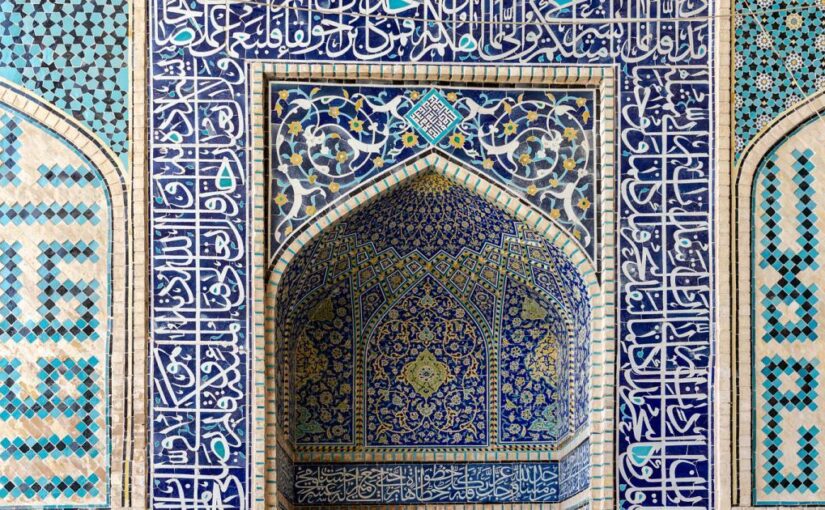

Ya Rasool Allah (یا رسول اللہ) — Full Naat Lyrics in Urdu, English Translation and Meaning

Ya Rasool Allah (یا رسول اللہ) is a deeply beloved naat that expresses love, devotion and longing for Prophet Muhammad (peace be upon him). The phrase “Ya Rasool Allah” means “O Messenger of Allah,” and the naat is a heartfelt call to the Prophet, expressing the singer’s deep desire to be in his presence and to receive his blessings.

In this post, we share the full Urdu lyrics of Ya Rasool Allah, along with the English translation and a brief explanation of the meaning behind this beautiful naat.

About the Naat

Ya Rasool Allah is one of the most popular naats recited across the Islamic world. It is often recited at gatherings, milads, and religious events. The naat captures the essence of a believer’s love for the Prophet Muhammad (PBUH), praising his noble character and expressing the hope of being blessed by his intercession on the Day of Judgment.

The naat is known for its emotional and soul-stirring melody, and it has been recited by many famous naat khwans over the years. Its simple yet powerful lyrics make it accessible to people of all ages.

Ya Rasool Allah (یا رسول اللہ) — Urdu Lyrics

یا رسول اللہ یا رسول اللہ
مجھ کو اپنی پناہ میں لے لو
یا رسول اللہ یا رسول اللہ
مجھ کو اپنی پناہ میں لے لو

دلِ غمگین کو مسرور کردو
زندگی کا مقصد پورا کردو
آپ کے در کا میں ہوں گدا
مجھ کو اپنی پناہ میں لے لو

یا رسول اللہ یا رسول اللہ
مجھ کو اپنی پناہ میں لے لو

نہیں کوئی غیر تیرے سوا
تُو ہی ہے میرا آسرا
دردِ دل کا اب چارہ کردو
مجھ کو اپنی پناہ میں لے لو

یا رسول اللہ یا رسول اللہ
مجھ کو اپنی پناہ میں لے لو

میری بخشش کا سامان کردو
میرے دامن کو پاک کردو
آپ کا احسان ہو مجھ پہ سدا
مجھ کو اپنی پناہ میں لے لو

یا رسول اللہ یا رسول اللہ
مجھ کو اپنی پناہ میں لے لو

جو تجھے یاد کرے ہر گھڑی
اس کی حسرت نہ رہے کوئی
مجھ کو اپنی محبت دو
مجھ کو اپنی پناہ میں لے لو

یا رسول اللہ یا رسول اللہ
مجھ کو اپنی پناہ میں لے لو

Roman English Transliteration

Ya Rasool Allah, Ya Rasool Allah
Mujh ko apni panah mein le lo
Ya Rasool Allah, Ya Rasool Allah
Mujh ko apni panah mein le lo

Dil-e-ghamgeen ko masroor kardo
Zindagi ka maqsad poori kardo
Aap ke dar ka main hoon gada
Mujh ko apni panah mein le lo

Ya Rasool Allah, Ya Rasool Allah
Mujh ko apni panah mein le lo

Nahi hai koi ghair tere siwa
Tu hi hai mera aasra
Dard-e-dil ka ab charah kardo
Mujh ko apni panah mein le lo

Ya Rasool Allah, Ya Rasool Allah
Mujh ko apni panah mein le lo

Meri bakhshish ka samaan kardo
Mere daman ko paak kardo
Aap ka ehsaan ho mujh pe sada
Mujh ko apni panah mein le lo

Ya Rasool Allah, Ya Rasool Allah
Mujh ko apni panah mein le lo

Jo tujhe yaad kare har ghari
Uski hasrat na rahe koi
Mujh ko apni mohabbat do
Mujh ko apni panah mein le lo

Ya Rasool Allah, Ya Rasool Allah
Mujh ko apni panah mein le lo

English Translation

Ya Rasool Allah, Ya Rasool Allah
Take me under your protection
Ya Rasool Allah, Ya Rasool Allah
Take me under your protection

Make my sorrowful heart joyful
Fulfil the purpose of my life
I am a beggar at your door
Take me under your protection

Ya Rasool Allah, Ya Rasool Allah
Take me under your protection

There is no one besides You
You are my only support
Now heal the pain of my heart
Take me under your protection

Ya Rasool Allah, Ya Rasool Allah
Take me under your protection

Arrange for my forgiveness
Cleanse my garment (of sins)
May your kindness always be upon me
Take me under your protection

Ya Rasool Allah, Ya Rasool Allah
Take me under your protection

The one who remembers You every moment
May no desire remain unfulfilled
Grant me Your love
Take me under Your protection

Ya Rasool Allah, Ya Rasool Allah
Take me under your protection

Meaning and Significance

The naat “Ya Rasool Allah” is a humble supplication from a believer to the Prophet Muhammad (PBUH). The poet uses the imagery of a beggar standing at a door, asking for shelter and protection. This reflects the Islamic belief that the Prophet (PBUH) is a source of intercession and mercy for his followers.

Each verse touches on different aspects of the believer’s relationship with the Prophet:

  • Shelter and protection: The repeated plea “take me under your protection” reflects the believer’s need for spiritual safety and guidance.
  • Healing of the heart: The request to make the sorrowful heart joyful shows that turning to the Prophet brings comfort and peace.
  • Forgiveness: Asking for forgiveness and cleansing of sins is a central theme in Islamic spirituality. The poet recognises human weakness and seeks intercession.
  • Love and devotion: The final verse asks for the Prophet’s love, which is considered the highest spiritual aspiration for a believer.

Reciting Ya Rasool Allah regularly is believed to strengthen one’s connection with the Prophet (PBUH) and bring barakah (blessings) into one’s life.

More Naat Lyrics

If you enjoyed this naat, you might also like:

Share This Naat

Feel free to share this naat with family and friends. May the love of the Prophet Muhammad (PBUH) fill our hearts and guide us on the right path. Ameen.

Hasbi Rabbi (حسبی ربی) — Full Naat Lyrics in Urdu, English Translation and Meaning

Hasbi Rabbi (حسبی ربی) is one of the most beloved and widely recited Islamic naats in the Muslim world. Known for its deeply spiritual and soulful melody, this naat has touched the hearts of millions. The phrase “Hasbi Rabbi Jallallah, Ma fi qalbi ghairullah” translates to “Sufficient for me is my Lord, Glorious is Allah — there is none in my heart except Allah.”

This naat expresses a believer’s complete reliance on Allah Almighty. It is a beautiful declaration of faith, contentment, and love for the Creator. The lyrics are simple yet profound, making it one of the most popular naats recited in gatherings, mosques, and Islamic events worldwide.

Hasbi Rabbi: Background and Meaning

The phrase “Hasbi Rabbi” (حسبی ربی) literally means “My Lord is sufficient for me.” It reflects a state of complete trust and submission to Allah. When a believer says these words, they are expressing that Allah is enough — enough for protection, provision, guidance, and mercy. The naat beautifully combines this profound meaning with a melody that resonates deep within the soul.

Many renowned Islamic singers and naat reciters have performed Hasbi Rabbi, making it a timeless classic. It is often recited during gatherings of dhikr, in mosques, and at religious events in South Asia and beyond. The simple repetition of the core lines allows listeners to focus on the meaning and connect spiritually.

Islamic calligraphy art
Islamic calligraphy — the art of beautiful writing used to preserve the words of Allah

Hasbi Rabbi Naat Lyrics — Full Text

Below are the complete lyrics of Hasbi Rabbi in the original Arabic script (as used in Urdu), along with Roman English transliteration and English translation.

Verse 1 — The Core Chant

Language Text
Arabic / Urdu Script حسبی ربی جل اللہ
ما فی قلبی غیر اللہ
نور محمد صلی اللہ
ما فی قلبی غیر اللہ
Roman / Transliteration Hasbi Rabbi Jallallah
Ma fi qalbi ghairullah
Noor-e-Muhammad Sallallah
Ma fi qalbi ghairullah
English Translation Sufficient for me is my Lord, Glorious is Allah
There is none in my heart except Allah
The light of Muhammad, peace be upon him
There is none in my heart except Allah

Verse 2 — Declaration of Faith

Language Text
Arabic / Urdu Script لا الہ الا اللہ
محمد رسول اللہ
ہر دل میں ہے یہ صدا
ما فی قلبی غیر اللہ
Roman / Transliteration La ilaha illallah
Muhammadur Rasulullah
Har dil mein hai yeh sada
Ma fi qalbi ghairullah
English Translation There is no god but Allah
Muhammad is the Messenger of Allah
In every heart is this call
There is none in my heart except Allah

Verse 3 — Love for the Prophet

Language Text
Arabic / Urdu Script مصطفیٰ جان رحمت
پر نور ان کی ذات
دل میں بس گیا ہے
ما فی قلبی غیر اللہ
Roman / Transliteration Mustafa Jaan-e-Rahmat
Pur noor un ki zaat
Dil mein bas gaya hai
Ma fi qalbi ghairullah
English Translation Mustafa, the beloved of mercy
His being is filled with light
He has settled in my heart
There is none in my heart except Allah
Beautiful mosque at night with crescent moon
A beautiful mosque illuminated at night — a reminder of the peace found in worship

The Spiritual Significance of Hasbi Rabbi

Hasbi Rabbi is not just a naat — it is a spiritual invocation (dhikr) that reminds believers of the ultimate sufficiency of Allah. The phrase “Hasbi Allah” appears in the Holy Quran, where Allah instructs the believers to say:

“Hasbunallah wa ni’mal wakeel”
(Allah is sufficient for us, and He is the best Disposer of affairs)
— Surah Al-Imran 3:173

This connection to the Quran gives the naat a profound depth. When reciting Hasbi Rabbi, a believer is echoing the words of Prophet Ibrahim (AS) and the companions of the Prophet Muhammad (PBUH), who placed their complete trust in Allah in times of difficulty.

The line “Ma fi qalbi ghairullah” (There is nothing in my heart except Allah) speaks to the purification of the heart — the highest spiritual station where a believer’s heart is cleared of all worldly attachments and filled only with the love of Allah. This is known as tazkiyah (purification of the soul) in Islamic spirituality.

The mention of “Noor-e-Muhammad Sallallah” connects the naat to the love of the Prophet Muhammad (PBUH), whose light (noor) is a central theme in Islamic poetry and spirituality. The Prophet (PBUH) is described as a “light-giving lamp” (sirajun munir) in the Quran:

“O Prophet, indeed We have sent you as a witness and a bringer of good tidings and a warner. And one who invites to Allah, by His permission, and an illuminating lamp.”
— Surah Al-Ahzab 33:45-46

Who Recites Hasbi Rabbi?

Hasbi Rabbi has been performed by many distinguished naat reciters over the years. Some of the most popular renditions include:

  • Owais Raza Qadri — His soulful rendition of Hasbi Rabbi is among the most listened-to naats online, with millions of views.
  • Qari Waheed Zafar Qasmi — Known for his melodious voice and beautiful delivery of Islamic poetry.
  • Hafiz Tahir Qadri — His energetic and emotional style brings a unique flavor to this naat.
  • Junaid Jamshed — The late legendary singer recorded this naat with his signature warmth and devotion.

Each rendition brings its own emotional depth while preserving the core spiritual message of the naat.

Hasbi Rabbi in Popular Culture

Hasbi Rabbi has gained immense popularity across social media platforms, particularly on YouTube, TikTok, and Instagram, where short clips of the naat are widely shared. The melody is instantly recognizable, and many people who are not fluent in Arabic or Urdu find themselves moved by the beauty of the sound and the sincerity of the message.

The naat is also frequently played in the background of Islamic videos, Quran recitation compilations, and spiritual content. Its simple yet powerful lyrics make it an ideal choice for those seeking a meaningful Islamic audio experience.

Why Hasbi Rabbi Is So Beloved

There are several reasons why Hasbi Rabbi holds such a special place in the hearts of Muslims:

  1. Simplicity of Words: The lyrics are short, easy to memorize, and can be repeated as a form of dhikr.
  2. Depth of Meaning: Despite its simplicity, the naat carries profound spiritual meaning rooted in Quranic concepts.
  3. Beautiful Melody: The tune is gentle, uplifting, and easy to follow, making it accessible to people of all ages.
  4. Universal Appeal: The message of putting complete trust in Allah resonates with Muslims from all cultures and backgrounds.

Listen to Hasbi Rabbi Naat

To truly appreciate the beauty of this naat, we recommend listening to a recitation. The combination of the heartfelt lyrics with the melody creates a deeply moving spiritual experience. You can find several renditions of Hasbi Rabbi on popular streaming platforms and video sharing websites.

Frequently Asked Questions

What does Hasbi Rabbi mean?

Hasbi Rabbi means “My Lord is sufficient for me.” It is a declaration of complete trust and reliance on Allah.

Is Hasbi Rabbi mentioned in the Quran?

The phrase “Hasbi Allah” and “Hasbunallah” appear in the Quran (e.g., Surah Al-Imran 3:173 and Surah At-Tawbah 9:129). The naat draws inspiration from these Quranic verses.

Can I recite Hasbi Rabbi as daily dhikr?

Yes, the words of Hasbi Rabbi are beautiful and spiritually uplifting to recite as part of your daily remembrance of Allah. Many Muslims incorporate these phrases into their morning and evening adhkar.

Who wrote Hasbi Rabbi?

Hasbi Rabbi is a traditional naat whose exact origins are unknown. It has been passed down through generations and adapted by various reciters over time. The core verses are rooted in Quranic phrases and traditional Islamic expressions.

Final Thoughts

Hasbi Rabbi is a timeless naat that continues to inspire millions of believers around the world. Its simple yet powerful message — that Allah alone is sufficient for us — is a profound reminder in today’s busy and often stressful world. Whether you recite it in solitude, listen to it in a gathering, or share it with loved ones, Hasbi Rabbi brings peace to the heart and strengthens the bond between the believer and the Creator.

For more beautiful naats, explore our collection of Naat Lyrics including other beloved classics like Ya Nabi Ya Nabi, Tajdar-e-Haram, and Sallu Alal Mustafa.

May the beauty of Hasbi Rabbi bring barakah and peace to your heart. Ameen.

Ya Nabi Ya Nabi (یا نبی یا نبی) Full Naat Lyrics in Urdu, English Translation and Meaning

Meaning and Background

Meaning and Background

"Ya Nabi Ya Nabi" is a heartfelt naat that expresses deep love and devotion for Prophet Muhammad (peace be upon him). The repeated refrain "Ya Nabi" which means "O Prophet" reflects the singer's constant remembrance and longing for the Prophet's intercession and blessings.

This naat is traditionally recited in gatherings of Milad-un-Nabi and other Islamic events where Muslims come together to send blessings upon the Prophet. The lyrics convey a sense of humility and spiritual need, emphasising that true happiness comes from following the Prophet's teachings.

The line "Aap ki nazar karam ho to kya kami hai" beautifully captures the belief that if the Prophet looks upon someone with kindness and grace, they lack nothing in this world or the next. It reminds listeners that material wealth is not the true measure of success, but rather spiritual closeness to Allah and His Messenger.

The naat also touches on the concept of tawassul or seeking intercession, which is a common theme in Islamic devotional poetry. The poet expresses total reliance on the Prophet's intercession, asking only at his doorstep and expecting blessings through his love.

The phrase "Bhool kar duniya ki har khushi, Aap ke dar pe aa gaya hoon" highlights the idea that the love of the Prophet transcends all worldly attachments. It encourages believers to prioritise their spiritual connection over temporary material pleasures.

This naat is popular across South Asia and is often recited in both Urdu and regional languages. Its simple yet profound lyrics make it accessible to people of all ages, and it continues to be a favourite at Islamic gatherings, schools and mosques.

The melody typically used for this naat is gentle and emotional, designed to evoke feelings of love and devotion in the listener. Many renowned naat khwans have recorded this piece, and it remains a staple in the repertoires of Islamic vocal artists.

Urdu Lyrics

یا نبی یا نبی یا نبی یا نبی

آپ کی محبتوں کے صدقے میں جی رہا ہوں

یا نبی یا نبی یا نبی یا نبی

آپ ہی کی ذات ہے میری زندگی کا سہارا

دل سے نکلی ہے صدا ہر گھڑی

آپ کے در پہ آ گیا ہوں یارسول اللہ

آپ ہی کے در پہ آ کر مانگیں گے

آپ ہی کے صدقے میں پائیں گے

یا نبی یا نبی یا نبی یا نبی

آپ کی نظر کرم ہو تو کیا کمی ہے

بھول کر دنیا کی ہر خوشی

آپ کے در پہ آ گیا ہوں یا رسول اللہ

Roman Urdu Transliteration

Ya Nabi Ya Nabi Ya Nabi Ya Nabi

Aap ki mohabbaton ke sadqe mein jee raha hoon

Ya Nabi Ya Nabi Ya Nabi Ya Nabi

Aap hi ki zaat hai meri zindagi ka sahara

Dil se nikli hai sada har ghari

Aap ke dar pe aa gaya hoon Ya Rasool Allah

Aap hi ke dar pe aakar maangenge

Aap hi ke sadqe mein payenge

Ya Nabi Ya Nabi Ya Nabi Ya Nabi

Aap ki nazar karam ho to kya kami hai

Bhool kar duniya ki har khushi

Aap ke dar pe aa gaya hoon Ya Rasool Allah

English Translation

O Prophet, O Prophet, O Prophet, O Prophet

I live by the grace of your love

O Prophet, O Prophet, O Prophet, O Prophet

Your being is the support of my life

From my heart rises a call every moment

I have come to your doorstep, O Messenger of Allah

We will ask only at your doorstep

We will receive only through your blessing

O Prophet, O Prophet, O Prophet, O Prophet

If you cast a gracious glance, what could I lack?

Forgetting every worldly happiness

I have come to your doorstep, O Messenger of Allah

Related Naats

Mustafa Jaan e Rehmat – مصطفیٰ جانِ رحمت Naat Lyrics in Urdu, Roman & English

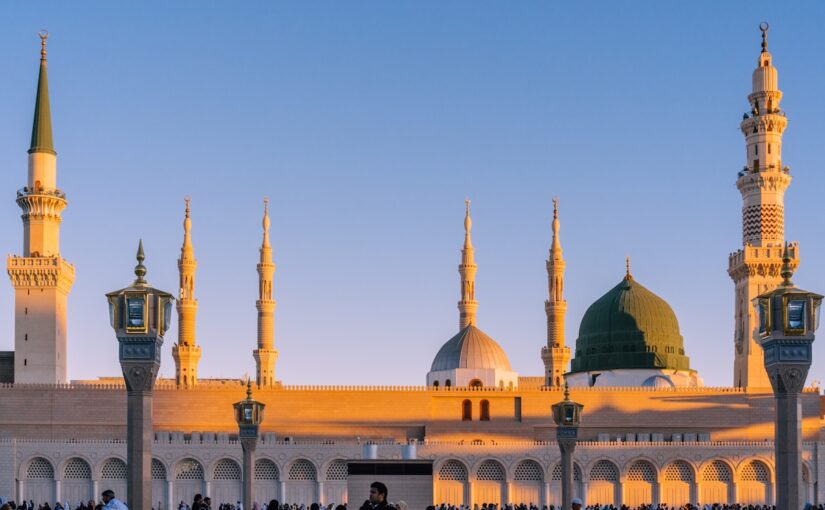
Beautiful mosque architecture at sunset

Mustafa Jaan-e-Rehmat – The Beloved Mercy of the Universe

“Mustafa Jaan-e-Rehmat” (مصطفیٰ جانِ رحمت) is one of the most beloved and widely recited naats in the Islamic world. Meaning “Mustafa (the Chosen One), the very life and soul of mercy,” this naat is a heartfelt tribute to Prophet Muhammad ﷺ, celebrating his exalted status as the most merciful being ever sent to humanity. The lyrics overflow with love, reverence, and longing for the Prophet, making it a staple in every Mehfil-e-Naat across South Asia, the Middle East, and beyond.

The title itself, “Mustafa Jaan-e-Rehmat,” beautifully encapsulates the essence of the Prophet ﷺ — he is not just a messenger but the embodiment of mercy itself. The word “Jaan” (soul/life) signifies that mercy is inseparable from his being; it is his very essence. This naat has been rendered by countless renowned naat khawans including Qari Waheed Zafar Qasmi, Owais Raza Qadri, and many others, each bringing their unique soulful melody to these timeless words.

Urdu Lyrics (اردو lyrics)

Below are the complete Urdu lyrics of “Mustafa Jaan-e-Rehmat”:

مصطفیٰ جانِ رحمت پہ لاکھوں سلام
شمعِ رسالت پہ لاکھوں سلام

ذرہ ذرہ ہے گواہ ان کے کمالات کا
آفتاب و ماہ گواہ ان کے جلالات کا

وہ رحمت للعالمین، رحمتِ دو جہاں
ان کے صدقے میں ہے یہ سارا جہاں

ہر نبی سے وہ افضل، سخی بھی وہ ہے
دین و دنیا کا حاصل، نبی بھی وہ ہے

جو خدا کے محبوب، وہ ہیں محمد ﷺ
ان پہ درود و سلام، لاکھوں درود و سلام

بے کسوں کے والی، غمگساروں کے سہارے
مانگتے ہیں سب درِ مصطفیٰ سے

ان کے در کا بھکاری دولتمندوں کا سردار
جو بھی آیا اس در سے، خالی نہ گیا

مصطفیٰ جانِ رحمت پہ لاکھوں سلام
شمعِ رسالت پہ لاکھوں سلام

مدینے کا وہ شہر، جہاں رحمتیں برستی ہیں
جہاں کے ذرّے ذرّے پہ رحمتِ حق ہے

جس نے ایک بار دیکھ لیا اس شہر کو
اس کی زندگی بدل جاتی ہے، سنور جاتی ہے

اے مصطفیٰ، اے جانِ رحمت
تم پہ سلام، لاکھوں سلام، بے حساب سلام

Roman Urdu Transliteration

For those who cannot read Urdu script, here is the Roman Urdu transliteration:

Mustafa jaan-e-rehmat pe laakhon salaam
Sham-e-risaalat pe laakhon salaam

Zarra zarra hai gawah un ke kamaalaat ka
Aaftaab o maah gawah un ke jalaalaat ka

Woh rahmatul lil aalameen, rahmat-e-doo jahan
Un ke sadqe mein hai yeh saara jahan

Har nabi se woh afzal, sakhi bhi woh hai
Deen o duniya ka haasil, nabi bhi woh hai

Jo Khuda ke mehboob, woh hain Muhammad ﷺ
Un pe durood o salaam, laakhon durood o salaam

Bekason ke waali, ghamgusaaron ke sahaare
Maangte hain sab dar-e-Mustafa se

Un ke dar ka bhikari dolatmandon ka sardar
Jo bhi aaya is dar se, khaali na gaya

Mustafa jaan-e-rehmat pe laakhon salaam
Sham-e-risaalat pe laakhon salaam

Madine ka woh shahr, jahan rahmatein barasti hain
Jahan ke zarre zarre pe rahmat-e-haq hai

Jis ne ek baar dekh liya us shahr ko
Uski zindagi badal jaati hai, sanwar jaati hai

Aye Mustafa, aye jaan-e-rehmat
Tum pe salaam, laakhon salaam, be-hisaab salaam

English Translation (Line by Line)

Mustafa (the Chosen One), the very soul of mercy — millions of salutations upon you
The lamp of prophethood — millions of salutations upon you

Every single atom bears witness to your perfect qualities
The sun and the moon bear witness to your majesty and glory

He is a mercy to all the worlds, mercy for both realms (this world and the Hereafter)
This entire universe exists by virtue of him

He is more excellent than all prophets, and he is the most generous
He is the ultimate goal of both faith and the world, and he is the Prophet

He who is the beloved of God — he is Muhammad ﷺ
Upon him be blessings and peace — millions of blessings and peace

Guardian of the helpless, support of the grief-stricken
Everyone begs at the door of Mustafa

The beggar at his door becomes the leader of the wealthy
Whoever came to this door, never left empty-handed

Mustafa, the soul of mercy — millions of salutations upon you
The lamp of prophethood — millions of salutations upon you

That city of Madinah, where mercies shower down
Every single particle of it is covered by the mercy of God

Whoever has laid eyes upon that city even once
Their life transforms completely, their life becomes beautiful

O Mustafa, O soul of mercy
Upon you be peace — millions of salutations, countless salutations

Meaning and Background

The naat “Mustafa Jaan-e-Rehmat” is steeped in deep Islamic spirituality and the rich tradition of Naat poetry in Urdu. The phrase “Mustafa” (مصطفیٰ) means “the Chosen One” — one of the most beloved names of Prophet Muhammad ﷺ. Combined with “Jaan-e-Rehmat” (soul of mercy), the title captures the Islamic belief that the Prophet ﷺ was sent as a mercy not just to humanity, but to all of creation.

The Qur’an itself declares the Prophet’s ﷺ role as a universal mercy in Surah Al-Anbiya (21:107):

“And We have not sent you, [O Muhammad], except as a mercy to the worlds.”

This verse is the foundational basis of the naat. The poet beautifully expands upon this theme, showing how the Prophet’s ﷺ mercy encompasses every atom of existence — from the smallest particle (zarra) to the sun and moon (aaftaab o maah). The imagery is cosmic in scale, reflecting the universal reach of the Prophet’s ﷺ blessings.

Key Themes Explored in the Naat:

  • Universal Mercy (Rahmatul lil Aalameen): The Prophet ﷺ as a mercy for all creation, not just Muslims or humans, but the entire cosmos.
  • Prophetic Excellence (Afzaliyat): The belief that Prophet Muhammad ﷺ is the most superior of all prophets, a core tenet of Islamic faith.
  • Generosity and Intercession (Sakhaawat aur Shafa’at): The Prophet’s ﷺ unparalleled generosity — no one who turns to him with sincerity leaves empty-handed. This alludes to the concept of intercession on the Day of Judgment.
  • Love for Madinah: A recurring theme in naat poetry, expressing deep longing and reverence for the blessed city where the Prophet ﷺ is buried.
  • Spiritual Transformation: The idea that even a single glance or connection with the Prophet ﷺ or his city can transform a person’s entire life.

The Power of Salam (Salutations):

The recurring refrain “Laakhon Salaam” (millions of salutations) is not mere repetition — it reflects the infinite nature of the love Muslims hold for their Prophet. In Islamic tradition, sending salutations (salawat/durud) upon the Prophet ﷺ is both a commandment from Allah and a deeply spiritual act that brings the believer closer to their beloved Prophet. The Prophet ﷺ himself said, “Whoever sends one salutation upon me, Allah sends ten upon him” (Sahih Muslim).

Literary and Poetic Merit:

This naat employs several poetic devices that elevate it in the Urdu naat tradition:

  • Takrar (Repetition): The repeated “Laakhon Salaam” creates a hypnotic, meditative quality perfect for collective recitation.
  • Tashbih (Simile): The Prophet ﷺ is compared to a lamp (shama) — a source of light and guidance in darkness.
  • Mubaligha (Hyperbole): Cosmic imagery (sun, moon, every atom) emphasizes the infinite scope of the Prophet’s ﷺ greatness.
  • Radeef aur Qafiya: The consistent rhyme scheme makes it musically beautiful and easy to memorize.

Occasions for Recitation:

“Mustafa Jaan-e-Rehmat” is recited on virtually every occasion where naat is performed:

  • Weekly Mehfil-e-Naat gatherings
  • Eid Milad-un-Nabi ﷺ celebrations
  • Eid ul-Fitr and Eid ul-Adha gatherings
  • Urs (death anniversaries) of Sufi saints
  • Marriage ceremonies (as spiritual interlude)
  • Daily personal recitation for spiritual connection

Popular Renditions:

This naat has been performed by many legendary naat khawans. Some of the most beloved renditions include:

  • Qari Waheed Zafar Qasmi — known for his deeply emotional and powerful recitation style
  • Owais Raza Qadri — brings a soulful, melodious quality
  • Mohammad Farhan Ali Qadri — a more contemporary, youthful rendition
  • Junaid Jamshed — the late pop star turned Islamic singer recorded a beautiful version

Each rendition brings its own flavor, yet the core message remains unchanged: an outpouring of love and reverence for the most beloved of Allah’s creation — Prophet Muhammad ﷺ.

The Spiritual Significance of Naat

Naat poetry occupies a special place in Islamic spirituality. Unlike other forms of poetry, naat is considered a form of worship (ibadat) when recited with sincerity and love for the Prophet ﷺ. The great Sufi masters have always emphasized that love for the Prophet ﷺ is the gateway to love for Allah. As the famous saying goes: “Whoever loves my Sunnah, loves me. And whoever loves me, will be with me in Paradise.”

“Mustafa Jaan-e-Rehmat” captures this profound spiritual truth in every verse. It reminds us that the Prophet ﷺ is not a figure of the distant past but a living presence whose mercy and intercession are accessible to believers at all times. The salutations (salam) we send reach him, as the Prophet ﷺ said: “There is no one who sends salutations upon me except that his salutation is brought to me” (Sunan Abu Dawud).

May we all be blessed with the true love of Mustafa ﷺ and the ability to send countless salutations upon him. Ameen.

مصطفیٰ جانِ رحمت پہ لاکھوں سلام
شمعِ رسالت پہ لاکھوں سلام

Sarkar Ka Madina (سرکار کا مدینہ) — Full Naat Lyrics in Urdu, English Translation and Meaning

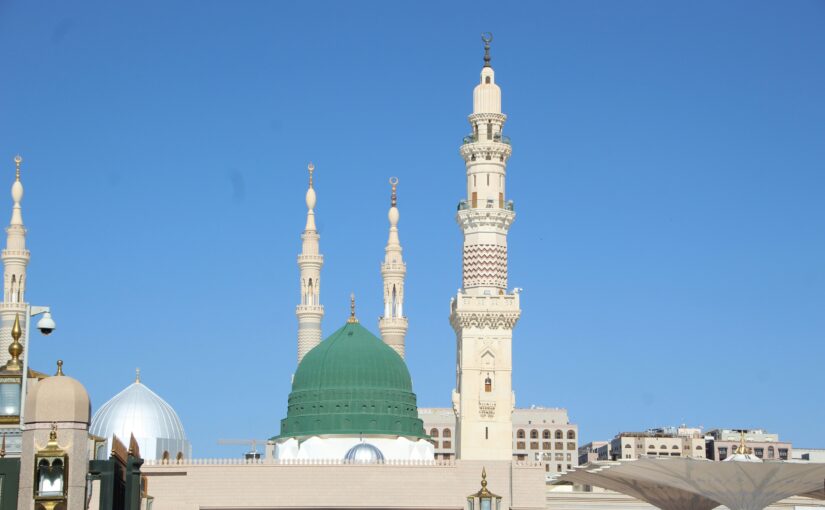
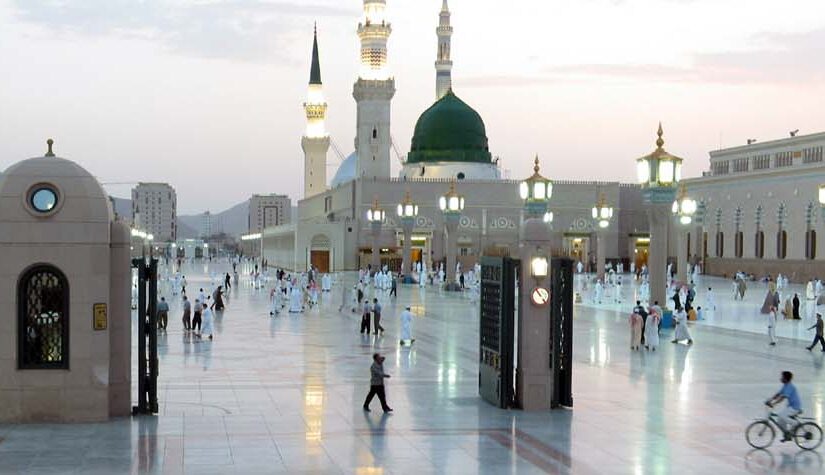
Sarkar Ka Madina (سرکار کا مدینہ) is one of the most beloved and widely recited Islamic naats in the Urdu-speaking world. Written and popularized by renowned naat reciters, this naat beautifully describes the spiritual beauty of Madina Munawwarah, the city of the Prophet Muhammad (peace be upon him). The phrase “Sarkar Ka Madina” translates to “The Madina of the Master” — referring to the blessed city that surrounds Masjid an-Nabawi, the mosque of Prophet Muhammad (PBUH).

This naat captures the deep love and longing that Muslims feel for Madina. Every stanza paints a vivid picture of the Green Dome, the illuminated minarets, the golden grill (Sunehri Jaali), and the sacred earth that holds the graves of the Prophet (PBUH) and his noble companions. The naat expresses the heartfelt wish of every believer: to have Madina as their final resting place.

The Background of Sarkar Ka Madina Naat

While the exact origins of this naat are traced to traditional Islamic poetry praising Madina, it gained widespread fame through the soulful renditions by Owais Raza Qadri and other prominent naat khwans. The naat draws on centuries of Islamic poetic tradition that venerates Madina as a city of light, mercy, and spiritual refuge.

Madina holds a special place in every Muslim’s heart. It was the city that welcomed the Prophet (PBUH) during the Hijrah, became the first Islamic state, and houses his blessed resting place beneath the Green Dome. This naat beautifully articulates the universal yearning of Muslims to visit and dwell in this sacred city.

Sarkar Ka Madina — Urdu Lyrics (اردو اشعار)

Here are the complete Urdu lyrics of the naat Sarkar Ka Madina in proper Urdu script:

عشاق کا ہے پیارا سرکار کا مدینہ
ہر آنکھ کا ہے تارا سرکار کا مدینہ

دیکھی سنہری جالی، محراب ان کا منبر
جنت کا ہے نظارہ سرکار کا مدینہ

گنبد مینار ان کے کیا خوب لگ رہے ہیں
خلدِ بریں کا نقشہ سرکار کا مدینہ

جس کو یقین نہ آئے طیبہ وہ دیکھ آئے
جنت سے جیسے اترا سرکار کا مدینہ

دامن میں ہیں احد کے، تربت یہ کیا نرالی
مدفن میں ہے اس کے حمزہ سرکار کا مدینہ

واں حاجیوں کا جانا، یاں عاصیوں کا آنا
ہے کعبہ کا بھی کعبہ سرکار کا مدینہ

انوار ہیں برستے شام و سحر یہاں پر
ہیں کس قدر سہانا سرکار کا مدینہ

سرکار کی گلی میں گر موت آ گئی تو
بخشش کا ہے سہارا سرکار کا مدینہ

اے کاش موت ہم کو طیبہ نگر میں آئے
بنے آخری ٹھکانہ سرکار کا مدینہ

حسنین و فاطمہ کے، مولا علی کے صدقے
رہے یوں ہی آنا جانا سرکار کا مدینہ

رضوان کی دعا ہے، احمد کی التجا ہے
بنے آخری ٹھکانہ سرکار کا مدینہ

جاؤں مدینہ پھر سے یہ آرزو دلی ہے
احمد کا ہو ٹھکانہ سرکار کا مدینہ

Sarkar Ka Madina — English Translation (Stanza by Stanza)

Verse 1:
Ushaaq Ka Hai Pyara Sarkaar Ka Madina
Har Aankh Ka Hai Taara Sarkaar Ka Madina

Translation: Beloved to the lovers (of the Prophet) is the Madina of the Master
The star of every eye is the Madina of the Master

Verse 2:
Dekhi Sunehri Jaali, Mehraab Unka Mimbar
Jannat Ka Hai Nazaara Sarkaar Ka Madina

Translation: See the golden grill, the prayer niche, and the pulpit
It is a scene of Paradise — the Madina of the Master

Verse 3:
Gunbad Minaar Unke Kya Khoob Lag Rahe Hai
Khuld-e-Bari Ka Naqsha Sarkaar Ka Madina

Translation: How beautifully his dome and minarets appear
It is a blueprint of the Eternal Paradise — the Madina of the Master

Verse 4:
Jis Ko Yaqeen Na Aaye Taiba Woh Dekh Aaye
Jannat Se Jaise Utra Sarkaar Ka Madina

Translation: Whoever does not believe, let them come and see Taybah
As if Paradise itself has descended — the Madina of the Master

Verse 5:
Daaman Mein Hain Uhad Ke, Turbat Ye Kya Niraali
Madfan Mein Hai Iske Hamza Sarkaar Ka Madina

Translation: In its skirt lies Mount Uhud, what a unique burial ground
Hamza (the Prophet’s uncle) rests in its earth — the Madina of the Master

Verse 6:
Waan Hajiyon Ka Jaana, Yaan Aasiyon Ka Aana
Hai Kaabe Ka Bhi Kaaba Sarkaar Ka Madina

Translation: There the pilgrims go, here the sinners come
Even the Kaaba has its own Kaaba — the Madina of the Master

Verse 7:
Anwaar Hai Baraste Shaam-o-Sahar Yahan Par
Hain Kis Qadar Suhana Sarkaar Ka Madina

Translation: Lights are showering here, morning and evening
How delightful it is — the Madina of the Master

Verse 8:
Sarkaar Ki Gali Mein Gar Maut Aa Gayi To
Bakhshish Ka Hai Sahara Sarkaar Ka Madina

Translation: If death comes to me in the street of the Master
It is a support for forgiveness — the Madina of the Master

Verse 9:
Aye Kaash Maut Humko Taibe Nagar Mein Aaye
Bane Aakhri Thikana Sarkaar Ka Madina

Translation: O, I wish that death comes to me in the city of Taybah
May my final resting place be — the Madina of the Master

Verse 10:
Hasnain O Fatima Ke, Maula Ali Ke Sadqe
Rahe Yun Hi Aana Jaana Sarkaar Ka Madina

Translation: For the sake of Hasan, Hussain, Fatima, and Maula Ali
May I keep coming and going to — the Madina of the Master

Verse 11:
Rizwan Ki Dua Hai, Ahmad Ki Iltija Hai
Bane Aakhri Thikana Sarkaar Ka Madina

Translation: This is the prayer of Rizwan, this is the plea of Ahmad
May my final abode be — the Madina of the Master

Verse 12:
Jaau Madine Phir Se Ye Aarzoo Dili Hai
Ahmad Ka Ho Thikana Sarkaar Ka Madina

Translation: My heart’s deepest desire is to go to Madina once more
May Ahmad’s resting place be — the Madina of the Master

The Meaning and Spiritual Significance

The naat Sarkar Ka Madina is more than poetry — it is a heartfelt expression of a believer’s spiritual connection to the Prophet Muhammad (PBUH) and his city. Every verse reflects the deep-rooted love that Muslims across the world hold for Madina Munawwarah.

The opening verse establishes Madina as beloved to “the lovers” (ushaaq) — referring to those who love the Prophet (PBUH). This sets the tone for the entire naat, which is an outpouring of love and devotion. The “golden grill” (Sunehri Jaali) mentioned in the second verse refers to the beautiful golden lattice that surrounds the Rawdah — the sacred area between the Prophet’s pulpit and his house, described by the Prophet himself as “a garden from the gardens of Paradise.”

The mention of Mount Uhud and Hazrat Hamza (RA) connects the beauty of Madina with the sacrifices made by early Muslims. Hazrat Hamza, the beloved uncle of the Prophet (PBUH), was martyred in the Battle of Uhud and is buried there. This adds a layer of historical and emotional depth to the naat.

One of the most powerful themes in this naat is the desire to die in Madina. The poet prays repeatedly for Madina to be the final resting place — a sentiment shared by countless Muslims. According to Islamic tradition, there is a special mercy for those who are buried in the sacred soil of Madina.

The verse that calls Madina “the Kaaba of the Kaaba” (Hai Kaabe Ka Bhi Kaaba) is particularly profound. While Makkah is the physical direction of prayer (Qibla), Madina holds the spiritual heart of Islam — the resting place of the Prophet (PBUH). This highlights the unique status of Madina in Islamic spirituality.

Why Sarkar Ka Madina is So Popular

Sarkar Ka Madina resonates deeply with Muslims because it captures the universal love for the Prophet (PBUH) and his city in simple yet profound words. The naat does not use complex Arabic phrases — it speaks directly to the heart in Urdu, making it accessible to millions of Urdu-speaking Muslims around the world.

The refrain “Sarkaar Ka Madina” repeated throughout the naat creates a hypnotic, meditative rhythm that allows listeners to immerse themselves in the spiritual atmosphere of Madina. It has been recited by numerous naat khwans including Owais Raza Qadri, and each rendition brings out the deep emotional connection to the blessed city.

May Allah grant us all the opportunity to visit Madina Munawwarah and may He make the sacred city of the Prophet (PBUH) our final resting place. Ameen.

Aaqa Aaye Hain (آقا آئے ہیں) — Full Naat Lyrics in Urdu, English Translation and Meaning

“Aaqa Aaye Hain” (آقا آئے ہیں) is a beloved Islamic naat that celebrates the joyful arrival of Prophet Muhammad (ﷺ) in the city of Madinah. The naat captures the excitement, love, and reverence that the people of Madinah felt when they received the Messenger of Allah. With its soulful rhythm and heartfelt verses, it has become a staple in naat gatherings across South Asia.

Background of the Naat “Aaqa Aaye Hain”

The naat “Aaqa Aaye Hain” describes the historic moment when Prophet Muhammad (ﷺ) arrived in Madinah after the Hijrah (migration) from Makkah. The people of Madinah, known as the Ansar, welcomed the Prophet with incredible warmth and devotion. Children sang poems, women chanted greetings from rooftops, and the entire city came alive with the spirit of faith.

This naat beautifully recreates that atmosphere of celebration. The phrase “Aaqa Aaye Hain” (The Master has arrived) is repeated like a joyful announcement, echoing through the streets of Madinah. Every verse reflects the deep love that the Sahaba (companions) had for the Prophet and the honour they felt in hosting him in their city.

The naat has been popularized by several renowned naat reciters over the years, including Khawaja Hamza and Owais Raza Qadri, whose powerful renditions have touched the hearts of millions. Their emotional delivery brings the verses to life, making listeners feel as though they are witnessing the blessed arrival themselves.

Full Urdu Lyrics of “Aaqa Aaye Hain” (آقا آئے ہیں)

Below are the complete Urdu lyrics of the naat “Aaqa Aaye Hain” in proper Urdu script:

آقا آئے ہیں مدینہ میں
نور کا ہے نظارہ آقا
ہر طرف ہے چرچرا آقا

آقا آئے ہیں مدینہ میں
خوشیوں کا ہے زمانہ آقا
آقا آئے ہیں مدینہ میں

نکلے انصار بن کر صفیں
بچے بھی بولے ہیں نعتیں
ہر گلی میں ہے ترانہ آقا
آقا آئے ہیں مدینہ میں

لگے گنبد پہ اجالا
سب نے پھیرا ہے سلام
دل ہے حسرت بھرا آقا
آقا آئے ہیں مدینہ میں

دھرتی چاندی کی لگتی ہے
ہر طرف روشنی ہے
مدینہ سج رہا ہے آقا
آقا آئے ہیں مدینہ میں

آقا آئے ہیں مدینہ میں
میرا دل بھی ہے دعا گو آقا
مجھ کو بھی مدینہ بلا لو آقا
آقا آئے ہیں مدینہ میں

English Translation of “Aaqa Aaye Hain”

Verse 1:
Aaqa Aaye Hain Madinah Mein — The Master has arrived in Madinah
Noor Ka Hai Nazara Aaqa — What a sight of divine light, O Master
Har Taraf Hai Charchara Aaqa — Everywhere there is celebration, O Master

Verse 2:
Aaqa Aaye Hain Madinah Mein — The Master has arrived in Madinah
Khushiyon Ka Hai Zamana Aaqa — It is a time of pure joy, O Master
Aaqa Aaye Hain Madinah Mein — The Master has arrived in Madinah

Verse 3:
Nikle Ansar Bana Kar Safien — The Ansar came out, forming rows
Bachay Bhi Bole Hain Naatein — Even the children recited naats
Har Gali Mein Hai Tarana Aaqa — Every street is filled with songs, O Master
Aaqa Aaye Hain Madinah Mein — The Master has arrived in Madinah

Verse 4:
Lage Gumbad Pe Ujala — The dome is illuminated with light
Sub Ne Phera Hai Salam — Everyone is sending their greetings
Dil Hai Hasrat Bhara Aaqa — The heart is filled with longing, O Master
Aaqa Aaye Hain Madinah Mein — The Master has arrived in Madinah

Verse 5:
Dharti Chandi Ki Lagti Hai — The earth looks like silver
Har Taraf Roshni Hai — There is light everywhere
Madinah Saj Raha Hai Aaqa — Madinah is being adorned, O Master
Aaqa Aaye Hain Madinah Mein — The Master has arrived in Madinah

Verse 6:
Aaqa Aaye Hain Madinah Mein — The Master has arrived in Madinah
Mera Dil Bhi Hai Dua Go Aaqa — My heart also prays, O Master
Mujh Ko Bhi Madinah Bula Lo Aaqa — Call me to Madinah too, O Master
Aaqa Aaye Hain Madinah Mein — The Master has arrived in Madinah

The Meaning and Message of “Aaqa Aaye Hain”

The naat “Aaqa Aaye Hain” is more than just poetry — it is an expression of the deep, unconditional love that Muslims hold for Prophet Muhammad (ﷺ). The verses transport the listener back in time to the streets of Madinah, where every resident, young and old, came out to welcome the Prophet of Mercy.

The recurring theme of light (noor) in the naat symbolizes the spiritual illumination that the Prophet brought with him. When he entered Madinah, the entire city was transformed — darkness turned to light, despair turned to hope, and division turned to unity. The poet captures this transformation beautifully.

The line “Mujh Ko Bhi Madinah Bula Lo” (Call me to Madinah too) reflects the longing that every believer feels to visit the holy city. For those who have been to Madinah, this verse brings tears of remembrance. For those who have not yet been, it fuels the desire to one day stand before the blessed Rawdah.

Who Popularized This Naat?

While the exact poet of “Aaqa Aaye Hain” is not widely documented, the naat has been popularized by several famous naat khawans (reciters). One of the most well-known renditions is by Khawaja Hamza, a celebrated Pakistani naat reciter known for his powerful and emotional voice. His version has been viewed and shared widely across social media platforms and naat websites.

Other notable reciters include Owais Raza Qadri, whose melodious style adds a unique spiritual depth to the lyrics. The naat is frequently recited at milad gatherings, mehfils, and Islamic events, particularly in Pakistan and India, where the tradition of naat khwani is deeply cherished.

Why “Aaqa Aaye Hain” Resonates with Listeners

There is something uniquely captivating about this naat. Its repetitive structure, with the joyful refrain of “Aaqa Aaye Hain Madinah Mein”, makes it easy to remember and sing along. Yet its emotional depth ensures that it never becomes ordinary. Each repetition feels fresh, like the announcement of good news being shared from one person to another across the city.

The naat also beautifully connects the past with the present. The joy of the Ansar welcoming the Prophet becomes the joy of the listener, and the longing expressed in the final verse becomes the listener’s own longing. This timeless quality is what makes “Aaqa Aaye Hain” a cherished addition to the repertoire of Islamic devotional poetry.

Listen and Reflect

Whether you are listening to it during a mehfil-e-milad, reciting it in your personal worship, or simply reading the lyrics to understand its meaning, “Aaqa Aaye Hain” has the power to move the heart. Let the words sink in, and let your soul be transported to the blessed streets of Madinah, where the beloved Prophet once walked.

May Allah grant us all the opportunity to visit Madinah and be in the presence of our beloved Prophet (ﷺ). Ameen.


Originally published on Naatlines.com — your trusted source for Islamic naat lyrics in Urdu and English.

Beshak Beshak (بیشک بیشک) – Full Naat Lyrics in Urdu, English Translation and Meaning

Introduction

“Beshak Beshak” (بیشک بیشک) is one of the most beloved Urdu naats popularised by the legendary Junaid Jamshed (R.A.). The title translates to “Indeed, Indeed” or “Without Doubt, Without Doubt” in English. This soul-stirring naat is a heartfelt declaration of faith in the supreme greatness of Prophet Muhammad (peace be upon him). Junaid Jamshed, formerly a famous pop singer who later dedicated his life to Islamic devotion, recited this naat with such passion and sincerity that it continues to touch the hearts of millions around the world.

The naat beautifully expresses unwavering belief in the Prophet’s lofty status, his intercession, and his unparalleled position in creation. Every verse reinforces the message of complete submission and love for the final Messenger of Allah.

Beshak Beshak Naat Lyrics in Urdu (بیشک بیشک نعت کے اردو اشعار)

بیشک بیشک بیشک بیشک
محمد مصطفیٰ ﷺ پر لاکھوں سلام

بیشک بیشک بیشک بیشک
محمد مصطفیٰ ﷺ پر لاکھوں درود

ہر شے پہ غالب ہے ان کا وجود
نور خدا ہے ان کا ظہور

جو بھی انہیں دے ، اللہ کا نور
ہر دل میں بسے ان کا سرور

آقا ہیں دو عالم کے وہ سردار
شافع ہیں وہ روزِ نشور

اللہ نے رکھی ان کی قسم
قرآن میں جس کا ہے ظہور

جو بھی پکارے ان کا نام
پاتا ہے وہ رب کا کرم

دل سے جو ان پر درود پڑھے
اللہ اسے بخشے قصور

اے کاش مدینے کی گلیوں میں

آ کر مرے اشک ہوں نثار

بیشک بیشک بیشک بیشک
محمد مصطفیٰ ﷺ پر لاکھوں سلام

بیشک بیشک بیشک بیشک
محمد مصطفیٰ ﷺ پر لاکھوں درود

English Translation of Beshak Beshak

Verse 1:
Indeed, indeed, indeed, indeed
Millions of salutations upon Muhammad Mustafa (peace be upon him)

Verse 2:
Indeed, indeed, indeed, indeed
Millions of blessings upon Muhammad Mustafa (peace be upon him)

Verse 3:
His existence prevails over everything
His manifestation is the light of God

Verse 4:
Whoever gives to them, it is the light of Allah
In every heart resides their serenity

Verse 5:
He is the master and leader of both worlds
He is the intercessor on the Day of Resurrection

Verse 6:
Allah has sworn by him
Whose appearance is mentioned in the Quran

Verse 7:
Whoever calls upon his name
Receives the grace of the Lord

Verse 8:
Whoever recites blessings upon him from the heart
Allah forgives their shortcomings

Verse 9:
Oh, would that in the streets of Madina
My tears could be scattered as offerings

Verse 10 (Chorus):
Indeed, indeed, indeed, indeed
Millions of salutations upon Muhammad Mustafa (peace be upon him)

Meaning and Spiritual Significance

“Beshak Beshak” is more than just a naat; it is a spiritual affirmation of faith. The repeated word “Beshak” (بیشک) means “without any doubt” or “indeed,” serving as a powerful declaration of certainty in the Prophet’s exalted status. Each verse reinforces different aspects of the Prophet Muhammad’s (PBUH) greatness and the believer’s love for him.

The naat emphasises several key themes:

Unwavering Faith: The refrain “Beshak” removes all traces of doubt from the heart, affirming that the Prophet (PBUH) is indeed the greatest of creation, the beloved of Allah, and the seal of all prophets.

Intercession (Shafa’at): The lyrics highlight the Prophet’s role as the intercessor on the Day of Judgment, a core belief that brings comfort to every believer. The hope of being among those who receive his intercession is a recurring spiritual theme.

Love for Madina: The longing for Madina, the city of the Prophet, expressed in the closing verses reflects the deep emotional connection every believer feels towards the blessed city and the sacred Rawdah.

Salawat and Blessings: The naat encourages the recitation of durood (blessings) upon the Prophet, which is not only a form of worship but also a means of attaining Allah’s forgiveness and mercy.

Junaid Jamshed’s rendition of this naat carries an emotional weight that resonates deeply. His journey from a pop icon to a devoted Islamic preacher adds profound sincerity to every word he recites. The naat has become a staple in mehfil-e-naat gatherings, Ramadan specials, and personal devotional playlists worldwide.

Audio and Video

You can listen to Junaid Jamshed’s powerful recitation of “Beshak Beshak” on YouTube and various Islamic audio platforms. The naat is available in studio-recorded versions as well as live mehfil recordings. For the best experience, listen with headphones and follow along with the Urdu lyrics above to fully absorb the spiritual depth of this beautiful naat.

Please note: We do not host audio or video files directly. Search “Beshak Beshak Junaid Jamshed” on your preferred Islamic audio platform or YouTube to listen to the full naat.

Tajdar-e-Haram (تاجدارِ حرم) – Full Naat Lyrics in Urdu, English Translation and Meaning

Tajdar-e-Haram – The Crown of the Sanctuary

Tajdar-e-Haram (تاجدارِ حرم) — meaning “The Crown of the Sanctuary” — is one of the most beloved and widely recited Urdu naats in the Islamic world. Composed and recited by the renowned naat khwan Owais Raza Qadri, this naat is a heartfelt tribute to Prophet Muhammad ﷺ, the beloved of Allah, the chief of all prophets, and the crown of the sacred sanctuary of Makkah and Madinah.

Owais Raza Qadri, a Pakistani naat reciter and scholar, is celebrated for his soulful voice and devotion to the Prophet ﷺ. His naats have reached millions across the globe, and Tajdar-e-Haram stands as one of his most iconic works. The naat speaks directly to the Prophet ﷺ, acknowledging his unparalleled status and expressing the deep love and reverence felt by his followers.

In this article, we present the full Urdu lyrics of Tajdar-e-Haram along with English translation and a detailed explanation of its meaning and significance.

Continue reading Tajdar-e-Haram (تاجدارِ حرم) – Full Naat Lyrics in Urdu, English Translation and Meaning

Ya Mustafa (یا مصطفیٰ) — Full Naat Lyrics in Urdu, English Translation and Meaning

“Ya Mustafa” (یا مصطفیٰ) is one of the most beloved and widely recited naats in the Islamic world. Sung by the renowned naat reciter Owais Raza Qadri, this soul-stirring naat is a heartfelt call to the Prophet Muhammad ﷺ, expressing deep love, devotion, and an unshakable bond between the believer and the final Messenger of Allah. The melody’s emotional depth combined with the powerful Urdu lyrics has made it a staple at religious gatherings, Mehfil-e-Naat events, and Ramadan special programs across the globe.

Owais Raza Qadri, a British-born naat khuwan of Pakistani descent, is a prominent figure in the world of Islamic nasheeds and naats. Known for his passionate delivery and soulful voice, Owais Raza Qadri has recorded hundreds of naats including other classics like “Mere Aaqa Ka Darbar,” “Tajdar-e-Haram,” and “Mustafa Jaane Rehmat.” His rendition of “Ya Mustafa” has amassed millions of views online and continues to inspire millions of Muslims to express their love for the Prophet Muhammad ﷺ through poetry and melody.

In this article, we present the complete lyrics of “Ya Mustafa” in both Urdu script and Roman English transliteration, along with a detailed English translation and explanation of its powerful verses. Whether you are looking to learn this beautiful naat by heart or seeking a deeper understanding of its words, this guide has everything you need.

Ya Mustafa Lyrics in Urdu (یا مصطفیٰ نعت کے اردو اشعار)

Below are the full Urdu lyrics of Ya Mustafa recited by Owais Raza Qadri:

یا مصطفیٰ یا مصطفیٰ
میرے نبی مصطفیٰ ﷺ
یا مصطفیٰ یا مصطفیٰ
میرے نبی مصطفیٰ ﷺ

یاد ہے تجھ کو وہ گھڑی
جب نہ تھا کوئی جدھر
آدم و حوا تھے نہیں
نہ تھا کوئی بشر

تھی نہ عرش و کرسی و لوح
نہ تھا قلم و رقم
نہ فلک نہ تھی زمیں
نہ تھا شمس و قمر

تھی نہ کوئی مخلوق تھی
نہ تھا لیل و نہار
نہ تھیں جنت و جہنم
نہ ثواب نہ وزر

تھا نہ کوئی شے وجود میں
سوائے ذات زوالفقار
تھی نہ کوئی دوسری ذات
نہ کوئی دوسرا جہاں

تب بھی تھے تمؐ اور اب بھی ہو
یا مصطفیٰ یا مصطفیٰ
میرے نبی مصطفیٰ ﷺ

یا مصطفیٰ یا مصطفیٰ
میرے نبی مصطفیٰ ﷺ
یا مصطفیٰ یا مصطفیٰ
میرے نبی مصطفیٰ ﷺ

پھر جب اِس دنیا میں
تشریف لائے آپؐ
خاتم النبیین ہو کر
ختم ہوئی نبوت

مکہ سے مدینہ تک
نور کا سفر تھا جاری
دشمنوں کو بھی بخش دیا
ایسے تھے ہم سے پیارے

ہر اک دکھ میں ہوگی مدد
جو پکارے گا تمؐ کو
تمؐ تو رحمت ہو خدا کی
حشر میں بھی یاد رکھنا

یا مصطفیٰ یا مصطفیٰ
میرے نبی مصطفیٰ ﷺ
یا مصطفیٰ یا مصطفیٰ
میرے نبی مصطفیٰ ﷺ

Ya Mustafa English Translation

Here is the English translation of the Ya Mustafa naat, line by line:

Ya Mustafa, Ya Mustafa
Mere Nabi Mustafa ﷺ
Ya Mustafa, Ya Mustafa
Mere Nabi Mustafa ﷺ

O Mustafa! O Mustafa!
My Prophet Mustafa ﷺ
O Mustafa! O Mustafa!
My Prophet Mustafa ﷺ

Yaad hai tujh ko woh ghari
Jab na tha koi jidhar
Aadam o Hawwa thay nahi
Na tha koi bashar

Do you remember that moment
When there was no one around
Neither Adam nor Eve existed
Nor any human being

Thi nah Arsh o Kursi o Loh
Na tha Qalam o Raqam
Na falak na thi zameen
Na tha Shams o Qamar

There was no Throne, no Footstool, no Tablet
No Pen, no writing
No sky, no earth
No sun, no moon

Thi na koi makhlooq thi
Na tha Lail o Nahaar
Na thin Jannat o Jahannam
Na sawaab na wazr

No creation existed
Neither night nor day
Neither Paradise nor Hell
No reward, no sin

Tha na koi shai wujood mein
Sawaey Zaat-e-Zulaf-e-Yaar
Thi na koi doosri zaat
Na koi doosra jahan

Nothing existed in the universe
Except the Divine Being of the Beloved
There was no other being
No other world

Tab bhi thay tum aur ab bhi ho
Ya Mustafa, Ya Mustafa
Mere Nabi Mustafa ﷺ

Even then you existed, and even now you exist
O Mustafa! O Mustafa!
My Prophet Mustafa ﷺ

Phir jab is duniya mein
Tashreef laaye aap
Khatam-un-Nabiyyeen ho kar
Khatam hui nubuwwat

Then when in this world
You arrived with honour
As the Seal of the Prophets
Prophethood was completed

Makkah se Madinah tak
Noor ka safar tha jaari
Dushmano ko bhi bakhsh diya
Aisay thay hum say pyaare

From Makkah to Madinah
The journey of light continued
Even enemies were forgiven
Such was the love you had for us

Har ik dukh mein hogi madad
Jo pukaare ga tumhen
Tum to rehmat ho Khuda ki
Hashar mein bhi yaad rakhna

In every sorrow there will be help
If one calls upon you
You are the mercy of Allah
Remember us on the Day of Judgment too

Ya Mustafa, Ya Mustafa
Mere Nabi Mustafa ﷺ
Ya Mustafa, Ya Mustafa
Mere Nabi Mustafa ﷺ

O Mustafa! O Mustafa!
My Prophet Mustafa ﷺ
O Mustafa! O Mustafa!
My Prophet Mustafa ﷺ

Meaning and Background of Ya Mustafa Naat

The title “Ya Mustafa” means “O Mustafa” — “Mustafa” (مصطفیٰ) being one of the most beloved names of the Prophet Muhammad ﷺ, meaning “The Chosen One” or “The Elect.” This name reflects the Islamic belief that Allah chose Prophet Muhammad ﷺ above all of creation to be the final messenger and mercy to mankind.

The opening verses of the naat take the listener on a profound spiritual journey — back to a time before creation itself. The poet describes a state when nothing existed except Allah: no heavens, no earth, no angels, no humans, no Paradise, no Hell. And yet, even in that pre-eternal state, the blessed soul of Prophet Muhammad ﷺ was already present. This is a beautiful reference to the famous hadith in which the Prophet ﷺ said, “I was a prophet when Adam was between water and clay” (Sunan Tirmidhi).

The naat then moves through time — describing the Prophet’s ﷺ arrival in this world as the Seal of the Prophets, his migration from Makkah to Madinah (the Hijrah), his unparalleled forgiveness even towards his enemies, and finally, the believer’s plea for his intercession (Shafa’ah) on the Day of Judgment. The recurring chorus “Tab bhi thay tum aur ab bhi ho” — “Even then you were, and even now you are” — beautifully connects the pre-eternal existence of the Prophet ﷺ with his continuing presence and spiritual guidance in the hearts of believers today.

This naat is widely performed in mosques, Islamic schools, and at Milad-un-Nabi gatherings around the world. It resonates deeply because it captures both the cosmic significance of the Prophet ﷺ — his existence before time — and his deeply personal, merciful relationship with every believer. The line “Har ik dukh mein hogi madad, jo pukaare ga tumhen” (In every sorrow there will be help, if one calls upon you) is particularly moving, reflecting the deep trust and reliance that Muslims place in the intercession and love of the Prophet Muhammad ﷺ.

More Beautiful Naats You Might Like

If you enjoyed the Ya Mustafa lyrics, you may also like these similar naats:

These naats, also popularized by Owais Raza Qadri and other renowned reciters, share the same themes of love, devotion, and reverence for the Prophet Muhammad ﷺ. Each one is a unique expression of the spiritual bond between the believer and the Chosen One.

May Allah bless us with the love of His beloved Prophet ﷺ and grant us his intercession on the Day of Judgment. Ameen.

Lam Yati Naziruka (لم یأت نظیرک) — Full Naat Lyrics in Urdu, English Translation and Meaning

Lam Yati Naziruka is one of the most beloved naats in the Islamic world. Written in praise of Prophet Muhammad (peace be upon him), this naat has been recited by countless qaris and naat khwans across the globe. Its powerful lyrics and soulful melody make it a favourite at mehfils and religious gatherings.

In this post, you will find the complete Lam Yati Naziruka naat lyrics in Urdu script, along with English translation and the meaning behind each verse. We have also included background on the naat and guidance on how to recite it properly.

Background of Lam Yati Naziruka

Lam Yati Naziruka is an Arabic naat that celebrates the unmatched status of Prophet Muhammad (PBUH). The title translates to “There Has Not Come the Like of You” — a direct reference to the fact that no prophet or human being compares to the final messenger of Allah.

The naat draws from Islamic teachings that describe the Prophet’s unique position among all prophets. It highlights his character, his mercy towards mankind and his special status with Allah. The verses are deeply rooted in Quranic descriptions of the Prophet’s noble qualities.

Many famous reciters have performed this naat, including Mishary Rashid Alafasy and other well-known Islamic vocalists. The naat is also widely recited in Urdu by naat khwans across Pakistan and India, often with slight variations in melody and style.

Complete Lam Yati Naziruka Lyrics in Urdu

لم یأت نظیرک فی الناس
یا من صلیت علیہ و سلمت
یا خیر خلق اللہ کلھم
یا شافع المذنبین غدا
یا سید المرسلین کلھم
یا خیر من وطئ الثری قدما
یا من لہ خلق کریم
وعلیہ نزل القرآن
یا من لہ خلق عظیم
انت الامین علی الرسالات
انت الامین علی الایات

English Transliteration

Lam yaati nazeeruka fin naas
Ya man sallayta alayhi wa sallamt
Ya khayra khalqil laahi kullihim
Ya shaafi’al mudhnibeena ghada
Ya sayyidal mursaleena kullihim
Ya khayra man wati’as suraa qadama
Ya man lahu khuluqun kareem
Wa alayhi nazalal quran
Ya man lahu khuluqun azeem
Antal ameenu alar risaalaat
Antal ameenu alal aayaat

Urdu Translation (اردو ترجمہ)

اے وہ جس پر اللہ نے درود اور سلام بھیجا
لوگوں میں تیری مثال نہیں آئی
اے اللہ کی تمام مخلوق میں سے بہترین
اے کل گناہگاروں کی شفاعت کرنے والے
اے تمام رسولوں کے سردار
اے زمین پر قدم رکھنے والوں میں بہترین
اے وہ جس کا اخلاق کریم ہے
اور جس پر قرآن نازل ہوا
اے وہ جس کا اخلاق عظیم ہے
تو پیغاموں پر امین ہے
تو آیات پر امین ہے

English Translation

There has not come the like of you among mankind
O you upon whom Allah sent blessings and peace
O the best of all Allah’s creation
O intercessor of the sinners on the Day of Judgment
O leader of all the messengers
O the best of all who have walked upon the earth
O you who possess noble character
And upon whom the Quran was revealed
O you who possess magnificent character
You are the trustworthy bearer of the messages
You are the guardian of the signs

Deeper Meaning of Each Verse

The naat opens with a powerful statement: “There has not come the like of you among mankind.” This is not poetic exaggeration. It is a factual statement rooted in Islamic belief. Prophet Muhammad (PBUH) is the final prophet and the most beloved to Allah. No human before or after him can match his status.

“O you upon whom Allah sent blessings and peace” refers to the Quranic command where Allah and His angels send blessings upon the Prophet. This verse reminds believers to also send salawat upon him.

“O the best of all Allah’s creation” affirms that the Prophet holds the highest rank among all of creation, including angels and all prophets. This is a cornerstone of Islamic faith.

“O intercessor of the sinners on the Day of Judgment” refers to the Prophet’s role as an intercessor for his ummah on the Day of Judgment. This is a source of great hope for Muslims who strive to follow his teachings.

“O leader of all the messengers” acknowledges that while all prophets are respected, Muhammad (PBUH) holds the highest rank as the seal of the prophets.

“O the best of all who have walked upon the earth” emphasizes that the Prophet’s virtues and character are unmatched by anyone who has ever lived.

“O you who possess noble character” and “O you who possess magnificent character” refer to the Quranic verse where Allah describes the Prophet’s character as “khuluqin azeem” (magnificent character). This is one of the highest compliments given to any being in the Quran.

“You are the trustworthy bearer of the messages” and “You are the guardian of the signs” highlight the Prophet’s role in delivering and preserving Allah’s revelations.

The Virtue of Reciting Lam Yati Naziruka

Reciting this naat brings numerous spiritual benefits. It strengthens love for the Prophet (PBUH), which is an essential part of faith. It reminds believers of the Prophet’s unique status and encourages them to follow his example.

Many Muslims recite this naat regularly as part of their daily worship or during gatherings. The naat is especially popular on Fridays, during Ramadan and on the 12th of Rabi-ul-Awwal (Eid Milad-un-Nabi).

The melodic nature of the naat makes it easy to memorise and recite. Parents often teach this naat to their children as one of the first naats they learn.

Download and Share

You can share these lyrics with family and friends. The naat is also available in audio format from various Islamic websites and streaming platforms. Listening to a beautiful recitation while reading the translation can deepen your understanding and spiritual connection.

May Allah bless us all with true love for His Prophet (PBUH) and grant us his intercession on the Day of Judgment. Ameen.

For more naat lyrics and translations, check out our collection of Tajdar-e-Haram naat lyrics, Mere Aaqa Ka Darbar naat lyrics and Mustafa Jaane Rehmat naat lyrics in Urdu and English.