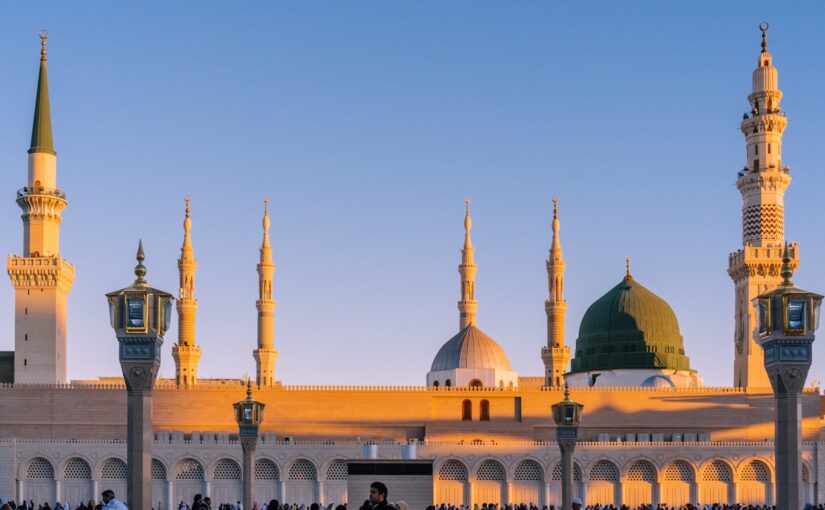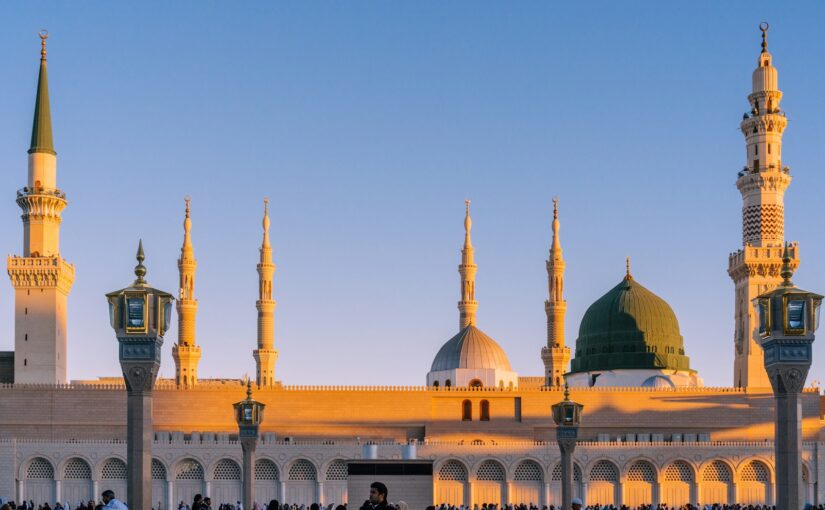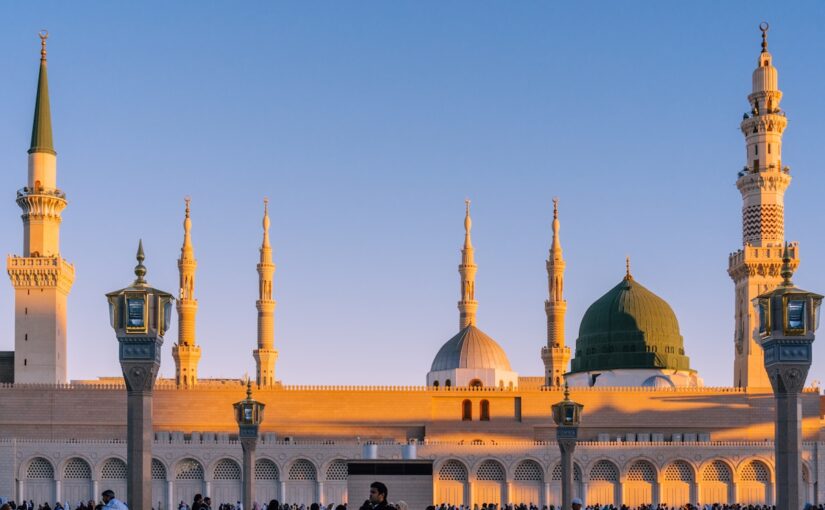

Ya Nabi Salam Alaika (یا نبی سلام علیک) – Full Naat Lyrics in Urdu, English Translation and Meaning

Salam Ya Rasool Allah (سلام یا رسول اللہ) – Full Naat Lyrics in Urdu, English Translation and Meaning

“Ya Nabi Salam Alaika” is one of the most beloved and widely recited naats across the Muslim world. Composed in praise of Prophet Muhammad (peace be upon him), this naat expresses deep love, respect, and devotion. Its soulful melody and heartfelt words have made it a staple at gatherings, mosques, and homes.

In this post, we share the complete Urdu lyrics, English translation, and the meaning behind this timeless naat.

Background of Ya Nabi Salam Alaika

This naat was originally written in Arabic by Sheikh Mahmoud Al-Husseini, a Syrian scholar known for his beautiful poetry in praise of the Prophet. It quickly gained popularity and has been performed by countless nasheed artists around the world. The opening line, “Ya Nabi Salam Alaika,” translates to “O Prophet, peace be upon you” and immediately sets the tone of love and reverence.

The naat calls upon the Prophet Muhammad (peace be upon him) and expresses themes of seeking intercession, showing gratitude, and renewing one’s faith. It is often recited during Mawlid (the celebration of the Prophet’s birth) and other religious occasions.

Let us now go through the full lyrics.

Urdu Lyrics (Roman Transliteration)

Ya Nabi Salam Alaika
Ya Rasool Salam Alaika

Ya Habibi Salam Alaika
Salawatullah Alaika
Ya Nabi Salam Alaika
Ya Rasool Salam Alaika

Ashraqal Badru Alaina
Fakhtafat Minhu Al-Buduru
Mithla Husnika Ma Ra-aina
Ayyuha Al-Wajhul-Muneeru

Anta Shamsun Anta Badrun
Anta Noorun Fawqa Noori
Anta Ikseerun Wa Ghali
Anta Misbahus-Sudoori

Ya Habibi Salam Alaika
Salawatullah Alaika
Ya Nabi Salam Alaika
Ya Rasool Salam Alaika

Urdu Script (اردو حروف میں)

یا نبی سلام علیک
یا نبی سلام علیک
یا نبی سلام علیک
یا رسول سلام علیک

یا حبیب سلام علیک
صلوات اللہ علیک
یا نبی سلام علیک
یا رسول سلام علیک

أشرق البدر علینا
فاختفت منہ البدور
مثل حسنک ما رأینا
أیہا الوجہ المنیر

أنت شمس أنت بدر
أنت نور فوق نوری
أنت اکسیر و غالی
أنت مصباح الصدور

یا حبیب سلام علیک
صلوات اللہ علیک
یا نبی سلام علیک
یا رسول سلام علیک

English Translation

O Prophet, peace be upon you
O Messenger, peace be upon you

O beloved, peace be upon you
Peace and blessings of Allah be upon you
O Prophet, peace be upon you
O Messenger, peace be upon you

The full moon has risen over us
And the other moons have disappeared from sight
We have never seen anyone as beautiful as you
O radiant-faced one

You are the sun, you are the moon
You are a light above all lights
You are precious, you are rare
You are the lamp that lights all hearts

O beloved, peace be upon you
Peace and blessings of Allah be upon you
O Prophet, peace be upon you
O Messenger, peace be upon you

Meaning and Significance of Each Verse

“Ya Nabi Salam Alaika” is a direct address to the Prophet Muhammad (peace be upon him). The word “Alaika” means “upon you,” so this line is essentially a greeting of peace. Muslims believe that when they send salutations upon the Prophet, the angels deliver them to him. This verse is an expression of love and connection that transcends time and space.

The second verse, “Ashraqal Badru Alaina,” is a famous line that recalls the arrival of the Prophet in Madinah. When he entered the city, the people welcomed him with joy and light. The “full moon” is a metaphor for the Prophet’s blessed face and presence. This verse tells us that his appearance brought light and dispelled darkness, both literally and spiritually.

“Anta Shamsun Anta Badrun, Anta Noorun Fawqa Noori” describes the Prophet as being the sun, the moon, and a light above all lights. This is not exaggeration. For believers, the Prophet is the ultimate source of guidance. His teachings illuminate the heart and show the way to righteousness.

“Anta Misbahus-Sudoori” means “You are the lamp that lights all hearts.” This refers to how the Prophet’s message brings clarity and comfort to those who believe. When a person feels lost or confused, turning to the teachings of the Prophet can bring peace and understanding.

Why This Naat Is So Popular Among Muslims Worldwide

This naat has crossed borders and languages because its message is universal. Every Muslim, regardless of their nationality or native tongue, shares a love for the Prophet. The melody is simple enough that anyone can learn it, yet the words carry deep spiritual weight.

It is often recited at family gatherings, in mosques before or after prayers, and at special events like Mawlid. Children learn it in Islamic schools. Adults turn to it in moments of reflection and need.

The beauty of “Ya Nabi Salam Alaika” lies in its sincerity. It does not use complicated language. It simply expresses what is in the heart of every believer: love, respect, and a longing for the Prophet’s intercession.

How to Recite the Naat

When reciting this naat, it is important to do so with humility and focus. Find a quiet space. Recite with the intention of sending peace and blessings upon the Prophet. You can recite it alone or with others.

The recommended time for reciting salutations upon the Prophet is Friday, but this naat can be recited at any time. Many people listen to recordings by famous nasheed artists to learn the correct melody and pronunciation.

Conclusion

“Ya Nabi Salam Alaika” is more than a naat. It is a heartfelt expression of love for the Prophet Muhammad (peace be upon him). Its simple yet profound words connect Muslims around the world in shared devotion.

Whether you recite it in Arabic, Urdu, or English, the feeling is the same. Peace and blessings upon the Prophet, the beloved of Allah.

If you enjoyed this naat, you may also like our collection of Tajdar-e-Haram lyrics, Mustafa Jaane Rehmat full naat lyrics, and our post on Maula Ya Salli Wa Sallim with English translation.

More naat lyrics: Tajdar-e-Haram | Mustafa Jaane Rehmat | Maula Ya Salli Wa Sallim

Allah Hu Allah Hu (اللہ ہو اللہ ہو) – Complete Naat Lyrics in Urdu, English Translation and Meaning

“Allah Hu Allah Hu” is a beloved Islamic naat that praises the oneness and greatness of Allah. The phrase “Allahu” (اللہ) is the Arabic name for God, and repeating it with devotion is a form of dhikr (remembrance of Allah). This naat is often recited in gatherings and is known for its simple yet powerful repetition that touches the heart.

Below you will find the full lyrics in Urdu, alongside the English transliteration and translation, as well as an explanation of the meaning behind this beautiful naat.

Allah Hu Allah Hu Naat Lyrics in Urdu (اللہ ہو اللہ ہو – اردو lyrics)

اللہ ہو اللہ ہو
اللہ ہو اللہ ہو
اللہ ہو اللہ ہو
اللہ ہو اللہ ہو

تُو ہی ربِّ جلیل ہے
تُو ہی واحد وکیل ہے
تُو ہی بے نیاز و منزہ ہے
تُو ہی صمد ابدی ہے

اللہ ہو اللہ ہو
اللہ ہو اللہ ہو
اللہ ہو اللہ ہو
اللہ ہو اللہ ہو

نہ کوئی تیرا ہمسر ہے
نہ کوئی تیرا نظیر ہے
تُو ہی اول و آخر ہے
تُو ہی باطن و ظاہر ہے

اللہ ہو اللہ ہو
اللہ ہو اللہ ہو
اللہ ہو اللہ ہو
اللہ ہو اللہ ہو

تُو ہی پیدا کرنے والا
تُو ہی پالنے والا
تُو ہی معاف کرنے والا
تُو ہی رحم کرنے والا

اللہ ہو اللہ ہو
اللہ ہو اللہ ہو
اللہ ہو اللہ ہو
اللہ ہو اللہ ہو

English Transliteration

Allah Hu Allah Hu
Allah Hu Allah Hu
Allah Hu Allah Hu
Allah Hu Allah Hu

Tu hi Rabb-e-Jaleel hai
Tu hi Wahid Wakeel hai
Tu hi Bay-Niaz-o-Munazzah hai
Tu hi Samad Abadi hai

Allah Hu Allah Hu
Allah Hu Allah Hu
Allah Hu Allah Hu
Allah Hu Allah Hu

Na koi tera Humsar hai
Na koi tera Nazir hai
Tu hi Awwal-o-Aakhir hai
Tu hi Batin-o-Zahir hai

Allah Hu Allah Hu
Allah Hu Allah Hu
Allah Hu Allah Hu
Allah Hu Allah Hu

Tu hi paida karne wala
Tu hi paalne wala
Tu hi maaf karne wala
Tu hi reham karne wala

Allah Hu Allah Hu
Allah Hu Allah Hu
Allah Hu Allah Hu
Allah Hu Allah Hu

English Translation

Allah Hu Allah Hu – He is Allah, He is Allah

Tu hi Rabb-e-Jaleel hai – You alone are the Majestic Lord
Tu hi Wahid Wakeel hai – You alone are the One and only Guardian
Tu hi Bay-Niaz-o-Munazzah hai – You alone are free from all needs and are Pure
Tu hi Samad Abadi hai – You alone are the Eternal, Self-Sufficient

Na koi tera Humsar hai – There is none equal to You
Na koi tera Nazir hai – There is none comparable to You
Tu hi Awwal-o-Aakhir hai – You alone are the First and the Last
Tu hi Batin-o-Zahir hai – You alone are the Hidden and the Manifest

Tu hi paida karne wala – You alone are the Creator
Tu hi paalne wala – You alone are the Sustainer
Tu hi maaf karne wala – You alone are the Forgiver
Tu hi reham karne wala – You alone are the Merciful

Meaning and Background

“Allah Hu Allah Hu” is more than just a song or poem. It is a form of dhikr (remembrance of Allah) that has been recited by Muslims for centuries. The repetition of Allah’s name is considered a powerful spiritual practice that brings peace to the heart and strengthens one’s connection with the Creator.

The lyrics affirm the core Islamic belief in Tawheed (the oneness of Allah). Each verse highlights different attributes of Allah as described in the Quran. The naat draws heavily from Quranic descriptions of Allah, particularly from Surah Al-Ikhlas (Chapter 112), which states: “Say, He is Allah, the One. Allah, the Eternal, Self-Sufficient. He neither begets nor is born, nor is there to Him any equivalent.”

This naat is popular across the Muslim world and is recited in various styles by different naat khwans (reciters). The simple structure makes it easy to memorise and recite, while the deep meaning provides spiritual nourishment.

For more naat lyrics and their meanings, explore our collection including Meri Zindagi Hai Madina, Tajdar-e-Haram and Ya Mustafa.

Why This Naat Matters

The “Allah Hu” naat holds a special place in Islamic devotional poetry. Its repetitive structure makes it ideal for group recitation and gatherings. The focus on Allah’s names and attributes serves as a reminder of His mercy, power and closeness to those who remember Him.

Reciting or listening to this naat can bring a sense of calm and spiritual focus. Many Muslims include it in their daily routine as part of morning or evening dhikr. The melody varies between reciters, but the core message remains the same: Allah is One, and He is worthy of all praise.

Frequently Asked Questions

Who wrote the Allah Hu Allah Hu naat?
The exact origin of this naat is not known, as it has been passed down through oral tradition. It belongs to the category of traditional Islamic nasheeds that focus on the attributes of Allah.

Is this naat from the Quran?
The phrases are inspired by Quranic descriptions of Allah, particularly from Surah Al-Ikhlas, Ayat-ul-Kursi and other verses that describe Allah’s attributes. The composition itself is not a direct Quranic verse but is based on Islamic teachings.

Can children recite this naat?
Yes, this naat is very popular among children because of its simple, repetitive structure. Many Islamic schools and madrasas teach it to young students as an introduction to devotional poetry.

Meri Zindagi Hai Madina (میری زندگی ہے مدینہ) Full Naat Lyrics in Urdu, English Translation and Meaning

Meri Zindagi Hai Madina (میری زندگی ہے مدینہ) meaning “My Life is Madina” is a deeply emotional and popular Urdu naat recited by the renowned naat khwan Owais Raza Qadri. This naat expresses the profound love and devotion of a believer towards Madina Munawwarah, the blessed city of Prophet Muhammad. The lyrics speak of a heart that lives for Madina, a soul that longs to be in the presence of the Prophet, and a life that finds its true meaning in the love of the Holy Prophet.

Owais Raza Qadri, known for his soulful and heartfelt recitation, has touched millions of hearts worldwide with this naat. Meri Zindagi Hai Madina is often recited at gatherings, in mosques, and during personal moments of devotion. It captures the essence of what Madina means to a believer not just a city, but a spiritual home.

In this article, we present the full Urdu lyrics of Meri Zindagi Hai Madina along with English translation and a detailed explanation of its meaning and spiritual significance.

The Meaning of Meri Zindagi Hai Madina

The title Meri Zindagi Hai Madina translates to “My Life is Madina”. This phrase captures the essence of a believer existence a life devoted to the love of Prophet Muhammad and the blessed city where he is buried. Madina is not just a geographical location in this context; it represents the spiritual destination of every Muslim heart.

The naat emphasises several key themes:

  • The all-consuming love for Prophet Muhammad
  • The longing to visit and live in Madina Munawwarah
  • The recognition that true peace and happiness come from devotion to the Prophet
  • The willingness to sacrifice everything for the sake of the beloved Prophet

Meri Zindagi Hai Madina Naat Lyrics Full Urdu Text

میری زندگی ہے مدینہ میری زندگی ہے مدینہ
مرے دل کی دھڑکن ہے مدینہ ہاں میری زندگی ہے مدینہ

نہیں جانتا مجھے کوئی اور نہ جانے میرا مداوا کوئی
مری التجا ہے یا نبی مجھے دیدار کردو مدینہ کا

مجھے چھوڑ کر نہ جانا کبھی میں ہوں تم پہ فدا یا نبی
مری جان لے لو یا رسول اللہ مگر مت بھلانا مدینہ مجھے

مری آنکھوں میں بسے مدینہ مرے خوابوں میں ہے مدینہ
مرے سانسوں میں ہے مدینہ ہاں میری زندگی ہے مدینہ

مدینے کی گلیوں میں اے مرے نبی ملاقات ہوگی کسی دن
مری آنکھوں کو راحت ملے گی یہی آرزو ہے مدینہ کی

جہاں روضہ ہے نبی کا وہیں میرا گھر ہے مدینہ
مری جنت ہے مدینہ ہاں میری زندگی ہے مدینہ

کبھی تو سنا اے مرے مولا مرے دل کی پکار
یہاں آنے کی ہے التجا مجھے ہو جائے دیدار

تمہیں چھوڑ کر نہ جائیں گے ہم اے مرے شہہ مدینہ
مری روح رہے گی تمہارے در پہ مری زندگی ہے مدینہ

English Translation of Meri Zindagi Hai Madina

Urdu Verse English Translation
میری زندگی ہے مدینہ میری زندگی ہے مدینہ
مرے دل کی دھڑکن ہے مدینہ ہاں میری زندگی ہے مدینہ
My life is Madina, my life is Madina.
The heartbeat of my heart is Madina, yes, my life is Madina.
نہیں جانتا مجھے کوئی اور نہ جانے میرا مداوا کوئی
مری التجا ہے یا نبی مجھے دیدار کردو مدینہ کا
No one knows me, and no one knows my cure.
My plea is, O Prophet, grant me the vision of Madina.
مجھے چھوڑ کر نہ جانا کبھی میں ہوں تم پہ فدا یا نبی
مری جان لے لو یا رسول اللہ مگر مت بھلانا مدینہ مجھے
Never leave me, I sacrifice myself for you, O Prophet.
Take my life, O Messenger of Allah, but do not let me forget Madina.
مری آنکھوں میں بسے مدینہ مرے خوابوں میں ہے مدینہ
مرے سانسوں میں ہے مدینہ ہاں میری زندگی ہے مدینہ
Madina resides in my eyes, Madina is in my dreams.
Madina is in my breath, yes, my life is Madina.
مدینے کی گلیوں میں اے مرے نبی ملاقات ہوگی کسی دن
مری آنکھوں کو راحت ملے گی یہی آرزو ہے مدینہ کی
In the streets of Madina, O my Prophet, I will meet you one day.
My eyes will find peace, this is the wish of Madina.
جہاں روضہ ہے نبی کا وہیں میرا گھر ہے مدینہ
مری جنت ہے مدینہ ہاں میری زندگی ہے مدینہ
Where the shrine of the Prophet is, there my home is Madina.
My paradise is Madina, yes, my life is Madina.
کبھی تو سنا اے مرے مولا مرے دل کی پکار
یہاں آنے کی ہے التجا مجھے ہو جائے دیدار
Listen sometime, O my Master, to the call of my heart.
My plea is to come here, grant me the blessed vision.
تمہیں چھوڑ کر نہ جائیں گے ہم اے مرے شہہ مدینہ
مری روح رہے گی تمہارے در پہ مری زندگی ہے مدینہ
We will never leave you, O my King of Madina.
My soul will remain at your doorstep, my life is Madina.

The Spiritual Significance of Meri Zindagi Hai Madina

The love for Madina is not just a sentimental feeling in Islam. It is a deep spiritual connection that every Muslim is encouraged to develop. Prophet Muhammad himself said, “Ibrahim declared Makkah sacred, and I declare Madina sacred.” This makes Madina one of the two holiest cities in Islam, alongside Makkah.

This naat captures that love perfectly. The repeated phrase “Meri Zindagi Hai Madina” is not a literal statement that the singer lives in Madina. Instead, it means that the city of Madina and everything it represents the Prophet, his teachings, his love, his sunnah is the very essence of the believer existence. The believer life revolves around this love, just as a planet revolves around the sun.

The naat also speaks to the universal longing that every Muslim feels the desire to visit the Rawdah and to stand before the blessed grave of Rasoolullah. This is one of the greatest spiritual aspirations for a believer, and the naat gives voice to this beautiful longing.

Why This Naat Is So Popular

  • Simple yet profound lyrics: The words are easy to understand but carry deep spiritual meaning
  • Emotional melody: The tune of this naat is both soulful and easy to remember
  • Universal theme: Every Muslim, regardless of their background, can relate to the longing for Madina
  • Powerful recitation by Owais Raza Qadri: His voice adds an unmatched emotional depth to the words

If you enjoyed this naat, you may also like other popular naats such as Tajdar-e-Haram and Suna Hai Jis Ka Naam Hai Muhammad, both available with full lyrics and translations on our site.

How to Recite This Naat

Meri Zindagi Hai Madina is typically recited in a slow, melodious style. The repetition of the title phrase at the beginning sets a reflective tone. The verses that follow build emotional intensity as the singer expresses their deep love and longing for the Prophet and the blessed city of Madina.

This naat is suitable for any gathering where naat is recited, including mehfils, Milad gatherings, and personal worship. It is also popular for listening during travel, especially for those journeying to Madina for pilgrimage.

Final Thoughts

Meri Zindagi Hai Madina is more than just a naat. It is a declaration of love, a spiritual aspiration, and a reminder of what truly matters in life. The love of Prophet Muhammad and the city of Madina is at the heart of Islamic spirituality, and this naat captures that love in the most beautiful way.

We hope this article with the full Urdu lyrics, English translation, and meaning helps you connect more deeply with this beautiful naat. Share it with friends and family, and may Allah grant us all the opportunity to visit Madina Munawwarah.

For more naat lyrics, explore our collection of Labbaik Ya Rasool Allah and Ya Habibi Ya Muhammad.

Tajdar-e-Haram (تاجدارِ حرم) – Full Naat Lyrics in Urdu, English Translation and Meaning

Tajdar-e-Haram – The Crown of the Sanctuary

Tajdar-e-Haram (تاجدارِ حرم) — meaning “The Crown of the Sanctuary” — is one of the most beloved and widely recited Urdu naats in the Islamic world. Composed and recited by the renowned naat khwan Owais Raza Qadri, this naat is a heartfelt tribute to Prophet Muhammad ﷺ, the beloved of Allah, the chief of all prophets, and the crown of the sacred sanctuary of Makkah and Madinah.

Owais Raza Qadri, a Pakistani naat reciter and scholar, is celebrated for his soulful voice and devotion to the Prophet ﷺ. His naats have reached millions across the globe, and Tajdar-e-Haram stands as one of his most iconic works. The naat speaks directly to the Prophet ﷺ, acknowledging his unparalleled status and expressing the deep love and reverence felt by his followers.

In this article, we present the full Urdu lyrics of Tajdar-e-Haram along with English translation and a detailed explanation of its meaning and significance.

Continue reading Tajdar-e-Haram (تاجدارِ حرم) – Full Naat Lyrics in Urdu, English Translation and Meaning

Suna Hai Jis Ka Naam Hai Muhammad (سنا ہے جس کا نام ہے محمد) – Full Naat Lyrics in Urdu, English Translation and Meaning

Beautiful mosque interior - Islamic architecture

Introduction

“Suna Hai Jis Ka Naam Hai Muhammad” (سنا ہے جس کا نام ہے محمد) is one of the most beloved and widely recited Urdu naats in the Islamic world. This beautiful poetic composition praises the Prophet Muhammad (peace be upon him) and expresses the deep love and reverence that Muslims hold for their beloved Prophet. The title translates to “I Have Heard That His Name Is Muhammad,” capturing a sense of anticipation, reverence, and spiritual longing.

The naat has gained immense popularity across South Asia and among Urdu-speaking Muslims worldwide. It is often recited at Mehfil-e-Milad gatherings, Islamic conferences, and during the month of Rabi’ al-Awwal (the month of the Prophet’s birth). Its soulful melody and profound lyrics make it a staple in the repertoire of naat reciters everywhere.

In this article, we present the complete Urdu lyrics of “Suna Hai Jis Ka Naam Hai Muhammad” in Arabic script, along with an English transliteration and translation. We also explore the meaning and spiritual significance of this timeless composition.

Urdu Lyrics (Arabic Script)

Below are the complete lyrics of “Suna Hai Jis Ka Naam Hai Muhammad” written in Urdu (Arabic script):

سنا ہے جس کا نام ہے محمد ﷺ
وہی ہے جس کا کام ہے محمد ﷺ

سنا ہے جس کی آنکھیں بھی ہیں پیاری
سنا ہے جس کا نام ہے محمد ﷺ

سنا ہے اس کا رخ ہے ماہتابی
سنا ہے جس کا نام ہے محمد ﷺ

سنا ہے اس کے ہونٹوں پہ مسکراہٹ
سنا ہے جس کا نام ہے محمد ﷺ

سنا ہے وہ ہے سرورِ دو جہاں کا
سنا ہے جس کا نام ہے محمد ﷺ

سنا ہے وہ ہے خاتم المرسلینا
سنا ہے جس کا نام ہے محمد ﷺ

سنا ہے اس کی چال ہے دل نشیں سی
سنا ہے جس کا نام ہے محمد ﷺ

سنا ہے اس کی باتیں ہیں ادب کی
سنا ہے جس کا نام ہے محمد ﷺ

سنا ہے اس کو رب نے چن لیا ہے
سنا ہے جس کا نام ہے محمد ﷺ

سنا ہے وہ ہے رحمت للعالمینا
سنا ہے جس کا نام ہے محمد ﷺ

سنا ہے اس کے قدموں میں ہے جنت
سنا ہے جس کا نام ہے محمد ﷺ

سنا ہے اس کی اُمت پر ہے شفقت
سنا ہے جس کا نام ہے محمد ﷺ

سنا ہے وہ ہے شفیع المذنبینا
سنا ہے جس کا نام ہے محمد ﷺ

English Transliteration

For readers who cannot read the Urdu script, here is a Roman English transliteration of the naat:

Suna hai jis ka naam hai Muhammad
Wohi hai jis ka kaam hai Muhammad

Suna hai jis ki aankhein bhi hain pyaari
Suna hai jis ka naam hai Muhammad

Suna hai us ka rukh hai mahtaabi
Suna hai jis ka naam hai Muhammad

Suna hai us ke honton pe muskurahat
Suna hai jis ka naam hai Muhammad

Suna hai woh hai saraur-e-do jahan ka
Suna hai jis ka naam hai Muhammad

Suna hai woh hai khaatam-ul-mursaleena
Suna hai jis ka naam hai Muhammad

Suna hai us ki chaal hai dil nasheen si
Suna hai jis ka naam hai Muhammad

Suna hai us ki batein hain adab ki
Suna hai jis ka naam hai Muhammad

Suna hai us ko Rabb ne chun liya hai
Suna hai jis ka naam hai Muhammad

Suna hai woh hai rehmat-ul-lil-aalameena
Suna hai jis ka naam hai Muhammad

Suna hai us ke qadmon mein hai jannat
Suna hai jis ka naam hai Muhammad

Suna hai us ki ummat par hai shafqat
Suna hai jis ka naam hai Muhammad

Suna hai woh hai shafee-ul-muznibeena
Suna hai jis ka naam hai Muhammad

English Translation

Here is the English translation of each verse of “Suna Hai Jis Ka Naam Hai Muhammad”:

Verse 1:
“I have heard that His name is Muhammad (peace be upon him)
He is the one whose work is Muhammad (peace be upon him)”

Verse 2:
“I have heard that even His eyes are beautiful
I have heard that His name is Muhammad (peace be upon him)”

Verse 3:
“I have heard that His face shines like the full moon
I have heard that His name is Muhammad (peace be upon him)”

Verse 4:
“I have heard that there is a smile upon His lips
I have heard that His name is Muhammad (peace be upon him)”

Verse 5:
“I have heard that He is the leader of both worlds
I have heard that His name is Muhammad (peace be upon him)”

Verse 6:
“I have heard that He is the seal of all Prophets
I have heard that His name is Muhammad (peace be upon him)”

Verse 7:
“I have heard that His gait is captivating to the heart
I have heard that His name is Muhammad (peace be upon him)”

Verse 8:
“I have heard that His words are full of grace and etiquette
I have heard that His name is Muhammad (peace be upon him)”

Verse 9:
“I have heard that the Lord chose Him
I have heard that His name is Muhammad (peace be upon him)”

Verse 10:
“I have heard that He is a mercy to all the worlds
I have heard that His name is Muhammad (peace be upon him)”

Verse 11:
“I have heard that Paradise lies at His feet
I have heard that His name is Muhammad (peace be upon him)”

Verse 12:
“I have heard that He has compassion for His nation
I have heard that His name is Muhammad (peace be upon him)”

Verse 13:
“I have heard that He is the intercessor for the sinners
I have heard that His name is Muhammad (peace be upon him)”

Meaning and Spiritual Significance

“Suna Hai Jis Ka Naam Hai Muhammad” is much more than a simple naat – it is a spiritual reflection on the beauty and nobility of Prophet Muhammad (peace be upon him). The repeated refrain, “Suna hai jis ka naam hai Muhammad,” creates a meditative rhythm that draws the listener into a state of deep contemplation and love for the Prophet.

The naat touches upon several key aspects of the Prophet’s personality and his status in Islam:

  • Physical Beauty: The verses describe the Prophet’s luminous face (like the full moon), his beautiful eyes, and his gentle smile. These are not merely physical descriptions but reflections of the inner light (nur) that accompanied him. Islamic tradition is rich with descriptions of the Prophet’s blessed appearance, known as Shamail.
  • Spiritual Status: The naat affirms the Prophet as the leader of both worlds (Sarwar-e-Do Jahan) and the Seal of the Prophets (Khatam-ul-Mursaleen). These titles emphasize his unique rank in creation and his role as the final messenger of Allah.
  • Divine Selection: The verse “Us ko Rabb ne chun liya hai” (The Lord chose him) reminds us that the Prophet was not an ordinary man but was divinely selected for the greatest mission in human history – delivering the final revelation to humanity.
  • Mercy to Mankind: The title “Rehmat-ul-lil-Aalameen” (Mercy to all the worlds) is taken directly from the Quran (Surah Al-Anbiya, 21:107). It encapsulates the Prophet’s universal mercy that extends beyond humans to all of creation.
  • Intercession: The closing verses highlight the Prophet’s role as an intercessor (Shafi’) on the Day of Judgment, a source of hope and comfort for believers who seek forgiveness.

The naat’s refrain structure is particularly powerful. Each verse begins with “Suna hai” (I have heard), creating a sense of oral tradition and inherited love. The listener is not witnessing the Prophet directly but is receiving descriptions passed down through generations – a chain of love and devotion stretching back to the Companions who knew him personally.

The repetition of the sacred name “Muhammad” at the end of each couplet serves as a dhikr (remembrance), allowing the reciter and listener to continuously invoke the blessed name of the Prophet throughout the naat.

Background and Popularization

“Suna Hai Jis Ka Naam Hai Muhammad” is a traditional naat that has been passed down through generations of Urdu-speaking Muslims. While the exact origins and original poet remain uncertain (as with many traditional folk naats), the composition has been popularized by numerous renowned naat reciters across South Asia.

The naat is particularly associated with:

  • Mehfil-e-Milad Gatherings: It is a staple at gatherings celebrating the birth of the Prophet Muhammad (peace be upon him), especially during Rabi’ al-Awwal.
  • Islamic Conferences and Ijtema: The naat is frequently performed at large Islamic gatherings across Pakistan, India, Bangladesh, and the wider South Asian diaspora.
  • Online and Digital Platforms: With the rise of YouTube and social media, this naat has reached a global audience. Numerous recitations by various artists are available, each bringing their own style while preserving the essence of the composition.

The beauty of this naat lies in its simplicity. The lyrics are accessible – easy to memorize and recite – yet they carry profound theological meaning. This combination of accessibility and depth is what has made “Suna Hai Jis Ka Naam Hai Muhammad” a beloved naat for Muslims of all ages and backgrounds.

Whether recited in a quiet moment of personal devotion or sung in a gathering of thousands, this naat continues to touch hearts and bring souls closer to the love of the Prophet Muhammad (peace be upon him).

Conclusion

“Suna Hai Jis Ka Naam Hai Muhammad” is a timeless expression of love for the Prophet Muhammad (peace be upon him). Its simple yet profound verses capture the essence of what it means to love and revere the final messenger of Allah. By reciting this naat, believers not only express their devotion but also renew their connection with the spiritual legacy of Islam.

May the beauty of these words inspire us to learn more about the life and character of the Prophet Muhammad (peace be upon him) and to strive to embody his teachings in our daily lives.

Ya Mustafa (یا مصطفیٰ) — Full Naat Lyrics in Urdu, English Translation and Meaning

“Ya Mustafa” (یا مصطفیٰ) is one of the most beloved and widely recited naats in the Islamic world. Sung by the renowned naat reciter Owais Raza Qadri, this soul-stirring naat is a heartfelt call to the Prophet Muhammad ﷺ, expressing deep love, devotion, and an unshakable bond between the believer and the final Messenger of Allah. The melody’s emotional depth combined with the powerful Urdu lyrics has made it a staple at religious gatherings, Mehfil-e-Naat events, and Ramadan special programs across the globe.

Owais Raza Qadri, a British-born naat khuwan of Pakistani descent, is a prominent figure in the world of Islamic nasheeds and naats. Known for his passionate delivery and soulful voice, Owais Raza Qadri has recorded hundreds of naats including other classics like “Mere Aaqa Ka Darbar,” “Tajdar-e-Haram,” and “Mustafa Jaane Rehmat.” His rendition of “Ya Mustafa” has amassed millions of views online and continues to inspire millions of Muslims to express their love for the Prophet Muhammad ﷺ through poetry and melody.

In this article, we present the complete lyrics of “Ya Mustafa” in both Urdu script and Roman English transliteration, along with a detailed English translation and explanation of its powerful verses. Whether you are looking to learn this beautiful naat by heart or seeking a deeper understanding of its words, this guide has everything you need.

Ya Mustafa Lyrics in Urdu (یا مصطفیٰ نعت کے اردو اشعار)

Below are the full Urdu lyrics of Ya Mustafa recited by Owais Raza Qadri:

یا مصطفیٰ یا مصطفیٰ
میرے نبی مصطفیٰ ﷺ
یا مصطفیٰ یا مصطفیٰ
میرے نبی مصطفیٰ ﷺ

یاد ہے تجھ کو وہ گھڑی
جب نہ تھا کوئی جدھر
آدم و حوا تھے نہیں
نہ تھا کوئی بشر

تھی نہ عرش و کرسی و لوح
نہ تھا قلم و رقم
نہ فلک نہ تھی زمیں
نہ تھا شمس و قمر

تھی نہ کوئی مخلوق تھی
نہ تھا لیل و نہار
نہ تھیں جنت و جہنم
نہ ثواب نہ وزر

تھا نہ کوئی شے وجود میں
سوائے ذات زوالفقار
تھی نہ کوئی دوسری ذات
نہ کوئی دوسرا جہاں

تب بھی تھے تمؐ اور اب بھی ہو
یا مصطفیٰ یا مصطفیٰ
میرے نبی مصطفیٰ ﷺ

یا مصطفیٰ یا مصطفیٰ
میرے نبی مصطفیٰ ﷺ
یا مصطفیٰ یا مصطفیٰ
میرے نبی مصطفیٰ ﷺ

پھر جب اِس دنیا میں
تشریف لائے آپؐ
خاتم النبیین ہو کر
ختم ہوئی نبوت

مکہ سے مدینہ تک
نور کا سفر تھا جاری
دشمنوں کو بھی بخش دیا
ایسے تھے ہم سے پیارے

ہر اک دکھ میں ہوگی مدد
جو پکارے گا تمؐ کو
تمؐ تو رحمت ہو خدا کی
حشر میں بھی یاد رکھنا

یا مصطفیٰ یا مصطفیٰ
میرے نبی مصطفیٰ ﷺ
یا مصطفیٰ یا مصطفیٰ
میرے نبی مصطفیٰ ﷺ

Ya Mustafa English Translation

Here is the English translation of the Ya Mustafa naat, line by line:

Ya Mustafa, Ya Mustafa
Mere Nabi Mustafa ﷺ
Ya Mustafa, Ya Mustafa
Mere Nabi Mustafa ﷺ

O Mustafa! O Mustafa!
My Prophet Mustafa ﷺ
O Mustafa! O Mustafa!
My Prophet Mustafa ﷺ

Yaad hai tujh ko woh ghari
Jab na tha koi jidhar
Aadam o Hawwa thay nahi
Na tha koi bashar

Do you remember that moment
When there was no one around
Neither Adam nor Eve existed
Nor any human being

Thi nah Arsh o Kursi o Loh
Na tha Qalam o Raqam
Na falak na thi zameen
Na tha Shams o Qamar

There was no Throne, no Footstool, no Tablet
No Pen, no writing
No sky, no earth
No sun, no moon

Thi na koi makhlooq thi
Na tha Lail o Nahaar
Na thin Jannat o Jahannam
Na sawaab na wazr

No creation existed
Neither night nor day
Neither Paradise nor Hell
No reward, no sin

Tha na koi shai wujood mein
Sawaey Zaat-e-Zulaf-e-Yaar
Thi na koi doosri zaat
Na koi doosra jahan

Nothing existed in the universe
Except the Divine Being of the Beloved
There was no other being
No other world

Tab bhi thay tum aur ab bhi ho
Ya Mustafa, Ya Mustafa
Mere Nabi Mustafa ﷺ

Even then you existed, and even now you exist
O Mustafa! O Mustafa!
My Prophet Mustafa ﷺ

Phir jab is duniya mein
Tashreef laaye aap
Khatam-un-Nabiyyeen ho kar
Khatam hui nubuwwat

Then when in this world
You arrived with honour
As the Seal of the Prophets
Prophethood was completed

Makkah se Madinah tak
Noor ka safar tha jaari
Dushmano ko bhi bakhsh diya
Aisay thay hum say pyaare

From Makkah to Madinah
The journey of light continued
Even enemies were forgiven
Such was the love you had for us

Har ik dukh mein hogi madad
Jo pukaare ga tumhen
Tum to rehmat ho Khuda ki
Hashar mein bhi yaad rakhna

In every sorrow there will be help
If one calls upon you
You are the mercy of Allah
Remember us on the Day of Judgment too

Ya Mustafa, Ya Mustafa
Mere Nabi Mustafa ﷺ
Ya Mustafa, Ya Mustafa
Mere Nabi Mustafa ﷺ

O Mustafa! O Mustafa!
My Prophet Mustafa ﷺ
O Mustafa! O Mustafa!
My Prophet Mustafa ﷺ

Meaning and Background of Ya Mustafa Naat

The title “Ya Mustafa” means “O Mustafa” — “Mustafa” (مصطفیٰ) being one of the most beloved names of the Prophet Muhammad ﷺ, meaning “The Chosen One” or “The Elect.” This name reflects the Islamic belief that Allah chose Prophet Muhammad ﷺ above all of creation to be the final messenger and mercy to mankind.

The opening verses of the naat take the listener on a profound spiritual journey — back to a time before creation itself. The poet describes a state when nothing existed except Allah: no heavens, no earth, no angels, no humans, no Paradise, no Hell. And yet, even in that pre-eternal state, the blessed soul of Prophet Muhammad ﷺ was already present. This is a beautiful reference to the famous hadith in which the Prophet ﷺ said, “I was a prophet when Adam was between water and clay” (Sunan Tirmidhi).

The naat then moves through time — describing the Prophet’s ﷺ arrival in this world as the Seal of the Prophets, his migration from Makkah to Madinah (the Hijrah), his unparalleled forgiveness even towards his enemies, and finally, the believer’s plea for his intercession (Shafa’ah) on the Day of Judgment. The recurring chorus “Tab bhi thay tum aur ab bhi ho” — “Even then you were, and even now you are” — beautifully connects the pre-eternal existence of the Prophet ﷺ with his continuing presence and spiritual guidance in the hearts of believers today.

This naat is widely performed in mosques, Islamic schools, and at Milad-un-Nabi gatherings around the world. It resonates deeply because it captures both the cosmic significance of the Prophet ﷺ — his existence before time — and his deeply personal, merciful relationship with every believer. The line “Har ik dukh mein hogi madad, jo pukaare ga tumhen” (In every sorrow there will be help, if one calls upon you) is particularly moving, reflecting the deep trust and reliance that Muslims place in the intercession and love of the Prophet Muhammad ﷺ.

More Beautiful Naats You Might Like

If you enjoyed the Ya Mustafa lyrics, you may also like these similar naats:

These naats, also popularized by Owais Raza Qadri and other renowned reciters, share the same themes of love, devotion, and reverence for the Prophet Muhammad ﷺ. Each one is a unique expression of the spiritual bond between the believer and the Chosen One.

May Allah bless us with the love of His beloved Prophet ﷺ and grant us his intercession on the Day of Judgment. Ameen.

An Nabi Sallu Alaih (النبی صلوا علیہ) – Complete Urdu Lyrics & English Translation

Introduction

“An Nabi Sallu Alaih” (اَلنَّبِی صَلُّو عَلَیہ) — also widely known as “Sallu Ala Nabi” (صلو علی النبی) — is one of the most beloved and frequently recited naats in the Urdu-speaking world. Made famous by the soulful voice of Tayyab Raza Qadri, this naat has become a staple in mehfils, mosques, and spiritual gatherings across Pakistan, India, Bangladesh, and the global Muslim diaspora.

The naat is a powerful call to send salutations (durood) upon the Prophet Muhammad ﷺ. Its refrain — “An Nabi Sallu Alaih, Salawatullah Alaih” — echoes the Qur’anic command in Surah Al-Ahzab (33:56): “Indeed, Allah and His angels send blessings upon the Prophet. O you who believe, send blessings upon him and greet him with peace.”

What makes this naat particularly special is its emotional depth. It doesn’t just praise the Prophet ﷺ; it expresses a deep personal longing — a desire to be close to him, to be forgiven through his intercession, and to find peace in his remembrance. The repeated refrain of “Ya Rasulallah, Ya Habiballah” (O Messenger of Allah, O Beloved of Allah) is a cry of love that resonates with millions.

In this article, we bring you the complete Urdu lyrics of “An Nabi Sallu Alaih” along with their English translation and the deeper meaning behind this timeless devotional masterpiece.

Background and Significance

“An Nabi Sallu Alaih” is more than just a naat — it is a devotional practice. The act of reciting durood (salutations) upon the Prophet ﷺ carries immense spiritual reward. The Prophet ﷺ himself said: “Whoever sends one blessing upon me, Allah sends ten blessings upon him.” (Sahih Muslim)

This naat beautifully combines Arabic and Urdu verses. The Arabic portions call upon all present to send salutations, while the Urdu verses express the poet’s personal devotion. The phrase “Tum Pe Karoron Durood” (Thousands of millions of blessings upon you) is repeated throughout, emphasizing the boundless love and reverence Muslims hold for their Prophet.

The naat also references key events and attributes of the Prophet ﷺ:

  • Shaqqul Qamar (splitting of the moon) — one of the Prophet’s ﷺ greatest miracles
  • Kaabe ke Badrud Duja — referring to the Prophet as the full moon of the Kaaba
  • Tayba ke Shamsud Duha — referring to him as the sun of brightness in Madina
  • Shafi-e-Roze Jaza — his role as intercessor on the Day of Judgment
  • Dafe Jumla Bala — the remover of all calamities

The naat was popularized in the modern era by Tayyab Raza Qadri, whose melodious rendition touches the hearts of listeners. Many other renowned naat reciters — including Owais Raza Qadri, Amjad Sabri, and Farhan Ali Qadri — have also performed this kalam, each bringing their unique style to this beloved composition.

Full Lyrics in Urdu (اَلنَّبِی صَلُّو عَلَیہ — مکمل اردو میں)

یا رسول اللّٰہ یا رسول اللّٰہ
یا حبیب اللّٰہ یا حبیب اللّٰہ

اَلنَّبِی صَلُّو عَلَیہ صَلَواۃُ اللّٰہ عَلَیہ
وَ یَنَالُ البَرَکاۃ کُلُّ مَن صَلّٰی عَلَیہ

اَلنَّبِی صَلُّو عَلَیہ صَلَواۃُ اللّٰہ عَلَیہ
وَ یَنَالُ البَرَکاۃ کُلُّ مَن صَلّٰی عَلَیہ

اَلنَّبِی یا حَاضِرِین اِعلَمُو عِلمَ الیقین
اَنَّ رَبُّ العَالَمِین فَرَضٰی صَلّٰی عَلَیہ

اللّٰہ اللّٰہ اللّٰہ اللّٰہ اللّٰہ اللّٰہ اللّٰہ اللّہ

اَلنَّبِی صَلُّو عَلَیہ صَلَواۃُ اللّٰہ عَلَیہ
وَ یَنَالُ البَرَکاۃ کُلُّ مَن صَلّٰی عَلَیہ

کعبے کے بدرالدجا تم پہ کروڑوں درود
طیبہ کے شمس الضحیٰ تم پہ کروڑوں درود
شافعٔ روز جزا تم پہ کروڑوں درود
دافعٔ جملہ بلا تم پہ کروڑوں درود

یا رسول اللّٰہ یا رسول اللّٰہ
یا حبیب اللّٰہ یا حبیب اللّٰہ

اَلنَّبِی یا مَن حَضَر اَلنَّبِی خَیرُ البشر
مَن لَّہٗ شَقُّ القَمَر وَ نَزِل سَلَّم عَلَیہ

اللّٰہ اللّٰہ اللّٰہ اللّٰہ اللّٰہ اللّٰہ اللّٰہ اللّہ

دل کرو ٹھنڈا میرا وہ کف پا چاند سا
سینے پر رکھ دو ذرا تم پہ کروڑوں درود
ذات ہوئی انتخاب وصف ہوئے لاجواب
نام ہوا مصطفیٰ تم پہ کروڑوں درود

یا رسول اللّٰہ یا رسول اللّٰہ
یا حبیب اللّٰہ یا حبیب اللّٰہ

اَلنَّبِی ذَاڪ العَرُوس ذِکرُہٗ یُحیِی النَفُوس
اَلنَّصَارٰ وَالمَجُوس اَسّلَمُو عَلٰی یَدَیہ

اللّٰہ اللّٰہ اللّٰہ اللّٰہ اللّٰہ اللّٰہ اللّٰہ اللّہ

بے ہنر بے تمیز کس کو ہوئے ہیں عزیز
ایک تمہارے سوا تم پہ کروڑوں درود
آس ہے کوئی نہ پاس اک تمہاری ہے آس
بس یہی آسرا تم پہ کروڑوں درود

یا رسول اللّٰہ یا رسول اللّٰہ
یا حبیب اللّٰہ یا حبیب اللّٰہ

سینہ ہے کہ داغ داغ کہہ دو کرے باغ باغ
طیبہ سے آکے صبا تم پہ کروڑوں درود

یا رسول اللّٰہ یا رسول اللّٰہ
یا حبیب اللّٰہ یا حبیب اللّٰہ

اَلنَّبِی صَلُّو عَلَیہ صَلَواۃُ اللّٰہ عَلَیہ
وَ یَنَالُ البَرَکاۃ کُلُّ مَن صَلّٰی عَلَیہ

تم سے جہاں کا نظام تم پہ کروڑوں درود
تم پہ کروڑوں ثنا تم پہ کروڑوں درود
تم ہو جوادو کریم تم ہو رؤوفو رحیم
بھیک ہو داتا عطا تم پہ کروڑوں درود

خلق کے حاکم ہو تم رزق کے قاسم ہو تم
تم سے ملا جو ملا تم پہ کروڑوں درود
نافی و دافع ہو تم شافی و رافع ہو تم
تم سے بس افزوں خدا تم پہ کروڑوں درود

بارش کرم کی بھرے بھولے نعم کے چمن
ایسی چلا دو ہوا تم پہ کروڑوں درود
کیوں کہوں بے کس ہوں میں کیوں کہوں بے بس ہوں میں
تم ہو میں تم پہ فدا تم پہ کروڑوں درود

یا رسول اللّٰہ یا رسول اللّٰہ
یا حبیب اللّٰہ یا حبیب اللّٰہ

اَلنَّبِی ذَاڪ المَلِیح قَولُہٗ قَولٌ صَحِیح
وَالقُرآن شَیئٌ فَصِیح الَّذِی اُنزِل عَلَیہ

اللّٰہ اللّٰہ اللّٰہ اللّٰہ اللّٰہ اللّٰہ اللّٰہ اللّہ

کرکے تمہارے گناہ مانگے تمہاری پناہ
تم کہو دامن میں آ تم پہ کروڑوں درود
ہم نے خطا میں نہ کی تم نے عطا میں نہ کی
کوئی کمی سرورا تم پہ کروڑوں درود

آنکھ عطا کیجیے اس میں ضیا کیجیے
جلد قریب آگیا تم پہ کروڑوں درود
کام وہ لے لیجیے تم کو جو راضی کرے
ٹھیک ہے نامہ رضا تم پہ کروڑوں درود

یا رسول اللّٰہ یا رسول اللّٰہ
یا حبیب اللّٰہ یا حبیب اللّٰہ

وَالحَسَن تُمَّ الحُسَین لِی رَیحَانَتَین
فَاطِمَہ قُرَّۃُ العَین جَدُّہُم صَلُّو عَلَیہ

اللّٰہ اللّٰہ اللّٰہ اللّٰہ اللّٰہ اللّٰہ اللّٰہ اللّہ

یہ عبید ادنیٰ غلام تیرا ہے خیر الانام
وقت مدحت کے لیے اس کی ہو عمر تمام

یا رسول اللّٰہ یا رسول اللّٰہ
یا حبیب اللّٰہ یا حبیب اللّٰہ

English Translation (Verse by Verse)

Below is the English translation of “An Nabi Sallu Alaih” verse by verse:

Verse (Romanized) English Translation
Ya Rasulallah, Ya Rasulallah
Ya Habiballah, Ya Habiballah
O Messenger of Allah! O Messenger of Allah!
O Beloved of Allah! O Beloved of Allah!
An Nabi Sallu Alaih, Salawatullah Alaih
Wa Yanaalul Baraka, Kullu Man Salla Alaih
O Prophet, send blessings upon him, Allah’s blessings be upon him
And whoever sends blessings upon him attains blessings
An Nabi Ya Hadireen, Ilamu Ilmal Yaqeen
Anna Rabbal Alameen, Wa Rala Salla Alaih
O Prophet! O those present! Know with certainty of knowledge
That the Lord of the Worlds has ordained to send blessings upon him
Kaabe Ke Badrud Duja, Tum Pe Karoron Durood
Tayba Ke Shamsud Duha, Tum Pe Karoron Durood
O full moon of the Kaaba’s darkness, millions of blessings upon you
O sun of brightness of Tayba (Madina), millions of blessings upon you
Shafiye Roze Jaza, Tum Pe Karoron Durood
Dafeye Jumla Bala, Tum Pe Karoron Durood
O intercessor on the Day of Recompense, millions of blessings upon you
O remover of all calamities, millions of blessings upon you
An Nabi Ya Man Hadar, An Nabi Khairul Bashar
Man Lahu Shaqqul Qamar, Wa Nazil Sallim Alaih
O Prophet, O the one who is present, O Prophet, the best of humankind
For whom the moon was split — send peace upon him
Dil Karo Thandha Mera Wo Kafe Pa Chaand Sa
Seene Pe Rakdo Zara, Tum Pe Karoron Durood
Cool my heart with that moon-like footstep
Place it on my chest just a little — millions of blessings upon you
Zaat Hui Intikhab, Wasf Huwe La Jawab
Naam Huwa Mustafa, Tum Pe Karoron Durood
Your being was chosen, your attributes are matchless
Your name became Mustafa (the Chosen One) — millions of blessings upon you
Be Hunar Be Tameez Kis Ke Huwe Hain Azeez
Ik Tumhare Siwa, Tum Pe Karoron Durood
Who else is precious to the unskilled and the rude?
No one except you — millions of blessings upon you
Aas Hai Koi Na Paas, Ik Tumhari Hai Aas
Bas Yahi Aasra, Tum Pe Karoron Durood
There is no hope nearby, only hope in you
This is our only support — millions of blessings upon you
Tum Se Jahan Ka Nizam, Tum Pe Karoron Durood
Tum Pe Karoron Sana, Tum Pe Karoron Durood
The universe’s order is through you — millions of blessings upon you
Millions of praises upon you, millions of blessings upon you
An Nabi Dhakal Maleeh, Qawaluhu Qawlu Saheeh
Wal Quran Shaiun Faseeh, Alladee Unzil Alaih
O Prophet of beautiful character, whose speech is true speech
And the Quran is an eloquent discourse that was revealed to him
Wal Hasan Tummal Husain, Lin Raihaanatain
Fathima Qurratu Ayn, Jadduhum Sallo Alaih
And Hasan and Husain are two sweet basil flowers
Fatima is the delight of the eye — their grandfather, send blessings upon him
Ye Ubaid Adna Ghulam, Tera Hai Khairul Anam
Waqt Midhat Ke Liye, Is Ki Ho Umr Tamam
This Ubaid is a lowly slave, yours, O Best of Creation
May his entire life be spent in praise of you

The Deeper Meaning

At its heart, “An Nabi Sallu Alaih” is a naat about longing and love. The poet, Ubaid (whose pen name appears in the final verse), expresses a profound yearning for the Prophet’s ﷺ presence. The line “Dil Karo Thandha Mera Wo Kafe Pa Chaand Sa / Seene Pe Rakdo Zara” is particularly moving — it asks the Prophet to place his blessed feet on the poet’s chest, a metaphor for the spiritual peace that comes from closeness to the Prophet ﷺ.

The repeated phrase “Tum Pe Karoron Durood” is not just a refrain but a meditation. Each repetition deepens the spiritual connection, reminding the listener that no amount of blessings is ever enough for the one who was sent as a mercy to all worlds (Rahmatan Lil Alameen).

The naat also acknowledges human weakness and the need for intercession. Lines like “Karke Tumhare Gunaah, Maange Tumhari Panaah” (Having committed sins, we seek your shelter) reflect the humility of the believer who recognizes their shortcomings but finds hope in the Prophet’s ﷺ mercy and intercession.

There is also a beautiful reference to the Prophet’s ﷺ family — Hasan, Husain, and Fatima — reminding us that love for the Prophet ﷺ is inseparable from love for his blessed household (Ahl al-Bayt).

Why This Naat Resonates So Deeply

Several factors contribute to the immense popularity of “An Nabi Sallu Alaih”:

  1. Universal Theme: The act of sending durood is a core Islamic practice. This naat makes it musical and emotional, transforming a religious obligation into a heartfelt expression of love.
  2. Bilingual Beauty: The seamless blend of Arabic (the language of revelation) and Urdu (the language of the heart for South Asian Muslims) makes it accessible to a wide audience.
  3. Emotional Progression: The naat begins with a call to send blessings, moves through praise and descriptions of the Prophet’s ﷺ attributes, then deepens into personal longing and confession, and ends with a prayer for the poet’s life to be spent in praise.
  4. Melodious Renditions: Tayyab Raza Qadri’s rendition, with its soft, emotional delivery, has made this naat a favorite across generations. It is equally popular on YouTube, TikTok, and in live mehfils.

Conclusion

“An Nabi Sallu Alaih” is more than a naat — it is a spiritual journey. From the opening call of “Ya Rasulallah” to the closing prayer for a life spent in praise, it takes the believer through love, longing, humility, and hope. Every verse is a thread in the fabric of devotion, woven together by the central act of sending blessings upon the Prophet Muhammad ﷺ.

Whether you recite it, listen to it, or simply reflect on its meaning, this naat has the power to transform your spiritual state. As the poet says: “Tum Se Jahan Ka Nizam, Tum Pe Karoron Durood” — the order of the universe is through you, so upon you be millions of blessings.

May we all be blessed to recite durood in abundance and be among those who receive the Prophet’s ﷺ intercession on the Day of Judgment. Ameen.

Haq Char Yaar (حق چار یار) – Complete Naat Lyrics in Urdu, English Translation and Meaning

Haq Char Yaar (حق چار یار) — Complete Naat Lyrics in Urdu, English Translation and Meaning

“Haq Char Yaar” is a beloved naat that praises the four righteous caliphs of Islam — Hazrat Abu Bakr Siddiq (RA), Hazrat Umar Farooq (RA), Hazrat Usman Ghani (RA) and Hazrat Ali Murtaza (RA). This naat honours their devotion to the Prophet Muhammad (PBUH) and their contributions to Islam. In this post, you will find the full Urdu lyrics, English translation and the meaning behind this beautiful naat.

About the Naat

“Haq Char Yaar” translates to “The Four True Friends” and refers to the Khulafa-e-Rashideen (the Rightly Guided Caliphs). This naat is popular in South Asia and is recited during Milad gatherings, Islamic events and daily prayers. It highlights the virtues of each caliph and reminds Muslims of the golden era of Islam.

The naat is often recited by various naat khwans (reciters) and has a simple yet powerful melody that makes it easy to learn and recite.

Haq Char Yaar — Urdu Lyrics

حق چار یار تیرے تھے
ہر ایک میں تھا نورِ نبی
صدیق و فاروق و عثمان
علی مرتضیٰ ہیں چار یار

ابوبکر صدیق کا ہے مقام
غار ثور میں تھے وہ رفیق
جان کی بازی لگا دی
نبی کے ساتھ وفا نبھائی

عمر فاروق کا ہے عمل
عدل سے بھرا تھا ان کا دل
کلمہ حق بلند کیا
دین اسلام کو مضبوط کیا

عثمان غنی کا ہے مرتبہ
حیا سے بھرپور تھا ان کا دل
قرآن مجید کا نزول
انہوں نے جمع کروایا

علی مرتضیٰ کا ہے جہاد
شجاعت میں تھے وہ بے مثال
علم کا دروازہ وہ تھے
نبی کے داماد وہ تھے

حق چار یار تیرے تھے
ہر ایک میں تھا نورِ نبی
صدیق و فاروق و عثمان
علی مرتضیٰ ہیں چار یار

English Translation

Verse 1:
Your four true friends were there,
Each one carried the light of the Prophet,
Siddiq, Farooq, Usman,
Ali Murtaza — these are the four friends.

Verse 2 (Abu Bakr Siddiq):
Abu Bakr Siddiq holds a high rank,
In the Cave of Thaur he was the companion,
He sacrificed his life,
He showed loyalty to the Prophet.

Verse 3 (Umar Farooq):
Umar Farooq’s deeds shine bright,
His heart was filled with justice,
He raised the word of truth,
He strengthened the religion of Islam.

Verse 4 (Usman Ghani):
Usman Ghani has great status,
His heart was full of modesty,
The revelation of the Holy Quran,
He compiled it together.

Verse 5 (Ali Murtaza):
Ali Murtaza struggled for Islam,
In bravery he was without comparison,
He was the gate of knowledge,
He was the son-in-law of the Prophet.

Chorus:
Your four true friends were there,
Each one carried the light of the Prophet,
Siddiq, Farooq, Usman,
Ali Murtaza — these are the four friends.

Meaning and Significance

This naat reminds Muslims of the importance of the four caliphs who guided the Muslim community after the Prophet Muhammad (PBUH). Each verse highlights a specific virtue of each caliph:

  • Hazrat Abu Bakr Siddiq (RA): Known for his unwavering faith and loyalty. He stood by the Prophet during the most difficult times, including the journey to Medina and the event of the Cave of Thaur.
  • Hazrat Umar Farooq (RA): Known for his justice and strength. His leadership expanded the Islamic empire and established systems of governance that benefited the community.
  • Hazrat Usman Ghani (RA): Known for his modesty and generosity. He is credited with compiling the Holy Quran into a single book, preserving it for future generations.
  • Hazrat Ali Murtaza (RA): Known for his bravery and knowledge. He was the cousin and son-in-law of the Prophet and is considered the gate to the city of knowledge.

Reciting this naat is a way to connect with the early history of Islam and honour the companions who sacrificed everything for the faith. It is a reminder of the values of truth, justice, modesty and courage that they embodied.

More Naat Lyrics

If you enjoyed this naat, check out our other naat lyrics including Tajdar-e-Haram, Ya Nabi Salam Alaika and Labbaik Ya Rasool Allah. You can also find more naats on our Mustafa Jaane Rehmat page.

Mere Maula (میرے مولا) – Complete Urdu Lyrics & English Translation

Mere Maula (میرے مولا) – Complete Urdu Lyrics & English Translation

Mere Maula” (میرے مولا), meaning “My Master” or “My Lord,” is one of the most soul-stirring naats in the Urdu language. The naat is a heartfelt plea to Allah — a beautiful blend of Hamd (praise of Allah) and Naat (praise of the Prophet ﷺ). Its lyrics talk about seeking the protection and mercy of the Almighty, expressing the singer’s complete reliance on the Creator.

Background of Mere Maula

The naat Mere Maula was popularised by the legendary Pakistani singer Junaid Jamshed (1964–2016). Junaid Jamshed was originally a pop icon — the lead vocalist of Pakistan’s biggest pop band, Vital Signs, famous for hits like “Dil Dil Pakistan.” After leaving the music industry in the early 2000s, he dedicated his life to Islamic preaching and nasheed/naat recitation. His journey from pop stardom to becoming a respected religious figure inspired millions.

Junaid Jamshed’s rendition of “Mere Maula” touched hearts across South Asia. With his soft, emotional voice and sincere delivery, he captured the longing of a believer seeking Allah’s mercy. The naat became a staple at religious gatherings, Islamic conferences, and continues to be widely shared on YouTube and social media platforms.

The lyrics of Mere Maula are traditionally attributed to various Islamic poets. The naat uses simple yet profound Urdu phrases that resonate deeply with listeners — making it accessible even to those who may not be fluent in Arabic or complex poetic forms.

Why Mere Maula Is So Beloved

  • Emotional depth: The naat expresses total submission and reliance on Allah — something every believer understands at a personal level.
  • Simple yet powerful lyrics: The words are easy to remember but carry deep spiritual meaning.
  • Junaid Jamshed’s unique legacy: His personal story of transformation adds layers of meaning to the performance.
  • Universality: The theme of seeking the Master’s mercy transcends cultural and linguistic boundaries.

Mere Maula – Full Urdu Lyrics (مکمل اردو نعت)

Verse 1

Urdu:
میرے مولا میرا غم دور کر دے
میرے دل سے میرا غم دور کر دے
مجھے اپنا بنا لے یا الٰہی
اپنے در سے کبھی نہ دور کر دے

English Translation:
My Master, remove my sorrow from me
Remove the grief from my heart
Make me Your own, O my Lord
Never cast me away from Your door

Verse 2

Urdu:
جو بھی تجھ سے مانگتا ہے وہ پاتا ہے
مجھ کو تو نے در پہ اپنے بلا لیا
بے کسوں کا تو ہے سہارا یا الٰہی
میرے مولا میرا غم دور کر دے

English Translation:
Whoever asks from You, receives
You called me to Your doorstep
You are the support of the helpless, O my Lord
My Master, remove my sorrow from me

Verse 3

Urdu:
تیرے در سے جو بھی خالی لوٹتا ہے
اس کو سمجھو وہ نادان ہے دیوانہ
مجھ کو اپنا بنا لے یا الٰہی
اپنے در سے کبھی نہ دور کر دے

English Translation:
Whoever returns empty-handed from Your door
Know that they are foolish, not mad with love
Make me Your own, O my Lord
Never cast me away from Your door

Verse 4

Urdu:
تیرے در کے سوا میرا کوئی نہیں ہے
تو ہی میرا ہے تو ہی میرا سہارا
مجھ کو اپنا بنا لے یا الٰہی
میرے مولا میرا غم دور کر دے

English Translation:
I have no one except Your door
You are mine, and You are my support
Make me Your own, O my Lord
My Master, remove my sorrow from me

Verse 5

Urdu:
تیرے در پہ جو آیا وہ خالی نہ گیا
بھر کے اس کو تو نے اپنی بخشش سے دیا
درد والو نے تجھ سے درد سارے پا لئے
میرے مولا میرا غم دور کر دے

English Translation:
Whoever came to Your door never left empty
You filled them with Your forgiveness
Those in pain received all their cure from You
My Master, remove my sorrow from me

Verse 6

Urdu:
مجھ کو تو نے اپنی رحمت سے نوازا
اپنے در سے لگا کر اپنا بنا لیا
میں گنہگار ہوں لیکن تو ہے غفار
میرے مولا میرا غم دور کر دے

English Translation:
You blessed me with Your mercy
You attached me to Your door and made me Your own
I am a sinner, but You are the Oft-Forgiving
My Master, remove my sorrow from me

Meaning and Explanation

The naat “Mere Maula” is structured as a direct conversation between the believer and Allah (ﷻ). Unlike naats that focus exclusively on praising the Prophet ﷺ, this piece is primarily a Hamd — expressing the singer’s deep emotional connection with the Creator.

Key themes:

  • Submission and reliance: The repeated plea “Mere Maula” establishes a relationship of total trust and dependence on Allah.
  • Seeking forgiveness: “I am a sinner, but You are the Oft-Forgiving” — this reflects the Islamic concept of Tawbah (repentance) and the believer’s hope in Allah’s infinite mercy.
  • Attachment to Allah’s door: The imagery of being attached to Allah’s door (dar) symbolizes seeking nearness to the Divine — a central theme in Islamic spirituality.
  • Comfort in times of hardship: The refrain “remove my sorrow” speaks to the universal human experience of grief and the comfort found in turning to the Divine.

The naat draws its power from its simplicity. It doesn’t use complex metaphors or heavy Arabic vocabulary. Instead, it speaks directly to the heart in everyday Urdu — making its message accessible to everyone, from scholars to common people.

Junaid Jamshed – The Voice Behind the Naat

Junaid Jamshed (1964–2016) was a remarkable figure in Pakistan’s cultural and religious landscape. Born in Karachi, he studied at the prestigious NED University and later formed the band Vital Signs in 1986. The band’s debut album included the iconic “Dil Dil Pakistan,” which became an unofficial national anthem.

In the early 2000s, Junaid underwent a profound spiritual transformation. He left the music industry, grew a beard, and began using his voice exclusively for Islamic content. He became a naat khawan (naat reciter) and a preacher, delivering lectures across Pakistan and internationally.

His rendition of “Mere Maula” is perhaps his most famous naat. The sincerity in his voice reflects his own spiritual journey — from worldly fame to complete devotion to the Creator. Junaid Jamshed tragically died in a plane crash near Havelian in December 2016, but his voice continues to inspire millions who listen to “Mere Maula” in their moments of solitude and prayer.

Conclusion

“Mere Maula” remains one of the most cherished Islamic devotional songs in the Urdu-speaking world. Its timeless message of submission, hope, and reliance on Allah resonates across generations. Whether you are going through a difficult time or simply seeking spiritual connection, this naat offers comfort and reminds us that the door of the Almighty is always open for those who seek Him.

May Allah accept our prayers and grant us the ability to always remember Him in times of ease and hardship. Ameen.

Note: All lyrics are transcribed to the best of our knowledge. Please inform us of any corrections you may find.

Lam Yati Naziruka (لم یأت نظیرک) — Full Naat Lyrics in Urdu, English Translation and Meaning

Lam Yati Naziruka is one of the most beloved naats in the Islamic world. Written in praise of Prophet Muhammad (peace be upon him), this naat has been recited by countless qaris and naat khwans across the globe. Its powerful lyrics and soulful melody make it a favourite at mehfils and religious gatherings.

In this post, you will find the complete Lam Yati Naziruka naat lyrics in Urdu script, along with English translation and the meaning behind each verse. We have also included background on the naat and guidance on how to recite it properly.

Background of Lam Yati Naziruka

Lam Yati Naziruka is an Arabic naat that celebrates the unmatched status of Prophet Muhammad (PBUH). The title translates to “There Has Not Come the Like of You” — a direct reference to the fact that no prophet or human being compares to the final messenger of Allah.

The naat draws from Islamic teachings that describe the Prophet’s unique position among all prophets. It highlights his character, his mercy towards mankind and his special status with Allah. The verses are deeply rooted in Quranic descriptions of the Prophet’s noble qualities.

Many famous reciters have performed this naat, including Mishary Rashid Alafasy and other well-known Islamic vocalists. The naat is also widely recited in Urdu by naat khwans across Pakistan and India, often with slight variations in melody and style.

Complete Lam Yati Naziruka Lyrics in Urdu

لم یأت نظیرک فی الناس
یا من صلیت علیہ و سلمت
یا خیر خلق اللہ کلھم
یا شافع المذنبین غدا
یا سید المرسلین کلھم
یا خیر من وطئ الثری قدما
یا من لہ خلق کریم
وعلیہ نزل القرآن
یا من لہ خلق عظیم
انت الامین علی الرسالات
انت الامین علی الایات

English Transliteration

Lam yaati nazeeruka fin naas
Ya man sallayta alayhi wa sallamt
Ya khayra khalqil laahi kullihim
Ya shaafi’al mudhnibeena ghada
Ya sayyidal mursaleena kullihim
Ya khayra man wati’as suraa qadama
Ya man lahu khuluqun kareem
Wa alayhi nazalal quran
Ya man lahu khuluqun azeem
Antal ameenu alar risaalaat
Antal ameenu alal aayaat

Urdu Translation (اردو ترجمہ)

اے وہ جس پر اللہ نے درود اور سلام بھیجا
لوگوں میں تیری مثال نہیں آئی
اے اللہ کی تمام مخلوق میں سے بہترین
اے کل گناہگاروں کی شفاعت کرنے والے
اے تمام رسولوں کے سردار
اے زمین پر قدم رکھنے والوں میں بہترین
اے وہ جس کا اخلاق کریم ہے
اور جس پر قرآن نازل ہوا
اے وہ جس کا اخلاق عظیم ہے
تو پیغاموں پر امین ہے
تو آیات پر امین ہے

English Translation

There has not come the like of you among mankind
O you upon whom Allah sent blessings and peace
O the best of all Allah’s creation
O intercessor of the sinners on the Day of Judgment
O leader of all the messengers
O the best of all who have walked upon the earth
O you who possess noble character
And upon whom the Quran was revealed
O you who possess magnificent character
You are the trustworthy bearer of the messages
You are the guardian of the signs

Deeper Meaning of Each Verse

The naat opens with a powerful statement: “There has not come the like of you among mankind.” This is not poetic exaggeration. It is a factual statement rooted in Islamic belief. Prophet Muhammad (PBUH) is the final prophet and the most beloved to Allah. No human before or after him can match his status.

“O you upon whom Allah sent blessings and peace” refers to the Quranic command where Allah and His angels send blessings upon the Prophet. This verse reminds believers to also send salawat upon him.

“O the best of all Allah’s creation” affirms that the Prophet holds the highest rank among all of creation, including angels and all prophets. This is a cornerstone of Islamic faith.

“O intercessor of the sinners on the Day of Judgment” refers to the Prophet’s role as an intercessor for his ummah on the Day of Judgment. This is a source of great hope for Muslims who strive to follow his teachings.

“O leader of all the messengers” acknowledges that while all prophets are respected, Muhammad (PBUH) holds the highest rank as the seal of the prophets.

“O the best of all who have walked upon the earth” emphasizes that the Prophet’s virtues and character are unmatched by anyone who has ever lived.

“O you who possess noble character” and “O you who possess magnificent character” refer to the Quranic verse where Allah describes the Prophet’s character as “khuluqin azeem” (magnificent character). This is one of the highest compliments given to any being in the Quran.

“You are the trustworthy bearer of the messages” and “You are the guardian of the signs” highlight the Prophet’s role in delivering and preserving Allah’s revelations.

The Virtue of Reciting Lam Yati Naziruka

Reciting this naat brings numerous spiritual benefits. It strengthens love for the Prophet (PBUH), which is an essential part of faith. It reminds believers of the Prophet’s unique status and encourages them to follow his example.

Many Muslims recite this naat regularly as part of their daily worship or during gatherings. The naat is especially popular on Fridays, during Ramadan and on the 12th of Rabi-ul-Awwal (Eid Milad-un-Nabi).

The melodic nature of the naat makes it easy to memorise and recite. Parents often teach this naat to their children as one of the first naats they learn.

Download and Share

You can share these lyrics with family and friends. The naat is also available in audio format from various Islamic websites and streaming platforms. Listening to a beautiful recitation while reading the translation can deepen your understanding and spiritual connection.

May Allah bless us all with true love for His Prophet (PBUH) and grant us his intercession on the Day of Judgment. Ameen.

For more naat lyrics and translations, check out our collection of Tajdar-e-Haram naat lyrics, Mere Aaqa Ka Darbar naat lyrics and Mustafa Jaane Rehmat naat lyrics in Urdu and English.