Mere Dil Mein Hai Madina (میرے دل میں ہے مدینہ) — Full Naat Lyrics in Urdu, English Translation and Meaning

Introduction

Mere Dil Mein Hai Madina” (میرے دل میں ہے مدینہ) is a deeply touching Urdu naat that expresses the profound love and longing a believer feels for the blessed city of Madina Munawwarah and the Prophet Muhammad ﷺ. The title translates to “My Heart Holds Madina” — a powerful declaration that the love of Madina is not just a passing emotion but something ingrained in the very core of a believer’s being.

This beautiful naat has been widely popularized by the renowned naat khwan Owais Raza Qadri, whose soulful voice and heartfelt rendition have made it a favourite at mehfil-e-naat gatherings around the world. The naat captures the universal yearning that every Muslim carries — the desire to visit the city of the Prophet ﷺ, to stand at his blessed Rawza, and to feel the spiritual peace that only Madina can offer.

In this post, we present the complete Urdu lyrics of “Mere Dil Mein Hai Madina” with full English translation and an exploration of the spiritual meaning behind the verses.


Mere Dil Mein Hai Madina — Urdu Lyrics (میرے دل میں ہے مدینہ مکمل اُردو نعت)

Verse 1

میرے دل میں ہے مدینہ، میرے دل میں ہے مدینہ

مجھ کو یاد آ رہا ہے، اپنا شہرِ مصطفیٰ
میرے دل میں ہے مدینہ، میرے دل میں ہے مدینہ

Verse 2

وہ نگارِ مدینہ، میرے دل کا چین ہے
جس نے دیکھا اس کو وہ، کبھی غمگین نہیں

میرے دل میں ہے مدینہ، میرے دل میں ہے مدینہ

Verse 3

آرزو ہے دل کی اب، مدینے میں جا کے رہوں
روضۂ احمد پہ میں، جا کے ہمیشہ ہی رہوں

میرے دل میں ہے مدینہ، میرے دل میں ہے مدینہ

Verse 4

اس قدر پیار ہے مدینہ تجھ سے
جیسے دریا کو پیار ہے پانی سے

میرے دل میں ہے مدینہ، میرے دل میں ہے مدینہ


Mere Dil Mein Hai Madina — English Translation (Line by Line)

Verse 1

My heart holds Madina, my heart holds Madina

I am reminded of our city of Mustafa (SAW)
My heart holds Madina, my heart holds Madina

Verse 2

The beloved of Madina is the peace of my heart
Whoever has seen him is never sorrowful

My heart holds Madina, my heart holds Madina

Verse 3

My heart’s desire now is to go and live in Madina
To go and forever remain at the Rawza of Ahmad (SAW)

My heart holds Madina, my heart holds Madina

Verse 4

I love you, Madina, to such an extent
As a river loves its water

My heart holds Madina, my heart holds Madina


Meaning and Spiritual Background

The Significance of “Mere Dil Mein Hai Madina”

This naat is a beautiful expression of ishq-e-Mustafa (love for the Prophet ﷺ) and the deep emotional connection that Muslims have with the city of Madina. The repeated refrain “Mere Dil Mein Hai Madina” serves as a mantra of devotion — a constant reminder that the love of the Prophet’s city resides in the heart at all times, through every joy and every sorrow.

The Yearning for Madina

The opening verse — “Mujh ko yaad aa raha hai, apna shahr-e-Mustafa” (I am reminded of our city of Mustafa) — speaks to the deep spiritual pull that Madina exerts on the believer’s heart. Even for those who have never visited, the love for Madina is innate, placed there by Allah as a sign of faith. The Prophet ﷺ himself said: “Iman (faith) returns to Madina just as a snake returns to its hole” (Bukhari and Muslim).

The Healing Power of the Prophet’s City

Verse 2 beautifully expresses that the “beloved of Madina” (a reference to the Prophet ﷺ or to the city itself) is the peace of the heart, and those who have seen it are never sad again. This reflects the spiritual reality that visiting Madina and the Rawza Mubarak brings a profound sense of peace and contentment that stays with a person for a lifetime.

Desire to Dwell Near the Prophet ﷺ

Verse 3 expresses the ultimate aspiration of a believer: to go and live in Madina, to remain forever at the blessed Rawza of the Prophet Muhammad ﷺ. This is not just a physical desire but a spiritual one — to be close to the one whose intercession (shafa’at) every believer hopes for on the Day of Judgment.

The Depth of Love

The final verse uses a beautiful metaphor — loving Madina like a river loves its water. This speaks to the natural, inseparable, and life-giving nature of this love. Just as a river cannot exist without water, a believer’s heart cannot be complete without the love of Madina and the Prophet ﷺ.

About the Reciter: Owais Raza Qadri

Owais Raza Qadri is one of the most celebrated naat reciters in the Islamic world. Born in Karachi, Pakistan, he is known for his melodious voice and deeply emotional renditions of naat. His recitation of “Mere Dil Mein Hai Madina” has touched millions of hearts, and his recordings are widely shared and listened to during Islamic gatherings and in daily worship. He represents the Sufi tradition of devotion through poetry and music, continuing the legacy of great naat poets and reciters.

Where This Naat is Recited

“Mere Dil Mein Hai Madina” is commonly recited at:

  • Mehfil-e-Naat (gatherings for naat recitation)
  • Milad un-Nabi (celebrations of the Prophet’s birthday)
  • Urs and Sufi gatherings
  • Daily acts of worship — many Muslims listen to this naat as part of their daily routine to keep the love of the Prophet ﷺ alive in their hearts
  • Travel to Madina — it is often recited during journeys for Umrah and Hajj, especially when approaching the holy city

Conclusion

“Mere Dil Mein Hai Madina” is more than just a naat — it is a declaration of love, a prayer, and a reminder of the spiritual home that every believer carries in their heart. The verses speak to the soul, reminding us that no matter where we are in the world, Madina lives within us. May Allah bless us all with the opportunity to visit the blessed city of the Prophet ﷺ and may He keep the love of Madina alive in our hearts forever. Ameen.

Keh Do Madine Jaana Hai (کہ دو مدینے جانا ہے) — Full Naat Lyrics in Urdu, English Translation and Meaning

Introduction

The love for Madina, the city of the Prophet Muhammad ﷺ, runs deep in the hearts of Muslims around the world. “Keh Do Madine Jaana Hai” (کہ دو مدینے جانا ہے) is a heartfelt Urdu naat that beautifully expresses the yearning of a believer to visit the holy city of Madina Munawwarah and the blessed Rawza of the Prophet ﷺ. The naat captures the deep emotional connection and longing that every Muslim feels for the city that welcomed the final Messenger of Allah.

In this post, we present the complete Urdu lyrics in Arabic script along with the English translation and background of this soulful naat.


Keh Do Madine Jaana Hai — Urdu Lyrics (کہ دو مدینے جانا ہے)

Verse 1

کہ دو مدینے جانا ہے
مجھے اب تو زمانے بھر سے
کہ دو مدینے جانا ہے

کہ دو مدینے جانا ہے
یہ دل کہہ رہا ہے ہر گھڑی
مدینے کا دیوانہ ہے
کہ دو مدینے جانا ہے

Verse 2

نبی ﷺ کے روضے پہ جانا ہے
اسی آرزو میں جینا ہے
دکھا دے جلوہ اک مرتبہ
بس اتنا ہی تو تمنا ہے

کہ دو مدینے جانا ہے
کہ دو مدینے جانا ہے

Verse 3

وہاں سبز گنبد کی چھاؤں میں
بچھڑے دل بھی مل جاتے ہیں
جو بھی گیا وہ خالی نہ گیا
دربارِ نبی سے کچھ پا کے گیا

کہ دو مدینے جانا ہے
کہ دو مدینے جانا ہے

Verse 4

محبت میں ہو ایسی مستی
کہ یادِ نبی سے دل بستی
دلِ بے قرار کو قرار ملے
مدینے کی گلیوں میں گھومتے ہوئے

کہ دو مدینے جانا ہے
کہ دو مدینے جانا ہے

Verse 5

نگاہیں بچھائے بیٹھے ہیں
تمنا دل میں سجاتے ہیں
کوئی پیغام لے آئے مدینے سے
بس اتنی سی آرزو جگاتی ہے

کہ دو مدینے جانا ہے
کہ دو مدینے جانا ہے

Verse 6

صبا سے کہہ دو چلیں مدینے
خوشبو بن کے بکھریں مدینے
رحمتوں کی بارش برسے ہر طرف
مٹ جائیں گناہ سب دھل کے مدینے

کہ دو مدینے جانا ہے
مجھے اب تو زمانے بھر سے
کہ دو مدینے جانا ہے


English Translation

Verse 1

Tell me, I must go to Madina
Away from everyone in this world
Tell me, I must go to Madina

Tell me, I must go to Madina
This heart utters it every moment
It has gone mad for Madina
Tell me, I must go to Madina

Verse 2

I yearn to visit the blessed Rawza of the Prophet ﷺ
This is the desire I live for
Show me Your splendour just once
This alone is my wish

Tell me, I must go to Madina

Verse 3

Under the shade of the green dome there
Even broken hearts become whole
No one returns empty-handed
They gain something from the court of the Prophet

Tell me, I must go to Madina

Verse 4

In this love is such intoxication
That the heart dwells in the remembrance of the Prophet
This restless heart finds peace
While strolling through the streets of Madina

Tell me, I must go to Madina

Verse 5

We sit with eyes wide in anticipation
Nurturing longing in our hearts
If only a message would come from Madina
This small wish keeps me going

Tell me, I must go to Madina

Verse 6

Tell the morning breeze, let us go to Madina
Scatter like fragrance in Madina
May mercy rain all around
May all sins wash away in Madina

Tell me, I must go to Madina
Away from everyone in this world
Tell me, I must go to Madina


Meaning and Background

About This Naat

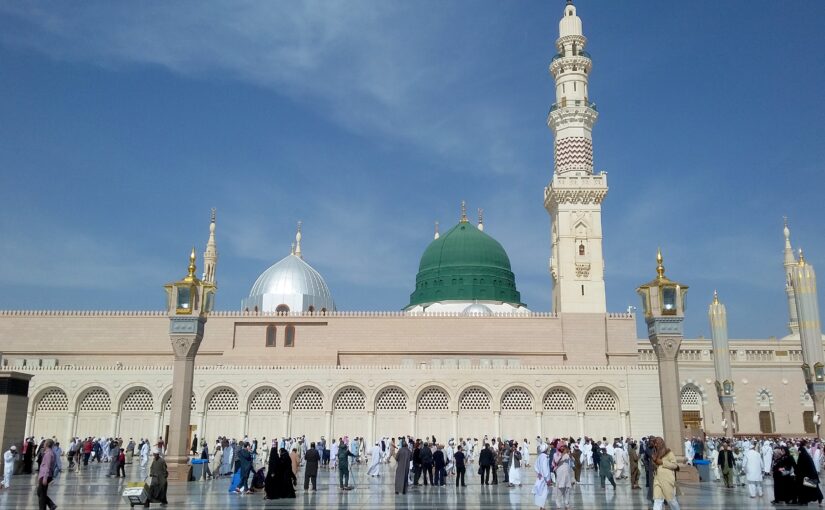
Keh Do Madine Jaana Hai” is a beautiful original naat sharif that reflects the profound love and attachment that Muslims feel for the blessed city of Madina Munawwarah. The naat captures the universal yearning of believers to visit the city where the Prophet Muhammad ﷺ established the first Islamic state and where his blessed soul rests in the Rawza Mubarak beneath the iconic green dome of Masjid an-Nabawi.

The Central Themes

Yearning for Madina

The recurring refrain “کہ دو مدینے جانا ہے” (Tell me, I must go to Madina) echoes throughout the naat as a cry of the heart. It reflects the spiritual longing that every believer experiences — a pull towards the city that is blessed by Allah’s final revelation and the presence of His beloved Prophet. This yearning is not just physical travel but a metaphor for spiritual journey and closeness to the Divine.

The Green Dome (سبز گنبد)

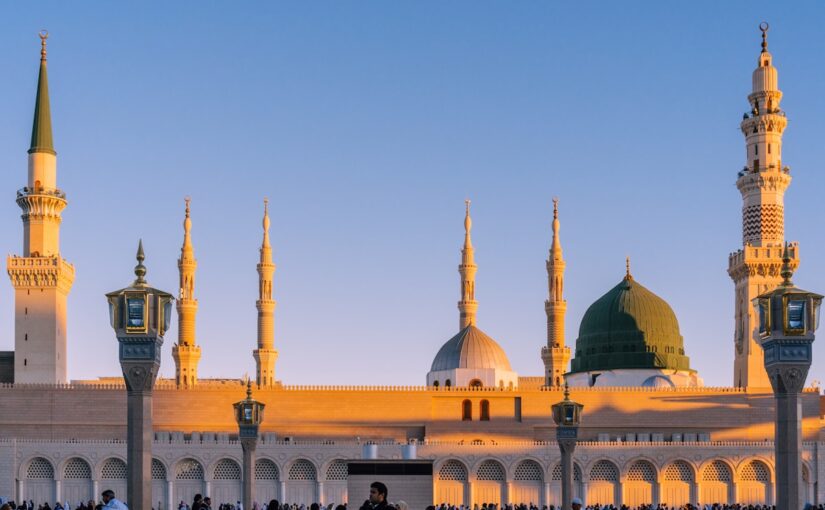
The iconic green dome of Masjid an-Nabawi is mentioned as a symbol of hope and healing. The naat beautifully conveys that those who visit the Prophet’s ﷺ mosque with sincere faith find their hearts mended and their prayers answered. The dome has become one of the most recognized symbols of Islam and represents the spiritual centre of the Muslim world.

Desire for Forgiveness and Mercy

The final verses speak of rain as a metaphor for divine mercy washing away sins. This reflects the Islamic belief that visiting Madina and the Prophet’s ﷺ mosque is a means of seeking forgiveness and drawing closer to Allah. The Prophet ﷺ said, “One prayer in this mosque of mine is better than a thousand prayers elsewhere” (Sahih Bukhari).

Spiritual Significance of Madina

Madina Munawwarah (the Illuminated City) holds a special place in the hearts of Muslims. It was to Madina that the Prophet Muhammad ﷺ migrated (Hijrah) in 622 CE, and it became the base from which Islam spread across the Arabian Peninsula. The city is home to:

  • Masjid an-Nabawi — The Prophet’s Mosque, the second holiest mosque in Islam
  • Rawza Mubarak — The blessed resting place of the Prophet Muhammad ﷺ
  • Jannat al-Baqi — The historic cemetery where many companions are buried
  • Masjid Quba — The first mosque built in Islamic history
  • Masjid al-Qiblatain — The mosque with two qiblas

Why We Recite Naat

Naat is a form of Islamic poetry that praises the Prophet Muhammad ﷺ. It is a way of expressing love, devotion, and gratitude to the one whom Allah has described as “a mercy to all the worlds” (Rahmatun Lil’Alameen). Reciting naat is considered a virtuous act that strengthens one’s faith and brings peace to the heart. The tradition of naat recitation goes back to the time of the Companions, including the famous poet Hassaan ibn Thabit (RA), who recited poetry in praise of the Prophet ﷺ with his approval.

May Allah grant us all the opportunity to visit the blessed city of Madina Munawwarah and the sacred Rawza of the Prophet Muhammad ﷺ. Ameen.

Gunahon Ki Aadat Chhuda Mere Maula (گناہوں کی عادت چھڑا میرے مولا) — Full Naat Lyrics in Urdu, English Translation and Meaning

Gunahon Ki Aadat Chhuda Mere Maula — Full Naat Lyrics in Urdu, English Translation and Meaning

The Naat “Gunahon Ki Aadat Chhuda Mere Maula” (گناہوں کی عادت چھڑا میرے مولا) is one of the most heartfelt and emotional supplications (munajat) in Islamic devotional poetry. Written and recited by the renowned Alhaj Owais Raza Qadri, this powerful naat has also been beautifully rendered by Hafiz Tahir Qadri. The kalam is a humble plea to Allah ﷻ — a sincere cry for forgiveness, guidance, and spiritual transformation.

In this post, we present the complete lyrics in Urdu, Roman English transliteration, and English translation with the deep meaning behind each verse.


About the Naat: “Gunahon Ki Aadat Chhuda Mere Maula”

This is not just a naat — it is a munajat (a whispered prayer). The poet Owais Raza Qadri pours his heart out, confessing human weakness and seeking Allah’s mercy. Each verse is a conversation between a humble servant and his Lord. The naat draws heavily from Quranic concepts like “Ud’ooni” (Call upon Me, I will respond to you — Surah Ghafir 40:60) and the balance between Allah’s justice and His infinite mercy.

The beauty of this kalam lies in its raw honesty. The poet does not pretend to be pious — he admits his faults, his bad habits, his sins, and then places his hope entirely in Allah’s mercy. This makes it deeply relatable for anyone on a spiritual journey.

Recited widely in mehfils, tahajjud prayers, and personal devotion, this naat has touched millions of hearts across the globe.

Video


گناہوں کی عادت چھڑا میرے مولا — اردو lyrics

گناہوں کی عادت چھڑا، میرے مولا
مجھے نیک انسان بنا، میرے مولا!

میری سابقہ ہر خطا، میرے مولا!
تو رحمت سے اپنی مٹا، میرے مولا!

تو قدرت سے اپنی بدل نیکیوں سے
ہر ایک میری لغزش خطا، میرے مولا!

جو تجھ کو، جو تیرے نبی کو پسند ہے
مجھے ایسا بندہ بنا، میرے مولا!

تو مسجود میرا، میں ساجد ہوں تیرا
تو مالک، میں بندہ تیرا، میرے مولا!

تو مطلوب میرا، میں طالب ہوں تیرا
مجھے دے دے اپنی ولا، میرے مولا!

ہے “اُدعونی” فرمان قرآن میں تیرا
تو سن لے میری التجا، میرے مولا!

تو لے گا اگر عدل سے کام اپنے
میں ہوں مستحق نار کا، میرے مولا!

جو رحمت تیری شاملِ حال ہو تو
ٹھکانہ ہے جنت میرا، میرے مولا!

تجھے تو خبر ہے میں کتنا برا ہوں
تو عیبوں کو میرے چھپا، میرے مولا!

میری تا قیامت جو نسلیں ہوں، یا رب!
ہوں سب عاشقِ مصطفیٰ، میرے مولا!

نہ محتاج کر تُو جہاں میں کسی کا
مجھے مفلسی سے بچا، میرے مولا!

رُلا تو مجھے بس غمِ مصطفیٰ میں
نہ دنیا کے غم میں رُلا، میرے مولا!

جنہوں نے کہا ہے دعاؤں کا مجھ سے
تو کر دے سبھی کا بھلا، میرے مولا!

ہیں کعبے پہ نظریں عُبیدِ رضا کی
ہو مقبول ہر ایک دعا، میرے مولا!

✍️ شاعر: اویس رضا قادری


English Transliteration (Roman Urdu)

Gunahon ki aadat chhuda, mere Maula
Mujhe nek insaan bana, mere Maula!

Meri sabiqa har khata, mere Maula!
Tu rehmat se apni mita, mere Maula!

Tu qudrat se apni badal nekiyon se
Har ik meri lagzish khata, mere Maula!

Jo tujh ko, jo tere Nabi ko pasand hai
Mujhe aisa banda bana, mere Maula!

Tu masjood mera, main saajid hoon tera
Tu Maalik, main banda tera, mere Maula!

Tu matloob mera, main taalib hoon tera
Mujhe de de apni wila, mere Maula!

Hai “Ud’ooni” farmaan Qur’an mein tera
Tu sun le meri iltijaa, mere Maula!

Tu lega agar ‘adl se kaam apne
Main hoon mustahiqq naar ka, mere Maula!

Jo rehmat teri shaamil-e-haal ho to
Thikaana hai jannat mera, mere Maula!

Tujhe to khabar hai main kitna bura hoon
Tu ‘aibon ko mere chhupa, mere Maula!

Meri taa-Qayamat jo naslen ho, ya Rab!
Hon sab ‘aashiq-e-Mustafa, mere Maula!

Na mohtaaj kar tu jahaan mein kisi ka
Mujhe muflisi se bacha, mere Maula!

Rula tu mujhe bas gham-e-Mustafa mein
Na duniya ke gham mein rula, mere Maula!

Jinhon ne kaha hai duaon ka mujhse
Tu karde sabhi ka bhala, mere Maula!

Hain Ka’be pe nazrein ‘Ubaid-e-Raza ki
Ho maqbool har ik du’aa, mere Maula!

✍️ Poet: Owais Raza Qadri


English Translation (Word-by-Word Meaning)

Verse 1

Gunahon ki aadat chhuda, mere Maula — Rid me of the habit of sins, my Lord
Mujhe nek insaan bana, mere Maula — Make me a righteous person, my Lord

Verse 2

Meri sabiqa har khata, mere Maula — Every past mistake of mine, my Lord
Tu rehmat se apni mita, mere Maula — Erase it with Your mercy, my Lord

Verse 3

Tu qudrat se apni badal nekiyon se — Through Your power, change with good deeds
Har ik meri lagzish khata, mere Maula — Every slip and error of mine, my Lord

Verse 4

Jo tujh ko, jo tere Nabi ko pasand hai — Whatever pleases You and Your Prophet
Mujhe aisa banda bana, mere Maula — Make me such a servant, my Lord

Verse 5

Tu masjood mera, main saajid hoon tera — You are my object of worship, I am the one who prostrates to You
Tu Maalik, main banda tera, mere Maula — You are the Master, I am Your servant, my Lord

Verse 6

Tu matloob mera, main taalib hoon tera — You are my goal, I am the seeker of You
Mujhe de de apni wila, mere Maula — Grant me Your closeness/protection, my Lord

Verse 7

Hai “Ud’ooni” farmaan Qur’an mein tera — “Call upon Me” is Your command in the Quran
Tu sun le meri iltijaa, mere Maula — So listen to my plea, my Lord

Verse 8

Tu lega agar ‘adl se kaam apne — If You deal with justice
Main hoon mustahiqq naar ka, mere Maula — I deserve the Fire, my Lord

Verse 9

Jo rehmat teri shaamil-e-haal ho to — But if Your mercy embraces my state
Thikaana hai jannat mera, mere Maula — Then Paradise is my destination, my Lord

Verse 10

Tujhe to khabar hai main kitna bura hoon — You already know how bad I am
Tu ‘aibon ko mere chhupa, mere Maula — Hide my faults, my Lord

Verse 11

Meri taa-Qayamat jo naslen ho, ya Rab — All my generations until Qayamat, O Lord
Hon sab ‘aashiq-e-Mustafa, mere Maula — May they all be lovers of Mustafa ﷺ, my Lord

Verse 12

Na mohtaaj kar tu jahaan mein kisi ka — Do not make me dependent on anyone in this world
Mujhe muflisi se bacha, mere Maula — Save me from poverty, my Lord

Verse 13

Rula tu mujhe bas gham-e-Mustafa mein — Let me weep only in the sorrow of Mustafa ﷺ
Na duniya ke gham mein rula, mere Maula — Do not make me weep in worldly grief, my Lord

Verse 14

Jinhon ne kaha hai duaon ka mujhse — Those who have asked me for prayers
Tu karde sabhi ka bhala, mere Maula — Do good to all of them, my Lord

Verse 15

Hain Ka’be pe nazrein ‘Ubaid-e-Raza ki — Ubaid-e-Raza’s gaze is upon the Kaaba
Ho maqbool har ik du’aa, mere Maula — May every prayer be accepted, my Lord

(The poet refers to himself as ‘Ubaid-e-Raza — the servant of Raza, a pen name of Owais Raza Qadri)


Meaning and Background

The naat “Gunahon Ki Aadat Chhuda Mere Maula” is a profound spiritual supplication that reflects the core of Islamic repentance (tawbah). Let’s explore its deeper meaning:

1. The Theme of Repentance

The opening verse immediately strikes at the heart of human struggle — bad habits and sins. The poet does not ask for mere forgiveness but for a complete transformation: “Rid me of the habit of sins.” This reflects the Islamic concept that true repentance is not just saying “I’m sorry” but actively changing one’s lifestyle.

2. Balancing Hope and Fear (Khauf and Raja)

Verse 8 beautifully balances Allah’s justice and mercy: “If You deal with justice, I deserve the Fire. But if Your mercy embraces my state, then Paradise is my destination.” This is classic Islamic spirituality — a believer walks between fear of Allah’s justice and hope in His infinite mercy.

3. Quranic Reference (Ud’ooni)

Verse 7 directly references the Quranic verse: “And your Lord says: Call upon Me; I will respond to you.” (Surah Ghafir 40:60). This makes the naat deeply rooted in Islamic scripture and reminds the listener that Allah Himself has invited us to make dua.

4. Love of the Prophet ﷺ

The poet asks that all his descendants remain lovers of Prophet Muhammad ﷺ, showing that true faith is not just personal but generational. The longing to cry in the love of Mustafa ﷺ rather than in worldly grief shows profound spiritual prioritization.

5. Humility and Self-Awareness

Throughout the naat, the poet displays remarkable humility: “You already know how bad I am” and “Hide my faults.” This vulnerability is what makes the naat so powerful — it is the honest cry of a soul that knows its shortcomings but refuses to lose hope in Allah’s mercy.

6. Concern for Others

In the later verses, the poet does not only pray for himself but also for those who have asked him for prayers, showing selflessness and community spirit — a beautiful Islamic value.

About the Poet: Owais Raza Qadri

Alhaj Owais Raza Qadri is one of the most beloved naat khwans (reciters) in the Islamic world. Born in Karachi, Pakistan, he belongs to the Qadri Sufi order and has been reciting naats since childhood. His unique style combines emotional depth with classical melody. Some of his most famous naats include Tajdar-e-Haram, Shah-e-Madina, and of course, Gunahon Ki Aadat Chhuda Mere Maula. His kalam is known for its poetic beauty, spiritual depth, and accessibility to common people.

When to Recite This Naat

  • Tahajjud Prayer: The quiet hours of the night are perfect for this heartfelt munajat
  • After Isha: A beautiful way to end the day with repentance
  • In Mehfils: Popular in gatherings of devotional poetry
  • Personal Dua: For those seeking spiritual transformation

FAQs

Who wrote “Gunahon Ki Aadat Chhuda Mere Maula”?

The naat was written by Alhaj Owais Raza Qadri, who is both the poet and the original reciter.

Who else has recited this naat?

Hafiz Tahir Qadri has also recited this naat beautifully, giving it his own emotional touch.

What is the meaning of “Mere Maula”?

“Mere Maula” means “My Lord” or “My Master” — referring to Allah ﷻ.

Is this a naat or a dua?

It is a munajat (supplication) in the form of a naat — a devotional poem that is both praise and prayer combined.


May Allah ﷻ accept this humble effort and grant us the ability to leave our sins and become righteous. Ameen.

If you found this post beneficial, please share it with others and remember us in your duas.

Dil Hai Madine Chal (دل ہے مدینے چل) — Naat Lyrics in Urdu, English Translation and Meaning

Dil Hai Madine Chal is a beautiful and popular naat recited by Owais Raza Qadri. The title translates to “The Heart Says Let’s Go to Madina.” This naat expresses the deep love and longing that every Muslim feels to visit the holy city of Madina Munawwarah and the blessed Roza of Prophet Muhammad.

About This Naat

Dil Hai Madine Chal is a soulful naat that captures the essence of a believer’s love for the Prophet. The poet beautifully expresses how the heart yearns to travel to Madina, to stand at the blessed shrine, and to immerse itself in the spiritual atmosphere of the city of the Prophet. The naat is popular in both Pakistan and India and is often recited at gatherings and Mehfil-e-Milad.

Dil Hai Madine Chal — Naat Lyrics in Urdu

دل ہے مدینے چل، دل ہے مدینے چل
یار مدینے چل، یار مدینے چل
دل ہے مدینے چل، دل ہے مدینے چل
یار مدینے چل، یار مدینے چل

جس نے پکارا مجھ کو، اس کا بلاوا ہے
اس کا بلاوا ہے، اس کا بلاوا ہے
اس کی ہوا ہے مجھ میں، اس کی صدا ہے
دل ہے مدینے چل، دل ہے مدینے چل
یار مدینے چل، یار مدینے چل

اس کی گلی میں جانا، اس کا گدا ہونا
اس کا گدا ہونا، اس کا گدا ہونا
اس کی نظر کا پانا، اس کا لقا ہونا
دل ہے مدینے چل، دل ہے مدینے چل
یار مدینے چل، یار مدینے چل

اس در پہ جا کے بیٹھوں، رو رو کے منہ چھپاؤں
رو رو کے منہ چھپاؤں، رو رو کے منہ چھپاؤں
کچھ اس طرح سے پیارے، دل کو بہلاوں
دل ہے مدینے چل، دل ہے مدینے چل
یار مدینے چل، یار مدینے چل

اے دل تو کب تلک یوں، بے قرینہ پھرے گا
بے قرینہ پھرے گا، بے قرینہ پھرے گا
اٹھ جا ابھی چلتے ہیں، سوئے مدینہ
دل ہے مدینے چل، دل ہے مدینے چل
یار مدینے چل، یار مدینے چل

Dil Hai Madine Chal — English Transliteration

Dil hai Madine chal, dil hai Madine chal
Yaar Madine chal, yaar Madine chal
Dil hai Madine chal, dil hai Madine chal
Yaar Madine chal, yaar Madine chal

Jis ne pukara mujh ko, us ka bulawa hai
Us ka bulawa hai, us ka bulawa hai
Us ki hawa hai mujh mein, us ki sada hai
Dil hai Madine chal, dil hai Madine chal
Yaar Madine chal, yaar Madine chal

Us ki gali mein jana, us ka gada hona
Us ka gada hona, us ka gada hona
Us ki nazar ka pana, us ka liqa hona
Dil hai Madine chal, dil hai Madine chal
Yaar Madine chal, yaar Madine chal

Is dar pe ja ke baithoon, ro ro ke munh chhupaoon
Ro ro ke munh chhupaoon, ro ro ke munh chhupaoon
Kuch is tarah se pyare, dil ko behlaoon
Dil hai Madine chal, dil hai Madine chal
Yaar Madine chal, yaar Madine chal

Ae dil tu kab talak yun, be-qarina phire ga
Be-qarina phire ga, be-qarina phire ga
Utha ja abhi chalte hain, soye Madina
Dil hai Madine chal, dil hai Madine chal
Yaar Madine chal, yaar Madine chal

Dil Hai Madine Chal — English Translation

Verse 1:
The heart says let us go to Madina, the heart says let us go to Madina
Beloved, let us go to Madina, beloved, let us go to Madina

Verse 2:
The One who called me, His invitation has come
His invitation has come, His invitation has come
His breeze is within me, His call is in the air
The heart says let us go to Madina…

Verse 3:
To walk in His street, to become His beggar
To become His beggar, to become His beggar
To receive His glance, to meet Him face to face
The heart says let us go to Madina…

Verse 4:
Let me sit at His door, hide my face while crying
Hide my face while crying, hide my face while crying
In this way, O Beloved, I will soothe my heart
The heart says let us go to Madina…

Verse 5:
O heart, how long will you wander without direction
Wander without direction, wander without direction
Get up, let us go now towards Madina
The heart says let us go to Madina…

Meaning and Background

The naat Dil Hai Madine Chal is a poetic expression of the deep spiritual longing to visit the city of the Prophet. The poet uses the metaphor of a heart pulling towards Madina, as if the very soul is being called by the beloved Prophet Muhammad.

The recurring theme is that the heart recognises the call of Madina. The poet says that the Prophet himself has called him, and this invitation is the reason for his restlessness. The mention of “His breeze” and “His call” suggests that the spiritual presence of the Prophet can be felt from afar, drawing the believer closer.

In Islamic tradition, Madina Munawwarah is considered the most sacred city after Makkah. It is the city where the Prophet migrated, built the first mosque, and where he is buried in the Masjid-e-Nabwi. Visiting Madina and offering salutations at the Prophet’s Roza is a deeply cherished act for Muslims worldwide.

The naat beautifully captures the feeling of a believer who has not yet visited Madina but yearns for it with every fibre of their being. It is a reminder that the love for the Prophet is not just a duty but a deep emotional connection that pulls the heart towards the blessed city.

About the Reciter: Owais Raza Qadri

Owais Raza Qadri is one of the most popular naat reciters in the world. Based in Pakistan, he has recorded hundreds of naats that are loved by millions. His melodious voice and spiritual style of recitation have made him a household name in the Islamic world. Dil Hai Madine Chal remains one of his most beloved naats.

If you enjoyed this naat, you might also like Mera Dil Tujh Hi Se Lagaya, Mere Muhammad, and Fida-e-Mustafa for more beautiful naat lyrics with translations.

Mera Dil Tujh Hi Se Lagaya — Naat Lyrics in Urdu, English Translation and Meaning

Introduction to Mera Dil Tujh Hi Se Lagaya

Mera Dil Tujh Hi Se Lagaya is one of the most beloved naats in the Urdu speaking world. This beautiful naat expresses the deep love and devotion of a believer for the Prophet Muhammad (peace be upon him). The poet pours out their heart, declaring that their heart is attached only to the Prophet and they seek nothing else but his love and closeness.

The naat is widely recited at mehfil-e-naat gatherings across Pakistan, India, Bangladesh, and the global Muslim community. Its simple yet powerful lyrics make it accessible to people of all ages. Many well-known naat khwans have performed this naat, making it a staple in Islamic devotional music.

The Spiritual Meaning of Mera Dil Tujh Hi Se Lagaya

The central theme of this naat is tawajjuh – the complete turning of one’s heart towards the Prophet Muhammad (PBUH). In Islamic spirituality, love for the Prophet is considered a sign of true faith. The Quran says, “Say, if you love Allah, then follow me, Allah will love you” (Surah Aal-e-Imran, 3:31).

This naat captures the essence of that love. The poet is saying that their heart has been attached to the Prophet, and this attachment is the source of their spiritual peace. They find comfort in the remembrance of the Prophet and seek his intercession. The lyrics reflect the deep desire of every believer to be close to the Prophet in this life and the hereafter.

Mera Dil Tujh Hi Se Lagaya Naat Lyrics in Urdu

Below are the complete lyrics in Urdu script:

میرا دل تجھ ہی سے لگایا ہے
اور کچھ مجھ کو نہیں بھایا ہے

میرے آقا تجھ سے ہے مجھ کو پیار
تیرے در سے اور کہاں جاؤں میں

تو ہے میرا سہارا اے نبی
تیرے دم سے یہ جہاں پایا ہے

میرا دل تجھ ہی سے لگایا ہے
اور کچھ مجھ کو نہیں بھایا ہے

تیرے در پہ آ کے مانگا میں نے
تیری رحمت کا ہے بھروسہ مجھے

تو کرے گا میرے گناہ معاف
تیرے در سے اور کہاں جاؤں میں

میرا دل تجھ ہی سے لگایا ہے
اور کچھ مجھ کو نہیں بھایا ہے

مجھ کو بخش دے گناہوں سے اے نبی
میرا دل تجھ ہی سے لگایا ہے

تیری چوکھٹ پہ میں نے سر رکھ دیا
تیرے سوا کوئی نہیں میرا

میرا دل تجھ ہی سے لگایا ہے
اور کچھ مجھ کو نہیں بھایا ہے

Mera Dil Tujh Hi Se Lagaya English Translation

Here is the English translation:

My heart is attached only to You
Nothing else pleases me anymore

O my Master, I love You
To whose door shall I go besides Yours

You are my support, O Prophet
Because of You, this world has meaning

My heart is attached only to You
Nothing else pleases me anymore

I came to Your door and asked
I have faith in Your mercy

You will forgive my sins
To whose door shall I go besides Yours

My heart is attached only to You
Nothing else pleases me anymore

Forgive me for my sins, O Prophet
My heart is attached only to You

I have placed my head at Your threshold
I have no one except You

My heart is attached only to You
Nothing else pleases me anymore

Word by Word Meaning

  • Mera Dil: My heart. In Islamic poetry, the heart is the seat of spiritual connection.
  • Tujh Hi Se: Only to You. This emphasises exclusivity of devotion.
  • Lagaya: Attached. The poet has intentionally attached their heart to the Prophet.
  • Aur Kuch Mujh Ko Nahi Bhaya: Nothing else pleases me.
  • Mere Aaqa: My Master. A term of deep respect and submission.

When and Where This Naat Is Recited

This naat is commonly recited at Mehfil-e-Naat gatherings, Eid Milad-un-Nabi celebrations, Urs and spiritual gatherings, Friday evenings, and in personal worship.

The Poetic Style of the Naat

This naat follows a traditional Urdu poetic structure with a repeating refrain. The rhyme scheme and meter make it easy to memorise and recite. The poet uses repetition, direct address, humility, and metaphor to create a powerful spiritual effect.

Conclusion

Mera Dil Tujh Hi Se Lagaya is a spiritual declaration of love and devotion that has touched the hearts of millions. Its message of complete devotion to the Prophet Muhammad (PBUH) remains powerful and moving. We hope this guide with Urdu lyrics, English translation, and meaning helps you appreciate this beautiful naat more deeply.

Rahmatun Lil’Alameen (رحمتہ للعالمین) — Naat Lyrics in Urdu, English Translation and Meaning

Rahmatun Lil’Alameen is a beautiful naat praising Prophet Muhammad (peace be upon him) as a mercy for all worlds. The title comes from the Quranic verse “Wa ma arsalnaka illa rahmatan lil’alameen” (And We have not sent you except as a mercy to the worlds). This naat reminds us of the Prophet’s compassionate nature and his role as a blessing for all of humanity.

Below you will find the full naat lyrics in Urdu, English translation and the meaning behind the verses.

About This Naat

Rahmatun Lil’Alameen is a widely recited naat in the Islamic world. The verses highlight different aspects of the Prophet’s character including his mercy, his kindness to children, his generosity and his role as a guide for humanity. The naat is often recited at religious gatherings, milads and during Ramadan.

The lyrics use simple yet powerful language to express love for the Prophet. Each verse builds on the theme of mercy, connecting the Prophet’s qualities to the daily lives of believers.

Rahmatun Lil’Alameen Naat Lyrics in Urdu

رحمتہ للعالمین ہیں مصطفیٰ ﷺ

ان کی ذات سے ہے نور کا نزول
ان کے دم سے ہے بخشش و قبول
ان کے طفیل آدم و رسول
رحمتہ للعالمین ہیں مصطفیٰ ﷺ

رحمتہ للعالمین ہیں مصطفیٰ ﷺ

وہ شفیع المذنبین ہیں مصطفیٰ ﷺ
رحمتہ للعالمین ہیں مصطفیٰ ﷺ

ان کی نظر میں سب برابر ہیں
امیر و غریب سب برابر ہیں
غلام و شہنشاہ سب برابر ہیں
رحمتہ للعالمین ہیں مصطفیٰ ﷺ

رحمتہ للعالمین ہیں مصطفیٰ ﷺ

وہ شفیع المذنبین ہیں مصطفیٰ ﷺ
رحمتہ للعالمین ہیں مصطفیٰ ﷺ

دردمندوں کے وہ غم خوار ہیں
بے سہاروں کے وہ سہارے ہیں
لاکھوں گنہگاروں کے وہ یار ہیں
رحمتہ للعالمین ہیں مصطفیٰ ﷺ

رحمتہ للعالمین ہیں مصطفیٰ ﷺ

وہ شفیع المذنبین ہیں مصطفیٰ ﷺ
رحمتہ للعالمین ہیں مصطفیٰ ﷺ

Rahmatun Lil’Alameen Naat English Translation

Mustafa (peace be upon him) is mercy for all the worlds.

From his being descends the light of revelation.
Through his breath comes forgiveness and acceptance.
Because of him came Adam and the Messengers.
Mustafa (peace be upon him) is mercy for all the worlds.

Mustafa (peace be upon him) is mercy for all the worlds.

He is the intercessor for the sinners.
Mustafa (peace be upon him) is mercy for all the worlds.

In his sight, all are equal.
The rich and the poor are all equal.
The slave and the emperor are all equal.
Mustafa (peace be upon him) is mercy for all the worlds.

He is the comforter of the distressed.
He is the support for those without support.
He is the friend of millions of sinners.
Mustafa (peace be upon him) is mercy for all the worlds.

Meaning and Background

The central theme of this naat is the universal mercy of Prophet Muhammad. The Quran itself describes the Prophet as a mercy to all worlds (Surah Al-Anbiya 21:107). This naat expands on that concept by showing how the Prophet’s mercy touched every aspect of life.

Equality: One verse highlights that the Prophet treated all people equally regardless of their wealth or status. This was a radical concept in 7th century Arabia and remains relevant today. The Prophet’s teachings emphasise that no person is superior to another except in piety.

Intercession: The naat refers to the Prophet as “Shafi’ul Muznibeen” or intercessor for sinners. In Islamic belief, the Prophet will intercede for his followers on the Day of Judgement. This gives hope to believers who struggle with sin.

Compassion for the vulnerable: The naat mentions the Prophet’s care for the distressed and those without support. This reflects the Prophet’s character. He was known for helping widows, orphans and the poor throughout his life.

If you enjoyed this naat, you may also like our collection of other naat lyrics. Read Tajdar-e-Haram lyrics and translation or explore another version of Tajdar-e-Haram. For more devotional poetry, check out Sallallahu Alal Mustafa naat.

Share this naat with family and friends. The love of the Prophet brings peace to the heart and strengthens faith.

Shah-e-Madina (شاہ مدینہ) – Owais Raza Qadri | Full Naat Lyrics & Translation

Shah-e-Madina (شاہ مدینہ) is one of the most beloved naats recited by Owais Raza Qadri. This beautiful tribute to the Holy Prophet ﷺ has touched millions of hearts across the world. With its soul-stirring melody and profound words, the naat expresses deep love and reverence for the King of Madina — Prophet Muhammad ﷺ.

The naat was originally written by the famous poet Syed Muhammad Sultan Rizvi and later popularized globally by Owais Raza Qadri’s powerful and emotional recitation. It is frequently recited at mehfils (spiritual gatherings) around the world, especially during the month of Rabi-ul-Awwal.

Urdu Lyrics (اشعار)

Verse 1

شاہ مدینہ شاہ مدینہ
Shah-e-Madina, Shah-e-Madina
King of Madina, King of Madina

تیرے در سے کوئی خالی نہ گیا
Tere dar se koi khaali na gaya
No one returned empty-handed from your door

Verse 2

تیری چوکھٹ پہ جو آیا ہے سلامت رہا
Terii chokhat pe jo aaya hai salaamat raha
Whoever came to your threshold remained safe

تیرا در ہر غم کا مداوا ہے مدینہ
Tera dar har gham ka madawa hai Madina
Your door is the cure for every sorrow, O Madina

Verse 3

اے شاہ مدینہ مجھے تیری پناہ
Aey Shah-e-Madina mujhe teri panaah
O King of Madina, grant me your refuge

تیرے در سے بڑھ کر نہیں کوئی جاہ
Tere dar se badh kar nahi koi jaah
There is no status greater than your doorstep

Verse 4

ہے بس ایک ہی التجا اے نبی
Hai bas ek hi iltija aey Nabi
I have just one plea, O Prophet

مجھے اپنی امت میں شامل کریں
Mujhe apni ummat mein shaamil karein
Include me in your Ummah (community)

Verse 5

ہے طلب صرف مدینہ ، ہے تمنا مدینہ
Hai talab sirf Madina, hai tamanna Madina
My desire is only Madina, my wish is Madina

ہر گھڑی یاد ہے مجھ کو وہ فضا ئے مدینہ
Har ghari yaad hai mujh ko woh faza-e-Madina
Every moment I remember the atmosphere of Madina

Verse 6

جس نے دیکھا اسے پھر بھول نہیں پاتا
Jis ne dekha use phir bhool nahi paata
Whoever saw it can never forget it

کوئی حسرت نہ رہی دل میں وہاں آنے کے بعد
Koi hasrat nah rahi dil mein wahan aane ke baad
No desire remains in the heart after arriving there

Verse 7

اے شاہ مدینہ مجھے بلا لو مدینہ
Aey Shah-e-Madina mujhe bula lo Madina
O King of Madina, call me to Madina

مجھے دیدارِ حبیبؐ کا شوق ہے بہت
Mujhe didaar-e-Habeeb ka shauq hai bohat
I long so much to see the Beloved Prophet ﷺ

Meaning and Significance

“Shah-e-Madina” translates to “The King of Madina,” a title of deep reverence for Prophet Muhammad ﷺ. The naat is a heartfelt expression of a believer’s longing to visit the blessed city of Madina and to be in the presence of the Prophet ﷺ.

The opening line, “Shah-e-Madina, Shah-e-Madina”, is an emotional cry that immediately draws the listener into a state of spiritual reflection. It is not merely a repetition of words but a declaration of love and allegiance to the greatest of Allah’s creations.

One of the most poignant themes in the naat is the supplication for refuge at the Prophet’s doorstep. The line “Aey Shah-e-Madina mujhe teri panaah” reflects the deep Islamic belief that seeking closeness to the Prophet ﷺ is a means of drawing closer to Allah Himself. It echoes the Quranic verse: “And if they had come to you when they wronged themselves… they would have found Allah Accepting of repentance and Merciful” (Quran 4:64).

The naat also beautifully captures the emotional pain of separation from Madina — a feeling well known to anyone who has visited the holy city and left with a longing to return. The verse “Har ghari yaad hai mujh ko woh faza-e-Madina” speaks to this universal experience of the Muslim heart.

Owais Raza Qadri, the renowned Naat Khwan from Pakistan, has become synonymous with this naat. His distinctive voice and passionate delivery have made “Shah-e-Madina” a staple at naat gatherings worldwide. Born in 1974 in Faisalabad, Owais Raza Qadri is one of the most celebrated naat reciters of the modern era, with millions of followers across the globe.

The poet Syed Muhammad Sultan Rizvi wrote the lyrics with such depth that every verse carries layers of meaning — from the simple longing of a devotee to the profound spiritual station of the Prophet ﷺ. The naat reminds believers that the door of the Prophet ﷺ is always open, and no one who comes with sincere love is ever turned away.

In a world filled with anxiety and uncertainty, “Shah-e-Madina” offers solace. Its repeated invocation of the Prophet’s name acts as a spiritual anchor, calming the heart and renewing faith. The naat is more than poetry — it is a supplication, a love letter, and a declaration of faith all woven together.

Listening to or reciting this naat is considered a form of dhikr (remembrance), bringing barakah (blessings) and spiritual peace. Many Muslims make it a daily practice to listen to “Shah-e-Madina” as part of their morning or evening routines, finding in it a connection to the Prophet ﷺ that transcends time and distance.

May Allah grant us all the opportunity to visit the blessed city of Madina and be counted among the followers of the beloved Prophet Muhammad ﷺ. Ameen.

Ya Mustafa Ya Mujtaba (یا مصطفیٰ یا مجتبیٰ) — Naat Lyrics in Urdu, English Translation and Meaning

“Ya Mustafa Ya Mujtaba” is a beloved naat in praise of Prophet Muhammad (peace be upon him). The title calls out to the Prophet as “Mustafa” (the Chosen One) and “Mujtaba” (the Elected One), two of his most honoured titles. This naat is recited in mosques, at religious gatherings, and in homes across the Muslim world.

Below you will find the complete lyrics in Urdu script, along with English transliteration and translation, plus the meaning and background of this beautiful naat.

Ya Mustafa Ya Mujtaba — Urdu Lyrics

یامصطفیٰ یامجتبیٰ
اے خدا کے محبوب مصطفیٰ
یا مصطفیٰ یا مجتبیٰ

میرے دل کا سکون ہے تم ہو
میرے غم کا علاج ہے تم ہو
مجھ کو تیری پناہ چاہیے
میرے آقا تمہارا نام لیا

یا مصطفیٰ یا مجتبیٰ
اے خدا کے محبوب مصطفیٰ
یا مصطفیٰ یا مجتبیٰ

تم ہو رحمت دو جہاں کے لیے
تم ہو نورِ خدا کا جلوہ گری
تم ہی سب سے مکیں و مدنی
تم ہی شافع ہو امت کے لیے

یا مصطفیٰ یا مجتبیٰ
اے خدا کے محبوب مصطفیٰ
یا مصطفیٰ یا مجتبیٰ

دل میں ہے شوق مدینہ کا
آنکھوں میں ہے خواب حرم کا
مجھ کو لے چل مدینے جا کے
ایک بار دیدار کرا دے ساقی

یا مصطفیٰ یا مجتبیٰ
اے خدا کے محبوب مصطفیٰ
یا مصطفیٰ یا مجتبیٰ

تیرے در پر آیا ہوں میں
تیرے صدقے میں نے سب کھویا
دے دے اک نظر کرم کی مجھ پر
میری بخشش کا ذریعہ بنا

یا مصطفیٰ یا مجتبیٰ
اے خدا کے محبوب مصطفیٰ
یا مصطفیٰ یا مجتبیٰ

English Transliteration

Ya Mustafa Ya Mujtaba
Aye Khuda Ke Mahboob Mustafa
Ya Mustafa Ya Mujtaba

Mere Dil Ka Sukoon Hai Tum Ho
Mere Gham Ka Ilaaj Hai Tum Ho
Mujh Ko Teri Panah Chahiye
Mere Aaqa Tumhara Naam Liya

Ya Mustafa Ya Mujtaba
Aye Khuda Ke Mahboob Mustafa
Ya Mustafa Ya Mujtaba

Tum Ho Rehmat Do Jahan Ke Liye
Tum Ho Noor-e-Khuda Ka Jalwa Gari
Tum Hi Sabse Makki o Madani
Tum Hi Shafi’e Ho Ummat Ke Liye

Ya Mustafa Ya Mujtaba
Aye Khuda Ke Mahboob Mustafa
Ya Mustafa Ya Mujtaba

Dil Mein Hai Shauq Madina Ka
Ankhon Mein Hai Khwab Haram Ka
Mujh Ko Le Chal Madine Ja Ke
Ek Baar Deedar Kara De Saqi

Ya Mustafa Ya Mujtaba
Aye Khuda Ke Mahboob Mustafa
Ya Mustafa Ya Mujtaba

Tere Dar Par Aaya Hoon Main
Tere Sadqe Mein Ne Sab Khoya
De De Ek Nazar Karam Ki Mujh Par
Meri Bakhshish Ka Zariya Bana

Ya Mustafa Ya Mujtaba
Aye Khuda Ke Mahboob Mustafa
Ya Mustafa Ya Mujtaba

English Translation

Verse 1

O Mustafa, O Mujtaba —
O beloved of God, Mustafa
O Mustafa, O Mujtaba

You are the peace of my heart
You are the cure for my sorrows
I need your protection
My master, I have taken your name

Verse 2

You are mercy for both worlds
You are the manifestation of God’s light
You are the one honoured in Makkah and Madinah
You are the intercessor for the Ummah

Verse 3

My heart longs for Madinah
My eyes dream of the Haram (sacred sanctuary)
Take me to Madinah
Let me once behold the blessed sight

Verse 4

I have come to your doorstep
I have lost everything in your devotion
Cast one merciful glance upon me
Be the means of my forgiveness

Meaning and Background

The titles “Mustafa” (the Chosen One) and “Mujtaba” (the Elected One) are among the many names of Prophet Muhammad (peace be upon him). These names reflect his unique status as God’s chosen messenger and the final prophet in Islam.

This naat expresses deep love and devotion for the Prophet. Each verse reflects a different aspect of the believer’s relationship with him: seeking peace from worldly troubles, acknowledging his role as mercy for all creation, longing to visit his city of Madinah, and ultimately hoping for his intercession and forgiveness.

The line “Tum Ho Rehmat Do Jahan Ke Liye” references the Quranic verse where Allah says about the Prophet: “We have not sent you except as a mercy to the worlds” (Surah Al-Anbiya, 21:107). This is a central belief in Islam — that the Prophet Muhammad (peace be upon him) was sent as a mercy not just for humans, but for all of creation.

The longing for Madinah expressed in the third verse is a common theme in Islamic poetry. Madinah is the city where the Prophet migrated to and where his blessed resting place is located. Visiting his mosque and offering greetings at his tomb is a deeply spiritual experience for Muslims.

This naat is often recited during gatherings, especially on Fridays and during the month of Rabi-ul-Awwal, when Muslims commemorate the Prophet’s birth. Many famous naat khawans have performed this piece, and it remains popular across South Asia and beyond.

Why ‘Ya Mustafa Ya Mujtaba’ is So Beloved

Several factors make this naat a favourite among reciters and listeners:

  • Simple yet powerful lyrics — the words are easy to remember while carrying deep spiritual meaning.
  • Universal appeal — the themes of love, longing, and hope for intercession resonate with all Muslims.
  • Melodic structure — the repeating chorus makes it easy to join in and creates a meditative rhythm.
  • Emotional depth — the verses express sincere devotion that moves both reciters and listeners.

About the Poet

“Ya Mustafa Ya Mujtaba” is a traditional naat, and its exact origins are not well documented. Like many classical naats, it has been passed down through generations of oral tradition. Various naat reciters have popularised different versions of the lyrics, which is common in the naat tradition.

The naat tradition itself dates back to the time of the Prophet (peace be upon him), when companion poets like Hassan ibn Thabit recited poetry in his praise. Today, naats continue to be an important form of Islamic devotion and artistic expression.

May this naat bring peace to your heart and draw you closer to the love of Prophet Muhammad (peace be upon him).

Allah Hoo (اللہ ہو) — Naat Lyrics in Urdu with English Translation and Meaning

Introduction to Allah Hoo (اللہ ہو)

“Allah Hoo” (اللہ ہو) is one of the most loved and widely recited Islamic naats in the Urdu-speaking world. This powerful naat is a simple yet deep expression of devotion to Allah. The phrase “Allah Hoo” itself is a form of dhikr (remembrance of Allah) that has been used by Muslims for centuries. The naat focuses entirely on the oneness of Allah, His mercy and the soul’s longing for its Creator.

Unlike many naats that praise Prophet Muhammad (peace be upon him), Allah Hoo is a naat e ilahi written directly in praise of Allah Almighty. Its repetitive, rhythmic structure makes it easy to remember and deeply moving to recite. Many people around the world know this naat by heart, even if they do not speak Urdu.

Background of the Naat

The naat “Allah Hoo” is attributed to various Sufi traditions and has been popularised by many famous naat khwans (reciters) including Qari Waheed Zafar Qasmi, Owais Raza Qadri and others. The exact origin of the naat is difficult to trace, as it emerged from the oral traditions of Sufi poetry and has been passed down through generations.

The naat reflects the core Islamic concept of tawheed (the oneness of Allah). The repetition of “Allah Hoo” is a form of dhikr that helps the believer connect with Allah on a deep spiritual level. In Sufi tradition, the name “Allah” is considered the greatest name of Allah (Ism-e-Azam), and reciting it with presence of heart brings the soul closer to its Creator.

Allah Hoo (اللہ ہو) Naat Lyrics in Urdu

اللہ ہو، اللہ ہو، اللہ ہو

اللہ ہو، اللہ ہو، اللہ ہو

تیری رحمت کے دریا بہتے ہیں ہر سو
تیرے فضلوں کے سائے ہیں ہر گھڑی
تیری ذات سے روشن ہے سارا جہاں
تیرے در پہ جھکے سب کی پیشانی

اللہ ہو، اللہ ہو، اللہ ہو

تو ہی رب ہے، تو ہی مالک ہے
تو ہی قادر، تو ہی رازق ہے
تیرے در سے جو بھی خالی گیا
اسے دنیا نے کبھی سنبھالا نہیں

اللہ ہو، اللہ ہو، اللہ ہو

تیرے ذکر سے دل کو سکون ملے
تیری یاد میں راتیں جاگیں
تیرے در سے جو بھی مانگا اس نے
تیرے خزانے نے کبھی ٹوکرا نہیں

اللہ ہو، اللہ ہو، اللہ ہو

دل کی دھڑکن میں تیرا نام ہے
ہر سانس میں تیرا پیغام ہے
تیرے بغیر جی نہیں لگتا
تو ہی مقصود، تو ہی مراد ہے

اللہ ہو، اللہ ہو، اللہ ہو

English Transliteration

Allah Hoo, Allah Hoo, Allah Hoo

Teri rahmat ke dariya behte hain har soo
Tere fazlo ke saaye hain har ghari
Teri zaat se roshan hai saara jahaan
Tere dar pe jhuke sab ki peshaani

Allah Hoo, Allah Hoo, Allah Hoo

Tu hi Rab hai, tu hi Maalik hai
Tu hi Qaadir, tu hi Raaziq hai
Tere dar se jo bhi khaali gaya
Use duniya ne kabhi sambhala nahi

Allah Hoo, Allah Hoo, Allah Hoo

Tere zikr se dil ko sakoon mile
Teri yaad mein raatein jaagein
Tere dar se jo bhi maanga usne
Tere khazaane ne kabhi thukraya nahi

Allah Hoo, Allah Hoo, Allah Hoo

Dil ki dharkan mein tera naam hai
Har saans mein tera payghaam hai
Tere baghair jee nahi lagta
Tu hi maqsood, tu hi muraad hai

Allah Hoo, Allah Hoo, Allah Hoo

English Translation

Allah Hoo, Allah Hoo, Allah Hoo
Allah is the One, Allah is the One, Allah is the One

Rivers of Your mercy flow everywhere
The shadows of Your blessings are with me every moment
The entire universe is illuminated by Your being
Every forehead bows at Your door

Allah Hoo, Allah Hoo, Allah Hoo
Allah is the One, Allah is the One, Allah is the One

You are the Lord, You are the Master
You are the All-Powerful, You are the Provider
Whoever left Your door empty-handed
The world could never take care of them

Allah Hoo, Allah Hoo, Allah Hoo
Allah is the One, Allah is the One, Allah is the One

The heart finds peace through Your remembrance
Nights are spent awake in Your love
Whoever asked from Your door
Your treasure never turned them away

Allah Hoo, Allah Hoo, Allah Hoo
Allah is the One, Allah is the One, Allah is the One

Your name is in every heartbeat
Your message is in every breath
Life feels incomplete without You
You are the purpose, You are the desire

Allah Hoo, Allah Hoo, Allah Hoo
Allah is the One, Allah is the One, Allah is the One

Meaning and Significance

The naat “Allah Hoo” carries a profound spiritual message. The repetition of “Allah Hoo” throughout the naat serves as a form of meditation. By repeating the name of Allah, the believer’s heart becomes focused on the Divine, leaving behind worldly concerns and distractions.

The verses describe several important aspects of Islamic belief:

  • Allah’s Mercy: The naat begins by describing the rivers of mercy flowing from Allah. This reminds us that Allah’s mercy is vast and available to everyone.
  • Allah as Sustainer: The verses describe Allah as the Provider (Raaziq) and the All-Powerful (Qaadir), reminding us that everything we have comes from Him alone.
  • Reliance on Allah: The naat teaches us that true support comes only from Allah. Those who turn away from Him find no real help in the world.
  • The Power of Dhikr: The act of remembering Allah brings peace to the heart, as stated in the Quran: “Verily, in the remembrance of Allah do hearts find rest” (Surah Ar-Ra’d, verse 28).

This naat is often recited in gatherings of dhikr and spiritual assemblies. Its simple yet profound message makes it accessible to people of all ages. Children learn it easily, and elders recite it with deep emotion. The naat transcends cultural boundaries and is loved by Urdu-speaking Muslims around the world.

When to Recite Allah Hoo

There is no fixed time for reciting this naat. It can be recited at any time as a form of dhikr and meditation. Many people find it particularly beneficial to recite:

  • In the early morning after Fajr prayer
  • During moments of stress or anxiety
  • In gatherings of dhikr and spiritual reflection
  • Before sleeping as a form of evening remembrance
  • During difficult times when seeking comfort from Allah

Popular Reciters

The naat “Allah Hoo” has been recited by many famous naat khwans. Some notable recitations include:

  • Qari Waheed Zafar Qasmi – known for his soulful and emotional recitation
  • Owais Raza Qadri – popular among younger audiences
  • Muhammad Nabeel – a rising voice in naat recitation
  • Hamza Saleem – known for his melodious renditions

Each reciter brings their own style to the naat, but the core message remains the same – the love and devotion to Allah, the One and Only.

For more naat lyrics and translations, check out our other posts including Ya Nabi Salam Alaika, Hasbi Rabbi and Tajdar-e-Haram.

Ya Nabi Salam Alaika (یا نبی سلام علیک) — Naat Lyrics in Urdu with English Translation and Meaning

Introduction — Ya Nabi Salam Alaika (یا نبی سلام علیک)

Ya Nabi Salam Alaika (Arabic/Urdu: یا نبی سلام علیک) is one of the most beloved and widely recited naats across the Muslim world. The title translates to “O Prophet, Peace Be Upon You” — a direct and heartfelt salutation to Prophet Muhammad ﷺ. This naat has been popularized by countless nasheed artists across the globe and has become a staple at gatherings of dhikr, milads, and Islamic events.

The opening refrain — “Ya Nabi Salam Alaika, Ya Rasul Salam Alaika” — is a simple yet profoundly powerful declaration of love and respect for the final Messenger of Allah. Its melodic rhythm and deeply spiritual lyrics have made it a favorite among Muslims of all ages, from young children learning their first naat to elders attending religious gatherings.

This naat transcends linguistic boundaries. While originally composed in Arabic, it has been recited and translated into Urdu, English, Turkish, Malay, and numerous other languages, making it one of the most universal expressions of love for the Prophet ﷺ in the Islamic world.

Background and Origin

The exact origins of “Ya Nabi Salam Alaika” are rooted in the rich tradition of islamic nasheed and naat that emerged from the Arab world and South Asia. The phrase “Ya Nabi Salam Alaika” itself draws directly from the Islamic tradition of sending salawat (blessings) upon the Prophet Muhammad ﷺ, a practice commanded in the Holy Quran:

“Indeed, Allah confers blessing upon the Prophet, and His angels [ask Him to do so]. O you who have believed, ask [Allah to confer] blessing upon him and ask [Allah to grant him] peace.” (Quran 33:56)

Over the centuries, this Quranic commandment inspired poets and musicians to compose beautiful expressions of salawat in various forms. “Ya Nabi Salam Alaika” emerged as one of the most cherished of these compositions. It has been performed by numerous renowned artists, including:

  • Maher Zain — The Swedish-Lebanese singer popularized this naat to a global audience through his album “Thank You Allah” (2009), making it one of the most recognized Islamic nasheeds of the modern era.
  • Mishary Rashid Alafasy — The Kuwaiti imam and nasheed artist has performed powerful renditions that resonate deeply in the Arab world.
  • Sami Yusuf — Often called the “King of Islamic Nasheed,” his version brought the naat to Western Muslim audiences.
  • Various Qawwali artists — The naat has been incorporated into traditional Qawwali performances, especially in the Indian subcontinent.

Despite its modern popularity through these artists, the words of this naat echo centuries of Islamic devotional poetry. The act of calling out “Ya Nabi” (O Prophet) is a deeply rooted practice in Islamic spirituality, reflecting the believer’s yearning for the Prophet’s intercession and blessings.

When and Why This Naat is Recited

Ya Nabi Salam Alaika is recited on numerous occasions, reflecting its versatility and universal appeal:

1. Milad un-Nabi (Mawlid) Celebrations

The naat is a highlight of gatherings celebrating the birth of Prophet Muhammad ﷺ (12th Rabi’ al-Awwal). Its opening call — “Ya Nabi Salam Alaika” — perfectly captures the spirit of rejoicing in the Prophet’s ﷺ birth and sending blessings upon him.

2. Friday Gatherings

Many Muslims recite this naat on Fridays (Jumu’ah), as it is a day of increased salawat upon the Prophet ﷺ. The Prophet ﷺ said: “Send abundant blessings upon me on Friday, for the blessings are presented to me.” (Abu Dawud).

3. Daily Morning and Evening Dhikr

Due to its gentle, reflective melody and profound meaning, many Muslims incorporate this naat into their daily morning and evening remembrance of Allah. The act of sending salam to the Prophet ﷺ at the start and end of each day is considered a means of drawing closer to Allah.

4. Islamic Conferences and Spiritual Gatherings

At religious conferences, spiritual retreats, and Islamic events worldwide, this naat is frequently performed as an opening or closing segment, setting a spiritually uplifting atmosphere.

5. Personal Moments of Reflection

Many individuals recite this naat during moments of personal spiritual reflection, in times of difficulty as a means of seeking the Prophet’s intercession, or simply as a way to fill their homes with the remembrance of Allah and His Messenger ﷺ.

6. Before Travel or Important Undertakings

It is common among the faithful to recite this naat before embarking on a journey, especially before traveling to Madinah Munawwarah to visit the Prophet’s ﷺ blessed mosque.

The Meaning and Significance

“Ya Nabi Salam Alaika” is more than just a beautiful melody — it is a profound spiritual supplication. The central theme is sending salutations of peace (salam) to Prophet Muhammad ﷺ, acknowledging his status as the mercy to all worlds (Rahmatan lil Alameen).

The repetition of the opening line creates a meditative state, allowing the believer to focus entirely on their love for the Prophet ﷺ. In Islamic spirituality, this practice of sending salawat is believed to:

  • Draw down blessings (barakah) into one’s life and home
  • Bring the believer closer to the Prophet ﷺ on the Day of Judgment
  • Serve as a means of having one’s sins forgiven — The Prophet ﷺ said: “Whoever sends blessings upon me once, Allah sends blessings upon him tenfold.” (Muslim)
  • Bring peace to the heart in times of distress and anxiety
  • Strengthen the spiritual connection between the believer and the Prophet ﷺ

The naat beautifully blends traditional Arabic salawat with poetic expressions of love and devotion. It reminds the believer that the ultimate source of intercession and spiritual guidance is found in following the path of Prophet Muhammad ﷺ.

Islamic Context: The Virtue of Sending Salam upon the Prophet ﷺ

In Islamic tradition, sending salawat and salam upon Prophet Muhammad ﷺ is one of the most virtuous acts a believer can perform. The Quran explicitly commands it, and the Prophet ﷺ emphasized its immense rewards.

In addition to the Quranic verse mentioned above, numerous hadith highlight the importance of this practice:

The Prophet ﷺ said: “The nearest of people to me on the Day of Resurrection will be those who send the most blessings upon me.” (Tirmidhi)

He ﷺ also said: “Do not make my grave a place of celebration. Send blessings upon me, for your blessings are conveyed to me wherever you may be.” (Abu Dawud)

“Ya Nabi Salam Alaika” is thus not merely a poem or a song — it is an act of worship, a means of drawing closer to Allah through love for His beloved Prophet ﷺ. When recited with sincerity and understanding, it fulfills the Quranic command and earns immense spiritual rewards.

Full Arabic/Urdu Lyrics — یا نبی سلام علیک (Ya Nabi Salam Alaika)

یا نبی سلام علیک، یا رسول سلام علیک
یا حبیب سلام علیک، صلوٰۃ اللہ علیک

اشرق الانوار من طاہ، و اضائت دار احمد
فبہ قد حصل المقصود، بہ قد حصل المطلوب

طاب وقت الحب یا قوم، ھاتوا اشعار المدام
فھوی المختار قد حاز، کل قلب مستھام

یا نبی سلام علیک، یا رسول سلام علیک
یا حبیب سلام علیک، صلوٰۃ اللہ علیک

طاب ذکر الحب یا قوم، فاذکرو مولی الوری
حبہ للعاشقین النور، یجلو کل صدر

فاشکرو نعمہ اللہ، و علیکم بالصلاۃ
و علی الھادی صلوا، و اذا نادی المنادی

یا نبی سلام علیک، یا رسول سلام علیک
یا حبیب سلام علیک، صلوٰۃ اللہ علیک

سیدی یا جد احمد، یا ابو القاسم ھاشم
یا شفیع الخلق اجمع، یا معین العاجزین

بک قد حازت موالاتی، شرف فی العالمین
فاذا کان رضی اللہ، عنی یا رسول اللہ

یا نبی سلام علیک، یا رسول سلام علیک
یا حبیب سلام علیک، صلوٰۃ اللہ علیک

Roman Transliteration

Ya Nabi Salam Alaika, Ya Rasul Salam Alaika
O Prophet, peace be upon You, O Messenger, peace be upon You

Ya Habib Salam Alaika, Salawatullahi Alaika
O Beloved, peace be upon You, the blessings of Allah be upon You

Ashraqal Anwaru Min Tahi, Wa Ada’atu Daru Ahmad
The lights have shone from Tah (the pure one), and the house of Ahmad is illuminated

Fabi Qad Hasal Maqsood, Bi Qad Hasal Matloob
For through him the goal has been attained, through him the desired has been achieved

Taba Waqtul Hubbi Ya Qawm, Hatu Asha’ral Mudam
Sweet is the time of love, O people, bring forth the verses of eternal joy

Fahawal Mukhtaru Qad Haza, Kullu Qalbin Mustaham
For the love of the Chosen One has captured every enraptured heart

Ya Nabi Salam Alaika, Ya Rasul Salam Alaika
O Prophet, peace be upon You, O Messenger, peace be upon You

Ya Habib Salam Alaika, Salawatullahi Alaika
O Beloved, peace be upon You, the blessings of Allah be upon You

Taba Dhikrul Hubbi Ya Qawm, Fadhkuru Mawlal Wara
Sweet is the remembrance of love, O people, so remember the Master of creation

Hubbahu Lil ‘Ashiqeenan Noor, Yajlu Kulla Sadr
His love is light for the lovers, illuminating every heart

Fashkuru Ni’matallah, Wa Alaykum Bis Salah
So be grateful for the blessings of Allah, and upon you be prayer

Wa ‘Alal Hadi Sallu, Wa Iza Nada Al-Munadi
And send blessings upon the Guide, when the caller calls

Ya Nabi Salam Alaika, Ya Rasul Salam Alaika
O Prophet, peace be upon You, O Messenger, peace be upon You

Ya Habib Salam Alaika, Salawatullahi Alaika
O Beloved, peace be upon You, the blessings of Allah be upon You

Sayyidi Ya Jadda Ahmad, Ya Abal Qasimi Hashim
My master, O ancestor Ahmad, O father of Qasim, the Hashimite

Ya Shafi’al Khalqi Ajma’, Ya Mu’inal ‘Ajizin
O intercessor of all creation, O helper of the helpless

Bika Qad Hazat Mawalati, Sharafan Fil ‘Alameen
Through You, my allegiance has attained honor among the worlds

Fa Iza Kana Radhiyallahu, ‘Anni Ya Rasulallah
For if Allah is pleased with me, O Messenger of Allah

Ya Nabi Salam Alaika, Ya Rasul Salam Alaika
O Prophet, peace be upon You, O Messenger, peace be upon You

Ya Habib Salam Alaika, Salawatullahi Alaika
O Beloved, peace be upon You, the blessings of Allah be upon You

English Translation — Line by Line

Arabic/Transliteration English Translation
Ya Nabi Salam Alaika O Prophet, peace be upon You
Ya Rasul Salam Alaika O Messenger, peace be upon You
Ya Habib Salam Alaika O Beloved, peace be upon You
Salawatullahi Alaika The blessings of Allah be upon You
Ashraqal Anwaru Min Tahi The lights have shone from the Pure One
Wa Ada’atu Daru Ahmad And the house of Ahmad is illuminated
Fabi Qad Hasal Maqsood Through him the ultimate goal is attained
Bi Qad Hasal Matloob Through him the desired has been achieved
Taba Waqtul Hubbi Ya Qawm Sweet is the time of love, O people
Hatu Asha’ral Mudam Bring forth the verses of eternal joy
Fahawal Mukhtaru Qad Haza For the love of the Chosen One has captured
Kullu Qalbin Mustaham Every enraptured and devoted heart
Sayyidi Ya Jadda Ahmad My master, O ancestor Ahmad
Ya Abal Qasimi Hashim O father of Qasim, the Hashimite
Ya Shafi’al Khalqi Ajma’ O intercessor of all creation
Ya Mu’inal ‘Ajizin O helper of the helpless
Bika Qad Hazat Mawalati Through You, my allegiance has attained honor
Sharafan Fil ‘Alameen Honor and dignity among all the worlds

Meaning and Explanation — A Deep Dive

Verse 1: The Call of Love

The naat opens with the powerful repeated refrain — “Ya Nabi Salam Alaika, Ya Rasul Salam Alaika, Ya Habib Salam Alaika, Salawatullahi Alaika.” This is not merely a greeting; it is a profound spiritual invocation. Each title — Nabi (Prophet), Rasul (Messenger), Habib (Beloved) — highlights a different aspect of the Prophet’s ﷺ station. “Nabi” emphasizes his role as the recipient of divine revelation, “Rasul” underscores his mission to convey Allah’s message, and “Habib” reflects the intimate, loving relationship between the Prophet and Allah — for the Prophet ﷺ is called Habibullah (the Beloved of Allah). The closing line, “Salawatullahi Alaika” (the blessings of Allah be upon you), serves as a supplication that Allah’s infinite mercy and blessings descend upon the Prophet ﷺ.

Verse 2: The Light of Prophethood

“Ashraqal Anwaru Min Tahi, Wa Ada’atu Daru Ahmad” — This verse beautifully describes the light of prophethood emanating from the pure being (Tahi — The Pure One, referring to Prophet Muhammad ﷺ). His house, the blessed household of Ahmad, is illuminated by this divine light. In Islamic tradition, the concept of Nur-e-Muhammadi (the Light of Muhammad) holds that the Prophet’s ﷺ light was created before all of creation and serves as the source of all spiritual illumination.

“Fabi Qad Hasal Maqsood, Bi Qad Hasal Matloob” — Through the Prophet ﷺ, the ultimate purpose (maqsood) has been fulfilled and the desired objective (matloob) has been achieved. This refers to the completion of Allah’s final guidance through the Prophet Muhammad ﷺ, who came as the seal of all prophets and brought the final, complete message for humanity.

Verse 3: The Sweetness of Divine Love

“Taba Waqtul Hubbi Ya Qawm” — The poet calls out to the people, declaring that the time of love is sweet. This verse invites all believers to enter into the blessed state of love for the Prophet ﷺ. The mention of “verses of eternal joy” (asha’ral mudam) suggests that the poetry of love for the Prophet is not fleeting but everlasting.

“Fahawal Mukhtaru Qad Haza, Kullu Qalbin Mustaham” — The love of Al-Mukhtar (the Chosen One — another title of the Prophet ﷺ) has captivated every enraptured heart. The word “Mustaham” implies a heart that is deeply in love, almost intoxicated with devotion — a state that Sufi poets often describe as spiritual ecstasy (wajd).

Verse 4: The Call to Remembrance

“Taba Dhikrul Hubbi Ya Qawm, Fadhkuru Mawlal Wara” — The remembrance (dhikr) of love is sweet. The poet urges us to remember the Master of creation (Mawla al-Wara — Allah). This verse connects love for the Prophet ﷺ with the remembrance of Allah, showing that the two are intrinsically linked. One cannot truly love Allah without loving His Prophet ﷺ, and remembering the Prophet ﷺ is a form of remembering Allah.

“Hubbahu Lil ‘Ashiqeenan Noor, Yajlu Kulla Sadr” — His love is light for the lovers, illuminating every heart. This beautiful metaphor describes how the love of the Prophet ﷺ dispels darkness from the heart, bringing clarity, peace, and spiritual illumination.

Verse 5: Supplication and Gratitude

“Sayyidi Ya Jadda Ahmad, Ya Abal Qasimi Hashim” — This verse addresses the Prophet ﷺ by his noble lineage and titles. “Sayyidi” (my master), “Jadda Ahmad” (ancestor of Ahmad — a reference to his lineage), “Abal Qasim” (father of Qasim — his son), and “Hashim” (from the noble tribe of Banu Hashim).

“Ya Shafi’al Khalqi Ajma’, Ya Mu’inal ‘Ajizin” — The Prophet ﷺ is invoked as the intercessor (Shafi’) of all creation and the helper (Mu’in) of the helpless. This acknowledges the Prophet’s ﷺ role on the Day of Judgment, where he will intercede for his ummah, as promised in numerous hadith.

“Bika Qad Hazat Mawalati, Sharafan Fil ‘Alameen” — Through allegiance to the Prophet ﷺ, one attains honor among all the worlds. This powerful declaration asserts that true honor and dignity come not from worldly status, wealth, or power, but from love and devotion to Prophet Muhammad ﷺ.

Virtues of Reciting Ya Nabi Salam Alaika

The recitation of “Ya Nabi Salam Alaika” carries immense spiritual benefits rooted in the Islamic tradition of sending salawat upon the Prophet ﷺ:

  1. Fulfilling a Quranic Command — By reciting this naat, believers fulfill the command of Allah in Quran 33:56 to send blessings and peace upon the Prophet ﷺ.
  2. Tenfold Blessings — The Prophet ﷺ said: “Whoever sends blessings upon me once, Allah sends blessings upon him ten times.” (Muslim). Each line of this naat that invokes salawat brings this reward.
  3. Closeness to the Prophet on Judgment Day — The Prophet ﷺ promised: “The people most worthy of me on the Day of Resurrection are those who send the most blessings upon me.” (Tirmidhi).
  4. Forgiveness of Sins — The Prophet ﷺ said: “Send blessings upon me, for it is purification for you.” (Ahmad). Regular recitation of this naat serves as spiritual purification.
  5. Relief from Anxiety — The remembrance of the Prophet ﷺ brings tranquility to the heart. This naat, with its gentle rhythm and profound meaning, serves as a remedy for spiritual restlessness and anxiety.
  6. Increase in Sustenance — Scholars have noted that sending abundant salawat upon the Prophet ﷺ can be a means of increase in one’s provision (rizq) and blessings in one’s life.

How to Recite Ya Nabi Salam Alaika

This naat is traditionally recited with deep emotion and a melodic, flowing rhythm. Here are some guidelines for recitation:

  • Begin with Durood — Start by reciting Durood (salutations upon the Prophet ﷺ) to enter into a state of blessing and spiritual readiness.
  • Recite with Understanding — Read the Arabic/Urdu lyrics alongside the English translation to fully grasp the profound meaning of each verse.
  • Maintain a Slow, Reflective Pace — Do not rush through the verses. Allow each line to resonate in your heart before moving to the next.
  • Repeat the Refrain with Devotion — The refrain “Ya Nabi Salam Alaika” is the heart of this naat. Repeat it with focused devotion, imagining yourself standing before the blessed Rawdah of the Prophet ﷺ in Madinah.
  • End with Dua — Conclude your recitation with a heartfelt supplication (dua), asking Allah to accept your salawat and grant you the love of the Prophet ﷺ in this life and the next.
  • Listen to Renowned Reciters — For proper pronunciation and melody, listen to versions by Maher Zain, Mishary Rashid Alafasy, or Sami Yusuf.

Conclusion

Ya Nabi Salam Alaika is more than a naat — it is a spiritual lifeline connecting the believer to the beloved Prophet Muhammad ﷺ. Its beautiful refrain, “Ya Nabi Salam Alaika, Ya Rasul Salam Alaika,” echoes the yearning of every Muslim heart to send peace and blessings upon the one who brought mercy to all worlds.

Whether recited in the solitude of one’s home, in the congregation of a mosque, or during the blessed journey to Madinah Munawwarah, this naat carries the power to transform hearts and draw souls closer to their Creator through love for His final Messenger.

May Allah accept our salawat, increase our love for the Prophet ﷺ, and grant us the honor of being among those who will be closest to him on the Day of Resurrection. May we be blessed to recite this naat not only in this world but also in the gardens of Jannah, in the company of the Prophet ﷺ and his blessed companions. Ameen.


This article is dedicated to all lovers of the Prophet Muhammad ﷺ.
If you find any errors in the lyrics or translation, please contact us so we can correct them.