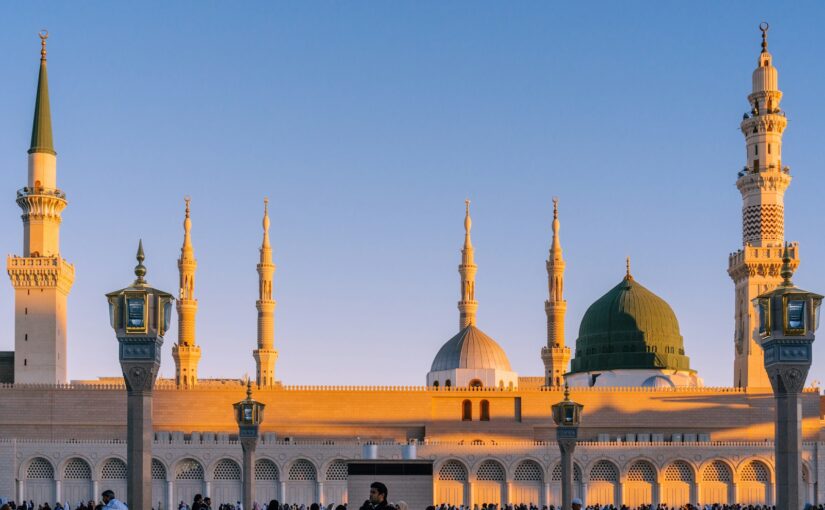
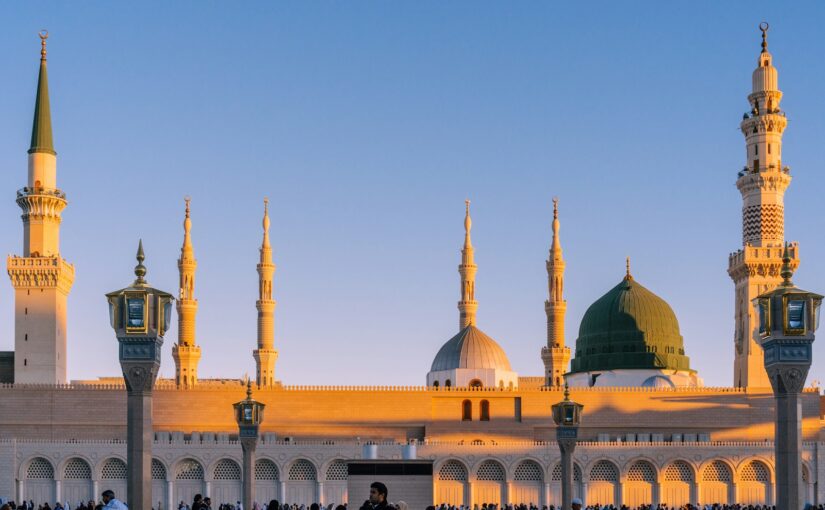
Khush Amdeed Mustafa (خوش آمدید مصطفیٰ) — Full Naat Lyrics in Urdu, English Translation and Meaning

Khush Amdeed Mustafa (خوش آمدید مصطفیٰ) — Full Naat Lyrics in Urdu, English Translation and Meaning

“Khush Amdeed Mustafa” (خوش آمدید مصطفیٰ) is a beautiful and heartfelt naat that welcomes the beloved Prophet Muhammad (peace be upon him). The phrase “Khush Amdeed” is an Urdu-Persian greeting that means “welcome.” This naat is often recited during gatherings of praise for the Prophet, especially on occasions such as Eid Milad-un-Nabi and other Islamic celebrations. Its melody is uplifting, and its words express deep love and devotion for the final messenger of Allah.

Below you will find the full lyrics of this naat in Urdu, along with a transliteration, an English translation, and an explanation of its meaning and background.

Background of the Naat

“Khush Amdeed Mustafa” is a modern naat that has gained popularity across South Asia. It is performed by various notable naat khwans. The poetry celebrates the arrival and presence of Prophet Muhammad (PBUH) as a mercy to all worlds. The naat uses the imagery of flowers blooming, hearts lighting up, and the universe rejoicing at the Prophet’s presence. It is a naat of joy, welcome, and celebration, which is why it is frequently chosen for Milad gatherings and spiritual conferences.

Khush Amdeed Mustafa — Urdu Lyrics (خوش آمدید مصطفیٰ)

Verse 1:

خوش آمدید مصطفیٰ
خوش آمدید مصطفیٰ
ہر دل میں ہے آرزو
ہر دل میں ہے آرزو
دیکھیں ترا دیدار
دیکھیں ترا دیدار
اے نورِ مجسم تجھ کو
ہم سے ہے پیار

Verse 2:

پھولوں نے بکھر کر کہا
سب نے مل کر یہ کہا
سب نے مل کر یہ کہا
خوش آمدید اے شہہ
خوش آمدید اے شہہ
مٹی نے بھی یہ کہا
خاکِ مدینہ ہے بہتر

Verse 3:

جلتے ہیں چراغ دل کے
جلتے ہیں چراغ دل کے
ہر گلی میں ہے چراغاں
آئی ہے بہار آئی
آئی ہے بہار آئی
آنکھوں میں ہے ساماں
آنکھوں میں ہے ساماں

Verse 4:

اے شہہ ہم کو بھی اپنی
نظر میں جگہ دے دے
نظر میں جگہ دے دے
ہم پیاسے ہیں تیرے
ہم پیاسے ہیں تیرے
دریا کو کنارہ دے دے
دریا کو کنارہ دے دے

English Transliteration

Verse 1:

Khush amdeed Mustafa
Har dil mein hai aarzu
Dekhein tera didaar
Dekhein tera didaar
Aye Noor-e-mujassam tujh ko
Hum se hai pyaar

Verse 2:

Phoolon ne bikhar ke kaha
Sab ne mil kar ye kaha
Khush amdeed aye shah
Mitti ne bhi ye kaha
Khaak-e-Madina hai behtar

Verse 3:

Jalte hain charagh dil ke
Har gali mein hai charaghan
Aayi hai bahaar aayi
Aankhon mein hai saamaan

Verse 4:

Aye shah hum ko bhi apni
Nazar mein jagah de de
Hum pyaase hain tere
Dariya ko kinaara de de

English Translation

Verse 1:

Welcome, O Mustafa (the Chosen One)
Welcome, O Mustafa
Every heart yearns
Every heart yearns
To behold Your blessed sight
O embodiment of divine light
You love us, and we love You

Verse 2:

The flowers bloomed and said
Everyone together proclaimed
Welcome, O King
Welcome, O King
Even the dust declared
The soil of Madina is superior to all

Verse 3:

The lamps of the heart are lit
Every street is illuminated
Spring has arrived, spring has arrived
Our eyes are filled with beauty

Verse 4:

O King, grant us too
A place within Your gracious gaze
We are thirsty for You
Grant the river its shore

Meaning and Spiritual Significance

“Khush Amdeed Mustafa” is a naat of spiritual welcome. It describes the joy that fills the universe when the Prophet Muhammad (PBUH) is present. The first verse speaks of the longing in every heart to see the Prophet’s blessed face. It calls him “Noor-e-Mujassam,” meaning the embodiment of light, a phrase that reflects the Islamic belief that the Prophet was created from divine light (Nur).

The second verse uses beautiful natural imagery. Flowers bloom and speak. The earth itself declares its reverence. The “soil of Madina” is mentioned as being superior because it is blessed by the Prophet’s presence. This reflects the deep love Muslims have for the city of Madina, where the Prophet is buried and where he spent the final years of his life.

The third verse speaks of illumination. Lamps are lit both literally (in streets during celebrations) and metaphorically (in hearts filled with faith). Spring is used as a metaphor for spiritual renewal. When love for the Prophet enters a heart, it is like spring bringing life to a barren land.

The final verse is a humble plea. The poet asks the Prophet to grant them a place in his gracious gaze. To be “thirsty” for the Prophet means to be spiritually yearning for his intercession and nearness. The line “grant the river its shore” is a poetic way of saying: let us reach our destination, let our spiritual journey find its rest in you.

When Is This Naat Recited?

“Khush Amdeed Mustafa” is particularly popular during:

  • Eid Milad-un-Nabi (12th Rabi-ul-Awwal): Celebrations of the Prophet’s birth often open with welcoming naats like this one.
  • Urs and spiritual gatherings: Sufi gatherings and dargah events frequently include this naat.
  • Daily spiritual practice: Many Muslims recite this naat in their morning or evening routines as a form of salawat and meditation.
  • Conferences and Islamic events: It is often the opening or closing recitation at Islamic conferences in South Asia and the UK.

The naat’s rhythmic structure makes it easy to memorise, and its joyful tone makes it suitable for both solo recitation and group performance. If you are looking to learn more naats, you may also enjoy our pages on Mera Dil Tujh Hi Se Lagaya and Rahmatun Lil Alameen.

Frequently Asked Questions

Who wrote Khush Amdeed Mustafa?

The exact poet is not widely documented, but the naat is popularised through performances by various contemporary naat khwans. Its style fits within the modern tradition of Urdu naat poetry.

Is Khush Amdeed Mustafa a famous naat?

Yes, it is well known in South Asian Islamic circles and is often recited at Milad gatherings. Its joyful melody makes it a favourite among children and adults alike.

Can I use these lyrics for my own video or recording?

Yes, the lyrics are a devotional composition shared for spiritual benefit. You are welcome to use them in your own recitations or videos as long as credit is given and the words are not altered.

You can also explore other naats on our site such as Noor Wala Aaya Hai and Dil Mein Hai Shauq-e-Madina.
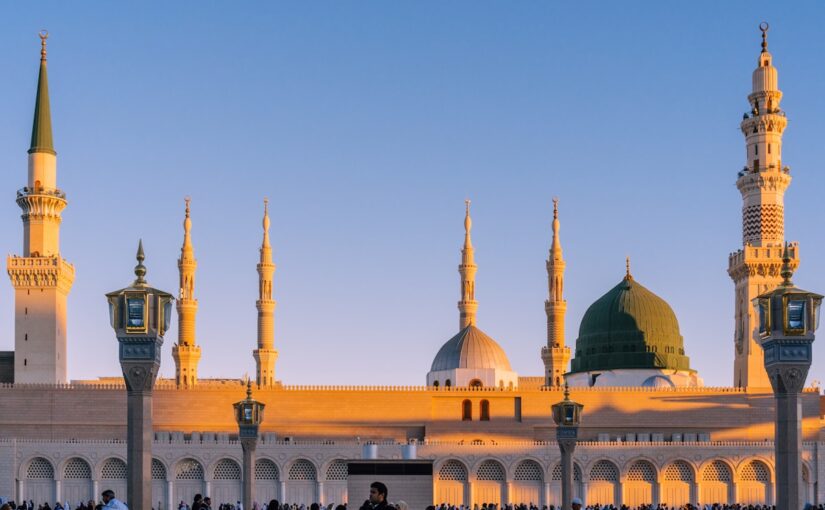

Bhej De Koi Madine (بھیج دے کوئی مدینے) — Full Naat Lyrics in Urdu, English Translation and Meaning

# Bhej De Koi Madine (بھیج دے کوئی مدینے) — Full Naat Lyrics, Translation & Meaning

**Category:** Islamic Naats
**Status:** Publish

## 📝 Article Content

**Title:** Bhej De Koi Madine (بھیج دے کوئی مدینے) — Full Naat Lyrics in Urdu, English Translation and Meaning

**Slug:** bhej-de-koi-madine-naat-lyrics

### Introduction

“Bhej De Koi Madine” (بھیج دے کوئی مدینے) is a soul-stirring Urdu naat that expresses the deep longing of a believer’s heart to visit the blessed city of Madinah Munawwarah and stand in the presence of the Holy Prophet Muhammad ﷺ. The phrase “Bhej De Koi Madine” translates to “Send someone to Madinah” — a heartfelt plea, a cry from the depths of a soul that aches for the sanctuary of the Prophet’s ﷺ city.

This naat captures the universal emotion of every Muslim who yearns to perform Ziyarat (visitation) of Rawdat-ul-Jannah, the sacred garden between the Prophet’s ﷺ pulpit and his blessed grave. It speaks of a love that transcends time and space — the love for Rasoolullah ﷺ and his blessed city.

In this article, we present the full Urdu lyrics of “Bhej De Koi Madine” in beautiful Nastaliq script, along with a line-by-line English translation and transliteration. We also explore the deeper meaning and spiritual significance behind the words.

### 🌙 Full Naat: Bhej De Koi Madine (بھیج دے کوئی مدینے)

#### Verse 1

**Urdu (Nastaliq):**
بھیج دے کوئی مدینے مجھے جانا ہے
دل مرا روضۂؑ پاک پہ قربان کروں

**Transliteration:**
Bhej de koi madine mujhe jaana hai
Dil mera rozah-e-paak pe qurban karoon

**English Translation:**
Send someone to Madinah — I must go,
I wish to sacrifice my heart at the sacred shrine.

**Explanation:**
The poet begins with an urgent plea — “Bhej de koi madine” — as if calling out to someone, anyone, to arrange a way to reach Madinah. This opening line instantly establishes the theme of longing and desperation. The second line reveals the intent: to sacrifice one’s heart (dil) at the sacred rawdah (shrine) of the Prophet ﷺ. This is not a physical sacrifice but an emotional and spiritual one — offering one’s entire being, love, and ego at the blessed resting place of Rasoolullah ﷺ. The word “qurban” (sacrifice) is loaded with Islamic significance, echoing the spirit of complete submission.

#### Verse 2

**Urdu (Nastaliq):**
میرے آقا کی زمیں پہ جو قدم رکھ دوں
سجدۂ شکر بجا لاؤں، ربّ کا شکر کروں

**Transliteration:**
Mere aaqa ki zameen pe jo qadam rakh doon
Sajda-e-shukr baja laaun, Rabb ka shukar karoon

**English Translation:**
When I place my foot upon the land of my Master,
I shall perform a prostration of gratitude and thank my Lord.

**Explanation:**
The poet imagines the moment of arrival — stepping onto the soil that belongs to their beloved Master (Aaqa), a reference to Prophet Muhammad ﷺ. The imagery here is powerful: the land of Madinah is not ordinary soil; it is sacred earth blessed by the footsteps of the Prophet ﷺ and his companions. Upon touching it, the poet promises to perform “Sajda-e-Shukr” — a prostration of thanks to Allah for granting this privilege. This reflects the Islamic tradition of offering two rak’ahs or a sajdah upon reaching a blessed destination, a practice rooted in gratitude.

#### Verse 3

**Urdu (Nastaliq):**
کاش اک بار مجھے دید کا موقع مل جائے
آقا کے در پہ جھکا دے کوئی — میں کیا کروں

**Transliteration:**
Kaash ek baar mujhe deed ka mauqa mil jaaye
Aaqa ke dar pe jhuka de koi — main kya karoon

**English Translation:**
If only once I get the chance to see [the Beloved],
May someone bow me at the Master’s door — what can I do?

**Explanation:**
“Deed” refers to the blessed vision — seeing the sacred resting place or, in the spiritual realm, seeing the Prophet ﷺ himself. The poet’s wish is humble: just one chance. The second line carries a beautiful sense of helplessness — “main kya karoon” (what can I do) — acknowledging that even this desire is not within one’s own power. It is a gift, a grace that must be granted. The poet asks someone (koi) to physically bow their head at the Prophet’s ﷺ door, highlighting the humility required to enter that sacred presence.

#### Verse 4

**Urdu (Nastaliq):**
روضۂ اطہر پہ ڈھلکوں تو سکون آئے
نور کے گنبد سے لپٹ کر میں پکاروں یوں

**Transliteration:**
Rozah-e-at-har pe dhalakoon to sakoon aaye
Noor ke gumbad se lipt kar main pukaaron yoon

**English Translation:**
If I could pour myself upon the pure shrine, peace would come,
Clinging to the dome of light, I would call out thus.

**Explanation:**
“Rozah-e-at-har” means the most pure and sacred shrine. The poet uses the verb “dhalakoon” (to pour or melt), suggesting complete surrender — melting like water onto the blessed rawdah. There is an intense longing for peace (sukoon), which the poet believes can only be found in that sacred space. The “Noor ke gumbad” (dome of light) refers to the iconic Green Dome of Masjid an-Nabawi, which is historically and spiritually renowned. Clinging to it and calling out represents a soul seeking connection, much like a child holding onto their parent.

#### Verse 5

**Urdu (Nastaliq):**
آپ کی رحمت کے دریا میں بہا جا دوں
آپ کے در کا میں گدا بن کے جیا چاہوں

**Transliteration:**
Aap ki rehmat ke dariya mein baha ja doon
Aap ke dar ka main gada ban ke jiya chaahoon

**English Translation:**
Let me flow in the river of Your mercy,
I wish to live as a beggar at Your door.

**Explanation:**
The poet now directly addresses the Prophet ﷺ with “Aap” (You, in respectful form). The metaphor of the “river of mercy” (rehmat ka dariya) is deeply evocative — Prophet Muhammad ﷺ is described in the Quran as “Rahmatul lil-Alameen” (a mercy to all worlds). The poet wishes to drown in that mercy. The second line adopts the persona of a beggar (gada) at the Prophet’s ﷺ door — not asking for wealth or status, but simply to exist in that blessed proximity. This echoes the Sufi concept of faqr (spiritual poverty), where being a beggar at the Beloved’s door is the highest station.

#### Verse 6

**Urdu (Nastaliq):**
اے مدینے کے سکوں والے مسافر مجھ کو
اپنے ساتھ وہاں لے چلو — بھیج دو کسی کو

**Transliteration:**
Aye Madine ke sukoon waale musaafir mujh ko
Apne saath wahan le chalo — bhej do kisi ko

**English Translation:**
O traveler who has found peace in Madinah,
Take me along with you — send someone [for me].

**Explanation:**
Here, the poet addresses those blessed souls who have already journeyed to Madinah and experienced its peace (sukoon). There is both admiration and gentle envy — “sukoon waale musaafir” (traveler graced with tranquility). The poet pleads to be taken along or, failing that, asks them to arrange a way. This verse beautifully captures the sentiment felt by those who have not yet visited Madinah: the urge to ask everyone who returns, “How was it? Take me next time.” It’s the universal language of love for the Prophet’s ﷺ city.

#### Verse 7

**Urdu (Nastaliq):**
عمر بھر کا ہے یہ ارمان، مدینے جا کر
دو گھڑی آقا کے قدموں میں بسر کر لوں

**Transliteration:**
Umar bhar ka ye armaan, Madine ja kar
Do ghadi aaqa ke qadmo mein basar kar loon

**English Translation:**
This is a lifelong aspiration — to go to Madinah,
And spend just two moments at the feet of my Master.

**Explanation:**
“Armaan” means desire or aspiration, and the poet declares this to be a “umar bhar ka armaan” — a lifelong dream. The request is remarkably modest: just “do ghadi” (two moments, a brief instant) at the Prophet’s ﷺ feet. This teaches a beautiful spiritual lesson: the greatest blessings don’t require extensive time. Even a single moment of sincere connection with the Beloved can fulfill a lifetime of longing. Quality of presence matters more than quantity.

### 📖 The Deeper Meaning

“Bhej De Koi Madine” is more than just a naat — it’s a reflection of the Islamic concept of **Shawq** (spiritual longing) and **Ishq-e-Mustafa** (love for the Prophet ﷺ). The constant repetition of requests to be sent to Madinah reflects a soul that feels incomplete without visiting the city of the Prophet ﷺ.

In Islamic spirituality, the love for Madinah is inseparable from the love for Prophet Muhammad ﷺ. The Quran commands believers to love Allah and His Messenger above all else (Surah At-Tawbah 9:24). Visiting Madinah and performing Ziyarat of the Prophet’s ﷺ grave is considered one of the greatest acts of devotion. The Prophet ﷺ himself said: “Whoever visits my grave after my death is like those who visited me during my lifetime” (Darqutni).

The naat draws heavily on the rich tradition of **Madih** (praise poetry), which has been an integral part of Islamic culture since the time of the Sahaba. Poets like Hassan ibn Thabit (رضی اللہ عنہ) set the precedent for expressing love for the Prophet ﷺ through poetry, a tradition that continues today in naat gatherings, Mehfil-e-Milaad, and Qawwali performances worldwide.

Each verse reflects a different dimension of this love:

– **Verse 1-2:** The anticipation and gratitude of reaching Madinah
– **Verse 3-4:** The helpless yearning and desire for spiritual connection
– **Verse 5:** Complete surrender to the Prophet’s ﷺ mercy
– **Verse 6:** The community aspect — sharing the blessing with others
– **Verse 7:** The ultimate humility — asking for so little

### 🕌 When to Recite This Naat

This naat is particularly suitable for:

– **Mehfil-e-Milaad / Milad un-Nabi gatherings** — celebrating the birth of the Prophet ﷺ
– **Travelers preparing for Umrah/Hajj** — especially before visiting Madinah
– **Friday evenings** — a blessed time for sending salutations upon the Prophet ﷺ
– **Daily dhikr routines** — as a way to maintain connection with the Prophet ﷺ
– **Emotional moments of longing** — when the heart feels distant and seeks spiritual proximity

### 🔖 Tags / Keywords

– Bhej De Koi Madine lyrics
– بھیج دے کوئی مدینے
– Bhej De Koi Madine naat
– Bhej De Koi Madine translation English
– Urdu naat lyrics
– Islamic naats collection
– Naat about Madinah
– Madinah Munawwarah poetry
– Prophet Muhammad ﷺ naat
– Islamic devotional poetry
– Best Urdu naats
– Naat lyrics in Urdu
– Madinah naat with translation
– Ishq-e-Mustafa naat
– Shawq-e-Madinah naat

### 📌 FAQs

**Q: Who wrote “Bhej De Koi Madine”?**
A: This naat is a traditional Urdu composition by an anonymous poet, commonly recited in Mehfil-e-Milaad gatherings across South Asia.

**Q: What is the meaning of “Bhej De Koi Madine”?**
A: It means “Send someone to Madinah” — a heartfelt plea to be taken to the blessed city of the Prophet ﷺ.

**Q: Is this naat suitable for Hajj/Umrah travel?**
A: Yes, this naat beautifully captures the emotions of someone preparing to visit Madinah during Hajj or Umrah.

**Q: What language is this naat in?**
A: The naat is in Urdu, written in Nastaliq script. We also provide transliteration and English translation.

### Final Words

“Bhej De Koi Madine” reminds us that the love for Prophet Muhammad ﷺ is alive in the hearts of millions. It is a love that defies borders, languages, and centuries. The desire to visit Madinah and stand at the Rawdah is a dream shared by believers across the globe.

May Allah grant us all the opportunity to visit Madinah Munawwarah and honor us with Ziyarat of the Beloved Prophet ﷺ. Ameen.

*”Bhej de koi madine mujhe jaana hai…”*

Aaqa Aaye Hain (آقا آئے ہیں) — Full Naat Lyrics in Urdu, English Translation and Meaning

“Aaqa Aaye Hain” (آقا آئے ہیں) is a beloved Islamic naat that celebrates the joyful arrival of Prophet Muhammad (ﷺ) in the city of Madinah. The naat captures the excitement, love, and reverence that the people of Madinah felt when they received the Messenger of Allah. With its soulful rhythm and heartfelt verses, it has become a staple in naat gatherings across South Asia.

Background of the Naat “Aaqa Aaye Hain”

The naat “Aaqa Aaye Hain” describes the historic moment when Prophet Muhammad (ﷺ) arrived in Madinah after the Hijrah (migration) from Makkah. The people of Madinah, known as the Ansar, welcomed the Prophet with incredible warmth and devotion. Children sang poems, women chanted greetings from rooftops, and the entire city came alive with the spirit of faith.

This naat beautifully recreates that atmosphere of celebration. The phrase “Aaqa Aaye Hain” (The Master has arrived) is repeated like a joyful announcement, echoing through the streets of Madinah. Every verse reflects the deep love that the Sahaba (companions) had for the Prophet and the honour they felt in hosting him in their city.

The naat has been popularized by several renowned naat reciters over the years, including Khawaja Hamza and Owais Raza Qadri, whose powerful renditions have touched the hearts of millions. Their emotional delivery brings the verses to life, making listeners feel as though they are witnessing the blessed arrival themselves.

Full Urdu Lyrics of “Aaqa Aaye Hain” (آقا آئے ہیں)

Below are the complete Urdu lyrics of the naat “Aaqa Aaye Hain” in proper Urdu script:

آقا آئے ہیں مدینہ میں
نور کا ہے نظارہ آقا
ہر طرف ہے چرچرا آقا

آقا آئے ہیں مدینہ میں
خوشیوں کا ہے زمانہ آقا
آقا آئے ہیں مدینہ میں

نکلے انصار بن کر صفیں
بچے بھی بولے ہیں نعتیں
ہر گلی میں ہے ترانہ آقا
آقا آئے ہیں مدینہ میں

لگے گنبد پہ اجالا
سب نے پھیرا ہے سلام
دل ہے حسرت بھرا آقا
آقا آئے ہیں مدینہ میں

دھرتی چاندی کی لگتی ہے
ہر طرف روشنی ہے
مدینہ سج رہا ہے آقا
آقا آئے ہیں مدینہ میں

آقا آئے ہیں مدینہ میں
میرا دل بھی ہے دعا گو آقا
مجھ کو بھی مدینہ بلا لو آقا
آقا آئے ہیں مدینہ میں

English Translation of “Aaqa Aaye Hain”

Verse 1:
Aaqa Aaye Hain Madinah Mein — The Master has arrived in Madinah
Noor Ka Hai Nazara Aaqa — What a sight of divine light, O Master
Har Taraf Hai Charchara Aaqa — Everywhere there is celebration, O Master

Verse 2:
Aaqa Aaye Hain Madinah Mein — The Master has arrived in Madinah
Khushiyon Ka Hai Zamana Aaqa — It is a time of pure joy, O Master
Aaqa Aaye Hain Madinah Mein — The Master has arrived in Madinah

Verse 3:
Nikle Ansar Bana Kar Safien — The Ansar came out, forming rows
Bachay Bhi Bole Hain Naatein — Even the children recited naats
Har Gali Mein Hai Tarana Aaqa — Every street is filled with songs, O Master
Aaqa Aaye Hain Madinah Mein — The Master has arrived in Madinah

Verse 4:
Lage Gumbad Pe Ujala — The dome is illuminated with light
Sub Ne Phera Hai Salam — Everyone is sending their greetings
Dil Hai Hasrat Bhara Aaqa — The heart is filled with longing, O Master
Aaqa Aaye Hain Madinah Mein — The Master has arrived in Madinah

Verse 5:
Dharti Chandi Ki Lagti Hai — The earth looks like silver
Har Taraf Roshni Hai — There is light everywhere
Madinah Saj Raha Hai Aaqa — Madinah is being adorned, O Master
Aaqa Aaye Hain Madinah Mein — The Master has arrived in Madinah

Verse 6:
Aaqa Aaye Hain Madinah Mein — The Master has arrived in Madinah
Mera Dil Bhi Hai Dua Go Aaqa — My heart also prays, O Master
Mujh Ko Bhi Madinah Bula Lo Aaqa — Call me to Madinah too, O Master
Aaqa Aaye Hain Madinah Mein — The Master has arrived in Madinah

The Meaning and Message of “Aaqa Aaye Hain”

The naat “Aaqa Aaye Hain” is more than just poetry — it is an expression of the deep, unconditional love that Muslims hold for Prophet Muhammad (ﷺ). The verses transport the listener back in time to the streets of Madinah, where every resident, young and old, came out to welcome the Prophet of Mercy.

The recurring theme of light (noor) in the naat symbolizes the spiritual illumination that the Prophet brought with him. When he entered Madinah, the entire city was transformed — darkness turned to light, despair turned to hope, and division turned to unity. The poet captures this transformation beautifully.

The line “Mujh Ko Bhi Madinah Bula Lo” (Call me to Madinah too) reflects the longing that every believer feels to visit the holy city. For those who have been to Madinah, this verse brings tears of remembrance. For those who have not yet been, it fuels the desire to one day stand before the blessed Rawdah.

Who Popularized This Naat?

While the exact poet of “Aaqa Aaye Hain” is not widely documented, the naat has been popularized by several famous naat khawans (reciters). One of the most well-known renditions is by Khawaja Hamza, a celebrated Pakistani naat reciter known for his powerful and emotional voice. His version has been viewed and shared widely across social media platforms and naat websites.

Other notable reciters include Owais Raza Qadri, whose melodious style adds a unique spiritual depth to the lyrics. The naat is frequently recited at milad gatherings, mehfils, and Islamic events, particularly in Pakistan and India, where the tradition of naat khwani is deeply cherished.

Why “Aaqa Aaye Hain” Resonates with Listeners

There is something uniquely captivating about this naat. Its repetitive structure, with the joyful refrain of “Aaqa Aaye Hain Madinah Mein”, makes it easy to remember and sing along. Yet its emotional depth ensures that it never becomes ordinary. Each repetition feels fresh, like the announcement of good news being shared from one person to another across the city.

The naat also beautifully connects the past with the present. The joy of the Ansar welcoming the Prophet becomes the joy of the listener, and the longing expressed in the final verse becomes the listener’s own longing. This timeless quality is what makes “Aaqa Aaye Hain” a cherished addition to the repertoire of Islamic devotional poetry.

Listen and Reflect

Whether you are listening to it during a mehfil-e-milad, reciting it in your personal worship, or simply reading the lyrics to understand its meaning, “Aaqa Aaye Hain” has the power to move the heart. Let the words sink in, and let your soul be transported to the blessed streets of Madinah, where the beloved Prophet once walked.

May Allah grant us all the opportunity to visit Madinah and be in the presence of our beloved Prophet (ﷺ). Ameen.


Originally published on Naatlines.com — your trusted source for Islamic naat lyrics in Urdu and English.

Phir Milne Ko Dil Chahta Hai (پھر ملنے کو دل چاہتا ہے) — Full Naat Lyrics in Urdu, English Translation and Meaning

About the Naat “Phir Milne Ko Dil Chahta Hai”

“Phir Milne Ko Dil Chahta Hai” is a beautiful and emotional Urdu naat that expresses the deep longing of a believer to visit the blessed city of Madinah and be in the presence of Prophet Muhammad (peace be upon him). The poet pours their heart out, describing the ache in the soul to once again experience the spiritual peace that comes from visiting the Prophet’s mosque. This naat is widely recited in the South Asian Islamic tradition, especially in Pakistan and India, and is beloved for its heartfelt lyrics and simple yet profound message.

The naat speaks to every Muslim who has visited Madinah and left with a part of their heart still there, or who dreams of going one day. It captures the feeling of yearning that every believer carries for the city of the Prophet.

Naat Lyrics in Urdu (نعت کے اردو اشعار)

پھر ملنے کو دل چاہتا ہے
مدینے چلنے کو دل چاہتا ہے

تمہارے در پر اپنے آقا
جھکنے کو دل چاہتا ہے

حرم کی گلیوں میں جانا ہے
گنبد پہ سلام پھیرنا ہے
ادھر جانے کو دل چاہتا ہے
ادھر مرنے کو دل چاہتا ہے

تمہاری محفل میں بیٹھ کر
ثنا پڑھنی ہے تمہاری
تمہیں یاد کرنے کو دل چاہتا ہے
تمہیں یاد آنے کو دل چاہتا ہے

مدینے والے مدینے والے
ذرا ہم کو بھی بلا لو
تمہارے در پر آ کے بیٹھیں
یہ آرزو دل میں جاگی ہے

نظر جھکائے کھڑے ہیں ہم
ادب سے سر کو جھکائے ہیں
بس اب تو مدینے چلنا ہے
یہی تمنا دل میں باقی ہے

مجھے تو یاد ہے اک پل بھی
وہ گنبد خضریٰ کا نظارہ
پھر دیکھنے کو دل چاہتا ہے
پھر آنے کو دل چاہتا ہے

خدا تمہیں سلامت رکھے
محمد مصطفیٰ تم ہو
ہمارے دل کی دھڑکن ہو
ہماری جان تم ہو

شفاعت کا سہارا ہے
بس التجا یہی ہے
مرنا تو مدینے میں ہے
مٹنا تو مدینے میں ہے

English Translation of the Naat

Phir Milne Ko Dil Chahta Hai

The heart desires to meet again
The heart longs to go to Madinah

At your doorstep, O my Master
The heart yearns to bow down

I want to walk through the streets of the Haram
I want to circle the Green Dome with salutations
The heart longs to go there
The heart wants to be there

Sitting in your blessed gathering
I want to recite your praise
The heart yearns to remember you
The heart longs for your remembrance

O dwellers of Madinah, O people of Madinah
Please call me as well
I want to come and sit at your doorstep
This wish has awakened in my heart

With eyes lowered, I stand here
With humility, I bow my head
Now I must go to Madinah
This is the only desire left in my heart

I remember even a single moment
Of the sight of the Green Dome
The heart yearns to see it again
The heart longs to return once more

May God keep you safe
You are Muhammad Mustafa
You are the beat of my heart
You are my very life

Your intercession is my only support
This is my only plea
Let me die in Madinah
Let my end be in Madinah

Meaning and Background of the Naat

This naat centers on one of the most profound emotions in Islamic spirituality: the love for Prophet Muhammad (peace be upon him) and the longing to be near him. The city of Madinah holds a special place in every Muslim’s heart because it is the city where the Prophet established the first Islamic state, built the Masjid an-Nabawi, and spent the last ten years of his blessed life. His blessed grave is located inside the mosque under the Green Dome, making Madinah one of the holiest cities in Islam.

The phrase “Phir Milne Ko Dil Chahta Hai” (The heart desires to meet again) reflects the experience of countless Muslims who visit Madinah and leave with an overwhelming desire to return. There is a famous saying among pilgrims: when you visit Makkah, you leave with the feeling that your duty is done, but when you visit Madinah, you leave with your heart still there, yearning to return.

The line about the Green Dome (Gumbad-e-Khizra) is especially poignant. The Green Dome is the iconic green-coloured dome built over the Prophet’s grave. Seeing it for the first time is an emotional experience that many describe as indescribable. The poet expresses this by saying even a single memory of that sight makes the heart ache to see it again.

The naat also beautifully expresses humility and surrender. The poet stands with lowered eyes and bowed head at the Prophet’s doorstep, recognising that the Prophet’s status is far above any human comparison. The plea “Let me die in Madinah” is a common prayer among Muslims who wish to be buried in the blessed city of the Prophet.

This naat is often recited at religious gatherings, especially during Milad-un-Nabi (the Prophet’s birthday) and other Islamic events. Its simple, repetitive structure makes it easy to memorise and recite, while its deep emotional content resonates with Muslims of all ages and backgrounds.

Spiritual Significance of Madinah in Islam

Madinah is mentioned in the Quran as the place that purified the believers and is described as “the good land.” The Prophet himself said, “Between my house and my pulpit is a garden from the gardens of Paradise.” Visiting Madinah and praying in Masjid an-Nabawi carries immense spiritual reward. According to authentic hadith, one prayer in the Prophet’s mosque is better than one thousand prayers elsewhere, except for Masjid al-Haram in Makkah.

The love for Madinah is not just about a physical place. It represents love for the Prophet, his teachings, and the beautiful way of life he brought. When a believer recites this naat, they are not just expressing a wish to travel. They are expressing a spiritual connection that transcends time and distance.

Popular Reciters of This Naat

This naat has been recited by many famous naat khwans over the years. Some of the most well-known renditions include those by Owais Raza Qadri, whose melodious voice has made this naat popular across the world. Other reciters include Junaid Jamshed, Farhan Ali Waris, and the Qawwal brothers of the Nusrat Fateh Ali Khan tradition. Each reciter brings their own emotional style to the naat, but the core message remains the same: a deep, heartfelt longing for the blessed city of Madinah and its beloved Prophet.

Related Posts You Might Like

Phir Milne Ko Dil Chahta Hai (پھر ملنے کو دل چاہتا ہے) — Full Naat Lyrics in Urdu, English Translation and Meaning

About the Naat “Phir Milne Ko Dil Chahta Hai”

“Phir Milne Ko Dil Chahta Hai” is a beautiful and emotional Urdu naat that expresses the deep longing of a believer to visit the blessed city of Madinah and be in the presence of Prophet Muhammad (peace be upon him). The poet pours their heart out, describing the ache in the soul to once again experience the spiritual peace that comes from visiting the Prophet’s mosque. This naat is widely recited in the South Asian Islamic tradition, especially in Pakistan and India, and is beloved for its heartfelt lyrics and simple yet profound message.

The naat speaks to every Muslim who has visited Madinah and left with a part of their heart still there, or who dreams of going one day. It captures the feeling of yearning that every believer carries for the city of the Prophet.

Naat Lyrics in Urdu (نعت کے اردو اشعار)

پھر ملنے کو دل چاہتا ہے
مدینے چلنے کو دل چاہتا ہے

تمہارے در پر اپنے آقا
جھکنے کو دل چاہتا ہے

حرم کی گلیوں میں جانا ہے
گنبد پہ سلام پھیرنا ہے
ادھر جانے کو دل چاہتا ہے
ادھر مرنے کو دل چاہتا ہے

تمہاری محفل میں بیٹھ کر
ثنا پڑھنی ہے تمہاری
تمہیں یاد کرنے کو دل چاہتا ہے
تمہیں یاد آنے کو دل چاہتا ہے

مدینے والے مدینے والے
ذرا ہم کو بھی بلا لو
تمہارے در پر آ کے بیٹھیں
یہ آرزو دل میں جاگی ہے

نظر جھکائے کھڑے ہیں ہم
ادب سے سر کو جھکائے ہیں
بس اب تو مدینے چلنا ہے
یہی تمنا دل میں باقی ہے

مجھے تو یاد ہے اک پل بھی
وہ گنبد خضریٰ کا نظارہ
پھر دیکھنے کو دل چاہتا ہے
پھر آنے کو دل چاہتا ہے

خدا تمہیں سلامت رکھے
محمد مصطفیٰ تم ہو
ہمارے دل کی دھڑکن ہو
ہماری جان تم ہو

شفاعت کا سہارا ہے
بس التجا یہی ہے
مرنا تو مدینے میں ہے
مٹنا تو مدینے میں ہے

English Translation of the Naat

Phir Milne Ko Dil Chahta Hai

The heart desires to meet again
The heart longs to go to Madinah

At your doorstep, O my Master
The heart yearns to bow down

I want to walk through the streets of the Haram
I want to circle the Green Dome with salutations
The heart longs to go there
The heart wants to be there

Sitting in your blessed gathering
I want to recite your praise
The heart yearns to remember you
The heart longs for your remembrance

O dwellers of Madinah, O people of Madinah
Please call me as well
I want to come and sit at your doorstep
This wish has awakened in my heart

With eyes lowered, I stand here
With humility, I bow my head
Now I must go to Madinah
This is the only desire left in my heart

I remember even a single moment
Of the sight of the Green Dome
The heart yearns to see it again
The heart longs to return once more

May God keep you safe
You are Muhammad Mustafa
You are the beat of my heart
You are my very life

Your intercession is my only support
This is my only plea
Let me die in Madinah
Let my end be in Madinah

Meaning and Background of the Naat

This naat centers on one of the most profound emotions in Islamic spirituality: the love for Prophet Muhammad (peace be upon him) and the longing to be near him. The city of Madinah holds a special place in every Muslim’s heart because it is the city where the Prophet established the first Islamic state, built the Masjid an-Nabawi, and spent the last ten years of his blessed life. His blessed grave is located inside the mosque under the Green Dome, making Madinah one of the holiest cities in Islam.

The phrase “Phir Milne Ko Dil Chahta Hai” (The heart desires to meet again) reflects the experience of countless Muslims who visit Madinah and leave with an overwhelming desire to return. There is a famous saying among pilgrims: when you visit Makkah, you leave with the feeling that your duty is done, but when you visit Madinah, you leave with your heart still there, yearning to return.

The line about the Green Dome (Gumbad-e-Khizra) is especially poignant. The Green Dome is the iconic green-coloured dome built over the Prophet’s grave. Seeing it for the first time is an emotional experience that many describe as indescribable. The poet expresses this by saying even a single memory of that sight makes the heart ache to see it again.

The naat also beautifully expresses humility and surrender. The poet stands with lowered eyes and bowed head at the Prophet’s doorstep, recognising that the Prophet’s status is far above any human comparison. The plea “Let me die in Madinah” is a common prayer among Muslims who wish to be buried in the blessed city of the Prophet.

This naat is often recited at religious gatherings, especially during Milad-un-Nabi (the Prophet’s birthday) and other Islamic events. Its simple, repetitive structure makes it easy to memorise and recite, while its deep emotional content resonates with Muslims of all ages and backgrounds.

Spiritual Significance of Madinah in Islam

Madinah is mentioned in the Quran as the place that purified the believers and is described as “the good land.” The Prophet himself said, “Between my house and my pulpit is a garden from the gardens of Paradise.” Visiting Madinah and praying in Masjid an-Nabawi carries immense spiritual reward. According to authentic hadith, one prayer in the Prophet’s mosque is better than one thousand prayers elsewhere, except for Masjid al-Haram in Makkah.

The love for Madinah is not just about a physical place. It represents love for the Prophet, his teachings, and the beautiful way of life he brought. When a believer recites this naat, they are not just expressing a wish to travel. They are expressing a spiritual connection that transcends time and distance.

Popular Reciters of This Naat

This naat has been recited by many famous naat khwans over the years. Some of the most well-known renditions include those by Owais Raza Qadri, whose melodious voice has made this naat popular across the world. Other reciters include Junaid Jamshed, Farhan Ali Waris, and the Qawwal brothers of the Nusrat Fateh Ali Khan tradition. Each reciter brings their own emotional style to the naat, but the core message remains the same: a deep, heartfelt longing for the blessed city of Madinah and its beloved Prophet.

Related Posts You Might Like

Jalali Jalali (جلالی جلالی) — Shah-e-Madina Naat Lyrics in Urdu, English Translation and Meaning

“Jalali Jalali” is a beautiful and powerful naat in praise of Prophet Muhammad (peace be upon him), often referred to as Shah-e-Madina (The King of Madina). This naat is widely recited across the Muslim world, particularly in South Asia, and is cherished for its emotional depth and spiritual resonance. The lyrics express deep love and devotion for the Prophet, acknowledging his majesty and seeking his intercession.

About the Naat

“Jalali Jalali” is a naat that highlights the grandeur and majesty of Prophet Muhammad (PBUH). The word “Jalali” comes from “Jalal” which means majesty, glory, and grandeur. The naat describes the Prophet as the king of both worlds, the leader of all prophets, and the most beloved creation of Allah. It is often recited during Milad gatherings, Urs celebrations, and other religious events.

The naat is particularly popular in Pakistan, India, and Bangladesh, and has been recited by many renowned naat khwans over the years. Its simple yet profound lyrics make it accessible to people of all ages and backgrounds.

Jalali Jalali — Urdu Lyrics

جلالی جلالی ہے شاہ مدینہ

جلالی جلالی ہے شاہ مدینہ
غلام اس کا ہر نبیؑ کا امینہ

وہ نور مجسم وہ رحمت کا دریا
وہ آقا وہ مولیٰ وہ رحمت للعالمینہ

غلامی میں اس کی ہے عزت دوعالم
یہی ہے حقیقت یہی ہے یقینہ

کرم کی نظر ہو محمدؐ کی مجھ پر
سہارا نہیں ہے کوئی غیر کا مجھ کو

سوائے محمدؐ کے کون ہے میرا
مدینے کا والی ہے شاہ مدینہ

Jalali Jalali — English Translation

Majestic, Majestic is the King of Madina

Majestic, majestic is the King of Madina
Every prophet is his humble servant, he is the trustworthy one

He is the embodiment of light, he is the ocean of mercy
He is the master, he is the lord, he is mercy for all the worlds

In his servitude lies the honour of both worlds
This is the truth, this is what we believe

May Muhammad (PBUH) cast a gracious glance upon me
I have no support other than him

Other than Muhammad (PBUH), who is there for me?
The guardian of Madina is the King of Madina

Meaning and Background

The naat “Jalali Jalali” beautifully captures the essence of love and devotion for the Prophet Muhammad (PBUH). Let us explore the deeper meaning of each verse:

“Majestic, majestic is the King of Madina”: The opening line sets the tone of the entire naat. It declares the majesty and glory of the Prophet, referring to him as the King of Madina. This is not a worldly kingship but a spiritual sovereignty over the hearts of believers.

“Every prophet is his humble servant, he is the trustworthy one”: This verse references the Islamic belief that Prophet Muhammad (PBUH) is the leader of all prophets (Imam-ul-Anbiya) and the most beloved of Allah. The word “Ameen” (trustworthy) highlights his character, which is described in the Quran as being of “exalted character” (Quran 68:4).

“He is the embodiment of light, he is the ocean of mercy”: The Prophet is described as “Noor-e-Mujassam” or embodied light. This refers to the hadith that the Prophet was created from the light of Allah. He is also called the “ocean of mercy” because his message and character are a source of mercy for all of creation, as Allah says in the Quran: “And We have not sent you but as a mercy for the worlds” (Quran 21:107).

“In his servitude lies the honour of both worlds”: This verse teaches that true honour and success in this life and the next come from following and loving the Prophet. To be his follower is the highest status a believer can achieve.

“May Muhammad cast a gracious glance upon me”: This is a heartfelt supplication from the poet, asking for the Prophet’s attention and intercession.

“Other than Muhammad, who is there for me?”: This verse expresses complete reliance on the Prophet. In Islamic spirituality, the Prophet is the ultimate intercessor and guide.

“The guardian of Madina is the King of Madina”: The naat concludes by reaffirming the Prophet’s role as the protector and guardian of Madina, the city he built and where he is buried.

When to Recite This Naat

“Jalali Jalali” is typically recited on the following occasions:

  • Milad-un-Nabi (Eid Milad): Celebrations of the Prophet’s birthday.
  • Urs of Awliya: Gatherings marking the death anniversaries of Sufi saints.
  • Weekly Mehfil-e-Naat: Regular naat gatherings held in homes and mosques.
  • Friday Gatherings: Many people recite or listen to this naat on Fridays.
  • Personal Worship: Many Muslims recite this naat daily as part of their spiritual practice.

The Spiritual Impact of Jalali Jalali

This naat has a profound spiritual impact on those who recite or listen to it with sincerity. The rhythmic repetition of “Jalali Jalali” creates a meditative state that helps believers connect with their love for the Prophet. The naat reminds us of the Prophet’s exalted status and his boundless mercy, inspiring us to improve our own character and draw closer to Allah through love of His Messenger.

For those interested in exploring more naats, we recommend reading Tajdar-e-Haram, Ya Nabi Salam Alaika, and Sallu Alal Mustafa.

Mujh Ko Teri Aarzoo Hai (مجھ کو تیری آرزو ہے) — Full Naat Lyrics in Urdu, English Translation and Meaning

Introduction: The Beauty of Mujh Ko Teri Aarzoo Hai

“Mujh Ko Teri Aarzoo Hai” (مجھ کو تیری آرزو ہے) is a deeply emotional naat that voices the soul’s intense longing for Prophet Muhammad (PBUH). Recited and popularised by the renowned Naat Khawan Owais Raza Qadri, this naat has become a favourite in the Urdu-speaking Muslim world for its raw, heartfelt expression of love and devotion.

The title translates to “I long for you” and the verses reflect a heart that finds no peace except in the remembrance and presence of the Beloved Prophet. Owais Raza Qadri’s soulful rendition brings tears to the eyes of listeners and creates a spiritual atmosphere that connects the heart directly to Madinah.

Unlike many naats focused on praise alone, this naat leans into vulnerability and desperation, a lover crying out for their beloved. The poet skillfully weaves together themes of spiritual restlessness, the beauty of the Prophet’s character, and the hope of intercession on the Day of Judgement. It is a naat that speaks to anyone who has ever felt distant from their faith and longs to return to the light of the Prophet’s guidance.

For more beautiful naats, you can also explore Beshak Beshak Naat Lyrics and Ya Nabi Salam Alaika Naat Lyrics.

Full Urdu Lyrics: Mujh Ko Teri Aarzoo Hai

Below are the complete lyrics in Urdu script. Read along as you listen to fully absorb the beauty of this naat.

مجھ کو تیری آرزو ہے
مجھ کو تیری آرزو ہے
مجھ کو تیری آرزو ہے
اور کچھ نہیں مطلوب

مجھ کو تیری آرزو ہے
اور کچھ نہیں مطلوب

مجھ کو تیری آرزو ہے
مجھ کو تیری آرزو ہے
مجھ کو تیری آرزو ہے
اور کچھ نہیں مطلوب

تیرے در پہ آ کے بیٹھوں
درد دل سنا کے روؤں
درد دل سنا کے روؤں
ایسا کوئی لمحہ آئے
تیرے غم میں مسکراؤں

مجھ کو تیری آرزو ہے
اور کچھ نہیں مطلوب

تیری چوکھٹ پہ رکھوں میں
اپنا سر جھکا کے آنسو
اور پھر یوں سوچوں اے Nabi
ہیں یہ خاک پا کے موتی

مجھ کو تیری آرزو ہے
اور کچھ نہیں مطلوب

تیرے حسن کا نظارہ
دل کو کیسا سکھ پہنچائے
دور سے ہی دیکھ لوں تو
سارے غم بھول جاؤں

مجھ کو تیری آرزو ہے
اور کچھ نہیں مطلوب

میری آنکھوں میں بسے ہو
میرے دل میں ہو تم ہی
اور جب سانسوں میں آؤ
میری جان بن جاؤ

مجھ کو تیری آرزو ہے
اور کچھ نہیں مطلوب

دین و ایمان کی دولت
سب ملی ہے آپ سے ہی
سب ملی ہے آپ سے ہی
سرور کون و مکاں ہو
آپ سارے جہاں کے

مجھ کو تیری آرزو ہے
اور کچھ نہیں مطلوب

اور کچھ نہیں مطلوب
مجھ کو تیری آرزو ہے

English Translation of Mujh Ko Teri Aarzoo Hai

Here is the verse-by-verse English translation to help non-Urdu speakers understand the depth of this naat.

Couplet 1:
Mujh ko teri aarzoo hai
Aur kuch nahi matloob

I long for you (O Prophet)
Nothing else is my desire

Couplet 2:
Tere dar pe aa ke baithun
Dard-e-dil suna ke roon

Let me sit at your doorstep
And weep as I narrate the pain of my heart

Couplet 3:
Teri chokhat pe rakhoon main
Apna sar jhuka ke aansoo

At your threshold I place my head
Bowing down, letting tears fall

Couplet 4:
Tere husn ka nazara
Dil ko kaisa sukh pahunchaye

The sight of your beauty
What peace it brings to the heart

Couplet 5:
Meri aankhon mein base ho
Mere dil mein ho tum hi

You reside in my eyes
You alone dwell in my heart

Couplet 6:
Deen-o-iman ki daulat
Sab mili hai aap se hi

The treasure of faith and religion
All of it is received through you

Meaning and Spiritual Significance

The essence of “Mujh Ko Teri Aarzoo Hai” lies in its raw spiritual honesty. The poet does not pretend to be perfect. Instead, the verses openly admit to being a broken soul in need of the Prophet’s mercy and intercession.

The repeated refrain “Mujh ko teri aarzoo hai / Aur kuch nahi matloob” is the heart of the naat. It is a declaration that worldly desires have no value compared to the love of the Prophet. This mirrors the Islamic concept of Ishq-e-Mustafa (love of the Chosen One), a central theme in Sufi and Barelvi traditions.

Each verse paints a scene of spiritual humility: sitting at the Prophet’s doorstep, crying about one’s shortcomings, bowing the head in utter submission. These are not just poetic images. They reflect the deep desire of every believer to be among the righteous who will be honoured by the Prophet’s intercession on the Day of Judgement.

The verse about the beauty of the Prophet (husn) refers to both his physical beauty, which is well-documented in Islamic texts, and the beauty of his character. Looking upon the Prophet, even from a distance, is described as a cure for all grief. This echoes the famous hadith that the companions found peace simply by being in the presence of the Prophet Muhammad (PBUH).

The naat also emphasises that everything good in a believer’s life, including deen (faith) and iman (belief), is a gift received through the Prophet’s teachings and guidance. This reinforces the Prophetic role as Rahmatul-lil-Alameen (Mercy to the Worlds).

For those seeking more devotionals, check out Allah Hu Allah Hu Naat Lyrics for another beautiful Islamic recitation.

About the Reciter: Owais Raza Qadri

Owais Raza Qadri is one of the most beloved naat reciters in the modern Islamic world. Born in Madinah and raised in Pakistan, he carries a unique connection to the city of the Prophet. His voice is known for its emotional depth and ability to move audiences to tears. He has performed at thousands of Mahafil-e-Naat around the world and has recorded hundreds of naats that continue to inspire millions. His rendition of “Mujh Ko Teri Aarzoo Hai” is widely considered one of his most touching performances.

Audio and Video

You can listen to and watch “Mujh Ko Teri Aarzoo Hai” by Owais Raza Qadri on popular platforms like YouTube. Search for his official audio or video recordings of this naat for the full spiritual experience. Listening while reading the lyrics enhances understanding and emotional connection.

Final Thoughts

“Mujh Ko Teri Aarzoo Hai” is more than just a naat. It is a prayer, a confession, and a declaration of love all wrapped into one. Whether you understand Urdu or not, the emotion in Owais Raza Qadri’s voice transcends language barriers. This naat reminds us that at the core of our faith is a relationship of love with the Prophet Muhammad (PBUH), a love that should make us long for him daily.

May we all be granted the honour of sitting at his doorstep someday. Ameen.

Beshak Beshak (بیشک بیشک) – Full Naat Lyrics in Urdu, English Translation and Meaning

Introduction

“Beshak Beshak” (بیشک بیشک) is one of the most beloved Urdu naats popularised by the legendary Junaid Jamshed (R.A.). The title translates to “Indeed, Indeed” or “Without Doubt, Without Doubt” in English. This soul-stirring naat is a heartfelt declaration of faith in the supreme greatness of Prophet Muhammad (peace be upon him). Junaid Jamshed, formerly a famous pop singer who later dedicated his life to Islamic devotion, recited this naat with such passion and sincerity that it continues to touch the hearts of millions around the world.

The naat beautifully expresses unwavering belief in the Prophet’s lofty status, his intercession, and his unparalleled position in creation. Every verse reinforces the message of complete submission and love for the final Messenger of Allah.

Beshak Beshak Naat Lyrics in Urdu (بیشک بیشک نعت کے اردو اشعار)

بیشک بیشک بیشک بیشک
محمد مصطفیٰ ﷺ پر لاکھوں سلام

بیشک بیشک بیشک بیشک
محمد مصطفیٰ ﷺ پر لاکھوں درود

ہر شے پہ غالب ہے ان کا وجود
نور خدا ہے ان کا ظہور

جو بھی انہیں دے ، اللہ کا نور
ہر دل میں بسے ان کا سرور

آقا ہیں دو عالم کے وہ سردار
شافع ہیں وہ روزِ نشور

اللہ نے رکھی ان کی قسم
قرآن میں جس کا ہے ظہور

جو بھی پکارے ان کا نام
پاتا ہے وہ رب کا کرم

دل سے جو ان پر درود پڑھے
اللہ اسے بخشے قصور

اے کاش مدینے کی گلیوں میں

آ کر مرے اشک ہوں نثار

بیشک بیشک بیشک بیشک
محمد مصطفیٰ ﷺ پر لاکھوں سلام

بیشک بیشک بیشک بیشک
محمد مصطفیٰ ﷺ پر لاکھوں درود

English Translation of Beshak Beshak

Verse 1:
Indeed, indeed, indeed, indeed
Millions of salutations upon Muhammad Mustafa (peace be upon him)

Verse 2:
Indeed, indeed, indeed, indeed
Millions of blessings upon Muhammad Mustafa (peace be upon him)

Verse 3:
His existence prevails over everything
His manifestation is the light of God

Verse 4:
Whoever gives to them, it is the light of Allah
In every heart resides their serenity

Verse 5:
He is the master and leader of both worlds
He is the intercessor on the Day of Resurrection

Verse 6:
Allah has sworn by him
Whose appearance is mentioned in the Quran

Verse 7:
Whoever calls upon his name
Receives the grace of the Lord

Verse 8:
Whoever recites blessings upon him from the heart
Allah forgives their shortcomings

Verse 9:
Oh, would that in the streets of Madina
My tears could be scattered as offerings

Verse 10 (Chorus):
Indeed, indeed, indeed, indeed
Millions of salutations upon Muhammad Mustafa (peace be upon him)

Meaning and Spiritual Significance

“Beshak Beshak” is more than just a naat; it is a spiritual affirmation of faith. The repeated word “Beshak” (بیشک) means “without any doubt” or “indeed,” serving as a powerful declaration of certainty in the Prophet’s exalted status. Each verse reinforces different aspects of the Prophet Muhammad’s (PBUH) greatness and the believer’s love for him.

The naat emphasises several key themes:

Unwavering Faith: The refrain “Beshak” removes all traces of doubt from the heart, affirming that the Prophet (PBUH) is indeed the greatest of creation, the beloved of Allah, and the seal of all prophets.

Intercession (Shafa’at): The lyrics highlight the Prophet’s role as the intercessor on the Day of Judgment, a core belief that brings comfort to every believer. The hope of being among those who receive his intercession is a recurring spiritual theme.

Love for Madina: The longing for Madina, the city of the Prophet, expressed in the closing verses reflects the deep emotional connection every believer feels towards the blessed city and the sacred Rawdah.

Salawat and Blessings: The naat encourages the recitation of durood (blessings) upon the Prophet, which is not only a form of worship but also a means of attaining Allah’s forgiveness and mercy.

Junaid Jamshed’s rendition of this naat carries an emotional weight that resonates deeply. His journey from a pop icon to a devoted Islamic preacher adds profound sincerity to every word he recites. The naat has become a staple in mehfil-e-naat gatherings, Ramadan specials, and personal devotional playlists worldwide.

Audio and Video

You can listen to Junaid Jamshed’s powerful recitation of “Beshak Beshak” on YouTube and various Islamic audio platforms. The naat is available in studio-recorded versions as well as live mehfil recordings. For the best experience, listen with headphones and follow along with the Urdu lyrics above to fully absorb the spiritual depth of this beautiful naat.

Please note: We do not host audio or video files directly. Search “Beshak Beshak Junaid Jamshed” on your preferred Islamic audio platform or YouTube to listen to the full naat.

Madina Jaane Ko Dil Karta Hai (مدینہ جانے کو دل کرتا ہے) — Full Naat Lyrics in Urdu, English Translation and Meaning

Introduction

“Madina Jaane Ko Dil Karta Hai” is a deeply emotional naat that expresses the burning desire of a believer to visit the blessed city of Madina Munawwarah. The poet beautifully captures the longing to see the Roza of Prophet Muhammad (peace be upon him) and to walk the streets where the beloved Prophet once walked.

This naat is popular in the Urdu-speaking world and is often recited at Mehfil-e-Naat gatherings, especially before the Hajj and Umrah season when many believers plan their journey to Saudi Arabia.

The lyrics speak of a heart that is restless, a soul that craves the peace of Madina, and eyes that long to see the green dome of Masjid-e-Nabawi. It is a naat that resonates with anyone who has visited Madina or dreams of visiting one day.

Madina Jaane Ko Dil Karta Hai — Full Naat Lyrics in Urdu

مدینہ جانے کو دل کرتا ہے

نبی کے در پہ جانا ہے
شفاعت کا بہانہ ہے
مدینہ جانے کو دل کرتا ہے

وہاں کے گلیوں میں جانا ہے
گلستاں میں نہانا ہے
مدینہ جانے کو دل کرتا ہے

وہاں گنبد ہے سبز رنگ
جہاں رحمت ہے بے سنگ
مدینہ جانے کو دل کرتا ہے

وہاں روتے ہیں گناہگار
بہتی ہے آنکھوں سے دھار
مدینہ جانے کو دل کرتا ہے

وہاں بخشش کا سامان ہے
ہر دکھ کا وہاں علاج ہے
مدینہ جانے کو دل کرتا ہے

وہاں آقا کا روضہ ہے
جہاں سارا ہے جلوہ ہے
مدینہ جانے کو دل کرتا ہے

Madina Jaane Ko Dil Karta Hai — English Transliteration

Madina jaane ko dil karta hai

Nabi ke dar pe jaana hai
Shafa’at ka bahaana hai
Madina jaane ko dil karta hai

Wahan ki galiyon mein jaana hai
Gulistaan mein nahaana hai
Madina jaane ko dil karta hai

Wahan gumbad hai sabz rang
Jahan rehmat hai be-sang
Madina jaane ko dil karta hai

Wahan rote hain gunaahgaar
Behti hai aankhon se dhaar
Madina jaane ko dil karta hai

Wahan bakhshish ka saamaan hai
Har dukh ka wahan ilaaj hai
Madina jaane ko dil karta hai

Wahan Aaqa ka roza hai
Jahan saara hai jalwa hai
Madina jaane ko dil karta hai

English Translation

Verse 1:
My heart yearns to go to Madina

Verse 2:
I must go to the doorstep of the Prophet
It is an excuse to seek intercession
My heart yearns to go to Madina

Verse 3:
I must walk through its streets
I must bathe in its garden-like atmosphere
My heart yearns to go to Madina

Verse 4:
There is a green dome there
Where blessings are limitless
My heart yearns to go to Madina

Verse 5:
There the sinners weep
Streams flow from their eyes
My heart yearns to go to Madina

Verse 6:
There is provision for forgiveness there
Every sorrow has a cure there
My heart yearns to go to Madina

Verse 7:
There is the resting place of our Master
Where all splendour resides
My heart yearns to go to Madina

Meaning and Background

This naat captures the deep spiritual longing that every Muslim feels for Madina Munawwarah, the city of the Prophet Muhammad (peace be upon him). The repeated refrain “Madina jaane ko dil karta hai” (My heart yearns to go to Madina) reflects an emotional and spiritual pull that transcends time and distance.

The poet describes the deep desire to visit the Prophet’s mosque, to stand at his blessed grave, and to seek intercession (shafa’at). The green dome (gumbad-e-sabz) of Masjid-e-Nabawi is mentioned as a symbol of divine mercy and blessing.

There is a beautiful contrast in the poem: the sinners weeping in repentance and the boundless mercy they hope to receive. This reflects the Islamic teaching that the Prophet’s city is a place of spiritual healing and forgiveness.

If you enjoyed this naat, you might also like other beautiful naats such as Meri Zindagi Hai Madina, Mere Dil Mein Hai Madina, or Keh Do Madine Jaana Hai.

May Allah grant us all the opportunity to visit the blessed city of Madina and the sacred mosque of the Prophet, Ameen.

Noor-e-Mujassam (نور مجسم) — Full Naat Lyrics in Urdu, English Translation and Meaning

Introduction to Noor-e-Mujassam

“Noor-e-Mujassam” (نور مجسم) is a beautiful and spiritually uplifting naat that describes Prophet Muhammad (peace be upon him) as “embodied light.” The title translates to “The Embodied Light” or “Light Incarnate,” referring to the Islamic belief that the Prophet was created from the divine light of Allah. This naat is widely recited across the Muslim world, particularly in South Asia, and is beloved for its profound spiritual meaning and poetic beauty.

The naat draws from the Islamic tradition that the Prophet Muhammad (صلى الله عليه وسلم) was not just a human being but a mercy to all worlds (Rahmatun Lil’Alameen) and was created from the light of Allah. The verses express deep love, reverence and longing for the Prophet, making it a favourite among devotees who recite it in gatherings, mosques and at home.

Noor-e-Mujassam — Urdu Lyrics (نور مجسم)

نور مجسم ہو تم، نور مجسم ہو تم
سچے ہو مقدم ہو تم، نور مجسم ہو تم

تم ذاتِ خدا نہیں ہو، پر نورِ خدا ہو تم
تم اور نہیں کوئی، ہر شے سے جدا ہو تم

اے شہرِ مدینہ کے سلطان، اے محبوبِ خدا
تم لاکھ سزاوارِ ثنا، تم مستحقِ ثنا

تم ہو ختمِ رسل، تم ہو شافعِ کل
تم در پہ جو آئے کبھی، خالی نہ گیا

تم نور سے ہو پیدا، باقی سب مٹی کے
تم جانِ تمام انبیا، تم جانِ وفا

اے شافعِ محشر، اے رحمتِ عالم
تمہارے سوا کس کے آگے جھکیں یہ سر

تمہیں اللہ نے رحمت بنا کر بھیجا
تمام جہاں کے لیے، تم ہو رحمتِ ناز

مدینہ مدینہ، تمہارا مدینہ
ہر آنکھ کا نور ہے، ہر دل کا قرینہ

Noor-e-Mujassam — English Translation

You are embodied light, You are embodied light
You are true and foremost, You are embodied light

You are not the essence of God, but you are the light of God
You are unlike anyone, separate from all creation

O King of Madinah, O Beloved of God
You are worthy of a thousand praises, You deserve all glorification

You are the Seal of the Prophets, You are the Intercessor for all
Whoever comes to your door, never returns empty-handed

You were created from light, while all others are from clay
You are the soul of all prophets, You are the essence of loyalty

O Intercessor of the Day of Judgment, O Mercy to the Worlds
Before whom else should we bow our heads except you?

Allah sent you as a mercy
For all the worlds, you are the cherished mercy

Madinah, Madinah, your Madinah
Is the light of every eye, the adornment of every heart

The Spiritual Meaning and Significance

The title “Noor-e-Mujassam” carries deep spiritual meaning in Islamic theology. The concept of the Prophet Muhammad (peace be upon him) being “embodied light” comes from several hadith (Prophetic traditions) that describe his creation from light. One well-known hadith states that “Allah created His Prophet from His light” (Allahumma innaka khalaqta nabiyyaka min nurika).

This does not mean that the Prophet (PBUH) is divine or a part of Allah. Islamic theology is clear on the absolute oneness of Allah (Tawheed). Rather, it means that the Prophet was created from a special, exalted light that distinguishes him from all other creation. His physical form was human, but his spiritual essence was light.

The naat beautifully expresses this concept. It says “You are not the essence of God, but you are the light of God.” This draws a clear distinction between the Creator and the creation, while honouring the special status of the Prophet.

The Praise of the Prophet in Islamic Poetry

Naat poetry has a long and rich tradition in Islam, dating back to the time of the Prophet himself. The famous poet Hassan ibn Thabit (RA) was the first to compose poetry in praise of the Prophet, with the Prophet’s own approval. Since then, countless poets across the Muslim world have expressed their love for the Prophet through poetry.

Urdu naat poetry, in particular, has flourished over the past few centuries. Poets like Maulana Rumi, Imam Busiri (author of Qasidah Burdah), Ahmad Raza Khan and countless others have contributed to this rich tradition. Noor-e-Mujassam stands in this tradition, using beautiful imagery and heartfelt language to express the poet’s love and devotion.

The naat uses several key themes common in Islamic praise poetry:

  • Light (Nur): Referring to the Prophet as light, following the Quranic verse that speaks of “a light from Allah” (Surah Al-Maida, 5:15)
  • Intercession (Shafa’ah): The belief that the Prophet will intercede for his followers on the Day of Judgment
  • Mercy (Rahmah): The Quran describes the Prophet as “a mercy to the worlds” (Surah Al-Anbiya, 21:107)
  • Madinah: The city of the Prophet, which holds a special place in the hearts of Muslims
  • Seal of the Prophets (Khatam un-Nabiyyin): Affirming that Muhammad (PBUH) is the final prophet

When and Where to Recite This Naat

Noor-e-Mujassam is typically recited at:

  • Milad gatherings — Celebrations of the Prophet’s birth
  • Qawwali and naat nights — Spiritual gatherings featuring devotional music and poetry
  • Fajr time prayers — Many devotees recite naats in the early morning
  • Jumu’ah (Friday) gatherings — Before or after Friday prayers
  • Personal worship — As part of daily dhikr (remembrance of Allah) and meditation

The naat is recited in a slow, melodious tone that allows the listener to reflect on the meaning of each verse. Its rhythmic structure makes it easy to memorise and recite from the heart.

Key Islamic Concepts in This Naat

Nur (نور): Light — In Islamic mysticism, nur represents divine guidance and spiritual illumination. The Prophet is described as a source of light that guides humanity out of darkness.

Shafa’ah (شفاعت): Intercession — The belief that on the Day of Judgment, the Prophet will intercede on behalf of his followers. This is a source of great hope and comfort for Muslims.

Rahmah (رحمت): Mercy — The Prophet’s mission was one of mercy. He was sent not just for Muslims but for all of humanity and all of creation.

Khatam un-Nabiyyin (خاتم النبیین): Seal of the Prophets — This affirms the finality of Prophethood with Muhammad (PBUH). This is a core belief in Islam.

Madinah (مدینہ): The City of the Prophet — Madinah holds immense spiritual significance as the city where the Prophet established the first Islamic state and where his blessed tomb is located.

Conclusion

Noor-e-Mujassam is more than just a poem. It is a spiritual expression of love, devotion and reverence for the Prophet Muhammad (peace be upon him). Its verses carry deep theological meaning while remaining accessible to all who recite it. Whether you are a lifelong student of Islamic spirituality or someone discovering naat poetry for the first time, Noor-e-Mujassam offers a beautiful window into the heart of Islamic devotional tradition.

May the recitation of this naat bring peace to your heart and draw you closer to the light of the Prophet (PBUH). Ameen.