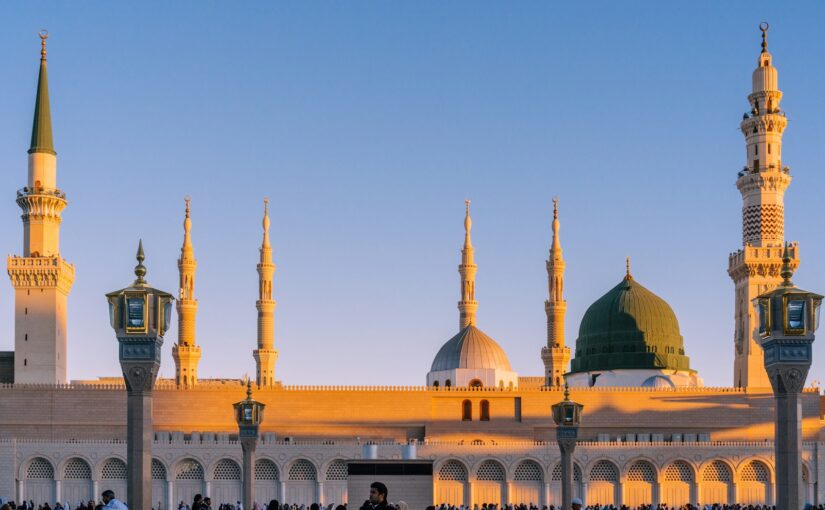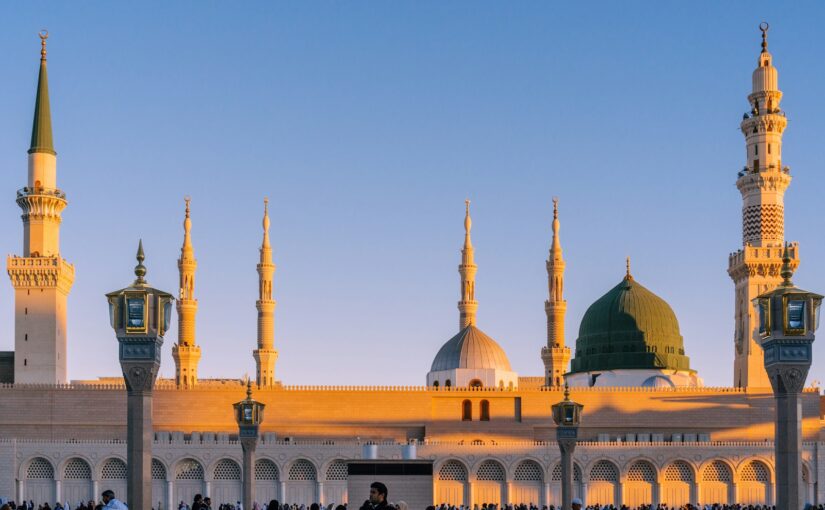
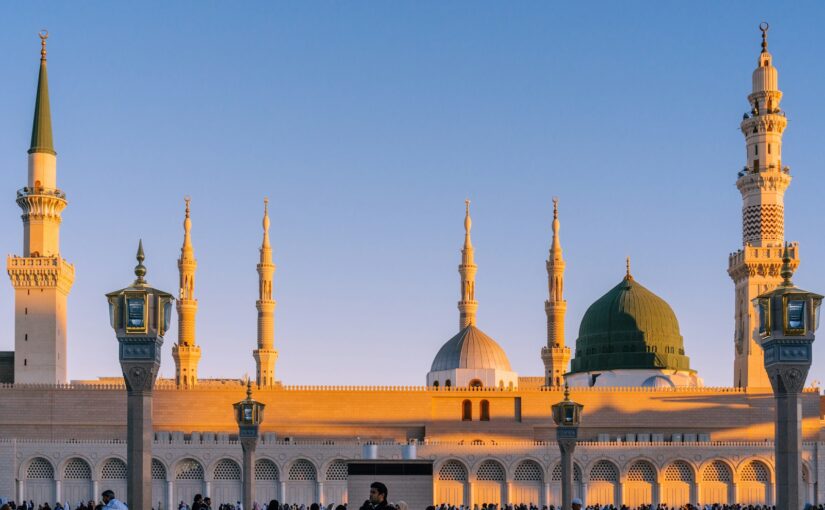
Mujhe Le Chal Madina (مجھے لے چل مدینہ) — Full Naat Lyrics in Urdu, English Translation and Meaning

Mujhe Le Chal Madina is a beautiful and emotional naat that expresses a deep longing to visit the city of Madina and the blessed mosque of the Prophet Muhammad (peace be upon him). This naat captures the love and yearning that millions of Muslims feel for Madina. In this article, you will find the full lyrics in Urdu, roman English transliteration and the English translation with meaning.

About the Naat

Mujhe Le Chal Madina is a popular naat recited by various naat khwans across the world. The lyrics speak from the heart of a believer who desperately wants to visit the holy city of Madina and offer salaam at the blessed resting place of the Prophet (PBUH). The naat highlights the spiritual connection that Muslims have with Madina and the desire to be in the presence of the Prophet.

The theme of this naat revolves around love for the Prophet Muhammad (PBUH) and the sacred city of Madina. It reminds us of the blessings of visiting the Prophet’s Mosque and the peace that fills the heart when one thinks of Madina.

If you enjoy this naat, you may also like reading Meri Zindagi Hai Madina, another beautiful naat about the love for Madina.

Mujhe Le Chal Madina — Urdu Lyrics (مجھے لے چل مدینہ)

مجھے لے چل مدینہ یا رسول اللہ ﷺ
تری محبتوں میں ڈبو دے یا رسول اللہ ﷺ

مدینہ جانے کو جی کرتا ہے
مدینہ جانے کو دل چاہے
مدینے والے سے ملنے کو
مرا دل بے قرار آئے

مجھے لے چل مدینہ یا رسول اللہ ﷺ
تری محبتوں میں ڈبو دے یا رسول اللہ ﷺ

نظر آئے گا جب مدینہ
تو آنکھیں نم ہو جائیں گی
حرم کا دیدار ہوگا تو
دعائیں لب پہ آئیں گی

مجھے لے چل مدینہ یا رسول اللہ ﷺ
تری محبتوں میں ڈبو دے یا رسول اللہ ﷺ

وہاں گنبد خضریٰ کا سایہ
ہر اک مومن پہ ہے
وہ بخشش کا سامان لے جاتا ہے

مجھے لے چل مدینہ یا رسول اللہ ﷺ
تری محبتوں میں ڈبو دے یا رسول اللہ ﷺ

یہ دنیا ایک فانی ہے
کسی کو ساتھ لے کر نہیں جانی
مدینے جا کے بس جاؤں
یہی ہے آرزو میری

مجھے لے چل مدینہ یا رسول اللہ ﷺ
تری محبتوں میں ڈبو دے یا رسول اللہ ﷺ

Roman English Transliteration

Mujhe le chal Madina ya Rasool Allah ﷺ
Teri mohabbaton mein dooba de ya Rasool Allah ﷺ

Madina jaane ko ji karta hai
Madina jaane ko dil chahe
Madine waley se milne ko
Mera dil beqarar aaye

Mujhe le chal Madina ya Rasool Allah ﷺ
Teri mohabbaton mein dooba de ya Rasool Allah ﷺ

Nazar aayega jab Madina
To aankhen nam ho jayengi
Haram ka deedar hoga to
Duaen lab pe aayengi

Mujhe le chal Madina ya Rasool Allah ﷺ
Teri mohabbaton mein dooba de ya Rasool Allah ﷺ

Wahan gumbad-e-khazra ka saya
Har ek momin par hai
Madine mein jo bhi jaata hai
Woh bakhshish ka samaan le jaata hai

Mujhe le chal Madina ya Rasool Allah ﷺ
Teri mohabbaton mein dooba de ya Rasool Allah ﷺ

Yeh duniya aik faani hai
Kisi ko saath le kar nahi jaani
Madine ja ke bas jaoon
Yahi hai aarzoo meri

Mujhe le chal Madina ya Rasool Allah ﷺ
Teri mohabbaton mein dooba de ya Rasool Allah ﷺ

English Translation

Take me to Madina, O Messenger of Allah ﷺ
Immerse me in Your love, O Messenger of Allah ﷺ

My heart yearns to go to Madina
My soul desires to go to Madina
To meet the one who resides in Madina
My heart becomes restless

Take me to Madina, O Messenger of Allah ﷺ
Immerse me in Your love, O Messenger of Allah ﷺ

When Madina comes into sight
My eyes will fill with tears
When I see the sacred Haram
Supplications will flow from my lips

Take me to Madina, O Messenger of Allah ﷺ
Immerse me in Your love, O Messenger of Allah ﷺ

The shade of the Green Dome
Covers every believer there
Whoever goes to Madina
Carries with them the means of forgiveness

Take me to Madina, O Messenger of Allah ﷺ
Immerse me in Your love, O Messenger of Allah ﷺ

This world is temporary
No one can take anyone along
To settle in Madina forever
That is my only wish

Take me to Madina, O Messenger of Allah ﷺ
Immerse me in Your love, O Messenger of Allah ﷺ

Meaning and Background

The naat “Mujhe Le Chal Madina” is a heartfelt appeal to the Prophet Muhammad (PBUH) to be taken to the blessed city of Madina. The poet expresses a deep spiritual longing that many Muslims feel. Madina is not just a city; it is the home of the Prophet’s Mosque, the place where the early Muslim community was established and the final resting place of the Prophet (PBUH).

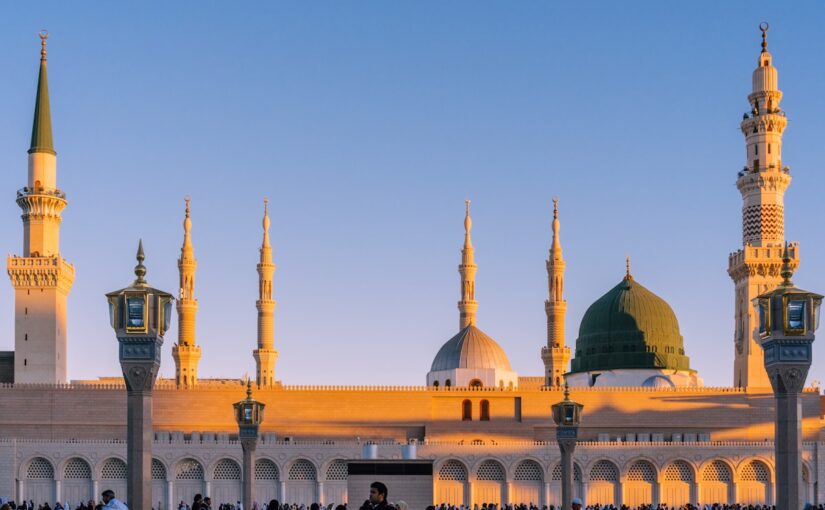
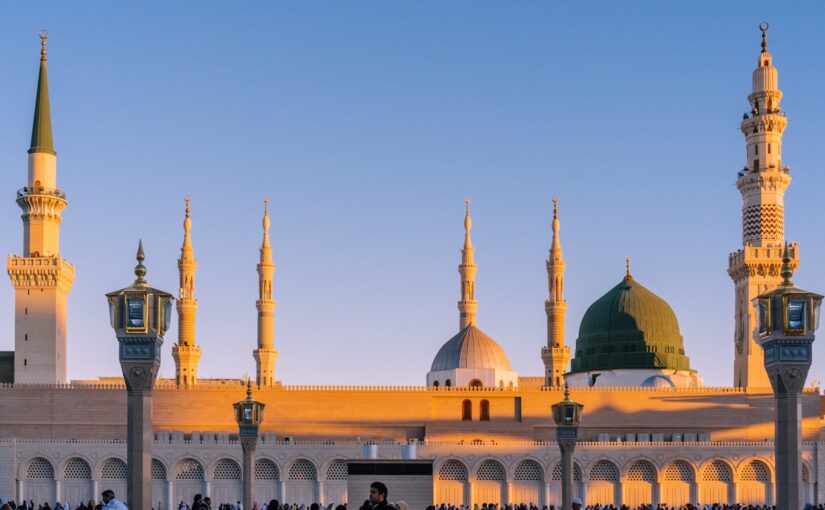
The repeated refrain “Ya Rasool Allah” shows the direct address to the Prophet, expressing love and devotion. The mention of the Green Dome refers to the iconic green dome built over the Prophet’s tomb in Masjid al-Nabawi.

The naat also carries a message about the temporary nature of this world. The poet says that this world is temporary and nothing can be taken with us. The ultimate wish is to settle in Madina and be close to the Prophet (PBUH). This reflects the Islamic belief that the love of the Prophet is central to faith.

For more beautiful naats, check out Madina Jaane Ko Dil Karta Hai and Mere Dil Mein Hai Madina.

When to Recite This Naat

Mujhe Le Chal Madina is often recited at Milad gatherings, during Islamic events and at naat competitions. It is also a favourite for personal recitation, especially when someone is preparing for Umrah or Hajj. The emotional tone of the naat makes it suitable for gatherings where the love of the Prophet (PBUH) is celebrated.

You can find many beautiful renditions of this naat on YouTube and Islamic audio platforms. Different reciters bring their own style and emotion to the verses, making each version unique.

For another naat about Madina, you may enjoy Dil Hai Madine Chal.
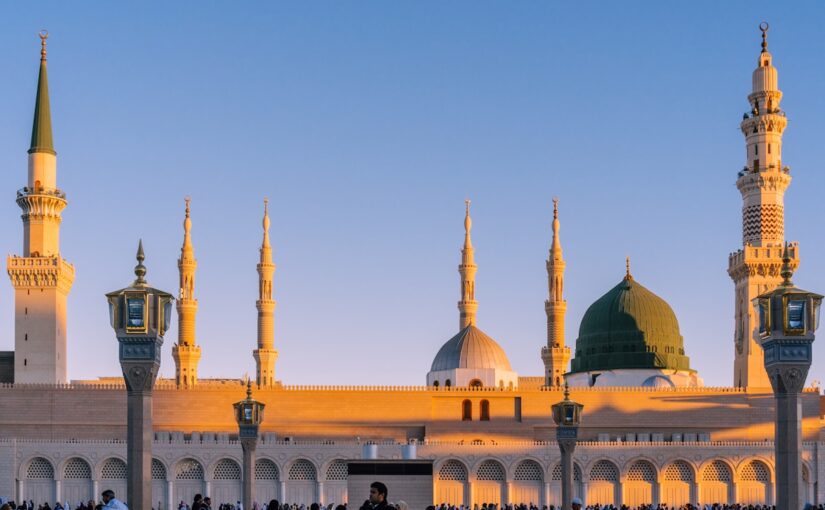
Mujhe Aane De Madine (مجھے آنے دے مدینے) — Full Naat Lyrics in Urdu, Roman & English

Introduction

“Mujhe Aane De Madine” (مجھے آنے دے مدینے) is one of the most beloved and emotionally powerful naats in the Islamic world. This beautiful naat is a heartfelt plea from a believer who longs to visit the sacred city of Madina Munawwara and be in the blessed presence of Prophet Muhammad ﷺ. The naat expresses the deep yearning and spiritual restlessness that every Muslim feels for the city of the Prophet — a longing that can only be satisfied by standing at the Rawza Mubarak and offering salutations to the Beloved ﷺ.

This naat was popularised by the world-renowned naat khwan Owais Raza Qadri, whose soul-stirring voice and emotional delivery have made this naat a staple at milad gatherings, mehfils, and Islamic events around the globe. Owais Raza Qadri, a Pakistani naat khwan known for his powerful yet soothing voice, has recorded numerous naats that have touched the hearts of millions. His recitation of “Mujhe Aane De Madine” is particularly famous for capturing the raw emotion of a devotee who cannot bear to stay away from Madina any longer.

The naat belongs to the genre of “Madina naats” — devotional poems that express love and longing for the city of the Prophet ﷺ. These naats hold a special place in Islamic devotional poetry because Madina is not just a city; it is the home of the Prophet, the place where the Quran was completed, and the site of Masjid al-Nabawi, the second holiest mosque in Islam.

In this post, we share the full Urdu lyrics of Mujhe Aane De Madine along with Roman English transliteration, word-by-word English translation, and the deeper spiritual meaning behind this moving naat.


Mujhe Aane De Madine (مجھے آنے دے مدینے) — Full Urdu Lyrics

Verse 1

مجھے آنے دے مدینے، مجھے آنے دے مدینے

ترے در پر جو بھی آتا ہے، وہ خالی نہیں جاتا
مجھے آنے دے مدینے، مجھے آنے دے مدینے

Verse 2

مری آنکھوں نے ترا روضہ ابھی دیکھا نہیں لیکن
تری یادوں نے مجھ کو ایسے رلایا ہے کچھ ایسے

مرا دل چاہتا ہے اب میں تیرے شہر میں جا کر
کروں نعتِ رسول اور پھر وہیں پر میں مر جاؤں

مجھے آنے دے مدینے، مجھے آنے دے مدینے

Verse 3

ترے کوچے کی خاک اپنی آنکھوں کا سرمہ بناؤں
ترے در پر جھکا کے سر، خدا سے مانگ لوں میں سب کچھ

مری قسمت سنور جائے اگر تو ایک بار مجھ کو
بلا لے اپنے در پر تو، نبی کے شہر میں جا کر

مجھے آنے دے مدینے، مجھے آنے دے مدینے

Verse 4

یہ دنیا کی محبتیں جھوٹی ہیں، سب جھوٹی ہیں
تری محبتوں میں ہے سچائی، تری محبتوں میں ہے وفا

مرے آقا ﷺ تیرے در کا میں دیوانہ ہوں
مجھے مدینے بلا لو، مجھے مدینے بلا لو

مجھے آنے دے مدینے، مجھے آنے دے مدینے

Verse 5

میں گنہگار ہوں، میں ناچیز ہوں، میں ناکام ہوں
مگر تیری محبت ہے مرے دل میں، تیرا نام ہے ہونٹوں پہ

اسی امید پر آیا ہوں تیرے در پہ جنابِ رسالت ﷺ
کہ مجھ کو اپنی نظر کرم سے نواز دو، مجھے مدینے بلا لو

مجھے آنے دے مدینے، مجھے آنے دے مدینے

Verse 6

مری ساری تمنا ہے، مری ساری آرزو ہے
کہ میں اک بار چلوں مدینے، کروں طواف روضے کا

کروں سلام تمہیں اے شہنشاہِ مدینہ ﷺ
مری جان نثار ہو تیری نعلین پہ، مرا دل فدا ہو

مجھے آنے دے مدینے، مجھے آنے دے مدینے


Roman English Transliteration

Verse 1

Mujhe aane de Madine, mujhe aane de Madine

Tere dar par jo bhi aata hai, woh khaali nahi jaata
Mujhe aane de Madine, mujhe aane de Madine

Verse 2

Meri aankhon ne tera roza abhi dekha nahi lekin
Teri yaadon ne mujh ko aise rulaaya hai kuch aise

Mera dil chahta hai ab main tere sheher mein ja kar
Karoon naat-e-Rasool aur phir wahin par main mar jaaon

Mujhe aane de Madine, mujhe aane de Madine

Verse 3

Tere koche ki khaak apni aankhon ka surma banaaun
Tere dar par jhuka ke sar, Khuda se maang loon main sab kuch

Meri qismat sanwar jaaye agar tu ek baar mujh ko
Bula le apne dar par tu, Nabi ke sheher mein ja kar

Mujhe aane de Madine, mujhe aane de Madine

Verse 4

Yeh duniya ki muhabbatein jhooti hain, sab jhooti hain
Teri muhabbaton mein hai sachchai, teri muhabbaton mein hai wafa

Mere Aaqa ﷺ tere dar ka main deewana hoon
Mujhe Madine bula lo, mujhe Madine bula lo

Mujhe aane de Madine, mujhe aane de Madine

Verse 5

Main gunehgaar hoon, main naacheez hoon, main naakaam hoon
Magar teri mohabbat hai mere dil mein, tera naam hai honton par

Isi umeed par aaya hoon tere dar par janaab-e-risalat ﷺ
Ke mujh ko apni nazar-e-karam se nawaz do, mujhe Madine bula lo

Mujhe aane de Madine, mujhe aane de Madine

Verse 6

Meri saari tamanna hai, meri saari aarzu hai
Ke main ek baar chaloon Madine, karoon tawaaf-e-roza ka

Karoon salaam tumhein ae shahanshah-e-Madina ﷺ
Meri jaan nisaar ho teri naalain par, mera dil fida ho

Mujhe aane de Madine, mujhe aane de Madine


English Translation

Verse 1

Let me come to Madina, let me come to Madina

Whoever comes to Your door does not return empty-handed
Let me come to Madina, let me come to Madina

Verse 2

My eyes have not yet seen your blessed shrine, but
Your memories have made me weep like never before

My heart now desires that I go to your city
And recite the praise of the Messenger, and then breathe my last right there

Let me come to Madina, let me come to Madina

Verse 3

I want to make the dust of your alleyway the kohl of my eyes
And bowing my head at your door, ask Allah for everything

My fate would be transformed if You, just once,
Call me to your door, to the city of the Prophet

Let me come to Madina, let me come to Madina

Verse 4

The loves of this world are all false, entirely false
In Your love is truth, in Your love is loyalty

My Master ﷺ, I am crazed for Your door
Call me to Madina, call me to Madina

Let me come to Madina, let me come to Madina

Verse 5

I am a sinner, I am worthless, I am a failure
But Your love is in my heart, Your name is on my lips

With this hope I have come to Your door, O Prophet of Allah ﷺ
That You honour me with Your gracious glance, call me to Madina

Let me come to Madina, let me come to Madina

Verse 6

My every wish, my every desire is
That I walk once in Madina, perform the circumambulation of the blessed shrine

I send salutations to You, O King of Madina ﷺ
May my soul be sacrificed on Your sandals, may my heart be devoted

Let me come to Madina, let me come to Madina


Meaning and Significance

“Mujhe Aane De Madine” is more than just a naat — it is a window into the soul of a believer who is deeply in love with the Prophet Muhammad ﷺ and His city. Every verse of this naat carries profound spiritual meaning:

The Longing for Madina

At its core, this naat is about the spiritual longing that every Muslim feels for Madina Munawwara. This is not merely a desire to travel to a beautiful city; it is a deep, almost unbearable yearning to be in the place where the Prophet ﷺ lived, prayed, and is buried. The repeated refrain “Mujhe aane de Madine” is the desperate cry of a heart that cannot rest until it reaches its destination.

Hope in Divine Mercy

The line “Tere dar par jo bhi aata hai, woh khaali nahi jaata” reflects the Islamic belief that no one who turns to the Prophet ﷺ with sincere love is ever turned away. The Prophet is Rahmat-ul-lil-Alameen (a mercy to all worlds), and seeking his intercession and blessings is a cherished tradition in Islamic spirituality.

The Desire for a Blessed End

One of the most poignant verses expresses the wish to die in Madina after reciting the praise of the Prophet ﷺ. This reflects the widespread belief among Muslims that dying in Madina — the sacred city of the Prophet — is among the greatest blessings a believer can receive. It is also a reminder of the importance of ending one’s life in a state of imaan and love for the Prophet.

Worldly Love vs. Divine Love

The naat contrasts the fleeting, often deceptive loves of this world with the pure, eternal love for the Prophet ﷺ. This is a recurring theme in Islamic devotional poetry — the idea that only love for Allah and His Messenger is true and lasting, while all worldly attachments are temporary and ultimately unsatisfying.

The Dust of Madina as Spiritual Medicine

The image of making the dust of Madina’s alleyways into kohl for one’s eyes is a powerful metaphor. In Islamic tradition, the soil of Madina is considered blessed because it surrounds the resting place of the Prophet ﷺ. The poet wants to fill their very sight with the essence of Madina, symbolising a desire to see everything through the lens of love for the Prophet.

Humility and Hope

Throughout the naat, the poet acknowledges their sins, shortcomings, and unworthiness. Yet they do not lose hope. They come to the door of the Prophet ﷺ with full confidence that mercy awaits them. This balance between khauf (fear of Allah) and raja (hope in Allah’s mercy) is a hallmark of authentic Islamic spirituality.


Who Made It Popular?

The naat “Mujhe Aane De Madine” gained widespread popularity largely through the emotional recitation of Owais Raza Qadri, one of the most famous naat khwans of the modern era. Born in Karachi, Pakistan, Owais Raza Qadri has been reciting naats since childhood and has released hundreds of naats that are beloved across the globe. His unique style combines a powerful voice with deep emotional expression, making listeners feel the words as if they were their own.

Other notable reciters who have performed this naat include various artists from the subcontinent, but Owais Raza Qadri’s rendition remains the most recognised and cherished version.


Conclusion

“Mujhe Aane De Madine (مجھے آنے دے مدینے)” is a naat that speaks directly to the heart of every Muslim who loves the Prophet Muhammad ﷺ and longs to visit his blessed city. It reminds us that the ultimate destination of every believer is not just a physical place, but a spiritual station — a state of being close to the Beloved ﷺ.

May Allah grant us all the opportunity to visit Madina Munawwara, to offer our salaam at the Rawza Mubarak, and to be counted among those who love the Prophet ﷺ with all their hearts. Ameen.

If you enjoyed this naat, please share it with your family and friends. May the love of the Prophet ﷺ fill our hearts and guide us on the straight path.

Aaqa Aaye Hain (آقا آئے ہیں) — Full Naat Lyrics in Urdu, English Translation and Meaning

“Aaqa Aaye Hain” (آقا آئے ہیں) is a beloved Islamic naat that celebrates the joyful arrival of Prophet Muhammad (ﷺ) in the city of Madinah. The naat captures the excitement, love, and reverence that the people of Madinah felt when they received the Messenger of Allah. With its soulful rhythm and heartfelt verses, it has become a staple in naat gatherings across South Asia.

Background of the Naat “Aaqa Aaye Hain”

The naat “Aaqa Aaye Hain” describes the historic moment when Prophet Muhammad (ﷺ) arrived in Madinah after the Hijrah (migration) from Makkah. The people of Madinah, known as the Ansar, welcomed the Prophet with incredible warmth and devotion. Children sang poems, women chanted greetings from rooftops, and the entire city came alive with the spirit of faith.

This naat beautifully recreates that atmosphere of celebration. The phrase “Aaqa Aaye Hain” (The Master has arrived) is repeated like a joyful announcement, echoing through the streets of Madinah. Every verse reflects the deep love that the Sahaba (companions) had for the Prophet and the honour they felt in hosting him in their city.

The naat has been popularized by several renowned naat reciters over the years, including Khawaja Hamza and Owais Raza Qadri, whose powerful renditions have touched the hearts of millions. Their emotional delivery brings the verses to life, making listeners feel as though they are witnessing the blessed arrival themselves.

Full Urdu Lyrics of “Aaqa Aaye Hain” (آقا آئے ہیں)

Below are the complete Urdu lyrics of the naat “Aaqa Aaye Hain” in proper Urdu script:

آقا آئے ہیں مدینہ میں
نور کا ہے نظارہ آقا
ہر طرف ہے چرچرا آقا

آقا آئے ہیں مدینہ میں
خوشیوں کا ہے زمانہ آقا
آقا آئے ہیں مدینہ میں

نکلے انصار بن کر صفیں
بچے بھی بولے ہیں نعتیں
ہر گلی میں ہے ترانہ آقا
آقا آئے ہیں مدینہ میں

لگے گنبد پہ اجالا
سب نے پھیرا ہے سلام
دل ہے حسرت بھرا آقا
آقا آئے ہیں مدینہ میں

دھرتی چاندی کی لگتی ہے
ہر طرف روشنی ہے
مدینہ سج رہا ہے آقا
آقا آئے ہیں مدینہ میں

آقا آئے ہیں مدینہ میں
میرا دل بھی ہے دعا گو آقا
مجھ کو بھی مدینہ بلا لو آقا
آقا آئے ہیں مدینہ میں

English Translation of “Aaqa Aaye Hain”

Verse 1:
Aaqa Aaye Hain Madinah Mein — The Master has arrived in Madinah
Noor Ka Hai Nazara Aaqa — What a sight of divine light, O Master
Har Taraf Hai Charchara Aaqa — Everywhere there is celebration, O Master

Verse 2:
Aaqa Aaye Hain Madinah Mein — The Master has arrived in Madinah
Khushiyon Ka Hai Zamana Aaqa — It is a time of pure joy, O Master
Aaqa Aaye Hain Madinah Mein — The Master has arrived in Madinah

Verse 3:
Nikle Ansar Bana Kar Safien — The Ansar came out, forming rows
Bachay Bhi Bole Hain Naatein — Even the children recited naats
Har Gali Mein Hai Tarana Aaqa — Every street is filled with songs, O Master
Aaqa Aaye Hain Madinah Mein — The Master has arrived in Madinah

Verse 4:
Lage Gumbad Pe Ujala — The dome is illuminated with light
Sub Ne Phera Hai Salam — Everyone is sending their greetings
Dil Hai Hasrat Bhara Aaqa — The heart is filled with longing, O Master
Aaqa Aaye Hain Madinah Mein — The Master has arrived in Madinah

Verse 5:
Dharti Chandi Ki Lagti Hai — The earth looks like silver
Har Taraf Roshni Hai — There is light everywhere
Madinah Saj Raha Hai Aaqa — Madinah is being adorned, O Master
Aaqa Aaye Hain Madinah Mein — The Master has arrived in Madinah

Verse 6:
Aaqa Aaye Hain Madinah Mein — The Master has arrived in Madinah
Mera Dil Bhi Hai Dua Go Aaqa — My heart also prays, O Master
Mujh Ko Bhi Madinah Bula Lo Aaqa — Call me to Madinah too, O Master
Aaqa Aaye Hain Madinah Mein — The Master has arrived in Madinah

The Meaning and Message of “Aaqa Aaye Hain”

The naat “Aaqa Aaye Hain” is more than just poetry — it is an expression of the deep, unconditional love that Muslims hold for Prophet Muhammad (ﷺ). The verses transport the listener back in time to the streets of Madinah, where every resident, young and old, came out to welcome the Prophet of Mercy.

The recurring theme of light (noor) in the naat symbolizes the spiritual illumination that the Prophet brought with him. When he entered Madinah, the entire city was transformed — darkness turned to light, despair turned to hope, and division turned to unity. The poet captures this transformation beautifully.

The line “Mujh Ko Bhi Madinah Bula Lo” (Call me to Madinah too) reflects the longing that every believer feels to visit the holy city. For those who have been to Madinah, this verse brings tears of remembrance. For those who have not yet been, it fuels the desire to one day stand before the blessed Rawdah.

Who Popularized This Naat?

While the exact poet of “Aaqa Aaye Hain” is not widely documented, the naat has been popularized by several famous naat khawans (reciters). One of the most well-known renditions is by Khawaja Hamza, a celebrated Pakistani naat reciter known for his powerful and emotional voice. His version has been viewed and shared widely across social media platforms and naat websites.

Other notable reciters include Owais Raza Qadri, whose melodious style adds a unique spiritual depth to the lyrics. The naat is frequently recited at milad gatherings, mehfils, and Islamic events, particularly in Pakistan and India, where the tradition of naat khwani is deeply cherished.

Why “Aaqa Aaye Hain” Resonates with Listeners

There is something uniquely captivating about this naat. Its repetitive structure, with the joyful refrain of “Aaqa Aaye Hain Madinah Mein”, makes it easy to remember and sing along. Yet its emotional depth ensures that it never becomes ordinary. Each repetition feels fresh, like the announcement of good news being shared from one person to another across the city.

The naat also beautifully connects the past with the present. The joy of the Ansar welcoming the Prophet becomes the joy of the listener, and the longing expressed in the final verse becomes the listener’s own longing. This timeless quality is what makes “Aaqa Aaye Hain” a cherished addition to the repertoire of Islamic devotional poetry.

Listen and Reflect

Whether you are listening to it during a mehfil-e-milad, reciting it in your personal worship, or simply reading the lyrics to understand its meaning, “Aaqa Aaye Hain” has the power to move the heart. Let the words sink in, and let your soul be transported to the blessed streets of Madinah, where the beloved Prophet once walked.

May Allah grant us all the opportunity to visit Madinah and be in the presence of our beloved Prophet (ﷺ). Ameen.


Originally published on Naatlines.com — your trusted source for Islamic naat lyrics in Urdu and English.

Jalali Jalali (جلالی جلالی) — Shah-e-Madina Naat Lyrics in Urdu, English Translation and Meaning

“Jalali Jalali” is a beautiful and powerful naat in praise of Prophet Muhammad (peace be upon him), often referred to as Shah-e-Madina (The King of Madina). This naat is widely recited across the Muslim world, particularly in South Asia, and is cherished for its emotional depth and spiritual resonance. The lyrics express deep love and devotion for the Prophet, acknowledging his majesty and seeking his intercession.

About the Naat

“Jalali Jalali” is a naat that highlights the grandeur and majesty of Prophet Muhammad (PBUH). The word “Jalali” comes from “Jalal” which means majesty, glory, and grandeur. The naat describes the Prophet as the king of both worlds, the leader of all prophets, and the most beloved creation of Allah. It is often recited during Milad gatherings, Urs celebrations, and other religious events.

The naat is particularly popular in Pakistan, India, and Bangladesh, and has been recited by many renowned naat khwans over the years. Its simple yet profound lyrics make it accessible to people of all ages and backgrounds.

Jalali Jalali — Urdu Lyrics

جلالی جلالی ہے شاہ مدینہ

جلالی جلالی ہے شاہ مدینہ
غلام اس کا ہر نبیؑ کا امینہ

وہ نور مجسم وہ رحمت کا دریا
وہ آقا وہ مولیٰ وہ رحمت للعالمینہ

غلامی میں اس کی ہے عزت دوعالم
یہی ہے حقیقت یہی ہے یقینہ

کرم کی نظر ہو محمدؐ کی مجھ پر
سہارا نہیں ہے کوئی غیر کا مجھ کو

سوائے محمدؐ کے کون ہے میرا
مدینے کا والی ہے شاہ مدینہ

Jalali Jalali — English Translation

Majestic, Majestic is the King of Madina

Majestic, majestic is the King of Madina
Every prophet is his humble servant, he is the trustworthy one

He is the embodiment of light, he is the ocean of mercy
He is the master, he is the lord, he is mercy for all the worlds

In his servitude lies the honour of both worlds
This is the truth, this is what we believe

May Muhammad (PBUH) cast a gracious glance upon me
I have no support other than him

Other than Muhammad (PBUH), who is there for me?
The guardian of Madina is the King of Madina

Meaning and Background

The naat “Jalali Jalali” beautifully captures the essence of love and devotion for the Prophet Muhammad (PBUH). Let us explore the deeper meaning of each verse:

“Majestic, majestic is the King of Madina”: The opening line sets the tone of the entire naat. It declares the majesty and glory of the Prophet, referring to him as the King of Madina. This is not a worldly kingship but a spiritual sovereignty over the hearts of believers.

“Every prophet is his humble servant, he is the trustworthy one”: This verse references the Islamic belief that Prophet Muhammad (PBUH) is the leader of all prophets (Imam-ul-Anbiya) and the most beloved of Allah. The word “Ameen” (trustworthy) highlights his character, which is described in the Quran as being of “exalted character” (Quran 68:4).

“He is the embodiment of light, he is the ocean of mercy”: The Prophet is described as “Noor-e-Mujassam” or embodied light. This refers to the hadith that the Prophet was created from the light of Allah. He is also called the “ocean of mercy” because his message and character are a source of mercy for all of creation, as Allah says in the Quran: “And We have not sent you but as a mercy for the worlds” (Quran 21:107).

“In his servitude lies the honour of both worlds”: This verse teaches that true honour and success in this life and the next come from following and loving the Prophet. To be his follower is the highest status a believer can achieve.

“May Muhammad cast a gracious glance upon me”: This is a heartfelt supplication from the poet, asking for the Prophet’s attention and intercession.

“Other than Muhammad, who is there for me?”: This verse expresses complete reliance on the Prophet. In Islamic spirituality, the Prophet is the ultimate intercessor and guide.

“The guardian of Madina is the King of Madina”: The naat concludes by reaffirming the Prophet’s role as the protector and guardian of Madina, the city he built and where he is buried.

When to Recite This Naat

“Jalali Jalali” is typically recited on the following occasions:

  • Milad-un-Nabi (Eid Milad): Celebrations of the Prophet’s birthday.
  • Urs of Awliya: Gatherings marking the death anniversaries of Sufi saints.
  • Weekly Mehfil-e-Naat: Regular naat gatherings held in homes and mosques.
  • Friday Gatherings: Many people recite or listen to this naat on Fridays.
  • Personal Worship: Many Muslims recite this naat daily as part of their spiritual practice.

The Spiritual Impact of Jalali Jalali

This naat has a profound spiritual impact on those who recite or listen to it with sincerity. The rhythmic repetition of “Jalali Jalali” creates a meditative state that helps believers connect with their love for the Prophet. The naat reminds us of the Prophet’s exalted status and his boundless mercy, inspiring us to improve our own character and draw closer to Allah through love of His Messenger.

For those interested in exploring more naats, we recommend reading Tajdar-e-Haram, Ya Nabi Salam Alaika, and Sallu Alal Mustafa.

Ya Nabi Salam Alaika (یا نبی سلام علیک) – Full Naat Lyrics in Urdu, English Translation and Meaning

Salam Ya Rasool Allah (سلام یا رسول اللہ) – Full Naat Lyrics in Urdu, English Translation and Meaning

“Ya Nabi Salam Alaika” is one of the most beloved and widely recited naats across the Muslim world. Composed in praise of Prophet Muhammad (peace be upon him), this naat expresses deep love, respect, and devotion. Its soulful melody and heartfelt words have made it a staple at gatherings, mosques, and homes.

In this post, we share the complete Urdu lyrics, English translation, and the meaning behind this timeless naat.

Background of Ya Nabi Salam Alaika

This naat was originally written in Arabic by Sheikh Mahmoud Al-Husseini, a Syrian scholar known for his beautiful poetry in praise of the Prophet. It quickly gained popularity and has been performed by countless nasheed artists around the world. The opening line, “Ya Nabi Salam Alaika,” translates to “O Prophet, peace be upon you” and immediately sets the tone of love and reverence.

The naat calls upon the Prophet Muhammad (peace be upon him) and expresses themes of seeking intercession, showing gratitude, and renewing one’s faith. It is often recited during Mawlid (the celebration of the Prophet’s birth) and other religious occasions.

Let us now go through the full lyrics.

Urdu Lyrics (Roman Transliteration)

Ya Nabi Salam Alaika
Ya Rasool Salam Alaika

Ya Habibi Salam Alaika
Salawatullah Alaika
Ya Nabi Salam Alaika
Ya Rasool Salam Alaika

Ashraqal Badru Alaina
Fakhtafat Minhu Al-Buduru
Mithla Husnika Ma Ra-aina
Ayyuha Al-Wajhul-Muneeru

Anta Shamsun Anta Badrun
Anta Noorun Fawqa Noori
Anta Ikseerun Wa Ghali
Anta Misbahus-Sudoori

Ya Habibi Salam Alaika
Salawatullah Alaika
Ya Nabi Salam Alaika
Ya Rasool Salam Alaika

Urdu Script (اردو حروف میں)

یا نبی سلام علیک
یا نبی سلام علیک
یا نبی سلام علیک
یا رسول سلام علیک

یا حبیب سلام علیک
صلوات اللہ علیک
یا نبی سلام علیک
یا رسول سلام علیک

أشرق البدر علینا
فاختفت منہ البدور
مثل حسنک ما رأینا
أیہا الوجہ المنیر

أنت شمس أنت بدر
أنت نور فوق نوری
أنت اکسیر و غالی
أنت مصباح الصدور

یا حبیب سلام علیک
صلوات اللہ علیک
یا نبی سلام علیک
یا رسول سلام علیک

English Translation

O Prophet, peace be upon you
O Messenger, peace be upon you

O beloved, peace be upon you
Peace and blessings of Allah be upon you
O Prophet, peace be upon you
O Messenger, peace be upon you

The full moon has risen over us
And the other moons have disappeared from sight
We have never seen anyone as beautiful as you
O radiant-faced one

You are the sun, you are the moon
You are a light above all lights
You are precious, you are rare
You are the lamp that lights all hearts

O beloved, peace be upon you
Peace and blessings of Allah be upon you
O Prophet, peace be upon you
O Messenger, peace be upon you

Meaning and Significance of Each Verse

“Ya Nabi Salam Alaika” is a direct address to the Prophet Muhammad (peace be upon him). The word “Alaika” means “upon you,” so this line is essentially a greeting of peace. Muslims believe that when they send salutations upon the Prophet, the angels deliver them to him. This verse is an expression of love and connection that transcends time and space.

The second verse, “Ashraqal Badru Alaina,” is a famous line that recalls the arrival of the Prophet in Madinah. When he entered the city, the people welcomed him with joy and light. The “full moon” is a metaphor for the Prophet’s blessed face and presence. This verse tells us that his appearance brought light and dispelled darkness, both literally and spiritually.

“Anta Shamsun Anta Badrun, Anta Noorun Fawqa Noori” describes the Prophet as being the sun, the moon, and a light above all lights. This is not exaggeration. For believers, the Prophet is the ultimate source of guidance. His teachings illuminate the heart and show the way to righteousness.

“Anta Misbahus-Sudoori” means “You are the lamp that lights all hearts.” This refers to how the Prophet’s message brings clarity and comfort to those who believe. When a person feels lost or confused, turning to the teachings of the Prophet can bring peace and understanding.

Why This Naat Is So Popular Among Muslims Worldwide

This naat has crossed borders and languages because its message is universal. Every Muslim, regardless of their nationality or native tongue, shares a love for the Prophet. The melody is simple enough that anyone can learn it, yet the words carry deep spiritual weight.

It is often recited at family gatherings, in mosques before or after prayers, and at special events like Mawlid. Children learn it in Islamic schools. Adults turn to it in moments of reflection and need.

The beauty of “Ya Nabi Salam Alaika” lies in its sincerity. It does not use complicated language. It simply expresses what is in the heart of every believer: love, respect, and a longing for the Prophet’s intercession.

How to Recite the Naat

When reciting this naat, it is important to do so with humility and focus. Find a quiet space. Recite with the intention of sending peace and blessings upon the Prophet. You can recite it alone or with others.

The recommended time for reciting salutations upon the Prophet is Friday, but this naat can be recited at any time. Many people listen to recordings by famous nasheed artists to learn the correct melody and pronunciation.

Conclusion

“Ya Nabi Salam Alaika” is more than a naat. It is a heartfelt expression of love for the Prophet Muhammad (peace be upon him). Its simple yet profound words connect Muslims around the world in shared devotion.

Whether you recite it in Arabic, Urdu, or English, the feeling is the same. Peace and blessings upon the Prophet, the beloved of Allah.

If you enjoyed this naat, you may also like our collection of Tajdar-e-Haram lyrics, Mustafa Jaane Rehmat full naat lyrics, and our post on Maula Ya Salli Wa Sallim with English translation.

More naat lyrics: Tajdar-e-Haram | Mustafa Jaane Rehmat | Maula Ya Salli Wa Sallim

Suna Hai Jis Ka Naam Hai Muhammad (سنا ہے جس کا نام ہے محمد) – Full Naat Lyrics in Urdu, English Translation and Meaning

Beautiful mosque interior - Islamic architecture

Introduction

“Suna Hai Jis Ka Naam Hai Muhammad” (سنا ہے جس کا نام ہے محمد) is one of the most beloved and widely recited Urdu naats in the Islamic world. This beautiful poetic composition praises the Prophet Muhammad (peace be upon him) and expresses the deep love and reverence that Muslims hold for their beloved Prophet. The title translates to “I Have Heard That His Name Is Muhammad,” capturing a sense of anticipation, reverence, and spiritual longing.

The naat has gained immense popularity across South Asia and among Urdu-speaking Muslims worldwide. It is often recited at Mehfil-e-Milad gatherings, Islamic conferences, and during the month of Rabi’ al-Awwal (the month of the Prophet’s birth). Its soulful melody and profound lyrics make it a staple in the repertoire of naat reciters everywhere.

In this article, we present the complete Urdu lyrics of “Suna Hai Jis Ka Naam Hai Muhammad” in Arabic script, along with an English transliteration and translation. We also explore the meaning and spiritual significance of this timeless composition.

Urdu Lyrics (Arabic Script)

Below are the complete lyrics of “Suna Hai Jis Ka Naam Hai Muhammad” written in Urdu (Arabic script):

سنا ہے جس کا نام ہے محمد ﷺ
وہی ہے جس کا کام ہے محمد ﷺ

سنا ہے جس کی آنکھیں بھی ہیں پیاری
سنا ہے جس کا نام ہے محمد ﷺ

سنا ہے اس کا رخ ہے ماہتابی
سنا ہے جس کا نام ہے محمد ﷺ

سنا ہے اس کے ہونٹوں پہ مسکراہٹ
سنا ہے جس کا نام ہے محمد ﷺ

سنا ہے وہ ہے سرورِ دو جہاں کا
سنا ہے جس کا نام ہے محمد ﷺ

سنا ہے وہ ہے خاتم المرسلینا
سنا ہے جس کا نام ہے محمد ﷺ

سنا ہے اس کی چال ہے دل نشیں سی
سنا ہے جس کا نام ہے محمد ﷺ

سنا ہے اس کی باتیں ہیں ادب کی
سنا ہے جس کا نام ہے محمد ﷺ

سنا ہے اس کو رب نے چن لیا ہے
سنا ہے جس کا نام ہے محمد ﷺ

سنا ہے وہ ہے رحمت للعالمینا
سنا ہے جس کا نام ہے محمد ﷺ

سنا ہے اس کے قدموں میں ہے جنت
سنا ہے جس کا نام ہے محمد ﷺ

سنا ہے اس کی اُمت پر ہے شفقت
سنا ہے جس کا نام ہے محمد ﷺ

سنا ہے وہ ہے شفیع المذنبینا
سنا ہے جس کا نام ہے محمد ﷺ

English Transliteration

For readers who cannot read the Urdu script, here is a Roman English transliteration of the naat:

Suna hai jis ka naam hai Muhammad
Wohi hai jis ka kaam hai Muhammad

Suna hai jis ki aankhein bhi hain pyaari
Suna hai jis ka naam hai Muhammad

Suna hai us ka rukh hai mahtaabi
Suna hai jis ka naam hai Muhammad

Suna hai us ke honton pe muskurahat
Suna hai jis ka naam hai Muhammad

Suna hai woh hai saraur-e-do jahan ka
Suna hai jis ka naam hai Muhammad

Suna hai woh hai khaatam-ul-mursaleena
Suna hai jis ka naam hai Muhammad

Suna hai us ki chaal hai dil nasheen si
Suna hai jis ka naam hai Muhammad

Suna hai us ki batein hain adab ki
Suna hai jis ka naam hai Muhammad

Suna hai us ko Rabb ne chun liya hai
Suna hai jis ka naam hai Muhammad

Suna hai woh hai rehmat-ul-lil-aalameena
Suna hai jis ka naam hai Muhammad

Suna hai us ke qadmon mein hai jannat
Suna hai jis ka naam hai Muhammad

Suna hai us ki ummat par hai shafqat
Suna hai jis ka naam hai Muhammad

Suna hai woh hai shafee-ul-muznibeena
Suna hai jis ka naam hai Muhammad

English Translation

Here is the English translation of each verse of “Suna Hai Jis Ka Naam Hai Muhammad”:

Verse 1:
“I have heard that His name is Muhammad (peace be upon him)
He is the one whose work is Muhammad (peace be upon him)”

Verse 2:
“I have heard that even His eyes are beautiful
I have heard that His name is Muhammad (peace be upon him)”

Verse 3:
“I have heard that His face shines like the full moon
I have heard that His name is Muhammad (peace be upon him)”

Verse 4:
“I have heard that there is a smile upon His lips
I have heard that His name is Muhammad (peace be upon him)”

Verse 5:
“I have heard that He is the leader of both worlds
I have heard that His name is Muhammad (peace be upon him)”

Verse 6:
“I have heard that He is the seal of all Prophets
I have heard that His name is Muhammad (peace be upon him)”

Verse 7:
“I have heard that His gait is captivating to the heart
I have heard that His name is Muhammad (peace be upon him)”

Verse 8:
“I have heard that His words are full of grace and etiquette
I have heard that His name is Muhammad (peace be upon him)”

Verse 9:
“I have heard that the Lord chose Him
I have heard that His name is Muhammad (peace be upon him)”

Verse 10:
“I have heard that He is a mercy to all the worlds
I have heard that His name is Muhammad (peace be upon him)”

Verse 11:
“I have heard that Paradise lies at His feet
I have heard that His name is Muhammad (peace be upon him)”

Verse 12:
“I have heard that He has compassion for His nation
I have heard that His name is Muhammad (peace be upon him)”

Verse 13:
“I have heard that He is the intercessor for the sinners
I have heard that His name is Muhammad (peace be upon him)”

Meaning and Spiritual Significance

“Suna Hai Jis Ka Naam Hai Muhammad” is much more than a simple naat – it is a spiritual reflection on the beauty and nobility of Prophet Muhammad (peace be upon him). The repeated refrain, “Suna hai jis ka naam hai Muhammad,” creates a meditative rhythm that draws the listener into a state of deep contemplation and love for the Prophet.

The naat touches upon several key aspects of the Prophet’s personality and his status in Islam:

  • Physical Beauty: The verses describe the Prophet’s luminous face (like the full moon), his beautiful eyes, and his gentle smile. These are not merely physical descriptions but reflections of the inner light (nur) that accompanied him. Islamic tradition is rich with descriptions of the Prophet’s blessed appearance, known as Shamail.
  • Spiritual Status: The naat affirms the Prophet as the leader of both worlds (Sarwar-e-Do Jahan) and the Seal of the Prophets (Khatam-ul-Mursaleen). These titles emphasize his unique rank in creation and his role as the final messenger of Allah.
  • Divine Selection: The verse “Us ko Rabb ne chun liya hai” (The Lord chose him) reminds us that the Prophet was not an ordinary man but was divinely selected for the greatest mission in human history – delivering the final revelation to humanity.
  • Mercy to Mankind: The title “Rehmat-ul-lil-Aalameen” (Mercy to all the worlds) is taken directly from the Quran (Surah Al-Anbiya, 21:107). It encapsulates the Prophet’s universal mercy that extends beyond humans to all of creation.
  • Intercession: The closing verses highlight the Prophet’s role as an intercessor (Shafi’) on the Day of Judgment, a source of hope and comfort for believers who seek forgiveness.

The naat’s refrain structure is particularly powerful. Each verse begins with “Suna hai” (I have heard), creating a sense of oral tradition and inherited love. The listener is not witnessing the Prophet directly but is receiving descriptions passed down through generations – a chain of love and devotion stretching back to the Companions who knew him personally.

The repetition of the sacred name “Muhammad” at the end of each couplet serves as a dhikr (remembrance), allowing the reciter and listener to continuously invoke the blessed name of the Prophet throughout the naat.

Background and Popularization

“Suna Hai Jis Ka Naam Hai Muhammad” is a traditional naat that has been passed down through generations of Urdu-speaking Muslims. While the exact origins and original poet remain uncertain (as with many traditional folk naats), the composition has been popularized by numerous renowned naat reciters across South Asia.

The naat is particularly associated with:

  • Mehfil-e-Milad Gatherings: It is a staple at gatherings celebrating the birth of the Prophet Muhammad (peace be upon him), especially during Rabi’ al-Awwal.
  • Islamic Conferences and Ijtema: The naat is frequently performed at large Islamic gatherings across Pakistan, India, Bangladesh, and the wider South Asian diaspora.
  • Online and Digital Platforms: With the rise of YouTube and social media, this naat has reached a global audience. Numerous recitations by various artists are available, each bringing their own style while preserving the essence of the composition.

The beauty of this naat lies in its simplicity. The lyrics are accessible – easy to memorize and recite – yet they carry profound theological meaning. This combination of accessibility and depth is what has made “Suna Hai Jis Ka Naam Hai Muhammad” a beloved naat for Muslims of all ages and backgrounds.

Whether recited in a quiet moment of personal devotion or sung in a gathering of thousands, this naat continues to touch hearts and bring souls closer to the love of the Prophet Muhammad (peace be upon him).

Conclusion

“Suna Hai Jis Ka Naam Hai Muhammad” is a timeless expression of love for the Prophet Muhammad (peace be upon him). Its simple yet profound verses capture the essence of what it means to love and revere the final messenger of Allah. By reciting this naat, believers not only express their devotion but also renew their connection with the spiritual legacy of Islam.

May the beauty of these words inspire us to learn more about the life and character of the Prophet Muhammad (peace be upon him) and to strive to embody his teachings in our daily lives.

Ya Mustafa (یا مصطفیٰ) — Full Naat Lyrics in Urdu, English Translation and Meaning

“Ya Mustafa” (یا مصطفیٰ) is one of the most beloved and widely recited naats in the Islamic world. Sung by the renowned naat reciter Owais Raza Qadri, this soul-stirring naat is a heartfelt call to the Prophet Muhammad ﷺ, expressing deep love, devotion, and an unshakable bond between the believer and the final Messenger of Allah. The melody’s emotional depth combined with the powerful Urdu lyrics has made it a staple at religious gatherings, Mehfil-e-Naat events, and Ramadan special programs across the globe.

Owais Raza Qadri, a British-born naat khuwan of Pakistani descent, is a prominent figure in the world of Islamic nasheeds and naats. Known for his passionate delivery and soulful voice, Owais Raza Qadri has recorded hundreds of naats including other classics like “Mere Aaqa Ka Darbar,” “Tajdar-e-Haram,” and “Mustafa Jaane Rehmat.” His rendition of “Ya Mustafa” has amassed millions of views online and continues to inspire millions of Muslims to express their love for the Prophet Muhammad ﷺ through poetry and melody.

In this article, we present the complete lyrics of “Ya Mustafa” in both Urdu script and Roman English transliteration, along with a detailed English translation and explanation of its powerful verses. Whether you are looking to learn this beautiful naat by heart or seeking a deeper understanding of its words, this guide has everything you need.

Ya Mustafa Lyrics in Urdu (یا مصطفیٰ نعت کے اردو اشعار)

Below are the full Urdu lyrics of Ya Mustafa recited by Owais Raza Qadri:

یا مصطفیٰ یا مصطفیٰ
میرے نبی مصطفیٰ ﷺ
یا مصطفیٰ یا مصطفیٰ
میرے نبی مصطفیٰ ﷺ

یاد ہے تجھ کو وہ گھڑی
جب نہ تھا کوئی جدھر
آدم و حوا تھے نہیں
نہ تھا کوئی بشر

تھی نہ عرش و کرسی و لوح
نہ تھا قلم و رقم
نہ فلک نہ تھی زمیں
نہ تھا شمس و قمر

تھی نہ کوئی مخلوق تھی
نہ تھا لیل و نہار
نہ تھیں جنت و جہنم
نہ ثواب نہ وزر

تھا نہ کوئی شے وجود میں
سوائے ذات زوالفقار
تھی نہ کوئی دوسری ذات
نہ کوئی دوسرا جہاں

تب بھی تھے تمؐ اور اب بھی ہو
یا مصطفیٰ یا مصطفیٰ
میرے نبی مصطفیٰ ﷺ

یا مصطفیٰ یا مصطفیٰ
میرے نبی مصطفیٰ ﷺ
یا مصطفیٰ یا مصطفیٰ
میرے نبی مصطفیٰ ﷺ

پھر جب اِس دنیا میں
تشریف لائے آپؐ
خاتم النبیین ہو کر
ختم ہوئی نبوت

مکہ سے مدینہ تک
نور کا سفر تھا جاری
دشمنوں کو بھی بخش دیا
ایسے تھے ہم سے پیارے

ہر اک دکھ میں ہوگی مدد
جو پکارے گا تمؐ کو
تمؐ تو رحمت ہو خدا کی
حشر میں بھی یاد رکھنا

یا مصطفیٰ یا مصطفیٰ
میرے نبی مصطفیٰ ﷺ
یا مصطفیٰ یا مصطفیٰ
میرے نبی مصطفیٰ ﷺ

Ya Mustafa English Translation

Here is the English translation of the Ya Mustafa naat, line by line:

Ya Mustafa, Ya Mustafa
Mere Nabi Mustafa ﷺ
Ya Mustafa, Ya Mustafa
Mere Nabi Mustafa ﷺ

O Mustafa! O Mustafa!
My Prophet Mustafa ﷺ
O Mustafa! O Mustafa!
My Prophet Mustafa ﷺ

Yaad hai tujh ko woh ghari
Jab na tha koi jidhar
Aadam o Hawwa thay nahi
Na tha koi bashar

Do you remember that moment
When there was no one around
Neither Adam nor Eve existed
Nor any human being

Thi nah Arsh o Kursi o Loh
Na tha Qalam o Raqam
Na falak na thi zameen
Na tha Shams o Qamar

There was no Throne, no Footstool, no Tablet
No Pen, no writing
No sky, no earth
No sun, no moon

Thi na koi makhlooq thi
Na tha Lail o Nahaar
Na thin Jannat o Jahannam
Na sawaab na wazr

No creation existed
Neither night nor day
Neither Paradise nor Hell
No reward, no sin

Tha na koi shai wujood mein
Sawaey Zaat-e-Zulaf-e-Yaar
Thi na koi doosri zaat
Na koi doosra jahan

Nothing existed in the universe
Except the Divine Being of the Beloved
There was no other being
No other world

Tab bhi thay tum aur ab bhi ho
Ya Mustafa, Ya Mustafa
Mere Nabi Mustafa ﷺ

Even then you existed, and even now you exist
O Mustafa! O Mustafa!
My Prophet Mustafa ﷺ

Phir jab is duniya mein
Tashreef laaye aap
Khatam-un-Nabiyyeen ho kar
Khatam hui nubuwwat

Then when in this world
You arrived with honour
As the Seal of the Prophets
Prophethood was completed

Makkah se Madinah tak
Noor ka safar tha jaari
Dushmano ko bhi bakhsh diya
Aisay thay hum say pyaare

From Makkah to Madinah
The journey of light continued
Even enemies were forgiven
Such was the love you had for us

Har ik dukh mein hogi madad
Jo pukaare ga tumhen
Tum to rehmat ho Khuda ki
Hashar mein bhi yaad rakhna

In every sorrow there will be help
If one calls upon you
You are the mercy of Allah
Remember us on the Day of Judgment too

Ya Mustafa, Ya Mustafa
Mere Nabi Mustafa ﷺ
Ya Mustafa, Ya Mustafa
Mere Nabi Mustafa ﷺ

O Mustafa! O Mustafa!
My Prophet Mustafa ﷺ
O Mustafa! O Mustafa!
My Prophet Mustafa ﷺ

Meaning and Background of Ya Mustafa Naat

The title “Ya Mustafa” means “O Mustafa” — “Mustafa” (مصطفیٰ) being one of the most beloved names of the Prophet Muhammad ﷺ, meaning “The Chosen One” or “The Elect.” This name reflects the Islamic belief that Allah chose Prophet Muhammad ﷺ above all of creation to be the final messenger and mercy to mankind.

The opening verses of the naat take the listener on a profound spiritual journey — back to a time before creation itself. The poet describes a state when nothing existed except Allah: no heavens, no earth, no angels, no humans, no Paradise, no Hell. And yet, even in that pre-eternal state, the blessed soul of Prophet Muhammad ﷺ was already present. This is a beautiful reference to the famous hadith in which the Prophet ﷺ said, “I was a prophet when Adam was between water and clay” (Sunan Tirmidhi).

The naat then moves through time — describing the Prophet’s ﷺ arrival in this world as the Seal of the Prophets, his migration from Makkah to Madinah (the Hijrah), his unparalleled forgiveness even towards his enemies, and finally, the believer’s plea for his intercession (Shafa’ah) on the Day of Judgment. The recurring chorus “Tab bhi thay tum aur ab bhi ho” — “Even then you were, and even now you are” — beautifully connects the pre-eternal existence of the Prophet ﷺ with his continuing presence and spiritual guidance in the hearts of believers today.

This naat is widely performed in mosques, Islamic schools, and at Milad-un-Nabi gatherings around the world. It resonates deeply because it captures both the cosmic significance of the Prophet ﷺ — his existence before time — and his deeply personal, merciful relationship with every believer. The line “Har ik dukh mein hogi madad, jo pukaare ga tumhen” (In every sorrow there will be help, if one calls upon you) is particularly moving, reflecting the deep trust and reliance that Muslims place in the intercession and love of the Prophet Muhammad ﷺ.

More Beautiful Naats You Might Like

If you enjoyed the Ya Mustafa lyrics, you may also like these similar naats:

These naats, also popularized by Owais Raza Qadri and other renowned reciters, share the same themes of love, devotion, and reverence for the Prophet Muhammad ﷺ. Each one is a unique expression of the spiritual bond between the believer and the Chosen One.

May Allah bless us with the love of His beloved Prophet ﷺ and grant us his intercession on the Day of Judgment. Ameen.

An Nabi Sallu Alaih (النبی صلوا علیہ) – Complete Urdu Lyrics & English Translation

Introduction

“An Nabi Sallu Alaih” (اَلنَّبِی صَلُّو عَلَیہ) — also widely known as “Sallu Ala Nabi” (صلو علی النبی) — is one of the most beloved and frequently recited naats in the Urdu-speaking world. Made famous by the soulful voice of Tayyab Raza Qadri, this naat has become a staple in mehfils, mosques, and spiritual gatherings across Pakistan, India, Bangladesh, and the global Muslim diaspora.

The naat is a powerful call to send salutations (durood) upon the Prophet Muhammad ﷺ. Its refrain — “An Nabi Sallu Alaih, Salawatullah Alaih” — echoes the Qur’anic command in Surah Al-Ahzab (33:56): “Indeed, Allah and His angels send blessings upon the Prophet. O you who believe, send blessings upon him and greet him with peace.”

What makes this naat particularly special is its emotional depth. It doesn’t just praise the Prophet ﷺ; it expresses a deep personal longing — a desire to be close to him, to be forgiven through his intercession, and to find peace in his remembrance. The repeated refrain of “Ya Rasulallah, Ya Habiballah” (O Messenger of Allah, O Beloved of Allah) is a cry of love that resonates with millions.

In this article, we bring you the complete Urdu lyrics of “An Nabi Sallu Alaih” along with their English translation and the deeper meaning behind this timeless devotional masterpiece.

Background and Significance

“An Nabi Sallu Alaih” is more than just a naat — it is a devotional practice. The act of reciting durood (salutations) upon the Prophet ﷺ carries immense spiritual reward. The Prophet ﷺ himself said: “Whoever sends one blessing upon me, Allah sends ten blessings upon him.” (Sahih Muslim)

This naat beautifully combines Arabic and Urdu verses. The Arabic portions call upon all present to send salutations, while the Urdu verses express the poet’s personal devotion. The phrase “Tum Pe Karoron Durood” (Thousands of millions of blessings upon you) is repeated throughout, emphasizing the boundless love and reverence Muslims hold for their Prophet.

The naat also references key events and attributes of the Prophet ﷺ:

  • Shaqqul Qamar (splitting of the moon) — one of the Prophet’s ﷺ greatest miracles
  • Kaabe ke Badrud Duja — referring to the Prophet as the full moon of the Kaaba
  • Tayba ke Shamsud Duha — referring to him as the sun of brightness in Madina
  • Shafi-e-Roze Jaza — his role as intercessor on the Day of Judgment
  • Dafe Jumla Bala — the remover of all calamities

The naat was popularized in the modern era by Tayyab Raza Qadri, whose melodious rendition touches the hearts of listeners. Many other renowned naat reciters — including Owais Raza Qadri, Amjad Sabri, and Farhan Ali Qadri — have also performed this kalam, each bringing their unique style to this beloved composition.

Full Lyrics in Urdu (اَلنَّبِی صَلُّو عَلَیہ — مکمل اردو میں)

یا رسول اللّٰہ یا رسول اللّٰہ
یا حبیب اللّٰہ یا حبیب اللّٰہ

اَلنَّبِی صَلُّو عَلَیہ صَلَواۃُ اللّٰہ عَلَیہ
وَ یَنَالُ البَرَکاۃ کُلُّ مَن صَلّٰی عَلَیہ

اَلنَّبِی صَلُّو عَلَیہ صَلَواۃُ اللّٰہ عَلَیہ
وَ یَنَالُ البَرَکاۃ کُلُّ مَن صَلّٰی عَلَیہ

اَلنَّبِی یا حَاضِرِین اِعلَمُو عِلمَ الیقین
اَنَّ رَبُّ العَالَمِین فَرَضٰی صَلّٰی عَلَیہ

اللّٰہ اللّٰہ اللّٰہ اللّٰہ اللّٰہ اللّٰہ اللّٰہ اللّہ

اَلنَّبِی صَلُّو عَلَیہ صَلَواۃُ اللّٰہ عَلَیہ
وَ یَنَالُ البَرَکاۃ کُلُّ مَن صَلّٰی عَلَیہ

کعبے کے بدرالدجا تم پہ کروڑوں درود
طیبہ کے شمس الضحیٰ تم پہ کروڑوں درود
شافعٔ روز جزا تم پہ کروڑوں درود
دافعٔ جملہ بلا تم پہ کروڑوں درود

یا رسول اللّٰہ یا رسول اللّٰہ
یا حبیب اللّٰہ یا حبیب اللّٰہ

اَلنَّبِی یا مَن حَضَر اَلنَّبِی خَیرُ البشر
مَن لَّہٗ شَقُّ القَمَر وَ نَزِل سَلَّم عَلَیہ

اللّٰہ اللّٰہ اللّٰہ اللّٰہ اللّٰہ اللّٰہ اللّٰہ اللّہ

دل کرو ٹھنڈا میرا وہ کف پا چاند سا
سینے پر رکھ دو ذرا تم پہ کروڑوں درود
ذات ہوئی انتخاب وصف ہوئے لاجواب
نام ہوا مصطفیٰ تم پہ کروڑوں درود

یا رسول اللّٰہ یا رسول اللّٰہ
یا حبیب اللّٰہ یا حبیب اللّٰہ

اَلنَّبِی ذَاڪ العَرُوس ذِکرُہٗ یُحیِی النَفُوس
اَلنَّصَارٰ وَالمَجُوس اَسّلَمُو عَلٰی یَدَیہ

اللّٰہ اللّٰہ اللّٰہ اللّٰہ اللّٰہ اللّٰہ اللّٰہ اللّہ

بے ہنر بے تمیز کس کو ہوئے ہیں عزیز
ایک تمہارے سوا تم پہ کروڑوں درود
آس ہے کوئی نہ پاس اک تمہاری ہے آس
بس یہی آسرا تم پہ کروڑوں درود

یا رسول اللّٰہ یا رسول اللّٰہ
یا حبیب اللّٰہ یا حبیب اللّٰہ

سینہ ہے کہ داغ داغ کہہ دو کرے باغ باغ
طیبہ سے آکے صبا تم پہ کروڑوں درود

یا رسول اللّٰہ یا رسول اللّٰہ
یا حبیب اللّٰہ یا حبیب اللّٰہ

اَلنَّبِی صَلُّو عَلَیہ صَلَواۃُ اللّٰہ عَلَیہ
وَ یَنَالُ البَرَکاۃ کُلُّ مَن صَلّٰی عَلَیہ

تم سے جہاں کا نظام تم پہ کروڑوں درود
تم پہ کروڑوں ثنا تم پہ کروڑوں درود
تم ہو جوادو کریم تم ہو رؤوفو رحیم
بھیک ہو داتا عطا تم پہ کروڑوں درود

خلق کے حاکم ہو تم رزق کے قاسم ہو تم
تم سے ملا جو ملا تم پہ کروڑوں درود
نافی و دافع ہو تم شافی و رافع ہو تم
تم سے بس افزوں خدا تم پہ کروڑوں درود

بارش کرم کی بھرے بھولے نعم کے چمن
ایسی چلا دو ہوا تم پہ کروڑوں درود
کیوں کہوں بے کس ہوں میں کیوں کہوں بے بس ہوں میں
تم ہو میں تم پہ فدا تم پہ کروڑوں درود

یا رسول اللّٰہ یا رسول اللّٰہ
یا حبیب اللّٰہ یا حبیب اللّٰہ

اَلنَّبِی ذَاڪ المَلِیح قَولُہٗ قَولٌ صَحِیح
وَالقُرآن شَیئٌ فَصِیح الَّذِی اُنزِل عَلَیہ

اللّٰہ اللّٰہ اللّٰہ اللّٰہ اللّٰہ اللّٰہ اللّٰہ اللّہ

کرکے تمہارے گناہ مانگے تمہاری پناہ
تم کہو دامن میں آ تم پہ کروڑوں درود
ہم نے خطا میں نہ کی تم نے عطا میں نہ کی
کوئی کمی سرورا تم پہ کروڑوں درود

آنکھ عطا کیجیے اس میں ضیا کیجیے
جلد قریب آگیا تم پہ کروڑوں درود
کام وہ لے لیجیے تم کو جو راضی کرے
ٹھیک ہے نامہ رضا تم پہ کروڑوں درود

یا رسول اللّٰہ یا رسول اللّٰہ
یا حبیب اللّٰہ یا حبیب اللّٰہ

وَالحَسَن تُمَّ الحُسَین لِی رَیحَانَتَین
فَاطِمَہ قُرَّۃُ العَین جَدُّہُم صَلُّو عَلَیہ

اللّٰہ اللّٰہ اللّٰہ اللّٰہ اللّٰہ اللّٰہ اللّٰہ اللّہ

یہ عبید ادنیٰ غلام تیرا ہے خیر الانام
وقت مدحت کے لیے اس کی ہو عمر تمام

یا رسول اللّٰہ یا رسول اللّٰہ
یا حبیب اللّٰہ یا حبیب اللّٰہ

English Translation (Verse by Verse)

Below is the English translation of “An Nabi Sallu Alaih” verse by verse:

Verse (Romanized) English Translation
Ya Rasulallah, Ya Rasulallah
Ya Habiballah, Ya Habiballah
O Messenger of Allah! O Messenger of Allah!
O Beloved of Allah! O Beloved of Allah!
An Nabi Sallu Alaih, Salawatullah Alaih
Wa Yanaalul Baraka, Kullu Man Salla Alaih
O Prophet, send blessings upon him, Allah’s blessings be upon him
And whoever sends blessings upon him attains blessings
An Nabi Ya Hadireen, Ilamu Ilmal Yaqeen
Anna Rabbal Alameen, Wa Rala Salla Alaih
O Prophet! O those present! Know with certainty of knowledge
That the Lord of the Worlds has ordained to send blessings upon him
Kaabe Ke Badrud Duja, Tum Pe Karoron Durood
Tayba Ke Shamsud Duha, Tum Pe Karoron Durood
O full moon of the Kaaba’s darkness, millions of blessings upon you
O sun of brightness of Tayba (Madina), millions of blessings upon you
Shafiye Roze Jaza, Tum Pe Karoron Durood
Dafeye Jumla Bala, Tum Pe Karoron Durood
O intercessor on the Day of Recompense, millions of blessings upon you
O remover of all calamities, millions of blessings upon you
An Nabi Ya Man Hadar, An Nabi Khairul Bashar
Man Lahu Shaqqul Qamar, Wa Nazil Sallim Alaih
O Prophet, O the one who is present, O Prophet, the best of humankind
For whom the moon was split — send peace upon him
Dil Karo Thandha Mera Wo Kafe Pa Chaand Sa
Seene Pe Rakdo Zara, Tum Pe Karoron Durood
Cool my heart with that moon-like footstep
Place it on my chest just a little — millions of blessings upon you
Zaat Hui Intikhab, Wasf Huwe La Jawab
Naam Huwa Mustafa, Tum Pe Karoron Durood
Your being was chosen, your attributes are matchless
Your name became Mustafa (the Chosen One) — millions of blessings upon you
Be Hunar Be Tameez Kis Ke Huwe Hain Azeez
Ik Tumhare Siwa, Tum Pe Karoron Durood
Who else is precious to the unskilled and the rude?
No one except you — millions of blessings upon you
Aas Hai Koi Na Paas, Ik Tumhari Hai Aas
Bas Yahi Aasra, Tum Pe Karoron Durood
There is no hope nearby, only hope in you
This is our only support — millions of blessings upon you
Tum Se Jahan Ka Nizam, Tum Pe Karoron Durood
Tum Pe Karoron Sana, Tum Pe Karoron Durood
The universe’s order is through you — millions of blessings upon you
Millions of praises upon you, millions of blessings upon you
An Nabi Dhakal Maleeh, Qawaluhu Qawlu Saheeh
Wal Quran Shaiun Faseeh, Alladee Unzil Alaih
O Prophet of beautiful character, whose speech is true speech
And the Quran is an eloquent discourse that was revealed to him
Wal Hasan Tummal Husain, Lin Raihaanatain
Fathima Qurratu Ayn, Jadduhum Sallo Alaih
And Hasan and Husain are two sweet basil flowers
Fatima is the delight of the eye — their grandfather, send blessings upon him
Ye Ubaid Adna Ghulam, Tera Hai Khairul Anam
Waqt Midhat Ke Liye, Is Ki Ho Umr Tamam
This Ubaid is a lowly slave, yours, O Best of Creation
May his entire life be spent in praise of you

The Deeper Meaning

At its heart, “An Nabi Sallu Alaih” is a naat about longing and love. The poet, Ubaid (whose pen name appears in the final verse), expresses a profound yearning for the Prophet’s ﷺ presence. The line “Dil Karo Thandha Mera Wo Kafe Pa Chaand Sa / Seene Pe Rakdo Zara” is particularly moving — it asks the Prophet to place his blessed feet on the poet’s chest, a metaphor for the spiritual peace that comes from closeness to the Prophet ﷺ.

The repeated phrase “Tum Pe Karoron Durood” is not just a refrain but a meditation. Each repetition deepens the spiritual connection, reminding the listener that no amount of blessings is ever enough for the one who was sent as a mercy to all worlds (Rahmatan Lil Alameen).

The naat also acknowledges human weakness and the need for intercession. Lines like “Karke Tumhare Gunaah, Maange Tumhari Panaah” (Having committed sins, we seek your shelter) reflect the humility of the believer who recognizes their shortcomings but finds hope in the Prophet’s ﷺ mercy and intercession.

There is also a beautiful reference to the Prophet’s ﷺ family — Hasan, Husain, and Fatima — reminding us that love for the Prophet ﷺ is inseparable from love for his blessed household (Ahl al-Bayt).

Why This Naat Resonates So Deeply

Several factors contribute to the immense popularity of “An Nabi Sallu Alaih”:

  1. Universal Theme: The act of sending durood is a core Islamic practice. This naat makes it musical and emotional, transforming a religious obligation into a heartfelt expression of love.
  2. Bilingual Beauty: The seamless blend of Arabic (the language of revelation) and Urdu (the language of the heart for South Asian Muslims) makes it accessible to a wide audience.
  3. Emotional Progression: The naat begins with a call to send blessings, moves through praise and descriptions of the Prophet’s ﷺ attributes, then deepens into personal longing and confession, and ends with a prayer for the poet’s life to be spent in praise.
  4. Melodious Renditions: Tayyab Raza Qadri’s rendition, with its soft, emotional delivery, has made this naat a favorite across generations. It is equally popular on YouTube, TikTok, and in live mehfils.

Conclusion

“An Nabi Sallu Alaih” is more than a naat — it is a spiritual journey. From the opening call of “Ya Rasulallah” to the closing prayer for a life spent in praise, it takes the believer through love, longing, humility, and hope. Every verse is a thread in the fabric of devotion, woven together by the central act of sending blessings upon the Prophet Muhammad ﷺ.

Whether you recite it, listen to it, or simply reflect on its meaning, this naat has the power to transform your spiritual state. As the poet says: “Tum Se Jahan Ka Nizam, Tum Pe Karoron Durood” — the order of the universe is through you, so upon you be millions of blessings.

May we all be blessed to recite durood in abundance and be among those who receive the Prophet’s ﷺ intercession on the Day of Judgment. Ameen.

Haq Char Yaar (حق چار یار) – Complete Naat Lyrics in Urdu, English Translation and Meaning

Haq Char Yaar (حق چار یار) — Complete Naat Lyrics in Urdu, English Translation and Meaning

“Haq Char Yaar” is a beloved naat that praises the four righteous caliphs of Islam — Hazrat Abu Bakr Siddiq (RA), Hazrat Umar Farooq (RA), Hazrat Usman Ghani (RA) and Hazrat Ali Murtaza (RA). This naat honours their devotion to the Prophet Muhammad (PBUH) and their contributions to Islam. In this post, you will find the full Urdu lyrics, English translation and the meaning behind this beautiful naat.

About the Naat

“Haq Char Yaar” translates to “The Four True Friends” and refers to the Khulafa-e-Rashideen (the Rightly Guided Caliphs). This naat is popular in South Asia and is recited during Milad gatherings, Islamic events and daily prayers. It highlights the virtues of each caliph and reminds Muslims of the golden era of Islam.

The naat is often recited by various naat khwans (reciters) and has a simple yet powerful melody that makes it easy to learn and recite.

Haq Char Yaar — Urdu Lyrics

حق چار یار تیرے تھے
ہر ایک میں تھا نورِ نبی
صدیق و فاروق و عثمان
علی مرتضیٰ ہیں چار یار

ابوبکر صدیق کا ہے مقام
غار ثور میں تھے وہ رفیق
جان کی بازی لگا دی
نبی کے ساتھ وفا نبھائی

عمر فاروق کا ہے عمل
عدل سے بھرا تھا ان کا دل
کلمہ حق بلند کیا
دین اسلام کو مضبوط کیا

عثمان غنی کا ہے مرتبہ
حیا سے بھرپور تھا ان کا دل
قرآن مجید کا نزول
انہوں نے جمع کروایا

علی مرتضیٰ کا ہے جہاد
شجاعت میں تھے وہ بے مثال
علم کا دروازہ وہ تھے
نبی کے داماد وہ تھے

حق چار یار تیرے تھے
ہر ایک میں تھا نورِ نبی
صدیق و فاروق و عثمان
علی مرتضیٰ ہیں چار یار

English Translation

Verse 1:
Your four true friends were there,
Each one carried the light of the Prophet,
Siddiq, Farooq, Usman,
Ali Murtaza — these are the four friends.

Verse 2 (Abu Bakr Siddiq):
Abu Bakr Siddiq holds a high rank,
In the Cave of Thaur he was the companion,
He sacrificed his life,
He showed loyalty to the Prophet.

Verse 3 (Umar Farooq):
Umar Farooq’s deeds shine bright,
His heart was filled with justice,
He raised the word of truth,
He strengthened the religion of Islam.

Verse 4 (Usman Ghani):
Usman Ghani has great status,
His heart was full of modesty,
The revelation of the Holy Quran,
He compiled it together.

Verse 5 (Ali Murtaza):
Ali Murtaza struggled for Islam,
In bravery he was without comparison,
He was the gate of knowledge,
He was the son-in-law of the Prophet.

Chorus:
Your four true friends were there,
Each one carried the light of the Prophet,
Siddiq, Farooq, Usman,
Ali Murtaza — these are the four friends.

Meaning and Significance

This naat reminds Muslims of the importance of the four caliphs who guided the Muslim community after the Prophet Muhammad (PBUH). Each verse highlights a specific virtue of each caliph:

  • Hazrat Abu Bakr Siddiq (RA): Known for his unwavering faith and loyalty. He stood by the Prophet during the most difficult times, including the journey to Medina and the event of the Cave of Thaur.
  • Hazrat Umar Farooq (RA): Known for his justice and strength. His leadership expanded the Islamic empire and established systems of governance that benefited the community.
  • Hazrat Usman Ghani (RA): Known for his modesty and generosity. He is credited with compiling the Holy Quran into a single book, preserving it for future generations.
  • Hazrat Ali Murtaza (RA): Known for his bravery and knowledge. He was the cousin and son-in-law of the Prophet and is considered the gate to the city of knowledge.

Reciting this naat is a way to connect with the early history of Islam and honour the companions who sacrificed everything for the faith. It is a reminder of the values of truth, justice, modesty and courage that they embodied.

More Naat Lyrics

If you enjoyed this naat, check out our other naat lyrics including Tajdar-e-Haram, Ya Nabi Salam Alaika and Labbaik Ya Rasool Allah. You can also find more naats on our Mustafa Jaane Rehmat page.

Aaqa Ke Sadqe Mein (آقا کے صدقے میں) – Urdu Naat Lyrics with English Translation

Aaqa Ke Sadqe Mein (آقا کے صدقے میں) – An Overview

“Aaqa Ke Sadqe Mein” (also known as “Tere Sadqe Mein Aaqa”) is one of the most beloved Urdu naats of the modern era. The title translates to “For the Sake of My Master” — a heartfelt expression of devotion to the Prophet Muhammad (peace be upon him). The naat beautifully illustrates how through the blessed arrival of the Prophet ﷺ, the whole world received the gift of Islam. Its powerful refrain — “Hasbi Rabbi Jallallah, Ma fi Qalbi Ghairullah, Noor-e-Muhammad Sallallah, La Ilaha Illallah” — has become iconic among naat enthusiasts worldwide.

Who Popularised This Naat?

This naat was popularised by the immensely talented Asad Raza Attari, a young naat reciter known for his soft, melodious voice that touches the hearts of listeners. His rendition of “Tere Sadqe Mein Aaqa” gained widespread fame through Al-Ghosia production in 2018. The naat has since been covered by many other renowned naat khwans including Hafiz Bilal Qadri and Aramish Munir, but Asad Raza Attari’s original version remains the most cherished.

Meaning and Theme

The core theme of “Aaqa Ke Sadqe Mein” is the transformative power of Prophet Muhammad’s ﷺ message. The naat takes us through several pivotal moments in Islamic history:

  • The story of Abu Jahl — the staunch polytheist who arrogantly challenged the Prophet ﷺ by hiding pebbles in his fist, only to witness a miracle when the pebbles themselves proclaimed La Ilaha Illallah.
  • The conversion of Umar (RA) — how he found his sister reciting the Quran and was so moved by the divine words that his heart instantly proclaimed faith.
  • The story of Bilal (RA) — the Abyssinian slave whose unshakable faith in the Oneness of Allah, even under the torture of a heavy stone on his chest, became a timeless example of devotion.
  • The transformation from idol worship to Tawheed — how the world was steeped in polytheism until the Prophet ﷺ arrived and shattered every idol.

Throughout the naat, the refrain anchors the listener in the declaration of Tawheed — reminding us that the ultimate reality is Allah’s oneness and that Prophet Muhammad ﷺ is His beloved messenger.

Aaqa Ke Sadqe Mein – Full Urdu Lyrics (آقا کے صدقے میں – مکمل اردو نعت) 🤲

Verse 1

Urdu:
تیرے صدقے میں آقا سارے جہاں کو دین ملا
بے دینوں نے کلمہ پڑھا لا الہ الا اللہ

English Translation:
For the sake of my Master, the entire world received the faith.
Even the faithless recited the kalima: La Ilaha Illallah.

Refrain (Chorus)

Urdu:
حسبی ربی جل اللہ – مافی قلبی غیر اللہ
نور محمد ﷺ صل اللہ – لا الہ الا اللہ

English Translation:
Sufficient for me is my Lord, Allah is Majestic — there is none in my heart but Allah.
The light of Muhammad ﷺ — blessings of Allah — there is no god but Allah.

Verse 2 – The Story of Abu Jahl

Urdu:
سمٹے نبی، ابو جہل گیا، آقا سے اس نے یہ کہا
گر ہو نبی بتلاؤ ذرا، میری مُٹھی میں ہے کیا
آقا کا فرمان ہوا، اور فضلِ رحمن ہوا
مُٹھی سے پتھر بولا لا الہ الا اللہ

English Translation:
Abu Jahl approached the Prophet and said, “If you are a prophet, tell me what is in my fist.”
The command of the Master came, and by the grace of the Most Merciful,
The pebbles in his fist proclaimed: La Ilaha Illallah.

Verse 3 – The Conversion of Umar (RA)

Urdu:
اپنی بہن سے بولے عمر، یہ تو بتا کیا کرتی تھی
میرے آنے سے پہلے، کیا چپکے چپکے پڑھتی تھی
بہن نے جب قرآن پڑھا، سن کے کلامِ پاکِ خدا
دل یہ عمر کا بول اٹھا لا الہ الا اللہ

English Translation:
Umar said to his sister, “Tell me, what were you reciting secretly before I arrived?”
When his sister recited the Quran, upon hearing the pure words of God,
The heart of Umar cried out: La Ilaha Illallah.

Verse 4 – The Story of Bilal (RA)

Urdu:
وہ جو بلالِ حبشی ہیں سرورِ دین کا پیارا ہے
دنیا کے ہر عاشق کی آنکھوں کا وہ تارا ہے
ظلم ہوئے کتنے ان پر، سینے پہ رکھا پتھر
پھر بھی لب پہ جاری تھا لا الہ الا اللہ

English Translation:
Bilal the Abyssinian — beloved of the Leader of the Faith —
He is the star in the eyes of every lover in the world.
So many cruelties were inflicted upon him, a stone placed on his chest,
Yet his lips kept reciting: La Ilaha Illallah.

Verse 5 – The Era of Idolatry

Urdu:
دنیا کے انسان سبھی شرک و بدعت کرتے تھے
رب کے تھے بندے پھر بھی بُت کی عبادت کرتے تھے
بُت خانے ہیں ٹھہرائے، میرے نبی ہیں جب آئے
کہنے لگی مخلوقِ خدا لا الہ الا اللہ

English Translation:
All of humanity was steeped in polytheism and innovation,
They were servants of the Lord yet worshipped idols.
Idol houses stood firm, but when my Prophet came,
All of God’s creation began to say: La Ilaha Illallah.

Verse 6 – All of Creation Glorifies Allah

Urdu:
گلشن کلمہ پڑھتے ہیں، چڑیا کلمہ پڑھتی ہے
دنیا کی مخلوق سبھی، ذکرِ خدا کا کرتی ہے
کہتے سبھی ہیں جن و بشر، کہتا شجر ہے، کہتا حجر
کہتا ہے پتا پتا لا الہ الا اللہ

English Translation:
Gardens recite the kalima, the sparrow recites the kalima,
All of creation engages in the remembrance of God.
Jinn and mankind all proclaim, the trees declare, the stones declare,
Every single leaf proclaims: La Ilaha Illallah.

Final Verse

Urdu:
تیرے صدقے میں آقا سارے جہاں کو دین ملا
بے دینوں نے کلمہ پڑھا لا الہ الا اللہ

English Translation:
For the sake of my Master, the entire world received the faith.
Even the faithless recited the kalima: La Ilaha Illallah.

The Refrain (Hasbi Rabbi Jallallah) – Explained

The refrain of this naat holds deep spiritual significance:

  • حسبی ربی (Hasbi Rabbi) — “My Lord is sufficient for me.” This is a declaration of complete trust in Allah, echoing the words the Prophet ﷺ himself would recite in times of difficulty.
  • جل اللہ (Jallallah) — “Allah is Majestic.” A recognition of Allah’s supreme majesty and glory.
  • مافی قلبی غیر اللہ (Ma fi Qalbi Ghairullah) — “There is none in my heart but Allah.” A powerful affirmation of pure, untainted love for the Creator alone.
  • نور محمد ﷺ صل اللہ (Noor-e-Muhammad Sallallah) — “The light of Muhammad, blessings of Allah be upon him.” Acknowledging the Prophet ﷺ as the blessed light sent as mercy to all worlds.
  • لا الہ الا اللہ (La Ilaha Illallah) — “There is no god but Allah.” The foundation of Islamic faith — the declaration of Tawheed.

Together, this refrain beautifully weaves together love for Allah and love for His Prophet ﷺ — the essence of Islamic spirituality.

Why This Naat Is So Beloved

“Aaqa Ke Sadqe Mein” has become a staple at naat gatherings, mehfils, and Islamic events across the globe. Its popularity stems from several factors:

  • Powerful storytelling: Each verse narrates a pivotal moment from Islamic history, making it both spiritually uplifting and educational.
  • Emotional depth: The naat evokes deep emotions of love for the Prophet ﷺ and a longing to connect with the early days of Islam.
  • Memorable refrain: “Hasbi Rabbi Jallallah” is easy to remember and deeply resonant, making audiences join in during gatherings.
  • Melodious composition: Asad Raza Attari’s soulful rendition has made this naat accessible to people of all ages.

Whether you are listening to it for the first time or the hundredth, “Aaqa Ke Sadqe Mein” has the power to move hearts and strengthen faith. The message is timeless — that through the blessed arrival of Prophet Muhammad ﷺ, the world was illuminated with the light of Tawheed, and that light continues to shine in the hearts of believers today.

Download and Share

You can listen to the full naat by Asad Raza Attari on YouTube. Share these lyrics with friends and family so they too can enjoy the beauty of this heartfelt tribute to the Prophet Muhammad ﷺ. May Allah accept our love for His beloved Prophet and grant us the ability to follow his blessed teachings. Ameen.

Note: All lyrics are transcribed to the best of our knowledge. If you notice any corrections, please let us know so we can update the post.