Haq Char Yaar (حق چار یار) — Complete Naat Lyrics in Urdu, English Translation and Meaning
“Haq Char Yaar” is a beloved naat that praises the four righteous caliphs of Islam — Hazrat Abu Bakr Siddiq (RA), Hazrat Umar Farooq (RA), Hazrat Usman Ghani (RA) and Hazrat Ali Murtaza (RA). This naat honours their devotion to the Prophet Muhammad (PBUH) and their contributions to Islam. In this post, you will find the full Urdu lyrics, English translation and the meaning behind this beautiful naat.
About the Naat
“Haq Char Yaar” translates to “The Four True Friends” and refers to the Khulafa-e-Rashideen (the Rightly Guided Caliphs). This naat is popular in South Asia and is recited during Milad gatherings, Islamic events and daily prayers. It highlights the virtues of each caliph and reminds Muslims of the golden era of Islam.
The naat is often recited by various naat khwans (reciters) and has a simple yet powerful melody that makes it easy to learn and recite.
Haq Char Yaar — Urdu Lyrics
حق چار یار تیرے تھے
ہر ایک میں تھا نورِ نبی
صدیق و فاروق و عثمان
علی مرتضیٰ ہیں چار یار
ابوبکر صدیق کا ہے مقام
غار ثور میں تھے وہ رفیق
جان کی بازی لگا دی
نبی کے ساتھ وفا نبھائی
عمر فاروق کا ہے عمل
عدل سے بھرا تھا ان کا دل
کلمہ حق بلند کیا
دین اسلام کو مضبوط کیا
عثمان غنی کا ہے مرتبہ
حیا سے بھرپور تھا ان کا دل
قرآن مجید کا نزول
انہوں نے جمع کروایا
علی مرتضیٰ کا ہے جہاد
شجاعت میں تھے وہ بے مثال
علم کا دروازہ وہ تھے
نبی کے داماد وہ تھے
حق چار یار تیرے تھے ہر ایک میں تھا نورِ نبی صدیق و فاروق و عثمان علی مرتضیٰ ہیں چار یار
English Translation
Verse 1:
Your four true friends were there,
Each one carried the light of the Prophet,
Siddiq, Farooq, Usman,
Ali Murtaza — these are the four friends.
Verse 2 (Abu Bakr Siddiq):
Abu Bakr Siddiq holds a high rank,
In the Cave of Thaur he was the companion,
He sacrificed his life,
He showed loyalty to the Prophet.
Verse 3 (Umar Farooq):
Umar Farooq’s deeds shine bright,
His heart was filled with justice,
He raised the word of truth,
He strengthened the religion of Islam.
Verse 4 (Usman Ghani):
Usman Ghani has great status,
His heart was full of modesty,
The revelation of the Holy Quran,
He compiled it together.
Verse 5 (Ali Murtaza):
Ali Murtaza struggled for Islam,
In bravery he was without comparison,
He was the gate of knowledge,
He was the son-in-law of the Prophet.
Chorus:
Your four true friends were there,
Each one carried the light of the Prophet,
Siddiq, Farooq, Usman,
Ali Murtaza — these are the four friends.
Meaning and Significance
This naat reminds Muslims of the importance of the four caliphs who guided the Muslim community after the Prophet Muhammad (PBUH). Each verse highlights a specific virtue of each caliph:
Hazrat Abu Bakr Siddiq (RA): Known for his unwavering faith and loyalty. He stood by the Prophet during the most difficult times, including the journey to Medina and the event of the Cave of Thaur.
Hazrat Umar Farooq (RA): Known for his justice and strength. His leadership expanded the Islamic empire and established systems of governance that benefited the community.
Hazrat Usman Ghani (RA): Known for his modesty and generosity. He is credited with compiling the Holy Quran into a single book, preserving it for future generations.
Hazrat Ali Murtaza (RA): Known for his bravery and knowledge. He was the cousin and son-in-law of the Prophet and is considered the gate to the city of knowledge.
Reciting this naat is a way to connect with the early history of Islam and honour the companions who sacrificed everything for the faith. It is a reminder of the values of truth, justice, modesty and courage that they embodied.
Mere Maula (میرے مولا) – Complete Urdu Lyrics & English Translation
“Mere Maula” (میرے مولا), meaning “My Master” or “My Lord,” is one of the most soul-stirring naats in the Urdu language. The naat is a heartfelt plea to Allah — a beautiful blend of Hamd (praise of Allah) and Naat (praise of the Prophet ﷺ). Its lyrics talk about seeking the protection and mercy of the Almighty, expressing the singer’s complete reliance on the Creator.
Background of Mere Maula
The naat Mere Maula was popularised by the legendary Pakistani singer Junaid Jamshed (1964–2016). Junaid Jamshed was originally a pop icon — the lead vocalist of Pakistan’s biggest pop band, Vital Signs, famous for hits like “Dil Dil Pakistan.” After leaving the music industry in the early 2000s, he dedicated his life to Islamic preaching and nasheed/naat recitation. His journey from pop stardom to becoming a respected religious figure inspired millions.
Junaid Jamshed’s rendition of “Mere Maula” touched hearts across South Asia. With his soft, emotional voice and sincere delivery, he captured the longing of a believer seeking Allah’s mercy. The naat became a staple at religious gatherings, Islamic conferences, and continues to be widely shared on YouTube and social media platforms.
The lyrics of Mere Maula are traditionally attributed to various Islamic poets. The naat uses simple yet profound Urdu phrases that resonate deeply with listeners — making it accessible even to those who may not be fluent in Arabic or complex poetic forms.
Why Mere Maula Is So Beloved
Emotional depth: The naat expresses total submission and reliance on Allah — something every believer understands at a personal level.
Simple yet powerful lyrics: The words are easy to remember but carry deep spiritual meaning.
Junaid Jamshed’s unique legacy: His personal story of transformation adds layers of meaning to the performance.
Universality: The theme of seeking the Master’s mercy transcends cultural and linguistic boundaries.
Mere Maula – Full Urdu Lyrics (مکمل اردو نعت)
Verse 1
Urdu:
میرے مولا میرا غم دور کر دے
میرے دل سے میرا غم دور کر دے
مجھے اپنا بنا لے یا الٰہی
اپنے در سے کبھی نہ دور کر دے
English Translation:
My Master, remove my sorrow from me
Remove the grief from my heart
Make me Your own, O my Lord
Never cast me away from Your door
Verse 2
Urdu:
جو بھی تجھ سے مانگتا ہے وہ پاتا ہے
مجھ کو تو نے در پہ اپنے بلا لیا
بے کسوں کا تو ہے سہارا یا الٰہی
میرے مولا میرا غم دور کر دے
English Translation:
Whoever asks from You, receives
You called me to Your doorstep
You are the support of the helpless, O my Lord
My Master, remove my sorrow from me
Verse 3
Urdu:
تیرے در سے جو بھی خالی لوٹتا ہے
اس کو سمجھو وہ نادان ہے دیوانہ
مجھ کو اپنا بنا لے یا الٰہی
اپنے در سے کبھی نہ دور کر دے
English Translation:
Whoever returns empty-handed from Your door
Know that they are foolish, not mad with love
Make me Your own, O my Lord
Never cast me away from Your door
Verse 4
Urdu:
تیرے در کے سوا میرا کوئی نہیں ہے
تو ہی میرا ہے تو ہی میرا سہارا
مجھ کو اپنا بنا لے یا الٰہی
میرے مولا میرا غم دور کر دے
English Translation:
I have no one except Your door
You are mine, and You are my support
Make me Your own, O my Lord
My Master, remove my sorrow from me
Verse 5
Urdu:
تیرے در پہ جو آیا وہ خالی نہ گیا
بھر کے اس کو تو نے اپنی بخشش سے دیا
درد والو نے تجھ سے درد سارے پا لئے
میرے مولا میرا غم دور کر دے
English Translation:
Whoever came to Your door never left empty
You filled them with Your forgiveness
Those in pain received all their cure from You
My Master, remove my sorrow from me
Verse 6
Urdu:
مجھ کو تو نے اپنی رحمت سے نوازا
اپنے در سے لگا کر اپنا بنا لیا
میں گنہگار ہوں لیکن تو ہے غفار
میرے مولا میرا غم دور کر دے
English Translation:
You blessed me with Your mercy
You attached me to Your door and made me Your own
I am a sinner, but You are the Oft-Forgiving
My Master, remove my sorrow from me
Meaning and Explanation
The naat “Mere Maula” is structured as a direct conversation between the believer and Allah (ﷻ). Unlike naats that focus exclusively on praising the Prophet ﷺ, this piece is primarily a Hamd — expressing the singer’s deep emotional connection with the Creator.
Key themes:
Submission and reliance: The repeated plea “Mere Maula” establishes a relationship of total trust and dependence on Allah.
Seeking forgiveness: “I am a sinner, but You are the Oft-Forgiving” — this reflects the Islamic concept of Tawbah (repentance) and the believer’s hope in Allah’s infinite mercy.
Attachment to Allah’s door: The imagery of being attached to Allah’s door (dar) symbolizes seeking nearness to the Divine — a central theme in Islamic spirituality.
Comfort in times of hardship: The refrain “remove my sorrow” speaks to the universal human experience of grief and the comfort found in turning to the Divine.
The naat draws its power from its simplicity. It doesn’t use complex metaphors or heavy Arabic vocabulary. Instead, it speaks directly to the heart in everyday Urdu — making its message accessible to everyone, from scholars to common people.
Junaid Jamshed – The Voice Behind the Naat
Junaid Jamshed (1964–2016) was a remarkable figure in Pakistan’s cultural and religious landscape. Born in Karachi, he studied at the prestigious NED University and later formed the band Vital Signs in 1986. The band’s debut album included the iconic “Dil Dil Pakistan,” which became an unofficial national anthem.
In the early 2000s, Junaid underwent a profound spiritual transformation. He left the music industry, grew a beard, and began using his voice exclusively for Islamic content. He became a naat khawan (naat reciter) and a preacher, delivering lectures across Pakistan and internationally.
His rendition of “Mere Maula” is perhaps his most famous naat. The sincerity in his voice reflects his own spiritual journey — from worldly fame to complete devotion to the Creator. Junaid Jamshed tragically died in a plane crash near Havelian in December 2016, but his voice continues to inspire millions who listen to “Mere Maula” in their moments of solitude and prayer.
Conclusion
“Mere Maula” remains one of the most cherished Islamic devotional songs in the Urdu-speaking world. Its timeless message of submission, hope, and reliance on Allah resonates across generations. Whether you are going through a difficult time or simply seeking spiritual connection, this naat offers comfort and reminds us that the door of the Almighty is always open for those who seek Him.
May Allah accept our prayers and grant us the ability to always remember Him in times of ease and hardship. Ameen.
Note: All lyrics are transcribed to the best of our knowledge. Please inform us of any corrections you may find.
Gunahon Ki Aadat Chhuda Mere Maula — Full Naat Lyrics in Urdu, English Translation and Meaning
The Naat “Gunahon Ki Aadat Chhuda Mere Maula” (گناہوں کی عادت چھڑا میرے مولا) is one of the most heartfelt and emotional supplications (munajat) in Islamic devotional poetry. Written and recited by the renowned Alhaj Owais Raza Qadri, this powerful naat has also been beautifully rendered by Hafiz Tahir Qadri. The kalam is a humble plea to Allah ﷻ — a sincere cry for forgiveness, guidance, and spiritual transformation.
In this post, we present the complete lyrics in Urdu, Roman English transliteration, and English translation with the deep meaning behind each verse.
About the Naat: “Gunahon Ki Aadat Chhuda Mere Maula”
This is not just a naat — it is a munajat (a whispered prayer). The poet Owais Raza Qadri pours his heart out, confessing human weakness and seeking Allah’s mercy. Each verse is a conversation between a humble servant and his Lord. The naat draws heavily from Quranic concepts like “Ud’ooni” (Call upon Me, I will respond to you — Surah Ghafir 40:60) and the balance between Allah’s justice and His infinite mercy.
The beauty of this kalam lies in its raw honesty. The poet does not pretend to be pious — he admits his faults, his bad habits, his sins, and then places his hope entirely in Allah’s mercy. This makes it deeply relatable for anyone on a spiritual journey.
Recited widely in mehfils, tahajjud prayers, and personal devotion, this naat has touched millions of hearts across the globe.
Video
گناہوں کی عادت چھڑا میرے مولا — اردو lyrics
گناہوں کی عادت چھڑا، میرے مولا
مجھے نیک انسان بنا، میرے مولا!
میری سابقہ ہر خطا، میرے مولا!
تو رحمت سے اپنی مٹا، میرے مولا!
تو قدرت سے اپنی بدل نیکیوں سے
ہر ایک میری لغزش خطا، میرے مولا!
جو تجھ کو، جو تیرے نبی کو پسند ہے
مجھے ایسا بندہ بنا، میرے مولا!
تو مسجود میرا، میں ساجد ہوں تیرا
تو مالک، میں بندہ تیرا، میرے مولا!
تو مطلوب میرا، میں طالب ہوں تیرا
مجھے دے دے اپنی ولا، میرے مولا!
ہے “اُدعونی” فرمان قرآن میں تیرا
تو سن لے میری التجا، میرے مولا!
تو لے گا اگر عدل سے کام اپنے
میں ہوں مستحق نار کا، میرے مولا!
جو رحمت تیری شاملِ حال ہو تو
ٹھکانہ ہے جنت میرا، میرے مولا!
تجھے تو خبر ہے میں کتنا برا ہوں
تو عیبوں کو میرے چھپا، میرے مولا!
میری تا قیامت جو نسلیں ہوں، یا رب!
ہوں سب عاشقِ مصطفیٰ، میرے مولا!
نہ محتاج کر تُو جہاں میں کسی کا
مجھے مفلسی سے بچا، میرے مولا!
رُلا تو مجھے بس غمِ مصطفیٰ میں
نہ دنیا کے غم میں رُلا، میرے مولا!
جنہوں نے کہا ہے دعاؤں کا مجھ سے
تو کر دے سبھی کا بھلا، میرے مولا!
ہیں کعبے پہ نظریں عُبیدِ رضا کی
ہو مقبول ہر ایک دعا، میرے مولا!
✍️ شاعر: اویس رضا قادری
English Transliteration (Roman Urdu)
Gunahon ki aadat chhuda, mere Maula
Mujhe nek insaan bana, mere Maula!
Meri sabiqa har khata, mere Maula!
Tu rehmat se apni mita, mere Maula!
Tu qudrat se apni badal nekiyon se
Har ik meri lagzish khata, mere Maula!
Jo tujh ko, jo tere Nabi ko pasand hai
Mujhe aisa banda bana, mere Maula!
Tu masjood mera, main saajid hoon tera
Tu Maalik, main banda tera, mere Maula!
Tu matloob mera, main taalib hoon tera
Mujhe de de apni wila, mere Maula!
Hai “Ud’ooni” farmaan Qur’an mein tera
Tu sun le meri iltijaa, mere Maula!
Tu lega agar ‘adl se kaam apne
Main hoon mustahiqq naar ka, mere Maula!
Jo rehmat teri shaamil-e-haal ho to
Thikaana hai jannat mera, mere Maula!
Tujhe to khabar hai main kitna bura hoon
Tu ‘aibon ko mere chhupa, mere Maula!
Meri taa-Qayamat jo naslen ho, ya Rab!
Hon sab ‘aashiq-e-Mustafa, mere Maula!
Na mohtaaj kar tu jahaan mein kisi ka
Mujhe muflisi se bacha, mere Maula!
Rula tu mujhe bas gham-e-Mustafa mein
Na duniya ke gham mein rula, mere Maula!
Jinhon ne kaha hai duaon ka mujhse
Tu karde sabhi ka bhala, mere Maula!
Hain Ka’be pe nazrein ‘Ubaid-e-Raza ki
Ho maqbool har ik du’aa, mere Maula!
✍️ Poet: Owais Raza Qadri
English Translation (Word-by-Word Meaning)
Verse 1
Gunahon ki aadat chhuda, mere Maula — Rid me of the habit of sins, my Lord Mujhe nek insaan bana, mere Maula — Make me a righteous person, my Lord
Verse 2
Meri sabiqa har khata, mere Maula — Every past mistake of mine, my Lord Tu rehmat se apni mita, mere Maula — Erase it with Your mercy, my Lord
Verse 3
Tu qudrat se apni badal nekiyon se — Through Your power, change with good deeds Har ik meri lagzish khata, mere Maula — Every slip and error of mine, my Lord
Verse 4
Jo tujh ko, jo tere Nabi ko pasand hai — Whatever pleases You and Your Prophet Mujhe aisa banda bana, mere Maula — Make me such a servant, my Lord
Verse 5
Tu masjood mera, main saajid hoon tera — You are my object of worship, I am the one who prostrates to You Tu Maalik, main banda tera, mere Maula — You are the Master, I am Your servant, my Lord
Verse 6
Tu matloob mera, main taalib hoon tera — You are my goal, I am the seeker of You Mujhe de de apni wila, mere Maula — Grant me Your closeness/protection, my Lord
Verse 7
Hai “Ud’ooni” farmaan Qur’an mein tera — “Call upon Me” is Your command in the Quran Tu sun le meri iltijaa, mere Maula — So listen to my plea, my Lord
Verse 8
Tu lega agar ‘adl se kaam apne — If You deal with justice Main hoon mustahiqq naar ka, mere Maula — I deserve the Fire, my Lord
Verse 9
Jo rehmat teri shaamil-e-haal ho to — But if Your mercy embraces my state Thikaana hai jannat mera, mere Maula — Then Paradise is my destination, my Lord
Verse 10
Tujhe to khabar hai main kitna bura hoon — You already know how bad I am Tu ‘aibon ko mere chhupa, mere Maula — Hide my faults, my Lord
Verse 11
Meri taa-Qayamat jo naslen ho, ya Rab — All my generations until Qayamat, O Lord Hon sab ‘aashiq-e-Mustafa, mere Maula — May they all be lovers of Mustafa ﷺ, my Lord
Verse 12
Na mohtaaj kar tu jahaan mein kisi ka — Do not make me dependent on anyone in this world Mujhe muflisi se bacha, mere Maula — Save me from poverty, my Lord
Verse 13
Rula tu mujhe bas gham-e-Mustafa mein — Let me weep only in the sorrow of Mustafa ﷺ Na duniya ke gham mein rula, mere Maula — Do not make me weep in worldly grief, my Lord
Verse 14
Jinhon ne kaha hai duaon ka mujhse — Those who have asked me for prayers Tu karde sabhi ka bhala, mere Maula — Do good to all of them, my Lord
Verse 15
Hain Ka’be pe nazrein ‘Ubaid-e-Raza ki — Ubaid-e-Raza’s gaze is upon the Kaaba Ho maqbool har ik du’aa, mere Maula — May every prayer be accepted, my Lord
(The poet refers to himself as ‘Ubaid-e-Raza — the servant of Raza, a pen name of Owais Raza Qadri)
Meaning and Background
The naat “Gunahon Ki Aadat Chhuda Mere Maula” is a profound spiritual supplication that reflects the core of Islamic repentance (tawbah). Let’s explore its deeper meaning:
1. The Theme of Repentance
The opening verse immediately strikes at the heart of human struggle — bad habits and sins. The poet does not ask for mere forgiveness but for a complete transformation: “Rid me of the habit of sins.” This reflects the Islamic concept that true repentance is not just saying “I’m sorry” but actively changing one’s lifestyle.
2. Balancing Hope and Fear (Khauf and Raja)
Verse 8 beautifully balances Allah’s justice and mercy: “If You deal with justice, I deserve the Fire. But if Your mercy embraces my state, then Paradise is my destination.” This is classic Islamic spirituality — a believer walks between fear of Allah’s justice and hope in His infinite mercy.
3. Quranic Reference (Ud’ooni)
Verse 7 directly references the Quranic verse: “And your Lord says: Call upon Me; I will respond to you.” (Surah Ghafir 40:60). This makes the naat deeply rooted in Islamic scripture and reminds the listener that Allah Himself has invited us to make dua.
4. Love of the Prophet ﷺ
The poet asks that all his descendants remain lovers of Prophet Muhammad ﷺ, showing that true faith is not just personal but generational. The longing to cry in the love of Mustafa ﷺ rather than in worldly grief shows profound spiritual prioritization.
5. Humility and Self-Awareness
Throughout the naat, the poet displays remarkable humility: “You already know how bad I am” and “Hide my faults.” This vulnerability is what makes the naat so powerful — it is the honest cry of a soul that knows its shortcomings but refuses to lose hope in Allah’s mercy.
6. Concern for Others
In the later verses, the poet does not only pray for himself but also for those who have asked him for prayers, showing selflessness and community spirit — a beautiful Islamic value.
About the Poet: Owais Raza Qadri
Alhaj Owais Raza Qadri is one of the most beloved naat khwans (reciters) in the Islamic world. Born in Karachi, Pakistan, he belongs to the Qadri Sufi order and has been reciting naats since childhood. His unique style combines emotional depth with classical melody. Some of his most famous naats include Tajdar-e-Haram, Shah-e-Madina, and of course, Gunahon Ki Aadat Chhuda Mere Maula. His kalam is known for its poetic beauty, spiritual depth, and accessibility to common people.
When to Recite This Naat
Tahajjud Prayer: The quiet hours of the night are perfect for this heartfelt munajat
After Isha: A beautiful way to end the day with repentance
In Mehfils: Popular in gatherings of devotional poetry
Personal Dua: For those seeking spiritual transformation
FAQs
Who wrote “Gunahon Ki Aadat Chhuda Mere Maula”?
The naat was written by Alhaj Owais Raza Qadri, who is both the poet and the original reciter.
Who else has recited this naat?
Hafiz Tahir Qadri has also recited this naat beautifully, giving it his own emotional touch.
What is the meaning of “Mere Maula”?
“Mere Maula” means “My Lord” or “My Master” — referring to Allah ﷻ.
Is this a naat or a dua?
It is a munajat (supplication) in the form of a naat — a devotional poem that is both praise and prayer combined.
May Allah ﷻ accept this humble effort and grant us the ability to leave our sins and become righteous. Ameen.
If you found this post beneficial, please share it with others and remember us in your duas.
Dil Hai Madine Chal is a beautiful and popular naat recited by Owais Raza Qadri. The title translates to “The Heart Says Let’s Go to Madina.” This naat expresses the deep love and longing that every Muslim feels to visit the holy city of Madina Munawwarah and the blessed Roza of Prophet Muhammad.
About This Naat
Dil Hai Madine Chal is a soulful naat that captures the essence of a believer’s love for the Prophet. The poet beautifully expresses how the heart yearns to travel to Madina, to stand at the blessed shrine, and to immerse itself in the spiritual atmosphere of the city of the Prophet. The naat is popular in both Pakistan and India and is often recited at gatherings and Mehfil-e-Milad.
Dil Hai Madine Chal — Naat Lyrics in Urdu
دل ہے مدینے چل، دل ہے مدینے چل
یار مدینے چل، یار مدینے چل
دل ہے مدینے چل، دل ہے مدینے چل
یار مدینے چل، یار مدینے چل
جس نے پکارا مجھ کو، اس کا بلاوا ہے
اس کا بلاوا ہے، اس کا بلاوا ہے
اس کی ہوا ہے مجھ میں، اس کی صدا ہے
دل ہے مدینے چل، دل ہے مدینے چل
یار مدینے چل، یار مدینے چل
اس کی گلی میں جانا، اس کا گدا ہونا
اس کا گدا ہونا، اس کا گدا ہونا
اس کی نظر کا پانا، اس کا لقا ہونا
دل ہے مدینے چل، دل ہے مدینے چل
یار مدینے چل، یار مدینے چل
اس در پہ جا کے بیٹھوں، رو رو کے منہ چھپاؤں
رو رو کے منہ چھپاؤں، رو رو کے منہ چھپاؤں
کچھ اس طرح سے پیارے، دل کو بہلاوں
دل ہے مدینے چل، دل ہے مدینے چل
یار مدینے چل، یار مدینے چل
اے دل تو کب تلک یوں، بے قرینہ پھرے گا
بے قرینہ پھرے گا، بے قرینہ پھرے گا
اٹھ جا ابھی چلتے ہیں، سوئے مدینہ
دل ہے مدینے چل، دل ہے مدینے چل
یار مدینے چل، یار مدینے چل
Dil Hai Madine Chal — English Transliteration
Dil hai Madine chal, dil hai Madine chal
Yaar Madine chal, yaar Madine chal
Dil hai Madine chal, dil hai Madine chal
Yaar Madine chal, yaar Madine chal
Jis ne pukara mujh ko, us ka bulawa hai
Us ka bulawa hai, us ka bulawa hai
Us ki hawa hai mujh mein, us ki sada hai
Dil hai Madine chal, dil hai Madine chal
Yaar Madine chal, yaar Madine chal
Us ki gali mein jana, us ka gada hona
Us ka gada hona, us ka gada hona
Us ki nazar ka pana, us ka liqa hona
Dil hai Madine chal, dil hai Madine chal
Yaar Madine chal, yaar Madine chal
Is dar pe ja ke baithoon, ro ro ke munh chhupaoon
Ro ro ke munh chhupaoon, ro ro ke munh chhupaoon
Kuch is tarah se pyare, dil ko behlaoon
Dil hai Madine chal, dil hai Madine chal
Yaar Madine chal, yaar Madine chal
Ae dil tu kab talak yun, be-qarina phire ga
Be-qarina phire ga, be-qarina phire ga
Utha ja abhi chalte hain, soye Madina
Dil hai Madine chal, dil hai Madine chal
Yaar Madine chal, yaar Madine chal
Dil Hai Madine Chal — English Translation
Verse 1:
The heart says let us go to Madina, the heart says let us go to Madina
Beloved, let us go to Madina, beloved, let us go to Madina
Verse 2:
The One who called me, His invitation has come
His invitation has come, His invitation has come
His breeze is within me, His call is in the air
The heart says let us go to Madina…
Verse 3:
To walk in His street, to become His beggar
To become His beggar, to become His beggar
To receive His glance, to meet Him face to face
The heart says let us go to Madina…
Verse 4:
Let me sit at His door, hide my face while crying
Hide my face while crying, hide my face while crying
In this way, O Beloved, I will soothe my heart
The heart says let us go to Madina…
Verse 5:
O heart, how long will you wander without direction
Wander without direction, wander without direction
Get up, let us go now towards Madina
The heart says let us go to Madina…
Meaning and Background
The naat Dil Hai Madine Chal is a poetic expression of the deep spiritual longing to visit the city of the Prophet. The poet uses the metaphor of a heart pulling towards Madina, as if the very soul is being called by the beloved Prophet Muhammad.
The recurring theme is that the heart recognises the call of Madina. The poet says that the Prophet himself has called him, and this invitation is the reason for his restlessness. The mention of “His breeze” and “His call” suggests that the spiritual presence of the Prophet can be felt from afar, drawing the believer closer.
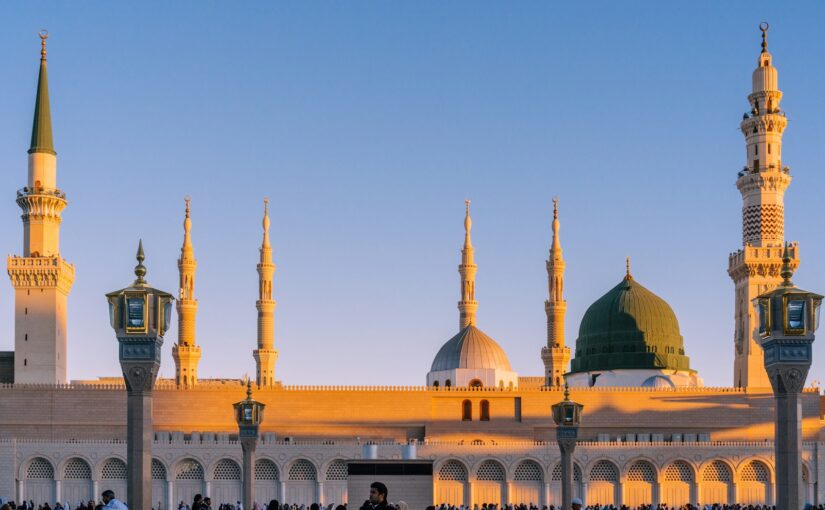
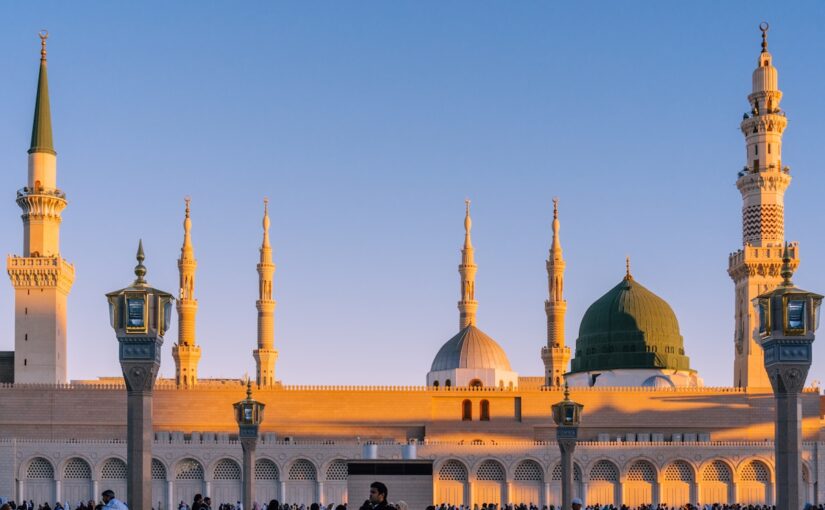
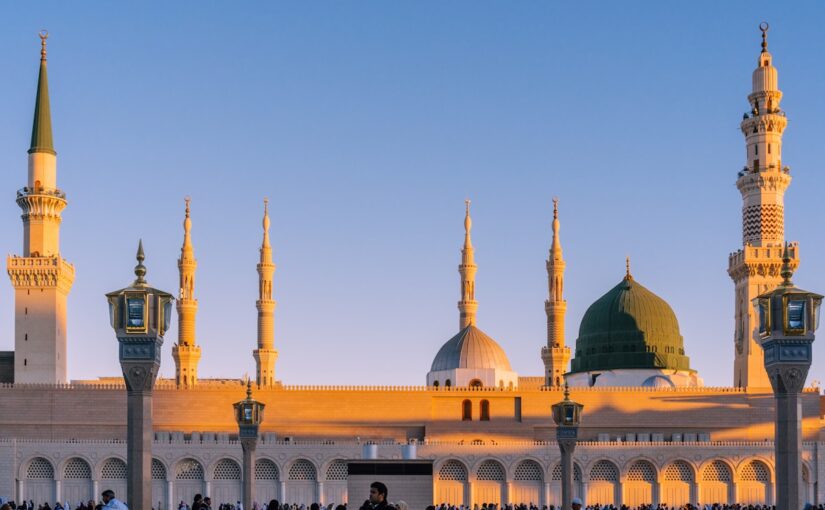
In Islamic tradition, Madina Munawwarah is considered the most sacred city after Makkah. It is the city where the Prophet migrated, built the first mosque, and where he is buried in the Masjid-e-Nabwi. Visiting Madina and offering salutations at the Prophet’s Roza is a deeply cherished act for Muslims worldwide.
The naat beautifully captures the feeling of a believer who has not yet visited Madina but yearns for it with every fibre of their being. It is a reminder that the love for the Prophet is not just a duty but a deep emotional connection that pulls the heart towards the blessed city.
About the Reciter: Owais Raza Qadri
Owais Raza Qadri is one of the most popular naat reciters in the world. Based in Pakistan, he has recorded hundreds of naats that are loved by millions. His melodious voice and spiritual style of recitation have made him a household name in the Islamic world. Dil Hai Madine Chal remains one of his most beloved naats.
Mera Dil Tujh Hi Se Lagaya is one of the most beloved naats in the Urdu speaking world. This beautiful naat expresses the deep love and devotion of a believer for the Prophet Muhammad (peace be upon him). The poet pours out their heart, declaring that their heart is attached only to the Prophet and they seek nothing else but his love and closeness.
The naat is widely recited at mehfil-e-naat gatherings across Pakistan, India, Bangladesh, and the global Muslim community. Its simple yet powerful lyrics make it accessible to people of all ages. Many well-known naat khwans have performed this naat, making it a staple in Islamic devotional music.
The Spiritual Meaning of Mera Dil Tujh Hi Se Lagaya
The central theme of this naat is tawajjuh – the complete turning of one’s heart towards the Prophet Muhammad (PBUH). In Islamic spirituality, love for the Prophet is considered a sign of true faith. The Quran says, “Say, if you love Allah, then follow me, Allah will love you” (Surah Aal-e-Imran, 3:31).
This naat captures the essence of that love. The poet is saying that their heart has been attached to the Prophet, and this attachment is the source of their spiritual peace. They find comfort in the remembrance of the Prophet and seek his intercession. The lyrics reflect the deep desire of every believer to be close to the Prophet in this life and the hereafter.
Mera Dil Tujh Hi Se Lagaya Naat Lyrics in Urdu
Below are the complete lyrics in Urdu script:
میرا دل تجھ ہی سے لگایا ہے اور کچھ مجھ کو نہیں بھایا ہے
میرے آقا تجھ سے ہے مجھ کو پیار تیرے در سے اور کہاں جاؤں میں
تو ہے میرا سہارا اے نبی تیرے دم سے یہ جہاں پایا ہے
میرا دل تجھ ہی سے لگایا ہے اور کچھ مجھ کو نہیں بھایا ہے
تیرے در پہ آ کے مانگا میں نے تیری رحمت کا ہے بھروسہ مجھے
تو کرے گا میرے گناہ معاف تیرے در سے اور کہاں جاؤں میں
میرا دل تجھ ہی سے لگایا ہے اور کچھ مجھ کو نہیں بھایا ہے
مجھ کو بخش دے گناہوں سے اے نبی میرا دل تجھ ہی سے لگایا ہے
تیری چوکھٹ پہ میں نے سر رکھ دیا تیرے سوا کوئی نہیں میرا
میرا دل تجھ ہی سے لگایا ہے اور کچھ مجھ کو نہیں بھایا ہے
Mera Dil Tujh Hi Se Lagaya English Translation
Here is the English translation:
My heart is attached only to You Nothing else pleases me anymore
O my Master, I love You To whose door shall I go besides Yours
You are my support, O Prophet Because of You, this world has meaning
My heart is attached only to You Nothing else pleases me anymore
I came to Your door and asked I have faith in Your mercy
You will forgive my sins To whose door shall I go besides Yours
My heart is attached only to You Nothing else pleases me anymore
Forgive me for my sins, O Prophet My heart is attached only to You
I have placed my head at Your threshold I have no one except You
My heart is attached only to You Nothing else pleases me anymore
Word by Word Meaning
Mera Dil: My heart. In Islamic poetry, the heart is the seat of spiritual connection.
Tujh Hi Se: Only to You. This emphasises exclusivity of devotion.
Lagaya: Attached. The poet has intentionally attached their heart to the Prophet.
Aur Kuch Mujh Ko Nahi Bhaya: Nothing else pleases me.
Mere Aaqa: My Master. A term of deep respect and submission.
When and Where This Naat Is Recited
This naat is commonly recited at Mehfil-e-Naat gatherings, Eid Milad-un-Nabi celebrations, Urs and spiritual gatherings, Friday evenings, and in personal worship.
The Poetic Style of the Naat
This naat follows a traditional Urdu poetic structure with a repeating refrain. The rhyme scheme and meter make it easy to memorise and recite. The poet uses repetition, direct address, humility, and metaphor to create a powerful spiritual effect.
Conclusion
Mera Dil Tujh Hi Se Lagaya is a spiritual declaration of love and devotion that has touched the hearts of millions. Its message of complete devotion to the Prophet Muhammad (PBUH) remains powerful and moving. We hope this guide with Urdu lyrics, English translation, and meaning helps you appreciate this beautiful naat more deeply.
Rahmatun Lil’Alameen is a beautiful naat praising Prophet Muhammad (peace be upon him) as a mercy for all worlds. The title comes from the Quranic verse “Wa ma arsalnaka illa rahmatan lil’alameen” (And We have not sent you except as a mercy to the worlds). This naat reminds us of the Prophet’s compassionate nature and his role as a blessing for all of humanity.
Below you will find the full naat lyrics in Urdu, English translation and the meaning behind the verses.
About This Naat
Rahmatun Lil’Alameen is a widely recited naat in the Islamic world. The verses highlight different aspects of the Prophet’s character including his mercy, his kindness to children, his generosity and his role as a guide for humanity. The naat is often recited at religious gatherings, milads and during Ramadan.
The lyrics use simple yet powerful language to express love for the Prophet. Each verse builds on the theme of mercy, connecting the Prophet’s qualities to the daily lives of believers.
Rahmatun Lil’Alameen Naat Lyrics in Urdu
رحمتہ للعالمین ہیں مصطفیٰ ﷺ
رحمتہ للعالمین ہیں مصطفیٰ ﷺ
ان کی ذات سے ہے نور کا نزول
ان کے دم سے ہے بخشش و قبول
ان کے طفیل آدم و رسول
رحمتہ للعالمین ہیں مصطفیٰ ﷺ
رحمتہ للعالمین ہیں مصطفیٰ ﷺ
رحمتہ للعالمین ہیں مصطفیٰ ﷺ
وہ شفیع المذنبین ہیں مصطفیٰ ﷺ
رحمتہ للعالمین ہیں مصطفیٰ ﷺ
ان کی نظر میں سب برابر ہیں
امیر و غریب سب برابر ہیں
غلام و شہنشاہ سب برابر ہیں
رحمتہ للعالمین ہیں مصطفیٰ ﷺ
رحمتہ للعالمین ہیں مصطفیٰ ﷺ
رحمتہ للعالمین ہیں مصطفیٰ ﷺ
وہ شفیع المذنبین ہیں مصطفیٰ ﷺ
رحمتہ للعالمین ہیں مصطفیٰ ﷺ
دردمندوں کے وہ غم خوار ہیں
بے سہاروں کے وہ سہارے ہیں
لاکھوں گنہگاروں کے وہ یار ہیں
رحمتہ للعالمین ہیں مصطفیٰ ﷺ
رحمتہ للعالمین ہیں مصطفیٰ ﷺ
رحمتہ للعالمین ہیں مصطفیٰ ﷺ
وہ شفیع المذنبین ہیں مصطفیٰ ﷺ
رحمتہ للعالمین ہیں مصطفیٰ ﷺ
Rahmatun Lil’Alameen Naat English Translation
Mustafa (peace be upon him) is mercy for all the worlds.
Mustafa (peace be upon him) is mercy for all the worlds.
From his being descends the light of revelation.
Through his breath comes forgiveness and acceptance.
Because of him came Adam and the Messengers.
Mustafa (peace be upon him) is mercy for all the worlds.
Mustafa (peace be upon him) is mercy for all the worlds.
Mustafa (peace be upon him) is mercy for all the worlds.
He is the intercessor for the sinners.
Mustafa (peace be upon him) is mercy for all the worlds.
In his sight, all are equal.
The rich and the poor are all equal.
The slave and the emperor are all equal.
Mustafa (peace be upon him) is mercy for all the worlds.
He is the comforter of the distressed.
He is the support for those without support.
He is the friend of millions of sinners.
Mustafa (peace be upon him) is mercy for all the worlds.
Meaning and Background
The central theme of this naat is the universal mercy of Prophet Muhammad. The Quran itself describes the Prophet as a mercy to all worlds (Surah Al-Anbiya 21:107). This naat expands on that concept by showing how the Prophet’s mercy touched every aspect of life.
Equality: One verse highlights that the Prophet treated all people equally regardless of their wealth or status. This was a radical concept in 7th century Arabia and remains relevant today. The Prophet’s teachings emphasise that no person is superior to another except in piety.
Intercession: The naat refers to the Prophet as “Shafi’ul Muznibeen” or intercessor for sinners. In Islamic belief, the Prophet will intercede for his followers on the Day of Judgement. This gives hope to believers who struggle with sin.
Compassion for the vulnerable: The naat mentions the Prophet’s care for the distressed and those without support. This reflects the Prophet’s character. He was known for helping widows, orphans and the poor throughout his life.
“Allah Hoo” (اللہ ہو) is one of the most loved and widely recited Islamic naats in the Urdu-speaking world. This powerful naat is a simple yet deep expression of devotion to Allah. The phrase “Allah Hoo” itself is a form of dhikr (remembrance of Allah) that has been used by Muslims for centuries. The naat focuses entirely on the oneness of Allah, His mercy and the soul’s longing for its Creator.
Unlike many naats that praise Prophet Muhammad (peace be upon him), Allah Hoo is a naat e ilahi written directly in praise of Allah Almighty. Its repetitive, rhythmic structure makes it easy to remember and deeply moving to recite. Many people around the world know this naat by heart, even if they do not speak Urdu.
Background of the Naat
The naat “Allah Hoo” is attributed to various Sufi traditions and has been popularised by many famous naat khwans (reciters) including Qari Waheed Zafar Qasmi, Owais Raza Qadri and others. The exact origin of the naat is difficult to trace, as it emerged from the oral traditions of Sufi poetry and has been passed down through generations.
The naat reflects the core Islamic concept of tawheed (the oneness of Allah). The repetition of “Allah Hoo” is a form of dhikr that helps the believer connect with Allah on a deep spiritual level. In Sufi tradition, the name “Allah” is considered the greatest name of Allah (Ism-e-Azam), and reciting it with presence of heart brings the soul closer to its Creator.
Allah Hoo (اللہ ہو) Naat Lyrics in Urdu
اللہ ہو، اللہ ہو، اللہ ہو
اللہ ہو، اللہ ہو، اللہ ہو
اللہ ہو، اللہ ہو، اللہ ہو
تیری رحمت کے دریا بہتے ہیں ہر سو
تیرے فضلوں کے سائے ہیں ہر گھڑی
تیری ذات سے روشن ہے سارا جہاں
تیرے در پہ جھکے سب کی پیشانی
اللہ ہو، اللہ ہو، اللہ ہو
اللہ ہو، اللہ ہو، اللہ ہو
تو ہی رب ہے، تو ہی مالک ہے
تو ہی قادر، تو ہی رازق ہے
تیرے در سے جو بھی خالی گیا
اسے دنیا نے کبھی سنبھالا نہیں
اللہ ہو، اللہ ہو، اللہ ہو
اللہ ہو، اللہ ہو، اللہ ہو
تیرے ذکر سے دل کو سکون ملے
تیری یاد میں راتیں جاگیں
تیرے در سے جو بھی مانگا اس نے
تیرے خزانے نے کبھی ٹوکرا نہیں
اللہ ہو، اللہ ہو، اللہ ہو
اللہ ہو، اللہ ہو، اللہ ہو
دل کی دھڑکن میں تیرا نام ہے
ہر سانس میں تیرا پیغام ہے
تیرے بغیر جی نہیں لگتا
تو ہی مقصود، تو ہی مراد ہے
اللہ ہو، اللہ ہو، اللہ ہو
اللہ ہو، اللہ ہو، اللہ ہو
English Transliteration
Allah Hoo, Allah Hoo, Allah Hoo
Allah Hoo, Allah Hoo, Allah Hoo
Teri rahmat ke dariya behte hain har soo
Tere fazlo ke saaye hain har ghari
Teri zaat se roshan hai saara jahaan
Tere dar pe jhuke sab ki peshaani
Allah Hoo, Allah Hoo, Allah Hoo
Allah Hoo, Allah Hoo, Allah Hoo
Tu hi Rab hai, tu hi Maalik hai
Tu hi Qaadir, tu hi Raaziq hai
Tere dar se jo bhi khaali gaya
Use duniya ne kabhi sambhala nahi
Allah Hoo, Allah Hoo, Allah Hoo
Allah Hoo, Allah Hoo, Allah Hoo
Tere zikr se dil ko sakoon mile
Teri yaad mein raatein jaagein
Tere dar se jo bhi maanga usne
Tere khazaane ne kabhi thukraya nahi
Allah Hoo, Allah Hoo, Allah Hoo
Allah Hoo, Allah Hoo, Allah Hoo
Dil ki dharkan mein tera naam hai
Har saans mein tera payghaam hai
Tere baghair jee nahi lagta
Tu hi maqsood, tu hi muraad hai
Allah Hoo, Allah Hoo, Allah Hoo
Allah Hoo, Allah Hoo, Allah Hoo
English Translation
Allah Hoo, Allah Hoo, Allah Hoo Allah is the One, Allah is the One, Allah is the One
Rivers of Your mercy flow everywhere
The shadows of Your blessings are with me every moment
The entire universe is illuminated by Your being
Every forehead bows at Your door
Allah Hoo, Allah Hoo, Allah Hoo Allah is the One, Allah is the One, Allah is the One
You are the Lord, You are the Master
You are the All-Powerful, You are the Provider
Whoever left Your door empty-handed
The world could never take care of them
Allah Hoo, Allah Hoo, Allah Hoo Allah is the One, Allah is the One, Allah is the One
The heart finds peace through Your remembrance
Nights are spent awake in Your love
Whoever asked from Your door
Your treasure never turned them away
Allah Hoo, Allah Hoo, Allah Hoo Allah is the One, Allah is the One, Allah is the One
Your name is in every heartbeat
Your message is in every breath
Life feels incomplete without You
You are the purpose, You are the desire
Allah Hoo, Allah Hoo, Allah Hoo Allah is the One, Allah is the One, Allah is the One
Meaning and Significance
The naat “Allah Hoo” carries a profound spiritual message. The repetition of “Allah Hoo” throughout the naat serves as a form of meditation. By repeating the name of Allah, the believer’s heart becomes focused on the Divine, leaving behind worldly concerns and distractions.
The verses describe several important aspects of Islamic belief:
Allah’s Mercy: The naat begins by describing the rivers of mercy flowing from Allah. This reminds us that Allah’s mercy is vast and available to everyone.
Allah as Sustainer: The verses describe Allah as the Provider (Raaziq) and the All-Powerful (Qaadir), reminding us that everything we have comes from Him alone.
Reliance on Allah: The naat teaches us that true support comes only from Allah. Those who turn away from Him find no real help in the world.
The Power of Dhikr: The act of remembering Allah brings peace to the heart, as stated in the Quran: “Verily, in the remembrance of Allah do hearts find rest” (Surah Ar-Ra’d, verse 28).
This naat is often recited in gatherings of dhikr and spiritual assemblies. Its simple yet profound message makes it accessible to people of all ages. Children learn it easily, and elders recite it with deep emotion. The naat transcends cultural boundaries and is loved by Urdu-speaking Muslims around the world.
When to Recite Allah Hoo
There is no fixed time for reciting this naat. It can be recited at any time as a form of dhikr and meditation. Many people find it particularly beneficial to recite:
In the early morning after Fajr prayer
During moments of stress or anxiety
In gatherings of dhikr and spiritual reflection
Before sleeping as a form of evening remembrance
During difficult times when seeking comfort from Allah
Popular Reciters
The naat “Allah Hoo” has been recited by many famous naat khwans. Some notable recitations include:
Qari Waheed Zafar Qasmi – known for his soulful and emotional recitation
Owais Raza Qadri – popular among younger audiences
Muhammad Nabeel – a rising voice in naat recitation
Hamza Saleem – known for his melodious renditions
Each reciter brings their own style to the naat, but the core message remains the same – the love and devotion to Allah, the One and Only.
“Tajdar-e-Haram” (تاجدارِ حرم) is one of the most beloved and widely recited naats in the Islamic world. Made famous globally by the voices of Atif Aslam and many other renowned naat khwans, this beautiful naat is a heartfelt ode to Prophet Muhammad (peace be upon him). The title translates to “The Crown of the Holy Sanctuary,” a reference to the Prophet’s unparalleled status as the leader of all prophets and the beloved of Allah.
Introduction to Tajdar-e-Haram
Tajdar-e-Haram is a modern naat that has captured the hearts of Muslims across the globe. Its poetic verses express deep love, reverence, and devotion to the Prophet Muhammad (PBUH), acknowledging him as the crown of the holy sanctuary of Mecca and the intercessor for all humankind. The naat was originally written by a Pakistani poet and has been performed by various artists, with Atif Aslam’s rendition being the most internationally recognised.
Background and Meaning
The opening line, “Tajdar-e-Haram ho nigah-e-karam,” is a heartfelt plea: “O Crown of the Holy Sanctuary, bestow your gracious glance upon us.” This sets the tone for the entire naat, which oscillates between praise of the Prophet’s lofty station and humble supplication for his mercy and intercession.
Naat Lyrics — Tajdar-e-Haram
Verse 1
Urdu Script:
تاجدارِ حرم ہو نگاہِ کرم
ہم گداﺅں پر اتنا کرم ہو نہ ہو
ہم تیرے در سے جو اٹھ گئے تو کہاں جائیں گے
English Translation:
O Crown of the Holy Sanctuary, cast a gracious glance upon us
Show us kindness, even if we do not deserve it
If we are turned away from your door, where else shall we go?
Verse 2
Urdu Script:
ٹوٹا ہوا دل ہے، آہ بھرنے دے
درد کا بوجھ ہے، تھوڑی سی راحت دے
تیرے سوا کوئی سننے والا نہیں
اپنے قدموں میں رکھ لے، نہیں تو کہاں جائیں گے
English Translation:
My heart is broken, let me sigh
I carry the weight of pain, grant me some relief
There is no one else who listens but You
Keep me at Your feet, or where shall I go?
Verse 3
Urdu Script:
رحمتہ اللعالمین ہو تم
آقائے دو جہاں ہو تم
بخش دے مجھ گنہگار کو
تمہارے در سے جو اٹھ گیا تو کہاں جائے گا
English Translation:
You are the Mercy to the Worlds
You are the Master of Both Worlds
Forgive this sinful one
If turned away from Your door, where shall he go?
Verse 4
Urdu Script:
میرے دل میں بسالو تمہیں
ہر دم یاد کرو تمہیں
دور نہ ہو یہ فاصلہ کبھی
اپنی رحمت سے چھپا لو، نہیں تو کہاں جائیں گے
English Translation:
Let me enshrine You in my heart
Let me remember You with every breath
May this distance never grow
Hide me in Your mercy, or where shall I go?
Verse 5
Urdu Script:
تم ہو من کی تمنا تم ہو دل کی دعا
تم ہی ہو میرے دل کا سکون
تمہارے بنا یہ دل کہاں دھڑکتا ہے
تمہیں چھوڑ کر ائے صنم کہاں جائیں گے
English Translation:
You are the heart’s desire, You are the soul’s prayer
You alone are the peace of my heart
Without You, how does this heart beat?
Leaving You, O Beloved, where would I go?
Verse 6
Urdu Script:
جب تک ہے یہ جہاں ہم یہی کریں گے
ہر سانس میں تیرا ذکر کریں گے
تیرے در سے جو اٹھ گئے تو کہاں جائیں گے
تاجدارِ حرم ہو نگاہِ کرم
English Translation:
As long as this world exists, this is what I will do
I will remember You with every breath
If turned away from Your door, where shall I go?
O Crown of the Holy Sanctuary, cast a gracious glance upon us
Meaning and Spiritual Significance
The naat uses the imagery of a “broken heart” and “burden of pain” to speak to the human condition. We all experience hardship, loss, and regret. The naat reminds us that the Prophet’s door is always open, and that turning to him in love and devotion is a path to spiritual healing.
The reference to the Prophet as “Rahmatul-lil-aalameen” (Mercy to the Worlds) is drawn directly from the Quran (Surah Al-Anbiya 21:107). The naat also touches on the concept of shafa’ah (intercession), giving believers comfort and motivating them to live righteous lives while maintaining love for the Prophet.
Conclusion
Tajdar-e-Haram is a timeless naat that continues to inspire and move Muslims around the world. May Allah grant us the ability to love the Prophet (PBUH) with all our hearts, and may these words draw us closer to him and to our Creator. Ameen.
The beautiful naat “Maa Ke Qadmo Mein Jannat” (ماں کے قدموں میں جنت) translates to “Paradise lies at the feet of mothers.” This phrase echoes one of the most beloved sayings of the Prophet Muhammad (peace be upon him), who taught that Paradise is found under the feet of mothers — a profound reminder of the honour, reverence, and status that Islam grants to mothers.
The famous hadith that this naat draws from is narrated by Ahmad and others: “Paradise lies at the feet of mothers” (al-Jannah tahta aqdaamil ummahaati). This single teaching has inspired countless poets, scholars, and believers throughout Islamic history. In this naat, the poet beautifully weaves together the themes of maternal love, divine mercy, and devotion to the Prophet (PBUH).
This naat is especially beloved because it speaks to the heart of every believer — reminding us that the love we have for our mothers is a reflection of the mercy of Allah (SWT). It calls us to honour our mothers not just with words, but with actions, service, and unwavering love.
Background and Meaning
“Maa Ke Qadmo Mein Jannat” is a spiritual masterpiece that blends the Islamic teaching of honouring mothers with deep love for the Prophet Muhammad (PBUH). The naat opens with the declaration that Paradise lies at the feet of mothers — a direct reference to the hadith — and then expands into a broader message about seeking Allah’s pleasure through loving and serving one’s parents.
In Islamic tradition, the status of a mother is unparalleled. The Qur’an commands believers to treat their parents with the utmost kindness, especially mothers, who bear the hardships of pregnancy, childbirth, and nurturing. Allah says in the Qur’an: “And We have enjoined upon man goodness to his parents. His mother carried him with hardship and gave birth to him with hardship” (Surah Al-Ahqaf 46:15).
The poet of this naat uses the hadith as a central theme, reminding listeners that the path to Jannah is made easier through the love, care, and respect we show to our mothers. Each verse reflects on the sacrifices mothers make and the eternal reward that awaits those who cherish them.
At the same time, the naat expresses devotion to the Prophet (PBUH), recognising him as the ultimate source of guidance. The poem reminds us that loving the Prophet and loving our parents are not separate acts of worship — they are beautifully connected, both leading us closer to Allah’s mercy and to Paradise.
Naat Lyrics — Maa Ke Qadmo Mein Jannat
Verse 1
Urdu:
ماں کے قدموں میں جنت ہے یہ فرمایا نبی نے
جو سمجھا اس اشارے کو وہ پایا رہِ منزل کو
Translation:
Paradise lies at the feet of mothers, the Prophet declared
Whoever understood this sign found the path to their goal
Verse 2
Urdu:
جو ماں کی خدمت کرے وہ بندہ ہے اللہ کا
اس کی جھولی میں رحمت ہے وہ دیکھے رخِ والا کو
Translation:
Whoever serves their mother is a servant of Allah
In their lap lies mercy — they behold the face of the Most High
Verse 3
Urdu:
ماں کا دکھ سہہ کر پلنے والے بڑے نصیبوں والے
رب نے ان کے آنسوؤں میں رکھی ہے دولتِ کامل کو
Translation:
Those raised through a mother’s hardship are truly fortunate
In their tears, Allah has placed the treasure of completeness
Verse 4
Urdu:
ماں کی دعا سے ملتی ہے بخشش اور رحمت
اس کی آہ سحرگاہی نہیں جاتی بے اثر کو
Translation:
Through a mother’s prayer comes forgiveness and mercy
Her pre-dawn sigh does not go without effect
Verse 5
Urdu:
جو بھی کرے ماں کی خدمت، رب کرے اس کی حفاظت
دونوں جہاں میں ملے اس کو عزت اور سرفرازی
Translation:
Whoever serves their mother, may Allah protect them
In both worlds they shall receive honour and exaltation
Verse 6
Urdu:
یا نبی، تیرے صدقے میں آئی ماں کو عزت
تو نے سکھایا سب کو مقام ماں کا پہچاننا
Translation:
O Prophet, through your blessing came honour for mothers
You taught everyone to recognise the station of a mother
Meaning and Explanation
“Maa Ke Qadmo Mein Jannat” is more than just a poem — it is a spiritual reminder that resonates deeply with every Muslim. The naat captures the essence of Islamic teachings about mothers: that serving them is a form of worship, that their prayers are a source of blessings, and that their love is a glimpse of the Divine mercy.
The hadith “Paradise lies at the feet of mothers” is often interpreted in two ways. First, literally: that a mother’s pleasure is a doorway to Paradise, and obeying her leads to Allah’s reward. Second, metaphorically: that the love, patience, and sacrifices of a mother are a reflection of the mercy that believers hope to find in the Hereafter. The naat beautifully explores both meanings.
Each verse builds on this foundation. The poet reminds us that serving our mother is serving Allah, and that her prayers carry a weight no other intercession can match. The pre-dawn prayer of a mother — the sahr — is a recurring theme in Islamic poetry, symbolising the quiet, selfless devotion that mothers embody. The tears of a mother are not wasted; they are treasures in the sight of Allah.
The naat also ties this message to the love of the Prophet Muhammad (PBUH). It acknowledges that it was the Prophet himself who elevated the status of mothers, in a time when women were often mistreated and disregarded. Through his teachings, mothers were given honour, dignity, and a place of unparalleled reverence in the Muslim community.
This naat resonates with Muslims across the world because it touches on universal human emotions — the love for a mother, the desire for her approval, and the ache of her absence. It reminds us that the bond between a mother and child is one of the most sacred relationships in Islam, and that nurturing this bond brings us closer to Allah and to Paradise.
Conclusion
“Maa Ke Qadmo Mein Jannat” is a timeless naat that speaks to the heart of every believer. It calls us to reflect on the immense blessing of having a mother and the profound responsibility we have to honour her. Through its gentle verses, the naat reminds us that the path to Paradise does not always require grand gestures — sometimes, it begins with a kind word, a loving touch, and a life of service to the one who carried us.
May Allah grant us the ability to honour our mothers, forgive our shortcomings towards them, and reunite us with them in Jannah. And may the love of our mothers be a means for us to experience the mercy of our Creator. Ameen.
Read more Naat lyrics in Urdu and English at NaatLines.com.
“Dil Mein Hai Shauq-e-Madina” (دل میں ہے شوقِ مدینہ) is a beloved Urdu naat that beautifully expresses the deep longing and spiritual desire to visit the blessed city of Madinah Munawwarah. The title translates to “The Yearning for Madinah is in My Heart.” This soul-stirring naat has captured the hearts of millions and is recited at Milad gatherings, naat competitions, and in homes around the world.
The Meaning of “Dil Mein Hai Shauq-e-Madina”
“Dil Mein Hai Shauq-e-Madina” is a heartfelt expression of a believer’s yearning to visit the city of Prophet Muhammad ﷺ. The naat speaks about the magnetic pull that Madinah has on the hearts of the faithful — a city that houses Masjid al-Nabawi, the Prophet’s ﷺ mosque, and his blessed resting place. The poet beautifully articulates the pain of separation and the hope of one day being blessed with a visit to this holy city.
This naat resonates deeply because every Muslim shares this longing. Madinah is not just a city — it is a spiritual home, a place where the Prophet ﷺ lived, taught, and is buried. To visit Madinah is to feel closer to him, to walk where he walked, and to pray in his mosque.
Urdu Lyrics — دل میں ہے شوقِ مدینہ
Below are the full Urdu lyrics of “Dil Mein Hai Shauq-e-Madina” in beautiful Nastaliq script.
دل میں ہے شوقِ مدینہ دل میں ہے شوقِ مدینہ یا نبی مجھ کو بلا لو یا نبی مجھ کو بلا لو
میری آنکھوں میں بسا ہے مدینے کا نظارہ ہے مرے دل میں سماں مدینے کا وہ تارہ
دل میں ہے شوقِ مدینہ دل میں ہے شوقِ مدینہ یا نبی مجھ کو بلا لو یا نبی مجھ کو بلا لو
مدینے کے در و دیوار پہ ہے رونق ایسی کہ جیسے جنت سے آئی ہو کوئی ہوائے بسی
دل میں ہے شوقِ مدینہ دل میں ہے شوقِ مدینہ یا نبی مجھ کو بلا لو یا نبی مجھ کو بلا لو
جہاں روضہ ہے نبی کا وہ پاک مقام وہیں دل کا سکون اور روح کا آرام
دل میں ہے شوقِ مدینہ دل میں ہے شوقِ مدینہ یا نبی مجھ کو بلا لو یا نبی مجھ کو بلا لو
مدینے کے گلیوں میں پھولوں کی خوشبو ہے یہاں ہر ذرے میں اپنے نبی کا عکس ہے
دل میں ہے شوقِ مدینہ دل میں ہے شوقِ مدینہ یا نبی مجھ کو بلا لو یا نبی مجھ کو بلا لو
مجھے محروم نہ کرنا مدینے کے در سے یہ التجا ہے مری اے خدا بلا لو مجھے
دل میں ہے شوقِ مدینہ دل میں ہے شوقِ مدینہ یا نبی مجھ کو بلا لو یا نبی مجھ کو بلا لو
Roman Urdu Transliteration
Here is the Roman Urdu transliteration for those who wish to recite the naat but cannot read the Urdu script:
Verse 1:
Dil mein hai shauq-e-Madina, dil mein hai shauq-e-Madina
Ya Nabi mujh ko bula lo, ya Nabi mujh ko bula lo
Verse 2:
Meri aankhon mein basa hai Madine ka nazaara
Hai mere dil mein samaa Madine ka woh taara
Chorus:
Dil mein hai shauq-e-Madina, dil mein hai shauq-e-Madina
Ya Nabi mujh ko bula lo, ya Nabi mujh ko bula lo
Verse 3:
Madine ke dar-o-diwaar par hai roonaq aisi
Ke jaise Jannat se aayi ho koi hawa-e-basee
Chorus:
Dil mein hai shauq-e-Madina, dil mein hai shauq-e-Madina
Ya Nabi mujh ko bula lo, ya Nabi mujh ko bula lo
Verse 4:
Jahan rozah hai Nabi ka woh paak muqaam
Wahin dil ka sukoon aur rooh ka aaraam
Chorus:
Dil mein hai shauq-e-Madina, dil mein hai shauq-e-Madina
Ya Nabi mujh ko bula lo, ya Nabi mujh ko bula lo
Verse 5:
Madine ki galiyon mein phoolon ki khushbu hai
Yahan har zarre mein apne Nabi ka aks hai
Chorus:
Dil mein hai shauq-e-Madina, dil mein hai shauq-e-Madina
Ya Nabi mujh ko bula lo, ya Nabi mujh ko bula lo
Verse 6:
Mujhe mahroom na karna Madine ke dar se
Yeh iltija hai meri, ae Khuda, bula lo mujhe
Final Chorus:
Dil mein hai shauq-e-Madina, dil mein hai shauq-e-Madina
Ya Nabi mujh ko bula lo, ya Nabi mujh ko bula lo
English Translation — Verse by Verse
Verse 1: The yearning for Madinah is in my heart, the yearning for Madinah is in my heart
O Prophet, call me to You, O Prophet, call me to You
Verse 2: The sight of Madinah resides in my eyes
That star of Madinah shines within my heart
Verse 3: The walls and doors of Madinah have such a beautiful radiance
As if a gentle breeze has arrived from Paradise itself
Verse 4: Where the blessed tomb of the Prophet lies — that sacred place
There is the peace of the heart and the rest of the soul
Verse 5: The streets of Madinah are filled with the fragrance of flowers
In every particle here reflects my beloved Prophet
Verse 6: Do not deprive me of the doorstep of Madinah
This is my humble plea — O Allah, call me there
Background and Significance
“Dil Mein Hai Shauq-e-Madina” belongs to the rich tradition of Urdu naats that focus on the theme of ishq-e-Mustafa (love for the Prophet ﷺ) and shauq-e-Madina (yearning for Madinah). This naat is particularly powerful because it articulates a feeling that every believer carries in their heart — the longing to stand in the blessed city, to pray in Masjid al-Nabawi, and to send salutations upon the Prophet ﷺ at his blessed Rawdah.
The naat uses the metaphor of a lover yearning for their beloved to describe the spiritual bond between the believer and Madinah. The repeated refrain — “Dil mein hai shauq-e-Madina” — serves as a mantra of love, reinforcing the central message that Madinah is never far from a believer’s thoughts.
In Islamic spirituality, Madinah holds a unique status. It was the city that welcomed the Prophet ﷺ after his migration (Hijrah) from Makkah, the place where the first Islamic community was established, and the site of Masjid al-Nabawi — the second holiest mosque in Islam. The Prophet ﷺ said: “Between my house and my pulpit is a garden from the gardens of Paradise” (Bukhari, Muslim). This makes the desire to visit Madinah not just a physical journey but a spiritual one.
Popular Reciters
“Dil Mein Hai Shauq-e-Madina” has been beautifully rendered by several renowned naat khwans including:
Owais Raza Qadri — His soulful rendition is one of the most popular versions
Hafiz Tahir Qadri — Known for his emotional and powerful delivery
Qari Shahid Qadri — His melodious voice adds a unique beauty to this naat
Farhan Ali Qadri — A touching rendition loved by millions
Why This Naat Touches the Heart
What makes “Dil Mein Hai Shauq-e-Madina” so beloved is its simplicity and sincerity. It does not use complex poetic devices or obscure vocabulary. Instead, it speaks directly from the heart — the longing of a believer who has never seen Madinah but loves it more than any place on earth. This is a feeling shared by Muslims across every culture and continent.
The naat also serves as a prayer (dua). When the poet says “Ya Nabi mujh ko bula lo” (O Prophet, call me), it is not just poetry — it is a supplication, a humble request to be counted among those blessed to visit the Prophet’s ﷺ city. Every recitation becomes an act of worship and a renewal of this heartfelt wish.
More Naats About Madinah
If you enjoyed “Dil Mein Hai Shauq-e-Madina,” you may also like these beautiful naats about Madinah and the Prophet ﷺ:
“Dil Mein Hai Shauq-e-Madina” is more than just a naat — it is the voice of every Muslim heart that yearns for the blessed city of the Prophet ﷺ. Its simple yet profound lyrics remind us that Madinah is not just a destination on a map, but a spiritual home that calls to every believer. May Allah bless us all with the opportunity to visit Madinah Munawwarah and pray in Masjid al-Nabawi. Ameen.
If you found this article meaningful, share it with others who love the Prophet ﷺ and Madinah. Let the yearning for Madinah spread from heart to heart.