Ya Mustafa (یا مصطفیٰ) — Full Naat Lyrics in Urdu, English Translation and Meaning

“Ya Mustafa” (یا مصطفیٰ) is one of the most beloved and widely recited naats in the Islamic world. Sung by the renowned naat reciter Owais Raza Qadri, this soul-stirring naat is a heartfelt call to the Prophet Muhammad ﷺ, expressing deep love, devotion, and an unshakable bond between the believer and the final Messenger of Allah. The melody’s emotional depth combined with the powerful Urdu lyrics has made it a staple at religious gatherings, Mehfil-e-Naat events, and Ramadan special programs across the globe.

Owais Raza Qadri, a British-born naat khuwan of Pakistani descent, is a prominent figure in the world of Islamic nasheeds and naats. Known for his passionate delivery and soulful voice, Owais Raza Qadri has recorded hundreds of naats including other classics like “Mere Aaqa Ka Darbar,” “Tajdar-e-Haram,” and “Mustafa Jaane Rehmat.” His rendition of “Ya Mustafa” has amassed millions of views online and continues to inspire millions of Muslims to express their love for the Prophet Muhammad ﷺ through poetry and melody.

In this article, we present the complete lyrics of “Ya Mustafa” in both Urdu script and Roman English transliteration, along with a detailed English translation and explanation of its powerful verses. Whether you are looking to learn this beautiful naat by heart or seeking a deeper understanding of its words, this guide has everything you need.

Ya Mustafa Lyrics in Urdu (یا مصطفیٰ نعت کے اردو اشعار)

Below are the full Urdu lyrics of Ya Mustafa recited by Owais Raza Qadri:

یا مصطفیٰ یا مصطفیٰ
میرے نبی مصطفیٰ ﷺ
یا مصطفیٰ یا مصطفیٰ
میرے نبی مصطفیٰ ﷺ

یاد ہے تجھ کو وہ گھڑی
جب نہ تھا کوئی جدھر
آدم و حوا تھے نہیں
نہ تھا کوئی بشر

تھی نہ عرش و کرسی و لوح
نہ تھا قلم و رقم
نہ فلک نہ تھی زمیں
نہ تھا شمس و قمر

تھی نہ کوئی مخلوق تھی
نہ تھا لیل و نہار
نہ تھیں جنت و جہنم
نہ ثواب نہ وزر

تھا نہ کوئی شے وجود میں
سوائے ذات زوالفقار
تھی نہ کوئی دوسری ذات
نہ کوئی دوسرا جہاں

تب بھی تھے تمؐ اور اب بھی ہو
یا مصطفیٰ یا مصطفیٰ
میرے نبی مصطفیٰ ﷺ

یا مصطفیٰ یا مصطفیٰ
میرے نبی مصطفیٰ ﷺ
یا مصطفیٰ یا مصطفیٰ
میرے نبی مصطفیٰ ﷺ

پھر جب اِس دنیا میں
تشریف لائے آپؐ
خاتم النبیین ہو کر
ختم ہوئی نبوت

مکہ سے مدینہ تک
نور کا سفر تھا جاری
دشمنوں کو بھی بخش دیا
ایسے تھے ہم سے پیارے

ہر اک دکھ میں ہوگی مدد
جو پکارے گا تمؐ کو
تمؐ تو رحمت ہو خدا کی
حشر میں بھی یاد رکھنا

یا مصطفیٰ یا مصطفیٰ
میرے نبی مصطفیٰ ﷺ
یا مصطفیٰ یا مصطفیٰ
میرے نبی مصطفیٰ ﷺ

Ya Mustafa English Translation

Here is the English translation of the Ya Mustafa naat, line by line:

Ya Mustafa, Ya Mustafa
Mere Nabi Mustafa ﷺ
Ya Mustafa, Ya Mustafa
Mere Nabi Mustafa ﷺ

O Mustafa! O Mustafa!
My Prophet Mustafa ﷺ
O Mustafa! O Mustafa!
My Prophet Mustafa ﷺ

Yaad hai tujh ko woh ghari
Jab na tha koi jidhar
Aadam o Hawwa thay nahi
Na tha koi bashar

Do you remember that moment
When there was no one around
Neither Adam nor Eve existed
Nor any human being

Thi nah Arsh o Kursi o Loh
Na tha Qalam o Raqam
Na falak na thi zameen
Na tha Shams o Qamar

There was no Throne, no Footstool, no Tablet
No Pen, no writing
No sky, no earth
No sun, no moon

Thi na koi makhlooq thi
Na tha Lail o Nahaar
Na thin Jannat o Jahannam
Na sawaab na wazr

No creation existed
Neither night nor day
Neither Paradise nor Hell
No reward, no sin

Tha na koi shai wujood mein
Sawaey Zaat-e-Zulaf-e-Yaar
Thi na koi doosri zaat
Na koi doosra jahan

Nothing existed in the universe
Except the Divine Being of the Beloved
There was no other being
No other world

Tab bhi thay tum aur ab bhi ho
Ya Mustafa, Ya Mustafa
Mere Nabi Mustafa ﷺ

Even then you existed, and even now you exist
O Mustafa! O Mustafa!
My Prophet Mustafa ﷺ

Phir jab is duniya mein
Tashreef laaye aap
Khatam-un-Nabiyyeen ho kar
Khatam hui nubuwwat

Then when in this world
You arrived with honour
As the Seal of the Prophets
Prophethood was completed

Makkah se Madinah tak
Noor ka safar tha jaari
Dushmano ko bhi bakhsh diya
Aisay thay hum say pyaare

From Makkah to Madinah
The journey of light continued
Even enemies were forgiven
Such was the love you had for us

Har ik dukh mein hogi madad
Jo pukaare ga tumhen
Tum to rehmat ho Khuda ki
Hashar mein bhi yaad rakhna

In every sorrow there will be help
If one calls upon you
You are the mercy of Allah
Remember us on the Day of Judgment too

Ya Mustafa, Ya Mustafa
Mere Nabi Mustafa ﷺ
Ya Mustafa, Ya Mustafa
Mere Nabi Mustafa ﷺ

O Mustafa! O Mustafa!
My Prophet Mustafa ﷺ
O Mustafa! O Mustafa!
My Prophet Mustafa ﷺ

Meaning and Background of Ya Mustafa Naat

The title “Ya Mustafa” means “O Mustafa” — “Mustafa” (مصطفیٰ) being one of the most beloved names of the Prophet Muhammad ﷺ, meaning “The Chosen One” or “The Elect.” This name reflects the Islamic belief that Allah chose Prophet Muhammad ﷺ above all of creation to be the final messenger and mercy to mankind.

The opening verses of the naat take the listener on a profound spiritual journey — back to a time before creation itself. The poet describes a state when nothing existed except Allah: no heavens, no earth, no angels, no humans, no Paradise, no Hell. And yet, even in that pre-eternal state, the blessed soul of Prophet Muhammad ﷺ was already present. This is a beautiful reference to the famous hadith in which the Prophet ﷺ said, “I was a prophet when Adam was between water and clay” (Sunan Tirmidhi).

The naat then moves through time — describing the Prophet’s ﷺ arrival in this world as the Seal of the Prophets, his migration from Makkah to Madinah (the Hijrah), his unparalleled forgiveness even towards his enemies, and finally, the believer’s plea for his intercession (Shafa’ah) on the Day of Judgment. The recurring chorus “Tab bhi thay tum aur ab bhi ho” — “Even then you were, and even now you are” — beautifully connects the pre-eternal existence of the Prophet ﷺ with his continuing presence and spiritual guidance in the hearts of believers today.

This naat is widely performed in mosques, Islamic schools, and at Milad-un-Nabi gatherings around the world. It resonates deeply because it captures both the cosmic significance of the Prophet ﷺ — his existence before time — and his deeply personal, merciful relationship with every believer. The line “Har ik dukh mein hogi madad, jo pukaare ga tumhen” (In every sorrow there will be help, if one calls upon you) is particularly moving, reflecting the deep trust and reliance that Muslims place in the intercession and love of the Prophet Muhammad ﷺ.

More Beautiful Naats You Might Like

If you enjoyed the Ya Mustafa lyrics, you may also like these similar naats:

These naats, also popularized by Owais Raza Qadri and other renowned reciters, share the same themes of love, devotion, and reverence for the Prophet Muhammad ﷺ. Each one is a unique expression of the spiritual bond between the believer and the Chosen One.

May Allah bless us with the love of His beloved Prophet ﷺ and grant us his intercession on the Day of Judgment. Ameen.

Aaqa Ke Sadqe Mein (آقا کے صدقے میں) – Urdu Naat Lyrics with English Translation

Aaqa Ke Sadqe Mein (آقا کے صدقے میں) – An Overview

“Aaqa Ke Sadqe Mein” (also known as “Tere Sadqe Mein Aaqa”) is one of the most beloved Urdu naats of the modern era. The title translates to “For the Sake of My Master” — a heartfelt expression of devotion to the Prophet Muhammad (peace be upon him). The naat beautifully illustrates how through the blessed arrival of the Prophet ﷺ, the whole world received the gift of Islam. Its powerful refrain — “Hasbi Rabbi Jallallah, Ma fi Qalbi Ghairullah, Noor-e-Muhammad Sallallah, La Ilaha Illallah” — has become iconic among naat enthusiasts worldwide.

Who Popularised This Naat?

This naat was popularised by the immensely talented Asad Raza Attari, a young naat reciter known for his soft, melodious voice that touches the hearts of listeners. His rendition of “Tere Sadqe Mein Aaqa” gained widespread fame through Al-Ghosia production in 2018. The naat has since been covered by many other renowned naat khwans including Hafiz Bilal Qadri and Aramish Munir, but Asad Raza Attari’s original version remains the most cherished.

Meaning and Theme

The core theme of “Aaqa Ke Sadqe Mein” is the transformative power of Prophet Muhammad’s ﷺ message. The naat takes us through several pivotal moments in Islamic history:

  • The story of Abu Jahl — the staunch polytheist who arrogantly challenged the Prophet ﷺ by hiding pebbles in his fist, only to witness a miracle when the pebbles themselves proclaimed La Ilaha Illallah.
  • The conversion of Umar (RA) — how he found his sister reciting the Quran and was so moved by the divine words that his heart instantly proclaimed faith.
  • The story of Bilal (RA) — the Abyssinian slave whose unshakable faith in the Oneness of Allah, even under the torture of a heavy stone on his chest, became a timeless example of devotion.
  • The transformation from idol worship to Tawheed — how the world was steeped in polytheism until the Prophet ﷺ arrived and shattered every idol.

Throughout the naat, the refrain anchors the listener in the declaration of Tawheed — reminding us that the ultimate reality is Allah’s oneness and that Prophet Muhammad ﷺ is His beloved messenger.

Aaqa Ke Sadqe Mein – Full Urdu Lyrics (آقا کے صدقے میں – مکمل اردو نعت) 🤲

Verse 1

Urdu:
تیرے صدقے میں آقا سارے جہاں کو دین ملا
بے دینوں نے کلمہ پڑھا لا الہ الا اللہ

English Translation:
For the sake of my Master, the entire world received the faith.
Even the faithless recited the kalima: La Ilaha Illallah.

Refrain (Chorus)

Urdu:
حسبی ربی جل اللہ – مافی قلبی غیر اللہ
نور محمد ﷺ صل اللہ – لا الہ الا اللہ

English Translation:
Sufficient for me is my Lord, Allah is Majestic — there is none in my heart but Allah.
The light of Muhammad ﷺ — blessings of Allah — there is no god but Allah.

Verse 2 – The Story of Abu Jahl

Urdu:
سمٹے نبی، ابو جہل گیا، آقا سے اس نے یہ کہا
گر ہو نبی بتلاؤ ذرا، میری مُٹھی میں ہے کیا
آقا کا فرمان ہوا، اور فضلِ رحمن ہوا
مُٹھی سے پتھر بولا لا الہ الا اللہ

English Translation:
Abu Jahl approached the Prophet and said, “If you are a prophet, tell me what is in my fist.”
The command of the Master came, and by the grace of the Most Merciful,
The pebbles in his fist proclaimed: La Ilaha Illallah.

Verse 3 – The Conversion of Umar (RA)

Urdu:
اپنی بہن سے بولے عمر، یہ تو بتا کیا کرتی تھی
میرے آنے سے پہلے، کیا چپکے چپکے پڑھتی تھی
بہن نے جب قرآن پڑھا، سن کے کلامِ پاکِ خدا
دل یہ عمر کا بول اٹھا لا الہ الا اللہ

English Translation:
Umar said to his sister, “Tell me, what were you reciting secretly before I arrived?”
When his sister recited the Quran, upon hearing the pure words of God,
The heart of Umar cried out: La Ilaha Illallah.

Verse 4 – The Story of Bilal (RA)

Urdu:
وہ جو بلالِ حبشی ہیں سرورِ دین کا پیارا ہے
دنیا کے ہر عاشق کی آنکھوں کا وہ تارا ہے
ظلم ہوئے کتنے ان پر، سینے پہ رکھا پتھر
پھر بھی لب پہ جاری تھا لا الہ الا اللہ

English Translation:
Bilal the Abyssinian — beloved of the Leader of the Faith —
He is the star in the eyes of every lover in the world.
So many cruelties were inflicted upon him, a stone placed on his chest,
Yet his lips kept reciting: La Ilaha Illallah.

Verse 5 – The Era of Idolatry

Urdu:
دنیا کے انسان سبھی شرک و بدعت کرتے تھے
رب کے تھے بندے پھر بھی بُت کی عبادت کرتے تھے
بُت خانے ہیں ٹھہرائے، میرے نبی ہیں جب آئے
کہنے لگی مخلوقِ خدا لا الہ الا اللہ

English Translation:
All of humanity was steeped in polytheism and innovation,
They were servants of the Lord yet worshipped idols.
Idol houses stood firm, but when my Prophet came,
All of God’s creation began to say: La Ilaha Illallah.

Verse 6 – All of Creation Glorifies Allah

Urdu:
گلشن کلمہ پڑھتے ہیں، چڑیا کلمہ پڑھتی ہے
دنیا کی مخلوق سبھی، ذکرِ خدا کا کرتی ہے
کہتے سبھی ہیں جن و بشر، کہتا شجر ہے، کہتا حجر
کہتا ہے پتا پتا لا الہ الا اللہ

English Translation:
Gardens recite the kalima, the sparrow recites the kalima,
All of creation engages in the remembrance of God.
Jinn and mankind all proclaim, the trees declare, the stones declare,
Every single leaf proclaims: La Ilaha Illallah.

Final Verse

Urdu:
تیرے صدقے میں آقا سارے جہاں کو دین ملا
بے دینوں نے کلمہ پڑھا لا الہ الا اللہ

English Translation:
For the sake of my Master, the entire world received the faith.
Even the faithless recited the kalima: La Ilaha Illallah.

The Refrain (Hasbi Rabbi Jallallah) – Explained

The refrain of this naat holds deep spiritual significance:

  • حسبی ربی (Hasbi Rabbi) — “My Lord is sufficient for me.” This is a declaration of complete trust in Allah, echoing the words the Prophet ﷺ himself would recite in times of difficulty.
  • جل اللہ (Jallallah) — “Allah is Majestic.” A recognition of Allah’s supreme majesty and glory.
  • مافی قلبی غیر اللہ (Ma fi Qalbi Ghairullah) — “There is none in my heart but Allah.” A powerful affirmation of pure, untainted love for the Creator alone.
  • نور محمد ﷺ صل اللہ (Noor-e-Muhammad Sallallah) — “The light of Muhammad, blessings of Allah be upon him.” Acknowledging the Prophet ﷺ as the blessed light sent as mercy to all worlds.
  • لا الہ الا اللہ (La Ilaha Illallah) — “There is no god but Allah.” The foundation of Islamic faith — the declaration of Tawheed.

Together, this refrain beautifully weaves together love for Allah and love for His Prophet ﷺ — the essence of Islamic spirituality.

Why This Naat Is So Beloved

“Aaqa Ke Sadqe Mein” has become a staple at naat gatherings, mehfils, and Islamic events across the globe. Its popularity stems from several factors:

  • Powerful storytelling: Each verse narrates a pivotal moment from Islamic history, making it both spiritually uplifting and educational.
  • Emotional depth: The naat evokes deep emotions of love for the Prophet ﷺ and a longing to connect with the early days of Islam.
  • Memorable refrain: “Hasbi Rabbi Jallallah” is easy to remember and deeply resonant, making audiences join in during gatherings.
  • Melodious composition: Asad Raza Attari’s soulful rendition has made this naat accessible to people of all ages.

Whether you are listening to it for the first time or the hundredth, “Aaqa Ke Sadqe Mein” has the power to move hearts and strengthen faith. The message is timeless — that through the blessed arrival of Prophet Muhammad ﷺ, the world was illuminated with the light of Tawheed, and that light continues to shine in the hearts of believers today.

Download and Share

You can listen to the full naat by Asad Raza Attari on YouTube. Share these lyrics with friends and family so they too can enjoy the beauty of this heartfelt tribute to the Prophet Muhammad ﷺ. May Allah accept our love for His beloved Prophet and grant us the ability to follow his blessed teachings. Ameen.

Note: All lyrics are transcribed to the best of our knowledge. If you notice any corrections, please let us know so we can update the post.

Mere Aaqa Ka Darbar (میرے آقا کا دربار) — Full Naat Lyrics in Urdu, English Translation and Meaning

Introduction

“Mere Aaqa Ka Darbar” (میرے آقا کا دربار) is an original naat written in the traditional style of Islamic devotional poetry, celebrating the blessed court and presence of Prophet Muhammad (peace be upon him). The title translates to “The Court of My Master” — a heartfelt expression of love and reverence for the final messenger of Allah.

This naat captures the essence of a believer’s longing to stand at the Prophet’s doorstep, to be counted among his humble servants, and to find salvation through his intercession. It draws inspiration from centuries of naat tradition, echoing themes found in classic works while expressing them in fresh, soul-stirring verses.

Like many beloved naats, “Mere Aaqa Ka Darbar” is ideal for recitation at Mehfil-e-Milad gatherings, Islamic conferences, and in personal devotion. Its verses speak directly to the heart, reminding us of the infinite mercy and love that the Prophet (PBUH) brought to humanity.

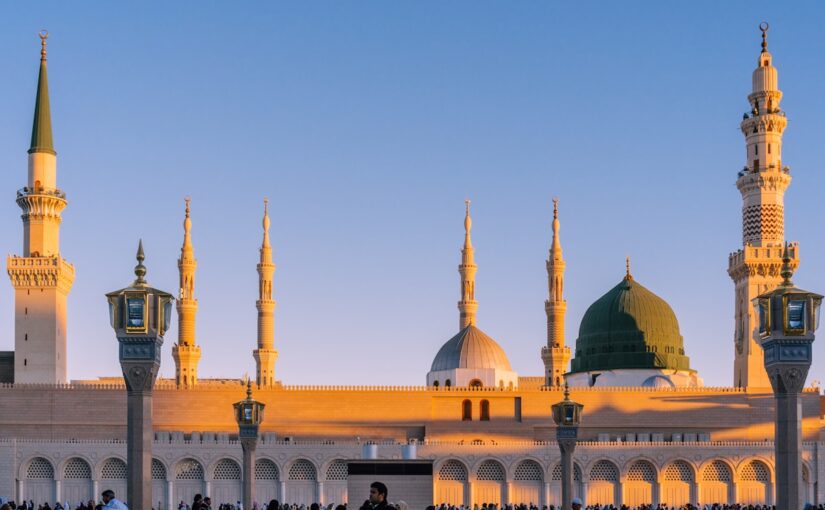
Beautiful green dome of a mosque against a clear blue sky, symbolizing Islamic spirituality and devotion

Full Urdu Lyrics — Mere Aaqa Ka Darbar (میرے آقا کا دربار)

Below are the complete lyrics of Mere Aaqa Ka Darbar in Urdu script. Each verse is presented in the traditional style of naat recitation.

Verse 1

میرے آقا کا دربار ہے کیا کہنا
ہر غمزدہ کا غمخوار ہے کیا کہنا

جو بھی آیا اس در پہ خالی نہ لوٹا
بے شک وہ کریم و غفار ہے کیا کہنا

Verse 2

مدینے کی گلیوں میں اک بار بلا لو
مجھے خاکِ درِ یار میں ملا دو

میری آنکھوں کو دیدار کا شوق ہے ورنہ
یہ دنیا تو بس اک خمار ہے کیا کہنا

Verse 3

تیرے در پہ آ کر میں نے مانگی ہے بخشش
تیری چوکھٹ پہ رکھ دی ہے یہ جانِ ناچیز

جس نے تجھ کو پا لیا اس نے سب کچھ پایا
تیری محبت ہی اک تاج و تخت و تار ہے کیا کہنا

Verse 4

اے شہہِ دیں ، اے رحمتِ عالم
تیرے صدقے میں آیا ہے ہر بے کس و بے درماں

تیرے قدموں کی خاک اپنی آنکھوں کا نور
تیرا در ہی میرا قبلہ و امن و قرار ہے کیا کہنا

Verse 5

جب تذکرہ ہوتا ہے تیرے حسن کا اے محبوب
پھول جھڑتے ہیں الفاظ سے، چاندنی برستی ہے

تجھے رب نے رحمت بنا کر بھیجا ہے
تو خود اک آیت و احکام و اخبار ہے کیا کہنا

Verse 6

میری پیشانی پہ تیرے در کا نشان ہو
میرے سینے میں تیری محبت کا ایمان ہو

دونوں جہاں میں یہی میرا کاروبار ہے
تیرا دامن ہی میرا اعتبار ہے کیا کہنا

Verse 7

جو تجھ سے رشتہ جوڑ لے وہ کبھی بھٹکتا نہیں
جو تیرے در کا مانگنے والا ہو وہ مرتا نہیں

تیری محفل میں بیٹھ کر جو سر جھکا دے
اس کے لئے جنت کا در بار بار ہے کیا کہنا

Verse 8

یا نبی العربی ، یا شفیع المذنبین
آپ کے صدقے میں ملتی ہے ہر غم کی دوا

جس نے آپ کا واسطہ دیا دربارِ حق میں
اس کی حاجت رائیگاں نہ گنوار ہے کیا کہنا

Chorus (Refrain)

میرے آقا کا دربار ہے کیا کہنا
ہر غمزدہ کا غمخوار ہے کیا کہنا

جو بھی آیا اس در پہ خالی نہ لوٹا
بے شک وہ کریم و غفار ہے کیا کہنا

English Translation of Mere Aaqa Ka Darbar

Verse 1 Translation

What can I say about the court of my Master!
The Comforter of every sorrowful soul — what can I say!

Whoever came to this doorstep did not return empty-handed
Indeed, He is the Generous and the All-Forgiving — what can I say!

Verse 2 Translation

Call me once to the streets of Madina
Let me be mixed with the sacred dust of my Beloved’s doorstep

My eyes yearn for the blessed vision — otherwise
This world is nothing but a passing intoxication — what can I say!

Verse 3 Translation

I came to your door seeking forgiveness
I placed this humble soul at your threshold

Whoever found You has found everything
Your love alone is crown, throne, and treasure — what can I say!

Verse 4 Translation

O Leader of Faith, O Mercy to the Worlds
Through your mediation, every helpless and destitute one finds hope

The dust of your blessed feet is the light of my eyes
Your door is my qibla, my peace, my solace — what can I say!

Verse 5 Translation

When Your beauty is mentioned, O Beloved
Flowers fall from words, moonlight descends

Your Lord sent You as a mercy
You Yourself are a living sign, a command, a message — what can I say!

Verse 6 Translation

May the mark of Your doorstep be on my forehead
May the faith of Your love reside in my chest

In both worlds, this is my only trade
Your庇护 is my sole reliance — what can I say!

Verse 7 Translation

Whoever connects with You never goes astray
Whoever begs at Your door never truly dies

Whoever bows their head in Your assembly
For them, the gates of paradise open again and again — what can I say!

Verse 8 Translation

O Prophet of the Arabs, O Intercessor for the Sinners
Through Your mediation comes the cure for every sorrow

Whoever invoked Your name in the Court of Truth
Their need was never wasted nor lost — what can I say!

Chorus Translation

What can I say about the court of my Master!
The Comforter of every sorrowful soul — what can I say!

Whoever came to this doorstep did not return empty-handed
Indeed, He is the Generous and the All-Forgiving — what can I say!

Background and Spiritual Significance

The naat “Mere Aaqa Ka Darbar” draws from the deep well of Islamic spirituality that revolves around love for the Prophet Muhammad (peace be upon him). The repeated refrain “kya kehna” (کیا کہنا / what can I say!) expresses the poet’s recognition that words can never fully capture the magnificence of the Prophet’s station.

The central metaphor of the “darbar” (court/doorstep) is a powerful one in Islamic poetry. It represents the Prophet’s role as an intercessor and a source of divine mercy. In Islamic tradition, the Prophet (PBUH) said: “I am the city of knowledge, and Ali is its gate”, but the concept extends beyond — the Prophet’s very being is a door to Divine mercy. To stand at his doorstep is to stand at the threshold of salvation.

Key themes in this naat include:

  • Intercession (Shafa’at): The belief that the Prophet (PBUH) will intercede for his followers on the Day of Judgment is a cornerstone of Sunni Islamic theology. The naat repeatedly alludes to seeking forgiveness through the Prophet’s mediation.
  • Love for Madina: The longing to visit the Prophet’s city and mosque is a recurring theme. The streets of Madina are sacred because they were walked by the best of creation.
  • Spiritual Poverty (Faquir): The poet presents himself as a beggar at the Prophet’s door — not in material terms, but in spiritual ones. This is the highest form of humility in Islamic mysticism.
  • The Prophet’s Beauty (Husn-e-Nabwi): Reference to the Prophet’s physical and spiritual beauty, a common theme in naat poetry that draws from the rich tradition of describing his blessed appearance.

When and Where to Recite This Naat

“Mere Aaqa Ka Darbar” is suitable for a wide range of Islamic gatherings:

  • Mehfil-e-Milad: Celebrations of the Prophet’s birth (12th Rabi’ al-Awwal) where naats are the centerpiece of the gathering.
  • Eid Milad-un-Nabi: Public processions and conferences marking the Prophet’s birthday.
  • Weekly Durood gatherings: Many communities hold Thursday night or Friday gatherings for Durood and naat recitation.
  • Personal devotion: The naat can be recited during personal worship and moments of spiritual reflection.
  • Islamic events and conferences: Suitable for opening or closing segments.

Why Original Naats Matter

While classic naats like “Tajdar-e-Haram” and “Ya Nabi Salam Alaika” hold an irreplaceable place in Islamic devotional literature, the tradition of writing new naats keeps the spirit of praise alive. Every era produces poets who express their love for the Prophet (PBUH) in their own language, style, and cultural context. This naat stands in that proud tradition — original verses, rooted in authentic Islamic spirituality, written for the contemporary believer.

The Urdu language, with its rich poetic heritage from Ghalib, Iqbal, and the countless poets of the subcontinent, provides an especially beautiful medium for naat writing. The fusion of Persian, Arabic, Turkish, and local vernaculars creates a tapestry of expression uniquely suited to devotional poetry.

Conclusion

“Mere Aaqa Ka Darbar (میرے آقا کا دربار)” is more than just a naat — it is a spiritual journey, a heartfelt plea, and a declaration of love for the final messenger of Allah. Its verses remind us that the Prophet’s door is always open, his mercy always flowing, and his intercession always available to those who sincerely seek it.

May Allah grant us the honor of visiting the Prophet’s blessed city, of standing at his sacred doorstep, and of being counted among his followers on the Day of Judgment. Ameen.

Tajdar-e-Haram (تاجدارِ حرم) — Full Naat Lyrics in Urdu, English Translation and Meaning

Tajdar-e-Haram (تاجدارِ حرم) is one of the most beloved and spiritually uplifting naats in the Islamic world. This beautiful composition, popularised by the acclaimed naat khwan Owais Raza Qadri, is a heartfelt tribute to Prophet Muhammad (peace be upon him). The title translates to “The Crown of the Haram” – a reference to the Prophet’s supreme status as the crown of the sacred sanctuary. The naat has touched millions of hearts across the globe and is recited in Mehfil-e-Milaad gatherings, at mosques, and in personal devotion. Its powerful lyrics express love, devotion, and the deep yearning to be in the blessed presence of the Prophet.

Full Urdu Lyrics of Tajdar-e-Haram

Below are the complete lyrics of Tajdar-e-Haram in Urdu script. Each verse is presented as it is traditionally recited.

Verse 1

تاجدارِ حرم اے تاجدارِ حرم
اپنے در سے نہ مجھ کو نکال ساقیِ کوثر

تاجدارِ حرم اے تاجدارِ حرم
مجھ کو بخشش کا اک ذریعہ بتا دے ساقیِ کوثر

تاجدارِ حرم اے تاجدارِ حرم
مجھے درکار ہے اک جھلک تیرے دیدار کی

تاجدارِ حرم اے تاجدارِ حرم
تیری چوکھٹ پہ ہیں سب کے سب در بہ در

Verse 2

جو تجھ کو پا لے وہ کھو نہیں سکتا
جو تجھ سے جا لگے وہ رو نہیں سکتا

تیرے در کا فقیر بن جاوں تو کیا بات ہے
تیری محبت میں جیوں اور مروں تو کیا بات ہے

تاجدارِ حرم اے تاجدارِ حرم
اپنے در سے نہ مجھ کو نکال ساقیِ کوثر

Verse 3

مدینے کی گلیوں میں اک روز آؤں گا
تیرے قدموں کی خاک اپنی آنکھوں میں لگاؤں گا

تیری محفل میں جا کے میں بیٹھوں گا
تیرے در پہ جا کے میں سر جھکاؤں گا

تاجدارِ حرم اے تاجدارِ حرم
مجھ کو بخشش کا اک ذریعہ بتا دے ساقیِ کوثر

Chorus (Refrain)

تاجدارِ حرم اے تاجدارِ حرم
تیری چوکھٹ پہ ہیں سب کے سب در بہ در

تاجدارِ حرم اے تاجدارِ حرم
اپنے در سے نہ مجھ کو نکال ساقیِ کوثر

English Translation of Tajdar-e-Haram

Verse 1 Translation

O Crown of the Haram, O Crown of the Haram
Do not turn me away from your door, O Saqi of Kawthar

O Crown of the Haram, O Crown of the Haram
Show me some means of forgiveness, O Saqi of Kawthar

O Crown of the Haram, O Crown of the Haram
I seek just one glimpse of your blessed sight

O Crown of the Haram, O Crown of the Haram
At your threshold, everyone stands as a humble beggar

Verse 2 Translation

Whoever finds you can never be lost
Whoever clings to you can never weep

If I become a beggar at your door, what a blessing
If I live and die in your love, what a blessing

O Crown of the Haram, O Crown of the Haram
Do not turn me away from your door, O Saqi of Kawthar

Verse 3 Translation

One day I will walk through the streets of Madina
I will apply the dust of your blessed feet to my eyes

I will sit in your blessed gathering
I will bow my head at your sacred door

O Crown of the Haram, O Crown of the Haram
Show me some means of forgiveness, O Saqi of Kawthar

Chorus Translation

O Crown of the Haram, O Crown of the Haram
At your threshold, everyone stands as a humble beggar

O Crown of the Haram, O Crown of the Haram
Do not turn me away from your door, O Saqi of Kawthar

Meaning and Spiritual Significance

Tajdar-e-Haram is far more than a poetic composition. It carries deep spiritual meaning that resonates with every believer. The term “Tajdar-e-Haram” – the Crown of the Haram – refers to Prophet Muhammad (PBUH) as the most honoured being in the sacred sanctuary. This phrase itself reflects the belief that the Prophet holds the highest status in all of creation.

The repeated reference to “Saqi of Kawthar” is particularly significant. In Islamic tradition, Al-Kawthar is a river in Paradise promised to the Prophet (PBUH). Calling the Prophet the “Saqi” or cupbearer of Kawthar symbolises his role as the intercessor and the source of spiritual nourishment for his followers. The believer is asking not to be turned away from the Prophet’s door – a metaphor for seeking the Prophet’s intercession and being included among his followers on the Day of Judgement.

The plea “Show me some means of forgiveness” highlights a central theme of the naat: human weakness and the need for divine mercy. The believer acknowledges their shortcomings and turns to the Prophet as the means (wasila) through which they hope to attain Allah’s forgiveness. This reflects the Islamic concept of tawassul – seeking closeness to Allah through the love and reverence of His beloved Prophet.

The imagery in verse 3 of walking through the streets of Madina, applying the dust of the Prophet’s footsteps to one’s eyes, and bowing at his door, expresses the deep yearning that every Muslim feels to visit the blessed city of Madina Munawwarah and the Rawdah Mubarak. These lines capture the emotional and spiritual longing that lies at the heart of Islamic devotion.

The naat also teaches humility. The line “At your threshold, everyone stands as a humble beggar” reminds us that regardless of worldly status, every person is spiritually dependent on the mercy of Allah and the intercession of His Prophet.

When to Recite This Naat

Tajdar-e-Haram can be recited at any time, but it holds special significance on the following occasions:

  • During Mehfil-e-Milaad gatherings celebrating the birth of the Prophet (PBUH)
  • In the blessed month of Rabi-ul-Awwal
  • On Fridays (Jumma) as part of devotional recitation
  • During personal worship and spiritual reflection
  • Before or after visiting the Prophet’s Mosque in Madina
  • At Islamic events and religious conferences
  • As part of daily dhikr and remembrance of the Prophet (PBUH)

The naat is particularly moving when recited with devotion and understanding of its meaning. Many people find that listening to or reciting Tajdar-e-Haram brings a sense of peace, spiritual connection, and emotional closeness to the Prophet Muhammad (PBUH).

Whether you are learning it for the first time or have recited it countless times, Tajdar-e-Haram remains a timeless expression of love for the Prophet (PBUH) and a beautiful means of seeking spiritual elevation.

Ya Nabi Salam Alaika (یا نبی سلام علیک) — Naat Lyrics in Urdu with English Translation and Meaning

Introduction — Ya Nabi Salam Alaika (یا نبی سلام علیک)

Ya Nabi Salam Alaika (Arabic/Urdu: یا نبی سلام علیک) is one of the most beloved and widely recited naats across the Muslim world. The title translates to “O Prophet, Peace Be Upon You” — a direct and heartfelt salutation to Prophet Muhammad ﷺ. This naat has been popularized by countless nasheed artists across the globe and has become a staple at gatherings of dhikr, milads, and Islamic events.

The opening refrain — “Ya Nabi Salam Alaika, Ya Rasul Salam Alaika” — is a simple yet profoundly powerful declaration of love and respect for the final Messenger of Allah. Its melodic rhythm and deeply spiritual lyrics have made it a favorite among Muslims of all ages, from young children learning their first naat to elders attending religious gatherings.

This naat transcends linguistic boundaries. While originally composed in Arabic, it has been recited and translated into Urdu, English, Turkish, Malay, and numerous other languages, making it one of the most universal expressions of love for the Prophet ﷺ in the Islamic world.

Background and Origin

The exact origins of “Ya Nabi Salam Alaika” are rooted in the rich tradition of islamic nasheed and naat that emerged from the Arab world and South Asia. The phrase “Ya Nabi Salam Alaika” itself draws directly from the Islamic tradition of sending salawat (blessings) upon the Prophet Muhammad ﷺ, a practice commanded in the Holy Quran:

“Indeed, Allah confers blessing upon the Prophet, and His angels [ask Him to do so]. O you who have believed, ask [Allah to confer] blessing upon him and ask [Allah to grant him] peace.” (Quran 33:56)

Over the centuries, this Quranic commandment inspired poets and musicians to compose beautiful expressions of salawat in various forms. “Ya Nabi Salam Alaika” emerged as one of the most cherished of these compositions. It has been performed by numerous renowned artists, including:

  • Maher Zain — The Swedish-Lebanese singer popularized this naat to a global audience through his album “Thank You Allah” (2009), making it one of the most recognized Islamic nasheeds of the modern era.
  • Mishary Rashid Alafasy — The Kuwaiti imam and nasheed artist has performed powerful renditions that resonate deeply in the Arab world.
  • Sami Yusuf — Often called the “King of Islamic Nasheed,” his version brought the naat to Western Muslim audiences.
  • Various Qawwali artists — The naat has been incorporated into traditional Qawwali performances, especially in the Indian subcontinent.

Despite its modern popularity through these artists, the words of this naat echo centuries of Islamic devotional poetry. The act of calling out “Ya Nabi” (O Prophet) is a deeply rooted practice in Islamic spirituality, reflecting the believer’s yearning for the Prophet’s intercession and blessings.

When and Why This Naat is Recited

Ya Nabi Salam Alaika is recited on numerous occasions, reflecting its versatility and universal appeal:

1. Milad un-Nabi (Mawlid) Celebrations

The naat is a highlight of gatherings celebrating the birth of Prophet Muhammad ﷺ (12th Rabi’ al-Awwal). Its opening call — “Ya Nabi Salam Alaika” — perfectly captures the spirit of rejoicing in the Prophet’s ﷺ birth and sending blessings upon him.

2. Friday Gatherings

Many Muslims recite this naat on Fridays (Jumu’ah), as it is a day of increased salawat upon the Prophet ﷺ. The Prophet ﷺ said: “Send abundant blessings upon me on Friday, for the blessings are presented to me.” (Abu Dawud).

3. Daily Morning and Evening Dhikr

Due to its gentle, reflective melody and profound meaning, many Muslims incorporate this naat into their daily morning and evening remembrance of Allah. The act of sending salam to the Prophet ﷺ at the start and end of each day is considered a means of drawing closer to Allah.

4. Islamic Conferences and Spiritual Gatherings

At religious conferences, spiritual retreats, and Islamic events worldwide, this naat is frequently performed as an opening or closing segment, setting a spiritually uplifting atmosphere.

5. Personal Moments of Reflection

Many individuals recite this naat during moments of personal spiritual reflection, in times of difficulty as a means of seeking the Prophet’s intercession, or simply as a way to fill their homes with the remembrance of Allah and His Messenger ﷺ.

6. Before Travel or Important Undertakings

It is common among the faithful to recite this naat before embarking on a journey, especially before traveling to Madinah Munawwarah to visit the Prophet’s ﷺ blessed mosque.

The Meaning and Significance

“Ya Nabi Salam Alaika” is more than just a beautiful melody — it is a profound spiritual supplication. The central theme is sending salutations of peace (salam) to Prophet Muhammad ﷺ, acknowledging his status as the mercy to all worlds (Rahmatan lil Alameen).

The repetition of the opening line creates a meditative state, allowing the believer to focus entirely on their love for the Prophet ﷺ. In Islamic spirituality, this practice of sending salawat is believed to:

  • Draw down blessings (barakah) into one’s life and home
  • Bring the believer closer to the Prophet ﷺ on the Day of Judgment
  • Serve as a means of having one’s sins forgiven — The Prophet ﷺ said: “Whoever sends blessings upon me once, Allah sends blessings upon him tenfold.” (Muslim)
  • Bring peace to the heart in times of distress and anxiety
  • Strengthen the spiritual connection between the believer and the Prophet ﷺ

The naat beautifully blends traditional Arabic salawat with poetic expressions of love and devotion. It reminds the believer that the ultimate source of intercession and spiritual guidance is found in following the path of Prophet Muhammad ﷺ.

Islamic Context: The Virtue of Sending Salam upon the Prophet ﷺ

In Islamic tradition, sending salawat and salam upon Prophet Muhammad ﷺ is one of the most virtuous acts a believer can perform. The Quran explicitly commands it, and the Prophet ﷺ emphasized its immense rewards.

In addition to the Quranic verse mentioned above, numerous hadith highlight the importance of this practice:

The Prophet ﷺ said: “The nearest of people to me on the Day of Resurrection will be those who send the most blessings upon me.” (Tirmidhi)

He ﷺ also said: “Do not make my grave a place of celebration. Send blessings upon me, for your blessings are conveyed to me wherever you may be.” (Abu Dawud)

“Ya Nabi Salam Alaika” is thus not merely a poem or a song — it is an act of worship, a means of drawing closer to Allah through love for His beloved Prophet ﷺ. When recited with sincerity and understanding, it fulfills the Quranic command and earns immense spiritual rewards.

Full Arabic/Urdu Lyrics — یا نبی سلام علیک (Ya Nabi Salam Alaika)

یا نبی سلام علیک، یا رسول سلام علیک
یا حبیب سلام علیک، صلوٰۃ اللہ علیک

اشرق الانوار من طاہ، و اضائت دار احمد
فبہ قد حصل المقصود، بہ قد حصل المطلوب

طاب وقت الحب یا قوم، ھاتوا اشعار المدام
فھوی المختار قد حاز، کل قلب مستھام

یا نبی سلام علیک، یا رسول سلام علیک
یا حبیب سلام علیک، صلوٰۃ اللہ علیک

طاب ذکر الحب یا قوم، فاذکرو مولی الوری
حبہ للعاشقین النور، یجلو کل صدر

فاشکرو نعمہ اللہ، و علیکم بالصلاۃ
و علی الھادی صلوا، و اذا نادی المنادی

یا نبی سلام علیک، یا رسول سلام علیک
یا حبیب سلام علیک، صلوٰۃ اللہ علیک

سیدی یا جد احمد، یا ابو القاسم ھاشم
یا شفیع الخلق اجمع، یا معین العاجزین

بک قد حازت موالاتی، شرف فی العالمین
فاذا کان رضی اللہ، عنی یا رسول اللہ

یا نبی سلام علیک، یا رسول سلام علیک
یا حبیب سلام علیک، صلوٰۃ اللہ علیک

Roman Transliteration

Ya Nabi Salam Alaika, Ya Rasul Salam Alaika
O Prophet, peace be upon You, O Messenger, peace be upon You

Ya Habib Salam Alaika, Salawatullahi Alaika
O Beloved, peace be upon You, the blessings of Allah be upon You

Ashraqal Anwaru Min Tahi, Wa Ada’atu Daru Ahmad
The lights have shone from Tah (the pure one), and the house of Ahmad is illuminated

Fabi Qad Hasal Maqsood, Bi Qad Hasal Matloob
For through him the goal has been attained, through him the desired has been achieved

Taba Waqtul Hubbi Ya Qawm, Hatu Asha’ral Mudam
Sweet is the time of love, O people, bring forth the verses of eternal joy

Fahawal Mukhtaru Qad Haza, Kullu Qalbin Mustaham
For the love of the Chosen One has captured every enraptured heart

Ya Nabi Salam Alaika, Ya Rasul Salam Alaika
O Prophet, peace be upon You, O Messenger, peace be upon You

Ya Habib Salam Alaika, Salawatullahi Alaika
O Beloved, peace be upon You, the blessings of Allah be upon You

Taba Dhikrul Hubbi Ya Qawm, Fadhkuru Mawlal Wara
Sweet is the remembrance of love, O people, so remember the Master of creation

Hubbahu Lil ‘Ashiqeenan Noor, Yajlu Kulla Sadr
His love is light for the lovers, illuminating every heart

Fashkuru Ni’matallah, Wa Alaykum Bis Salah
So be grateful for the blessings of Allah, and upon you be prayer

Wa ‘Alal Hadi Sallu, Wa Iza Nada Al-Munadi
And send blessings upon the Guide, when the caller calls

Ya Nabi Salam Alaika, Ya Rasul Salam Alaika
O Prophet, peace be upon You, O Messenger, peace be upon You

Ya Habib Salam Alaika, Salawatullahi Alaika
O Beloved, peace be upon You, the blessings of Allah be upon You

Sayyidi Ya Jadda Ahmad, Ya Abal Qasimi Hashim
My master, O ancestor Ahmad, O father of Qasim, the Hashimite

Ya Shafi’al Khalqi Ajma’, Ya Mu’inal ‘Ajizin
O intercessor of all creation, O helper of the helpless

Bika Qad Hazat Mawalati, Sharafan Fil ‘Alameen
Through You, my allegiance has attained honor among the worlds

Fa Iza Kana Radhiyallahu, ‘Anni Ya Rasulallah
For if Allah is pleased with me, O Messenger of Allah

Ya Nabi Salam Alaika, Ya Rasul Salam Alaika
O Prophet, peace be upon You, O Messenger, peace be upon You

Ya Habib Salam Alaika, Salawatullahi Alaika
O Beloved, peace be upon You, the blessings of Allah be upon You

English Translation — Line by Line

Arabic/Transliteration English Translation
Ya Nabi Salam Alaika O Prophet, peace be upon You
Ya Rasul Salam Alaika O Messenger, peace be upon You
Ya Habib Salam Alaika O Beloved, peace be upon You
Salawatullahi Alaika The blessings of Allah be upon You
Ashraqal Anwaru Min Tahi The lights have shone from the Pure One
Wa Ada’atu Daru Ahmad And the house of Ahmad is illuminated
Fabi Qad Hasal Maqsood Through him the ultimate goal is attained
Bi Qad Hasal Matloob Through him the desired has been achieved
Taba Waqtul Hubbi Ya Qawm Sweet is the time of love, O people
Hatu Asha’ral Mudam Bring forth the verses of eternal joy
Fahawal Mukhtaru Qad Haza For the love of the Chosen One has captured
Kullu Qalbin Mustaham Every enraptured and devoted heart
Sayyidi Ya Jadda Ahmad My master, O ancestor Ahmad
Ya Abal Qasimi Hashim O father of Qasim, the Hashimite
Ya Shafi’al Khalqi Ajma’ O intercessor of all creation
Ya Mu’inal ‘Ajizin O helper of the helpless
Bika Qad Hazat Mawalati Through You, my allegiance has attained honor
Sharafan Fil ‘Alameen Honor and dignity among all the worlds

Meaning and Explanation — A Deep Dive

Verse 1: The Call of Love

The naat opens with the powerful repeated refrain — “Ya Nabi Salam Alaika, Ya Rasul Salam Alaika, Ya Habib Salam Alaika, Salawatullahi Alaika.” This is not merely a greeting; it is a profound spiritual invocation. Each title — Nabi (Prophet), Rasul (Messenger), Habib (Beloved) — highlights a different aspect of the Prophet’s ﷺ station. “Nabi” emphasizes his role as the recipient of divine revelation, “Rasul” underscores his mission to convey Allah’s message, and “Habib” reflects the intimate, loving relationship between the Prophet and Allah — for the Prophet ﷺ is called Habibullah (the Beloved of Allah). The closing line, “Salawatullahi Alaika” (the blessings of Allah be upon you), serves as a supplication that Allah’s infinite mercy and blessings descend upon the Prophet ﷺ.

Verse 2: The Light of Prophethood

“Ashraqal Anwaru Min Tahi, Wa Ada’atu Daru Ahmad” — This verse beautifully describes the light of prophethood emanating from the pure being (Tahi — The Pure One, referring to Prophet Muhammad ﷺ). His house, the blessed household of Ahmad, is illuminated by this divine light. In Islamic tradition, the concept of Nur-e-Muhammadi (the Light of Muhammad) holds that the Prophet’s ﷺ light was created before all of creation and serves as the source of all spiritual illumination.

“Fabi Qad Hasal Maqsood, Bi Qad Hasal Matloob” — Through the Prophet ﷺ, the ultimate purpose (maqsood) has been fulfilled and the desired objective (matloob) has been achieved. This refers to the completion of Allah’s final guidance through the Prophet Muhammad ﷺ, who came as the seal of all prophets and brought the final, complete message for humanity.

Verse 3: The Sweetness of Divine Love

“Taba Waqtul Hubbi Ya Qawm” — The poet calls out to the people, declaring that the time of love is sweet. This verse invites all believers to enter into the blessed state of love for the Prophet ﷺ. The mention of “verses of eternal joy” (asha’ral mudam) suggests that the poetry of love for the Prophet is not fleeting but everlasting.

“Fahawal Mukhtaru Qad Haza, Kullu Qalbin Mustaham” — The love of Al-Mukhtar (the Chosen One — another title of the Prophet ﷺ) has captivated every enraptured heart. The word “Mustaham” implies a heart that is deeply in love, almost intoxicated with devotion — a state that Sufi poets often describe as spiritual ecstasy (wajd).

Verse 4: The Call to Remembrance

“Taba Dhikrul Hubbi Ya Qawm, Fadhkuru Mawlal Wara” — The remembrance (dhikr) of love is sweet. The poet urges us to remember the Master of creation (Mawla al-Wara — Allah). This verse connects love for the Prophet ﷺ with the remembrance of Allah, showing that the two are intrinsically linked. One cannot truly love Allah without loving His Prophet ﷺ, and remembering the Prophet ﷺ is a form of remembering Allah.

“Hubbahu Lil ‘Ashiqeenan Noor, Yajlu Kulla Sadr” — His love is light for the lovers, illuminating every heart. This beautiful metaphor describes how the love of the Prophet ﷺ dispels darkness from the heart, bringing clarity, peace, and spiritual illumination.

Verse 5: Supplication and Gratitude

“Sayyidi Ya Jadda Ahmad, Ya Abal Qasimi Hashim” — This verse addresses the Prophet ﷺ by his noble lineage and titles. “Sayyidi” (my master), “Jadda Ahmad” (ancestor of Ahmad — a reference to his lineage), “Abal Qasim” (father of Qasim — his son), and “Hashim” (from the noble tribe of Banu Hashim).

“Ya Shafi’al Khalqi Ajma’, Ya Mu’inal ‘Ajizin” — The Prophet ﷺ is invoked as the intercessor (Shafi’) of all creation and the helper (Mu’in) of the helpless. This acknowledges the Prophet’s ﷺ role on the Day of Judgment, where he will intercede for his ummah, as promised in numerous hadith.

“Bika Qad Hazat Mawalati, Sharafan Fil ‘Alameen” — Through allegiance to the Prophet ﷺ, one attains honor among all the worlds. This powerful declaration asserts that true honor and dignity come not from worldly status, wealth, or power, but from love and devotion to Prophet Muhammad ﷺ.

Virtues of Reciting Ya Nabi Salam Alaika

The recitation of “Ya Nabi Salam Alaika” carries immense spiritual benefits rooted in the Islamic tradition of sending salawat upon the Prophet ﷺ:

  1. Fulfilling a Quranic Command — By reciting this naat, believers fulfill the command of Allah in Quran 33:56 to send blessings and peace upon the Prophet ﷺ.
  2. Tenfold Blessings — The Prophet ﷺ said: “Whoever sends blessings upon me once, Allah sends blessings upon him ten times.” (Muslim). Each line of this naat that invokes salawat brings this reward.
  3. Closeness to the Prophet on Judgment Day — The Prophet ﷺ promised: “The people most worthy of me on the Day of Resurrection are those who send the most blessings upon me.” (Tirmidhi).
  4. Forgiveness of Sins — The Prophet ﷺ said: “Send blessings upon me, for it is purification for you.” (Ahmad). Regular recitation of this naat serves as spiritual purification.
  5. Relief from Anxiety — The remembrance of the Prophet ﷺ brings tranquility to the heart. This naat, with its gentle rhythm and profound meaning, serves as a remedy for spiritual restlessness and anxiety.
  6. Increase in Sustenance — Scholars have noted that sending abundant salawat upon the Prophet ﷺ can be a means of increase in one’s provision (rizq) and blessings in one’s life.

How to Recite Ya Nabi Salam Alaika

This naat is traditionally recited with deep emotion and a melodic, flowing rhythm. Here are some guidelines for recitation:

  • Begin with Durood — Start by reciting Durood (salutations upon the Prophet ﷺ) to enter into a state of blessing and spiritual readiness.
  • Recite with Understanding — Read the Arabic/Urdu lyrics alongside the English translation to fully grasp the profound meaning of each verse.
  • Maintain a Slow, Reflective Pace — Do not rush through the verses. Allow each line to resonate in your heart before moving to the next.
  • Repeat the Refrain with Devotion — The refrain “Ya Nabi Salam Alaika” is the heart of this naat. Repeat it with focused devotion, imagining yourself standing before the blessed Rawdah of the Prophet ﷺ in Madinah.
  • End with Dua — Conclude your recitation with a heartfelt supplication (dua), asking Allah to accept your salawat and grant you the love of the Prophet ﷺ in this life and the next.
  • Listen to Renowned Reciters — For proper pronunciation and melody, listen to versions by Maher Zain, Mishary Rashid Alafasy, or Sami Yusuf.

Conclusion

Ya Nabi Salam Alaika is more than a naat — it is a spiritual lifeline connecting the believer to the beloved Prophet Muhammad ﷺ. Its beautiful refrain, “Ya Nabi Salam Alaika, Ya Rasul Salam Alaika,” echoes the yearning of every Muslim heart to send peace and blessings upon the one who brought mercy to all worlds.

Whether recited in the solitude of one’s home, in the congregation of a mosque, or during the blessed journey to Madinah Munawwarah, this naat carries the power to transform hearts and draw souls closer to their Creator through love for His final Messenger.

May Allah accept our salawat, increase our love for the Prophet ﷺ, and grant us the honor of being among those who will be closest to him on the Day of Resurrection. May we be blessed to recite this naat not only in this world but also in the gardens of Jannah, in the company of the Prophet ﷺ and his blessed companions. Ameen.


This article is dedicated to all lovers of the Prophet Muhammad ﷺ.
If you find any errors in the lyrics or translation, please contact us so we can correct them.

Fida-e-Mustafa (فدائے مصطفیٰ) — Naat Lyrics in Urdu, English Translation and Meaning

Introduction — Fida-e-Mustafa (فدائے مصطفیٰ)

Fida-e-Mustafa (Urdu: فدائے مصطفیٰ) is a deeply heartfelt and spiritually uplifting Urdu naat that expresses complete devotion and sacrifice for Prophet Muhammad ﷺ. The title translates to “Sacrifice for Mustafa” or “Devoted to Mustafa”, capturing the essence of unconditional love for the final Messenger of Allah.

The opening line — “Dono Aalam Jaan O Dil Se Hain Fidaaye Mustafa” — declares that both worlds (this world and the Hereafter), along with one’s life and heart, are a sacrifice for the Prophet ﷺ. This powerful verse sets the tone for a poem that beautifully weaves together themes of devotion, humility, and the unparalleled status of Prophet Muhammad ﷺ.

About the Poet — Khawaja Hameed al-Deen Shahid (خواجہ حمید الدین شاہد)

This beautiful naat was penned by the esteemed Urdu poet Khawaja Hameed al-Deen Shahid (خواجہ حمید الدین شاہد), a poet known for his profound love for the Prophet ﷺ and his mastery of Urdu nazm and naat composition. His poetry is characterized by its emotional depth, elegant phrasing, and the ability to convey the intense spiritual connection between a believer and the beloved Prophet.

Khawaja Hameed al-Deen Shahid’s naats have been recited across the world, resonating deeply with audiences who seek to express their love for the Prophet ﷺ through the beauty of Urdu poetry. “Fida-e-Mustafa” remains one of his most cherished compositions, frequently performed at mehfils (spiritual gatherings) and naat competitions.

Islamic Context: The Virtue of Praising the Prophet ﷺ

In the Islamic tradition, composing and reciting naat (poetry in praise of the Prophet Muhammad ﷺ) is considered a noble act of worship. The Prophet himself ﷺ encouraged poetry that glorifies Allah and praises his virtues. He famously said:

“Indeed, from poetry there is wisdom.” (Sahih al-Bukhari)

The great poet Hassan ibn Thabit (رضي الله عنه) was appointed by the Prophet ﷺ to respond to the poets of the Quraysh, and the Prophet prayed for him: “O Allah, support him with the Holy Spirit.” This tradition continues today through the beautiful art of naat khwani, which Fida-e-Mustafa exemplifies.

This naat encapsulates several core Islamic themes:

  • Tawakkul (Trust in Allah) — Recognizing that love for the Prophet is a path to Allah’s pleasure
  • Ishq-e-Mustafa (Love of the Prophet) — A central tenet of Islamic spirituality
  • Humility before the Prophet — Acknowledging one’s lowliness compared to the Prophet’s lofty station
  • The Hereafter — Seeking intercession and closeness to the Prophet in the next world

Full Urdu Lyrics — فدائے مصطفیٰ (دونوں عالم جان و دل سے ہیں فدائے مصطفیٰ)

دونوں عالم جان و دل سے ہیں فدائے مصطفیٰ

کتنی سادہ کتنی دلکش ہے ادائے مصطفیٰ

آپ کا ہوں، آپ کا ہوں، آپ کا ہوں یا بنی

ہو نہیں سکتا کسی کا آشنائے مصطفیٰ

اس سے بڑھ کر اور کیا ہو گی عطائے کردگار

لب پہ ہے نعتِ نبی، دل میں ولائے مصطفیٰ

بے نیاز قصر و ایوان، دشمنِ جاہ و حشم

فکرِ شاہاں، رشکِ سلطاں ہے گدائے مصطفیٰ

شاہد اس کی زندگی ہے باعثِ صد رشک و ناز

رات دن کرتا ہے دل سے جو ثنائے مصطفیٰ

Roman Transliteration

Dono Aalam Jaan O Dil Se Hain Fidaaye Mustafa
Both worlds, with life and heart, are a sacrifice for Mustafa

Kitni Saada, Kitni Dilkash Hai Adaaye Mustafa
How simple, how charming is the style of Mustafa

Aap Ka Hoon, Aap Ka Hoon, Aap Ka Hoon Ya Bani
I am Yours, I am Yours, I am Yours, O Prophet

Ho Nahin Sakta Kisi Ka Aashnaaye Mustafa
No one else can claim to be a companion of Mustafa

Is Se Barh Kar Aur Kya Ho Gi Ataaye Kirdaar
What greater gift of character can there be

Lab Par Hai Naat-e-Nabi, Dil Mein Walaaye Mustafa
Than having the Naat of the Prophet on one’s lips and love of Mustafa in the heart

Be Niaz Qasr O Aiwan, Dushman-e-Jaah O Hushum
Free from palaces and halls, enemy of status and grandeur

Fikr-e-Shaahan, Rishk-e-Sultan Hai Gadaaye Mustafa
The beggar of Mustafa is the concern of kings and the envy of emperors

Shaahid Us Ki Zindagi Hai Baais-e-Sadr Rishk O Naaz
Witness that the life of such a person is a cause of pride and envy

Raat Din Karta Hai Dil Se Jo Sanaaye Mustafa
Who praises Mustafa from the heart, day and night

English Translation — Line by Line

Verse Translation
Dono Aalam Jaan O Dil Se Hain Fidaaye Mustafa Both worlds, with life and heart, are sacrificed for Mustafa
Kitni Saada, Kitni Dilkash Hai Adaaye Mustafa How simple and how charming is the demeanor of Mustafa
Aap Ka Hoon, Aap Ka Hoon, Aap Ka Hoon Ya Bani I belong to You, I belong to You, I belong to You, O Prophet
Ho Nahin Sakta Kisi Ka Aashnaaye Mustafa No one can truly become an intimate companion of Mustafa (without complete devotion)
Is Se Barh Kar Aur Kya Ho Gi Ataaye Kirdaar What greater gift of character could there be
Lab Par Hai Naat-e-Nabi, Dil Mein Walaaye Mustafa Than having the Prophet’s praise on the lips and the love of Mustafa in the heart
Be Niaz Qasr O Aiwan, Dushman-e-Jaah O Hushum Free from palaces and grand halls, adversary of rank and retinue
Fikr-e-Shaahan, Rishk-e-Sultan Hai Gadaaye Mustafa The beggar of Mustafa is the anxiety of kings and the envy of emperors
Shaahid Us Ki Zindagi Hai Baais-e-Sadr Rishk O Naaz Behold, the life of such a person becomes the source of all pride and jealously
Raat Din Karta Hai Dil Se Jo Sanaaye Mustafa Who day and night, from the depths of the heart, recites the praises of Mustafa

Meaning and Explanation — A Deep Dive

Stanza 1: The Universality of Devotion

The opening couplet declares that both worlds — the temporal world (duniya) and the eternal Hereafter (akhirah) — along with one’s very life (jaan) and heart (dil), are offered as a sacrifice (fida) for Prophet Muhammad ﷺ. The poet then marvels at the Prophet’s character, describing it as both simple (saada) and captivating (dilkash). This contrast reflects the unique nature of the Prophet ﷺ, who despite being the most exalted of creation, lived the simplest of lives.

Stanza 2: Total Belonging

The repeated declaration “Aap Ka Hoon” (I am Yours) three times emphasizes the totality of the poet’s belonging to the Prophet. Addressing him as “Ya Bani” (O Prophet), the poet asserts that such complete devotion leaves no room for any other allegiance. The word “Aashna” implies an intimate friend or companion — a status that cannot be attained without total submission and love.

Stanza 3: The Greatest Gift

The poet reflects on what the greatest gift (ataa) from the Creator (Kirdaar — referring to Allah) could be. The answer is profound: to have the praise of the Prophet (Naat-e-Nabi) on one’s lips and love of Mustafa (Walaaye Mustafa) embedded in one’s heart. This suggests that the ultimate spiritual blessing is not wealth, power, or status, but the constant remembrance and love of the Prophet ﷺ.

Stanza 4: The Dignity of Humility

The poet contrasts worldly grandeur with spiritual wealth. The true lover of the Prophet is unconcerned with palaces (qasr) and halls (aiwan) and is an enemy of status (jaah) and pomp (hasham). Paradoxically, the “beggar of Mustafa” (gadaaye Mustafa) becomes the object of kings’ concern (fikr-e-shaahan) and emperors’ envy (rishk-e-sultan). This echoes the famous Hadith: “Poverty is my pride” (faqri fakhri), highlighting the spiritual dignity found in humility.

Stanza 5: The Eternal Reward

In the final couplet, the poet signs off with his takhallus (pen name) “Shahid”, asserting that the life of one who sings the praises of Mustafa day and night becomes a witness (shaahid) to truth. Such a life becomes the very cause (baais) of pride (rishk) and honor (naaz), suggesting that devotion to the Prophet is not just a religious act but a transformative way of being that elevates one’s entire existence.

Virtues of Reciting This Naat

While no specific hadith mentions this particular poem, the act of reciting and reflecting upon naat carries immense spiritual benefits based on Islamic teachings:

  1. Strengthening Love for the Prophet ﷺ — Allah says in the Quran: “Say, [O Muhammad], ‘If you should love Allah, then follow me, [so] Allah will love you and forgive you your sins.'” (Quran 3:31). Reciting naat cultivates this love.
  2. Increased Blessings — Reciting praise of the Prophet brings blessings (barakah) into one’s life and home.
  3. Spiritual Nourishment — The beautiful imagery of the Prophet’s ﷺ character nourishes the soul and strengthens faith.
  4. Intercession — The Prophet ﷺ said: “The one who sends the most blessings upon me will be the closest to me on the Day of Resurrection.” (Tirmidhi). Naat is one of the most beautiful ways to send blessings upon him.
  5. Peace of Heart — The Quran declares: “Verily, in the remembrance of Allah do hearts find rest.” (Quran 13:28). Remembering the Prophet ﷺ, who is the mercy to all worlds, brings even greater tranquility.

How to Recite Fida-e-Mustafa

This naat is traditionally recited with deep emotion and a slow, melodic rhythm that allows each verse to resonate. Here are some tips for recitation:

  • Begin with Durood (salutations upon the Prophet ﷺ) before starting
  • Recite with understanding — read the translation alongside the Urdu lyrics
  • Maintain a slow pace to reflect on the meaning of each verse
  • The refrain “Dono Aalam Jaan O Dil Se Hain Fidaaye Mustafa” can be repeated for emphasis
  • End with Durood and dua (supplication)

Conclusion

Fida-e-Mustafa by Khawaja Hameed al-Deen Shahid is a masterpiece of Urdu naat poetry that captures the essence of true devotion to the Prophet Muhammad ﷺ. Its verses remind us that the greatest treasure a believer can possess is love for the Prophet, and the most dignified position is to be counted among his devoted followers.

May Allah grant us the ability to truly love His beloved Prophet ﷺ and to live our lives as humble servants who find their greatest pride in being the “gadaaye Mustafa” — the beggars at the door of Mustafa ﷺ. Ameen.


This article is dedicated to all lovers of the Prophet Muhammad ﷺ.
If you find any errors in the lyrics or translation, please contact us so we can correct them.
Sallallahu Alal Mustafa — Naat Lyrics in Urdu, English Translation and Meaning

Sallallahu Alal Mustafa — Naat Lyrics in Urdu

صَلَّى اللّٰہُ عَلَى الْمُصْطَفٰی – یہ عربی نعت شریف سمیع یوسف کی آواز میں دنیا بھر میں مشہور ہے، حالانکہ یہ دراصل ایک روایتی عربی نعت ہے جسے مختلف انداز میں پڑھا اور گایا جاتا ہے۔ اس نعت میں حضور نبی اکرم صلی اللہ علیہ وآلہ وسلم کی ذات والا صفات پر درود و سلام پیش کیا گیا ہے۔

Continue reading Sallallahu Alal Mustafa — Naat Lyrics in Urdu, English Translation and Meaning

Mere Muhammad (میرے محمد) — Naat Lyrics in Urdu, English Translation and Meaning

Introduction

The Naat “Mere Muhammad (میرے محمد)” is one of the most beloved and widely recited Naats in the Islamic world. Recited by the renowned Naat Khawan Owais Raza Qadri, this beautiful Naat expresses deep love, devotion, and longing for Prophet Muhammad ﷺ. Every verse captures the heartfelt emotions of a believer who finds no rest without the remembrance of the Beloved Prophet.

This Naat has touched millions of hearts across the globe and is recited in Mehfil-e-Milad gatherings, Islamic conferences, and daily spiritual routines. Its simple yet profound lyrics make it accessible to people of all ages, while its message of unconditional love for the Prophet ﷺ resonates deeply within the soul.

History and Significance

“Mere Muhammad” was popularized by Owais Raza Qadri, a world-famous Naat Khawan from Pakistan who has dedicated his life to spreading the love of Prophet Muhammad ﷺ through his soulful voice. The Naat is written in a contemporary Urdu style that blends classical poetic elements with modern expression, making it a favourite among young and old alike.

The Naat is often recited during Milad-un-Nabi (the celebration of the Prophet’s ﷺ birth), at Urs gatherings, and in daily assemblies where devotees gather to remember Allah and His Messenger. It has been translated into multiple languages including English, Hindi, and Turkish, reaching audiences far beyond the Urdu-speaking world.

The central theme of “Mere Muhammad” is the spiritual connection between a believer and the Prophet ﷺ. The lyrics speak of a heart that finds peace only in the remembrance of Muhammad ﷺ, of eyes that long to see the blessed city of Madina, and of a soul that seeks intercession through love of the Prophet.

Mere Muhammad (میرے محمد) — Full Naat Lyrics in Urdu

Below are the complete Urdu lyrics of Mere Muhammad as recited by Owais Raza Qadri:

میرے محمد ﷺ تم ہو میرے لیے
دنیا و عقبیٰ کی اک اک گھڑی

تم ہی ملے تو سب کچھ ملا
تم نہ ملے تو کچھ بھی نہیں

میرے محمد ﷺ تم ہو میرے لیے
ہر سانس تم پر فدا ہو نبی

تم ہو مری آنکھوں کی روشنی
تم ہو مرے دل کی دھڑکن نبی

میرے محمد ﷺ تم ہو میرے لیے
کتنا ہے پیارا تمہارا نام

تم سے ہے میری زندگی سنورتی
تم سے ہے میری آخرت سنورتی

میرے محمد ﷺ تم ہو میرے لیے
کتنا ہے پیارا تمہارا دامن

تھام لوں گا تمہارا دامن
چھوڑوں گا نہیں کبھی نبی

میرے محمد ﷺ تم ہو میرے لیے
تم کو چاہوں تو بن جائے بات

تم کو چاہوں تو مل جائے ساتھ
تم کو چاہوں تو مل جائے سب کچھ

میرے محمد ﷺ تم ہو میرے لیے
آؤ مدینے چلیں نبی

روضے پہ جا کر جھکیں نبی
آنکھوں میں بھر لیں دیدار نبی

میرے محمد ﷺ تم ہو میرے لیے
تم سے ہے رونق محفل نبی

تم سے ہے روشن ہر منزل نبی
تم سے ہے میرا ایمان نبی

میرے محمد ﷺ تم ہو میرے لیے

English Transliteration

For those who cannot read Urdu, here is the Roman English transliteration of this beautiful Naat:

Mere Muhammad ﷺ tum ho mere liye
Duniya wa uqba ki ek ek ghari

Tum hi mile to sab kuch mila
Tum na mile to kuch bhi nahi

Mere Muhammad ﷺ tum ho mere liye
Har saans tum par fida ho Nabi

Tum ho meri aankhon ki roshni
Tum ho mere dil ki dhadkan Nabi

Mere Muhammad ﷺ tum ho mere liye
Kitna hai pyara tumhara naam

Tum se hai meri zindagi sanwarti
Tum se hai meri aakhirat sanwarti

Mere Muhammad ﷺ tum ho mere liye
Kitna hai pyara tumhara daaman

Thaam loonga tumhara daaman
Chhoroonga nahi kabhi Nabi

Mere Muhammad ﷺ tum ho mere liye
Tum ko chahoon to ban jaaye baat

Tum ko chahoon to mil jaaye saath
Tum ko chahoon to mil jaaye sab kuch

Mere Muhammad ﷺ tum ho mere liye
Aao Madine chalein Nabi

Rouza pe ja kar jhukein Nabi
Aankhon mein bhar lein deedaar Nabi

Mere Muhammad ﷺ tum ho mere liye
Tum se hai raunaq mehfil Nabi

Tum se hai roshan har manzil Nabi
Tum se hai mera imaan Nabi

Mere Muhammad ﷺ tum ho mere liye

English Translation and Meaning

Verse 1: “Mere Muhammad, tum ho mere liye — Duniya wa uqba ki ek ek ghari”
Meaning: O my Muhammad ﷺ, you are everything to me — in every moment of this world and the Hereafter. The poet expresses that the Prophet ﷺ is the central figure in both worldly and spiritual life.

Verse 2: “Tum hi mile to sab kuch mila — Tum na mile to kuch bhi nahi”
Meaning: If I have found you (O Prophet), I have found everything. If I have not found you, I have found nothing. This powerful line conveys that the love and connection with Prophet Muhammad ﷺ is the ultimate treasure.

Verse 3: “Har saans tum par fida ho Nabi”
Meaning: Every breath is sacrificed for you, O Prophet. This reflects the depth of devotion where every moment of life is dedicated to the love of the Prophet ﷺ.

Verse 4: “Tum ho meri aankhon ki roshni — Tum ho mere dil ki dhadkan”
Meaning: You are the light of my eyes — you are the heartbeat of my heart. This metaphor beautifully illustrates how the Prophet ﷺ is the source of spiritual vision and the very pulse of a believer’s existence.

Verse 5: “Aao Madine chalein Nabi — Rouza pe ja kar jhukein Nabi”
Meaning: Let us go to Madina, O Prophet — let us bow at your blessed tomb. This expresses the profound longing that every believer feels to visit the city of Madina and pay respects at the Rawza Mubarak of the Prophet ﷺ.

Who Wrote This Naat?

The Naat “Mere Muhammad” is popularized by Owais Raza Qadri, one of the most famous Naat Khawans of the modern era. Born in 1989 in Karachi, Pakistan, Owais Raza Qadri belongs to the Qadri Sufi order and is known for his emotional and melodious renditions of Naats that connect deeply with listeners. He is a student of the renowned religious scholar Maulana Ilyas Qadri and his Naats are regularly featured on Madani Channel and other Islamic media platforms worldwide.

When Is This Naat Recited?

“Mere Muhammad” is a versatile Naat recited on many occasions, including:

  • Milad-un-Nabi (12th Rabi-ul-Awwal) — The celebration of the Prophet’s birth
  • Mehfil-e-Milad gatherings — Weekly or monthly congregations of Naat recitation
  • Urs celebrations — Of Awliya Allah (saints) where Naat is recited in their honour
  • Eid Milad events — Around the Islamic world
  • Daily spiritual routine — Many believers listen to this Naat daily as part of their spiritual practice
  • Ramadan and other blessed nights — Particularly during Shab-e-Barat and other sacred occasions

Why Mere Muhammad Is So Special

What makes “Mere Muhammad” stand out among thousands of Naats is its universal appeal. The lyrics are straightforward yet deeply meaningful, making it easy for anyone to connect with. The melody is soul-stirring, and when recited by Owais Raza Qadri, it brings tears to the eyes of listeners. The Naat’s refrain of “Mere Muhammad, tum ho mere liye” strikes directly at the heart, reminding believers that the Prophet ﷺ is not just a historical figure but a living reality in the lives of those who love him.

The Naat has become a staple at Mehfil-e-Milad gatherings globally and enjoys millions of views on digital platforms. It transcends cultural and linguistic boundaries, being equally loved in Pakistan, India, Bangladesh, the UK, the USA, the Middle East, and beyond. Its message of unconditional love and devotion to the Prophet ﷺ makes it timeless.

Frequently Asked Questions

Q: Who recited “Mere Muhammad”?
A: This Naat is famously recited by Owais Raza Qadri.

Q: Is “Mere Muhammad” a Naat or a Manqbat?
A: It is a Naat, as it praises Prophet Muhammad ﷺ.

Q: What language is the Naat in?
A: The Naat is in Urdu with some Arabic phrases.

Q: Where can I listen to this Naat?
A: You can find it on YouTube, Spotify, soundcloud, and various Islamic audio platforms by searching “Mere Muhammad Owais Raza Qadri”.

Q: Can I use these lyrics for my Mehfil?
A: Yes, these lyrics are freely shared to spread the love of Prophet Muhammad ﷺ. You are welcome to use them in your gatherings.

Conclusion

“Mere Muhammad (میرے محمد)” is more than just a Naat — it is a heartfelt expression of love for the greatest human being to ever walk the earth, Prophet Muhammad ﷺ. Its simple yet profound words remind us that true success lies in the love and devotion to our beloved Prophet. May Allah ﷻ grant us all the ability to visit the blessed city of Madina and spend our lives in the love of the Prophet ﷺ. Ameen.

May this Naat bring peace to your heart and strengthen your bond with the Beloved Prophet ﷺ. Share it with your family and friends to spread the blessings.

No schema found.

Woh Mera Nabi Hai (وه میرا نبی ہے) — Naat Lyrics in Urdu, English Translation and Meaning

About the Naat ‘Woh Mera Nabi Hai’

‘Woh Mera Nabi Hai’ (وه میرا نبی ہے) is a beautiful and heartfelt naat that expresses deep love and devotion for Prophet Muhammad (peace be upon him). The title translates to ‘He is My Prophet’ in English. This naat is popular in South Asia and is recited at Milad gatherings, Mehfil-e-Naat events, and in personal worship.

The naat celebrates the unique status of the Prophet as the beloved of Allah, the intercessor for sinners, and the mercy for all worlds. Its lyrics are simple yet profound, making it accessible to people of all ages.

Woh Mera Nabi Hai — Full Urdu Lyrics

وہ میرا نبی ہے، وہ میرا حبیب ہے
وہ مصطفیٰ ہے، وہ شفیع المذنبین ہے

جن کو خدا نے ہدایت کا علم دیا
ان کی محبت میں ہم نے بھی دل دیا
وہ رحمتہ للعالمین ہے
وہ میرا نبی ہے، وہ میرا حبیب ہے

ان کے در پر جو بھی آیا، خالی نہ گیا
جس نے بھی مانگا، اسے بھر کر دیا
وہ باب الحوائج ہے
وہ میرا نبی ہے، وہ میرا حبیب ہے

ان کے صدقے میں یہ دنیا بنی ہے
ان کے صدقے میں رحمت ہوئی ہے
وہ خیر البریہ ہے
وہ میرا نبی ہے، وہ میرا حبیب ہے

دل مدینے کا طالب ہے، یا نبی
روضے پہ جانا ہے مجھے، یا نبی
آپ کے در کا میں گدا ہوں
وہ میرا نبی ہے، وہ میرا حبیب ہے

جب بھی میں ان کا نام لیتا ہوں
دل مرا مسکرانے لگتا ہے
وہ نور مجسم ہے
وہ میرا نبی ہے، وہ میرا حبیب ہے

English Transliteration

Woh mera Nabi hai, woh mera Habeeb hai
Woh Mustafa hai, woh Shafi-al-Muznibeen hai

Jin ko Khuda ne hidayat ka ilm diya
Un ki mohabbat mein hum ne bhi dil diya
Woh Rahmatan Lil Alameen hai
Woh mera Nabi hai, woh mera Habeeb hai

Un ke dar par jo bhi aaya, khali na gaya
Jis ne bhi maanga, usey bhar kar diya
Woh Bab-al-Hawaij hai
Woh mera Nabi hai, woh mera Habeeb hai

Un ke sadqay mein yeh duniya bani hai
Un ke sadqay mein rehmat hui hai
Woh Khayr-al-Bariyyah hai
Woh mera Nabi hai, woh mera Habeeb hai

Dil Madinay ka talib hai, Ya Nabi
Roze pe jana hai mujhe, Ya Nabi
Aap ke dar ka mein gada hoon
Woh mera Nabi hai, woh mera Habeeb hai

Jab bhi mein un ka naam leta hoon
Dil mera muskuranay lagta hai
Woh Noor-e-Mujassam hai
Woh mera Nabi hai, woh mera Habeeb hai

English Translation

Verse 1:
He is my Prophet, he is my Beloved
He is Mustafa (the Chosen One), he is the Intercessor for sinners

Verse 2:
Those whom Allah gave the knowledge of guidance
We have also given our hearts to their love
He is a Mercy for all the worlds
He is my Prophet, he is my Beloved

Verse 3:
Whoever came to his door did not go empty-handed
Whoever asked, he gave abundantly
He is the Door of Needs (one through whom needs are fulfilled)
He is my Prophet, he is my Beloved

Verse 4:
For his sake, this world was created
For his sake, mercy was bestowed
He is the Best of Creation
He is my Prophet, he is my Beloved

Verse 5:
My heart yearns for Madinah, O Prophet
I long to visit your blessed resting place, O Prophet
I am a beggar at your door
He is my Prophet, he is my Beloved

Verse 6:
Whenever I take his name
My heart begins to smile
He is the Embodied Light
He is my Prophet, he is my Beloved

Meaning and Background

The naat ‘Woh Mera Nabi Hai’ is a personal declaration of love and devotion to Prophet Muhammad (peace be upon him). Each verse highlights a different aspect of the Prophet’s blessed personality and his role in creation.

1. The Chosen One and Intercessor: The opening verse describes the Prophet as Mustafa (the Chosen One) and Shafi-al-Muznibeen (the Intercessor for sinners). These titles reflect the Islamic belief that Allah chose the Prophet for his noble mission and that the Prophet will intercede for his followers on the Day of Judgment.

2. Rahmatan Lil Alameen: This phrase is directly from the Quran (Surah Al-Anbiya 21:107), where Allah says, ‘And We have not sent you except as a mercy to the worlds.’ This verse emphasises that the Prophet’s mission was one of mercy for all of creation, not just for humans.

3. Bab-al-Hawaij: The Prophet is described as the Door of Needs. This reflects the belief that turning to the Prophet with sincere love and seeking his intercession is a means of having one’s needs fulfilled by Allah.

4. Created for His Sake: The verse ‘For his sake, this world was created’ reflects a well-known hadith (prophetic tradition) that Allah created the universe for the sake of the Prophet Muhammad. While scholars debate the exact interpretation, the general meaning is that the Prophet is the greatest of creation and the reason for creation’s honour.

5. Longing for Madinah: The fifth verse expresses the deep spiritual longing that Muslims have to visit Madinah and the Prophet’s resting place (Rawza Mubarak). This longing is a common theme in Islamic poetry and reflects the love that believers hold for the Prophet.

6. Noor-e-Mujassam: The Prophet is described as the Embodied Light. This is based on the Islamic understanding that the Prophet’s essence was created from light (noor) and that he illuminates the path of guidance for humanity. The Quran describes the Prophet as a light: ‘There has come to you light from Allah and a clear Book’ (Surah Al-Maidah 5:15).

When to Recite This Naat

‘Woh Mera Nabi Hai’ is suitable for recitation at any time as a form of devotion. It is especially popular during:

  • Milad-un-Nabi gatherings (the Prophet’s birthday)
  • Mehfil-e-Naat events
  • Friday nights and other blessed nights
  • Personal worship and meditation
  • Daily recitation as part of awrad (spiritual practices)

Related Naats

If you enjoyed this naat, you may also like:

Download and Share

Feel free to share these lyrics with friends and family. Understanding the meaning of the naat you recite deepens your connection to the words and to the love of the Prophet. May Allah accept our devotion and grant us the honour of visiting Madinah. Ameen.

Salam Ya Mustafa (السلام علیک یا مصطفیٰ) — Naat Lyrics in Urdu, English Translation and Meaning

About the Naat ‘Salam Ya Mustafa’

‘Salam Ya Mustafa’ (السلام علیک یا مصطفیٰ) is one of the most beloved and widely recited naats in the Islamic world. The title translates to “Peace Be Upon You, O Mustafa” (Mustafa being one of the names of Prophet Muhammad ﷺ, meaning “The Chosen One”).

This naat is a heartfelt expression of love, devotion, and longing for the Prophet Muhammad ﷺ. It is recited by millions of Muslims around the world, especially in South Asia, and is known for its soulful melody and deep emotional impact.

The naat was popularised by famous naat khwans (reciters) and is often heard at gatherings, mosques, and during religious events. Its simple yet profound lyrics make it accessible to people of all ages.

Salam Ya Mustafa — Full Urdu Lyrics

السلام علیک یا مصطفیٰ
السلام علیک یا مجتبیٰ

السلام علیک یا حبیبی
السلام علیک یا شفیع المذنبین

السلام علیک یا طاہر
السلام علیک یا طاہر

السلام علیک یا نور
السلام علیک یا سراج المنیر

السلام علیک یا رحمتہ للعالمین
السلام علیک یا نعمتہ للمؤمنین

السلام علیک یا خیر البریہ
السلام علیک یا خیر الوریٰ

السلام علیک یا شمس الہدیٰ
السلام علیک یا صاحب المعراج

السلام علیک یا صاحب الوسیلہ
السلام علیک یا صاحب الفضیلہ

السلام علیک یا رؤوف الرحیم
السلام علیک یا شفیع عظیم

السلام علیک یا خاتم النبیین
السلام علیک یا امام المرسلین

السلام علیک یا حبیب اللہ
السلام علیک یا نبی اللہ

السلام علیک یا رسول اللہ
السلام علیک یا خلیل اللہ

English Transliteration

Assalamu Alaika Ya Mustafa
Assalamu Alaika Ya Mujtaba

Assalamu Alaika Ya Habibi
Assalamu Alaika Ya Shafi-al-Muznibeen

Assalamu Alaika Ya Tahir

Assalamu Alaika Ya Noor
Assalamu Alaika Ya Siraj-al-Muneer

Assalamu Alaika Ya Rahmatan Lil Alameen
Assalamu Alaika Ya Ni’matan Lil Mu’mineen

Assalamu Alaika Ya Khayr-al-Bariyyah
Assalamu Alaika Ya Khayr-al-Wara

Assalamu Alaika Ya Shams-al-Huda
Assalamu Alaika Ya Sahib-al-Miraj

Assalamu Alaika Ya Sahib-al-Waseelah
Assalamu Alaika Ya Sahib-al-Fadeelah

Assalamu Alaika Ya Ra’oof-ar-Raheem
Assalamu Alaika Ya Shafi-e-Azeem

Assalamu Alaika Ya Khatam-an-Nabiyyeen
Assalamu Alaika Ya Imam-al-Mursaleen

Assalamu Alaika Ya Habib-Allah
Assalamu Alaika Ya Nabi-Allah

Assalamu Alaika Ya Rasool-Allah
Assalamu Alaika Ya Khalil-Allah

English Translation

Salam Ya Mustafa: Peace be upon you, O Mustafa (the Chosen One)

Salam Ya Mujtaba: Peace be upon you, O Mujtaba (the Selected One)

Salam Ya Habibi: Peace be upon you, O my Beloved

Salam Ya Shafi-al-Muznibeen: Peace be upon you, O Intercessor for the sinners

Salam Ya Tahir: Peace be upon you, O Pure One

Salam Ya Noor: Peace be upon you, O Light

Salam Ya Siraj-al-Muneer: Peace be upon you, O Bright Lamp

Salam Ya Rahmatan Lil Alameen: Peace be upon you, O Mercy for all the worlds

Salam Ya Ni’matan Lil Mu’mineen: Peace be upon you, O Blessing for the believers

Salam Ya Khayr-al-Bariyyah: Peace be upon you, O Best of Creation

Salam Ya Shams-al-Huda: Peace be upon you, O Sun of Guidance

Salam Ya Sahib-al-Miraj: Peace be upon you, O Owner of the Ascension

Salam Ya Sahib-al-Waseelah: Peace be upon you, O Owner of the Intercession

Salam Ya Ra’oof-ar-Raheem: Peace be upon you, O Most Kind, Most Merciful

Salam Ya Shafi-e-Azeem: Peace be upon you, O Great Intercessor

Salam Ya Khatam-an-Nabiyyeen: Peace be upon you, O Seal of the Prophets

Salam Ya Imam-al-Mursaleen: Peace be upon you, O Leader of the Messengers

Salam Ya Habib-Allah: Peace be upon you, O Beloved of Allah

Salam Ya Rasool-Allah: Peace be upon you, O Messenger of Allah

The Meaning and Significance

‘Salam Ya Mustafa’ is not just a naat; it is a continuous salutation and greeting to the Prophet Muhammad ﷺ. Each line of the naat begins with “Assalamu Alaika” (Peace be upon you), which is the Islamic greeting of peace. By reciting this naat, the believer sends salutations of peace and blessings upon the Prophet.

The naat uses many of the beautiful names and attributes of the Prophet ﷺ found in the Quran and Hadith. Each name highlights a different aspect of his blessed personality:

  • Mustafa and Mujtaba: Both mean “the Chosen One,” emphasising that Allah chose the Prophet for his noble mission.
  • Noor and Siraj-al-Muneer: The Quran describes the Prophet as a “light” and a “bright lamp” (Surah Al-Ahzab 33:46).
  • Rahmatan Lil Alameen: This is directly from the Quran (Surah Al-Anbiya 21:107), where Allah says, “And We have not sent you except as a mercy to the worlds.”
  • Khatam-an-Nabiyyeen: The Seal of the Prophets, meaning he is the final Prophet sent by Allah (Surah Al-Ahzab 33:40).
  • Shafi (Intercessor): The Prophet will intercede for his followers on the Day of Judgment.

This naat is often recited in gatherings of dhikr (remembrance of Allah) and on special occasions like Milad-un-Nabi (the Prophet’s birthday). Its repetitive structure makes it easy to learn and recite, even for children, while its profound meanings provide deep spiritual nourishment.

You may also enjoy reading other naats on our site, such as Ya Nabi Salam Alayka and Tajdar-e-Haram for more beautiful poetry in praise of the Prophet ﷺ.

When to Recite ‘Salam Ya Mustafa’

There is no fixed time for reciting this naat. Muslims recite it at any time as a form of devotion and love for the Prophet ﷺ. However, it is particularly popular:

  • During gatherings of naat and dhikr
  • On Friday nights and other blessed nights
  • During the month of Rabi-ul-Awwal (the month of the Prophet’s birth)
  • After prayers as a form of salawat (sending blessings upon the Prophet)
  • At spiritual gatherings and urs (death anniversaries of saints)

Check out more naat lyrics in our Naat collection and Naat Lyrics section for other beautiful poems.