
Assubhu Bada (الصبح بدا) — Full Naat Lyrics in Urdu, English Translation and Meaning

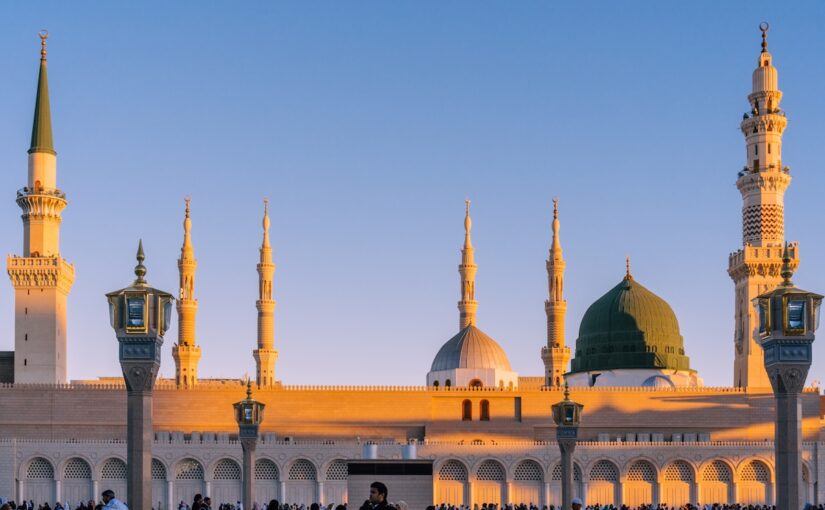
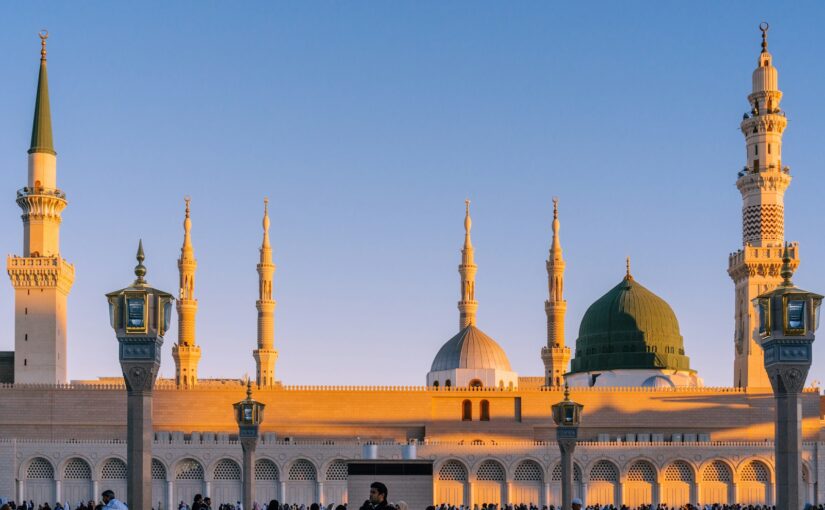
“Assubhu Bada” (الصبح بدا) — meaning “The Morning Has Appeared” — is one of the most beloved traditional Islamic naats ever written. This timeless Arabic naat celebrates the blessed birth and arrival of Prophet Muhammad ﷺ, using the beautiful metaphor of dawn breaking to symbolize the light he brought to a world lost in darkness. Sung by countless artists across the Muslim world — most famously by Mesut Kurtis — this naat has touched millions of hearts and is recited in homes, mosques, and gatherings worldwide.

The poetry is rich with imagery: darkness giving way to light, night being dispelled by a radiant face, and the Prophet ﷺ being described as the sun at its highest zenith. Every verse is a testament to the profound love Muslims hold for the final Messenger of Allah.

The Background of Assubhu Bada

“Assubhu Bada” is a classical Arabic qasida (ode) that has been passed down through generations. Its exact origins trace back to traditional Islamic poetry composed in praise of Prophet Muhammad ﷺ. The title refers to “the morning” (subhu) that “appeared” (bada) — a direct reference to the Prophet ﷺ whose arrival was like the dawn after a long, dark night.

The poem references Yathrib, the former name of Madinah, where the Prophet ﷺ migrated and established the first Islamic state. The naat beautifully weaves together themes of light, guidance, love, and devotion. In the Urdu-speaking world, this naat is extremely popular and is often recited at Milad-un-Nabi (Eid Milad) gatherings, naat nights, and spiritual assemblies.

The chorus — “Ya Rabbi salli wa sallim da’iman abadan / ‘Ala habibika khayril khalqi kullihim” (O Lord, send blessings and peace forever and ever upon Your Beloved, the best of all creation) — is a direct supplication invoking salawat upon the Prophet ﷺ, following the Quranic command in Surah Al-Ahzab (33:56): “Indeed, Allah confers blessing upon the Prophet, and His angels [ask Him to do so]. O you who have believed, ask [Allah to confer] blessing upon him and ask [Allah to grant him] peace.”

Verse 1 — The Dawn of Prophecy

Arabic Lyrics

اَلصُّبْحُ بَدَا مِنْ ثَغْرِ يَثْرِب
وَاللَّيْلُ انْجَلَىٰ عَنْ وَجْهِهِ الْأَشْهَب
وَالنُّورُ بَدَا مِنْ وَجْهِهِ الْمُضِيءِ
كَالشَّمْسِ فِي رَابِعَةِ الْأَبْرُج

Urdu Transliteration

Subhu bada min thaghri yathrib
Wal laylu in jala ‘an wajhihil ash-hab
Wan-nuru bada min wajhihil mudhi’
Kash-shamsi fi raabi’atil abruj

English Translation

The dawn has appeared from the horizon of Yathrib (Madinah)
And the night has been dispelled by his radiant face
Light shines forth from his luminous face
Like the sun in its highest zenith

Meaning

This opening verse is breathtaking in its imagery. “Subhu bada” — the morning appeared — is not just about a literal sunrise. It is the spiritual dawn that came with Prophet Muhammad ﷺ. Yathrib (the pre-Islamic name of Madinah) is mentioned as the place from which this dawn rose, referencing the Hijra (migration) that marked a turning point in Islamic history. The “night” is the age of ignorance (Jahiliyyah) — a time of darkness, oppression, and spiritual emptiness. The Prophet’s ﷺ face is described as “ash-hab” (radiant, luminous), and his light is compared to the sun at its highest point in the sky — unstoppable, undeniable, warming every soul it touches. The verse beautifully establishes the central metaphor of the entire naat: the Prophet ﷺ as light personified.

Chorus — The Blessing Upon the Beloved

Arabic Lyrics

يَا رَبِّ صَلِّ وَسَلِّمْ دَائِمًا أَبَدًا
عَلَىٰ حَبِيبِكَ خَيْرِ الْخَلْقِ كُلِّهِم

Urdu Transliteration

Ya Rabbi salli wa sallim da’iman abadan
‘Ala habibika khayril khalqi kullihim

English Translation

O my Lord, send blessings and peace forever and ever
Upon Your Beloved, the best of all creation

Meaning

This chorus is the heart of the naat — a direct and loving plea to Allah to send salawat (blessings) upon the Prophet ﷺ. The words “da’iman abadan” (forever and ever) emphasize the eternal nature of this blessing. The Prophet ﷺ is described as “habibika” (Your Beloved) — a profound reminder of the special station the Prophet holds with Allah, described in the Quran as the one “who is praised” (Muhammad) and the “Beloved of Allah” (Habibullah). By calling the Prophet ﷺ “khayril khalqi kullihim” (the best of all creation), the poet affirms the Islamic belief that Prophet Muhammad ﷺ is the greatest and most noble of all beings ever created.

Verse 2 — The Taste of Love

Arabic Lyrics

مَنْ ذَاقَ حُبَّهُ عَرَفَ طَرِيقَ الْهُدَىٰ
وَمَنْ أَحَبَّ سَارَ فِي دَرْبِ الْمُصْطَفَىٰ

Urdu Transliteration

Man dhaqa hubbahu ‘arafa tareeqal huda
Wa man ahabba saara fi darbil Mustafa

English Translation

Whoever tastes His love knows the path of guidance
And whoever loves, walks on the path of Mustafa (the Chosen One)

Meaning

This verse speaks to the transformative power of love for the Prophet ﷺ. The word “dhaqa” (tasted) implies an experiential, deeply personal encounter — not just intellectual knowledge but a felt experience of love. The poet suggests that this love is the key to finding guidance (huda). Once a person truly loves the Prophet ﷺ, they naturally begin to follow his path (darbil Mustafa). “Mustafa” means “the Chosen One” — one of the Prophet’s ﷺ most beloved titles. This verse reminds us that love for the Prophet ﷺ is not just emotion; it translates into action. True love means walking his path, embodying his teachings, and living his sunnah.

Verse 3 — The Guide of All Worlds

Arabic Lyrics

طه الرَّسُولُ الْهَادِي وَالْهَادِي لَنَا
يَا سَيِّدَ الْكَوْنَيْنِ يَا مَنْ بِهِ اهْتَدَىٰ

Urdu Transliteration

Taha Rasulul Hadi wal Hadi lana
Ya Sayyidal Kawnayni ya man bihi ihtada

English Translation

Ta-Ha, the Messenger, the Guide, and our Guide
O Master of both worlds, O one through whom guidance is found

Meaning

The verse opens with “Taha” — one of the mysterious letters (huruf al-muqatta’at) from the Quran that begin Surah Ta-Ha (Chapter 20). Islamic scholars have offered various interpretations of these letters, but in the context of this naat, “Taha” is used as an affectionate name for the Prophet ﷺ. The Prophet ﷺ is described as “al-Hadi” (the Guide) — one who shows the way. Repeated twice for emphasis: he is the guide in a universal sense and also our personal guide. “Sayyidal kawnayni” means “Master of both worlds” — this world and the hereafter. The verse affirms the Prophet’s ﷺ supreme station and his role as the means through which humanity finds guidance. “Bihi ihtada” — through him, people are guided — echoes the Quranic verse that the Prophet ﷺ guides to the straight path (Surah Ash-Shura 42:52).

Verse 4 — The Call to Allah

Arabic Lyrics

يَا مَنْ دَعَا لِلَّهِ رَبًّا فَأَسْمَعَا
يَا خَيْرَ مَنْ حَجَّ الْبَيْتَ وَصَلَّىٰ مَعَا

Urdu Transliteration

Ya man da’a lillahi rabban fa asma’a
Ya khayra man hajjal bayta wa salla ma’a

English Translation

O one who called to Allah as Lord and made all hear
O best of those who performed Hajj of the House and prayed together

Meaning

This verse highlights two key aspects of the Prophet’s ﷺ mission: his call to Tawheed (the oneness of Allah) and his role in establishing worship. “Da’a lillahi rabban” refers to the Prophet’s ﷺ invitation to worship Allah alone — the central message of all prophets. “Fa asma’a” — and He made all hear — refers to the Prophet’s ﷺ message reaching far and wide. Despite facing persecution, his call could not be silenced. The second line praises the Prophet ﷺ as the best of those who performed Hajj and prayed — his pilgrimage (Hajjat al-Wida, the Farewell Pilgrimage) was the model for all Muslims, and his prayers were the most perfect. The word “ma’a” (together) may also refer to the Prophet ﷺ praying in congregation, establishing the importance of community worship.

Verse 5 — The Eternal Support

Arabic Lyrics

يَا سَنَدِي يَا سَنَدِي أَنْتَ لِي فِي الزَّمَانِ
وَأَنْتَ لِي مُذْ كُنْتُ فِي عَالَمِ الْأَمَانِ

Urdu Transliteration

Ya sanadi ya sanadi anta li fi-z-zaman
Wa anta li mudh kuntu fi ‘alamil aman

English Translation

O my support, my support, you are for me in all times
And you have been for me since I was in the world of covenant

Meaning

The final verse is deeply personal and emotional. “Sanadi” means “my support” or “my pillar” — the one I lean on. Repeated twice for emphasis, it reflects the poet’s complete reliance on the Prophet ﷺ as an intercessor and spiritual anchor. “Anta li fi-z-zaman” — you are for me in all times — acknowledges that the Prophet’s ﷺ love and support transcend time and circumstance. The second line references “‘alamil aman” — the world of covenant — which alludes to the primordial covenant mentioned in the Quran (Surah Al-A’raf 7:172) when all souls testified to Allah’s lordship. The poet beautifully suggests that their love for the Prophet ﷺ predates this worldly existence — it was written into their soul from the very beginning. This is the ultimate expression of spiritual connection: a love that is eternal, pre-eternal, and woven into the very fabric of one’s being.

The Spiritual Significance

“Assubhu Bada” is more than a beautiful melody — it is a theological masterpiece in poetic form. Every verse is layered with meaning, drawing from Quranic imagery, prophetic tradition, and the depths of Islamic spirituality. The naat teaches us that:

  • The arrival of Prophet Muhammad ﷺ was like the dawn after a long night — bringing light to a world in darkness.
  • Love for the Prophet ﷺ is the key to guidance — when we truly love him, we naturally follow his path.
  • Salawat (sending blessings upon the Prophet ﷺ) is both a command from Allah and a gift from the believer’s heart.
  • The Prophet ﷺ is not just a historical figure but a living source of support and intercession for those who love him.
  • This love is eternal — it existed before this world and will continue into the next.

In Urdu-speaking households across Pakistan, India, and Bangladesh, “Assubhu Bada” holds a special place. It is often the first naat children learn, the one recited at family gatherings, and the one that brings tears to the eyes of the elderly. Its simple yet profound poetry transcends age, culture, and background — speaking directly to the heart of every believer.

Why This Naat is Loved Worldwide

The universal appeal of “Assubhu Bada” lies in its combination of spiritual depth and melodic beauty. Unlike more complex poetic works, its Arabic is relatively accessible, making it easy for non-Arabic speakers to learn and recite. The imagery — dawn, light, the sun, guidance — is universally understood and deeply resonant. The chorus invoking salawat is both a prayer and a declaration of love, repeated like a heartbeat throughout the naat. Mesut Kurtis’s famous rendition introduced this naat to a new generation, and it has since been covered by countless artists including Sami Yusuf, Maher Zain, and many others. In the digital age, “Assubhu Bada” has gone viral multiple times, with millions of YouTube views and shares across social media platforms.

Conclusion

“Assubhu Bada” (الصبح بدا) — The Morning Has Appeared — is a gift to the Muslim ummah. Its verses carry the light of Prophetic love, the warmth of spiritual guidance, and the depth of eternal devotion. Whether you are hearing it for the first time or the thousandth, this naat has the power to move hearts, soften souls, and draw the believer closer to the Beloved Prophet Muhammad ﷺ.

May Allah bless us all with the love of His Messenger ﷺ, guide us on his path, and grant us his intercession on the Day of Judgment. Ameen.


Note: The Arabic lyrics and translations of “Assubhu Bada” may vary slightly between different recitations and traditions. The version presented here is the most widely recognized and recited form.
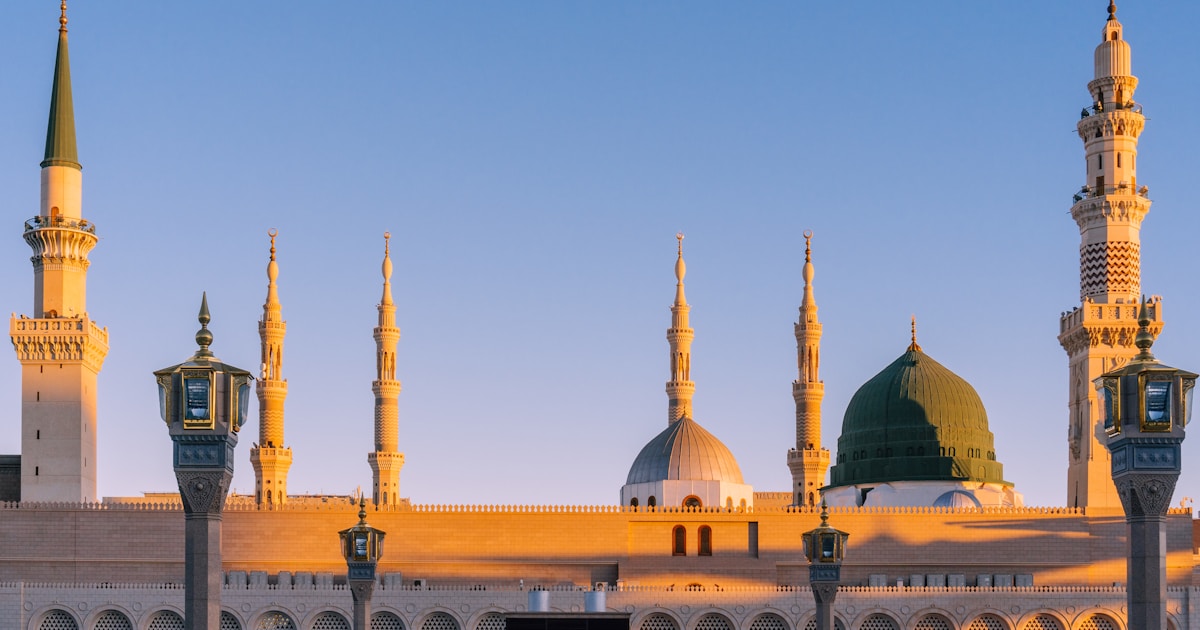
Tajdar-e-Haram (تاجدارِ حرم) — Full Naat Lyrics in Urdu, English Translation and Meaning

Tajdar-e-Haram Naat Lyrics - Islamic Naat in Urdu with English Translation

Introduction

Tajdar-e-Haram (تاجدارِ حرم) — meaning “Crown of the Sacred Sanctuary” — is one of the most beloved Islamic naats in the Urdu-speaking world. Written by the renowned Pakistani naat poet Syed Muhammad Iqbal (a different poet from Allama Iqbal), this naat is a heartfelt tribute to Prophet Muhammad (peace be upon him).

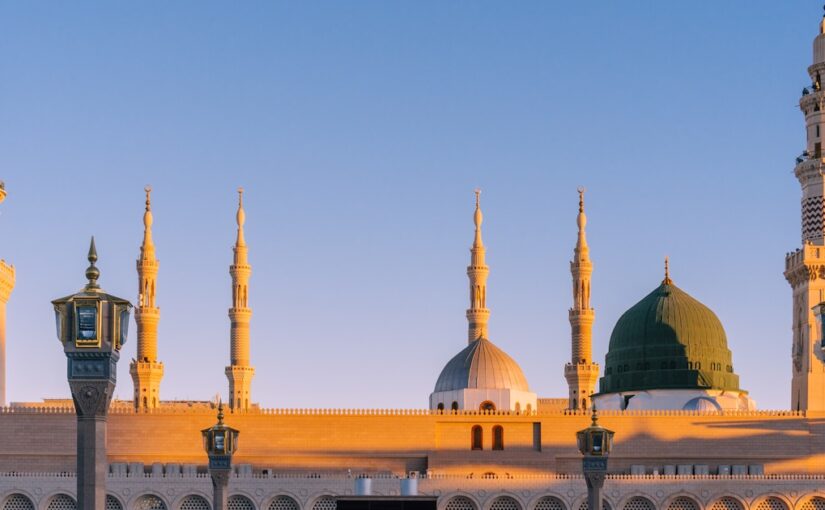
The title itself, Tajdar-e-Haram, refers to the Prophet as the crown and ornament of the sacred sanctuary — a metaphor for his supreme status in the eyes of his followers. The naat beautifully expresses the deep love, devotion, and spiritual connection that believers feel for the Prophet, with Madina Munawwarah as the eternal backdrop of this love.

Below you will find the complete lyrics in Urdu, a Roman/transliteration version for pronunciation, and an English translation with explanation of each verse.

Tajdar-e-Haram — The Poet and Background

Syed Muhammad Iqbal is a celebrated naat poet from Pakistan whose works are recited at naat gatherings and religious events across the subcontinent. His poetry is known for its simplicity, deep reverence, and musical flow. Unlike Allama Iqbal’s philosophical and reformist poetry, Syed Muhammad Iqbal’s naats focus purely on love, praise, and devotion to the Prophet Muhammad (PBUH).

Tajdar-e-Haram has been recited by countless qawwals and naat khwans, including popular renditions by Qari Waheed Zafar, Owais Raza Qadri, and others. Its melody and words have made it a staple at mehfil-e-naat gatherings worldwide.

Tajdar-e-Haram (تاجدارِ حرم) — Full Naat Lyrics

Verse 1

تاجدارِ حرم ہو نگاہِ کرم
ہم پہ ہو آپ کا سایہ کم کم

Tajdar-e-Haram ho nigah-e-karam
Hum pe ho aap ka saaya kam kam

Translation: O Crown of the Sacred Sanctuary, bestow a gracious glance. Let your shadow fall upon us, even if just a little.

Meaning: The poet addresses the Prophet as the crown of Haram (the sacred precincts of Makkah and Madina) and humbly requests even a small portion of his merciful attention and protection.

Verse 2

آپ آقا ہیں ہمارے مدینے والے
کیا کریں گے ہم تم بن سہارے مدینے والے

Aap aaqa hain hamaare Madine waale
Kya karenge hum tum bin sahaare Madine waale

Translation: You are our master, the one from Madina. What will we do without your support, O one from Madina.

Meaning: This verse acknowledges the Prophet as the ultimate leader (aaqa) and the one associated with Madina. It expresses complete dependence on his intercession and spiritual support, asking rhetorically how believers would survive without him.

Verse 3

چاند کہتا ہے تجھے دیکھ کے چاندی ہو گیا
یہ مدینہ ہے یہاں ہر کوئی دیوانہ ہو گیا

Chaand kehta hai tujhe dekh ke chaandi ho gaya
Yeh Madina hai yahan har koi deewana ho gaya

Translation: The moon says, “Seeing you, it turned silver.” This is Madina, where everyone has become enchanted.

Meaning: A beautiful poetic metaphor — the moon itself acknowledges the radiance of the Prophet’s face and says it has turned silver (pale) in comparison. The second line captures the overwhelming spiritual atmosphere of Madina where everyone falls deeply in love with the Prophet.

Verse 4

کتنا خوب ہے نظارہ تمہارے چہرے کا
آپ ہی ہو ہمارا معبود و پیارا

Kitna khoob hai nazaara tumhaare chehre ka
Aap hi ho hamaara mabood o pyaara

Translation: How beautiful is the sight of your face. You alone are our beloved and adored.

Meaning: The poet marvels at the blessed appearance of the Prophet and declares that he is both the object of love (pyaara) and the one worthy of devotion. The word mabood (meaning worshipped or adored) is used in the context of reverential love, not in the sense of divine worship — a common devotional expression in naat poetry.

The Spiritual Significance of Tajdar-e-Haram

Tajdar-e-Haram is more than just poetry — it is a spiritual expression of ishq-e-rasi (love for the Prophet). This love is considered a central tenet of Islamic faith. The naat reminds believers of the Prophet’s role as a mercy to all worlds (Rehmat-ul-Aalameen) and the importance of seeking his intercession (shafa’at).

Each verse builds on the theme of humble supplication. The poet does not ask for worldly riches or status — instead, the request is for a glance of mercy (nigah-e-karam) and the shadow of protection (saaya). This reflects the core of Islamic spirituality: the believer’s ultimate aspiration is closeness to the Prophet and, through him, to Allah.

The mention of Madina in multiple verses is significant. For Muslims, Madina is not just a city — it is the city of the Prophet, the place where he lived, taught, and is buried. It holds a sacred place in the hearts of believers, and visiting it (ziyarat) is considered a tremendous blessing.

Why This Naat is So Popular

Several factors contribute to the enduring popularity of Tajdar-e-Haram:

  • Simple yet profound lyrics: The words are easy to understand but carry deep meaning, making them accessible to people of all ages.
  • Beautiful rhythm: The meter of the poem lends itself well to various musical and vocal renditions, from slow, soulful recitations to energetic qawwali performances.
  • Universal appeal: The themes of love, devotion, and longing for the Prophet resonate across cultures and Islamic traditions.
  • Memorable refrain: The opening line “Tajdar-e-Haram ho nigah-e-karam” is instantly recognizable to anyone familiar with Urdu naat.

Frequently Asked Questions

Who wrote Tajdar-e-Haram?

Tajdar-e-Haram was written by Syed Muhammad Iqbal, a well-known naat poet from Pakistan. He is distinct from the philosopher-poet Allama Muhammad Iqbal.

What does Tajdar-e-Haram mean?

Tajdar-e-Haram translates to “Crown of the Sacred Sanctuary” — referring to the Prophet Muhammad (PBUH) as the crown and ornament of the holy precincts of Makkah and Madina.

Is Tajdar-e-Haram in the Quran?

No, Tajdar-e-Haram is a naat (devotional poem) written in praise of the Prophet Muhammad (PBUH). It is not from the Quran but is a popular composition recited by Muslims around the world.

Can I use these lyrics for my naat recitation?

Yes, the lyrics of Tajdar-e-Haram are widely shared and recited. You are welcome to use them for personal recitation, mehfil-e-naat, or qawwali performances.

Conclusion

Tajdar-e-Haram remains one of the most cherished naats in the Urdu language. Its simple yet powerful verses capture the essence of a believer’s love for the Prophet Muhammad (PBUH). Whether recited in a quiet gathering or sung in a grand qawwali, its words continue to touch hearts and inspire devotion.

We hope this complete lyrics page with Urdu text, Roman transliteration, and English translation helps you understand and appreciate the beauty of this timeless naat.

Ya Ilahi (یا الہی) — Full Naat Lyrics in Urdu, English Translation and Meaning

Ya Ilahi (یا الہی) is a deeply moving Islamic hamd — a devotional poem that directly addresses Allah (SWT) with love, humility, and absolute submission. Recited across the Muslim world in gatherings, mosques, and personal moments of reflection, this naat captures the essence of a believer’s relationship with their Creator: one of surrender, hope, and unwavering trust.

In this post, we present the full Ya Ilahi lyrics in Urdu (Arabic script), along with Roman transliteration for non-Urdu speakers, and a verse-by-verse English translation to help you connect with the meaning of every line.

Ya Ilahi (یا الہی) — The Naat Lyrics

Verse 1 — In Urdu (Arabic Script)

یا الہی یا الہی
تیرا در بہت پیارا
تیرے در پہ آیا ہوں
مرے دل نے پکارا

Roman Transliteration

Ya Ilahi, Ya Ilahi
Tera dar bahut pyara
Tere dar pe aaya hoon
Mere dil ne pukara

English Translation

O my God, O my God,
Your court is so beloved,
I have come to Your doorstep,
My heart has called out to You.


Verse 2 — In Urdu (Arabic Script)

یا الہی یا الہی
تجھ کو دل سے مانا
تو ہے رب سبحانی
تیرے سوا نہ جانا

Roman Transliteration

Ya Ilahi, Ya Ilahi
Tujh ko dil se mana
Tu hai Rab Subhani
Tere siwa na jaana

English Translation

O my God, O my God,
I have accepted You with my heart,
You are the Lord, the Glorious,
I know none apart from You.


Verse 3 — In Urdu (Arabic Script)

یا الہی یا الہی
تو ہے غفور رحیمی
مجھ گنہگار کو بخش
تو ہے عین کریمی

Roman Transliteration

Ya Ilahi, Ya Ilahi
Tu hai Ghafoor Raheemi
Mujh gunahgar ko bakhsh
Tu hai ain Kareemi

English Translation

O my God, O my God,
You are the Oft-Forgiving, the Most Merciful,
Forgive me, this sinful one,
You are the essence of Generosity.


Verse 4 — In Urdu (Arabic Script)

یا الہی یا الہی
تو ہے رازق کریم
مجھ کو دے سمجھ کے
صبر و شکر عظیم

Roman Transliteration

Ya Ilahi, Ya Ilahi
Tu hai Raziq Kareem
Mujh ko de samajh ke
Sabr o shukr azeem

English Translation

O my God, O my God,
You are the Generous Provider,
Grant me, with understanding,
Great patience and gratitude.


Verse 5 — In Urdu (Arabic Script)

یا الہی یا الہی
تو ہے نور الہدیٰ
راستہ دکھا دے مجھ کو
تیری راہ ہے ہدایت

Roman Transliteration

Ya Ilahi, Ya Ilahi
Tu hai Noor-ul-Huda
Rasta dikha de mujh ko
Teri rah hai hidayat

English Translation

O my God, O my God,
You are the Light of Guidance,
Show me the path,
Your way is the true guidance.


Verse 6 — In Urdu (Arabic Script)

یا الہی یا الہی
دل کو سکون عطا کر
درد کو دوائی دے
مجھ کو اپنا بنا لے
ہے یہی التجا در

Roman Transliteration

Ya Ilahi, Ya Ilahi
Dil ko sukoon ata kar
Dard ko dawa de
Mujh ko apna bana le
Yeh hai iltija dar

English Translation

O my God, O my God,
Grant peace to my heart,
Give cure to my pain,
Make me Yours,
This is my earnest plea at Your door.


The Spiritual Meaning and Significance of Ya Ilahi

The naat “Ya Ilahi” is more than poetry — it is a soul-stirring conversation between the believer and their Creator. Every line of this hamd reflects the core teachings of Islam: Tawheed (the Oneness of Allah), Tawbah (repentance), and Tawakkul (trust in Allah).

Complete Submission to the Divine

The opening line “Tera dar bahut pyara” (Your court is so beloved) sets the tone of the entire poem. In Islamic spirituality, the “door” or “court” of Allah symbolizes the ultimate sanctuary — a place where the helpless find shelter, the sinful seek forgiveness, and the broken find healing. Coming to Allah’s door with an open heart is the essence of sincere worship (Ibadah).

The Power of Repentance

The verse “Tu hai Ghafoor Raheemi, mujh gunahgar ko bakhsh” (You are the Oft-Forgiving, the Most Merciful, forgive me, this sinful one) is a beautiful expression of the Islamic concept of repentance. Allah describes Himself in the Quran as Al-Ghafoor (The Ever-Forgiving) and Ar-Raheem (The Most Merciful). This verse reminds the believer that no matter how great one’s sins may be, Allah’s mercy is infinitely greater. As the Quran says: “Say, O My servants who have transgressed against themselves, do not despair of the mercy of Allah. Indeed, Allah forgives all sins” (Quran 39:53).

Seeking Guidance and Light

When the poet says “Tu hai Noor-ul-Huda, rasta dikha de mujh ko” (You are the Light of Guidance, show me the path), it echoes one of the most frequent prayers in the Quran: “Ihdinas-siratal mustaqeem” (Guide us to the straight path) from Surah Al-Fatiha. This is a recognition that human efforts alone are insufficient — true guidance comes only from Allah.

Patience and Gratitude

The request for “Sabr o shukr azeem” (great patience and gratitude) reflects two pillars of the Islamic spiritual journey. The Quran repeatedly pairs patience (Sabr) with gratitude (Shukr) as qualities of the successful believer. Together, they form the foundation of a life lived in conscious awareness of Allah.

Inner Peace and Healing

The closing verses turn to a deeply personal supplication: “Dil ko sukoon ata kar, dard ko dawa de” (Grant peace to my heart, give cure to my pain). This speaks to the human condition — we all carry hidden wounds, anxieties, and struggles. The naat reminds us that the ultimate source of healing is not in material things but in turning to Allah. As the Quran assures: “Verily, in the remembrance of Allah do hearts find rest” (Quran 13:28).

Why Ya Ilahi Resonates Across the Muslim World

Ya Ilahi has been recited by countless voices across generations — from humble village mosques to grand Islamic gatherings. Its beauty lies in its simplicity: the words are easy to memorize, yet they carry profound spiritual depth. Anyone, from a young child memorizing their first naat to an elderly person reflecting on a lifetime of faith, can find meaning in these lines.

The naat transcends cultural and linguistic boundaries. While originally composed in Urdu, its message is universal — the longing of the human soul for its Creator. The repetition of “Ya Ilahi” (O my God) throughout the poem mirrors the rhythm of dhikr (remembrance of Allah), making it not just a poem to read, but a meditation to experience.

Final Reflections

The naat Ya Ilahi is a timeless reminder of what matters most: our relationship with Allah. In a world filled with distractions, material pursuits, and temporary attachments, this hamd calls us back to the One who never leaves us. It is a prayer for forgiveness, a plea for guidance, a request for patience, and a yearning for peace — all wrapped in the simple, repeated call: Ya Ilahi.

We hope this post helps you connect more deeply with the meaning of these beautiful words. Whether you recite them in solitude, in congregation, or simply reflect on their meaning, may the light of Ya Ilahi illuminate your heart.

Download or share this naat: Bookmark this page, share it with family and friends, and keep the spirit of Ya Ilahi alive.

Allahumma inni as’aluka birahmatikal lati wasi’at kulla shay’in an taghfira li.

Allah Hu Allah Hu (اللہ ھو اللہ ھو) — Full Naat Lyrics in Urdu, English Translation and Meaning

Allah Hu Allah Hu is one of the most beloved spiritual naats in the Islamic world. The simple yet profound repetition of Allah’s name creates a deep sense of peace and connection with the Divine. This kalam is a form of dhikr (remembrance of Allah) set to beautiful poetry, often recited in gatherings, mosques and especially during the blessed month of Ramadan.

In this post, we share the full lyrics of Allah Hu Allah Hu in Urdu script, Roman English transcription, English translation and the spiritual meaning behind this powerful naat.

About the Naat

Allah Hu Allah Hu is a Sufi-style naat that focuses entirely on the remembrance of Allah. The phrase “Allah Hu” itself means “He is Allah” – a declaration of His oneness and presence. The repetition of this divine name is a form of meditation that brings the heart closer to the Creator.

This naat does not tell a specific story like some other kalams. Instead, it creates a spiritual atmosphere through the continuous invocation of Allah’s name. It is often recited in Qawwali style and has been popularised by various naat khwans across the world.

If you enjoy this naat, you might also like Hasbi Rabbi – another beautiful kalam about trusting in Allah.

Allah Hu Allah Hu – Urdu Lyrics (اللہ ھو اللہ ھو)

اللہ ھو اللہ ھو
اللہ ھو اللہ ھو

اللہ ھو اللہ ھو
اللہ ھو اللہ ھو

لا الہ الا اللہ
اللہ ھو اللہ ھو

سبحان اللہ الحمد اللہ
اللہ ھو اللہ ھو

لا الہ الا اللہ
اللہ ھو اللہ ھو

اللہ اکبر اللہ اکبر
اللہ ھو اللہ ھو

ہر چیز فنا ہو گی
باقی ہے صرف اللہ ھو

اللہ ھو اللہ ھو
اللہ ھو اللہ ھو

Roman English Transcription

Allah Hu Allah Hu
Allah Hu Allah Hu

Allah Hu Allah Hu
Allah Hu Allah Hu

La ilaha illallah
Allah Hu Allah Hu

SubhanAllah Alhamdulillah
Allah Hu Allah Hu

La ilaha illallah
Allah Hu Allah Hu

Allahu Akbar Allahu Akbar
Allah Hu Allah Hu

Har cheez fana ho gi
Baaqi hai sirf Allah Hu

Allah Hu Allah Hu
Allah Hu Allah Hu

English Translation

Allah Hu Allah Hu – He is Allah, He is Allah

Allah Hu Allah Hu – He is Allah, He is Allah

La ilaha illallah – There is no god but Allah
Allah Hu Allah Hu – He is Allah, He is Allah

SubhanAllah Alhamdulillah – Glory be to Allah, all praise is for Allah
Allah Hu Allah Hu – He is Allah, He is Allah

La ilaha illallah – There is no god but Allah
Allah Hu Allah Hu – He is Allah, He is Allah

Allahu Akbar Allahu Akbar – Allah is the Greatest, Allah is the Greatest
Allah Hu Allah Hu – He is Allah, He is Allah

Har cheez fana ho gi – Everything will perish
Baaqi hai sirf Allah Hu – Only Allah remains, He is Allah

Meaning and Spiritual Significance

The beauty of Allah Hu Allah Hu lies in its simplicity. The entire kalam revolves around the core message of Islam: the oneness of Allah. Each verse reminds the listener of different aspects of Allah’s greatness.

The repetition of “Allah Hu” is a form of dhikr. In Islamic spirituality, reciting Allah’s name repeatedly purifies the heart and brings peace to the soul. The Quran itself says, “Verily, in the remembrance of Allah do hearts find rest” (Surah Ar-Ra’d, 13:28).

The line “Har cheez fana ho gi, Baaqi hai sirf Allah Hu” carries a deep message. It reminds us that everything in this world is temporary. Wealth, status, relationships – all will come to an end. Only Allah is eternal. This verse encourages humility and helps the believer stay focused on what truly matters in life.

When to Recite This Naat

Allah Hu Allah Hu can be recited at any time. Many people recite it during:

  • Fajr and evening prayers for a peaceful start and end to the day
  • Ramadan nights and Taraweeh breaks
  • Spiritual gatherings and mehfils
  • Moments of stress or anxiety when the heart needs calm

The gentle rhythm of this kalam makes it ideal for group recitation. It brings people together in a shared act of worship and creates a powerful atmosphere of spirituality.

If you are looking for more nasheeds and naats for Ramadan, read our collection of Ya Rasool Allah lyrics for another beautiful kalam.

Popular Reciters

Several well-known naat khwans have recited Allah Hu Allah Hu. Each brings their own style while keeping the core message intact. Qawwali legends like Nusrat Fateh Ali Khan have performed variations of this kalam that are loved worldwide. Modern artists continue to release new renditions that reach younger audiences while preserving the spiritual essence.

Final Thoughts

Allah Hu Allah Hu is more than just a naat. It is a spiritual practice wrapped in poetry. The continuous remembrance of Allah’s name brings barakah into your day and strengthens your faith. Whether you recite it alone in your room or in a gathering of believers, the effect is the same – peace that fills the heart.

We hope you enjoyed these lyrics. Bookmark this page and share it with others who love naat recitation. For more beautiful kalams, take a look at Mera Dil Badal De and Mujhe Le Chal Madina.

Mujhe Le Chal Madina (مجھے لے چل مدینہ) — Full Naat Lyrics in Urdu, English Translation and Meaning

Mujhe Le Chal Madina is a beautiful and emotional naat that expresses a deep longing to visit the city of Madina and the blessed mosque of the Prophet Muhammad (peace be upon him). This naat captures the love and yearning that millions of Muslims feel for Madina. In this article, you will find the full lyrics in Urdu, roman English transliteration and the English translation with meaning.

About the Naat

Mujhe Le Chal Madina is a popular naat recited by various naat khwans across the world. The lyrics speak from the heart of a believer who desperately wants to visit the holy city of Madina and offer salaam at the blessed resting place of the Prophet (PBUH). The naat highlights the spiritual connection that Muslims have with Madina and the desire to be in the presence of the Prophet.

The theme of this naat revolves around love for the Prophet Muhammad (PBUH) and the sacred city of Madina. It reminds us of the blessings of visiting the Prophet’s Mosque and the peace that fills the heart when one thinks of Madina.

If you enjoy this naat, you may also like reading Meri Zindagi Hai Madina, another beautiful naat about the love for Madina.

Mujhe Le Chal Madina — Urdu Lyrics (مجھے لے چل مدینہ)

مجھے لے چل مدینہ یا رسول اللہ ﷺ
تری محبتوں میں ڈبو دے یا رسول اللہ ﷺ

مدینہ جانے کو جی کرتا ہے
مدینہ جانے کو دل چاہے
مدینے والے سے ملنے کو
مرا دل بے قرار آئے

مجھے لے چل مدینہ یا رسول اللہ ﷺ
تری محبتوں میں ڈبو دے یا رسول اللہ ﷺ

نظر آئے گا جب مدینہ
تو آنکھیں نم ہو جائیں گی
حرم کا دیدار ہوگا تو
دعائیں لب پہ آئیں گی

مجھے لے چل مدینہ یا رسول اللہ ﷺ
تری محبتوں میں ڈبو دے یا رسول اللہ ﷺ

وہاں گنبد خضریٰ کا سایہ
ہر اک مومن پہ ہے
وہ بخشش کا سامان لے جاتا ہے

مجھے لے چل مدینہ یا رسول اللہ ﷺ
تری محبتوں میں ڈبو دے یا رسول اللہ ﷺ

یہ دنیا ایک فانی ہے
کسی کو ساتھ لے کر نہیں جانی
مدینے جا کے بس جاؤں
یہی ہے آرزو میری

مجھے لے چل مدینہ یا رسول اللہ ﷺ
تری محبتوں میں ڈبو دے یا رسول اللہ ﷺ

Roman English Transliteration

Mujhe le chal Madina ya Rasool Allah ﷺ
Teri mohabbaton mein dooba de ya Rasool Allah ﷺ

Madina jaane ko ji karta hai
Madina jaane ko dil chahe
Madine waley se milne ko
Mera dil beqarar aaye

Mujhe le chal Madina ya Rasool Allah ﷺ
Teri mohabbaton mein dooba de ya Rasool Allah ﷺ

Nazar aayega jab Madina
To aankhen nam ho jayengi
Haram ka deedar hoga to
Duaen lab pe aayengi

Mujhe le chal Madina ya Rasool Allah ﷺ
Teri mohabbaton mein dooba de ya Rasool Allah ﷺ

Wahan gumbad-e-khazra ka saya
Har ek momin par hai
Madine mein jo bhi jaata hai
Woh bakhshish ka samaan le jaata hai

Mujhe le chal Madina ya Rasool Allah ﷺ
Teri mohabbaton mein dooba de ya Rasool Allah ﷺ

Yeh duniya aik faani hai
Kisi ko saath le kar nahi jaani
Madine ja ke bas jaoon
Yahi hai aarzoo meri

Mujhe le chal Madina ya Rasool Allah ﷺ
Teri mohabbaton mein dooba de ya Rasool Allah ﷺ

English Translation

Take me to Madina, O Messenger of Allah ﷺ
Immerse me in Your love, O Messenger of Allah ﷺ

My heart yearns to go to Madina
My soul desires to go to Madina
To meet the one who resides in Madina
My heart becomes restless

Take me to Madina, O Messenger of Allah ﷺ
Immerse me in Your love, O Messenger of Allah ﷺ

When Madina comes into sight
My eyes will fill with tears
When I see the sacred Haram
Supplications will flow from my lips

Take me to Madina, O Messenger of Allah ﷺ
Immerse me in Your love, O Messenger of Allah ﷺ

The shade of the Green Dome
Covers every believer there
Whoever goes to Madina
Carries with them the means of forgiveness

Take me to Madina, O Messenger of Allah ﷺ
Immerse me in Your love, O Messenger of Allah ﷺ

This world is temporary
No one can take anyone along
To settle in Madina forever
That is my only wish

Take me to Madina, O Messenger of Allah ﷺ
Immerse me in Your love, O Messenger of Allah ﷺ

Meaning and Background

The naat “Mujhe Le Chal Madina” is a heartfelt appeal to the Prophet Muhammad (PBUH) to be taken to the blessed city of Madina. The poet expresses a deep spiritual longing that many Muslims feel. Madina is not just a city; it is the home of the Prophet’s Mosque, the place where the early Muslim community was established and the final resting place of the Prophet (PBUH).

The repeated refrain “Ya Rasool Allah” shows the direct address to the Prophet, expressing love and devotion. The mention of the Green Dome refers to the iconic green dome built over the Prophet’s tomb in Masjid al-Nabawi.

The naat also carries a message about the temporary nature of this world. The poet says that this world is temporary and nothing can be taken with us. The ultimate wish is to settle in Madina and be close to the Prophet (PBUH). This reflects the Islamic belief that the love of the Prophet is central to faith.

For more beautiful naats, check out Madina Jaane Ko Dil Karta Hai and Mere Dil Mein Hai Madina.

When to Recite This Naat

Mujhe Le Chal Madina is often recited at Milad gatherings, during Islamic events and at naat competitions. It is also a favourite for personal recitation, especially when someone is preparing for Umrah or Hajj. The emotional tone of the naat makes it suitable for gatherings where the love of the Prophet (PBUH) is celebrated.

You can find many beautiful renditions of this naat on YouTube and Islamic audio platforms. Different reciters bring their own style and emotion to the verses, making each version unique.

For another naat about Madina, you may enjoy Dil Hai Madine Chal.

Mere Aaqa Lyrics in Urdu – میرا آقا کا نعت کلام (Full Translation & Meaning)

Introduction

Mere Aaqa” (میرے آقا) is a deeply emotional and soul-stirring naat in praise of Prophet Muhammad ﷺ. The phrase “Mere Aaqa” translates to “My Master” or “My Lord” — a term of profound love and reverence that a believer addresses to the beloved Prophet. This naat expresses the longing, devotion, and unconditional love that Muslims hold for Rasulullah ﷺ.

The naat speaks of the Prophet as the ultimate source of guidance, mercy, and intercession. Its verses capture the essence of Ishq-e-Rasool — the love for the Prophet — and remind the listener of the spiritual connection that transcends time and space. The lyrics are a heartfelt plea for the Prophet’s intercession and a declaration of unwavering faith.

This beautiful naat is recited in various styles across the Muslim world, often in gatherings of Milad and Qawwali. Its simple yet powerful words make it accessible to people of all ages, allowing everyone to join in the praise of the Greatest of Creation, Sayyidina Muhammad ﷺ.

Urdu Lyrics — میرے آقا کا نعت کلام

میرے آقا، میرے آقا
آپ کی ذات پہ میں نے دل لٹایا
میرے آقا، میرے آقا

آپ کی ذات سے ملتا ہے سکون دل کو
آپ کی یاد سے ملتی ہے راحت جان کو
میرے آقا، میرے آقا

دامنِ مصطفیٰ تھام لیا ہے میں نے
بھیڑ میں آپ ہی کام آئیں گے
میرے آقا، میرے آقا

کیسا ہے کرم آپ کا، کیسی ہے عنایت
میری حسرتوں کا ساماں آپ نے کیا
میرے آقا، میرے آقا

آپ کی نظرِ کرم ہو، آپ کی رحمت ہو
دونوں جہاں میں بس یہی آرزو ہے
میرے آقا، میرے آقا

بے کسوں کے سہارے، غمزدوں کے شریک
آپ کا در ہے پناہ گاہ ہماری
میرے آقا، میرے آقا

جب سانسوں کی ڈور ٹوٹے، جب دنیا سے جانا
آپ کا دامن ہو تھامے، بس یہی دعا ہے
میرے آقا، میرے آقا

Roman Transliteration

Mere Aaqa, Mere Aaqa
Aap ki zaat pe maine dil lutaya
Mere Aaqa, Mere Aaqa

Aap ki zaat se milta hai sukun dil ko
Aap ki yaad se milti hai rahat jaan ko
Mere Aaqa, Mere Aaqa

Daaman-e-Mustafa thaam liya hai meine
Bheer mein aap hi kaam aayenge
Mere Aaqa, Mere Aaqa

Kaisa hai karam aap ka, kaisi hai inaayat
Meri hasrato ka saamaan aap ne kiya
Mere Aaqa, Mere Aaqa

Aap ki nazar-e-karam ho, aap ki rehmat ho
Dono jahaan mein bas yahi aarzoo hai
Mere Aaqa, Mere Aaqa

Bekason ke sahare, ghamzadon ke shareek
Aap ka dar hai panah gaah hamari
Mere Aaqa, Mere Aaqa

Jab saanson ki dor toote, jab duniya se jaana
Aap ka daaman ho thaame, bas yahi dua hai
Mere Aaqa, Mere Aaqa

English Translation

Verse 1:
My Master, My Master
Upon Your being, I have sacrificed my heart
My Master, My Master

Verse 2:
From Your being comes peace to the heart
From Your remembrance comes comfort to the soul
My Master, My Master

Verse 3:
I have grasped the cloak of Mustafa (ﷺ)
In the crowd (of the Day of Judgment), only You will help me
My Master, My Master

Verse 4:
What grace is Yours, what kindness
You have arranged for all my desires
My Master, My Master

Verse 5:
May Your gracious gaze be upon me, may Your mercy be upon me
In both worlds, this is my only wish
My Master, My Master

Verse 6:
Support of the helpless, companion of the sorrowful
Your court is our sanctuary
My Master, My Master

Verse 7:
When the thread of breath breaks, when I must leave this world
May I be holding Your cloak — this is my only prayer
My Master, My Master

Meaning and Significance

The naat “Mere Aaqa” holds a special place in the hearts of Muslims because it reflects the deep, personal connection between a believer and the Prophet Muhammad ﷺ. The repeated refrain “Mere Aaqa” (My Master) is not just a title — it is an acknowledgment of the Prophet’s lofty station and a declaration of servitude to his spiritual leadership.

Each verse of this naat touches upon different aspects of a believer’s relationship with the Prophet:

  • Sacrifice of Heart: The opening lines speak of sacrificing one’s heart upon the Prophet — meaning to dedicate one’s entire being and love to him, as commanded by Allah in the Quran: “Say, if your fathers, your sons… are dearer to you than Allah and His Messenger… then wait until Allah brings about His command” (Quran 9:24).
  • Peace and Comfort: The second verse highlights the peace that comes from the Prophet’s remembrance. This echoes the Quranic verse: “Verily, in the remembrance of Allah do hearts find rest” (Quran 13:28). The Prophet ﷺ is the living embodiment of that remembrance.
  • Holding the Cloak: The imagery of grasping the Prophet’s cloak (daaman-e-Mustafa) is a powerful metaphor for seeking intercession and holding firmly onto the Sunnah. It reflects the belief that the Prophet’s intercession (shafa’ah) will save believers on the Day of Judgement.
  • Divine Grace: The verses about grace and kindness acknowledge that all good in a believer’s life comes through the barakah (blessing) of following the Prophet ﷺ.
  • Final Hope: The concluding verse is perhaps the most emotional — it asks that at the moment of death, the believer’s last attachment be to the Prophet. This reflects the deep desire to die with imaan (faith) and in the love of Rasulullah ﷺ.

Reciting “Mere Aaqa” is a form of dhikr (remembrance) that strengthens one’s spiritual connection. It is often recited in gatherings, before travel, or during times of difficulty as a means of seeking the Prophet’s spiritual assistance. Scholars remind us that while we ask the Prophet for intercession, we recognize that all power ultimately comes from Allah, and the Prophet ﷺ is the chosen means through which Allah’s mercy flows to the believers.

In Islamic tradition, composing and reciting naat is a form of expressing love for the Prophet ﷺ, which is itself an act of worship. The Quran says: “Indeed, Allah and His angels send blessings upon the Prophet. O you who believe, send blessings upon him and greet him with peace” (Quran 33:56). Naat like “Mere Aaqa” are a beautiful way of fulfilling this command.

May Allah grant us the ability to truly love His Prophet ﷺ and to be among those who will be under his blessed banner on the Day of Judgement. Ameen.

Hasbi Rabbi (حسبی ربی) — Full Naat Lyrics in Urdu, English Translation and Meaning

Hasbi Rabbi (حسبی ربی) is one of the most beloved and widely recited Islamic naats in the Muslim world. Known for its deeply spiritual and soulful melody, this naat has touched the hearts of millions. The phrase “Hasbi Rabbi Jallallah, Ma fi qalbi ghairullah” translates to “Sufficient for me is my Lord, Glorious is Allah — there is none in my heart except Allah.”

This naat expresses a believer’s complete reliance on Allah Almighty. It is a beautiful declaration of faith, contentment, and love for the Creator. The lyrics are simple yet profound, making it one of the most popular naats recited in gatherings, mosques, and Islamic events worldwide.

Hasbi Rabbi: Background and Meaning

The phrase “Hasbi Rabbi” (حسبی ربی) literally means “My Lord is sufficient for me.” It reflects a state of complete trust and submission to Allah. When a believer says these words, they are expressing that Allah is enough — enough for protection, provision, guidance, and mercy. The naat beautifully combines this profound meaning with a melody that resonates deep within the soul.

Many renowned Islamic singers and naat reciters have performed Hasbi Rabbi, making it a timeless classic. It is often recited during gatherings of dhikr, in mosques, and at religious events in South Asia and beyond. The simple repetition of the core lines allows listeners to focus on the meaning and connect spiritually.

Islamic calligraphy art
Islamic calligraphy — the art of beautiful writing used to preserve the words of Allah

Hasbi Rabbi Naat Lyrics — Full Text

Below are the complete lyrics of Hasbi Rabbi in the original Arabic script (as used in Urdu), along with Roman English transliteration and English translation.

Verse 1 — The Core Chant

Language Text
Arabic / Urdu Script حسبی ربی جل اللہ
ما فی قلبی غیر اللہ
نور محمد صلی اللہ
ما فی قلبی غیر اللہ
Roman / Transliteration Hasbi Rabbi Jallallah
Ma fi qalbi ghairullah
Noor-e-Muhammad Sallallah
Ma fi qalbi ghairullah
English Translation Sufficient for me is my Lord, Glorious is Allah
There is none in my heart except Allah
The light of Muhammad, peace be upon him
There is none in my heart except Allah

Verse 2 — Declaration of Faith

Language Text
Arabic / Urdu Script لا الہ الا اللہ
محمد رسول اللہ
ہر دل میں ہے یہ صدا
ما فی قلبی غیر اللہ
Roman / Transliteration La ilaha illallah
Muhammadur Rasulullah
Har dil mein hai yeh sada
Ma fi qalbi ghairullah
English Translation There is no god but Allah
Muhammad is the Messenger of Allah
In every heart is this call
There is none in my heart except Allah

Verse 3 — Love for the Prophet

Language Text
Arabic / Urdu Script مصطفیٰ جان رحمت
پر نور ان کی ذات
دل میں بس گیا ہے
ما فی قلبی غیر اللہ
Roman / Transliteration Mustafa Jaan-e-Rahmat
Pur noor un ki zaat
Dil mein bas gaya hai
Ma fi qalbi ghairullah
English Translation Mustafa, the beloved of mercy
His being is filled with light
He has settled in my heart
There is none in my heart except Allah
Beautiful mosque at night with crescent moon
A beautiful mosque illuminated at night — a reminder of the peace found in worship

The Spiritual Significance of Hasbi Rabbi

Hasbi Rabbi is not just a naat — it is a spiritual invocation (dhikr) that reminds believers of the ultimate sufficiency of Allah. The phrase “Hasbi Allah” appears in the Holy Quran, where Allah instructs the believers to say:

“Hasbunallah wa ni’mal wakeel”
(Allah is sufficient for us, and He is the best Disposer of affairs)
— Surah Al-Imran 3:173

This connection to the Quran gives the naat a profound depth. When reciting Hasbi Rabbi, a believer is echoing the words of Prophet Ibrahim (AS) and the companions of the Prophet Muhammad (PBUH), who placed their complete trust in Allah in times of difficulty.

The line “Ma fi qalbi ghairullah” (There is nothing in my heart except Allah) speaks to the purification of the heart — the highest spiritual station where a believer’s heart is cleared of all worldly attachments and filled only with the love of Allah. This is known as tazkiyah (purification of the soul) in Islamic spirituality.

The mention of “Noor-e-Muhammad Sallallah” connects the naat to the love of the Prophet Muhammad (PBUH), whose light (noor) is a central theme in Islamic poetry and spirituality. The Prophet (PBUH) is described as a “light-giving lamp” (sirajun munir) in the Quran:

“O Prophet, indeed We have sent you as a witness and a bringer of good tidings and a warner. And one who invites to Allah, by His permission, and an illuminating lamp.”
— Surah Al-Ahzab 33:45-46

Who Recites Hasbi Rabbi?

Hasbi Rabbi has been performed by many distinguished naat reciters over the years. Some of the most popular renditions include:

  • Owais Raza Qadri — His soulful rendition of Hasbi Rabbi is among the most listened-to naats online, with millions of views.
  • Qari Waheed Zafar Qasmi — Known for his melodious voice and beautiful delivery of Islamic poetry.
  • Hafiz Tahir Qadri — His energetic and emotional style brings a unique flavor to this naat.
  • Junaid Jamshed — The late legendary singer recorded this naat with his signature warmth and devotion.

Each rendition brings its own emotional depth while preserving the core spiritual message of the naat.

Hasbi Rabbi in Popular Culture

Hasbi Rabbi has gained immense popularity across social media platforms, particularly on YouTube, TikTok, and Instagram, where short clips of the naat are widely shared. The melody is instantly recognizable, and many people who are not fluent in Arabic or Urdu find themselves moved by the beauty of the sound and the sincerity of the message.

The naat is also frequently played in the background of Islamic videos, Quran recitation compilations, and spiritual content. Its simple yet powerful lyrics make it an ideal choice for those seeking a meaningful Islamic audio experience.

Why Hasbi Rabbi Is So Beloved

There are several reasons why Hasbi Rabbi holds such a special place in the hearts of Muslims:

  1. Simplicity of Words: The lyrics are short, easy to memorize, and can be repeated as a form of dhikr.
  2. Depth of Meaning: Despite its simplicity, the naat carries profound spiritual meaning rooted in Quranic concepts.
  3. Beautiful Melody: The tune is gentle, uplifting, and easy to follow, making it accessible to people of all ages.
  4. Universal Appeal: The message of putting complete trust in Allah resonates with Muslims from all cultures and backgrounds.

Listen to Hasbi Rabbi Naat

To truly appreciate the beauty of this naat, we recommend listening to a recitation. The combination of the heartfelt lyrics with the melody creates a deeply moving spiritual experience. You can find several renditions of Hasbi Rabbi on popular streaming platforms and video sharing websites.

Frequently Asked Questions

What does Hasbi Rabbi mean?

Hasbi Rabbi means “My Lord is sufficient for me.” It is a declaration of complete trust and reliance on Allah.

Is Hasbi Rabbi mentioned in the Quran?

The phrase “Hasbi Allah” and “Hasbunallah” appear in the Quran (e.g., Surah Al-Imran 3:173 and Surah At-Tawbah 9:129). The naat draws inspiration from these Quranic verses.

Can I recite Hasbi Rabbi as daily dhikr?

Yes, the words of Hasbi Rabbi are beautiful and spiritually uplifting to recite as part of your daily remembrance of Allah. Many Muslims incorporate these phrases into their morning and evening adhkar.

Who wrote Hasbi Rabbi?

Hasbi Rabbi is a traditional naat whose exact origins are unknown. It has been passed down through generations and adapted by various reciters over time. The core verses are rooted in Quranic phrases and traditional Islamic expressions.

Final Thoughts

Hasbi Rabbi is a timeless naat that continues to inspire millions of believers around the world. Its simple yet powerful message — that Allah alone is sufficient for us — is a profound reminder in today’s busy and often stressful world. Whether you recite it in solitude, listen to it in a gathering, or share it with loved ones, Hasbi Rabbi brings peace to the heart and strengthens the bond between the believer and the Creator.

For more beautiful naats, explore our collection of Naat Lyrics including other beloved classics like Ya Nabi Ya Nabi, Tajdar-e-Haram, and Sallu Alal Mustafa.

May the beauty of Hasbi Rabbi bring barakah and peace to your heart. Ameen.

Ya Nabi Ya Nabi (یا نبی یا نبی) Full Naat Lyrics in Urdu, English Translation and Meaning

Meaning and Background

Meaning and Background

"Ya Nabi Ya Nabi" is a heartfelt naat that expresses deep love and devotion for Prophet Muhammad (peace be upon him). The repeated refrain "Ya Nabi" which means "O Prophet" reflects the singer's constant remembrance and longing for the Prophet's intercession and blessings.

This naat is traditionally recited in gatherings of Milad-un-Nabi and other Islamic events where Muslims come together to send blessings upon the Prophet. The lyrics convey a sense of humility and spiritual need, emphasising that true happiness comes from following the Prophet's teachings.

The line "Aap ki nazar karam ho to kya kami hai" beautifully captures the belief that if the Prophet looks upon someone with kindness and grace, they lack nothing in this world or the next. It reminds listeners that material wealth is not the true measure of success, but rather spiritual closeness to Allah and His Messenger.

The naat also touches on the concept of tawassul or seeking intercession, which is a common theme in Islamic devotional poetry. The poet expresses total reliance on the Prophet's intercession, asking only at his doorstep and expecting blessings through his love.

The phrase "Bhool kar duniya ki har khushi, Aap ke dar pe aa gaya hoon" highlights the idea that the love of the Prophet transcends all worldly attachments. It encourages believers to prioritise their spiritual connection over temporary material pleasures.

This naat is popular across South Asia and is often recited in both Urdu and regional languages. Its simple yet profound lyrics make it accessible to people of all ages, and it continues to be a favourite at Islamic gatherings, schools and mosques.

The melody typically used for this naat is gentle and emotional, designed to evoke feelings of love and devotion in the listener. Many renowned naat khwans have recorded this piece, and it remains a staple in the repertoires of Islamic vocal artists.

Urdu Lyrics

یا نبی یا نبی یا نبی یا نبی

آپ کی محبتوں کے صدقے میں جی رہا ہوں

یا نبی یا نبی یا نبی یا نبی

آپ ہی کی ذات ہے میری زندگی کا سہارا

دل سے نکلی ہے صدا ہر گھڑی

آپ کے در پہ آ گیا ہوں یارسول اللہ

آپ ہی کے در پہ آ کر مانگیں گے

آپ ہی کے صدقے میں پائیں گے

یا نبی یا نبی یا نبی یا نبی

آپ کی نظر کرم ہو تو کیا کمی ہے

بھول کر دنیا کی ہر خوشی

آپ کے در پہ آ گیا ہوں یا رسول اللہ

Roman Urdu Transliteration

Ya Nabi Ya Nabi Ya Nabi Ya Nabi

Aap ki mohabbaton ke sadqe mein jee raha hoon

Ya Nabi Ya Nabi Ya Nabi Ya Nabi

Aap hi ki zaat hai meri zindagi ka sahara

Dil se nikli hai sada har ghari

Aap ke dar pe aa gaya hoon Ya Rasool Allah

Aap hi ke dar pe aakar maangenge

Aap hi ke sadqe mein payenge

Ya Nabi Ya Nabi Ya Nabi Ya Nabi

Aap ki nazar karam ho to kya kami hai

Bhool kar duniya ki har khushi

Aap ke dar pe aa gaya hoon Ya Rasool Allah

English Translation

O Prophet, O Prophet, O Prophet, O Prophet

I live by the grace of your love

O Prophet, O Prophet, O Prophet, O Prophet

Your being is the support of my life

From my heart rises a call every moment

I have come to your doorstep, O Messenger of Allah

We will ask only at your doorstep

We will receive only through your blessing

O Prophet, O Prophet, O Prophet, O Prophet

If you cast a gracious glance, what could I lack?

Forgetting every worldly happiness

I have come to your doorstep, O Messenger of Allah

Related Naats

Chand Chand Sai Dikhte Hain – چاند چاند سے دکھتے ہیں • Naat Lyrics

Chand Chand Sai Dikhte Hain Naat – چاند چاند سے دکھتے ہیں

“Chand Chand Sai Dikhte Hain” is a heartfelt Urdu Naat that beautifully describes the radiant beauty and noble character of Prophet Muhammad ﷺ. The poet uses the metaphor of the moon (chand) — the most beautiful and luminous object in the night sky — to convey that the Prophet’s ﷺ blessed face outshines even the brightest moons. Every verse is overflowing with ishq-e-Rasool (love for the Prophet), making it a beloved Naat recited in Mehfil-e-Naat gatherings around the world.

This Naat reminds us that when we look at the Prophet ﷺ, we see a light that no worldly beauty can match. The moon, though beautiful, is humbled in comparison to the Noor-e-Mujassam (embodied light) of the Beloved of Allah.

Continue reading Chand Chand Sai Dikhte Hain – چاند چاند سے دکھتے ہیں • Naat Lyrics

Aaqa Aaye Hain (آقا آئے ہیں) — Full Naat Lyrics in Urdu, English Translation and Meaning

“Aaqa Aaye Hain” (آقا آئے ہیں) is a beloved Islamic naat that celebrates the joyful arrival of Prophet Muhammad (ﷺ) in the city of Madinah. The naat captures the excitement, love, and reverence that the people of Madinah felt when they received the Messenger of Allah. With its soulful rhythm and heartfelt verses, it has become a staple in naat gatherings across South Asia.

Background of the Naat “Aaqa Aaye Hain”

The naat “Aaqa Aaye Hain” describes the historic moment when Prophet Muhammad (ﷺ) arrived in Madinah after the Hijrah (migration) from Makkah. The people of Madinah, known as the Ansar, welcomed the Prophet with incredible warmth and devotion. Children sang poems, women chanted greetings from rooftops, and the entire city came alive with the spirit of faith.

This naat beautifully recreates that atmosphere of celebration. The phrase “Aaqa Aaye Hain” (The Master has arrived) is repeated like a joyful announcement, echoing through the streets of Madinah. Every verse reflects the deep love that the Sahaba (companions) had for the Prophet and the honour they felt in hosting him in their city.

The naat has been popularized by several renowned naat reciters over the years, including Khawaja Hamza and Owais Raza Qadri, whose powerful renditions have touched the hearts of millions. Their emotional delivery brings the verses to life, making listeners feel as though they are witnessing the blessed arrival themselves.

Full Urdu Lyrics of “Aaqa Aaye Hain” (آقا آئے ہیں)

Below are the complete Urdu lyrics of the naat “Aaqa Aaye Hain” in proper Urdu script:

آقا آئے ہیں مدینہ میں
نور کا ہے نظارہ آقا
ہر طرف ہے چرچرا آقا

آقا آئے ہیں مدینہ میں
خوشیوں کا ہے زمانہ آقا
آقا آئے ہیں مدینہ میں

نکلے انصار بن کر صفیں
بچے بھی بولے ہیں نعتیں
ہر گلی میں ہے ترانہ آقا
آقا آئے ہیں مدینہ میں

لگے گنبد پہ اجالا
سب نے پھیرا ہے سلام
دل ہے حسرت بھرا آقا
آقا آئے ہیں مدینہ میں

دھرتی چاندی کی لگتی ہے
ہر طرف روشنی ہے
مدینہ سج رہا ہے آقا
آقا آئے ہیں مدینہ میں

آقا آئے ہیں مدینہ میں
میرا دل بھی ہے دعا گو آقا
مجھ کو بھی مدینہ بلا لو آقا
آقا آئے ہیں مدینہ میں

English Translation of “Aaqa Aaye Hain”

Verse 1:
Aaqa Aaye Hain Madinah Mein — The Master has arrived in Madinah
Noor Ka Hai Nazara Aaqa — What a sight of divine light, O Master
Har Taraf Hai Charchara Aaqa — Everywhere there is celebration, O Master

Verse 2:
Aaqa Aaye Hain Madinah Mein — The Master has arrived in Madinah
Khushiyon Ka Hai Zamana Aaqa — It is a time of pure joy, O Master
Aaqa Aaye Hain Madinah Mein — The Master has arrived in Madinah

Verse 3:
Nikle Ansar Bana Kar Safien — The Ansar came out, forming rows
Bachay Bhi Bole Hain Naatein — Even the children recited naats
Har Gali Mein Hai Tarana Aaqa — Every street is filled with songs, O Master
Aaqa Aaye Hain Madinah Mein — The Master has arrived in Madinah

Verse 4:
Lage Gumbad Pe Ujala — The dome is illuminated with light
Sub Ne Phera Hai Salam — Everyone is sending their greetings
Dil Hai Hasrat Bhara Aaqa — The heart is filled with longing, O Master
Aaqa Aaye Hain Madinah Mein — The Master has arrived in Madinah

Verse 5:
Dharti Chandi Ki Lagti Hai — The earth looks like silver
Har Taraf Roshni Hai — There is light everywhere
Madinah Saj Raha Hai Aaqa — Madinah is being adorned, O Master
Aaqa Aaye Hain Madinah Mein — The Master has arrived in Madinah

Verse 6:
Aaqa Aaye Hain Madinah Mein — The Master has arrived in Madinah
Mera Dil Bhi Hai Dua Go Aaqa — My heart also prays, O Master
Mujh Ko Bhi Madinah Bula Lo Aaqa — Call me to Madinah too, O Master
Aaqa Aaye Hain Madinah Mein — The Master has arrived in Madinah

The Meaning and Message of “Aaqa Aaye Hain”

The naat “Aaqa Aaye Hain” is more than just poetry — it is an expression of the deep, unconditional love that Muslims hold for Prophet Muhammad (ﷺ). The verses transport the listener back in time to the streets of Madinah, where every resident, young and old, came out to welcome the Prophet of Mercy.

The recurring theme of light (noor) in the naat symbolizes the spiritual illumination that the Prophet brought with him. When he entered Madinah, the entire city was transformed — darkness turned to light, despair turned to hope, and division turned to unity. The poet captures this transformation beautifully.

The line “Mujh Ko Bhi Madinah Bula Lo” (Call me to Madinah too) reflects the longing that every believer feels to visit the holy city. For those who have been to Madinah, this verse brings tears of remembrance. For those who have not yet been, it fuels the desire to one day stand before the blessed Rawdah.

Who Popularized This Naat?

While the exact poet of “Aaqa Aaye Hain” is not widely documented, the naat has been popularized by several famous naat khawans (reciters). One of the most well-known renditions is by Khawaja Hamza, a celebrated Pakistani naat reciter known for his powerful and emotional voice. His version has been viewed and shared widely across social media platforms and naat websites.

Other notable reciters include Owais Raza Qadri, whose melodious style adds a unique spiritual depth to the lyrics. The naat is frequently recited at milad gatherings, mehfils, and Islamic events, particularly in Pakistan and India, where the tradition of naat khwani is deeply cherished.

Why “Aaqa Aaye Hain” Resonates with Listeners

There is something uniquely captivating about this naat. Its repetitive structure, with the joyful refrain of “Aaqa Aaye Hain Madinah Mein”, makes it easy to remember and sing along. Yet its emotional depth ensures that it never becomes ordinary. Each repetition feels fresh, like the announcement of good news being shared from one person to another across the city.

The naat also beautifully connects the past with the present. The joy of the Ansar welcoming the Prophet becomes the joy of the listener, and the longing expressed in the final verse becomes the listener’s own longing. This timeless quality is what makes “Aaqa Aaye Hain” a cherished addition to the repertoire of Islamic devotional poetry.

Listen and Reflect

Whether you are listening to it during a mehfil-e-milad, reciting it in your personal worship, or simply reading the lyrics to understand its meaning, “Aaqa Aaye Hain” has the power to move the heart. Let the words sink in, and let your soul be transported to the blessed streets of Madinah, where the beloved Prophet once walked.

May Allah grant us all the opportunity to visit Madinah and be in the presence of our beloved Prophet (ﷺ). Ameen.


Originally published on Naatlines.com — your trusted source for Islamic naat lyrics in Urdu and English.