
Madina Jaane Ko Dil Karta Hai (مدینہ جانے کو دل کرتا ہے) — Full Naat Lyrics in Urdu, English Translation and Meaning

Introduction

“Madina Jaane Ko Dil Karta Hai” is a deeply emotional naat that expresses the burning desire of a believer to visit the blessed city of Madina Munawwarah. The poet beautifully captures the longing to see the Roza of Prophet Muhammad (peace be upon him) and to walk the streets where the beloved Prophet once walked.

This naat is popular in the Urdu-speaking world and is often recited at Mehfil-e-Naat gatherings, especially before the Hajj and Umrah season when many believers plan their journey to Saudi Arabia.

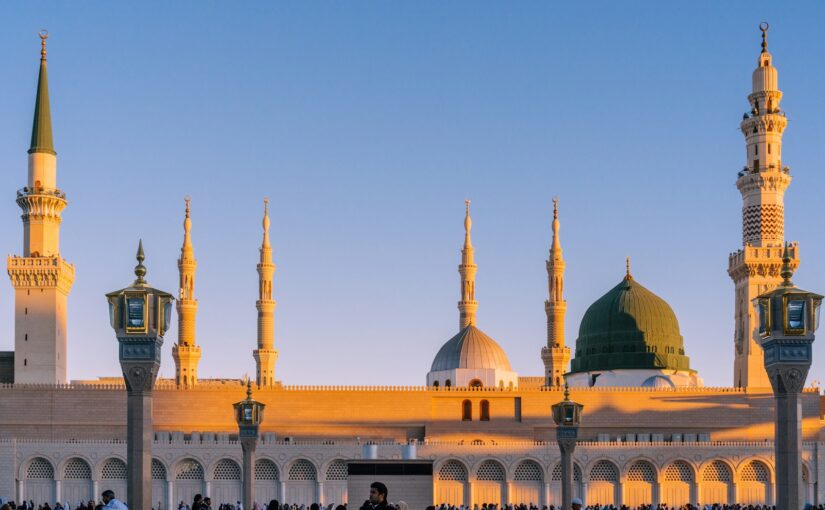
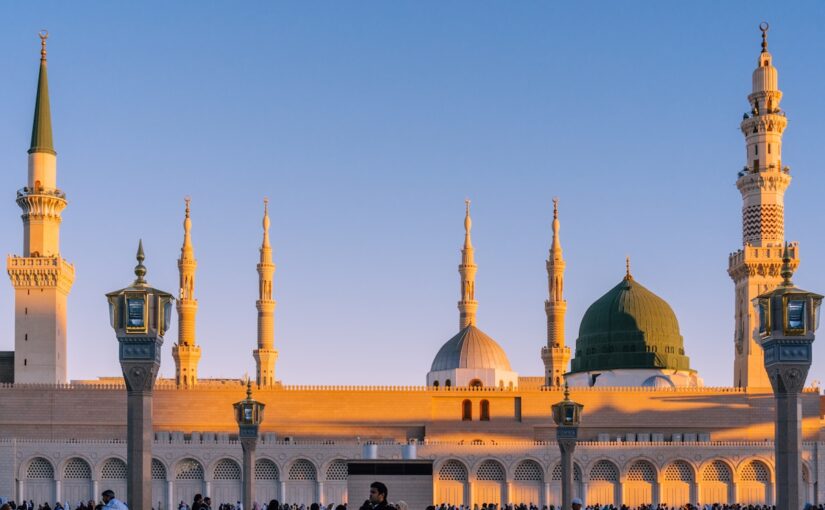
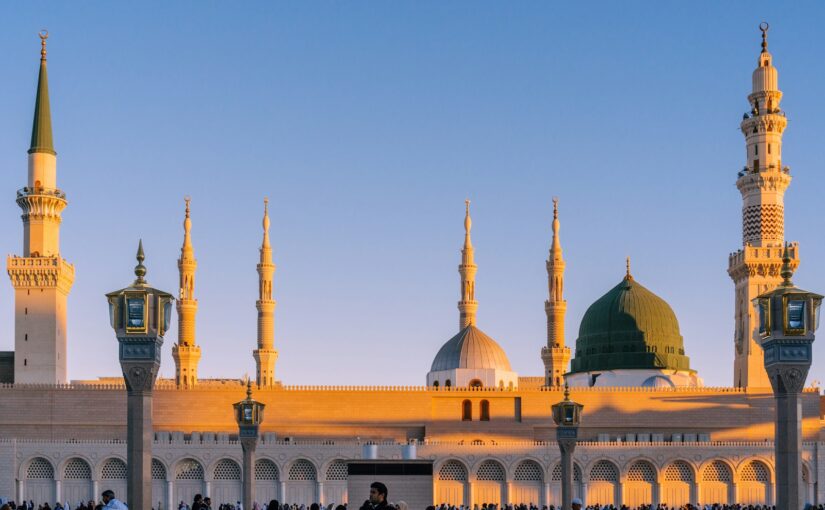
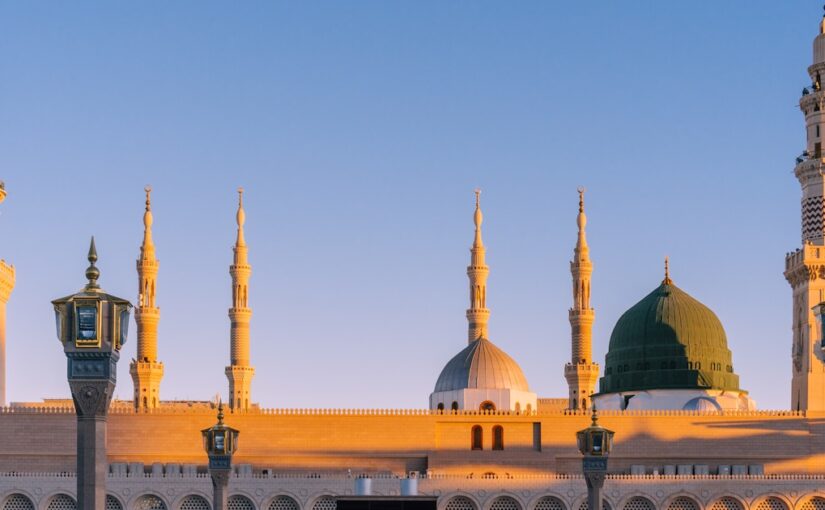
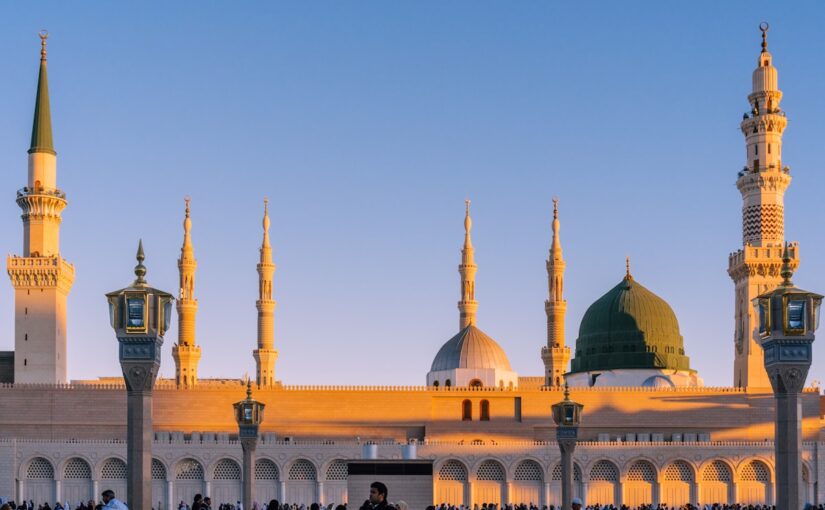
The lyrics speak of a heart that is restless, a soul that craves the peace of Madina, and eyes that long to see the green dome of Masjid-e-Nabawi. It is a naat that resonates with anyone who has visited Madina or dreams of visiting one day.

Madina Jaane Ko Dil Karta Hai — Full Naat Lyrics in Urdu

مدینہ جانے کو دل کرتا ہے

نبی کے در پہ جانا ہے
شفاعت کا بہانہ ہے
مدینہ جانے کو دل کرتا ہے

وہاں کے گلیوں میں جانا ہے
گلستاں میں نہانا ہے
مدینہ جانے کو دل کرتا ہے

وہاں گنبد ہے سبز رنگ
جہاں رحمت ہے بے سنگ
مدینہ جانے کو دل کرتا ہے

وہاں روتے ہیں گناہگار
بہتی ہے آنکھوں سے دھار
مدینہ جانے کو دل کرتا ہے

وہاں بخشش کا سامان ہے
ہر دکھ کا وہاں علاج ہے
مدینہ جانے کو دل کرتا ہے

وہاں آقا کا روضہ ہے
جہاں سارا ہے جلوہ ہے
مدینہ جانے کو دل کرتا ہے

Madina Jaane Ko Dil Karta Hai — English Transliteration

Madina jaane ko dil karta hai

Nabi ke dar pe jaana hai
Shafa’at ka bahaana hai
Madina jaane ko dil karta hai

Wahan ki galiyon mein jaana hai
Gulistaan mein nahaana hai
Madina jaane ko dil karta hai

Wahan gumbad hai sabz rang
Jahan rehmat hai be-sang
Madina jaane ko dil karta hai

Wahan rote hain gunaahgaar
Behti hai aankhon se dhaar
Madina jaane ko dil karta hai

Wahan bakhshish ka saamaan hai
Har dukh ka wahan ilaaj hai
Madina jaane ko dil karta hai

Wahan Aaqa ka roza hai
Jahan saara hai jalwa hai
Madina jaane ko dil karta hai

English Translation

Verse 1:
My heart yearns to go to Madina

Verse 2:
I must go to the doorstep of the Prophet
It is an excuse to seek intercession
My heart yearns to go to Madina

Verse 3:
I must walk through its streets
I must bathe in its garden-like atmosphere
My heart yearns to go to Madina

Verse 4:
There is a green dome there
Where blessings are limitless
My heart yearns to go to Madina

Verse 5:
There the sinners weep
Streams flow from their eyes
My heart yearns to go to Madina

Verse 6:
There is provision for forgiveness there
Every sorrow has a cure there
My heart yearns to go to Madina

Verse 7:
There is the resting place of our Master
Where all splendour resides
My heart yearns to go to Madina

Meaning and Background

This naat captures the deep spiritual longing that every Muslim feels for Madina Munawwarah, the city of the Prophet Muhammad (peace be upon him). The repeated refrain “Madina jaane ko dil karta hai” (My heart yearns to go to Madina) reflects an emotional and spiritual pull that transcends time and distance.

The poet describes the deep desire to visit the Prophet’s mosque, to stand at his blessed grave, and to seek intercession (shafa’at). The green dome (gumbad-e-sabz) of Masjid-e-Nabawi is mentioned as a symbol of divine mercy and blessing.

There is a beautiful contrast in the poem: the sinners weeping in repentance and the boundless mercy they hope to receive. This reflects the Islamic teaching that the Prophet’s city is a place of spiritual healing and forgiveness.

If you enjoyed this naat, you might also like other beautiful naats such as Meri Zindagi Hai Madina, Mere Dil Mein Hai Madina, or Keh Do Madine Jaana Hai.

May Allah grant us all the opportunity to visit the blessed city of Madina and the sacred mosque of the Prophet, Ameen.

Ya Nabi Salam Alaika (یا نبی سلام علیک) – Full Naat Lyrics in Urdu, English Translation and Meaning

Salam Ya Rasool Allah (سلام یا رسول اللہ) – Full Naat Lyrics in Urdu, English Translation and Meaning

“Ya Nabi Salam Alaika” is one of the most beloved and widely recited naats across the Muslim world. Composed in praise of Prophet Muhammad (peace be upon him), this naat expresses deep love, respect, and devotion. Its soulful melody and heartfelt words have made it a staple at gatherings, mosques, and homes.

In this post, we share the complete Urdu lyrics, English translation, and the meaning behind this timeless naat.

Background of Ya Nabi Salam Alaika

This naat was originally written in Arabic by Sheikh Mahmoud Al-Husseini, a Syrian scholar known for his beautiful poetry in praise of the Prophet. It quickly gained popularity and has been performed by countless nasheed artists around the world. The opening line, “Ya Nabi Salam Alaika,” translates to “O Prophet, peace be upon you” and immediately sets the tone of love and reverence.

The naat calls upon the Prophet Muhammad (peace be upon him) and expresses themes of seeking intercession, showing gratitude, and renewing one’s faith. It is often recited during Mawlid (the celebration of the Prophet’s birth) and other religious occasions.

Let us now go through the full lyrics.

Urdu Lyrics (Roman Transliteration)

Ya Nabi Salam Alaika
Ya Rasool Salam Alaika

Ya Habibi Salam Alaika
Salawatullah Alaika
Ya Nabi Salam Alaika
Ya Rasool Salam Alaika

Ashraqal Badru Alaina
Fakhtafat Minhu Al-Buduru
Mithla Husnika Ma Ra-aina
Ayyuha Al-Wajhul-Muneeru

Anta Shamsun Anta Badrun
Anta Noorun Fawqa Noori
Anta Ikseerun Wa Ghali
Anta Misbahus-Sudoori

Ya Habibi Salam Alaika
Salawatullah Alaika
Ya Nabi Salam Alaika
Ya Rasool Salam Alaika

Urdu Script (اردو حروف میں)

یا نبی سلام علیک
یا نبی سلام علیک
یا نبی سلام علیک
یا رسول سلام علیک

یا حبیب سلام علیک
صلوات اللہ علیک
یا نبی سلام علیک
یا رسول سلام علیک

أشرق البدر علینا
فاختفت منہ البدور
مثل حسنک ما رأینا
أیہا الوجہ المنیر

أنت شمس أنت بدر
أنت نور فوق نوری
أنت اکسیر و غالی
أنت مصباح الصدور

یا حبیب سلام علیک
صلوات اللہ علیک
یا نبی سلام علیک
یا رسول سلام علیک

English Translation

O Prophet, peace be upon you
O Messenger, peace be upon you

O beloved, peace be upon you
Peace and blessings of Allah be upon you
O Prophet, peace be upon you
O Messenger, peace be upon you

The full moon has risen over us
And the other moons have disappeared from sight
We have never seen anyone as beautiful as you
O radiant-faced one

You are the sun, you are the moon
You are a light above all lights
You are precious, you are rare
You are the lamp that lights all hearts

O beloved, peace be upon you
Peace and blessings of Allah be upon you
O Prophet, peace be upon you
O Messenger, peace be upon you

Meaning and Significance of Each Verse

“Ya Nabi Salam Alaika” is a direct address to the Prophet Muhammad (peace be upon him). The word “Alaika” means “upon you,” so this line is essentially a greeting of peace. Muslims believe that when they send salutations upon the Prophet, the angels deliver them to him. This verse is an expression of love and connection that transcends time and space.

The second verse, “Ashraqal Badru Alaina,” is a famous line that recalls the arrival of the Prophet in Madinah. When he entered the city, the people welcomed him with joy and light. The “full moon” is a metaphor for the Prophet’s blessed face and presence. This verse tells us that his appearance brought light and dispelled darkness, both literally and spiritually.

“Anta Shamsun Anta Badrun, Anta Noorun Fawqa Noori” describes the Prophet as being the sun, the moon, and a light above all lights. This is not exaggeration. For believers, the Prophet is the ultimate source of guidance. His teachings illuminate the heart and show the way to righteousness.

“Anta Misbahus-Sudoori” means “You are the lamp that lights all hearts.” This refers to how the Prophet’s message brings clarity and comfort to those who believe. When a person feels lost or confused, turning to the teachings of the Prophet can bring peace and understanding.

Why This Naat Is So Popular Among Muslims Worldwide

This naat has crossed borders and languages because its message is universal. Every Muslim, regardless of their nationality or native tongue, shares a love for the Prophet. The melody is simple enough that anyone can learn it, yet the words carry deep spiritual weight.

It is often recited at family gatherings, in mosques before or after prayers, and at special events like Mawlid. Children learn it in Islamic schools. Adults turn to it in moments of reflection and need.

The beauty of “Ya Nabi Salam Alaika” lies in its sincerity. It does not use complicated language. It simply expresses what is in the heart of every believer: love, respect, and a longing for the Prophet’s intercession.

How to Recite the Naat

When reciting this naat, it is important to do so with humility and focus. Find a quiet space. Recite with the intention of sending peace and blessings upon the Prophet. You can recite it alone or with others.

The recommended time for reciting salutations upon the Prophet is Friday, but this naat can be recited at any time. Many people listen to recordings by famous nasheed artists to learn the correct melody and pronunciation.

Conclusion

“Ya Nabi Salam Alaika” is more than a naat. It is a heartfelt expression of love for the Prophet Muhammad (peace be upon him). Its simple yet profound words connect Muslims around the world in shared devotion.

Whether you recite it in Arabic, Urdu, or English, the feeling is the same. Peace and blessings upon the Prophet, the beloved of Allah.

If you enjoyed this naat, you may also like our collection of Tajdar-e-Haram lyrics, Mustafa Jaane Rehmat full naat lyrics, and our post on Maula Ya Salli Wa Sallim with English translation.

More naat lyrics: Tajdar-e-Haram | Mustafa Jaane Rehmat | Maula Ya Salli Wa Sallim

Tajdar-e-Haram (تاجدارِ حرم) – Full Naat Lyrics in Urdu, English Translation and Meaning

Tajdar-e-Haram – The Crown of the Sanctuary

Tajdar-e-Haram (تاجدارِ حرم) — meaning “The Crown of the Sanctuary” — is one of the most beloved and widely recited Urdu naats in the Islamic world. Composed and recited by the renowned naat khwan Owais Raza Qadri, this naat is a heartfelt tribute to Prophet Muhammad ﷺ, the beloved of Allah, the chief of all prophets, and the crown of the sacred sanctuary of Makkah and Madinah.

Owais Raza Qadri, a Pakistani naat reciter and scholar, is celebrated for his soulful voice and devotion to the Prophet ﷺ. His naats have reached millions across the globe, and Tajdar-e-Haram stands as one of his most iconic works. The naat speaks directly to the Prophet ﷺ, acknowledging his unparalleled status and expressing the deep love and reverence felt by his followers.

In this article, we present the full Urdu lyrics of Tajdar-e-Haram along with English translation and a detailed explanation of its meaning and significance.

Continue reading Tajdar-e-Haram (تاجدارِ حرم) – Full Naat Lyrics in Urdu, English Translation and Meaning

Suna Hai Jis Ka Naam Hai Muhammad (سنا ہے جس کا نام ہے محمد) – Full Naat Lyrics in Urdu, English Translation and Meaning

Beautiful mosque interior - Islamic architecture

Introduction

“Suna Hai Jis Ka Naam Hai Muhammad” (سنا ہے جس کا نام ہے محمد) is one of the most beloved and widely recited Urdu naats in the Islamic world. This beautiful poetic composition praises the Prophet Muhammad (peace be upon him) and expresses the deep love and reverence that Muslims hold for their beloved Prophet. The title translates to “I Have Heard That His Name Is Muhammad,” capturing a sense of anticipation, reverence, and spiritual longing.

The naat has gained immense popularity across South Asia and among Urdu-speaking Muslims worldwide. It is often recited at Mehfil-e-Milad gatherings, Islamic conferences, and during the month of Rabi’ al-Awwal (the month of the Prophet’s birth). Its soulful melody and profound lyrics make it a staple in the repertoire of naat reciters everywhere.

In this article, we present the complete Urdu lyrics of “Suna Hai Jis Ka Naam Hai Muhammad” in Arabic script, along with an English transliteration and translation. We also explore the meaning and spiritual significance of this timeless composition.

Urdu Lyrics (Arabic Script)

Below are the complete lyrics of “Suna Hai Jis Ka Naam Hai Muhammad” written in Urdu (Arabic script):

سنا ہے جس کا نام ہے محمد ﷺ
وہی ہے جس کا کام ہے محمد ﷺ

سنا ہے جس کی آنکھیں بھی ہیں پیاری
سنا ہے جس کا نام ہے محمد ﷺ

سنا ہے اس کا رخ ہے ماہتابی
سنا ہے جس کا نام ہے محمد ﷺ

سنا ہے اس کے ہونٹوں پہ مسکراہٹ
سنا ہے جس کا نام ہے محمد ﷺ

سنا ہے وہ ہے سرورِ دو جہاں کا
سنا ہے جس کا نام ہے محمد ﷺ

سنا ہے وہ ہے خاتم المرسلینا
سنا ہے جس کا نام ہے محمد ﷺ

سنا ہے اس کی چال ہے دل نشیں سی
سنا ہے جس کا نام ہے محمد ﷺ

سنا ہے اس کی باتیں ہیں ادب کی
سنا ہے جس کا نام ہے محمد ﷺ

سنا ہے اس کو رب نے چن لیا ہے
سنا ہے جس کا نام ہے محمد ﷺ

سنا ہے وہ ہے رحمت للعالمینا
سنا ہے جس کا نام ہے محمد ﷺ

سنا ہے اس کے قدموں میں ہے جنت
سنا ہے جس کا نام ہے محمد ﷺ

سنا ہے اس کی اُمت پر ہے شفقت
سنا ہے جس کا نام ہے محمد ﷺ

سنا ہے وہ ہے شفیع المذنبینا
سنا ہے جس کا نام ہے محمد ﷺ

English Transliteration

For readers who cannot read the Urdu script, here is a Roman English transliteration of the naat:

Suna hai jis ka naam hai Muhammad
Wohi hai jis ka kaam hai Muhammad

Suna hai jis ki aankhein bhi hain pyaari
Suna hai jis ka naam hai Muhammad

Suna hai us ka rukh hai mahtaabi
Suna hai jis ka naam hai Muhammad

Suna hai us ke honton pe muskurahat
Suna hai jis ka naam hai Muhammad

Suna hai woh hai saraur-e-do jahan ka
Suna hai jis ka naam hai Muhammad

Suna hai woh hai khaatam-ul-mursaleena
Suna hai jis ka naam hai Muhammad

Suna hai us ki chaal hai dil nasheen si
Suna hai jis ka naam hai Muhammad

Suna hai us ki batein hain adab ki
Suna hai jis ka naam hai Muhammad

Suna hai us ko Rabb ne chun liya hai
Suna hai jis ka naam hai Muhammad

Suna hai woh hai rehmat-ul-lil-aalameena
Suna hai jis ka naam hai Muhammad

Suna hai us ke qadmon mein hai jannat
Suna hai jis ka naam hai Muhammad

Suna hai us ki ummat par hai shafqat
Suna hai jis ka naam hai Muhammad

Suna hai woh hai shafee-ul-muznibeena
Suna hai jis ka naam hai Muhammad

English Translation

Here is the English translation of each verse of “Suna Hai Jis Ka Naam Hai Muhammad”:

Verse 1:
“I have heard that His name is Muhammad (peace be upon him)
He is the one whose work is Muhammad (peace be upon him)”

Verse 2:
“I have heard that even His eyes are beautiful
I have heard that His name is Muhammad (peace be upon him)”

Verse 3:
“I have heard that His face shines like the full moon
I have heard that His name is Muhammad (peace be upon him)”

Verse 4:
“I have heard that there is a smile upon His lips
I have heard that His name is Muhammad (peace be upon him)”

Verse 5:
“I have heard that He is the leader of both worlds
I have heard that His name is Muhammad (peace be upon him)”

Verse 6:
“I have heard that He is the seal of all Prophets
I have heard that His name is Muhammad (peace be upon him)”

Verse 7:
“I have heard that His gait is captivating to the heart
I have heard that His name is Muhammad (peace be upon him)”

Verse 8:
“I have heard that His words are full of grace and etiquette
I have heard that His name is Muhammad (peace be upon him)”

Verse 9:
“I have heard that the Lord chose Him
I have heard that His name is Muhammad (peace be upon him)”

Verse 10:
“I have heard that He is a mercy to all the worlds
I have heard that His name is Muhammad (peace be upon him)”

Verse 11:
“I have heard that Paradise lies at His feet
I have heard that His name is Muhammad (peace be upon him)”

Verse 12:
“I have heard that He has compassion for His nation
I have heard that His name is Muhammad (peace be upon him)”

Verse 13:
“I have heard that He is the intercessor for the sinners
I have heard that His name is Muhammad (peace be upon him)”

Meaning and Spiritual Significance

“Suna Hai Jis Ka Naam Hai Muhammad” is much more than a simple naat – it is a spiritual reflection on the beauty and nobility of Prophet Muhammad (peace be upon him). The repeated refrain, “Suna hai jis ka naam hai Muhammad,” creates a meditative rhythm that draws the listener into a state of deep contemplation and love for the Prophet.

The naat touches upon several key aspects of the Prophet’s personality and his status in Islam:

  • Physical Beauty: The verses describe the Prophet’s luminous face (like the full moon), his beautiful eyes, and his gentle smile. These are not merely physical descriptions but reflections of the inner light (nur) that accompanied him. Islamic tradition is rich with descriptions of the Prophet’s blessed appearance, known as Shamail.
  • Spiritual Status: The naat affirms the Prophet as the leader of both worlds (Sarwar-e-Do Jahan) and the Seal of the Prophets (Khatam-ul-Mursaleen). These titles emphasize his unique rank in creation and his role as the final messenger of Allah.
  • Divine Selection: The verse “Us ko Rabb ne chun liya hai” (The Lord chose him) reminds us that the Prophet was not an ordinary man but was divinely selected for the greatest mission in human history – delivering the final revelation to humanity.
  • Mercy to Mankind: The title “Rehmat-ul-lil-Aalameen” (Mercy to all the worlds) is taken directly from the Quran (Surah Al-Anbiya, 21:107). It encapsulates the Prophet’s universal mercy that extends beyond humans to all of creation.
  • Intercession: The closing verses highlight the Prophet’s role as an intercessor (Shafi’) on the Day of Judgment, a source of hope and comfort for believers who seek forgiveness.

The naat’s refrain structure is particularly powerful. Each verse begins with “Suna hai” (I have heard), creating a sense of oral tradition and inherited love. The listener is not witnessing the Prophet directly but is receiving descriptions passed down through generations – a chain of love and devotion stretching back to the Companions who knew him personally.

The repetition of the sacred name “Muhammad” at the end of each couplet serves as a dhikr (remembrance), allowing the reciter and listener to continuously invoke the blessed name of the Prophet throughout the naat.

Background and Popularization

“Suna Hai Jis Ka Naam Hai Muhammad” is a traditional naat that has been passed down through generations of Urdu-speaking Muslims. While the exact origins and original poet remain uncertain (as with many traditional folk naats), the composition has been popularized by numerous renowned naat reciters across South Asia.

The naat is particularly associated with:

  • Mehfil-e-Milad Gatherings: It is a staple at gatherings celebrating the birth of the Prophet Muhammad (peace be upon him), especially during Rabi’ al-Awwal.
  • Islamic Conferences and Ijtema: The naat is frequently performed at large Islamic gatherings across Pakistan, India, Bangladesh, and the wider South Asian diaspora.
  • Online and Digital Platforms: With the rise of YouTube and social media, this naat has reached a global audience. Numerous recitations by various artists are available, each bringing their own style while preserving the essence of the composition.

The beauty of this naat lies in its simplicity. The lyrics are accessible – easy to memorize and recite – yet they carry profound theological meaning. This combination of accessibility and depth is what has made “Suna Hai Jis Ka Naam Hai Muhammad” a beloved naat for Muslims of all ages and backgrounds.

Whether recited in a quiet moment of personal devotion or sung in a gathering of thousands, this naat continues to touch hearts and bring souls closer to the love of the Prophet Muhammad (peace be upon him).

Conclusion

“Suna Hai Jis Ka Naam Hai Muhammad” is a timeless expression of love for the Prophet Muhammad (peace be upon him). Its simple yet profound verses capture the essence of what it means to love and revere the final messenger of Allah. By reciting this naat, believers not only express their devotion but also renew their connection with the spiritual legacy of Islam.

May the beauty of these words inspire us to learn more about the life and character of the Prophet Muhammad (peace be upon him) and to strive to embody his teachings in our daily lives.

Haq Char Yaar (حق چار یار) – Complete Naat Lyrics in Urdu, English Translation and Meaning

Haq Char Yaar (حق چار یار) — Complete Naat Lyrics in Urdu, English Translation and Meaning

“Haq Char Yaar” is a beloved naat that praises the four righteous caliphs of Islam — Hazrat Abu Bakr Siddiq (RA), Hazrat Umar Farooq (RA), Hazrat Usman Ghani (RA) and Hazrat Ali Murtaza (RA). This naat honours their devotion to the Prophet Muhammad (PBUH) and their contributions to Islam. In this post, you will find the full Urdu lyrics, English translation and the meaning behind this beautiful naat.

About the Naat

“Haq Char Yaar” translates to “The Four True Friends” and refers to the Khulafa-e-Rashideen (the Rightly Guided Caliphs). This naat is popular in South Asia and is recited during Milad gatherings, Islamic events and daily prayers. It highlights the virtues of each caliph and reminds Muslims of the golden era of Islam.

The naat is often recited by various naat khwans (reciters) and has a simple yet powerful melody that makes it easy to learn and recite.

Haq Char Yaar — Urdu Lyrics

حق چار یار تیرے تھے
ہر ایک میں تھا نورِ نبی
صدیق و فاروق و عثمان
علی مرتضیٰ ہیں چار یار

ابوبکر صدیق کا ہے مقام
غار ثور میں تھے وہ رفیق
جان کی بازی لگا دی
نبی کے ساتھ وفا نبھائی

عمر فاروق کا ہے عمل
عدل سے بھرا تھا ان کا دل
کلمہ حق بلند کیا
دین اسلام کو مضبوط کیا

عثمان غنی کا ہے مرتبہ
حیا سے بھرپور تھا ان کا دل
قرآن مجید کا نزول
انہوں نے جمع کروایا

علی مرتضیٰ کا ہے جہاد
شجاعت میں تھے وہ بے مثال
علم کا دروازہ وہ تھے
نبی کے داماد وہ تھے

حق چار یار تیرے تھے
ہر ایک میں تھا نورِ نبی
صدیق و فاروق و عثمان
علی مرتضیٰ ہیں چار یار

English Translation

Verse 1:
Your four true friends were there,
Each one carried the light of the Prophet,
Siddiq, Farooq, Usman,
Ali Murtaza — these are the four friends.

Verse 2 (Abu Bakr Siddiq):
Abu Bakr Siddiq holds a high rank,
In the Cave of Thaur he was the companion,
He sacrificed his life,
He showed loyalty to the Prophet.

Verse 3 (Umar Farooq):
Umar Farooq’s deeds shine bright,
His heart was filled with justice,
He raised the word of truth,
He strengthened the religion of Islam.

Verse 4 (Usman Ghani):
Usman Ghani has great status,
His heart was full of modesty,
The revelation of the Holy Quran,
He compiled it together.

Verse 5 (Ali Murtaza):
Ali Murtaza struggled for Islam,
In bravery he was without comparison,
He was the gate of knowledge,
He was the son-in-law of the Prophet.

Chorus:
Your four true friends were there,
Each one carried the light of the Prophet,
Siddiq, Farooq, Usman,
Ali Murtaza — these are the four friends.

Meaning and Significance

This naat reminds Muslims of the importance of the four caliphs who guided the Muslim community after the Prophet Muhammad (PBUH). Each verse highlights a specific virtue of each caliph:

  • Hazrat Abu Bakr Siddiq (RA): Known for his unwavering faith and loyalty. He stood by the Prophet during the most difficult times, including the journey to Medina and the event of the Cave of Thaur.
  • Hazrat Umar Farooq (RA): Known for his justice and strength. His leadership expanded the Islamic empire and established systems of governance that benefited the community.
  • Hazrat Usman Ghani (RA): Known for his modesty and generosity. He is credited with compiling the Holy Quran into a single book, preserving it for future generations.
  • Hazrat Ali Murtaza (RA): Known for his bravery and knowledge. He was the cousin and son-in-law of the Prophet and is considered the gate to the city of knowledge.

Reciting this naat is a way to connect with the early history of Islam and honour the companions who sacrificed everything for the faith. It is a reminder of the values of truth, justice, modesty and courage that they embodied.

More Naat Lyrics

If you enjoyed this naat, check out our other naat lyrics including Tajdar-e-Haram, Ya Nabi Salam Alaika and Labbaik Ya Rasool Allah. You can also find more naats on our Mustafa Jaane Rehmat page.

Mere Maula (میرے مولا) – Complete Urdu Lyrics & English Translation

Mere Maula (میرے مولا) – Complete Urdu Lyrics & English Translation

Mere Maula” (میرے مولا), meaning “My Master” or “My Lord,” is one of the most soul-stirring naats in the Urdu language. The naat is a heartfelt plea to Allah — a beautiful blend of Hamd (praise of Allah) and Naat (praise of the Prophet ﷺ). Its lyrics talk about seeking the protection and mercy of the Almighty, expressing the singer’s complete reliance on the Creator.

Background of Mere Maula

The naat Mere Maula was popularised by the legendary Pakistani singer Junaid Jamshed (1964–2016). Junaid Jamshed was originally a pop icon — the lead vocalist of Pakistan’s biggest pop band, Vital Signs, famous for hits like “Dil Dil Pakistan.” After leaving the music industry in the early 2000s, he dedicated his life to Islamic preaching and nasheed/naat recitation. His journey from pop stardom to becoming a respected religious figure inspired millions.

Junaid Jamshed’s rendition of “Mere Maula” touched hearts across South Asia. With his soft, emotional voice and sincere delivery, he captured the longing of a believer seeking Allah’s mercy. The naat became a staple at religious gatherings, Islamic conferences, and continues to be widely shared on YouTube and social media platforms.

The lyrics of Mere Maula are traditionally attributed to various Islamic poets. The naat uses simple yet profound Urdu phrases that resonate deeply with listeners — making it accessible even to those who may not be fluent in Arabic or complex poetic forms.

Why Mere Maula Is So Beloved

  • Emotional depth: The naat expresses total submission and reliance on Allah — something every believer understands at a personal level.
  • Simple yet powerful lyrics: The words are easy to remember but carry deep spiritual meaning.
  • Junaid Jamshed’s unique legacy: His personal story of transformation adds layers of meaning to the performance.
  • Universality: The theme of seeking the Master’s mercy transcends cultural and linguistic boundaries.

Mere Maula – Full Urdu Lyrics (مکمل اردو نعت)

Verse 1

Urdu:
میرے مولا میرا غم دور کر دے
میرے دل سے میرا غم دور کر دے
مجھے اپنا بنا لے یا الٰہی
اپنے در سے کبھی نہ دور کر دے

English Translation:
My Master, remove my sorrow from me
Remove the grief from my heart
Make me Your own, O my Lord
Never cast me away from Your door

Verse 2

Urdu:
جو بھی تجھ سے مانگتا ہے وہ پاتا ہے
مجھ کو تو نے در پہ اپنے بلا لیا
بے کسوں کا تو ہے سہارا یا الٰہی
میرے مولا میرا غم دور کر دے

English Translation:
Whoever asks from You, receives
You called me to Your doorstep
You are the support of the helpless, O my Lord
My Master, remove my sorrow from me

Verse 3

Urdu:
تیرے در سے جو بھی خالی لوٹتا ہے
اس کو سمجھو وہ نادان ہے دیوانہ
مجھ کو اپنا بنا لے یا الٰہی
اپنے در سے کبھی نہ دور کر دے

English Translation:
Whoever returns empty-handed from Your door
Know that they are foolish, not mad with love
Make me Your own, O my Lord
Never cast me away from Your door

Verse 4

Urdu:
تیرے در کے سوا میرا کوئی نہیں ہے
تو ہی میرا ہے تو ہی میرا سہارا
مجھ کو اپنا بنا لے یا الٰہی
میرے مولا میرا غم دور کر دے

English Translation:
I have no one except Your door
You are mine, and You are my support
Make me Your own, O my Lord
My Master, remove my sorrow from me

Verse 5

Urdu:
تیرے در پہ جو آیا وہ خالی نہ گیا
بھر کے اس کو تو نے اپنی بخشش سے دیا
درد والو نے تجھ سے درد سارے پا لئے
میرے مولا میرا غم دور کر دے

English Translation:
Whoever came to Your door never left empty
You filled them with Your forgiveness
Those in pain received all their cure from You
My Master, remove my sorrow from me

Verse 6

Urdu:
مجھ کو تو نے اپنی رحمت سے نوازا
اپنے در سے لگا کر اپنا بنا لیا
میں گنہگار ہوں لیکن تو ہے غفار
میرے مولا میرا غم دور کر دے

English Translation:
You blessed me with Your mercy
You attached me to Your door and made me Your own
I am a sinner, but You are the Oft-Forgiving
My Master, remove my sorrow from me

Meaning and Explanation

The naat “Mere Maula” is structured as a direct conversation between the believer and Allah (ﷻ). Unlike naats that focus exclusively on praising the Prophet ﷺ, this piece is primarily a Hamd — expressing the singer’s deep emotional connection with the Creator.

Key themes:

  • Submission and reliance: The repeated plea “Mere Maula” establishes a relationship of total trust and dependence on Allah.
  • Seeking forgiveness: “I am a sinner, but You are the Oft-Forgiving” — this reflects the Islamic concept of Tawbah (repentance) and the believer’s hope in Allah’s infinite mercy.
  • Attachment to Allah’s door: The imagery of being attached to Allah’s door (dar) symbolizes seeking nearness to the Divine — a central theme in Islamic spirituality.
  • Comfort in times of hardship: The refrain “remove my sorrow” speaks to the universal human experience of grief and the comfort found in turning to the Divine.

The naat draws its power from its simplicity. It doesn’t use complex metaphors or heavy Arabic vocabulary. Instead, it speaks directly to the heart in everyday Urdu — making its message accessible to everyone, from scholars to common people.

Junaid Jamshed – The Voice Behind the Naat

Junaid Jamshed (1964–2016) was a remarkable figure in Pakistan’s cultural and religious landscape. Born in Karachi, he studied at the prestigious NED University and later formed the band Vital Signs in 1986. The band’s debut album included the iconic “Dil Dil Pakistan,” which became an unofficial national anthem.

In the early 2000s, Junaid underwent a profound spiritual transformation. He left the music industry, grew a beard, and began using his voice exclusively for Islamic content. He became a naat khawan (naat reciter) and a preacher, delivering lectures across Pakistan and internationally.

His rendition of “Mere Maula” is perhaps his most famous naat. The sincerity in his voice reflects his own spiritual journey — from worldly fame to complete devotion to the Creator. Junaid Jamshed tragically died in a plane crash near Havelian in December 2016, but his voice continues to inspire millions who listen to “Mere Maula” in their moments of solitude and prayer.

Conclusion

“Mere Maula” remains one of the most cherished Islamic devotional songs in the Urdu-speaking world. Its timeless message of submission, hope, and reliance on Allah resonates across generations. Whether you are going through a difficult time or simply seeking spiritual connection, this naat offers comfort and reminds us that the door of the Almighty is always open for those who seek Him.

May Allah accept our prayers and grant us the ability to always remember Him in times of ease and hardship. Ameen.

Note: All lyrics are transcribed to the best of our knowledge. Please inform us of any corrections you may find.

Aaqa Ke Sadqe Mein (آقا کے صدقے میں) – Urdu Naat Lyrics with English Translation

Aaqa Ke Sadqe Mein (آقا کے صدقے میں) – An Overview

“Aaqa Ke Sadqe Mein” (also known as “Tere Sadqe Mein Aaqa”) is one of the most beloved Urdu naats of the modern era. The title translates to “For the Sake of My Master” — a heartfelt expression of devotion to the Prophet Muhammad (peace be upon him). The naat beautifully illustrates how through the blessed arrival of the Prophet ﷺ, the whole world received the gift of Islam. Its powerful refrain — “Hasbi Rabbi Jallallah, Ma fi Qalbi Ghairullah, Noor-e-Muhammad Sallallah, La Ilaha Illallah” — has become iconic among naat enthusiasts worldwide.

Who Popularised This Naat?

This naat was popularised by the immensely talented Asad Raza Attari, a young naat reciter known for his soft, melodious voice that touches the hearts of listeners. His rendition of “Tere Sadqe Mein Aaqa” gained widespread fame through Al-Ghosia production in 2018. The naat has since been covered by many other renowned naat khwans including Hafiz Bilal Qadri and Aramish Munir, but Asad Raza Attari’s original version remains the most cherished.

Meaning and Theme

The core theme of “Aaqa Ke Sadqe Mein” is the transformative power of Prophet Muhammad’s ﷺ message. The naat takes us through several pivotal moments in Islamic history:

  • The story of Abu Jahl — the staunch polytheist who arrogantly challenged the Prophet ﷺ by hiding pebbles in his fist, only to witness a miracle when the pebbles themselves proclaimed La Ilaha Illallah.
  • The conversion of Umar (RA) — how he found his sister reciting the Quran and was so moved by the divine words that his heart instantly proclaimed faith.
  • The story of Bilal (RA) — the Abyssinian slave whose unshakable faith in the Oneness of Allah, even under the torture of a heavy stone on his chest, became a timeless example of devotion.
  • The transformation from idol worship to Tawheed — how the world was steeped in polytheism until the Prophet ﷺ arrived and shattered every idol.

Throughout the naat, the refrain anchors the listener in the declaration of Tawheed — reminding us that the ultimate reality is Allah’s oneness and that Prophet Muhammad ﷺ is His beloved messenger.

Aaqa Ke Sadqe Mein – Full Urdu Lyrics (آقا کے صدقے میں – مکمل اردو نعت) 🤲

Verse 1

Urdu:
تیرے صدقے میں آقا سارے جہاں کو دین ملا
بے دینوں نے کلمہ پڑھا لا الہ الا اللہ

English Translation:
For the sake of my Master, the entire world received the faith.
Even the faithless recited the kalima: La Ilaha Illallah.

Refrain (Chorus)

Urdu:
حسبی ربی جل اللہ – مافی قلبی غیر اللہ
نور محمد ﷺ صل اللہ – لا الہ الا اللہ

English Translation:
Sufficient for me is my Lord, Allah is Majestic — there is none in my heart but Allah.
The light of Muhammad ﷺ — blessings of Allah — there is no god but Allah.

Verse 2 – The Story of Abu Jahl

Urdu:
سمٹے نبی، ابو جہل گیا، آقا سے اس نے یہ کہا
گر ہو نبی بتلاؤ ذرا، میری مُٹھی میں ہے کیا
آقا کا فرمان ہوا، اور فضلِ رحمن ہوا
مُٹھی سے پتھر بولا لا الہ الا اللہ

English Translation:
Abu Jahl approached the Prophet and said, “If you are a prophet, tell me what is in my fist.”
The command of the Master came, and by the grace of the Most Merciful,
The pebbles in his fist proclaimed: La Ilaha Illallah.

Verse 3 – The Conversion of Umar (RA)

Urdu:
اپنی بہن سے بولے عمر، یہ تو بتا کیا کرتی تھی
میرے آنے سے پہلے، کیا چپکے چپکے پڑھتی تھی
بہن نے جب قرآن پڑھا، سن کے کلامِ پاکِ خدا
دل یہ عمر کا بول اٹھا لا الہ الا اللہ

English Translation:
Umar said to his sister, “Tell me, what were you reciting secretly before I arrived?”
When his sister recited the Quran, upon hearing the pure words of God,
The heart of Umar cried out: La Ilaha Illallah.

Verse 4 – The Story of Bilal (RA)

Urdu:
وہ جو بلالِ حبشی ہیں سرورِ دین کا پیارا ہے
دنیا کے ہر عاشق کی آنکھوں کا وہ تارا ہے
ظلم ہوئے کتنے ان پر، سینے پہ رکھا پتھر
پھر بھی لب پہ جاری تھا لا الہ الا اللہ

English Translation:
Bilal the Abyssinian — beloved of the Leader of the Faith —
He is the star in the eyes of every lover in the world.
So many cruelties were inflicted upon him, a stone placed on his chest,
Yet his lips kept reciting: La Ilaha Illallah.

Verse 5 – The Era of Idolatry

Urdu:
دنیا کے انسان سبھی شرک و بدعت کرتے تھے
رب کے تھے بندے پھر بھی بُت کی عبادت کرتے تھے
بُت خانے ہیں ٹھہرائے، میرے نبی ہیں جب آئے
کہنے لگی مخلوقِ خدا لا الہ الا اللہ

English Translation:
All of humanity was steeped in polytheism and innovation,
They were servants of the Lord yet worshipped idols.
Idol houses stood firm, but when my Prophet came,
All of God’s creation began to say: La Ilaha Illallah.

Verse 6 – All of Creation Glorifies Allah

Urdu:
گلشن کلمہ پڑھتے ہیں، چڑیا کلمہ پڑھتی ہے
دنیا کی مخلوق سبھی، ذکرِ خدا کا کرتی ہے
کہتے سبھی ہیں جن و بشر، کہتا شجر ہے، کہتا حجر
کہتا ہے پتا پتا لا الہ الا اللہ

English Translation:
Gardens recite the kalima, the sparrow recites the kalima,
All of creation engages in the remembrance of God.
Jinn and mankind all proclaim, the trees declare, the stones declare,
Every single leaf proclaims: La Ilaha Illallah.

Final Verse

Urdu:
تیرے صدقے میں آقا سارے جہاں کو دین ملا
بے دینوں نے کلمہ پڑھا لا الہ الا اللہ

English Translation:
For the sake of my Master, the entire world received the faith.
Even the faithless recited the kalima: La Ilaha Illallah.

The Refrain (Hasbi Rabbi Jallallah) – Explained

The refrain of this naat holds deep spiritual significance:

  • حسبی ربی (Hasbi Rabbi) — “My Lord is sufficient for me.” This is a declaration of complete trust in Allah, echoing the words the Prophet ﷺ himself would recite in times of difficulty.
  • جل اللہ (Jallallah) — “Allah is Majestic.” A recognition of Allah’s supreme majesty and glory.
  • مافی قلبی غیر اللہ (Ma fi Qalbi Ghairullah) — “There is none in my heart but Allah.” A powerful affirmation of pure, untainted love for the Creator alone.
  • نور محمد ﷺ صل اللہ (Noor-e-Muhammad Sallallah) — “The light of Muhammad, blessings of Allah be upon him.” Acknowledging the Prophet ﷺ as the blessed light sent as mercy to all worlds.
  • لا الہ الا اللہ (La Ilaha Illallah) — “There is no god but Allah.” The foundation of Islamic faith — the declaration of Tawheed.

Together, this refrain beautifully weaves together love for Allah and love for His Prophet ﷺ — the essence of Islamic spirituality.

Why This Naat Is So Beloved

“Aaqa Ke Sadqe Mein” has become a staple at naat gatherings, mehfils, and Islamic events across the globe. Its popularity stems from several factors:

  • Powerful storytelling: Each verse narrates a pivotal moment from Islamic history, making it both spiritually uplifting and educational.
  • Emotional depth: The naat evokes deep emotions of love for the Prophet ﷺ and a longing to connect with the early days of Islam.
  • Memorable refrain: “Hasbi Rabbi Jallallah” is easy to remember and deeply resonant, making audiences join in during gatherings.
  • Melodious composition: Asad Raza Attari’s soulful rendition has made this naat accessible to people of all ages.

Whether you are listening to it for the first time or the hundredth, “Aaqa Ke Sadqe Mein” has the power to move hearts and strengthen faith. The message is timeless — that through the blessed arrival of Prophet Muhammad ﷺ, the world was illuminated with the light of Tawheed, and that light continues to shine in the hearts of believers today.

Download and Share

You can listen to the full naat by Asad Raza Attari on YouTube. Share these lyrics with friends and family so they too can enjoy the beauty of this heartfelt tribute to the Prophet Muhammad ﷺ. May Allah accept our love for His beloved Prophet and grant us the ability to follow his blessed teachings. Ameen.

Note: All lyrics are transcribed to the best of our knowledge. If you notice any corrections, please let us know so we can update the post.

Labbaik Ya Rasool Allah (لبیک یا رسول اللہ) – Full Naat Lyrics in Urdu, English Translation and Meaning

Labbaik Ya Rasool Allah (لبیک یا رسول اللہ) — Complete Naat Lyrics in Urdu and English

“Labbaik Ya Rasool Allah” is a beloved naat that expresses deep love and devotion for the Prophet Muhammad (peace be upon him). The phrase “Labbaik” means “I am at your service,” and is traditionally used in the Hajj pilgrimage. In this naat, it is beautifully repurposed to show the singer’s readiness to serve and follow the Prophet. This naat is popular in the South Asian Islamic tradition and is often recited at Mehfil-e-Milad gatherings across the world.

Labbaik Ya Rasool Allah — Urdu Lyrics (لبیک یا رسول اللہ اردو Lyrics)

لبیک یا رسول اللہ ﷺ
لبیک یا رسول اللہ ﷺ
لبیک یا رسول اللہ ﷺ
لبیک یا رسول اللہ ﷺ

آپ کا در ہے جنتوں سے بھی پیارا
یہی مرا مان ہے یہی مرا مان ہے
لبیک یا رسول اللہ ﷺ

دل ہے مدینے کا دیوانہ
تم ہی ہو میری جان و دل
تم ہی ہو میرا ایمان
لبیک یا رسول اللہ ﷺ

مجھ کو ہے شوق مدینے جانے
دیکھوں تمہارا جلوہ
کرلوں نفل نماز و سلام
لبیک یا رسول اللہ ﷺ

آقا کی محبت ہے ورثہ
آقا کی محبت ہے ورثہ
سرکار کا ہے فیض ہر دم
لبیک یا رسول اللہ ﷺ

جس نے تمہیں دیکھا وہی تو پایا
باقی تو سب ہے بے کار
لبیک یا رسول اللہ ﷺ

Labbaik Ya Rasool Allah — English Transliteration

Labbaik Ya Rasool Allah

Aap ka dar hai jannaton se bhi pyara
Yahi mera maan hai, yahi mera maan hai
Labbaik Ya Rasool Allah

Dil hai Madine ka deewana
Tum hi ho meri jaan o dil
Tum hi ho mera imaan
Labbaik Ya Rasool Allah

Mujh ko hai shauq Madine jaane
Dekhoon tumhara jalwa
Karloon nafil namaz o salaam
Labbaik Ya Rasool Allah

Aaqa ki mohabbat hai virsa
Sarkar ka hai faiz har dam
Labbaik Ya Rasool Allah

Jis ne tumhein dekha wahi to paaya
Baaqi to sab bekaar
Baaqi to sab bekaar
Labbaik Ya Rasool Allah

Labbaik Ya Rasool Allah — English Translation

Labbaik Ya Rasool Allah — I am at your service, O Messenger of Allah. This opening line is repeated four times, building a sense of devotion and surrender. The repetition mirrors the Hajj talbiyah and connects the love of the Prophet with the spirit of pilgrimage.

Aap ka dar hai jannaton se bhi pyara — Your court is more beloved than paradise. This line expresses the belief that being in the presence of the Prophet, even spiritually, is greater than any worldly or heavenly reward. The poet places love for the Prophet above all else.

Yahi mera maan hai — This is my pride. The poet declares that devotion to the Prophet is not just an act of worship, but a source of honour and identity.

Dil hai Madine ka deewana — My heart is crazy for Madina. Madina, the city of the Prophet, holds a special place in the hearts of Muslims. The poet describes an intense, almost overwhelming love for the city where the Prophet is buried.

Tum hi ho meri jaan o dil, tum hi ho mera imaan — You are my life and heart, you are my faith. This couplet beautifully expresses that the Prophet is at the centre of the poet’s existence, both emotionally and spiritually.

Mujh ko hai shauq Madine jaane — I long to go to Madina. The desire to visit the Prophet’s mosque and grave is a common theme in naat poetry. It reflects the deep yearning that many Muslims feel to make pilgrimage to Madina.

Dekhoon tumhara jalwa — So I may behold your splendour. The poet hopes to witness the spiritual light of the Prophet during their visit.

Karloon nafil namaz o salaam — So I may offer extra prayers and send salutations. This line shows the intention to perform acts of worship and send blessings upon the Prophet during the visit.

Aaqa ki mohabbat hai virsa — Love for the Master is our inheritance. This line speaks to the tradition of love for the Prophet being passed down through generations of Muslims.

Sarkar ka hai faiz har dam — The blessings of the Master are with us at every moment. The poet acknowledges that the spiritual grace of the Prophet is constantly present in the lives of believers.

Jis ne tumhein dekha wahi to paaya — Whoever saw you, truly found you. This line refers to the companions of the Prophet who were blessed to see him in person and thus attained the highest level of faith.

Baaqi to sab bekaar — Everything else is worthless. The powerful conclusion reminds us that without love for the Prophet, all other achievements are meaningless.

The Meaning and Significance of Labbaik Ya Rasool Allah

“Labbaik Ya Rasool Allah” is more than just a naat. It is a declaration of love, loyalty, and spiritual commitment. The phrase “Labbaik” carries immense weight in Islamic tradition. When pilgrims say “Labbaik Allahumma Labbaik” during Hajj, they are declaring their complete submission to Allah. By using this same powerful phrase for the Prophet, the poet elevates the love of the Prophet to the highest level of devotion that stops short of worship, which belongs only to Allah.

This naat reminds Muslims of the importance of following the Sunnah and keeping the love of the Prophet alive in their hearts. It encourages believers to visit Madina, to send salutations upon the Prophet, and to make his teachings a central part of their lives. The simple yet profound lyrics make it accessible to people of all ages, which is why it remains a favourite at Islamic gatherings around the world.

For more naat lyrics, you can explore other popular naats on our site such as Ya Habibi Ya Muhammad, Mustafa Jaane Rehmat, and Tajdar-e-Haram.

When to Recite Labbaik Ya Rasool Allah

This naat is commonly recited at Milad-un-Nabi gatherings, during Islamic conferences, and in personal worship. Many people also listen to it while travelling to Madina or during the month of Rabi-ul-Awwal when Muslims around the world celebrate the birth of the Prophet. The soothing rhythm and heartfelt lyrics make it suitable for both group recitation and individual reflection.

Final Thoughts

“Labbaik Ya Rasool Allah” captures the essence of Islamic devotion to the Prophet Muhammad (peace be upon him). Its powerful lyrics, beautiful meaning, and spiritual depth have made it a timeless classic in the world of naat recitation. Whether you are listening to it for the first time or have known it for years, this naat continues to inspire love and longing for the Prophet and his blessed city of Madina.

Ya Habibi Ya Muhammad (یا حبیبی یا محمد) — Full Naat Lyrics in Urdu & English

Ya Habibi Ya Muhammad (یا حبیبی یا محمد) is a soul-stirring Islamic naat that expresses deep love and devotion for the Prophet Muhammad ﷺ. This beautiful naat calls out to the beloved Prophet with the affectionate title “Habibi” (My Beloved), reflecting the intense spiritual connection that believers feel. Below are the full Urdu lyrics, Roman Urdu transliteration, and English translation.

Ya Habibi Ya Muhammad Naat Lyrics in Urdu

The complete Ya Habibi Ya Muhammad naat lyrics in Urdu with full script:

یا حبیبی یا محمد ﷺ

یا حبیبی یا محمد ﷺ
اپنی محبت کا صدقہ دے دے

یا رسول اللہ ﷺ
اپنی امت کا صدقہ دے دے

دل میں ہے جذبہ مدینے کا
شوق ہے دیدارِ نبی کا

دردِ فرقت نے بے قرار کیا
ہجر کی راتوں نے بے حال کیا

آؤ چلیں مدینے کی طرف
یہ پکارے ہے دل ہمیشہ

نور کا دریا ہے روضہ تیرا
جنت کا ٹکڑا ہے گنبد سبز

میرا نبی سب سے حسین ہے
نور سے پاک اس کا دامن ہے

مجھ کو بھی آقا اپنا بنا لیں
دردِ دل کا مداوا کر دیں

یا حبیبی یا محمد ﷺ
اپنی محبت کا صدقہ دے دے

یا رسول اللہ ﷺ
اپنی امت کا صدقہ دے دے

Roman Urdu Transliteration

For those who cannot read Urdu script, here is the Roman Urdu transliteration of Ya Habibi Ya Muhammad:

Ya Habibi Ya Muhammad (SAW)

Ya habibi ya Muhammad (SAW)
Apni mohabbat ka sadqa de de

Ya Rasool Allah (SAW)
Apni ummat ka sadqa de de

Dil mein hai jazba Madine ka
Shauq hai deedar-e-Nabi ka

Dard-e-furqat ne beqarar kiya
Hijr ki raaton ne behaal kiya

Aao chalein Madine ki taraf
Ye pukare hai dil hamesha

Noor ka dariya hai roza tera
Jannat ka tukda hai gumbad-e-sabz

Mera Nabi sab se haseen hai
Noor se paak uss ka daman hai

Mujh ko bhi Aaqa apna bana lein
Dard-e-dil ka madawa kar dein

Ya habibi ya Muhammad (SAW)
Apni mohabbat ka sadqa de de

Ya Rasool Allah (SAW)
Apni ummat ka sadqa de de

English Translation of Ya Habibi Ya Muhammad

Below is the English translation of each verse of this beautiful naat:

یا حبیبی یا محمد ﷺ — اپنی محبت کا صدقہ دے دے

O my Beloved, O Muhammad ﷺ — Grant me the blessing of your love

یا رسول اللہ ﷺ — اپنی امت کا صدقہ دے دے

O Messenger of Allah ﷺ — Bless your Ummah (community)

دل میں ہے جذبہ مدینے کا — شوق ہے دیدارِ نبی کا

My heart yearns for Madinah — I long to see the Prophet’s blessed face

دردِ فرقت نے بے قرار کیا — ہجر کی راتوں نے بے حال کیا

The pain of separation has left me restless — The nights of distance have drained me

آؤ چلیں مدینے کی طرف — یہ پکارے ہے دل ہمیشہ

Come, let us journey towards Madinah — This is what my heart always calls out

نور کا دریا ہے روضہ تیرا — جنت کا ٹکڑا ہے گنبد سبز

Your blessed resting place is a river of light — The green dome is a piece of Paradise

میرا نبی سب سے حسین ہے — نور سے پاک اس کا دامن ہے

My Prophet is the most beautiful of all — His cloak is pure, made of divine light

مجھ کو بھی آقا اپنا بنا لیں — دردِ دل کا مداوا کر دیں

O Master, make me Your own — Heal the pain within my heart

Meaning and Background

The naat “Ya Habibi Ya Muhammad” (یا حبیبی یا محمد) is a beautiful expression of love and devotion to Prophet Muhammad ﷺ. The phrase “Ya Habibi” translates to “O My Beloved,” a deeply personal and affectionate address that reflects the intimate relationship between a believer and the Prophet.

The Significance of “Habibi” in Islamic Tradition

In Islamic spirituality, the term “Habib” (beloved) holds profound significance. Allah Himself refers to Prophet Muhammad ﷺ as His Habib. The Prophet ﷺ is the beloved of Allah, and through this naat, believers express their own love and devotion by addressing him with this cherished title. This naat reminds us that love for the Prophet is not merely an emotion but a central pillar of faith (iman).

The Themes of the Naat

1. Longing for Madinah: The naat beautifully expresses the deep yearning to visit the blessed city of Madinah and the Prophet’s ﷺ mosque (Masjid-e-Nabwi). This longing (shauq) is a recurring theme in Islamic poetry and reflects the spiritual connection Muslims feel toward the city of the Prophet.

2. The Pain of Separation: Verses about “dard-e-furqat” (pain of separation) and “hijr ki raatein” (nights of distance) capture the emotional state of a believer who has not yet been blessed with a visit to the Prophet’s ﷺ resting place. This spiritual yearning is a form of divine love.

3. The Green Dome: The reference to “gumbad-e-sabz” (the green dome) is a powerful symbol. The iconic green dome of Masjid-e-Nabwi in Madinah marks the sacred resting place of Prophet Muhammad ﷺ. Describing it as “a piece of Paradise” and “a river of light” reflects the deep reverence Muslims hold for this site.

4. Seeking Intercession: The repeated refrain “Ya Rasool Allah, apni ummat ka sadqa de de” is a plea for the Prophet’s ﷺ intercession and blessings upon the entire Muslim Ummah. It reflects the belief in the Prophet’s ﷺ role as a mercy to all worlds (Rahmatun Lil’Alameen).

Who Recites Ya Habibi Ya Muhammad?

This naat has been recited by several renowned naat khwans (reciters) across the Islamic world. It is particularly popular in South Asia (Pakistan and India) where naat gatherings (mehfils) are common. Various renditions exist with minor variations in the verses, but the core message of love and devotion to the Prophet ﷺ remains consistent. The naat is often recited during:

  • Eid Milad-un-Nabi (celebrations of the Prophet’s ﷺ birth)
  • Friday gatherings and spiritual mehfils
  • Personal devotion and dhikr sessions
  • Travel preparations for Umrah and Hajj

Spiritual Benefits of Reciting This Naat

Reciting naats like Ya Habibi Ya Muhammad is considered a highly rewarding act in Islamic tradition. The benefits include:

  • Strengthening love for the Prophet ﷺ: Regular recitation deepens one’s emotional and spiritual connection with the Prophet.
  • Increasing iman (faith): Reflecting on the Prophet’s ﷺ qualities through poetry strengthens belief.
  • Finding peace: The rhythmic verses and spiritual content bring calm to the heart.
  • Seeking intercession: The verses serve as a means of requesting the Prophet’s ﷺ blessings.
  • Community bonding: Reciting in gatherings fosters unity and shared spirituality.

The Green Dome of Madinah: A Symbol of Love

The mention of the “green dome” (گنبد سبز / gumbad-e-sabz) in this naat is especially poignant. The iconic green dome of Masjid-e-Nabwi is one of the most recognizable symbols in Islam. Originally built during the Mamluk period and later painted green during the Ottoman era, it stands as a visual reminder of the Prophet’s ﷺ presence in Madinah. For millions of Muslims who cannot visit, seeing images of the green dome brings comfort and a sense of connection to the beloved Prophet.

This naat captures that sentiment perfectly — the dome is described as “a piece of Paradise” because the Prophet ﷺ said, “Between my house and my pulpit is a garden from the gardens of Paradise” (Riyad al-Jannah).

Conclusion

Ya Habibi Ya Muhammad (یا حبیبی یا محمد) is more than just a naat — it is a heartfelt prayer, a declaration of love, and an expression of the deep spiritual connection between a believer and the Prophet Muhammad ﷺ. Whether recited in solitude or in a gathering, its words carry the power to move hearts and bring souls closer to the beloved Prophet.

May we all be blessed with the opportunity to visit the blessed city of Madinah and the sacred resting place of the Prophet Muhammad ﷺ. Ameen.

Read more Islamic naat lyrics, Urdu poetry, and spiritual content on Naatlines.com.

Madina Madina (مدینہ مدینہ) — Full Naat Lyrics in Urdu, English Translation and Meaning

Introduction

Madina Madina (مدینہ مدینہ) is one of the most beloved and widely recited naats in the Islamic world. This beautiful poetic composition expresses the deep love, longing, and spiritual attachment that Muslims feel for Madina Munawwarah — the blessed city of Prophet Muhammad (peace be upon him). The naat has been performed by numerous renowned naat khwans across the globe and continues to move hearts with its soulful melody and heartfelt words.

The phrase “Madina Madina” is a passionate call to the holy city, reflecting the yearning of every believer who wishes to visit the Rawdah Mubarak and offer salutations at the blessed shrine. This naat is especially popular during religious gatherings, Mehfil-e-Milaad, and in the month of Rabi-ul-Awwal when Muslims around the world celebrate the birth of the Prophet (PBUH). Its simple yet profound lyrics resonate with people of all ages and backgrounds, making it a staple in naat collections worldwide.

مدینہ مدینہ — اردو lyrics

مدینہ مدینہ مدینہ مدینہ

مدینے کا نظارہ دل چاہتا ہے
مدینے میں جا کر میں آنکھیں بچھا دوں

مدینہ مدینہ مدینہ مدینہ

جو آیا مدینے میں بخشش ہوئی ہے
مدینہ مدینہ مدینہ مدینہ

مدینے کی گلیوں میں آنسو بہا دوں
مدینے کی خاک اپنی آنکھوں میں لگ لوں

مدینہ مدینہ مدینہ مدینہ

مدینے میں ہے میرے آقا کا روضہ
مدینے میں جا کر سلام عرض کروں

مدینہ مدینہ مدینہ مدینہ

Romanized Transliteration

Madeena Madeena Madeena Madeena

Madeene ka nazaara dil chahta hai
Madeene mein jaakar main aankhen bichha doon

Madeena Madeena Madeena Madeena

Jo aaya Madeene mein bakhshish hui hai
Kisi ne kaha hai kisi ne suna hai

Madeena Madeena Madeena Madeena

Madeene ki galiyon mein aansoo bahaa doon
Madeene ki khaak apni aankhon mein lag loon

Madeena Madeena Madeena Madeena

Madeene mein hai mere Aaqa ka rouza
Madeene mein jaakar salaam arz karoon

Madeena Madeena Madeena Madeena

English Translation

Verse 1:
Madeena, Madeena, Madeena, Madeena —
My heart yearns to behold the sight of Madina.
Let me go to Madina and lay down my eyes (as an offering).

Verse 2:
Whoever has come to Madina has been blessed —
This is what someone has said, and someone has heard.

Verse 3:
Let me shed tears in the streets of Madina,
Let me apply the dust of Madina to my eyes.

Verse 4:
In Madina lies the sacred resting place of my Master,
Let me go to Madina and present my salaams.

Meaning and Background

The naat “Madina Madina” is a powerful expression of the spiritual longing that every Muslim feels towards the holy city of Madina Munawwarah. This city holds an unparalleled place in Islamic history and in the hearts of believers. It was the city that welcomed Prophet Muhammad (PBUH) during his migration (Hijra) from Makkah and became the center of the first Islamic state.

The lyrics beautifully capture several profound themes:

Longing for the Beloved City: The repeated chorus of “Madina Madina” is not merely a name but a heartfelt cry of love. It echoes the sentiment of millions of Muslims who have grown up hearing stories of the Prophet’s city and yearn to visit it at least once in their lifetime. The desire to “lay down one’s eyes” speaks to the ultimate submission and humility before the sacred precincts.

The Gift of Forgiveness: The naat mentions that whoever comes to Madina receives forgiveness. This refers to the immense spiritual blessings associated with visiting the Prophet’s mosque (Masjid an-Nabawi). It is narrated in authentic hadith that one prayer in Masjid an-Nabawi is better than a thousand prayers elsewhere. The atmosphere of Madina is believed to be filled with divine mercy and blessings.

Tears of Love: The reference to shedding tears in the streets of Madina reflects the emotional intensity of visiting a place so deeply connected to the Prophet’s life. Many pilgrims describe being moved to tears when they first see the green dome of the Prophet’s mosque. These tears are not of sorrow but of overwhelming love and spiritual connection.

Dust of Madina: Applying the dust of Madina to one’s eyes is a poetic expression of seeking blessings (tabarruk) from the sacred earth. This practice has been observed by Muslims throughout history, treating the soil of Madina with reverence because of its connection to the Prophet (PBUH).

The Sacred Rawdah: The naat culminates with the most profound truth — that in Madina lies the Rawdah Mubarak, the blessed resting place of Prophet Muhammad (PBUH). The Rawdah is described in hadith as one of the gardens of Paradise. Presenting salaam at the Rawdah is the culmination of every pilgrim’s journey, fulfilling the deep desire to greet the Prophet (PBUH) directly.

When and Where It Is Recited

“Madina Madina” is typically recited:

  • During Mehfil-e-Milaad gatherings celebrating the birth of the Prophet (PBUH)
  • At naat khwani events and Islamic musical gatherings
  • In the month of Rabi-ul-Awwal
  • On the occasion of Urs and other religious commemorations
  • By pilgrims traveling to or returning from Madina
  • In daily gatherings of dhikr and remembrance

Conclusion

“Madina Madina” remains one of the most cherished naats in the Urdu-speaking Muslim world. Its simple yet deeply emotional lyrics capture the universal love that Muslims hold for the city of the Prophet (PBUH). Whether recited in a quiet gathering or sung in a large congregation, this naat has the power to move hearts and remind believers of the ultimate goal — to be among those who are blessed to visit Madina and present their respects at the Rawdah of the beloved Prophet (peace be upon him). May Allah grant us all the opportunity to visit Madina Munawwarah. Ameen.

Popular Renditions of Madina Madina

The naat “Madina Madina” has been performed by countless naat khwans over the decades, each bringing their unique style and emotion to the recitation. Some of the most beloved renditions include those by Qari Waheed Zafar Qasmi, whose soulful voice adds a layer of spiritual depth to the lyrics. His rendition has become the most widely recognized version across the Indian subcontinent and is often played in homes, mosques, and Islamic gatherings.

Other notable reciters include Owais Raza Qadri, whose energetic and passionate style brings a different flavor to the naat, and Hafiz Ahmed Raza Qadri, whose melodious rendition has garnered millions of listeners online. In recent years, younger naat khwans have also recorded contemporary versions of this classic, introducing it to new generations. The naat has also been performed by international artists and featured in various Islamic music compilations.

The Spiritual Significance of Madina

To truly understand the depth of this naat, one must appreciate what Madina means in the Islamic spiritual tradition. Madina Munawwarah (the illuminated city) is not just a geographical location but a spiritual sanctuary. It is the city where the Prophet Muhammad (PBUH) built the first mosque, established the first Islamic community, and where he spent the last ten years of his blessed life. The very air of Madina is believed to carry barakah (divine blessings), and every corner of the city is steeped in sacred history.

The Prophet (PBUH) said, “Between my house and my pulpit is a garden from the gardens of Paradise” (Bukhari). This area, known as the Rawdah, is the heart of Masjid an-Nabawi and the focal point of every pilgrim’s visit. The love for Madina is so deeply ingrained in Muslim consciousness that even those who have never visited feel a profound connection to it – a connection beautifully expressed in the simple yet powerful refrain of “Madina Madina.”