Ya Habibi Ya Muhammad (یا حبیبی یا محمد) — Full Naat Lyrics in Urdu & English

Ya Habibi Ya Muhammad (یا حبیبی یا محمد) is a soul-stirring Islamic naat that expresses deep love and devotion for the Prophet Muhammad ﷺ. This beautiful naat calls out to the beloved Prophet with the affectionate title “Habibi” (My Beloved), reflecting the intense spiritual connection that believers feel. Below are the full Urdu lyrics, Roman Urdu transliteration, and English translation.

Ya Habibi Ya Muhammad Naat Lyrics in Urdu

The complete Ya Habibi Ya Muhammad naat lyrics in Urdu with full script:

یا حبیبی یا محمد ﷺ

یا حبیبی یا محمد ﷺ
اپنی محبت کا صدقہ دے دے

یا رسول اللہ ﷺ
اپنی امت کا صدقہ دے دے

دل میں ہے جذبہ مدینے کا
شوق ہے دیدارِ نبی کا

دردِ فرقت نے بے قرار کیا
ہجر کی راتوں نے بے حال کیا

آؤ چلیں مدینے کی طرف
یہ پکارے ہے دل ہمیشہ

نور کا دریا ہے روضہ تیرا
جنت کا ٹکڑا ہے گنبد سبز

میرا نبی سب سے حسین ہے
نور سے پاک اس کا دامن ہے

مجھ کو بھی آقا اپنا بنا لیں
دردِ دل کا مداوا کر دیں

یا حبیبی یا محمد ﷺ
اپنی محبت کا صدقہ دے دے

یا رسول اللہ ﷺ
اپنی امت کا صدقہ دے دے

Roman Urdu Transliteration

For those who cannot read Urdu script, here is the Roman Urdu transliteration of Ya Habibi Ya Muhammad:

Ya Habibi Ya Muhammad (SAW)

Ya habibi ya Muhammad (SAW)
Apni mohabbat ka sadqa de de

Ya Rasool Allah (SAW)
Apni ummat ka sadqa de de

Dil mein hai jazba Madine ka
Shauq hai deedar-e-Nabi ka

Dard-e-furqat ne beqarar kiya
Hijr ki raaton ne behaal kiya

Aao chalein Madine ki taraf
Ye pukare hai dil hamesha

Noor ka dariya hai roza tera
Jannat ka tukda hai gumbad-e-sabz

Mera Nabi sab se haseen hai
Noor se paak uss ka daman hai

Mujh ko bhi Aaqa apna bana lein
Dard-e-dil ka madawa kar dein

Ya habibi ya Muhammad (SAW)
Apni mohabbat ka sadqa de de

Ya Rasool Allah (SAW)
Apni ummat ka sadqa de de

English Translation of Ya Habibi Ya Muhammad

Below is the English translation of each verse of this beautiful naat:

یا حبیبی یا محمد ﷺ — اپنی محبت کا صدقہ دے دے

O my Beloved, O Muhammad ﷺ — Grant me the blessing of your love

یا رسول اللہ ﷺ — اپنی امت کا صدقہ دے دے

O Messenger of Allah ﷺ — Bless your Ummah (community)

دل میں ہے جذبہ مدینے کا — شوق ہے دیدارِ نبی کا

My heart yearns for Madinah — I long to see the Prophet’s blessed face

دردِ فرقت نے بے قرار کیا — ہجر کی راتوں نے بے حال کیا

The pain of separation has left me restless — The nights of distance have drained me

آؤ چلیں مدینے کی طرف — یہ پکارے ہے دل ہمیشہ

Come, let us journey towards Madinah — This is what my heart always calls out

نور کا دریا ہے روضہ تیرا — جنت کا ٹکڑا ہے گنبد سبز

Your blessed resting place is a river of light — The green dome is a piece of Paradise

میرا نبی سب سے حسین ہے — نور سے پاک اس کا دامن ہے

My Prophet is the most beautiful of all — His cloak is pure, made of divine light

مجھ کو بھی آقا اپنا بنا لیں — دردِ دل کا مداوا کر دیں

O Master, make me Your own — Heal the pain within my heart

Meaning and Background

The naat “Ya Habibi Ya Muhammad” (یا حبیبی یا محمد) is a beautiful expression of love and devotion to Prophet Muhammad ﷺ. The phrase “Ya Habibi” translates to “O My Beloved,” a deeply personal and affectionate address that reflects the intimate relationship between a believer and the Prophet.

The Significance of “Habibi” in Islamic Tradition

In Islamic spirituality, the term “Habib” (beloved) holds profound significance. Allah Himself refers to Prophet Muhammad ﷺ as His Habib. The Prophet ﷺ is the beloved of Allah, and through this naat, believers express their own love and devotion by addressing him with this cherished title. This naat reminds us that love for the Prophet is not merely an emotion but a central pillar of faith (iman).

The Themes of the Naat

1. Longing for Madinah: The naat beautifully expresses the deep yearning to visit the blessed city of Madinah and the Prophet’s ﷺ mosque (Masjid-e-Nabwi). This longing (shauq) is a recurring theme in Islamic poetry and reflects the spiritual connection Muslims feel toward the city of the Prophet.

2. The Pain of Separation: Verses about “dard-e-furqat” (pain of separation) and “hijr ki raatein” (nights of distance) capture the emotional state of a believer who has not yet been blessed with a visit to the Prophet’s ﷺ resting place. This spiritual yearning is a form of divine love.

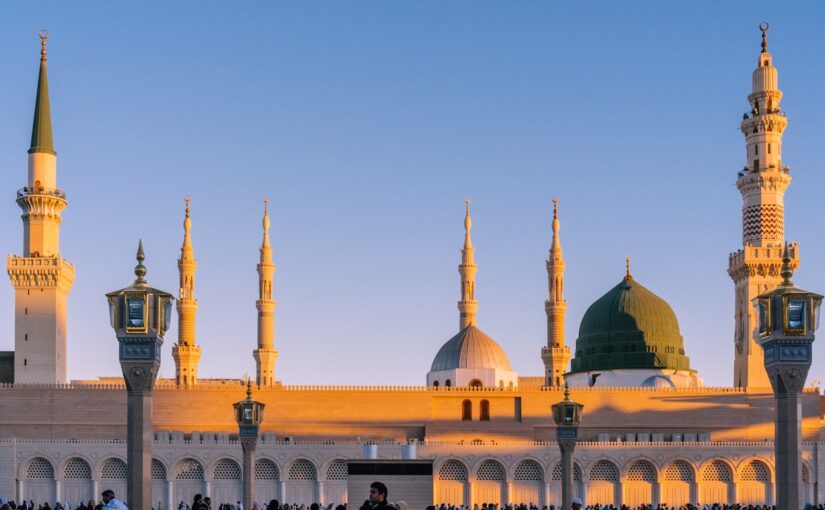
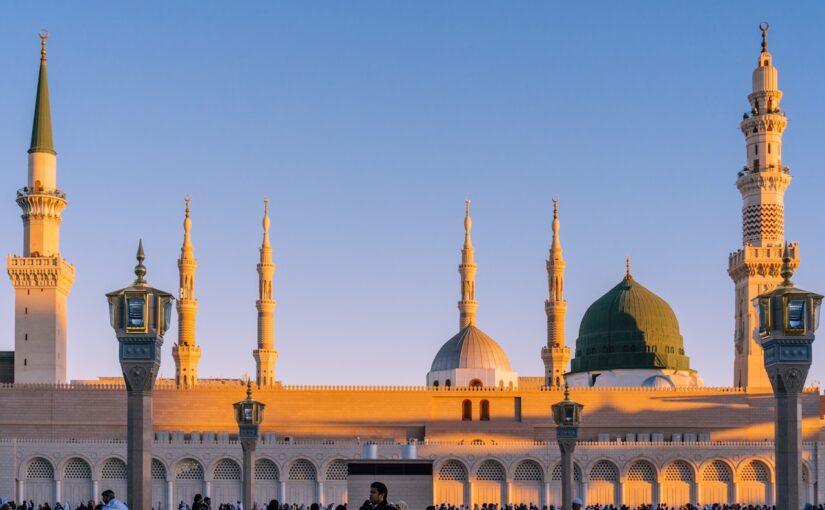
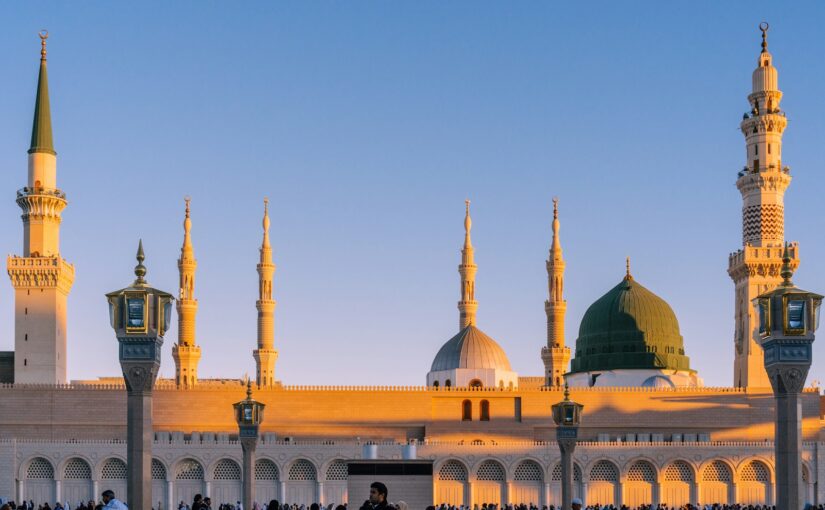
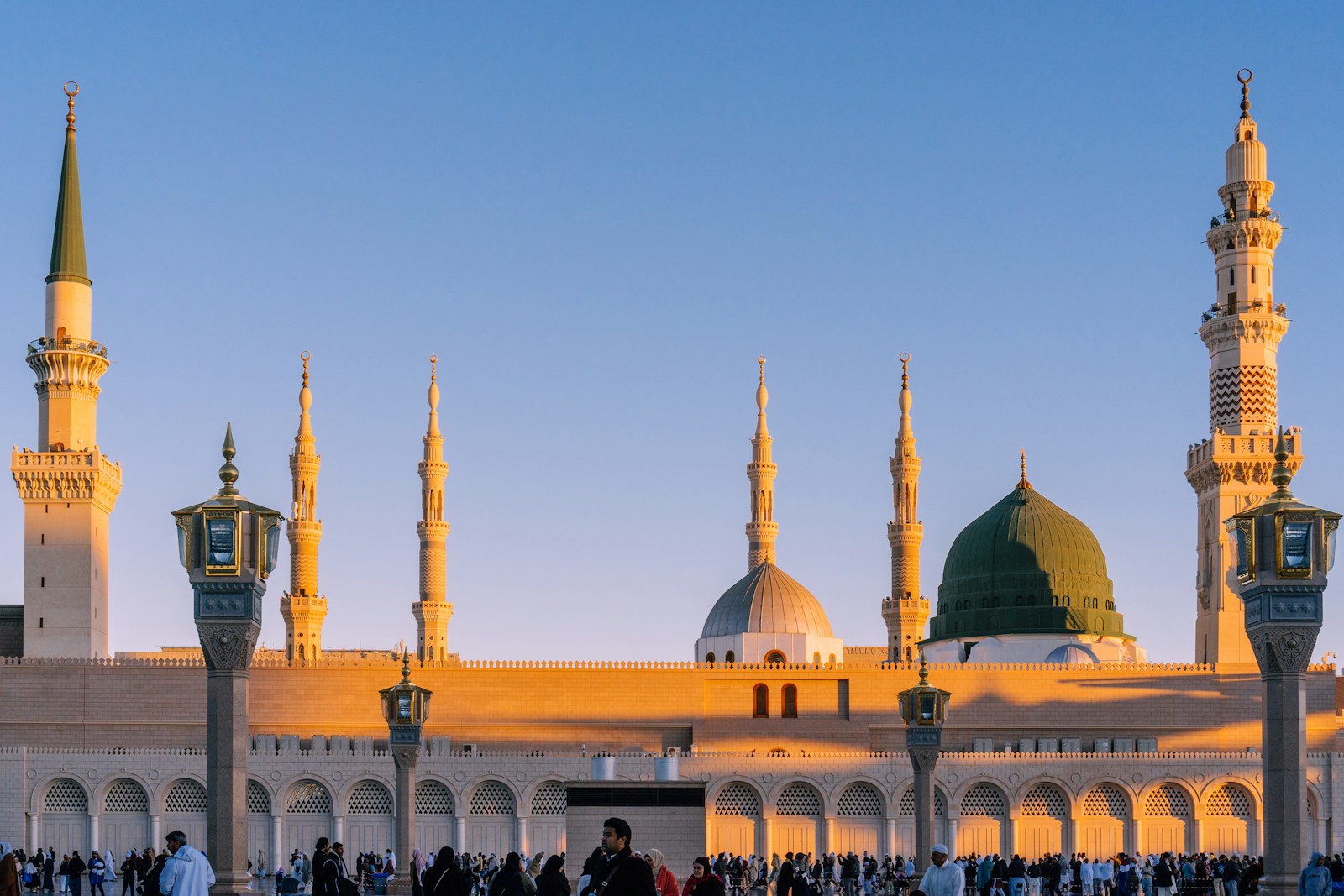
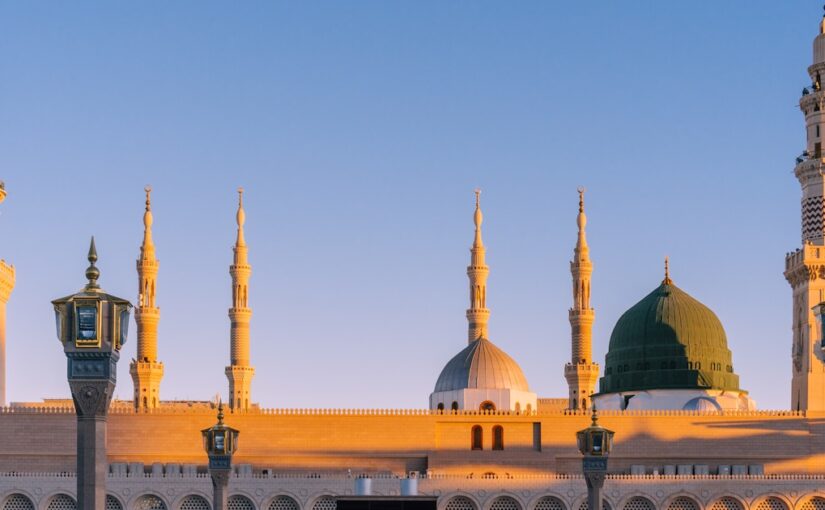
3. The Green Dome: The reference to “gumbad-e-sabz” (the green dome) is a powerful symbol. The iconic green dome of Masjid-e-Nabwi in Madinah marks the sacred resting place of Prophet Muhammad ﷺ. Describing it as “a piece of Paradise” and “a river of light” reflects the deep reverence Muslims hold for this site.

4. Seeking Intercession: The repeated refrain “Ya Rasool Allah, apni ummat ka sadqa de de” is a plea for the Prophet’s ﷺ intercession and blessings upon the entire Muslim Ummah. It reflects the belief in the Prophet’s ﷺ role as a mercy to all worlds (Rahmatun Lil’Alameen).

Who Recites Ya Habibi Ya Muhammad?

This naat has been recited by several renowned naat khwans (reciters) across the Islamic world. It is particularly popular in South Asia (Pakistan and India) where naat gatherings (mehfils) are common. Various renditions exist with minor variations in the verses, but the core message of love and devotion to the Prophet ﷺ remains consistent. The naat is often recited during:

  • Eid Milad-un-Nabi (celebrations of the Prophet’s ﷺ birth)
  • Friday gatherings and spiritual mehfils
  • Personal devotion and dhikr sessions
  • Travel preparations for Umrah and Hajj

Spiritual Benefits of Reciting This Naat

Reciting naats like Ya Habibi Ya Muhammad is considered a highly rewarding act in Islamic tradition. The benefits include:

  • Strengthening love for the Prophet ﷺ: Regular recitation deepens one’s emotional and spiritual connection with the Prophet.
  • Increasing iman (faith): Reflecting on the Prophet’s ﷺ qualities through poetry strengthens belief.
  • Finding peace: The rhythmic verses and spiritual content bring calm to the heart.
  • Seeking intercession: The verses serve as a means of requesting the Prophet’s ﷺ blessings.
  • Community bonding: Reciting in gatherings fosters unity and shared spirituality.

The Green Dome of Madinah: A Symbol of Love

The mention of the “green dome” (گنبد سبز / gumbad-e-sabz) in this naat is especially poignant. The iconic green dome of Masjid-e-Nabwi is one of the most recognizable symbols in Islam. Originally built during the Mamluk period and later painted green during the Ottoman era, it stands as a visual reminder of the Prophet’s ﷺ presence in Madinah. For millions of Muslims who cannot visit, seeing images of the green dome brings comfort and a sense of connection to the beloved Prophet.

This naat captures that sentiment perfectly — the dome is described as “a piece of Paradise” because the Prophet ﷺ said, “Between my house and my pulpit is a garden from the gardens of Paradise” (Riyad al-Jannah).

Conclusion

Ya Habibi Ya Muhammad (یا حبیبی یا محمد) is more than just a naat — it is a heartfelt prayer, a declaration of love, and an expression of the deep spiritual connection between a believer and the Prophet Muhammad ﷺ. Whether recited in solitude or in a gathering, its words carry the power to move hearts and bring souls closer to the beloved Prophet.

May we all be blessed with the opportunity to visit the blessed city of Madinah and the sacred resting place of the Prophet Muhammad ﷺ. Ameen.

Read more Islamic naat lyrics, Urdu poetry, and spiritual content on Naatlines.com.
Mere Aaqa Ka Darbar (میرے آقا کا دربار) — Full Naat Lyrics in Urdu, English Translation and Meaning

Introduction

“Mere Aaqa Ka Darbar” (میرے آقا کا دربار) is an original naat written in the traditional style of Islamic devotional poetry, celebrating the blessed court and presence of Prophet Muhammad (peace be upon him). The title translates to “The Court of My Master” — a heartfelt expression of love and reverence for the final messenger of Allah.

This naat captures the essence of a believer’s longing to stand at the Prophet’s doorstep, to be counted among his humble servants, and to find salvation through his intercession. It draws inspiration from centuries of naat tradition, echoing themes found in classic works while expressing them in fresh, soul-stirring verses.

Like many beloved naats, “Mere Aaqa Ka Darbar” is ideal for recitation at Mehfil-e-Milad gatherings, Islamic conferences, and in personal devotion. Its verses speak directly to the heart, reminding us of the infinite mercy and love that the Prophet (PBUH) brought to humanity.

Beautiful green dome of a mosque against a clear blue sky, symbolizing Islamic spirituality and devotion

Full Urdu Lyrics — Mere Aaqa Ka Darbar (میرے آقا کا دربار)

Below are the complete lyrics of Mere Aaqa Ka Darbar in Urdu script. Each verse is presented in the traditional style of naat recitation.

Verse 1

میرے آقا کا دربار ہے کیا کہنا
ہر غمزدہ کا غمخوار ہے کیا کہنا

جو بھی آیا اس در پہ خالی نہ لوٹا
بے شک وہ کریم و غفار ہے کیا کہنا

Verse 2

مدینے کی گلیوں میں اک بار بلا لو
مجھے خاکِ درِ یار میں ملا دو

میری آنکھوں کو دیدار کا شوق ہے ورنہ
یہ دنیا تو بس اک خمار ہے کیا کہنا

Verse 3

تیرے در پہ آ کر میں نے مانگی ہے بخشش
تیری چوکھٹ پہ رکھ دی ہے یہ جانِ ناچیز

جس نے تجھ کو پا لیا اس نے سب کچھ پایا
تیری محبت ہی اک تاج و تخت و تار ہے کیا کہنا

Verse 4

اے شہہِ دیں ، اے رحمتِ عالم
تیرے صدقے میں آیا ہے ہر بے کس و بے درماں

تیرے قدموں کی خاک اپنی آنکھوں کا نور
تیرا در ہی میرا قبلہ و امن و قرار ہے کیا کہنا

Verse 5

جب تذکرہ ہوتا ہے تیرے حسن کا اے محبوب
پھول جھڑتے ہیں الفاظ سے، چاندنی برستی ہے

تجھے رب نے رحمت بنا کر بھیجا ہے
تو خود اک آیت و احکام و اخبار ہے کیا کہنا

Verse 6

میری پیشانی پہ تیرے در کا نشان ہو
میرے سینے میں تیری محبت کا ایمان ہو

دونوں جہاں میں یہی میرا کاروبار ہے
تیرا دامن ہی میرا اعتبار ہے کیا کہنا

Verse 7

جو تجھ سے رشتہ جوڑ لے وہ کبھی بھٹکتا نہیں
جو تیرے در کا مانگنے والا ہو وہ مرتا نہیں

تیری محفل میں بیٹھ کر جو سر جھکا دے
اس کے لئے جنت کا در بار بار ہے کیا کہنا

Verse 8

یا نبی العربی ، یا شفیع المذنبین
آپ کے صدقے میں ملتی ہے ہر غم کی دوا

جس نے آپ کا واسطہ دیا دربارِ حق میں
اس کی حاجت رائیگاں نہ گنوار ہے کیا کہنا

Chorus (Refrain)

میرے آقا کا دربار ہے کیا کہنا
ہر غمزدہ کا غمخوار ہے کیا کہنا

جو بھی آیا اس در پہ خالی نہ لوٹا
بے شک وہ کریم و غفار ہے کیا کہنا

English Translation of Mere Aaqa Ka Darbar

Verse 1 Translation

What can I say about the court of my Master!
The Comforter of every sorrowful soul — what can I say!

Whoever came to this doorstep did not return empty-handed
Indeed, He is the Generous and the All-Forgiving — what can I say!

Verse 2 Translation

Call me once to the streets of Madina
Let me be mixed with the sacred dust of my Beloved’s doorstep

My eyes yearn for the blessed vision — otherwise
This world is nothing but a passing intoxication — what can I say!

Verse 3 Translation

I came to your door seeking forgiveness
I placed this humble soul at your threshold

Whoever found You has found everything
Your love alone is crown, throne, and treasure — what can I say!

Verse 4 Translation

O Leader of Faith, O Mercy to the Worlds
Through your mediation, every helpless and destitute one finds hope

The dust of your blessed feet is the light of my eyes
Your door is my qibla, my peace, my solace — what can I say!

Verse 5 Translation

When Your beauty is mentioned, O Beloved
Flowers fall from words, moonlight descends

Your Lord sent You as a mercy
You Yourself are a living sign, a command, a message — what can I say!

Verse 6 Translation

May the mark of Your doorstep be on my forehead
May the faith of Your love reside in my chest

In both worlds, this is my only trade
Your庇护 is my sole reliance — what can I say!

Verse 7 Translation

Whoever connects with You never goes astray
Whoever begs at Your door never truly dies

Whoever bows their head in Your assembly
For them, the gates of paradise open again and again — what can I say!

Verse 8 Translation

O Prophet of the Arabs, O Intercessor for the Sinners
Through Your mediation comes the cure for every sorrow

Whoever invoked Your name in the Court of Truth
Their need was never wasted nor lost — what can I say!

Chorus Translation

What can I say about the court of my Master!
The Comforter of every sorrowful soul — what can I say!

Whoever came to this doorstep did not return empty-handed
Indeed, He is the Generous and the All-Forgiving — what can I say!

Background and Spiritual Significance

The naat “Mere Aaqa Ka Darbar” draws from the deep well of Islamic spirituality that revolves around love for the Prophet Muhammad (peace be upon him). The repeated refrain “kya kehna” (کیا کہنا / what can I say!) expresses the poet’s recognition that words can never fully capture the magnificence of the Prophet’s station.

The central metaphor of the “darbar” (court/doorstep) is a powerful one in Islamic poetry. It represents the Prophet’s role as an intercessor and a source of divine mercy. In Islamic tradition, the Prophet (PBUH) said: “I am the city of knowledge, and Ali is its gate”, but the concept extends beyond — the Prophet’s very being is a door to Divine mercy. To stand at his doorstep is to stand at the threshold of salvation.

Key themes in this naat include:

  • Intercession (Shafa’at): The belief that the Prophet (PBUH) will intercede for his followers on the Day of Judgment is a cornerstone of Sunni Islamic theology. The naat repeatedly alludes to seeking forgiveness through the Prophet’s mediation.
  • Love for Madina: The longing to visit the Prophet’s city and mosque is a recurring theme. The streets of Madina are sacred because they were walked by the best of creation.
  • Spiritual Poverty (Faquir): The poet presents himself as a beggar at the Prophet’s door — not in material terms, but in spiritual ones. This is the highest form of humility in Islamic mysticism.
  • The Prophet’s Beauty (Husn-e-Nabwi): Reference to the Prophet’s physical and spiritual beauty, a common theme in naat poetry that draws from the rich tradition of describing his blessed appearance.

When and Where to Recite This Naat

“Mere Aaqa Ka Darbar” is suitable for a wide range of Islamic gatherings:

  • Mehfil-e-Milad: Celebrations of the Prophet’s birth (12th Rabi’ al-Awwal) where naats are the centerpiece of the gathering.
  • Eid Milad-un-Nabi: Public processions and conferences marking the Prophet’s birthday.
  • Weekly Durood gatherings: Many communities hold Thursday night or Friday gatherings for Durood and naat recitation.
  • Personal devotion: The naat can be recited during personal worship and moments of spiritual reflection.
  • Islamic events and conferences: Suitable for opening or closing segments.

Why Original Naats Matter

While classic naats like “Tajdar-e-Haram” and “Ya Nabi Salam Alaika” hold an irreplaceable place in Islamic devotional literature, the tradition of writing new naats keeps the spirit of praise alive. Every era produces poets who express their love for the Prophet (PBUH) in their own language, style, and cultural context. This naat stands in that proud tradition — original verses, rooted in authentic Islamic spirituality, written for the contemporary believer.

The Urdu language, with its rich poetic heritage from Ghalib, Iqbal, and the countless poets of the subcontinent, provides an especially beautiful medium for naat writing. The fusion of Persian, Arabic, Turkish, and local vernaculars creates a tapestry of expression uniquely suited to devotional poetry.

Conclusion

“Mere Aaqa Ka Darbar (میرے آقا کا دربار)” is more than just a naat — it is a spiritual journey, a heartfelt plea, and a declaration of love for the final messenger of Allah. Its verses remind us that the Prophet’s door is always open, his mercy always flowing, and his intercession always available to those who sincerely seek it.

May Allah grant us the honor of visiting the Prophet’s blessed city, of standing at his sacred doorstep, and of being counted among his followers on the Day of Judgment. Ameen.

Dil Hai Madine Chal (دل ہے مدینے چل) — Naat Lyrics in Urdu, English Translation and Meaning

Dil Hai Madine Chal is a beautiful and popular naat recited by Owais Raza Qadri. The title translates to “The Heart Says Let’s Go to Madina.” This naat expresses the deep love and longing that every Muslim feels to visit the holy city of Madina Munawwarah and the blessed Roza of Prophet Muhammad.

About This Naat

Dil Hai Madine Chal is a soulful naat that captures the essence of a believer’s love for the Prophet. The poet beautifully expresses how the heart yearns to travel to Madina, to stand at the blessed shrine, and to immerse itself in the spiritual atmosphere of the city of the Prophet. The naat is popular in both Pakistan and India and is often recited at gatherings and Mehfil-e-Milad.

Dil Hai Madine Chal — Naat Lyrics in Urdu

دل ہے مدینے چل، دل ہے مدینے چل
یار مدینے چل، یار مدینے چل
دل ہے مدینے چل، دل ہے مدینے چل
یار مدینے چل، یار مدینے چل

جس نے پکارا مجھ کو، اس کا بلاوا ہے
اس کا بلاوا ہے، اس کا بلاوا ہے
اس کی ہوا ہے مجھ میں، اس کی صدا ہے
دل ہے مدینے چل، دل ہے مدینے چل
یار مدینے چل، یار مدینے چل

اس کی گلی میں جانا، اس کا گدا ہونا
اس کا گدا ہونا، اس کا گدا ہونا
اس کی نظر کا پانا، اس کا لقا ہونا
دل ہے مدینے چل، دل ہے مدینے چل
یار مدینے چل، یار مدینے چل

اس در پہ جا کے بیٹھوں، رو رو کے منہ چھپاؤں
رو رو کے منہ چھپاؤں، رو رو کے منہ چھپاؤں
کچھ اس طرح سے پیارے، دل کو بہلاوں
دل ہے مدینے چل، دل ہے مدینے چل
یار مدینے چل، یار مدینے چل

اے دل تو کب تلک یوں، بے قرینہ پھرے گا
بے قرینہ پھرے گا، بے قرینہ پھرے گا
اٹھ جا ابھی چلتے ہیں، سوئے مدینہ
دل ہے مدینے چل، دل ہے مدینے چل
یار مدینے چل، یار مدینے چل

Dil Hai Madine Chal — English Transliteration

Dil hai Madine chal, dil hai Madine chal
Yaar Madine chal, yaar Madine chal
Dil hai Madine chal, dil hai Madine chal
Yaar Madine chal, yaar Madine chal

Jis ne pukara mujh ko, us ka bulawa hai
Us ka bulawa hai, us ka bulawa hai
Us ki hawa hai mujh mein, us ki sada hai
Dil hai Madine chal, dil hai Madine chal
Yaar Madine chal, yaar Madine chal

Us ki gali mein jana, us ka gada hona
Us ka gada hona, us ka gada hona
Us ki nazar ka pana, us ka liqa hona
Dil hai Madine chal, dil hai Madine chal
Yaar Madine chal, yaar Madine chal

Is dar pe ja ke baithoon, ro ro ke munh chhupaoon
Ro ro ke munh chhupaoon, ro ro ke munh chhupaoon
Kuch is tarah se pyare, dil ko behlaoon
Dil hai Madine chal, dil hai Madine chal
Yaar Madine chal, yaar Madine chal

Ae dil tu kab talak yun, be-qarina phire ga
Be-qarina phire ga, be-qarina phire ga
Utha ja abhi chalte hain, soye Madina
Dil hai Madine chal, dil hai Madine chal
Yaar Madine chal, yaar Madine chal

Dil Hai Madine Chal — English Translation

Verse 1:
The heart says let us go to Madina, the heart says let us go to Madina
Beloved, let us go to Madina, beloved, let us go to Madina

Verse 2:
The One who called me, His invitation has come
His invitation has come, His invitation has come
His breeze is within me, His call is in the air
The heart says let us go to Madina…

Verse 3:
To walk in His street, to become His beggar
To become His beggar, to become His beggar
To receive His glance, to meet Him face to face
The heart says let us go to Madina…

Verse 4:
Let me sit at His door, hide my face while crying
Hide my face while crying, hide my face while crying
In this way, O Beloved, I will soothe my heart
The heart says let us go to Madina…

Verse 5:
O heart, how long will you wander without direction
Wander without direction, wander without direction
Get up, let us go now towards Madina
The heart says let us go to Madina…

Meaning and Background

The naat Dil Hai Madine Chal is a poetic expression of the deep spiritual longing to visit the city of the Prophet. The poet uses the metaphor of a heart pulling towards Madina, as if the very soul is being called by the beloved Prophet Muhammad.

The recurring theme is that the heart recognises the call of Madina. The poet says that the Prophet himself has called him, and this invitation is the reason for his restlessness. The mention of “His breeze” and “His call” suggests that the spiritual presence of the Prophet can be felt from afar, drawing the believer closer.

In Islamic tradition, Madina Munawwarah is considered the most sacred city after Makkah. It is the city where the Prophet migrated, built the first mosque, and where he is buried in the Masjid-e-Nabwi. Visiting Madina and offering salutations at the Prophet’s Roza is a deeply cherished act for Muslims worldwide.

The naat beautifully captures the feeling of a believer who has not yet visited Madina but yearns for it with every fibre of their being. It is a reminder that the love for the Prophet is not just a duty but a deep emotional connection that pulls the heart towards the blessed city.

About the Reciter: Owais Raza Qadri

Owais Raza Qadri is one of the most popular naat reciters in the world. Based in Pakistan, he has recorded hundreds of naats that are loved by millions. His melodious voice and spiritual style of recitation have made him a household name in the Islamic world. Dil Hai Madine Chal remains one of his most beloved naats.

If you enjoyed this naat, you might also like Mera Dil Tujh Hi Se Lagaya, Mere Muhammad, and Fida-e-Mustafa for more beautiful naat lyrics with translations.

Mera Dil Tujh Hi Se Lagaya — Naat Lyrics in Urdu, English Translation and Meaning

Introduction to Mera Dil Tujh Hi Se Lagaya

Mera Dil Tujh Hi Se Lagaya is one of the most beloved naats in the Urdu speaking world. This beautiful naat expresses the deep love and devotion of a believer for the Prophet Muhammad (peace be upon him). The poet pours out their heart, declaring that their heart is attached only to the Prophet and they seek nothing else but his love and closeness.

The naat is widely recited at mehfil-e-naat gatherings across Pakistan, India, Bangladesh, and the global Muslim community. Its simple yet powerful lyrics make it accessible to people of all ages. Many well-known naat khwans have performed this naat, making it a staple in Islamic devotional music.

The Spiritual Meaning of Mera Dil Tujh Hi Se Lagaya

The central theme of this naat is tawajjuh – the complete turning of one’s heart towards the Prophet Muhammad (PBUH). In Islamic spirituality, love for the Prophet is considered a sign of true faith. The Quran says, “Say, if you love Allah, then follow me, Allah will love you” (Surah Aal-e-Imran, 3:31).

This naat captures the essence of that love. The poet is saying that their heart has been attached to the Prophet, and this attachment is the source of their spiritual peace. They find comfort in the remembrance of the Prophet and seek his intercession. The lyrics reflect the deep desire of every believer to be close to the Prophet in this life and the hereafter.

Mera Dil Tujh Hi Se Lagaya Naat Lyrics in Urdu

Below are the complete lyrics in Urdu script:

میرا دل تجھ ہی سے لگایا ہے
اور کچھ مجھ کو نہیں بھایا ہے

میرے آقا تجھ سے ہے مجھ کو پیار
تیرے در سے اور کہاں جاؤں میں

تو ہے میرا سہارا اے نبی
تیرے دم سے یہ جہاں پایا ہے

میرا دل تجھ ہی سے لگایا ہے
اور کچھ مجھ کو نہیں بھایا ہے

تیرے در پہ آ کے مانگا میں نے
تیری رحمت کا ہے بھروسہ مجھے

تو کرے گا میرے گناہ معاف
تیرے در سے اور کہاں جاؤں میں

میرا دل تجھ ہی سے لگایا ہے
اور کچھ مجھ کو نہیں بھایا ہے

مجھ کو بخش دے گناہوں سے اے نبی
میرا دل تجھ ہی سے لگایا ہے

تیری چوکھٹ پہ میں نے سر رکھ دیا
تیرے سوا کوئی نہیں میرا

میرا دل تجھ ہی سے لگایا ہے
اور کچھ مجھ کو نہیں بھایا ہے

Mera Dil Tujh Hi Se Lagaya English Translation

Here is the English translation:

My heart is attached only to You
Nothing else pleases me anymore

O my Master, I love You
To whose door shall I go besides Yours

You are my support, O Prophet
Because of You, this world has meaning

My heart is attached only to You
Nothing else pleases me anymore

I came to Your door and asked
I have faith in Your mercy

You will forgive my sins
To whose door shall I go besides Yours

My heart is attached only to You
Nothing else pleases me anymore

Forgive me for my sins, O Prophet
My heart is attached only to You

I have placed my head at Your threshold
I have no one except You

My heart is attached only to You
Nothing else pleases me anymore

Word by Word Meaning

  • Mera Dil: My heart. In Islamic poetry, the heart is the seat of spiritual connection.
  • Tujh Hi Se: Only to You. This emphasises exclusivity of devotion.
  • Lagaya: Attached. The poet has intentionally attached their heart to the Prophet.
  • Aur Kuch Mujh Ko Nahi Bhaya: Nothing else pleases me.
  • Mere Aaqa: My Master. A term of deep respect and submission.

When and Where This Naat Is Recited

This naat is commonly recited at Mehfil-e-Naat gatherings, Eid Milad-un-Nabi celebrations, Urs and spiritual gatherings, Friday evenings, and in personal worship.

The Poetic Style of the Naat

This naat follows a traditional Urdu poetic structure with a repeating refrain. The rhyme scheme and meter make it easy to memorise and recite. The poet uses repetition, direct address, humility, and metaphor to create a powerful spiritual effect.

Conclusion

Mera Dil Tujh Hi Se Lagaya is a spiritual declaration of love and devotion that has touched the hearts of millions. Its message of complete devotion to the Prophet Muhammad (PBUH) remains powerful and moving. We hope this guide with Urdu lyrics, English translation, and meaning helps you appreciate this beautiful naat more deeply.

Rahmatun Lil’Alameen (رحمتہ للعالمین) — Naat Lyrics in Urdu, English Translation and Meaning

Rahmatun Lil’Alameen is a beautiful naat praising Prophet Muhammad (peace be upon him) as a mercy for all worlds. The title comes from the Quranic verse “Wa ma arsalnaka illa rahmatan lil’alameen” (And We have not sent you except as a mercy to the worlds). This naat reminds us of the Prophet’s compassionate nature and his role as a blessing for all of humanity.

Below you will find the full naat lyrics in Urdu, English translation and the meaning behind the verses.

About This Naat

Rahmatun Lil’Alameen is a widely recited naat in the Islamic world. The verses highlight different aspects of the Prophet’s character including his mercy, his kindness to children, his generosity and his role as a guide for humanity. The naat is often recited at religious gatherings, milads and during Ramadan.

The lyrics use simple yet powerful language to express love for the Prophet. Each verse builds on the theme of mercy, connecting the Prophet’s qualities to the daily lives of believers.

Rahmatun Lil’Alameen Naat Lyrics in Urdu

رحمتہ للعالمین ہیں مصطفیٰ ﷺ

ان کی ذات سے ہے نور کا نزول
ان کے دم سے ہے بخشش و قبول
ان کے طفیل آدم و رسول
رحمتہ للعالمین ہیں مصطفیٰ ﷺ

رحمتہ للعالمین ہیں مصطفیٰ ﷺ

وہ شفیع المذنبین ہیں مصطفیٰ ﷺ
رحمتہ للعالمین ہیں مصطفیٰ ﷺ

ان کی نظر میں سب برابر ہیں
امیر و غریب سب برابر ہیں
غلام و شہنشاہ سب برابر ہیں
رحمتہ للعالمین ہیں مصطفیٰ ﷺ

رحمتہ للعالمین ہیں مصطفیٰ ﷺ

وہ شفیع المذنبین ہیں مصطفیٰ ﷺ
رحمتہ للعالمین ہیں مصطفیٰ ﷺ

دردمندوں کے وہ غم خوار ہیں
بے سہاروں کے وہ سہارے ہیں
لاکھوں گنہگاروں کے وہ یار ہیں
رحمتہ للعالمین ہیں مصطفیٰ ﷺ

رحمتہ للعالمین ہیں مصطفیٰ ﷺ

وہ شفیع المذنبین ہیں مصطفیٰ ﷺ
رحمتہ للعالمین ہیں مصطفیٰ ﷺ

Rahmatun Lil’Alameen Naat English Translation

Mustafa (peace be upon him) is mercy for all the worlds.

From his being descends the light of revelation.
Through his breath comes forgiveness and acceptance.
Because of him came Adam and the Messengers.
Mustafa (peace be upon him) is mercy for all the worlds.

Mustafa (peace be upon him) is mercy for all the worlds.

He is the intercessor for the sinners.
Mustafa (peace be upon him) is mercy for all the worlds.

In his sight, all are equal.
The rich and the poor are all equal.
The slave and the emperor are all equal.
Mustafa (peace be upon him) is mercy for all the worlds.

He is the comforter of the distressed.
He is the support for those without support.
He is the friend of millions of sinners.
Mustafa (peace be upon him) is mercy for all the worlds.

Meaning and Background

The central theme of this naat is the universal mercy of Prophet Muhammad. The Quran itself describes the Prophet as a mercy to all worlds (Surah Al-Anbiya 21:107). This naat expands on that concept by showing how the Prophet’s mercy touched every aspect of life.

Equality: One verse highlights that the Prophet treated all people equally regardless of their wealth or status. This was a radical concept in 7th century Arabia and remains relevant today. The Prophet’s teachings emphasise that no person is superior to another except in piety.

Intercession: The naat refers to the Prophet as “Shafi’ul Muznibeen” or intercessor for sinners. In Islamic belief, the Prophet will intercede for his followers on the Day of Judgement. This gives hope to believers who struggle with sin.

Compassion for the vulnerable: The naat mentions the Prophet’s care for the distressed and those without support. This reflects the Prophet’s character. He was known for helping widows, orphans and the poor throughout his life.

If you enjoyed this naat, you may also like our collection of other naat lyrics. Read Tajdar-e-Haram lyrics and translation or explore another version of Tajdar-e-Haram. For more devotional poetry, check out Sallallahu Alal Mustafa naat.

Share this naat with family and friends. The love of the Prophet brings peace to the heart and strengthens faith.

Shah-e-Madina (شاہ مدینہ) – Owais Raza Qadri | Full Naat Lyrics & Translation

Shah-e-Madina (شاہ مدینہ) is one of the most beloved naats recited by Owais Raza Qadri. This beautiful tribute to the Holy Prophet ﷺ has touched millions of hearts across the world. With its soul-stirring melody and profound words, the naat expresses deep love and reverence for the King of Madina — Prophet Muhammad ﷺ.

The naat was originally written by the famous poet Syed Muhammad Sultan Rizvi and later popularized globally by Owais Raza Qadri’s powerful and emotional recitation. It is frequently recited at mehfils (spiritual gatherings) around the world, especially during the month of Rabi-ul-Awwal.

Urdu Lyrics (اشعار)

Verse 1

شاہ مدینہ شاہ مدینہ
Shah-e-Madina, Shah-e-Madina
King of Madina, King of Madina

تیرے در سے کوئی خالی نہ گیا
Tere dar se koi khaali na gaya
No one returned empty-handed from your door

Verse 2

تیری چوکھٹ پہ جو آیا ہے سلامت رہا
Terii chokhat pe jo aaya hai salaamat raha
Whoever came to your threshold remained safe

تیرا در ہر غم کا مداوا ہے مدینہ
Tera dar har gham ka madawa hai Madina
Your door is the cure for every sorrow, O Madina

Verse 3

اے شاہ مدینہ مجھے تیری پناہ
Aey Shah-e-Madina mujhe teri panaah
O King of Madina, grant me your refuge

تیرے در سے بڑھ کر نہیں کوئی جاہ
Tere dar se badh kar nahi koi jaah
There is no status greater than your doorstep

Verse 4

ہے بس ایک ہی التجا اے نبی
Hai bas ek hi iltija aey Nabi
I have just one plea, O Prophet

مجھے اپنی امت میں شامل کریں
Mujhe apni ummat mein shaamil karein
Include me in your Ummah (community)

Verse 5

ہے طلب صرف مدینہ ، ہے تمنا مدینہ
Hai talab sirf Madina, hai tamanna Madina
My desire is only Madina, my wish is Madina

ہر گھڑی یاد ہے مجھ کو وہ فضا ئے مدینہ
Har ghari yaad hai mujh ko woh faza-e-Madina
Every moment I remember the atmosphere of Madina

Verse 6

جس نے دیکھا اسے پھر بھول نہیں پاتا
Jis ne dekha use phir bhool nahi paata
Whoever saw it can never forget it

کوئی حسرت نہ رہی دل میں وہاں آنے کے بعد
Koi hasrat nah rahi dil mein wahan aane ke baad
No desire remains in the heart after arriving there

Verse 7

اے شاہ مدینہ مجھے بلا لو مدینہ
Aey Shah-e-Madina mujhe bula lo Madina
O King of Madina, call me to Madina

مجھے دیدارِ حبیبؐ کا شوق ہے بہت
Mujhe didaar-e-Habeeb ka shauq hai bohat
I long so much to see the Beloved Prophet ﷺ

Meaning and Significance

“Shah-e-Madina” translates to “The King of Madina,” a title of deep reverence for Prophet Muhammad ﷺ. The naat is a heartfelt expression of a believer’s longing to visit the blessed city of Madina and to be in the presence of the Prophet ﷺ.

The opening line, “Shah-e-Madina, Shah-e-Madina”, is an emotional cry that immediately draws the listener into a state of spiritual reflection. It is not merely a repetition of words but a declaration of love and allegiance to the greatest of Allah’s creations.

One of the most poignant themes in the naat is the supplication for refuge at the Prophet’s doorstep. The line “Aey Shah-e-Madina mujhe teri panaah” reflects the deep Islamic belief that seeking closeness to the Prophet ﷺ is a means of drawing closer to Allah Himself. It echoes the Quranic verse: “And if they had come to you when they wronged themselves… they would have found Allah Accepting of repentance and Merciful” (Quran 4:64).

The naat also beautifully captures the emotional pain of separation from Madina — a feeling well known to anyone who has visited the holy city and left with a longing to return. The verse “Har ghari yaad hai mujh ko woh faza-e-Madina” speaks to this universal experience of the Muslim heart.

Owais Raza Qadri, the renowned Naat Khwan from Pakistan, has become synonymous with this naat. His distinctive voice and passionate delivery have made “Shah-e-Madina” a staple at naat gatherings worldwide. Born in 1974 in Faisalabad, Owais Raza Qadri is one of the most celebrated naat reciters of the modern era, with millions of followers across the globe.

The poet Syed Muhammad Sultan Rizvi wrote the lyrics with such depth that every verse carries layers of meaning — from the simple longing of a devotee to the profound spiritual station of the Prophet ﷺ. The naat reminds believers that the door of the Prophet ﷺ is always open, and no one who comes with sincere love is ever turned away.

In a world filled with anxiety and uncertainty, “Shah-e-Madina” offers solace. Its repeated invocation of the Prophet’s name acts as a spiritual anchor, calming the heart and renewing faith. The naat is more than poetry — it is a supplication, a love letter, and a declaration of faith all woven together.

Listening to or reciting this naat is considered a form of dhikr (remembrance), bringing barakah (blessings) and spiritual peace. Many Muslims make it a daily practice to listen to “Shah-e-Madina” as part of their morning or evening routines, finding in it a connection to the Prophet ﷺ that transcends time and distance.

May Allah grant us all the opportunity to visit the blessed city of Madina and be counted among the followers of the beloved Prophet Muhammad ﷺ. Ameen.

Fida-e-Mustafa (فدائے مصطفیٰ) — Naat Lyrics in Urdu, English Translation and Meaning

Introduction — Fida-e-Mustafa (فدائے مصطفیٰ)

Fida-e-Mustafa (Urdu: فدائے مصطفیٰ) is a deeply heartfelt and spiritually uplifting Urdu naat that expresses complete devotion and sacrifice for Prophet Muhammad ﷺ. The title translates to “Sacrifice for Mustafa” or “Devoted to Mustafa”, capturing the essence of unconditional love for the final Messenger of Allah.

The opening line — “Dono Aalam Jaan O Dil Se Hain Fidaaye Mustafa” — declares that both worlds (this world and the Hereafter), along with one’s life and heart, are a sacrifice for the Prophet ﷺ. This powerful verse sets the tone for a poem that beautifully weaves together themes of devotion, humility, and the unparalleled status of Prophet Muhammad ﷺ.

About the Poet — Khawaja Hameed al-Deen Shahid (خواجہ حمید الدین شاہد)

This beautiful naat was penned by the esteemed Urdu poet Khawaja Hameed al-Deen Shahid (خواجہ حمید الدین شاہد), a poet known for his profound love for the Prophet ﷺ and his mastery of Urdu nazm and naat composition. His poetry is characterized by its emotional depth, elegant phrasing, and the ability to convey the intense spiritual connection between a believer and the beloved Prophet.

Khawaja Hameed al-Deen Shahid’s naats have been recited across the world, resonating deeply with audiences who seek to express their love for the Prophet ﷺ through the beauty of Urdu poetry. “Fida-e-Mustafa” remains one of his most cherished compositions, frequently performed at mehfils (spiritual gatherings) and naat competitions.

Islamic Context: The Virtue of Praising the Prophet ﷺ

In the Islamic tradition, composing and reciting naat (poetry in praise of the Prophet Muhammad ﷺ) is considered a noble act of worship. The Prophet himself ﷺ encouraged poetry that glorifies Allah and praises his virtues. He famously said:

“Indeed, from poetry there is wisdom.” (Sahih al-Bukhari)

The great poet Hassan ibn Thabit (رضي الله عنه) was appointed by the Prophet ﷺ to respond to the poets of the Quraysh, and the Prophet prayed for him: “O Allah, support him with the Holy Spirit.” This tradition continues today through the beautiful art of naat khwani, which Fida-e-Mustafa exemplifies.

This naat encapsulates several core Islamic themes:

  • Tawakkul (Trust in Allah) — Recognizing that love for the Prophet is a path to Allah’s pleasure
  • Ishq-e-Mustafa (Love of the Prophet) — A central tenet of Islamic spirituality
  • Humility before the Prophet — Acknowledging one’s lowliness compared to the Prophet’s lofty station
  • The Hereafter — Seeking intercession and closeness to the Prophet in the next world

Full Urdu Lyrics — فدائے مصطفیٰ (دونوں عالم جان و دل سے ہیں فدائے مصطفیٰ)

دونوں عالم جان و دل سے ہیں فدائے مصطفیٰ

کتنی سادہ کتنی دلکش ہے ادائے مصطفیٰ

آپ کا ہوں، آپ کا ہوں، آپ کا ہوں یا بنی

ہو نہیں سکتا کسی کا آشنائے مصطفیٰ

اس سے بڑھ کر اور کیا ہو گی عطائے کردگار

لب پہ ہے نعتِ نبی، دل میں ولائے مصطفیٰ

بے نیاز قصر و ایوان، دشمنِ جاہ و حشم

فکرِ شاہاں، رشکِ سلطاں ہے گدائے مصطفیٰ

شاہد اس کی زندگی ہے باعثِ صد رشک و ناز

رات دن کرتا ہے دل سے جو ثنائے مصطفیٰ

Roman Transliteration

Dono Aalam Jaan O Dil Se Hain Fidaaye Mustafa
Both worlds, with life and heart, are a sacrifice for Mustafa

Kitni Saada, Kitni Dilkash Hai Adaaye Mustafa
How simple, how charming is the style of Mustafa

Aap Ka Hoon, Aap Ka Hoon, Aap Ka Hoon Ya Bani
I am Yours, I am Yours, I am Yours, O Prophet

Ho Nahin Sakta Kisi Ka Aashnaaye Mustafa
No one else can claim to be a companion of Mustafa

Is Se Barh Kar Aur Kya Ho Gi Ataaye Kirdaar
What greater gift of character can there be

Lab Par Hai Naat-e-Nabi, Dil Mein Walaaye Mustafa
Than having the Naat of the Prophet on one’s lips and love of Mustafa in the heart

Be Niaz Qasr O Aiwan, Dushman-e-Jaah O Hushum
Free from palaces and halls, enemy of status and grandeur

Fikr-e-Shaahan, Rishk-e-Sultan Hai Gadaaye Mustafa
The beggar of Mustafa is the concern of kings and the envy of emperors

Shaahid Us Ki Zindagi Hai Baais-e-Sadr Rishk O Naaz
Witness that the life of such a person is a cause of pride and envy

Raat Din Karta Hai Dil Se Jo Sanaaye Mustafa
Who praises Mustafa from the heart, day and night

English Translation — Line by Line

Verse Translation
Dono Aalam Jaan O Dil Se Hain Fidaaye Mustafa Both worlds, with life and heart, are sacrificed for Mustafa
Kitni Saada, Kitni Dilkash Hai Adaaye Mustafa How simple and how charming is the demeanor of Mustafa
Aap Ka Hoon, Aap Ka Hoon, Aap Ka Hoon Ya Bani I belong to You, I belong to You, I belong to You, O Prophet
Ho Nahin Sakta Kisi Ka Aashnaaye Mustafa No one can truly become an intimate companion of Mustafa (without complete devotion)
Is Se Barh Kar Aur Kya Ho Gi Ataaye Kirdaar What greater gift of character could there be
Lab Par Hai Naat-e-Nabi, Dil Mein Walaaye Mustafa Than having the Prophet’s praise on the lips and the love of Mustafa in the heart
Be Niaz Qasr O Aiwan, Dushman-e-Jaah O Hushum Free from palaces and grand halls, adversary of rank and retinue
Fikr-e-Shaahan, Rishk-e-Sultan Hai Gadaaye Mustafa The beggar of Mustafa is the anxiety of kings and the envy of emperors
Shaahid Us Ki Zindagi Hai Baais-e-Sadr Rishk O Naaz Behold, the life of such a person becomes the source of all pride and jealously
Raat Din Karta Hai Dil Se Jo Sanaaye Mustafa Who day and night, from the depths of the heart, recites the praises of Mustafa

Meaning and Explanation — A Deep Dive

Stanza 1: The Universality of Devotion

The opening couplet declares that both worlds — the temporal world (duniya) and the eternal Hereafter (akhirah) — along with one’s very life (jaan) and heart (dil), are offered as a sacrifice (fida) for Prophet Muhammad ﷺ. The poet then marvels at the Prophet’s character, describing it as both simple (saada) and captivating (dilkash). This contrast reflects the unique nature of the Prophet ﷺ, who despite being the most exalted of creation, lived the simplest of lives.

Stanza 2: Total Belonging

The repeated declaration “Aap Ka Hoon” (I am Yours) three times emphasizes the totality of the poet’s belonging to the Prophet. Addressing him as “Ya Bani” (O Prophet), the poet asserts that such complete devotion leaves no room for any other allegiance. The word “Aashna” implies an intimate friend or companion — a status that cannot be attained without total submission and love.

Stanza 3: The Greatest Gift

The poet reflects on what the greatest gift (ataa) from the Creator (Kirdaar — referring to Allah) could be. The answer is profound: to have the praise of the Prophet (Naat-e-Nabi) on one’s lips and love of Mustafa (Walaaye Mustafa) embedded in one’s heart. This suggests that the ultimate spiritual blessing is not wealth, power, or status, but the constant remembrance and love of the Prophet ﷺ.

Stanza 4: The Dignity of Humility

The poet contrasts worldly grandeur with spiritual wealth. The true lover of the Prophet is unconcerned with palaces (qasr) and halls (aiwan) and is an enemy of status (jaah) and pomp (hasham). Paradoxically, the “beggar of Mustafa” (gadaaye Mustafa) becomes the object of kings’ concern (fikr-e-shaahan) and emperors’ envy (rishk-e-sultan). This echoes the famous Hadith: “Poverty is my pride” (faqri fakhri), highlighting the spiritual dignity found in humility.

Stanza 5: The Eternal Reward

In the final couplet, the poet signs off with his takhallus (pen name) “Shahid”, asserting that the life of one who sings the praises of Mustafa day and night becomes a witness (shaahid) to truth. Such a life becomes the very cause (baais) of pride (rishk) and honor (naaz), suggesting that devotion to the Prophet is not just a religious act but a transformative way of being that elevates one’s entire existence.

Virtues of Reciting This Naat

While no specific hadith mentions this particular poem, the act of reciting and reflecting upon naat carries immense spiritual benefits based on Islamic teachings:

  1. Strengthening Love for the Prophet ﷺ — Allah says in the Quran: “Say, [O Muhammad], ‘If you should love Allah, then follow me, [so] Allah will love you and forgive you your sins.'” (Quran 3:31). Reciting naat cultivates this love.
  2. Increased Blessings — Reciting praise of the Prophet brings blessings (barakah) into one’s life and home.
  3. Spiritual Nourishment — The beautiful imagery of the Prophet’s ﷺ character nourishes the soul and strengthens faith.
  4. Intercession — The Prophet ﷺ said: “The one who sends the most blessings upon me will be the closest to me on the Day of Resurrection.” (Tirmidhi). Naat is one of the most beautiful ways to send blessings upon him.
  5. Peace of Heart — The Quran declares: “Verily, in the remembrance of Allah do hearts find rest.” (Quran 13:28). Remembering the Prophet ﷺ, who is the mercy to all worlds, brings even greater tranquility.

How to Recite Fida-e-Mustafa

This naat is traditionally recited with deep emotion and a slow, melodic rhythm that allows each verse to resonate. Here are some tips for recitation:

  • Begin with Durood (salutations upon the Prophet ﷺ) before starting
  • Recite with understanding — read the translation alongside the Urdu lyrics
  • Maintain a slow pace to reflect on the meaning of each verse
  • The refrain “Dono Aalam Jaan O Dil Se Hain Fidaaye Mustafa” can be repeated for emphasis
  • End with Durood and dua (supplication)

Conclusion

Fida-e-Mustafa by Khawaja Hameed al-Deen Shahid is a masterpiece of Urdu naat poetry that captures the essence of true devotion to the Prophet Muhammad ﷺ. Its verses remind us that the greatest treasure a believer can possess is love for the Prophet, and the most dignified position is to be counted among his devoted followers.

May Allah grant us the ability to truly love His beloved Prophet ﷺ and to live our lives as humble servants who find their greatest pride in being the “gadaaye Mustafa” — the beggars at the door of Mustafa ﷺ. Ameen.


This article is dedicated to all lovers of the Prophet Muhammad ﷺ.
If you find any errors in the lyrics or translation, please contact us so we can correct them.

Sallallahu Alal Mustafa — Naat Lyrics in Urdu, English Translation and Meaning

Sallallahu Alal Mustafa — Naat Lyrics in Urdu

صَلَّى اللّٰہُ عَلَى الْمُصْطَفٰی – یہ عربی نعت شریف سمیع یوسف کی آواز میں دنیا بھر میں مشہور ہے، حالانکہ یہ دراصل ایک روایتی عربی نعت ہے جسے مختلف انداز میں پڑھا اور گایا جاتا ہے۔ اس نعت میں حضور نبی اکرم صلی اللہ علیہ وآلہ وسلم کی ذات والا صفات پر درود و سلام پیش کیا گیا ہے۔

Continue reading Sallallahu Alal Mustafa — Naat Lyrics in Urdu, English Translation and Meaning

Maa Ke Qadmo Mein Jannat (ماں کے قدموں میں جنت) — Naat Lyrics in Urdu, English Translation and Meaning

Introduction

The beautiful naat “Maa Ke Qadmo Mein Jannat” (ماں کے قدموں میں جنت) translates to “Paradise lies at the feet of mothers.” This phrase echoes one of the most beloved sayings of the Prophet Muhammad (peace be upon him), who taught that Paradise is found under the feet of mothers — a profound reminder of the honour, reverence, and status that Islam grants to mothers.

The famous hadith that this naat draws from is narrated by Ahmad and others: “Paradise lies at the feet of mothers” (al-Jannah tahta aqdaamil ummahaati). This single teaching has inspired countless poets, scholars, and believers throughout Islamic history. In this naat, the poet beautifully weaves together the themes of maternal love, divine mercy, and devotion to the Prophet (PBUH).

This naat is especially beloved because it speaks to the heart of every believer — reminding us that the love we have for our mothers is a reflection of the mercy of Allah (SWT). It calls us to honour our mothers not just with words, but with actions, service, and unwavering love.

Background and Meaning

“Maa Ke Qadmo Mein Jannat” is a spiritual masterpiece that blends the Islamic teaching of honouring mothers with deep love for the Prophet Muhammad (PBUH). The naat opens with the declaration that Paradise lies at the feet of mothers — a direct reference to the hadith — and then expands into a broader message about seeking Allah’s pleasure through loving and serving one’s parents.

In Islamic tradition, the status of a mother is unparalleled. The Qur’an commands believers to treat their parents with the utmost kindness, especially mothers, who bear the hardships of pregnancy, childbirth, and nurturing. Allah says in the Qur’an: “And We have enjoined upon man goodness to his parents. His mother carried him with hardship and gave birth to him with hardship” (Surah Al-Ahqaf 46:15).

The poet of this naat uses the hadith as a central theme, reminding listeners that the path to Jannah is made easier through the love, care, and respect we show to our mothers. Each verse reflects on the sacrifices mothers make and the eternal reward that awaits those who cherish them.

At the same time, the naat expresses devotion to the Prophet (PBUH), recognising him as the ultimate source of guidance. The poem reminds us that loving the Prophet and loving our parents are not separate acts of worship — they are beautifully connected, both leading us closer to Allah’s mercy and to Paradise.

Naat Lyrics — Maa Ke Qadmo Mein Jannat

Verse 1

Urdu:
ماں کے قدموں میں جنت ہے یہ فرمایا نبی نے
جو سمجھا اس اشارے کو وہ پایا رہِ منزل کو

Translation:
Paradise lies at the feet of mothers, the Prophet declared
Whoever understood this sign found the path to their goal

Verse 2

Urdu:
جو ماں کی خدمت کرے وہ بندہ ہے اللہ کا
اس کی جھولی میں رحمت ہے وہ دیکھے رخِ والا کو

Translation:
Whoever serves their mother is a servant of Allah
In their lap lies mercy — they behold the face of the Most High

Verse 3

Urdu:
ماں کا دکھ سہہ کر پلنے والے بڑے نصیبوں والے
رب نے ان کے آنسوؤں میں رکھی ہے دولتِ کامل کو

Translation:
Those raised through a mother’s hardship are truly fortunate
In their tears, Allah has placed the treasure of completeness

Verse 4

Urdu:
ماں کی دعا سے ملتی ہے بخشش اور رحمت
اس کی آہ سحرگاہی نہیں جاتی بے اثر کو

Translation:
Through a mother’s prayer comes forgiveness and mercy
Her pre-dawn sigh does not go without effect

Verse 5

Urdu:
جو بھی کرے ماں کی خدمت، رب کرے اس کی حفاظت
دونوں جہاں میں ملے اس کو عزت اور سرفرازی

Translation:
Whoever serves their mother, may Allah protect them
In both worlds they shall receive honour and exaltation

Verse 6

Urdu:
یا نبی، تیرے صدقے میں آئی ماں کو عزت
تو نے سکھایا سب کو مقام ماں کا پہچاننا

Translation:
O Prophet, through your blessing came honour for mothers
You taught everyone to recognise the station of a mother

Meaning and Explanation

“Maa Ke Qadmo Mein Jannat” is more than just a poem — it is a spiritual reminder that resonates deeply with every Muslim. The naat captures the essence of Islamic teachings about mothers: that serving them is a form of worship, that their prayers are a source of blessings, and that their love is a glimpse of the Divine mercy.

The hadith “Paradise lies at the feet of mothers” is often interpreted in two ways. First, literally: that a mother’s pleasure is a doorway to Paradise, and obeying her leads to Allah’s reward. Second, metaphorically: that the love, patience, and sacrifices of a mother are a reflection of the mercy that believers hope to find in the Hereafter. The naat beautifully explores both meanings.

Each verse builds on this foundation. The poet reminds us that serving our mother is serving Allah, and that her prayers carry a weight no other intercession can match. The pre-dawn prayer of a mother — the sahr — is a recurring theme in Islamic poetry, symbolising the quiet, selfless devotion that mothers embody. The tears of a mother are not wasted; they are treasures in the sight of Allah.

The naat also ties this message to the love of the Prophet Muhammad (PBUH). It acknowledges that it was the Prophet himself who elevated the status of mothers, in a time when women were often mistreated and disregarded. Through his teachings, mothers were given honour, dignity, and a place of unparalleled reverence in the Muslim community.

This naat resonates with Muslims across the world because it touches on universal human emotions — the love for a mother, the desire for her approval, and the ache of her absence. It reminds us that the bond between a mother and child is one of the most sacred relationships in Islam, and that nurturing this bond brings us closer to Allah and to Paradise.

Conclusion

“Maa Ke Qadmo Mein Jannat” is a timeless naat that speaks to the heart of every believer. It calls us to reflect on the immense blessing of having a mother and the profound responsibility we have to honour her. Through its gentle verses, the naat reminds us that the path to Paradise does not always require grand gestures — sometimes, it begins with a kind word, a loving touch, and a life of service to the one who carried us.

May Allah grant us the ability to honour our mothers, forgive our shortcomings towards them, and reunite us with them in Jannah. And may the love of our mothers be a means for us to experience the mercy of our Creator. Ameen.

Read more Naat lyrics in Urdu and English at NaatLines.com.

Ya Ghausul Wara (یا غوث الوریٰ) — Manqbat Lyrics in Urdu, English Translation and Meaning

“Ya Ghausul Wara” (یا غوث الوریٰ) is one of the most famous and beloved manqbat recited in praise of Ghaus-e-Azam, Sheikh Abdul Qadir Jilani (Radi Allahu Anhu). This soul-stirring devotional poem invokes the blessings and intercession of the great Sufi saint who is revered across the Islamic world as the “Pole of Saints” (Qutb al-Auliya). The phrase “Ya Ghausul Wara” translates to “O Helper of Mankind,” and the manqbat captures the deep love, devotion, and reliance that millions of devotees place in the spiritual station of Ghaus-e-Azam.

Ya Ghausul Wara manqbat - Beautiful Islamic mosque architecture representing spiritual devotion to Ghaus-e-Azam

Ya Ghausul Wara — The Manqbat Lyrics in Urdu

Below are the complete lyrics of this blessed manqbat in Urdu, presented with Roman Urdu transliteration and English translation for each verse. This manqbat is traditionally recited at Mehfil-e-Milad gatherings, especially in the Indian subcontinent, and is beloved by followers of the Qadiri order.

Verse 1 — The Opening Call

یا غوث الوریٰ یا غوث الوریٰ

Roman Urdu: Ya Ghausul Wara, Ya Ghausul Wara, Ya Ghausul Wara, Ya Ghausul Wara
Translation: O Helper of Mankind, O Helper of Mankind, O Helper of Mankind, O Helper of Mankind

The manqbat opens with the powerful refrain “Ya Ghausul Wara” — a direct call upon Ghaus-e-Azam Sheikh Abdul Qadir Jilani (RA), invoking his title as the universal helper. This repetition creates a meditative, trance-like rhythm that draws the devotee into a state of spiritual concentration (tawajjuh). The title “Ghausul Wara” (غوث الوریٰ) is an Arabic phrase meaning “The Helper/Succorer of All Creation.” The very utterance of this sacred name is believed by devotees to bring spiritual peace and blessings.

Verse 2 — The Emperor of Baghdad

شہنشاہِ بغداد ہیں دستگیر
غمِ دل کا علاج تم سے ہے

Roman Urdu: Shahanshah-e-Baghdad hain Dastagir, Gham-e-dil ka ilaaj tum se hai
Translation: He is the Emperor of Baghdad, the Holder of Hands, The cure for the heart’s sorrow is from You alone.

This verse establishes the supreme spiritual status of Ghaus-e-Azam. “Shahanshah-e-Baghdad” (Emperor of Baghdad) refers to his station as the spiritual sovereign of the city that was once the capital of the Islamic world. “Dastagir” (دستگیر) means “one who holds hands” — a compassionate figure who reaches out to those who are spiritually fallen. The second line acknowledges that only through his intercession can the ailments of the heart be cured.

Verse 3 — The Ocean of Generosity

بحرِ جود و کرم ہو تم اے غوث
تم پہ قربان جاں ہو میرے غوث

Roman Urdu: Behr-e-jood o karam ho tum ae Ghous, Tum pe qurban jaan ho mere Ghous
Translation: You are an ocean of generosity and grace, O Ghous, My soul is sacrificed upon You, O my Ghous.

Ghaus-e-Azam is described as an ocean (behr) of generosity (jood) and grace (karam). This is a recurring theme in Sufi poetry — saints are seen as channels through which Allah’s boundless mercy flows to humanity. The poet declares willing sacrifice of the soul (jaan) in devotion, echoing the Islamic concept of fana (annihilation in the love of the beloved).

Verse 4 — The Helper of the Helpless

ہر مصیبت میں کام آتے ہو تم
بے سہاروں کا تم ہو سہارا

Roman Urdu: Har museebat mein kaam aate ho tum, Be-saharon ka tum ho sahara
Translation: In every hardship You come to aid, You are the support for those without support.

This verse beautifully captures the belief in the intercession (tawassul) of the saints. “Be-saharon ka sahara” (support of the unsupported) is a phrase that resonates deeply with those who feel alone in their struggles. The verse affirms that Ghaus-e-Azam is a refuge for the distressed — a core reason why millions have turned to him for spiritual and worldly help for over 800 years. His shrine in Baghdad continues to be a beacon of hope for the hopeless.

Verse 5 — The Door of Hope

تیرے در پر جو بھی آیا غوث
خالی ہاتھ نہ کوئی لوٹا

Roman Urdu: Tere dar par jo bhi aaya Ghous, Khaali haath na koi lota
Translation: Whoever came to Your door, O Ghous, No one returned empty-handed.

The “door” (dar) of the saint is a powerful metaphor in Islamic spirituality — it represents the spiritual threshold through which blessings are distributed. This verse echoes the famous saying attributed to Ghaus-e-Azam: “My door is open to all; whoever comes to me shall not be disappointed.” It gives profound hope to every devotee who approaches with sincerity, teaching that the mercy of Allah flows through His beloved saints without discrimination.

Verse 6 — The Guide on the Path

رہبرِ راہِ خدا ہو تم غوث
طریقِ حق کے تم ہو رہنما

Roman Urdu: Rehber-e-raah-e-Khuda ho tum Ghous, Tareeq-e-haq ke tum ho rehnuma
Translation: You are the guide on the path to Allah, O Ghous, Of the path of Truth, You are the leader.

This verse acknowledges the fundamental role of Ghaus-e-Azam as a spiritual guide (rehber) on the path to Allah. The Qadiri order, founded by his teachings, has guided countless seekers toward spiritual realization over the centuries. The phrase “tareeq-e-haq” (path of Truth) refers to the Sufi path (tariqah) that leads to divine reality (haqiqah). Sheikh Abdul Qadir Jilani’s famous work “Futuh al-Ghayb” (Revelations of the Unseen) remains a foundational text for spiritual seekers worldwide.

Verse 7 — The Night of Blessings

شبِ برات و شبِ قدر میں
فضا تمہارے ذکر سے مہکتی ہے

Roman Urdu: Shab-e-Barat o shab-e-qadr mein, Faza tumhare zikr se mehakti hai
Translation: On the Night of Forgiveness and the Night of Power, The atmosphere is fragrant with Your remembrance.

Referring to two of the holiest nights in Islam — Shab-e-Barat (the Night of Forgiveness, 15th of Shaban) and Shab-e-Qadr (the Night of Power in Ramadan) — this verse suggests that the spiritual ambiance of these blessed nights is permeated with the remembrance (zikr) of Ghaus-e-Azam. It reflects the profound belief in Sufi tradition that the awliya (saints) have a spiritual presence and intercessory role during these sacred times.

Verse 8 — The Final Supplication

مجھ کو اپنی پناہ میں لے لو غوث
تم پہ قربان میری جان و دل

Roman Urdu: Mujh ko apni panah mein le lo Ghous, Tum pe qurban meri jaan o dil
Translation: Take me into Your protection, O Ghous, My life and heart are sacrificed upon You.

The manqbat concludes with a heartfelt plea for spiritual protection (panah). The devotee offers both life (jaan) and heart (dil) — their entire existence — in devotion. This final verse ties the entire poem together: it began with calling upon the Helper, and ends with surrendering completely to his protective care. It is a complete spiritual journey from invocation to submission.

Background: Who is Ghaus-e-Azam?

Sheikh Abdul Qadir Jilani (1077–1166 CE / 470–561 AH), reverently known as Ghaus-e-Azam (the Greatest Helper) and Muhiyuddin (Reviver of Religion), was born in the Persian province of Gilan (modern-day Iran). He spent most of his life in Baghdad, where he became one of the most renowned Hanbali scholars, preachers, and Sufi masters in Islamic history. His lectures attracted thousands of students and seekers from across the Muslim world.

The title “Ghausul Wara” comes from Arabic: “Ghaus” (غوث) meaning “helper” or “succorer,” and “Wara” (وریٰ) meaning “mankind” or “creation.” Thus “Ghausul Wara” means “The Helper of All Mankind.” This title reflects his unparalleled reputation as a spiritual savior who responds to anyone who calls upon him with sincere faith.

The Qadiri order (Silsila Qadiriyya) is one of the oldest and most widespread Sufi orders in the world, with millions of followers across South Asia, the Middle East, Africa, and Southeast Asia. His shrine (dargah) in Baghdad remains a major center of pilgrimage, attracting devotees from around the globe who seek blessings and spiritual fulfillment.

Spiritual Significance of This Manqbat

Manqbat (منقبت) is a genre of Islamic devotional poetry that praises the awliya (saints) and spiritual masters. Unlike naat (which is exclusively for Prophet Muhammad ﷺ), manqbat can praise any revered figure in Islam. The recitation of “Ya Ghausul Wara” is believed to bring spiritual blessings (barakah), relief from difficulties, and protection from harm.

Key themes in this manqbat include:

  • Tawassul (Intercession): Seeking the saint’s intercession with Allah, a practice accepted in mainstream Islamic spirituality based on Quranic verses about seeking wasila (means of approach).
  • Wilayah (Sainthood): Affirming the spiritual station of Ghaus-e-Azam as the Qutb (spiritual axis) of his time, upon whom the spiritual order of the world depends.
  • Spiritual Protection: The belief that saints can provide protection (panah) to their devotees from both worldly and spiritual harm.
  • Generosity and Mercy: Ghaus-e-Azam’s reputation as an ocean of generosity who never turns away a sincere seeker.
  • Love and Devotion: The intense spiritual love (ishq) between the devotee and the saint, which serves as a bridge to divine love.

The Legacy of Ghaus-e-Azam in Islamic Spirituality

Sheikh Abdul Qadir Jilani’s teachings emphasized strict adherence to the Quran and Sunnah alongside spiritual purification of the heart. His most famous saying — “My foot is on the neck of every saint of Allah” — reflects his supreme spiritual station (maqam) in the hierarchy of awliya. He is known for thousands of miracles (karamat) that were witnessed during his lifetime and continue to be reported by devotees who visit his shrine.

The manqbat “Ya Ghausul Wara” continues to be recited in homes, mosques, and Sufi gatherings (dhikr circles) around the world, especially in Pakistan, India, Bangladesh, Turkey, Malaysia, Indonesia, and among diaspora communities in Europe and America. Its simple yet powerful verses, coupled with its haunting melody, make it accessible to both the learned scholar and the common devotee.

Conclusion

Ya Ghausul Wara is more than just a devotional poem — it is a spiritual lifeline for millions who find comfort in calling upon the Helper of Mankind. The manqbat encapsulates the deep bond of love (ishq) between the murid (disciple) and the murshid (spiritual guide), a relationship that lies at the heart of Islamic spirituality. Whether recited to seek help in times of distress, to find spiritual peace, or simply to express love for the saint, this manqbat remains a timeless treasure of Islamic devotional literature.

May Allah bless us with the love of His awliya and grant us the ability to follow the path of spiritual purification. Ameen.