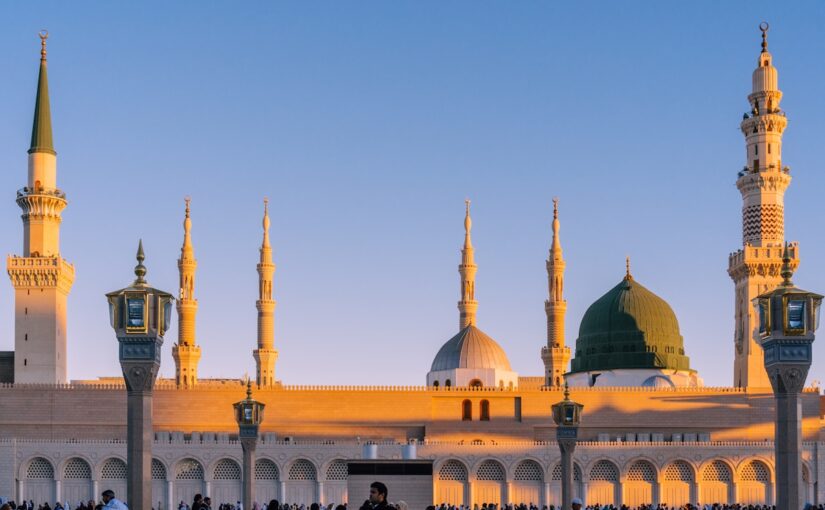
Maa Ke Bheje Hue (ماں کے بھیجے ہوئے) – Lyrics, Translation & Meaning

The naat “Maa Ke Bheje Hue” (ماں کے بھیجے ہوئے) is one of the most heart-touching Urdu naats that beautifully expresses the emotions of visiting the blessed city of Madina with the blessings and prayers of one’s mother. This soul-stirring naat reminds us that the dua of a mother is the most powerful currency in the court of the Prophet ﷺ.

Background & Meaning of Maa Ke Bheje Hue

The title “Maa Ke Bheje Hue” translates to “Sent by My Mother”. The naat beautifully captures the sentiment of a believer who travels to Madina not on their own merit, but as someone sent by their mother — carrying her prayers, her love, and her blessings as the only passport needed to enter the blessed court of the Prophet ﷺ.

The lyrics weave together two of the most sacred relationships in a believer’s life: the love for one’s mother and the love for Prophet Muhammad ﷺ. It speaks of how a mother’s dua can open doors that no amount of wealth or status can unlock. Just as our beloved mother raised us with countless sacrifices, her prayers accompany us on every journey — especially the blessed journey to Madina.

This naat resonates deeply with those who have experienced the profound bond of a mother’s unconditional love. It also beautifully echoes the theme of Maa Baap Ki Dua, reminding us that parental prayers are a treasure that every child should seek.

Maa Ke Bheje Hue – Urdu Lyrics (ماں کے بھیجے ہوئے – اردو کلام)

Verse 1

ماں کے بھیجے ہوئے آیا ہوں مدینے میں
کچھ نہ لایا ہوں میں اپنے ہی خزانے میں

Verse 2

میرے ماں باپ کی دعاؤں کا ہے یہ ثمر
آج آیا ہوں یہاں شاہِ مدینہ کے نگر

Verse 3

آپ کی بارگاہ میں عرض ہے یا رسول اللہ
ماں نے بخشا ہے مجھے آپ کا در آقا

Verse 4

مجھ کو کوئی نہیں اپنی کمائی کا بھروسہ
ماں کی دعا ہے میرے پاس یہی ہے سرمایہ

Verse 5

آپ کی آستان پہ جھکا دے سر میرا
ماں کے آنسوؤں نے بخشا ہے یہ مقدر

Verse 6

میرے آقا مجھے اپنی نظر میں رکھنا
ماں کے بھیجے ہوئے کو در سے نہ پھیرنا

Roman Transliteration (Latin Script)

Verse 1
Maa ke bheje hue aaya hoon Madine mein
Kuchh na laaya hoon main apne hi khazane mein

Verse 2
Mere maa baap ki duaon ka ye hai samar
Aaj aaya hoon yahan Shaah-e-Madina ke nagar

Verse 3
Aap ki baargah mein arz hai Ya Rasool Allah
Maa ne bakhsha hai mujhe aap ka dar Aaqa

Verse 4
Mujh ko koi nahi apni kamai ka bharosa
Maa ki dua hai mere paas yahi hai sarmaya

Verse 5
Aap ki aastaan pe jhuka de sar mera
Maa ke aansuon ne bakhsha hai ye muqaddar

Verse 6
Mere Aaqa mujhe apni nazar mein rakhna
Maa ke bheje hue ko dar se na pherna

English Translation

Verse 1
“I have come to Madina, sent by my mother — I have brought nothing from my own treasures.”

This opening verse sets the humble tone of the entire naat. The poet acknowledges that his visit to the blessed city is not due to his own righteousness or wealth, but purely because his mother sent him with her prayers.

Verse 2
“This is the fruit of my parents’ prayers — today I have come here, to the city of the King of Madina.”

The second verse emphasizes that the blessings a person receives are often the direct result of their parents’ duas. This powerful theme is also beautifully captured in Hasbi Rabbi, where complete reliance on divine mercy is expressed.

Verse 3
“I present my plea at Your court, O Messenger of Allah — my mother has blessed me with Your door, O Master.”

The poet humbly presents himself before the Prophet ﷺ, acknowledging that it was his mother’s blessing that opened the door to this sacred visit. A mother’s blessing is the greatest treasure a child can carry.

Verse 4
“I have no confidence in my own earnings — my mother’s dua is my only capital.”

This verse beautifully captures the essence of humility. None of our worldly achievements matter in the court of the beloved Prophet ﷺ. The only thing of value is the sincere prayer of a mother. This sentiment is similar to the heartfelt plea found in Mere Maula, where the singer calls upon their Lord with complete submission and need.

Verse 5
“Let my head bow at Your threshold — my mother’s tears have granted me this destiny.”

The most emotional verse of the naat — the poet recognizes that it was not his own efforts but the sleepless nights and tearful prayers of his mother that earned him the honor of visiting Madina. A mother’s tears are the most powerful force in the universe.

Verse 6
“Keep me in Your gaze, O my Master — do not turn away the one sent by his mother from Your door.”

The concluding verse is a beautiful supplication. The poet asks the Prophet ﷺ to keep him under his blessed gaze and not to reject someone who comes bearing the weight of his mother’s prayers. It’s a reminder that none of us enter the court of the Prophet ﷺ on our own merit — we come only through the blessings of those who loved us first.

The Spiritual Significance

“Maa Ke Bheje Hue” is more than just a naat — it is a powerful reminder of the station of parents in Islam. Allah says in the Qur’an:

“And your Lord has decreed that you not worship except Him, and to parents, good treatment.” (Qur’an 17:23)

The Prophet Muhammad ﷺ himself emphasized the status of a mother. When a companion asked who deserved his best companionship, the Prophet ﷺ replied three times, “Your mother,” and then “Your father” (Sahih al-Bukhari). This naat brings that beautiful teaching to life through poetry and melody.

The theme of this naat serves as a beautiful companion piece to other well-loved naats that express devotion, submission, and love for the Prophet ﷺ. Each recitation reminds us that the path to Madina is paved not by our own deeds but by the prayers of those who love us.

Why This Naat Touches the Heart

There is something universally relatable about this naat. Every person who has felt the warmth of a mother’s love — or who longs for it — finds an immediate connection with these verses. The naat strips away all pretense and reminds us that we are all, in a sense, “maa ke bheje hue” — sent into this world by our mothers, carrying their hopes, their prayers, and their tears.

When we visit the blessed city of Madina or even when we send salutations upon the Prophet ﷺ from afar, we should remember that the greatest intercession we can hope for is not our own piety but the sincere duas of our parents — especially our mothers.

May Allah give us all the ability to honor our parents, seek their prayers, and be worthy of being counted among “Maa Ke Bheje Hue” — those sent with a mother’s blessing to the court of the beloved Prophet ﷺ. Ameen.

Related Naats You May Like

Shah-e-Madina Yaad Aa Rahe Hain (شاہ مدینہ یاد آ رہے ہیں) — Full Naat Lyrics in Urdu, English Translation and Meaning

Naat: Shah-e-Madina Yaad Aa Rahe Hain (شاہ مدینہ یاد آ رہے ہیں)
Category: Naat in Praise of Prophet Muhammad ﷺ
Language: Urdu with English Translation

“Shah-e-Madina Yaad Aa Rahe Hain” is one of the most beloved Urdu naats that expresses the deep spiritual longing of a believer for the Prophet Muhammad ﷺ, the King of Madina. This soulful naat captures the essence of ishq-e-rasool — the love for the Prophet that resides in every Muslim heart. The poet beautifully weaves together the pain of separation, the hope of blessed vision, and the overwhelming love that makes the heart yearn for the blessed city of Madina.

Background and Significance

The title “Shah-e-Madina” (شاہ مدینہ) translates as “The King of Madina” — an honorific title for Prophet Muhammad ﷺ, referring to his sovereignty over the blessed city where he is laid to rest. “Yaad Aa Rahe Hain” means “I am remembering” or “they come to memory.” Together, the title conveys a beautiful sentiment: the King of Madina fills the heart and mind of the believer, and memories of the Beloved Prophet come flooding back unbidden.

This naat belongs to the rich tradition of Urdu naat poetry that flourished in the Indian subcontinent. It reflects the madhuh style of devotional poetry where the lover (the believer) expresses their longing for the beloved (the Prophet ﷺ). The naat uses the traditional Urdu qafia (rhyme scheme) and radif (recurring refrain), making it both melodious and spiritually uplifting.

The central theme of this naat is shauq-e-zairat — the intense desire to visit the Prophet’s ﷺ blessed resting place in Madina Munawwarah. Every verse builds upon this longing, reminding the listener that love for the Prophet ﷺ is not merely an emotion but a transformative spiritual force.

This naat is particularly popular during the Islamic month of Rabi’ al-Awwal (the birth month of the Prophet ﷺ) and among those planning a journey to perform Umrah or Hajj. It strengthens the emotional connection to Madina and the Prophet ﷺ, preparing the heart for the spiritual journey.

Shah-e-Madina Yaad Aa Rahe Hain — Full Urdu Lyrics

Below are the complete lyrics of this beautiful naat in Urdu script:

شاہ مدینہ یاد آ رہے ہیں
دل کو صحرا یاد آ رہے ہیں

اے مدینہ کے سائیں یارو
کیسے میں اپنا غم بھلاؤں
ہجر کی شام ڈھل رہی ہے
اب تو کچھ کام کر دکھاؤں

شاہ مدینہ یاد آ رہے ہیں
دل کو صحرا یاد آ رہے ہیں

اک نظر اے حبیبِ اعظم
آپ کے در پہ بیٹھ کر میں
درد کے آنسو بہا رہا ہوں
آہ بھر بھر کے کہہ رہا ہوں

شاہ مدینہ یاد آ رہے ہیں
دل کو صحرا یاد آ رہے ہیں

کیسی ہے یہ محبت تیری
ہر گھڑی ہے حسرت تیری
دور رہ کر بھی اپنے دل میں
آپ کو میں بسائے رکھوں

شاہ مدینہ یاد آ رہے ہیں
دل کو صحرا یاد آ رہے ہیں

جب بھی یاد آئے مدینہ
آنکھیں بھر آئیں مدینہ
دور ہو کر تجھ سے اپنے
کس طرح میں رہ پاؤں گا

شاہ مدینہ یاد آ رہے ہیں
دل کو صحرا یاد آ رہے ہیں

English Translation of Shah-e-Madina Yaad Aa Rahe Hain

Verse 1:

Shah-e-Madina yaad aa rahe hain
Dil ko sahra yaad aa rahe hain

Translation:
The King of Madina comes to memory,
My heart remembers the desert (of Madina).

Meaning: The poet begins by establishing the core theme — the Prophet ﷺ, the sovereign of Madina, fills the mind with loving remembrance. The “desert” (sahra) refers to the arid landscape of Madina, which holds the fragrance of the Prophet’s ﷺ presence. The heart aches not just for the person of the Prophet but for every grain of sand in that blessed land.

Verse 2:

Aye Madina ke saiyan yaro
Kaise mein apna gham bhulaun
Hijr ki shaam dhal rahi hai
Ab toh kuch kaam kar dikhaun

Translation:
O dwellers of Madina, my companions,
How can I forget my sorrow?
The evening of separation is descending,
Now let me do something (for love).

Meaning: The poet addresses the residents of Madina, expressing the agony of being far from the beloved city. The “evening of separation” (hijr ki shaam) symbolizes the growing darkness of being away from the Prophet’s ﷺ presence. The poet feels an urgent need to act on this love — through travel, through tears, through devotion.

Verse 3:

Ik nazar aye Habeeb-e-Azam
Aap ke dar pe baith kar mein
Dard ke aansu baha raha hoon
Aah bhar bhar ke keh raha hoon

Translation:
Just one glance, O Greatest Beloved!
Sitting at your doorstep,
I am shedding tears of pain,
Sighing again and again I plead.

Meaning: This is the emotional climax of the naat. The poet imagines being at the Prophet’s ﷺ blessed Rawdah in Madina, sitting at his doorstep and begging for just a single glance. The tears and sighs represent the tawajjuh (spiritual attention) and nisbat (connection) that believers seek when they visit Madina. “Habeeb-e-Azam” (The Greatest Beloved) is a reference to the Prophet ﷺ, whom Allah Himself calls Habibullah (The Beloved of God).

Verse 4:

Kaisee hai yeh mohabbat teri
Har ghari hai hasrat teri
Door reh kar bhi apne dil mein
Aap ko mein basaye rakhun

Translation:
What kind of love is this of Yours?
Every moment is spent in longing for You.
Even while staying far away,
I keep You enshrined in my heart.

Meaning: The poet marvels at the nature of love for the Prophet ﷺ. Even physical distance cannot diminish this love. The Prophet ﷺ remains enshrined in the believer’s heart at all times. This reflects the Qur’anic teaching that genuine iman (faith) means loving the Prophet ﷺ more than one’s own self, family, and all of humanity (Bukhari).

Verse 5:

Jab bhi yaad aaye Madina
Aankhen bhar aayen Madina
Door ho kar tujh se apne
Kis tarah mein reh paunga

Translation:
Whenever I remember Madina,
My eyes fill with tears, O Madina.
Being distant from you,
How will I ever survive?

Meaning: The poet directly addresses Madina, personifying the city as a beloved companion. The mere memory of Madina brings tears — a phenomenon well-known among those who have visited the city and experienced its spiritual atmosphere. The rhetorical question at the end captures the existential pain of separation that every sincere believer feels.

The Spiritual Message of This Naat

“Shah-e-Madina Yaad Aa Rahe Hain” is more than a lyrical composition — it is a spiritual journey expressed through poetry. Here are the key spiritual themes:

1. Love Across Distance

The naat teaches that true love for the Prophet ﷺ transcends physical distance. Even if a believer cannot visit Madina, the heart remains connected to the Prophet ﷺ through constant remembrance (dhikr) and heartfelt devotion. This echoes the Hadith: “Whoever sends salutations upon me from near my grave, I hear him, and whoever sends salutations from far away, it is conveyed to me” (Sunan al-Kubra al-Bayhaqi).

2. The Pain of Hijr (Separation)

The repeated references to hijr (separation) and tears reflect the deep spiritual longing that characterizes Islamic devotional poetry. This is not a worldly sadness but a sacred ache — the soul recognizing its distance from the source of spiritual light. The poet transforms this pain into a means of drawing closer to the beloved Prophet ﷺ.

3. Madina as a Spiritual Home

Madina is not just a geographical location in this naat — it is the spiritual homeland of every believer. The Prophet ﷺ said: “Indeed, faith will return to Madina just as a snake returns to its hole” (Bukhari). The naat captures this spiritual magnetism of Madina, the city that shelters the Prophet’s ﷺ blessed body and radiates his spiritual light to the entire world.

4. Tears as a Form of Worship

The tears described in the naat are not tears of despair but of love. In Islamic spirituality, tears shed for the love of the Prophet ﷺ are considered a form of worship. The Prophet ﷺ himself wept in his prayers, and the Companions wept when reciting the Qur’an. The naat reminds us that a heart that can cry for the Prophet ﷺ is a heart that is alive with faith.

Popular Recitations of Shah-e-Madina Yaad Aa Rahe Hain

This naat has been beautifully rendered by several well-known naat khawans. Each recitation brings its own emotional depth and style to the words:

  • Owais Raza Qadri: Known for his soulful and heart-touching rendition that emphasizes the emotional weight of each verse.
  • Hafiz Muhammad Tahir Qadri: His recitation is measured and contemplative, allowing the listener to absorb the meaning.
  • Sibtain Raza: A powerful voice that brings out the longing and passion in the lyrics.
  • Farhan Ali Waris: His melodious style makes the naat accessible to younger audiences while maintaining its spiritual depth.

Related Naats You May Like

If you enjoyed “Shah-e-Madina Yaad Aa Rahe Hain,” you may also find spiritual connection in these other beautiful naats:

FAQs About Shah-e-Madina Yaad Aa Rahe Hain

What does “Shah-e-Madina” mean?

“Shah” means King or sovereign. “Shah-e-Madina” is an honorific title for Prophet Muhammad ﷺ, meaning “The King of Madina” — recognizing his spiritual sovereignty over the blessed city.

Who wrote the naat “Shah-e-Madina Yaad Aa Rahe Hain”?

This naat has been composed by a traditional Urdu poet in the classical naat tradition. The exact author may vary across sources, but it belongs to the rich heritage of Urdu naat poetry that has been passed down through generations.

When should this naat be recited?

This naat can be recited at any time, but it is particularly meaningful during Rabi’ al-Awwal (the birth month of the Prophet ﷺ), before traveling for Umrah or Hajj, during Milad gatherings, and at any gathering where the love of the Prophet ﷺ is celebrated.

Is this naat available on YouTube?

Yes, several beautiful recitations of “Shah-e-Madina Yaad Aa Rahe Hain” are available on YouTube by various naat khawans. These recitations have garnered millions of views from around the world.

Conclusion

“Shah-e-Madina Yaad Aa Rahe Hain” is a timeless naat that captures the essence of love for Prophet Muhammad ﷺ. Its simple yet profound words speak directly to the heart, reminding us of the spiritual connection that binds every believer to the King of Madina. Whether you are a lifelong student of Islamic poetry or someone discovering naat for the first time, this beautiful composition has the power to move your heart and strengthen your bond with the Beloved Prophet ﷺ.

May our hearts always be filled with the remembrance of Shah-e-Madina ﷺ, and may we be blessed with a visit to his blessed city. Ameen.

Chand Taron Mein (چاند تاروں میں) — Full Naat Lyrics in Urdu, English Translation and Meaning

The river of the heart has overflowed —
There is no peace, no comfort anymore.


Is this a lifelong thirst?
Is it simply a plea for just one glimpse (of the Beloved)?


Verse 4:

That Face — whose praise
God Himself has written in the (divine) books.


Refrain:

Among the moon and the stars, there is a Face —
Whose praise has been sung by God Himself.

Meaning and Spiritual Significance

The beauty of “Chand Taron Mein” lies in its layered spiritual meaning. On the surface, it is a love poem about the Prophet Muhammad ﷺ. But when read with awareness, it becomes a meditation on how the Divine is reflected in creation.

1. The Face Among the Stars

The opening line — “Chand taaron mein hai ik chehra” — uses cosmic imagery to describe the Prophet’s ﷺ face. The moon and stars are not random; they represent guidance and light in the darkness. Just as travelers navigate by the stars, believers navigate their spiritual journey through the light of the Prophet ﷺ. The phrase recalls the Qur’anic verse where Allah praises the Prophet’s noble character (Surah Al-Qalam 68:4).

2. Whose Praise God Has Made

“Jis ki tareef Khuda ne ki hai” — the poet reminds us that it is not humans who invented praise for the Prophet; rather, Allah Himself has praised His beloved Messenger in the Qur’an. This refers to verses like “Indeed, you are of a great moral character” (68:4) and “And We have not sent you except as a mercy to the worlds” (21:107). Our praise is merely an echo of the Divine praise.

3. Love That Leads to Prayer

The verse — “Phir woh sajda nahi bhool sakta / Phir woh uThna nahi bhool sakta” — speaks powerfully about how love for the Prophet ﷺ transforms a person’s relationship with Allah. When genuine love for the Prophet awakens in the heart, prayer (salah) becomes effortless. The one who loves the Prophet naturally finds themselves in prostration, because the Prophet’s entire life was prayer. This is the essence of following the Sunnah — not as a set of rules, but as a natural expression of love.

4. The Thirst for Divine Vision

“Zindagi bhar ki yeh pyaas hai kya / Sirf ek deed ka sawaal hai kya” — these lines express the deeply human yearning to see the Beloved. The spiritual thirst described here echoes the famous prayer of the Prophet ﷺ: “O Allah, grant me the pleasure of looking at Your Noble Face and the longing to meet You” (Sunan al-Tirmidhi). The poet suggests that this lifelong thirst can only be quenched by a vision (deed) of the Prophet ﷺ — either in this world through spiritual vision (kashf) or in the Hereafter.

The Poet: Muhammad Yaseen

Muhammad Yaseen is a contemporary Urdu poet known for his deeply spiritual and accessible poetry. Unlike classical naat poets who often used complex Persianized vocabulary, Yaseen’s style is simple, direct, and emotionally resonant. His words connect with people from all walks of life, from religious scholars to young people discovering Islamic spirituality for the first time.

“Chand Taron Mein” remains his most famous composition. Its popularity spans generations and geographies — from the streets of Lahore to the homes of Muslims in the UK, US, and beyond. The naat has been translated into English, Turkish, Malay, and several other languages.

The Voice: Nabeel Shaukat Ali

Nabeel Shaukat Ali is a Pakistani naat khawan whose soulful rendition of “Chand Taron Mein” made him a household name. Born in Lahore, Nabeel was trained in classical music but devoted his voice to naat and nasheeds. His style is characterized by gentle, melodic delivery that emphasizes the emotional weight of the words rather than vocal acrobatics. This approach makes his naats feel intimate — like a personal conversation with the Divine.

His rendition of “Chand Taron Mein” has garnered millions of views on YouTube and remains one of the most-shared naat videos on social media platforms.

Why This Naat Resonates

“Chand Taron Mein” has become a modern classic for several reasons:

  • Universal theme — The love expressed in this naat transcends cultural and linguistic boundaries.
  • Accessible language — The Urdu is simple and easy to understand, even for beginners.
  • Melodic structure — The rhythm and rhyme scheme make it easy to memorize and recite.
  • Emotional depth — Despite its simplicity, every verse carries layers of spiritual meaning.
  • Youth appeal — The contemporary style has introduced a new generation to the tradition of naat.

Conclusion

“Chand Taron Mein” is more than just a naat — it is a spiritual experience. Its verses are a reminder that the Prophet Muhammad ﷺ is the focal point of all creation, the face among the moon and stars that guides believers toward their Creator. Whether you are reciting it in solitude, hearing it at a gathering, or singing it with your children, this naat has the power to soften hearts and strengthen faith.

May the love of the Prophet ﷺ fill our hearts as naturally as the stars fill the night sky. Āmīn.

— Naat Lines

Among the moon and the stars, there is a Face —
Whose praise has been sung by God Himself.


Verse 3:

The river of the heart has overflowed —
There is no peace, no comfort anymore.


Is this a lifelong thirst?
Is it simply a plea for just one glimpse (of the Beloved)?


Verse 4:

That Face — whose praise
God Himself has written in the (divine) books.


Refrain:

Among the moon and the stars, there is a Face —
Whose praise has been sung by God Himself.

Meaning and Spiritual Significance

The beauty of “Chand Taron Mein” lies in its layered spiritual meaning. On the surface, it is a love poem about the Prophet Muhammad ﷺ. But when read with awareness, it becomes a meditation on how the Divine is reflected in creation.

1. The Face Among the Stars

The opening line — “Chand taaron mein hai ik chehra” — uses cosmic imagery to describe the Prophet’s ﷺ face. The moon and stars are not random; they represent guidance and light in the darkness. Just as travelers navigate by the stars, believers navigate their spiritual journey through the light of the Prophet ﷺ. The phrase recalls the Qur’anic verse where Allah praises the Prophet’s noble character (Surah Al-Qalam 68:4).

2. Whose Praise God Has Made

“Jis ki tareef Khuda ne ki hai” — the poet reminds us that it is not humans who invented praise for the Prophet; rather, Allah Himself has praised His beloved Messenger in the Qur’an. This refers to verses like “Indeed, you are of a great moral character” (68:4) and “And We have not sent you except as a mercy to the worlds” (21:107). Our praise is merely an echo of the Divine praise.

3. Love That Leads to Prayer

The verse — “Phir woh sajda nahi bhool sakta / Phir woh uThna nahi bhool sakta” — speaks powerfully about how love for the Prophet ﷺ transforms a person’s relationship with Allah. When genuine love for the Prophet awakens in the heart, prayer (salah) becomes effortless. The one who loves the Prophet naturally finds themselves in prostration, because the Prophet’s entire life was prayer. This is the essence of following the Sunnah — not as a set of rules, but as a natural expression of love.

4. The Thirst for Divine Vision

“Zindagi bhar ki yeh pyaas hai kya / Sirf ek deed ka sawaal hai kya” — these lines express the deeply human yearning to see the Beloved. The spiritual thirst described here echoes the famous prayer of the Prophet ﷺ: “O Allah, grant me the pleasure of looking at Your Noble Face and the longing to meet You” (Sunan al-Tirmidhi). The poet suggests that this lifelong thirst can only be quenched by a vision (deed) of the Prophet ﷺ — either in this world through spiritual vision (kashf) or in the Hereafter.

The Poet: Muhammad Yaseen

Muhammad Yaseen is a contemporary Urdu poet known for his deeply spiritual and accessible poetry. Unlike classical naat poets who often used complex Persianized vocabulary, Yaseen’s style is simple, direct, and emotionally resonant. His words connect with people from all walks of life, from religious scholars to young people discovering Islamic spirituality for the first time.

“Chand Taron Mein” remains his most famous composition. Its popularity spans generations and geographies — from the streets of Lahore to the homes of Muslims in the UK, US, and beyond. The naat has been translated into English, Turkish, Malay, and several other languages.

The Voice: Nabeel Shaukat Ali

Nabeel Shaukat Ali is a Pakistani naat khawan whose soulful rendition of “Chand Taron Mein” made him a household name. Born in Lahore, Nabeel was trained in classical music but devoted his voice to naat and nasheeds. His style is characterized by gentle, melodic delivery that emphasizes the emotional weight of the words rather than vocal acrobatics. This approach makes his naats feel intimate — like a personal conversation with the Divine.

His rendition of “Chand Taron Mein” has garnered millions of views on YouTube and remains one of the most-shared naat videos on social media platforms.

Why This Naat Resonates

“Chand Taron Mein” has become a modern classic for several reasons:

  • Universal theme — The love expressed in this naat transcends cultural and linguistic boundaries.
  • Accessible language — The Urdu is simple and easy to understand, even for beginners.
  • Melodic structure — The rhythm and rhyme scheme make it easy to memorize and recite.
  • Emotional depth — Despite its simplicity, every verse carries layers of spiritual meaning.
  • Youth appeal — The contemporary style has introduced a new generation to the tradition of naat.

Conclusion

“Chand Taron Mein” is more than just a naat — it is a spiritual experience. Its verses are a reminder that the Prophet Muhammad ﷺ is the focal point of all creation, the face among the moon and stars that guides believers toward their Creator. Whether you are reciting it in solitude, hearing it at a gathering, or singing it with your children, this naat has the power to soften hearts and strengthen faith.

May the love of the Prophet ﷺ fill our hearts as naturally as the stars fill the night sky. Āmīn.

— Naat Lines
That Face — when its love awakens in someone’s heart —
They can never forget how to prostrate,
They can never forget how to rise (in prayer).


Refrain:

Among the moon and the stars, there is a Face —
Whose praise has been sung by God Himself.


Verse 3:

The river of the heart has overflowed —
There is no peace, no comfort anymore.


Is this a lifelong thirst?
Is it simply a plea for just one glimpse (of the Beloved)?


Verse 4:

That Face — whose praise
God Himself has written in the (divine) books.


Refrain:

Among the moon and the stars, there is a Face —
Whose praise has been sung by God Himself.

Meaning and Spiritual Significance

The beauty of “Chand Taron Mein” lies in its layered spiritual meaning. On the surface, it is a love poem about the Prophet Muhammad ﷺ. But when read with awareness, it becomes a meditation on how the Divine is reflected in creation.

1. The Face Among the Stars

The opening line — “Chand taaron mein hai ik chehra” — uses cosmic imagery to describe the Prophet’s ﷺ face. The moon and stars are not random; they represent guidance and light in the darkness. Just as travelers navigate by the stars, believers navigate their spiritual journey through the light of the Prophet ﷺ. The phrase recalls the Qur’anic verse where Allah praises the Prophet’s noble character (Surah Al-Qalam 68:4).

2. Whose Praise God Has Made

“Jis ki tareef Khuda ne ki hai” — the poet reminds us that it is not humans who invented praise for the Prophet; rather, Allah Himself has praised His beloved Messenger in the Qur’an. This refers to verses like “Indeed, you are of a great moral character” (68:4) and “And We have not sent you except as a mercy to the worlds” (21:107). Our praise is merely an echo of the Divine praise.

3. Love That Leads to Prayer

The verse — “Phir woh sajda nahi bhool sakta / Phir woh uThna nahi bhool sakta” — speaks powerfully about how love for the Prophet ﷺ transforms a person’s relationship with Allah. When genuine love for the Prophet awakens in the heart, prayer (salah) becomes effortless. The one who loves the Prophet naturally finds themselves in prostration, because the Prophet’s entire life was prayer. This is the essence of following the Sunnah — not as a set of rules, but as a natural expression of love.

4. The Thirst for Divine Vision

“Zindagi bhar ki yeh pyaas hai kya / Sirf ek deed ka sawaal hai kya” — these lines express the deeply human yearning to see the Beloved. The spiritual thirst described here echoes the famous prayer of the Prophet ﷺ: “O Allah, grant me the pleasure of looking at Your Noble Face and the longing to meet You” (Sunan al-Tirmidhi). The poet suggests that this lifelong thirst can only be quenched by a vision (deed) of the Prophet ﷺ — either in this world through spiritual vision (kashf) or in the Hereafter.

The Poet: Muhammad Yaseen

Muhammad Yaseen is a contemporary Urdu poet known for his deeply spiritual and accessible poetry. Unlike classical naat poets who often used complex Persianized vocabulary, Yaseen’s style is simple, direct, and emotionally resonant. His words connect with people from all walks of life, from religious scholars to young people discovering Islamic spirituality for the first time.

“Chand Taron Mein” remains his most famous composition. Its popularity spans generations and geographies — from the streets of Lahore to the homes of Muslims in the UK, US, and beyond. The naat has been translated into English, Turkish, Malay, and several other languages.

The Voice: Nabeel Shaukat Ali

Nabeel Shaukat Ali is a Pakistani naat khawan whose soulful rendition of “Chand Taron Mein” made him a household name. Born in Lahore, Nabeel was trained in classical music but devoted his voice to naat and nasheeds. His style is characterized by gentle, melodic delivery that emphasizes the emotional weight of the words rather than vocal acrobatics. This approach makes his naats feel intimate — like a personal conversation with the Divine.

His rendition of “Chand Taron Mein” has garnered millions of views on YouTube and remains one of the most-shared naat videos on social media platforms.

Why This Naat Resonates

“Chand Taron Mein” has become a modern classic for several reasons:

  • Universal theme — The love expressed in this naat transcends cultural and linguistic boundaries.
  • Accessible language — The Urdu is simple and easy to understand, even for beginners.
  • Melodic structure — The rhythm and rhyme scheme make it easy to memorize and recite.
  • Emotional depth — Despite its simplicity, every verse carries layers of spiritual meaning.
  • Youth appeal — The contemporary style has introduced a new generation to the tradition of naat.

Conclusion

“Chand Taron Mein” is more than just a naat — it is a spiritual experience. Its verses are a reminder that the Prophet Muhammad ﷺ is the focal point of all creation, the face among the moon and stars that guides believers toward their Creator. Whether you are reciting it in solitude, hearing it at a gathering, or singing it with your children, this naat has the power to soften hearts and strengthen faith.

May the love of the Prophet ﷺ fill our hearts as naturally as the stars fill the night sky. Āmīn.

— Naat Lines

Among the moon and the stars, there is a Face —
Whose praise has been sung by God Himself.


Whoever has seen that Face
Has remembered Allah.


Verse 2:

That Face — when its love awakens in someone’s heart —
They can never forget how to prostrate,
They can never forget how to rise (in prayer).


Refrain:

Among the moon and the stars, there is a Face —
Whose praise has been sung by God Himself.


Verse 3:

The river of the heart has overflowed —
There is no peace, no comfort anymore.


Is this a lifelong thirst?
Is it simply a plea for just one glimpse (of the Beloved)?


Verse 4:

That Face — whose praise
God Himself has written in the (divine) books.


Refrain:

Among the moon and the stars, there is a Face —
Whose praise has been sung by God Himself.

Meaning and Spiritual Significance

The beauty of “Chand Taron Mein” lies in its layered spiritual meaning. On the surface, it is a love poem about the Prophet Muhammad ﷺ. But when read with awareness, it becomes a meditation on how the Divine is reflected in creation.

1. The Face Among the Stars

The opening line — “Chand taaron mein hai ik chehra” — uses cosmic imagery to describe the Prophet’s ﷺ face. The moon and stars are not random; they represent guidance and light in the darkness. Just as travelers navigate by the stars, believers navigate their spiritual journey through the light of the Prophet ﷺ. The phrase recalls the Qur’anic verse where Allah praises the Prophet’s noble character (Surah Al-Qalam 68:4).

2. Whose Praise God Has Made

“Jis ki tareef Khuda ne ki hai” — the poet reminds us that it is not humans who invented praise for the Prophet; rather, Allah Himself has praised His beloved Messenger in the Qur’an. This refers to verses like “Indeed, you are of a great moral character” (68:4) and “And We have not sent you except as a mercy to the worlds” (21:107). Our praise is merely an echo of the Divine praise.

3. Love That Leads to Prayer

The verse — “Phir woh sajda nahi bhool sakta / Phir woh uThna nahi bhool sakta” — speaks powerfully about how love for the Prophet ﷺ transforms a person’s relationship with Allah. When genuine love for the Prophet awakens in the heart, prayer (salah) becomes effortless. The one who loves the Prophet naturally finds themselves in prostration, because the Prophet’s entire life was prayer. This is the essence of following the Sunnah — not as a set of rules, but as a natural expression of love.

4. The Thirst for Divine Vision

“Zindagi bhar ki yeh pyaas hai kya / Sirf ek deed ka sawaal hai kya” — these lines express the deeply human yearning to see the Beloved. The spiritual thirst described here echoes the famous prayer of the Prophet ﷺ: “O Allah, grant me the pleasure of looking at Your Noble Face and the longing to meet You” (Sunan al-Tirmidhi). The poet suggests that this lifelong thirst can only be quenched by a vision (deed) of the Prophet ﷺ — either in this world through spiritual vision (kashf) or in the Hereafter.

The Poet: Muhammad Yaseen

Muhammad Yaseen is a contemporary Urdu poet known for his deeply spiritual and accessible poetry. Unlike classical naat poets who often used complex Persianized vocabulary, Yaseen’s style is simple, direct, and emotionally resonant. His words connect with people from all walks of life, from religious scholars to young people discovering Islamic spirituality for the first time.

“Chand Taron Mein” remains his most famous composition. Its popularity spans generations and geographies — from the streets of Lahore to the homes of Muslims in the UK, US, and beyond. The naat has been translated into English, Turkish, Malay, and several other languages.

The Voice: Nabeel Shaukat Ali

Nabeel Shaukat Ali is a Pakistani naat khawan whose soulful rendition of “Chand Taron Mein” made him a household name. Born in Lahore, Nabeel was trained in classical music but devoted his voice to naat and nasheeds. His style is characterized by gentle, melodic delivery that emphasizes the emotional weight of the words rather than vocal acrobatics. This approach makes his naats feel intimate — like a personal conversation with the Divine.

His rendition of “Chand Taron Mein” has garnered millions of views on YouTube and remains one of the most-shared naat videos on social media platforms.

Why This Naat Resonates

“Chand Taron Mein” has become a modern classic for several reasons:

  • Universal theme — The love expressed in this naat transcends cultural and linguistic boundaries.
  • Accessible language — The Urdu is simple and easy to understand, even for beginners.
  • Melodic structure — The rhythm and rhyme scheme make it easy to memorize and recite.
  • Emotional depth — Despite its simplicity, every verse carries layers of spiritual meaning.
  • Youth appeal — The contemporary style has introduced a new generation to the tradition of naat.

Conclusion

“Chand Taron Mein” is more than just a naat — it is a spiritual experience. Its verses are a reminder that the Prophet Muhammad ﷺ is the focal point of all creation, the face among the moon and stars that guides believers toward their Creator. Whether you are reciting it in solitude, hearing it at a gathering, or singing it with your children, this naat has the power to soften hearts and strengthen faith.

May the love of the Prophet ﷺ fill our hearts as naturally as the stars fill the night sky. Āmīn.

— Naat Lines
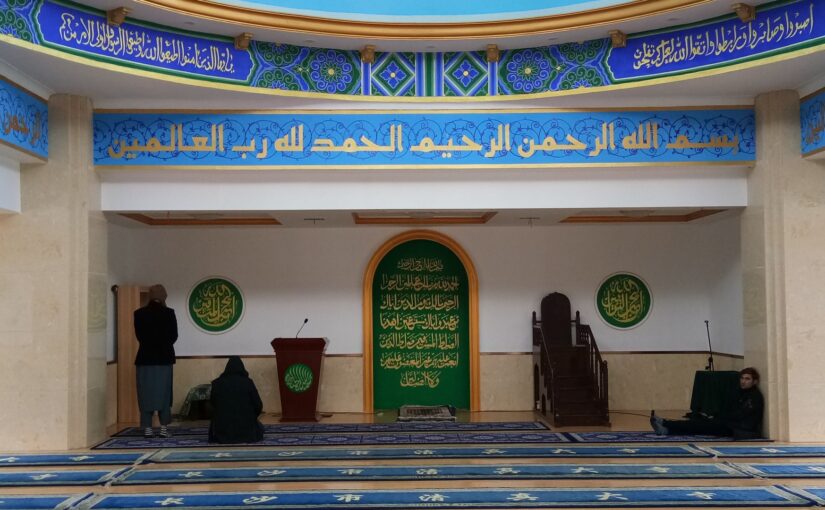
Chand Taron Mein (چاند تاروں میں) — Full Naat Lyrics in Urdu, English Translation and Meaning

“Chand Taron Mein” (چاند تاروں میں) is one of the most beloved modern naats in the Islamic world. Popularized by the soulful voice of Nabeel Shaukat Ali and written by the gifted poet Muhammad Yaseen, this naat has captured the hearts of millions. Its gentle melody and profound lyrics express a deep, personal love for Prophet Muhammad ﷺ, describing how the beauty of creation itself reflects the light of the Prophet.

This naat has become a staple at Milad gatherings, Mehfil-e-Naat events, and personal devotionals across South Asia and beyond. Its simple yet powerful refrain makes it easy to remember, while its verses carry a depth of meaning that rewards reflection.

Background and Significance

The poet Muhammad Yaseen composed this naat with a unique perspective — rather than directly praising the Prophet in conventional terms, he uses the imagery of the moon and stars to create a metaphor for how the Prophet’s ﷺ love illuminates the world. The refrain “Chand taron mein hai ik chehra” (چاند تاروں میں ہے ایک چہرہ) speaks to the belief that the Prophet’s face is reflected in the beauty of the entire universe.

The naat gained massive popularity through Nabeel Shaukat Ali’s rendition, which became a viral sensation across YouTube and social media. Nabeel’s soft yet emotional voice perfectly captures the longing and love embedded in the lyrics. The naat has since been covered by numerous artists including Owais Raza Qadri and many others, each adding their own flavor while preserving the essence of the original composition.

What makes “Chand Taron Mein” special is its accessibility — even those who don’t speak Urdu find themselves moved by its melody and the spiritual yearning it conveys. It has become a gateway naat for many young Muslims discovering the beauty of poetry in praise of the Prophet ﷺ.

Chand Taron Mein — Urdu Lyrics (چاند تاروں میں)

Below is the complete naat in Urdu script:

مکمل نعت “چاند تاروں میں”

چاند تاروں میں ہے ایک چہرہ
جس کی تعریف خدا نے کی ہے

ایک چہرہ کہ جیسنے دیکھا
اس نے اللہ کو یاد کیا ہے

ایک چہرہ کہ جس کی محبت
دل میں جب جاگ جائے کسی کے

پھر وہ سجدہ نہیں بھول سکتا
پھر وہ اٹھنا نہیں بھول سکتا

چاند تاروں میں ہے ایک چہرہ
جس کی تعریف خدا نے کی ہے

دل کا دریا جو ابل پڑا ہے
اس کو چین نہیں کسی طرح

زندگی بھر کی یہ پیاس ہے کیا
صرف اک دید کا سوال ہے کیا

ایک چہرہ کہ جس کی تعریف
خود خدا نے کتابوں میں کی ہے

چاند تاروں میں ہے ایک چہرہ
جس کی تعریف خدا نے کی ہے

Chand Taron Mein — Roman Transliteration

For those who cannot read Urdu, here is the romanized transliteration:

Chand taaron mein hai ik chehra
Jis ki tareef Khuda ne ki hai


Ik chehra ke jis ne dekha
Us ne Allah ko yaad kiya hai


Ik chehra ke jis ki mohabbat
Dil mein jab jaag jaaye kisi ke


Phir woh sajda nahi bhool sakta
Phir woh uThna nahi bhool sakta


Chand taaron mein hai ik chehra
Jis ki tareef Khuda ne ki hai


Dil ka dariya jo ubal paRa hai
Us ko chain nahi kisi tarah


Zindagi bhar ki yeh pyaas hai kya
Sirf ek deed ka sawaal hai kya


Ik chehra ke jis ki tareef
Khud Khuda ne kitaabon mein ki hai


Chand taaron mein hai ik chehra
Jis ki tareef Khuda ne ki hai

Chand Taron Mein — English Translation

Verse 1:

Among the moon and the stars, there is a Face —
Whose praise has been sung by God Himself.


Whoever has seen that Face
Has remembered Allah.


Verse 2:

That Face — when its love awakens in someone’s heart —
They can never forget how to prostrate,
They can never forget how to rise (in prayer).


Refrain:

Among the moon and the stars, there is a Face —
Whose praise has been sung by God Himself.


Verse 3:

The river of the heart has overflowed —
There is no peace, no comfort anymore.


Is this a lifelong thirst?
Is it simply a plea for just one glimpse (of the Beloved)?


Verse 4:

That Face — whose praise
God Himself has written in the (divine) books.


Refrain:

Among the moon and the stars, there is a Face —
Whose praise has been sung by God Himself.

Meaning and Spiritual Significance

The beauty of “Chand Taron Mein” lies in its layered spiritual meaning. On the surface, it is a love poem about the Prophet Muhammad ﷺ. But when read with awareness, it becomes a meditation on how the Divine is reflected in creation.

1. The Face Among the Stars

The opening line — “Chand taaron mein hai ik chehra” — uses cosmic imagery to describe the Prophet’s ﷺ face. The moon and stars are not random; they represent guidance and light in the darkness. Just as travelers navigate by the stars, believers navigate their spiritual journey through the light of the Prophet ﷺ. The phrase recalls the Qur’anic verse where Allah praises the Prophet’s noble character (Surah Al-Qalam 68:4).

2. Whose Praise God Has Made

“Jis ki tareef Khuda ne ki hai” — the poet reminds us that it is not humans who invented praise for the Prophet; rather, Allah Himself has praised His beloved Messenger in the Qur’an. This refers to verses like “Indeed, you are of a great moral character” (68:4) and “And We have not sent you except as a mercy to the worlds” (21:107). Our praise is merely an echo of the Divine praise.

3. Love That Leads to Prayer

The verse — “Phir woh sajda nahi bhool sakta / Phir woh uThna nahi bhool sakta” — speaks powerfully about how love for the Prophet ﷺ transforms a person’s relationship with Allah. When genuine love for the Prophet awakens in the heart, prayer (salah) becomes effortless. The one who loves the Prophet naturally finds themselves in prostration, because the Prophet’s entire life was prayer. This is the essence of following the Sunnah — not as a set of rules, but as a natural expression of love.

4. The Thirst for Divine Vision

“Zindagi bhar ki yeh pyaas hai kya / Sirf ek deed ka sawaal hai kya” — these lines express the deeply human yearning to see the Beloved. The spiritual thirst described here echoes the famous prayer of the Prophet ﷺ: “O Allah, grant me the pleasure of looking at Your Noble Face and the longing to meet You” (Sunan al-Tirmidhi). The poet suggests that this lifelong thirst can only be quenched by a vision (deed) of the Prophet ﷺ — either in this world through spiritual vision (kashf) or in the Hereafter.

The Poet: Muhammad Yaseen

Muhammad Yaseen is a contemporary Urdu poet known for his deeply spiritual and accessible poetry. Unlike classical naat poets who often used complex Persianized vocabulary, Yaseen’s style is simple, direct, and emotionally resonant. His words connect with people from all walks of life, from religious scholars to young people discovering Islamic spirituality for the first time.

“Chand Taron Mein” remains his most famous composition. Its popularity spans generations and geographies — from the streets of Lahore to the homes of Muslims in the UK, US, and beyond. The naat has been translated into English, Turkish, Malay, and several other languages.

The Voice: Nabeel Shaukat Ali

Nabeel Shaukat Ali is a Pakistani naat khawan whose soulful rendition of “Chand Taron Mein” made him a household name. Born in Lahore, Nabeel was trained in classical music but devoted his voice to naat and nasheeds. His style is characterized by gentle, melodic delivery that emphasizes the emotional weight of the words rather than vocal acrobatics. This approach makes his naats feel intimate — like a personal conversation with the Divine.

His rendition of “Chand Taron Mein” has garnered millions of views on YouTube and remains one of the most-shared naat videos on social media platforms.

Why This Naat Resonates

“Chand Taron Mein” has become a modern classic for several reasons:

  • Universal theme — The love expressed in this naat transcends cultural and linguistic boundaries.
  • Accessible language — The Urdu is simple and easy to understand, even for beginners.
  • Melodic structure — The rhythm and rhyme scheme make it easy to memorize and recite.
  • Emotional depth — Despite its simplicity, every verse carries layers of spiritual meaning.
  • Youth appeal — The contemporary style has introduced a new generation to the tradition of naat.

Conclusion

“Chand Taron Mein” is more than just a naat — it is a spiritual experience. Its verses are a reminder that the Prophet Muhammad ﷺ is the focal point of all creation, the face among the moon and stars that guides believers toward their Creator. Whether you are reciting it in solitude, hearing it at a gathering, or singing it with your children, this naat has the power to soften hearts and strengthen faith.

May the love of the Prophet ﷺ fill our hearts as naturally as the stars fill the night sky. Āmīn.

— Naat Lines
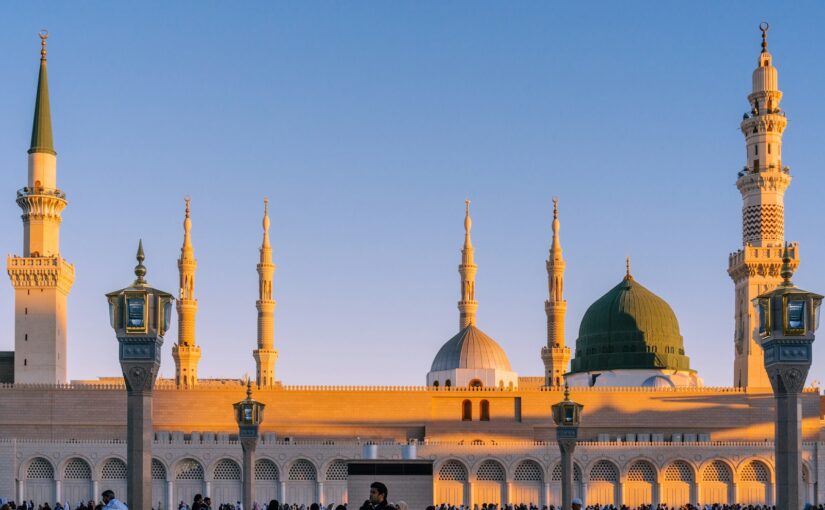
Madine Chalein (مدینہ چلیں) — Full Naat Lyrics in Urdu, English Translation and Meaning

“Madine Chalein (مدینہ چلیں)” is a soul-stirring Urdu naat that captures the deep spiritual yearning every Muslim feels to visit the blessed city of Madinah Munawwarah. The naat expresses the heart’s overwhelming desire to travel to the city of the Prophet Muhammad ﷺ, to stand at his blessed Rawdah, and to experience the unparalleled peace that descends upon the soul in the shade of the Green Dome. This naat has been popularized by various renowned naat khwans and remains a beloved piece in Islamic devotional poetry.

The Significance of Madinah in Islamic Spirituality

Madinah Munawwarah (the Illuminated City) holds a place in the heart of every believer that is second only to Makkah. It is the city that welcomed the Prophet Muhammad ﷺ when he migrated from Makkah, the city where the first Islamic state was established, and the final resting place of the beloved Messenger of Allah. To visit Madinah is to experience a spiritual tranquility that words cannot fully capture — it is to stand where the Prophet stood, to pray where he prayed, and to send salutations upon him at his blessed grave.

The naat “Madine Chalein” beautifully articulates this longing. Each verse is a heartfelt plea to be granted the blessing of visiting the Prophet’s city, reflecting the deep emotional and spiritual connection between the believer and the beloved Messenger of Allah.

Madine Chalein — Naat Lyrics (Urdu Text)

Below are the complete lyrics of “Madine Chalein” in the original Urdu script along with Roman transliteration and English translation.

Verse 1

Urdu:
مدینے چلیں، مدینے چلیں
نبی کے نگر میں مدینے چلیں
جو جان لگا دے مدینے سے دل
وہ انسان بن جائے انمول پل

Roman Transliteration:
Madine chalein, madine chalein
Nabi ke nagar mein madine chalein
Jo jaan laga de madine se dil
Woh insaan ban jaaye anmol pal

English Translation:
Let us go to Madinah, let us go to Madinah
To the city of the Prophet, let us go to Madinah
The heart that devotes its life to Madinah
That person becomes priceless in an instant

Verse 2

Urdu:
وہ گنبد خضرا کی چھاؤں ہے پیار
وہ روضۂ اطہر کا دیدار ہے یار
جو اک بار دیکھے نبی کا حرم
سمجھ لے یہ دنیا ہے اک اک شگن

Roman Transliteration:
Woh gumbad-e-khazra ki chhaaon hai pyaar
Woh rozah-e-at’har ka deedaar hai yaar
Jo ek baar dekhe Nabi ka haram
Samajh le yeh duniya hai ek ek shagan

English Translation:
The shade of the Green Dome is love itself
The sight of the pure blessed grave is a gift, O friend
The one who sees the Prophet’s sanctuary just once
Realizes this world is but a fleeting moment

Verse 3

Urdu:
مدینے کی گلیوں میں خوشبو ہے کچھ اور
نبی کے درِ پر سلام کا شور
جو روتا ہے یادِ نبی میں کوئی
اسی یاد میں اس کا دل ہے معصوم

Roman Transliteration:
Madine ki galiyon mein khushbu hai kuch aur
Nabi ke dar par salaam ka shor
Jo rota hai yaad-e-Nabi mein koi
Isi yaad mein uss ka dil hai masoom

English Translation:
The streets of Madinah carry a unique fragrance
At the Prophet’s door, there is the clamor of salutations
Whoever weeps in the remembrance of the Prophet
In that remembrance, their heart becomes pure

Verse 4

Urdu:
مدینے چلیں، مدینے چلیں
نبی کے نگر میں مدینے چلیں
جہاں کا سکوں اور جنت کا نشاں
وہاں دل کا سجدہ رہے ہے جواں

Roman Transliteration:
Madine chalein, madine chalein
Nabi ke nagar mein madine chalein
Jahaan ka sukoon aur jannat ka nishaan
Wahaan dil ka sajda rahe hai jawaan

English Translation:
Let us go to Madinah, let us go to Madinah
To the city of the Prophet, let us go to Madinah
Where the world’s peace and paradise’s sign reside
There, the heart’s prostration remains forever young

Verse 5

Urdu:
ذرا سوچو اے دل! یہ کتنی بڑی بات
نبی کا ہے شہر، یہ کتنا انوکھا
یہاں آ کے ہر دل کو ملتا ہے سکون
مدینے کی خاک پہ قربان یہ جان

Roman Transliteration:
Zara socho ae dil! Yeh kitni badi baat
Nabi ka hai shehar, yeh kitna anokha
Yahan aa ke har dil ko milta hai sukoon
Madine ki khaak pe qurban yeh jaan

English Translation:
Think, O heart! How great a matter this is
This is the Prophet’s city — how unique it is
Coming here, every heart finds tranquility
May my life be sacrificed upon the dust of Madinah

The Spiritual Meaning Behind Madine Chalein

“Madine Chalein” is more than just a song or a poem — it is the heartfelt cry of a believer’s soul. The repeated call of “Madine chalein, madine chalein” reflects the urgency and intensity of the spiritual longing to visit the blessed city. This repetition is not poetic redundancy; it mirrors the persistent yearning that echoes in the heart of every Muslim who has yet to visit Madinah or who longs to return.

The naat emphasizes several key spiritual themes:

  • Love for the Prophet ﷺ: The core of the naat is the profound love for Prophet Muhammad ﷺ, which manifests as a desire to be physically present in his city and at his mosque.
  • The Green Dome as a Symbol: The Green Dome (Gumbad-e-Khazra) over the Prophet’s blessed grave is mentioned as a symbol of divine mercy and spiritual shelter. Its shade represents the protection and peace that comes from following the Prophet’s teachings.
  • Madinah as a Place of Inner Transformation: The lyrics suggest that visiting Madinah has the power to transform a person — one who connects their heart to Madinah becomes fundamentally changed at their core.
  • The Fleeting Nature of This World: The naat reminds listeners that this worldly life (duniya) is temporary, and the true treasure lies in the spiritual connection with the Prophet and his city.

The Popularity of Madine Chalein

“Madine Chalein” has been recited by many prominent naat khwans across South Asia and has gained immense popularity in the Islamic world. Its simple yet profound lyrics make it accessible to people of all ages. The naat is frequently recited at Milad gatherings, spiritual conferences, and in homes where families gather to send salutations upon the Prophet. The melody, which varies between different reciters, captures both the joy and the deep emotional longing associated with the thought of visiting Madinah.

What makes this naat particularly special is its universal appeal — whether you have visited Madinah a hundred times or are still waiting for your first opportunity, the words of “Madine Chalein” resonate deeply with your soul. For those who have been blessed to visit, the naat brings back cherished memories of standing before the blessed Rawdah. For those still waiting, it fuels the hope and dua that one day they too will be invited to the city of the beloved Prophet.

Why the Longing for Madinah is So Deep

The love for Madinah is intrinsically tied to the love for the Prophet Muhammad ﷺ. When a Muslim loves someone deeply, they naturally long to visit the places associated with that person, to walk where they walked, and to experience their physical presence in the spaces they once inhabited. Madinah is unique because it houses:

  • Masjid an-Nabawi: The Prophet’s Mosque, which is the second holiest mosque in Islam, where prayer carries multiplied reward.
  • Al-Rawdah al-Sharifah: The blessed garden between the Prophet’s pulpit and his house, described as a garden from the gardens of Paradise.
  • The Blessed Grave: The final resting place of the Prophet Muhammad ﷺ, along with his companions Abu Bakr and Umar (may Allah be pleased with them).
  • The Green Dome: The iconic green dome that has become the most recognizable symbol of Madinah worldwide.

The naat beautifully captures that this longing is not merely sentimental but deeply spiritual — it is the soul’s recognition of where true peace resides, and the heart’s natural inclination toward the place that holds the most beloved of Allah’s creation.

The Power of Naat in Islamic Spirituality

Naat (also spelled na’at) is a genre of devotional poetry that praises the Prophet Muhammad ﷺ. It has a rich tradition stretching back to the time of the companions, notably the famous poet Hassan ibn Thabit (may Allah be pleased with him), whom the Prophet ﷺ himself honored and encouraged. Over the centuries, naat has evolved into a beloved form of Islamic artistic expression, particularly in South Asia, the Arab world, and Turkey.

Naat serves multiple spiritual purposes:

  • Expresses Love: It provides a beautiful medium for expressing the deep love Muslims hold for their Prophet.
  • Strengthens Connection: Reciting and listening to naat strengthens the spiritual connection with the Prophet ﷺ.
  • Spreads Blessings: Many verses of naat include sending salawat (blessings) upon the Prophet, which brings spiritual reward to both the reciter and listener.
  • Preserves Tradition: Naat preserves the linguistic and poetic traditions of Urdu, Persian, Arabic, and other Islamic languages.

“Madine Chalein” stands as a beautiful example of this rich tradition — simple in its expression, yet profound in its emotional and spiritual impact.

Conclusion

“Madine Chalein (مدینہ چلیں)” is more than a naat — it is a prayer, a longing, and a declaration of love for the Prophet Muhammad ﷺ and his blessed city. Its verses remind us that the journey to Madinah is not merely a physical journey but a spiritual one that transforms the heart and soul. Whether you have made the journey or dream of making it one day, this naat speaks to the deepest part of your imaan.

May Allah grant us all the opportunity to visit the blessed city of Madinah, to pray in Masjid an-Nabawi, and to send our salutations upon the beloved Prophet ﷺ at his blessed grave. Ameen.

Recite the kalimah and send salutations upon the Prophet Muhammad ﷺ: اللَّهُمَّ صَلِّ عَلَىٰ مُحَمَّدٍ وَعَلَىٰ آلِ مُحَمَّدٍ

Allah Hoo – Complete Naat Lyrics in Urdu with English Translation and Spiritual Meaning

“Allah Hoo” is one of the most famous and spiritually powerful naats in Islamic history. This timeless Sufi kalam (poetry) is a beautiful expression of divine love and the remembrance of Allah. The phrase “Allah Hoo” itself is a form of dhikr (remembrance of God) that resonates deeply within the hearts of believers.

The naat has been recited by countless artists across the world, most famously by the legendary Pakistani singer Nusrat Fateh Ali Khan and later by many others including Qawwal groups and naat khwans. Its universal message of love for the Creator transcends borders and languages, making it one of the most recognised Islamic devotional songs globally.

About the Naat “Allah Hoo”

“Allah Hoo” belongs to the tradition of Sufi poetry that focuses on the love and remembrance of Allah. Unlike naats that specifically praise the Prophet Muhammad (peace be upon him), this kalam is a hamd a piece of poetry directly addressed to Allah, celebrating His names, attributes and boundless mercy.

The repetition of “Allah Hoo” throughout the naat serves as a meditative dhikr, helping listeners focus their hearts and minds on the divine presence. The poetry weaves together themes of divine love, spiritual longing, and the soul’s eternal connection with its Creator.

The naat is particularly popular in South Asia, where it is recited in mosques, mehfils (religious gatherings) and during the month of Ramadan. Its soulful melody and profound lyrics have made it a staple of Islamic spiritual music.

Allah Hoo – Urdu Lyrics

اللہ ہو اللہ ہو
اللہ ہو اللہ ہو
اللہ ہو اللہ ہو
اللہ ہو اللہ ہو

تیرے عشق کی انتہا چاہتا ہوں
مری زندگی تیری رضا چاہتا ہوں

اللہ ہو اللہ ہو
اللہ ہو اللہ ہو

ترے در پہ آ کے میں نے جانا
کہ تیرے سوا کوئی سہارا نہیں ہے

اللہ ہو اللہ ہو
اللہ ہو اللہ ہو

مرے دل میں تو ہے تیری ہی محبت
مری آنکھوں میں تیرا ہی نظارہ ہے

اللہ ہو اللہ ہو
اللہ ہو اللہ ہو

جو بھی تجھ کو پانا چاہے
اس کو دنیا سے بیگانہ ہونا پڑے گا

اللہ ہو اللہ ہو
اللہ ہو اللہ ہو

تیرا ذکر ہے میری زبان کا سرمایہ
تیری حمد ہے میری کہانی کا عنوان

اللہ ہو اللہ ہو
اللہ ہو اللہ ہو

ہر سانس میں تیرا نام ہے یا رب
ہر دھڑکن میں تیرا پیغام ہے یا رب

اللہ ہو اللہ ہو
اللہ ہو اللہ ہو

Allah Hoo – English Translation

Verse 1 (Chorus):
Allah Hoo, Allah Hoo

Verse 2:
I seek the ultimate limit of Your love
My life, I wish for Your pleasure alone

Chorus:
Allah Hoo, Allah Hoo

Verse 3:
Coming to Your door, I have come to realise
That there is no support besides You

Chorus:
Allah Hoo, Allah Hoo

Verse 4:
In my heart there is only Your love
In my eyes there is only Your vision

Chorus:
Allah Hoo, Allah Hoo

Verse 5:
Whoever wishes to find You
Must become detached from the world

Chorus:
Allah Hoo, Allah Hoo

Verse 6:
Your remembrance is the treasure of my tongue
Your praise is the title of my story

Chorus:
Allah Hoo, Allah Hoo

Verse 7:
In every breath is Your name, O Lord
In every heartbeat is Your message, O Lord

Chorus:
Allah Hoo, Allah Hoo

Spiritual Meaning and Significance

The naat “Allah Hoo” is far more than a poem set to music. It is a spiritual practice in itself. The word “Hoo” in Arabic and Persian mysticism represents the essence of the Divine the unseen, the unknowable, the absolute reality of Allah. When a believer repeats “Allah Hoo,” they are not just saying a word; they are calling upon the very essence of God.

The verses express a profound spiritual journey. The poet begins by declaring the desire for the ultimate limit of divine love a love so complete that nothing else matters. This is the goal of every seeker on the spiritual path: to reach a state where the love of Allah fills every corner of the heart and every moment of life is lived in pursuit of His pleasure.

The lines about finding no support except at Allah’s door reflect the core Islamic belief in tawheed (the oneness of God). Everything else is temporary and unreliable. Only Allah is the true source of strength, guidance and mercy. This verse speaks to the humility that comes from true faith the recognition that we are nothing without Him.

The verse about becoming detached from the world to find Allah echoes the Sufi concept of zuhd (detachment). This does not mean abandoning the world entirely, but rather not being attached to worldly things in a way that distracts from the remembrance of God. It is about prioritising the eternal over the temporary.

Why “Allah Hoo” Is So Beloved

Several factors contribute to the enduring popularity of this naat:

  • Universal appeal: The message is simple and powerful, focusing on the love of Allah rather than specific historical events or figures. This makes it accessible to all Muslims regardless of sect or background.
  • Meditative quality: The repetition of “Allah Hoo” creates a rhythmic, meditative effect that helps listeners enter a state of spiritual reflection and peace.
  • Powerful renditions: The naat has been performed by legendary artists whose soulful voices have brought the words to life in unforgettable ways.
  • Emotional connection: The poetry speaks directly to the heart, expressing feelings of love, longing and devotion that every believer can relate to.
  • Ramadan connection: The naat is especially popular during Ramadan and other spiritual occasions, when hearts are more open to worship and remembrance.

Frequently Asked Questions

Who wrote the Allah Hoo naat?

The origins of “Allah Hoo” trace back to the Sufi tradition of South Asia. The exact poet is not always credited, as the kalam has been passed down through generations of Sufi practitioners. It is considered part of the collective spiritual heritage of Islamic mysticism.

What does “Hoo” mean in Allah Hoo?

“Hoo” (ہُو) is an Arabic pronoun meaning “He” and refers to Allah in the context of divine essence. In Sufi terminology, “Hoo” represents the unknowable, absolute reality of God. It is a name that transcends all attributes and descriptions.

Is Allah Hoo a naat or a qawwali?

“Allah Hoo” can be classified as both a naat and a hamd (praise of Allah). In the Sufi tradition, it is often performed as qawwali, but it is also recited as a naat in religious gatherings. The classification depends on the context and the style of performance.

When is the best time to recite Allah Hoo?

The naat can be recited at any time, but like all forms of dhikr, it is especially recommended after prayers, during the early morning hours (tahajjud time) and during Islamic holy months like Ramadan.

Conclusion

“Allah Hoo” is a timeless piece of Islamic devotional poetry that continues to inspire and uplift millions of believers around the world. Its simple yet profound message of divine love and remembrance transcends cultural and linguistic boundaries, reminding us of the ultimate purpose of our existence: to know, love and remember our Creator.

Whether you recite it as a form of dhikr, listen to it for spiritual comfort, or reflect on its meaning for deeper understanding, “Allah Hoo” offers a doorway into the beautiful world of Islamic spirituality. May the remembrance of Allah bring peace to your heart and light to your soul. Ameen.

Jo Bhi Madine Jaata Hai – Full Naat Lyrics in Urdu, English Translation and Meaning

“Jo Bhi Madine Jaata Hai” is one of the most beloved Urdu naats that expresses the deep yearning of a believer to visit the holy city of Madina and pay respects at the blessed shrine of Prophet Muhammad ﷺ. The naat beautifully captures the sentiment that whoever goes to Madina returns transformed, their heart forever attached to the Prophet’s city. The lyrics speak of the unique blessings and spiritual peace that await those who make the journey to this sacred land.

About the Naat “Jo Bhi Madine Jaata Hai”

This naat is widely recited across the Urdu-speaking world, especially in South Asia. Its theme revolves around the profound spiritual connection between a believer and Madina Munawwarah. The lyrics describe how Madina is not just a city but a place where the heart finds its true home. The naat reminds listeners that the Prophet’s ﷺ city is a source of endless blessings, and those who visit it experience a transformation that words cannot fully capture.

The poet uses simple yet powerful imagery: the green dome, the radiant city, the peaceful streets of Madina. Each verse builds on the central idea that visiting Madina is a privilege that changes a person forever. The naat resonates deeply with Muslims who long to visit Madina but may not have had the opportunity, as well as those who have been blessed to go and want to relive the experience through these beautiful verses.

Jo Bhi Madine Jaata Hai – Urdu Lyrics

جو بھی مدینے جاتا ہے
وہ اور بن کے آتا ہے

مدینے والے مصطفیٰ ﷺ
جنہیں خدا نے چن لیا

جنہیں ملے مدینہ کا
نصیبہ وہ بھی کیا پائیں

تمنا دل کی پوری ہو
مدینے جانے کا شوق ہو

جو بھی مدینے جاتا ہے
وہ اور بن کے آتا ہے

نبی کے شہر کی گلیاں
ہیں نور سے بھری ہوئی

ہر ایک ذرہ چمک رہا
ہے عشق مصطفیٰ سے

جو بھی مدینے جاتا ہے
وہ اور بن کے آتا ہے

سبز گنبد پے جو نظر پڑے
تو دل کو سکون ملے

روضہ پاک پے جو ہاتھ رکھے
ہر غم دور ہو جائے

جو بھی مدینے جاتا ہے
وہ اور بن کے آتا ہے

Jo Bhi Madine Jaata Hai – English Translation

Verse 1:
Whoever goes to Madina
Returns changed, transformed entirely

Verse 2:
The beloved of Madina, Mustafa ﷺ
The one chosen by Allah Himself

Verse 3:
Those who are blessed with Madina
What fortune do they not receive

Verse 4:
May the heart’s wish be fulfilled
The longing to go to Madina

Chorus:
Whoever goes to Madina
Returns changed, transformed entirely

Verse 5:
The streets of the Prophet’s city
Are filled with divine light

Verse 6:
Every particle shines brightly
With the love of Mustafa

Verse 7:
Whoever goes to Madina
Returns changed, transformed entirely

Verse 8:
When the eye falls upon the green dome
Peace descends upon the heart

Verse 9:
Whoever places a hand on the sacred shrine
Every sorrow disappears

Verse 10:
Whoever goes to Madina
Returns changed, transformed entirely

Meaning and Significance

The central message of “Jo Bhi Madine Jaata Hai” is the transformative spiritual power of visiting Madina Munawwarah. The naat conveys that Madina is not merely a geographical location but a place of profound spiritual significance where the mercy of Allah and the love of His Prophet ﷺ are felt most intensely.

The recurring refrain – that whoever goes to Madina returns as a different person – speaks to the deeply personal spiritual renewal that pilgrims experience. This transformation is not about changing one’s outward appearance but about an inner shift: a heart that was restless finds peace, a soul that was burdened finds relief, and a spirit that was distracted finds focus in the love of the Prophet ﷺ.

The verses highlight specific aspects of Madina: the illuminated streets symbolizing spiritual guidance, the green dome (Sabz Gumbad) representing the resting place of the Prophet ﷺ, and the sacred rawdah where prayers are answered. Each element of the naat serves to deepen the listener’s connection with the Prophet’s ﷺ city and inspire the longing to visit it.

Why This Naat Is So Beloved

Several factors contribute to the enduring popularity of this naat:

  • Universal longing: Every Muslim who loves the Prophet ﷺ carries a deep desire to visit Madina. This naat gives voice to that universal sentiment.
  • Simple yet profound lyrics: The words are easy to remember but carry deep spiritual meaning, making them accessible to people of all ages.
  • Emotional melody: When recited with the traditional tune, the naat evokes powerful emotions of love, longing, and devotion.
  • Transformational theme: The idea that visiting Madina changes a person resonates with everyone who seeks spiritual growth.
  • Connection to the Prophet ﷺ: The naat strengthens the bond between the believer and the Prophet Muhammad ﷺ, which is at the heart of Islamic faith.

Frequently Asked Questions

Who wrote “Jo Bhi Madine Jaata Hai”?

This naat has been recited by various naat khwans over the years. It is a traditional Urdu naat that has been passed down and performed by many artists, with each adding their own unique style to the recitation.

What is the meaning of “Jo Bhi Madine Jaata Hai”?

The title translates to “Whoever Goes to Madina.” The naat is about the spiritual transformation that occurs when a person visits the blessed city of the Prophet Muhammad ﷺ.

Is there a video available for this naat?

Yes, many naat khwans and Islamic channels have recorded versions of this naat available on platforms like YouTube. You can find beautiful recitations with various visual styles, including scenes from Madina Munawwarah and the Prophet’s ﷺ mosque.

Conclusion

“Jo Bhi Madine Jaata Hai” is a timeless naat that continues to touch hearts and inspire love for the Prophet Muhammad ﷺ and his blessed city. Its simple yet powerful message reminds us that Madina is not just a destination but a spiritual journey that transforms everyone who undertakes it with sincere faith and love. May Allah grant us all the opportunity to visit Madina Munawwarah and experience the peace and blessings that await there. Ameen.

Tajdar-e-Haram (تاجدارِ حرم) — Full Naat Lyrics in Urdu, English Translation and Meaning

Introduction

Tajdar-e-Haram (تاجدارِ حرم) is one of the most beloved and widely recited naats in the Islamic world. The title translates to “The Crown of the Sanctuary” — a beautiful reference to Prophet Muhammad (peace be upon him) as the crowning glory of the sacred city of Madinah. This naat expresses deep love, devotion and reverence for the Prophet (PBUH), describing him as the pride of the Haram (the sacred sanctuary) and the ultimate intercessor for humanity.

The naat gained massive popularity through Coke Studio Pakistan’s rendition, performed by the legendary Atif Aslam alongside the Mai Dhai group. The soulful melody combined with powerful Urdu poetry created a spiritual experience that resonated with millions of listeners worldwide. But the naat has been recited for decades in mehfils and gatherings long before its mainstream popularity.

In this post, you will find the complete Tajdar-e-Haram naat lyrics in Urdu, along with Roman English transliteration, English translation and an explanation of its spiritual meaning.

About the Naat

Tajdar-e-Hamar is a naat that belongs to the tradition of “hamd” and “naat” — poetry written in praise of Allah and His Prophet (peace be upon him). The poet uses the metaphor of a king wearing a crown to describe the elevated status of the Prophet among all of creation. The word “taj” means crown, “dar” means possessor or holder, and “haram” refers to the sacred sanctuary of Madinah.

The naat beautifully combines themes of love, longing, and spiritual devotion. It speaks of the Prophet’s exalted station, his role as a mercy to all worlds, and the deep connection believers feel towards him. Each verse is a pearl of wisdom wrapped in the beauty of Urdu poetry.

If you enjoy this naat, you may also like our post on Mera Dil To Hai Madine, another soul-stirring naat about the love for Madinah.

Tajdar-e-Haram — Urdu Lyrics (تاجدارِ حرم)

Verse 1:

تاجدارِ حرم، اے تاجدارِ حرم

دردِ دل کا مداوا، اے تاجدارِ حرم

Verse 2:

آپ کی چوکھٹ پہ سر ہے، آپ کی محبت میں دم ہے

آپ کی رحمت کی خاطر، دل میں سینکڑوں ہی غم ہے

Verse 3:

اے شہہِ مشرق و مغرب، اے محبوبِ الٰہی

چشمِ عالم ہے ترے در پہ، اے تاجدارِ حرم

Verse 4:

بے کسوں کے سہارے، مصطفیٰ تم ہی ہو

درد مندوں کے یارو، مصطفیٰ تم ہی ہو

Verse 5:

تاجدارِ حرم، اے تاجدارِ حرم

دردِ دل کا مداوا، اے تاجدارِ حرم

Verse 6:

آپ کی جلوہ گری سے، روشن ہے ہر اک گلی

مدینے کی ہر گلی میں، بکھری ہے ایک روشنی

Verse 7:

آپ کے طفیل ہی سے، ملتی ہے بخشش

آپ کے صدقے ہی سے، ملتا ہے ہمیں سکون

Verse 8:

یا نبی، یا حبیب، یا شفیع المذنبین

آپ ہی ہو امیدِ عاصیوں، اے تاجدارِ حرم

Verse 9:

جس نے بھی آپ کا در چھوا، وہ کبھی خالی نہیں لوٹا

جو بھی آپ کے در پہ آیا، اسے مانگی ہوئی دولت ملی

Verse 10:

تاجدارِ حرم، اے تاجدارِ حرم

دردِ دل کا مداوا، اے تاجدارِ حرم

Roman English Transliteration

Verse 1:

Tajdar-e-Haram, ae Tajdar-e-Haram

Dard-e-dil ka mudawa, ae Tajdar-e-Haram

Verse 2:

Aap ki chokhat pe sar hai, aap ki mohabbat mein dum hai

Aap ki rehmat ki khatir, dil mein sau sau gham hai

Verse 3:

Ae Shah-e-Mashriq o Maghrib, ae Mahboob-e-Ilahi

Chashm-e-aalam hai tere dar pe, ae Tajdar-e-Haram

Verse 4:

Be-kason ke sahare, Mustafa tum hi ho

Dard-mandon ke yaaro, Mustafa tum hi ho

Verse 5:

Tajdar-e-Haram, ae Tajdar-e-Haram

Dard-e-dil ka mudawa, ae Tajdar-e-Haram

Verse 6:

Aap ki jalwa-gari se, roshan hai har ek gali

Madine ki har gali mein, bikri hai ek roshni

Verse 7:

Aap ke tufail hi se, milti hai bakhshish

Aap ke sadqe hi se, milta hai humein sukoon

Verse 8:

Ya Nabi, ya Habib, ya Shafi-al-Muznibeen

Aap hi ho umeed-e-aasiyon, ae Tajdar-e-Haram

Verse 9:

Jis ne bhi aap ka dar chhua, woh kabhi khaali nahi lota

Jo bhi aap ke dar pe aaya, use maangi hui daulat mili

Verse 10:

Tajdar-e-Haram, ae Tajdar-e-Haram

Dard-e-dil ka mudawa, ae Tajdar-e-Haram

English Translation

Verse 1:

O Crown of the Sacred Sanctuary, O Crown of the Sacred Sanctuary

You are the cure for the pain of my heart, O Crown of the Sacred Sanctuary

Verse 2:

My head is at Your doorstep, my life is in Your love

For the sake of Your mercy, my heart carries countless sorrows

Verse 3:

O King of the East and the West, O Beloved of Allah

The eyes of the world are fixed upon Your door, O Crown of the Sacred Sanctuary

Verse 4:

You are the support of the helpless, O Mustafa (the Chosen One)

You are the friend of the sorrowful, O Mustafa

Verse 5:

O Crown of the Sacred Sanctuary, O Crown of the Sacred Sanctuary

You are the cure for the pain of my heart, O Crown of the Sacred Sanctuary

Verse 6:

Through Your splendour, every street is illuminated

In every street of Madinah, a light is scattered

Verse 7:

It is through Your mediation that forgiveness is granted

It is through Your blessing that we find peace

Verse 8:

O Prophet, O Beloved, O Intercessor for the Sinners

You are the hope of the disobedient, O Crown of the Sacred Sanctuary

Verse 9:

Whoever touched Your door never returned empty-handed

Whoever came to Your door received the treasure they sought

Verse 10:

O Crown of the Sacred Sanctuary, O Crown of the Sacred Sanctuary

You are the cure for the pain of my heart, O Crown of the Sacred Sanctuary

Spiritual Meaning and Significance

Tajdar-e-Haram is more than just a beautiful poem set to music. It is a spiritual journey that takes the believer from the pain of worldly existence to the hope of divine mercy through the intercession of the Prophet Muhammad (peace be upon him). Each verse serves as a reminder of the Prophet’s exalted status and his role as a source of healing for troubled hearts.

The repeated phrase “Tajdar-e-Haram” is both a title and a declaration. It acknowledges the Prophet as the crowned king of the sacred sanctuary, a status that elevates him above all of creation. The naat humbly asks for his attention, his mercy and his intercession.

The line “Dard-e-dil ka mudawa” (the cure for the pain of my heart) reflects the universal human experience of seeking solace. In Islamic spirituality, the love of the Prophet (PBUH) is considered a balm for every kind of sorrow. The naat teaches us that turning our hearts towards the Prophet brings peace and healing.

Verses 6 and 7 speak about the blessings of Madinah and the Prophet’s mediation. The light that fills every street of Madinah is both a physical and spiritual light that guides believers towards truth and righteousness. The belief in “tawassul” (seeking intercession) is beautifully expressed here, reminding Muslims of the Prophet’s promise to intercede for his Ummah on the Day of Judgement.

If you want to explore more naats that express love for the Prophet, read our post on Kaaba Ke Badshah, another beautiful naat praising the Prophet (PBUH).

Cultural Impact

Tajdar-e-Haram achieved mainstream popularity when it was performed on Coke Studio Pakistan. The rendition by Atif Aslam became an instant classic, amassing millions of views on YouTube and being streamed countless times across all platforms. It introduced a new generation to the beauty of naat and Islamic poetry.

The naat is now regularly recited at Islamic gatherings, weddings, and religious events across South Asia and the diaspora. Its universal message of love and devotion transcends cultural boundaries, making it one of the most recognised naats in the world.

For more soul-touching naats, also check out Ya Nabi Salam Alayka, another beloved naat with both Urdu and Arabic verses.

Conclusion

Tajdar-e-Haram is a masterpiece of Islamic devotional poetry. Its words carry the weight of centuries of love for the Prophet Muhammad (peace be upon him). Whether you listen to it in the quiet of your home, in a gathering of believers, or on a crowded commuter train, the naat has the power to transport your heart to the blessed streets of Madinah.

May Allah bless us with the love of His Prophet and grant us the opportunity to visit the sacred sanctuary of Madinah. Ameen.

Tags: Tajdar-e-Haram naat lyrics, Tajdar e Haram lyrics in Urdu, Tajdar e Haram English translation, Tajdar-e-Haram meaning, Atif Aslam naat lyrics, Coke Studio naat lyrics

Mera Dil To Hai Madine (میرا دل تو ہے مدینے) – Full Naat Lyrics in Urdu, English Translation and Meaning

Introduction

The beautiful naat “Mera Dil To Hai Madine” (میرا دل تو ہے مدینے) is a soul-stirring expression of a believer’s deep love and longing for the holy city of Madinah and the final Prophet of Islam, Prophet Muhammad (ﷺ). This naart captures the essence of devotion — the heart’s natural inclination towards the blessed city that houses the sacred Rawdah of the Prophet (ﷺ). Every line of this naat reflects the yearning of a faithful Muslim who considers Madinah not just a city but the center of their spiritual universe.

This naat has been recited by several renowned naat khwans over the years and has gained immense popularity in the Islamic world, especially in South Asia. The melody and words together create a spiritual atmosphere that transports the listener towards the blessed streets of Madinah, where peace and divine blessings reside.

In this article, we present the complete Mera Dil To Hai Madine naat lyrics in Urdu, along with Roman transliteration, English translation, and a detailed explanation of its meaning and significance.

Continue reading Mera Dil To Hai Madine (میرا دل تو ہے مدینے) – Full Naat Lyrics in Urdu, English Translation and Meaning

Karam Farmaiye (کرم فرمائیے) by Mansoor Qadri – Full Naat Lyrics in Urdu, English Translation and Meaning

“Karam Farmaiye” (کرم فرمائیے) is a deeply moving naat recited by the acclaimed naat khwan Mansoor Qadri. The title translates to “Grant Your Grace” – a humble plea directed to Prophet Muhammad (peace be upon him), asking for his kindness, intercession, and benevolent attention. This naat has become a staple in naat gatherings and mehfils across the globe, cherished for its sincere words and powerful emotional resonance.

In this post, you will find the complete Urdu lyrics of Karam Farmaiye, along with Roman English transliteration and English translation with meaning.


About the Naat

Mansoor Qadri is a renowned Pakistani naat khwan whose soulful voice has touched the hearts of millions. His recitations are known for their emotional depth and spiritual sincerity. “Karam Farmaiye” is one of his most beloved naats, a heartfelt supplication to the Prophet Muhammad (peace be upon him) in which the believer acknowledges their own shortcomings and seeks the Prophet’s grace and intercession.

The central theme of this naat is “tawassul” (seeking intercession) and expressing complete humility before the Prophet (peace be upon him). The poet beautifully captures the feeling of standing at the Prophet’s door, hoping for a gracious glance of mercy. The repeated plea “Karam Farmaiye” (grant Your grace) echoes like a heartfelt cry that resonates deeply with listeners, reminding them of the boundless mercy and love the Prophet holds for his Ummah.


Karam Farmaiye — Urdu Lyrics (کرم فرمائیے)

Verse 1 (Refrain):

یا شاہِ انبیا کرم فرمائیے
ہمارے حال پہ نظر فرمائیے
یا رسول اللہ کرم فرمائیے
ہمارے حال پہ نظر فرمائیے

Verse 2:

آپ کی چوکھٹ پہ آئے ہیں ہم
آپ کی محبت میں آئے ہیں ہم
بھیڑ میں بھی تنہا کھڑے ہیں ہم
آپ کے در کا سوالی بنے

Verse 3:

بے کسی کی رات ہے مسکین ہوں
درد کی بارات ہے مسکین ہوں
دل میں حسرت کا سامان بھی ہے
دست التجا ہے کرم کے لیے

Verse 4:

تیرے در سے بڑھ کے کوئی در نہیں
تیرے سا بڑھ کے کوئی ہمسر نہیں
بھول کر سب کو ترے در آئے ہیں
تیرے در کا اب ہم سوالی بنے


Roman English Transliteration

Verse 1 (Refrain):

Ya Shahe Ambiya Karam Farmaiye
Hamare Haal Pe Nazar Farmaiye
Ya Rasool Allah Karam Farmaiye
Hamare Haal Pe Nazar Farmaiye

Verse 2:

Aap Ki Chokhat Pe Aaye Hain Hum
Aap Ki Mohabbat Mein Aaye Hain Hum
Bheed Mein Bhi Tanha Khade Hain Hum
Aap Ke Dar Ka Sawaali Bane

Verse 3:

Be-kasi Ki Raat Hai Miskin Hoon
Dard Ki Baraat Hai Miskin Hoon
Dil Mein Hasrat Ka Samaan Bhi Hai
Dast-e-Iltija Hai Karam Ke Liye

Verse 4:

Tere Dar Se Badh Ke Koi Dar Nahin
Tere Sa Badh Ke Koi Hamsar Nahin
Bhool Kar Sab Ko Tere Dar Aaye Hain
Tere Dar Ka Ab Hum Sawaali Bane


English Translation

Verse 1 (Refrain):

O King of the Prophets, grant us Your grace
Cast Your merciful glance upon our condition
O Messenger of Allah, grant us Your grace
Cast Your merciful glance upon our condition

Verse 2:

We have come to Your doorstep
We have come in Your love
Even in the crowd, we stand alone (longing for You)
Let us become beggars at Your door

Verse 3:

The night of helplessness has fallen, I am destitute
This is a procession of pain, I am destitute
My heart is filled with yearnings
My hands are raised in supplication for Your grace

Verse 4:

There is no door greater than Yours
There is none equal to You
Forgetting everyone, we have come to Your door
Now let us become beggars at Your threshold


Cultural and Spiritual Significance

“Karam Farmaiye” holds a special place in the hearts of Muslims around the world. It is commonly recited in naat gatherings, mehfils, and during religious celebrations, particularly on occasions that honor the birth and life of Prophet Muhammad (peace be upon him). The naat’s simple yet profound lyrics make it accessible to people of all ages and backgrounds.

The phrase “Karam Farmaiye” itself is a beautiful expression of Islamic spirituality. It reflects the believer’s understanding that all goodness comes through the mercy of Allah and the intercession of His beloved Prophet (peace be upon him). The naat reminds us of the hadith in which the Prophet (peace be upon him) said, “I am the leader of the children of Adam on the Day of Judgement, and I will intercede for you” – a promise that gives hope to every believer.

Mansoor Qadri’s rendition of this naat is particularly special because of the sincerity and emotion he brings to the recitation. His voice carries the weight of longing and devotion, making the listener feel as though they themselves are standing at the blessed door of the Prophet (peace be upon him), asking for his grace and favor.

This naat serves as a spiritual bridge, connecting the believer’s heart to the blessed personality of the Prophet Muhammad (peace be upon him). It is a reminder that no matter how far we may have strayed, the door of the Prophet’s intercession is always open, and his mercy and love for his Ummah are boundless.


Conclusion

“Karam Farmaiye” by Mansoor Qadri is more than just a naat – it is a heartfelt prayer, a cry of love, and an expression of complete reliance on the mercy of Prophet Muhammad (peace be upon him). Whether you listen to it for its spiritual depth, its beautiful melody, or its moving Urdu poetry, this naat has the power to touch your soul and bring you closer to the beloved Prophet (peace be upon him).

May Allah accept our supplications and grant us the intercession of His beloved Prophet (peace be upon him). Ameen.


Tags: Karam Farmaiye naat lyrics, Mansoor Qadri naat, Ya Shahe Ambiya Karam Farmaiye, Urdu naat lyrics with English translation