
Maa Baap Ki Dua (ماں باپ کی دعا) – Full Naat Lyrics in Urdu, Roman Translation and Meaning

Maa Baap Ki Dua (ماں باپ کی دعا) is a beautiful and heartfelt naat that speaks about the power of a mother and father’s prayer. In Islam, the dua (supplication) of parents for their children holds a special status — it is among the prayers that are never rejected. This naat beautifully captures the love, sacrifice, and spiritual significance of parental blessings. Below you will find the full Urdu lyrics, Roman/transliteration, English translation, and a deeper look into the meaning of this touching kalam.

The Significance of Maa Baap Ki Dua in Islam

In Islamic teachings, the dua of parents for their children is among the most powerful and accepted forms of supplication. The Prophet Muhammad (peace be upon him) said: “Three prayers are certainly answered: the prayer of the oppressed, the prayer of the traveler, and the prayer of a parent for their child.” (Sunan Ibn Majah, Hadith 3862).

This naat, Maa Baap Ki Dua, serves as a beautiful reminder of this profound blessing. It encourages children to seek the prayers of their parents and reminds parents of the power their duas carry. Whether it is a mother praying for her child’s success, guidance, and protection, or a father supplicating for his children’s well-being — these prayers become a shield and a source of countless blessings.

The relationship between parents and children in Islam is deeply sacred. The Quran commands: “And your Lord has decreed that you worship none but Him, and that you be dutiful to your parents” (Surah Al-Isra, 17:23). This naat echoes that divine instruction, highlighting how the love and prayers of parents are among the greatest treasures a child can possess.

Maa Baap Ki Dua Naat Lyrics in Urdu (ماں باپ کی دعا نعت کے بول)

Here are the complete Urdu lyrics (نعت کے بول) of Maa Baap Ki Dua in Nastaliq script:

ماں باپ کی دعا ہوتی ہے قبول
ہر لمحہ ان کا دل کرتا ہے تول

رب کریم ان کی ہر دعا سنتا ہے
مانگے جو بھی وہ دے کر چھوڑتا ہے

ماں کی دعا کبھی خالی نہیں جاتی
باپ کی دعا بھی رتبہ پاتی

اللہ ان کے قدموں میں جنت رکھے
دنیا و عقبیٰ میں عزت رکھے

کاش ہم بھی ان کے دل میں جگہ پائیں
دعاؤں میں ان کی ہمیں یاد رکھیں

ماں کی دعا میرے سر کا سایہ
باپ کا سایہ میرے دل کا مایہ

دونوں جہاں کی خوشیاں ان کے قدموں میں
ان کی دعاؤں کی برکت ہو ہر گھر میں

Maa Baap Ki Dua Roman/Transliteration Lyrics

For those who cannot read Urdu script, here is the Roman transliteration of the naat:

Maa baap ki dua hoti hai qabool
Har lamha unka dil karta hai tol

Rab-e-Kareem unki har dua sunta hai
Maange jo bhi woh de kar chhorta hai

Maa ki dua kabhi khaali nahi jaati
Baap ki dua bhi rutba paati

Allah unke qadmo mein jannat rakhe
Duniya wa uqba mein izzat rakhe

Kaash hum bhi unke dil mein jagah paayein
Duaon mein unki hamein yaad rakhein

Maa ki dua mere sar ka saaya
Baap ka saaya mere dil ka maaya

Dono jahan ki khushiyan unke qadmo mein
Unki duaon ki barkat ho har ghar mein

Maa Baap Ki Dua English Translation

The English translation of this beautiful naat carries a deep and emotional message:

The prayer of a mother and father is always accepted
Every moment their heart watches over us

The Gracious Lord listens to every prayer of theirs
Whatever they ask for, He bestows upon them

A mother's prayer never returns empty
A father's prayer too attains its rank

May Allah place Paradise beneath their feet
May He grant them honour in this world and the next

If only we could find a place in their hearts
May they remember us in their prayers

A mother's prayer is the shade over my head
A father's protection is the treasure of my heart

The joys of both worlds lie at their feet
May the blessings of their prayers fill every home

The Deep Meaning Behind Maa Baap Ki Dua

This naat is a heartfelt tribute to the unconditional love and spiritual power of parents. Every verse reflects the intimate bond between a child and their parents, and the immense value of their supplications in the sight of Allah Almighty.

1. The Acceptance of Parental Prayers

The opening lines — “Maa baap ki dua hoti hai qabool” — immediately establish the central theme: the dua of parents is always answered. This is not just poetic expression but is rooted in authentic Islamic teachings. The Prophet (PBUH) explicitly stated that a parent’s prayer for their child is among the three duas that are never rejected. This gives parents an immense responsibility and children a powerful reason to seek their parents’ blessings.

2. The Watchful Heart of Parents

“Har lamha unka dil karta hai tol” beautifully describes how a parent’s heart constantly measures, weighs, and worries about their child’s well-being. From the moment a child is born, a parent’s heart never rests — always concerned, always caring, always praying. This line resonates with anyone who has experienced a parent’s unconditional love.

3. Mother and Father — Equal in Dignity

The naat honours both mother and father equally. While the mother’s prayer is described as never returning empty, the father’s prayer is said to attain its proper rank. Islam gives both parents immense status, though the mother is given special mention in multiple hadith (the famous saying of the Prophet: “Your mother, your mother, your mother, then your father”). This naat beautifully balances this teaching.

4. Paradise Beneath Their Feet

The line “Allah unke qadmo mein jannat rakhe” echoes the famous hadith: “Paradise lies at the feet of the mother” (Sunan an-Nasai). This verse expresses a dua for parents — that Allah grants them Paradise — while also reminding children that serving parents is the path to Jannah.

5. Seeking a Place in Their Hearts

The plea “Kaash hum bhi unke dil mein jagah paayein” expresses a beautiful humility — the child’s earnest desire to be remembered in their parents’ prayers. It reflects the deep understanding that a parent’s dua is a treasure more valuable than any worldly wealth.

The Power of a Mother’s Dua

In Islamic tradition, the mother holds an especially elevated position. The Quran describes the mother’s sacrifice during pregnancy and nursing with profound reverence. The dua of a mother is described as being particularly powerful because it comes from a heart filled with selfless love — love that expects nothing in return except the well-being of the child.

Many Islamic scholars have highlighted stories from the lives of the prophets and pious predecessors where the prayers of mothers changed destinies. The Prophet Musa (AS) was saved by his mother’s trust in Allah. The Prophet Isa (AS) was blessed through his mother Maryam’s devotion. And countless ordinary believers have witnessed miracles unfold through the duas of their mothers.

The Authority of a Father’s Supplication

A father’s dua carries its own unique weight. As the head of the household, a father’s supplication for his children’s guidance, strength, and character is a powerful force. The Prophet Ibrahim (AS) is the ultimate example — his duas for his children and descendants are recorded in the Quran and continue to bring blessings to this day. The naat honours this equal yet distinct status of the father’s prayer.

Lessons from Maa Baap Ki Dua Naat

  • Seek your parents’ blessings: Before any major decision in life, ask your parents to pray for you. Their dua can open doors that seem impossible.
  • Be dutiful to your parents: This naat reminds us that serving parents is not just a moral duty but a spiritual investment. The Prophet (PBUH) said: “A person is not from us who does not show mercy to our young and respect to our elders.”
  • Never give up on your parents’ prayers: Even when life feels difficult, remember that your mother and father are praying for you. Their duas are a constant source of divine support.
  • Pray for your parents: Just as they pray for you, you should also make dua for them — especially after they have passed away. The Prophet (PBUH) said: “When a person dies, all their deeds come to an end except three: ongoing charity, beneficial knowledge, and a righteous child who prays for them.” (Sahih Muslim)
  • Respect both parents equally: The naat beautifully honours both mother and father. While the mother’s love is often celebrated more, the father’s quiet sacrifices are equally precious in the sight of Allah.

The Blessings of Parental Prayer in Daily Life

Muslims around the world have experienced countless blessings through the prayers of their parents. Whether it is success in exams, finding a righteous spouse, overcoming illness, or achieving career goals — the duas of parents have been the unseen force behind many life victories. This naat encourages us to never take those prayers for granted.

In our busy modern lives, it is easy to forget the quiet power of a mother’s nightly prayer or a father’s silent supplication. Maa Baap Ki Dua brings us back to this essential truth: the most powerful force in the universe is activated by the sincere prayer of a parent.

Related Naats About Parents

If you enjoyed this naat, you may also appreciate other Islamic naats and kalam that celebrate the love of parents:

  • Maa Ke Qadmo Mein Jannat – The famous hadith about mothers
  • Hasbi Rabbi – A powerful supplication in verse
  • Suna Hai – A beloved naat about the Prophet (PBUH)
  • Dono Jahan Ki – A classic naat about seeking Allah’s mercy

Final Words

Maa Baap Ki Dua (ماں باپ کی دعا) is more than just a naat — it is a spiritual reminder of the most precious relationship in our lives. The lyrics carry a timeless message that resonates with every child and every parent. Whether you listen to it for spiritual elevation, emotional comfort, or simply to reflect on the beauty of parental love, this kalam will surely touch your heart.

May Allah Almighty bless all parents with health, happiness, and Jannatul Firdaus. And may He make us among those children who honour their parents, seek their pleasure, and are remembered in their prayers — in this life and the next. Ameen.

If you found this post meaningful, please share it with others. Let the beautiful message of Maa Baap Ki Dua spread far and wide, reminding everyone of the incredible power of a parent’s love and prayer.

Sallu Ala Muhammad (صلوا علی محمد) — Full Naat Lyrics in Urdu, English Translation and Meaning

Sallu Ala Muhammad (صلوا علی محمد) — Full Naat Lyrics in Urdu, English Translation and Meaning

“Sallu Ala Muhammad” is a beautiful and widely recited naat that calls upon believers to send blessings upon the Prophet Muhammad (peace be upon him). The title translates to “Send Blessings Upon Muhammad,” and the lyrics express deep love, devotion and reverence for the final messenger of Islam.

This naat is popular across the Muslim world and is often recited at Milad gatherings, Islamic conferences and daily gatherings. Its simple yet powerful message reminds Muslims of the importance of sending salawat (blessings) upon the Prophet.

Background and Significance

The phrase “Sallu Ala Muhammad” is directly inspired by the Quranic verse in Surah Al-Ahzab (33:56): “Indeed, Allah and His angels send blessings upon the Prophet. O you who have believed, ask blessings upon him and salute him with a worthy greeting.” This naat puts that divine command into poetic form, making it easy for believers to remember and recite.

The naat is known for its soulful melody and easy-to-remember lyrics. It is often recited by famous naat reciters across Pakistan, India and the Gulf region. The repetitive chorus makes it particularly popular at gatherings where large groups join in collective remembrance.

Urdu Lyrics (اردو lyrics)

صلوا علی محمد
صلوا علی محمد
صلوا علی محمد
محمد مصطفیٰ ﷺ

آپ کا در ہے اعلیٰ
آپ کا رتبہ عالی
آپ ہے شاہِ والا
محمد مصطفیٰ ﷺ

آپ پہ لاکھوں سلام
آپ پہ لاکھوں درود
آپ ہے رحمتِ عام
محمد مصطفیٰ ﷺ

آپ سے ملتا ہے نور
آپ سے پاتا ہے نور
آپ ہے بحرِ طہور
محمد مصطفیٰ ﷺ

آپ ہے شافعِ محشر
آپ ہے ساقیِ کوثر
آپ ہے رحمتِ باور
محمد مصطفیٰ ﷺ

آپ کا اخلاق عظیم
آپ ہے خلقِ عظیم
آپ ہے شہہ دارِ کلیم
محمد مصطفیٰ ﷺ

میری حاجت ہے یہی
میری طاقت ہے یہی
آپ سے نسبت ہے یہی
محمد مصطفیٰ ﷺ

صلوا علی محمد
صلوا علی محمد
صلوا علی محمد
محمد مصطفیٰ ﷺ

Roman Urdu Transliteration

Sallu Ala Muhammad
Sallu Ala Muhammad
Sallu Ala Muhammad
Muhammad Mustafa ﷺ

Aap ka dar hai aala
Aap ka rutba aali
Aap hai Shah-e-waala
Muhammad Mustafa ﷺ

Aap pe laakhon salaam
Aap pe laakhon durood
Aap hai rehmat-e-aam
Muhammad Mustafa ﷺ

Aap se milta hai noor
Aap se paata hai noor
Aap hai behr-e-tahoor
Muhammad Mustafa ﷺ

Aap hai shafe-e-mahshar
Aap hai saaqi-e-kauthar
Aap hai rehmat-e-baawar
Muhammad Mustafa ﷺ

Aap ka akhlaq azeem
Aap hai khulq-e-azeem
Aap hai shah daare kaleem
Muhammad Mustafa ﷺ

Meri haajat hai yehi
Meri taaqat hai yehi
Aap se nisbat hai yehi
Muhammad Mustafa ﷺ

Sallu Ala Muhammad
Sallu Ala Muhammad
Sallu Ala Muhammad
Muhammad Mustafa ﷺ

English Translation

Verse 1 (Chorus):
Send blessings upon Muhammad
Muhammad, the Chosen One ﷺ

Verse 2:
Your station is the highest
Your rank is the most exalted
You are the noble King
Muhammad, the Chosen One ﷺ

Verse 3:
Millions of salutations upon you
Millions of blessings upon you
You are mercy for all creation
Muhammad, the Chosen One ﷺ

Verse 4:
From you comes divine light
From you is light received
You are the ocean of purity
Muhammad, the Chosen One ﷺ

Verse 5:
You are the intercessor on Judgment Day
You are the giver of the River of Kauthar
You are the embodiment of mercy
Muhammad, the Chosen One ﷺ

Verse 6:
Your character is magnificent
You possess the greatest morality
You are the lord of the one spoken to (Moses)
Muhammad, the Chosen One ﷺ

Verse 7:
This is my only wish
This is my only strength
To be connected to you
Muhammad, the Chosen One ﷺ

Verse 8 (Chorus):
Send blessings upon Muhammad
Muhammad, the Chosen One ﷺ

Meaning and Spiritual Message

The central theme of “Sallu Ala Muhammad” is the importance of sending salawat (blessings) upon the Prophet Muhammad. Each verse highlights a different aspect of the Prophet’s exalted status: his high rank in the sight of Allah, his role as a mercy to all creation, his intercession on the Day of Judgment, and his noble character.

The repeated chorus acts as a meditation, drawing the believer into a state of remembrance and love. The verses move from praising the Prophet’s external virtues to expressing the believer’s deep personal need for connection with him.

The line “Meri haajat hai yehi, meri taaqat hai yehi, aap se nisbat hai yehi” is particularly moving. It translates to “This is my only wish, this is my only strength, to be connected to you.” This expresses the core of Islamic spirituality: that the believer’s ultimate aspiration is to be close to the Prophet and, through him, to Allah.

When to Recite This Naat

“Sallu Ala Muhammad” is suitable for recitation at any time. It is commonly recited during Milad-un-Nabi celebrations, at weekly gatherings for dhikr and salawat, and as part of morning and evening prayers. Many Muslims also recite it while travelling or during moments of personal reflection.

The simplicity of the lyrics makes it accessible to people of all ages. Children often learn this naat as one of their first, and it remains a favourite throughout life.

Labbaik Ya Rasool Allah (لبیک یا رسول اللہ) — Full Naat Lyrics in Urdu, English Translation and Meaning

“Labbaik Ya Rasool Allah (لبیک یا رسول اللہ)” is one of the most beloved and frequently recited naats in the Islamic world. This soul-stirring poem, famously rendered by Owais Raza Qadri, expresses a devotee’s deep love and longing for Prophet Muhammad ﷺ. The phrase “Labbaik Ya Rasool Allah” means “Here I am, O Messenger of Allah” — a powerful declaration of readiness, devotion, and submission to the beloved Prophet. This naat is a staple at milad gatherings, naat evenings, and spiritual assemblies worldwide.

Background and Significance

The phrase “Labbaik” is famously associated with the Hajj pilgrimage, where pilgrims proclaim “Labbaik Allahumma Labbaik” (Here I am, O Allah, here I am). By adapting this sacred call and directing it to the Prophet ﷺ, the naat “Labbaik Ya Rasool Allah” creates a profound link between the devotion of Hajj and the love for the Prophet. It suggests that just as a pilgrim answers the call of Allah, a believer answers the call of His Messenger.

Owais Raza Qadri, a renowned naat khawan from Pakistan, popularised this naat through his heartfelt renditions. His style blends traditional Islamic poetry with a melodious, accessible delivery that resonates with audiences of all ages. The naat has been performed at countless religious gatherings and has been covered by many artists, becoming a timeless classic in the genre of Islamic devotional poetry.

The central theme of “Labbaik Ya Rasool Allah” is the believer’s unwavering love and devotion to the Prophet Muhammad ﷺ. The lyrics speak of coming to Madinah with an open heart, answering the call of the beloved, and finding spiritual peace in the presence of the Prophet. It reflects the deep emotional connection that Muslims feel toward their Prophet — a love that transcends time and space.

Full Urdu Lyrics (مکمل اردو کلام)

Below are the complete lyrics of “Labbaik Ya Rasool Allah” in Urdu script:

لبیک یا رسول اللہ، لبیک یا رسول اللہ

مدینے کی گلیوں میں، چلا ہوں میں سر برہنہ
لبیک یا رسول اللہ، لبیک یا رسول اللہ

در و بام نے پکارا، تجھے اے سخی مدینہ
لبیک یا رسول اللہ، لبیک یا رسول اللہ

تری خاک بھی ہے شفا، تری چاک بھی ہے بینا
لبیک یا رسول اللہ، لبیک یا رسول اللہ

مری جان و دل پہ چھائی، مدینہ کی ہر ادا ہے
لبیک یا رسول اللہ، لبیک یا رسول اللہ

جو تیرے در پہ آیا، وہ کبھی نہ خالی جایا
لبیک یا رسول اللہ، لبیک یا رسول اللہ

یہ مانگی ہے تمنا، تمہارے در کی ٹھوکر
لبیک یا رسول اللہ، لبیک یا رسول اللہ

مرے دل کی ہر دھڑکن، ہے تیرا ہی نام لیتی
لبیک یا رسول اللہ، لبیک یا رسول اللہ

تمہیں یاد کر کے رونا، ہے میری عبادت
لبیک یا رسول اللہ، لبیک یا رسول اللہ

کرم کا ہے اک سہارا، ترے در کے ہو گیا میں
لبیک یا رسول اللہ، لبیک یا رسول اللہ

مدینے سے ہے نسبت، یہی میری پہچان ہے
لبیک یا رسول اللہ، لبیک یا رسول اللہ

Roman English Transliteration

For readers who cannot read Urdu script, here is the Roman English transliteration:

Labbaik Ya Rasool Allah, Labbaik Ya Rasool Allah

Madine ki galiyon mein, chala hoon main sar barehna
Labbaik Ya Rasool Allah, Labbaik Ya Rasool Allah

Dar o baam ne pukara, tujhe aye sakhi Madina
Labbaik Ya Rasool Allah, Labbaik Ya Rasool Allah

Terri khaak bhi hai shifa, terri chaak bhi hai beena
Labbaik Ya Rasool Allah, Labbaik Ya Rasool Allah

Meri jaan o dil pe chhai, Madina ki har ada hai
Labbaik Ya Rasool Allah, Labbaik Ya Rasool Allah

Jo tere dar pe aaya, wo kabhi na khaali jaaya
Labbaik Ya Rasool Allah, Labbaik Ya Rasool Allah

Yeh maangi hai tamanna, tumhare dar ki thokar
Labbaik Ya Rasool Allah, Labbaik Ya Rasool Allah

Mere dil ki har dhadkan, hai tera hi naam leti
Labbaik Ya Rasool Allah, Labbaik Ya Rasool Allah

Tumhein yaad kar ke rona, hai meri ibadat
Labbaik Ya Rasool Allah, Labbaik Ya Rasool Allah

Karam ka hai ek sahaara, tere dar ke ho gaya main
Labbaik Ya Rasool Allah, Labbaik Ya Rasool Allah

Madine se hai nisbat, yahi meri pehchaan hai
Labbaik Ya Rasool Allah, Labbaik Ya Rasool Allah

English Translation (Verse by Verse)

Verse 1: Labbaik Ya Rasool Allah, Labbaik Ya Rasool Allah — Here I am, O Messenger of Allah, here I am, O Messenger of Allah

Verse 2: Madine ki galiyon mein, chala hoon main sar barehna — Through the streets of Madinah, I walk with my head uncovered (in humility)
Labbaik Ya Rasool Allah, Labbaik Ya Rasool Allah — Here I am, O Messenger of Allah

Verse 3: Dar o baam ne pukara, tujhe aye sakhi Madina — Every door and wall has called out to you, O generous one of Madinah
Labbaik Ya Rasool Allah, Labbaik Ya Rasool Allah — Here I am, O Messenger of Allah

Verse 4: Terri khaak bhi hai shifa, terri chaak bhi hai beena — Your dust is a cure, even your torn garment brings sight (spiritual vision)
Labbaik Ya Rasool Allah, Labbaik Ya Rasool Allah — Here I am, O Messenger of Allah

Verse 5: Meri jaan o dil pe chhai, Madina ki har ada hai — Every manner of Madinah has captured my heart and soul
Labbaik Ya Rasool Allah, Labbaik Ya Rasool Allah — Here I am, O Messenger of Allah

Verse 6: Jo tere dar pe aaya, wo kabhi na khaali jaaya — Whoever comes to your doorstep never leaves empty-handed
Labbaik Ya Rasool Allah, Labbaik Ya Rasool Allah — Here I am, O Messenger of Allah

Verse 7: Yeh maangi hai tamanna, tumhare dar ki thokar — This is my only wish: to stumble at your doorstep (to fall prostrate at your threshold)
Labbaik Ya Rasool Allah, Labbaik Ya Rasool Allah — Here I am, O Messenger of Allah

Verse 8: Mere dil ki har dhadkan, hai tera hi naam leti — Every beat of my heart takes your name
Labbaik Ya Rasool Allah, Labbaik Ya Rasool Allah — Here I am, O Messenger of Allah

Verse 9: Tumhein yaad kar ke rona, hai meri ibadat — Crying while remembering you is my worship
Labbaik Ya Rasool Allah, Labbaik Ya Rasool Allah — Here I am, O Messenger of Allah

Verse 10: Karam ka hai ek sahaara, tere dar ke ho gaya main — By Your grace, I have become attached to your doorstep
Labbaik Ya Rasool Allah, Labbaik Ya Rasool Allah — Here I am, O Messenger of Allah

Verse 11: Madine se hai nisbat, yahi meri pehchaan hai — My connection to Madinah is my true identity
Labbaik Ya Rasool Allah, Labbaik Ya Rasool Allah — Here I am, O Messenger of Allah

Themes and Meaning

“Labbaik Ya Rasool Allah” is more than just a naat — it is a spiritual journey expressed through poetry. Several key themes emerge from the verses:

Unconditional Love and Devotion: The refrain “Labbaik Ya Rasool Allah” echoes throughout the naat like a heartbeat. It represents the believer’s unconditional response to the call of the Prophet. Just as a pilgrim responds “Labbaik” to Allah during Hajj, the devotee here responds to the spiritual call of the beloved Prophet ﷺ.

Humility and Self-Surrender: The imagery of walking through Madinah’s streets “with an uncovered head” (sar barehna) is a powerful symbol of humility. In Eastern tradition, covering one’s head is a sign of respect; walking bareheaded signifies complete surrender and vulnerability before the beloved.

Madinah as a Sanctuary: The entire city of Madinah is portrayed as a place of spiritual healing. The dust of Madinah is described as “shifa” (cure), echoing the hadith that the soil of Madinah has healing properties. Even the walls and doors of Madinah call out to the believer, welcoming them to the city of the Prophet.

Call and Response Structure: The naat follows a distinctive call-and-response pattern. Each verse describes a different aspect of love and longing for the Prophet, and each is answered by the powerful refrain “Labbaik Ya Rasool Allah.” This structure makes the naat easy to remember and deeply engaging for listeners, who naturally join in with the refrain during gatherings.

Hope and Generosity: The verse “Jo tere dar pe aaya, wo kabhi na khaali jaaya” (Whoever comes to your doorstep never leaves empty-handed) reflects the Islamic belief in the Prophet’s ﷺ intercession and generosity. It gives hope to believers that their prayers and supplications made through love of the Prophet will not go unanswered.

Why This Naat Matters

“Labbaik Ya Rasool Allah” holds a special place in Islamic devotional tradition for several reasons:

  • Emotional Connection: Its simple yet profound lyrics create an immediate emotional connection with listeners. The repetition of “Labbaik Ya Rasool Allah” allows even those who do not understand Arabic or Urdu to participate in the devotion.
  • Bridge Between Cultures: The naat bridges Arabic Islamic tradition (the word “Labbaik” from Hajj) with Urdu devotional poetry, creating a unique fusion that appeals to South Asian Muslims while remaining rooted in classical Islamic concepts.
  • Spiritual Preparation: Many believers listen to this naat when preparing for Umrah or Hajj, or simply to connect spiritually with the Prophet ﷺ in their daily lives.
  • Community Bonding: The call-and-response nature makes it a staple at milad gatherings, where the entire congregation joins in the refrain, creating a powerful sense of unity and collective devotion.

In essence, this naat is a love letter to the Prophet Muhammad ﷺ — a declaration that the believer is always ready, always present, and always devoted. It reminds us that the love of the Prophet is not just a feeling but a call to action: to be humble, to seek knowledge, to serve others, and to constantly strive to be worthy of his intercession.

More Naat Lyrics You Might Like

If you enjoyed “Labbaik Ya Rasool Allah,” you may also like these naat lyrics:

Conclusion

“Labbaik Ya Rasool Allah (لبیک یا رسول اللہ)” is a timeless naat that continues to inspire millions around the world. Its powerful refrain, profound meaning, and emotional depth make it a true gem of Islamic devotional poetry. Whether recited in solitude or sung in congregation, this naat serves as a reminder of the believer’s eternal connection to the Prophet Muhammad ﷺ — a connection that transcends time, space, and language.

May we all be blessed to visit the blessed city of Madinah and answer the call of the beloved Prophet ﷺ with a sincere “Labbaik.” Ameen.

Hasbi Rabbi (حسبي ربي) Full Naat Lyrics in Urdu, English Translation and Meaning

Introduction to Hasbi Rabbi

“Hasbi Rabbi” (حسبي ربي) is one of the most beloved Islamic naats of the modern era, made famous by the British-Muslim singer Sami Yusuf. The title translates to “My Lord is Sufficient for Me” — a powerful declaration of Tawheed (the oneness of Allah) and complete reliance on the Creator. The naat is built around the beautiful Arabic phrase “حسبي ربي جل الله” (Hasbi Rabbi Jallallah), which means “My Lord is sufficient for me, Glorified is Allah.”

Released as part of Sami Yusuf’s debut album Al-Mu’allim in 2003, this nasheed/naat quickly became a global phenomenon. It has been recited in homes, mosques, and Islamic events worldwide. The simple yet profound lyrics, combined with a captivating melody, have made “Hasbi Rabbi” a timeless classic in Islamic devotional music.

Background and Significance

The phrase “Hasbi Rabbi Jallallah” has deep roots in Islamic spirituality. It echoes the Quranic teaching:

“Hasbunallahu wa ni’mal wakeel” — “Allah is sufficient for us and the best disposer of affairs” (Surah Aal-e-Imran 3:173)

Sami Yusuf, born in 1980 to Azerbaijani parents, rose to fame with this very track. The naat’s universal appeal lies in its simplicity — it doesn’t require complex musical arrangements to move the heart. The repetition of Allah’s name and the declaration of His sufficiency resonates with believers across all ages and backgrounds.

Over the years, “Hasbi Rabbi” has been covered by countless artists and nasheed groups. It remains a staple at Islamic gatherings, spiritual retreats, and especially during Ramadan and Eid celebrations. The naat’s message of relying solely on Allah for all needs and protection is a fundamental Islamic concept that every Muslim can connect with.

Full Urdu Lyrics — Hasbi Rabbi Naat

Below are the complete Hasbi Rabbi naat lyrics in Urdu script:

حسبي ربي جل اللہ
ما فی قلبی غیر اللہ
نور محمد صلی اللہ
لا الہ الا اللہ

حسبي ربي جل اللہ
ما فی قلبی غیر اللہ
نور محمد صلی اللہ
لا الہ الا اللہ

حسبي ربي جل اللہ
ما فی قلبی غیر اللہ
نور محمد صلی اللہ
لا الہ الا اللہ

اللہ اللہ اللہ اللہ
نور محمد صلی اللہ
اللہ اللہ اللہ اللہ
لا الہ الا اللہ

اللہ اللہ اللہ اللہ
نور محمد صلی اللہ
اللہ اللہ اللہ اللہ
لا الہ الا اللہ

حسبي ربي جل اللہ
ما فی قلبی غیر اللہ
نور محمد صلی اللہ
لا الہ الا اللہ

Roman Urdu Transliteration

For those who cannot read Arabic/Urdu script, here is the Roman Urdu transliteration:

Verse 1:
Hasbi Rabbi Jallallah
Ma fi qalbi ghairullah
Noor-e-Muhammad Sallallahu
La ilaha illallah

Verse 2:
Hasbi Rabbi Jallallah
Ma fi qalbi ghairullah
Noor-e-Muhammad Sallallahu
La ilaha illallah

Verse 3:
Hasbi Rabbi Jallallah
Ma fi qalbi ghairullah
Noor-e-Muhammad Sallallahu
La ilaha illallah

Chorus:
Allah, Allah, Allah, Allah
Noor-e-Muhammad Sallallahu
Allah, Allah, Allah, Allah
La ilaha illallah

Repeat Chorus

Final Verse:
Hasbi Rabbi Jallallah
Ma fi qalbi ghairullah
Noor-e-Muhammad Sallallahu
La ilaha illallah

English Translation — Verse by Verse

Here is the meaning of each line in English:

Hasbi Rabbi Jallallah

“My Lord is sufficient for me. Glorified is Allah.”
This opening line is the heart of the naat. “Hasbi” comes from the Arabic root meaning “sufficiency.” The believer declares that Allah alone is enough — enough for protection, enough for provision, enough for everything. “Jallallah” is an exclamation of Allah’s majesty and glory.

Ma fi qalbi ghairullah

“There is nothing in my heart except Allah.”
This line speaks of pure Tawheed — the purification of the heart from all attachments except the love of Allah. It is a state of spiritual excellence where the heart is emptied of worldly distractions and filled entirely with devotion to the Creator.

Noor-e-Muhammad Sallallahu

“The light of Muhammad, peace be upon him.”
This refers to the concept of Nur-e-Muhammadi — the primordial light of the Prophet Muhammad, which according to Islamic tradition was the first creation of Allah. It is through this blessed light that all of creation came into being. The addition of the blessing shows reverence and love for the Prophet.

La ilaha illallah

“There is no god but Allah.”
The most fundamental declaration in Islam — the Kalimah Tayyibah. It is the essence of Tawheed, the first pillar of faith, and the key to Paradise. This phrase is the foundation upon which the entire religion of Islam is built.

Allah, Allah, Allah, Allah

“Allah, Allah, Allah, Allah”
The beautiful repetition of Allah’s name — a form of Dhikr (remembrance of Allah). The repetition helps the heart focus and find peace through the remembrance of the Divine. This is a common practice in Islamic spirituality, rooted in the Quranic command: “Remember Allah with much remembrance” (Surah Al-Ahzab 33:41).

Meaning and Spiritual Message

The profound spiritual message of “Hasbi Rabbi” can be summarized in three key themes:

1. Tawheed — The Oneness of Allah

The naat revolves entirely around the concept of Tawheed. From the opening declaration “Hasbi Rabbi” (My Lord is sufficient for me) to the powerful “La ilaha illallah” (There is no god but Allah), the entire composition is a celebration of the oneness of the Creator. It reminds the believer that true sufficiency, peace, and fulfillment are found only in Allah.

2. Love for the Prophet

The line “Noor-e-Muhammad Sallallahu” beautifully combines love for the Prophet with the declaration of Allah’s oneness. In Islamic spirituality, love for the Prophet is an essential part of faith. The Prophet said: “None of you truly believes until I am more beloved to him than his father, his child, and all of mankind.” This naat expresses that love in its purest form.

3. Dhikr — Remembrance of Allah

The repeated chanting of “Allah, Allah” in the chorus is a form of Dhikr that helps believers connect with their Creator. The Quran says: “Verily, in the remembrance of Allah do hearts find rest” (Surah Ar-Ra’d 13:28). This naat serves as both a devotional song and a spiritual exercise — a way to purify the heart and draw closer to Allah.

When and Where It Is Commonly Recited

“Hasbi Rabbi” has become an integral part of Islamic devotional practice across the globe. It is most commonly recited in the following settings:

  • During Ramadan: The naat is frequently played during iftar gatherings, Tarawih breaks, and Ramadan spiritual programs.
  • Mawlid al-Nabi (Eid Milad-un-Nabi): Celebrations of the Prophet’s birth often feature this naat prominently.
  • Eid al-Fitr and Eid al-Adha: Family gatherings and community events during Eids include this uplifting naat.
  • Spiritual retreats and Halaqas: Islamic study circles often begin or end with this naat to create a spiritually charged atmosphere.
  • Morning and evening routines: Many Muslims listen to Hasbi Rabbi as part of their daily adhkar (remembrances).
  • Educational institutions: Islamic schools and madrasas teach this naat to students for morning assemblies and events.
  • Online and social media: The naat has millions of views on YouTube and is widely shared across Islamic content platforms.

Conclusion

“Hasbi Rabbi (Hasbi Rabbi)” is more than just a beautiful melody — it is a spiritual masterpiece that encapsulates the very essence of Islamic faith. The combination of Tawheed, love for the Prophet, and the power of Dhikr makes it a transformative experience for listeners. Whether you are hearing it for the first time or the hundredth time, its message penetrates the heart and reminds us of the ultimate truth: Allah is sufficient for us, and there is no deity worthy of worship except Him.

May Allah bless us with the ability to internalize the message of this beautiful naat and live our lives in complete reliance on Him alone. Ameen.


Keywords: Hasbi Rabbi, Hasbi Rabbi naat, Hasbi Rabbi lyrics, Sami Yusuf naat, Islamic nasheed, Urdu naat lyrics, Arabic naat translation, Hasbi Rabbi Jallallah meaning, Islamic devotional music

Assubhu Bada (الصبح بدا) — Full Naat Lyrics in Urdu, English Translation and Meaning

“Assubhu Bada” (الصبح بدا) — meaning “The Morning Has Appeared” — is one of the most beloved traditional Islamic naats ever written. This timeless Arabic naat celebrates the blessed birth and arrival of Prophet Muhammad ﷺ, using the beautiful metaphor of dawn breaking to symbolize the light he brought to a world lost in darkness. Sung by countless artists across the Muslim world — most famously by Mesut Kurtis — this naat has touched millions of hearts and is recited in homes, mosques, and gatherings worldwide.

The poetry is rich with imagery: darkness giving way to light, night being dispelled by a radiant face, and the Prophet ﷺ being described as the sun at its highest zenith. Every verse is a testament to the profound love Muslims hold for the final Messenger of Allah.

The Background of Assubhu Bada

“Assubhu Bada” is a classical Arabic qasida (ode) that has been passed down through generations. Its exact origins trace back to traditional Islamic poetry composed in praise of Prophet Muhammad ﷺ. The title refers to “the morning” (subhu) that “appeared” (bada) — a direct reference to the Prophet ﷺ whose arrival was like the dawn after a long, dark night.

The poem references Yathrib, the former name of Madinah, where the Prophet ﷺ migrated and established the first Islamic state. The naat beautifully weaves together themes of light, guidance, love, and devotion. In the Urdu-speaking world, this naat is extremely popular and is often recited at Milad-un-Nabi (Eid Milad) gatherings, naat nights, and spiritual assemblies.

The chorus — “Ya Rabbi salli wa sallim da’iman abadan / ‘Ala habibika khayril khalqi kullihim” (O Lord, send blessings and peace forever and ever upon Your Beloved, the best of all creation) — is a direct supplication invoking salawat upon the Prophet ﷺ, following the Quranic command in Surah Al-Ahzab (33:56): “Indeed, Allah confers blessing upon the Prophet, and His angels [ask Him to do so]. O you who have believed, ask [Allah to confer] blessing upon him and ask [Allah to grant him] peace.”

Verse 1 — The Dawn of Prophecy

Arabic Lyrics

اَلصُّبْحُ بَدَا مِنْ ثَغْرِ يَثْرِب
وَاللَّيْلُ انْجَلَىٰ عَنْ وَجْهِهِ الْأَشْهَب
وَالنُّورُ بَدَا مِنْ وَجْهِهِ الْمُضِيءِ
كَالشَّمْسِ فِي رَابِعَةِ الْأَبْرُج

Urdu Transliteration

Subhu bada min thaghri yathrib
Wal laylu in jala ‘an wajhihil ash-hab
Wan-nuru bada min wajhihil mudhi’
Kash-shamsi fi raabi’atil abruj

English Translation

The dawn has appeared from the horizon of Yathrib (Madinah)
And the night has been dispelled by his radiant face
Light shines forth from his luminous face
Like the sun in its highest zenith

Meaning

This opening verse is breathtaking in its imagery. “Subhu bada” — the morning appeared — is not just about a literal sunrise. It is the spiritual dawn that came with Prophet Muhammad ﷺ. Yathrib (the pre-Islamic name of Madinah) is mentioned as the place from which this dawn rose, referencing the Hijra (migration) that marked a turning point in Islamic history. The “night” is the age of ignorance (Jahiliyyah) — a time of darkness, oppression, and spiritual emptiness. The Prophet’s ﷺ face is described as “ash-hab” (radiant, luminous), and his light is compared to the sun at its highest point in the sky — unstoppable, undeniable, warming every soul it touches. The verse beautifully establishes the central metaphor of the entire naat: the Prophet ﷺ as light personified.

Chorus — The Blessing Upon the Beloved

Arabic Lyrics

يَا رَبِّ صَلِّ وَسَلِّمْ دَائِمًا أَبَدًا
عَلَىٰ حَبِيبِكَ خَيْرِ الْخَلْقِ كُلِّهِم

Urdu Transliteration

Ya Rabbi salli wa sallim da’iman abadan
‘Ala habibika khayril khalqi kullihim

English Translation

O my Lord, send blessings and peace forever and ever
Upon Your Beloved, the best of all creation

Meaning

This chorus is the heart of the naat — a direct and loving plea to Allah to send salawat (blessings) upon the Prophet ﷺ. The words “da’iman abadan” (forever and ever) emphasize the eternal nature of this blessing. The Prophet ﷺ is described as “habibika” (Your Beloved) — a profound reminder of the special station the Prophet holds with Allah, described in the Quran as the one “who is praised” (Muhammad) and the “Beloved of Allah” (Habibullah). By calling the Prophet ﷺ “khayril khalqi kullihim” (the best of all creation), the poet affirms the Islamic belief that Prophet Muhammad ﷺ is the greatest and most noble of all beings ever created.

Verse 2 — The Taste of Love

Arabic Lyrics

مَنْ ذَاقَ حُبَّهُ عَرَفَ طَرِيقَ الْهُدَىٰ
وَمَنْ أَحَبَّ سَارَ فِي دَرْبِ الْمُصْطَفَىٰ

Urdu Transliteration

Man dhaqa hubbahu ‘arafa tareeqal huda
Wa man ahabba saara fi darbil Mustafa

English Translation

Whoever tastes His love knows the path of guidance
And whoever loves, walks on the path of Mustafa (the Chosen One)

Meaning

This verse speaks to the transformative power of love for the Prophet ﷺ. The word “dhaqa” (tasted) implies an experiential, deeply personal encounter — not just intellectual knowledge but a felt experience of love. The poet suggests that this love is the key to finding guidance (huda). Once a person truly loves the Prophet ﷺ, they naturally begin to follow his path (darbil Mustafa). “Mustafa” means “the Chosen One” — one of the Prophet’s ﷺ most beloved titles. This verse reminds us that love for the Prophet ﷺ is not just emotion; it translates into action. True love means walking his path, embodying his teachings, and living his sunnah.

Verse 3 — The Guide of All Worlds

Arabic Lyrics

طه الرَّسُولُ الْهَادِي وَالْهَادِي لَنَا
يَا سَيِّدَ الْكَوْنَيْنِ يَا مَنْ بِهِ اهْتَدَىٰ

Urdu Transliteration

Taha Rasulul Hadi wal Hadi lana
Ya Sayyidal Kawnayni ya man bihi ihtada

English Translation

Ta-Ha, the Messenger, the Guide, and our Guide
O Master of both worlds, O one through whom guidance is found

Meaning

The verse opens with “Taha” — one of the mysterious letters (huruf al-muqatta’at) from the Quran that begin Surah Ta-Ha (Chapter 20). Islamic scholars have offered various interpretations of these letters, but in the context of this naat, “Taha” is used as an affectionate name for the Prophet ﷺ. The Prophet ﷺ is described as “al-Hadi” (the Guide) — one who shows the way. Repeated twice for emphasis: he is the guide in a universal sense and also our personal guide. “Sayyidal kawnayni” means “Master of both worlds” — this world and the hereafter. The verse affirms the Prophet’s ﷺ supreme station and his role as the means through which humanity finds guidance. “Bihi ihtada” — through him, people are guided — echoes the Quranic verse that the Prophet ﷺ guides to the straight path (Surah Ash-Shura 42:52).

Verse 4 — The Call to Allah

Arabic Lyrics

يَا مَنْ دَعَا لِلَّهِ رَبًّا فَأَسْمَعَا
يَا خَيْرَ مَنْ حَجَّ الْبَيْتَ وَصَلَّىٰ مَعَا

Urdu Transliteration

Ya man da’a lillahi rabban fa asma’a
Ya khayra man hajjal bayta wa salla ma’a

English Translation

O one who called to Allah as Lord and made all hear
O best of those who performed Hajj of the House and prayed together

Meaning

This verse highlights two key aspects of the Prophet’s ﷺ mission: his call to Tawheed (the oneness of Allah) and his role in establishing worship. “Da’a lillahi rabban” refers to the Prophet’s ﷺ invitation to worship Allah alone — the central message of all prophets. “Fa asma’a” — and He made all hear — refers to the Prophet’s ﷺ message reaching far and wide. Despite facing persecution, his call could not be silenced. The second line praises the Prophet ﷺ as the best of those who performed Hajj and prayed — his pilgrimage (Hajjat al-Wida, the Farewell Pilgrimage) was the model for all Muslims, and his prayers were the most perfect. The word “ma’a” (together) may also refer to the Prophet ﷺ praying in congregation, establishing the importance of community worship.

Verse 5 — The Eternal Support

Arabic Lyrics

يَا سَنَدِي يَا سَنَدِي أَنْتَ لِي فِي الزَّمَانِ
وَأَنْتَ لِي مُذْ كُنْتُ فِي عَالَمِ الْأَمَانِ

Urdu Transliteration

Ya sanadi ya sanadi anta li fi-z-zaman
Wa anta li mudh kuntu fi ‘alamil aman

English Translation

O my support, my support, you are for me in all times
And you have been for me since I was in the world of covenant

Meaning

The final verse is deeply personal and emotional. “Sanadi” means “my support” or “my pillar” — the one I lean on. Repeated twice for emphasis, it reflects the poet’s complete reliance on the Prophet ﷺ as an intercessor and spiritual anchor. “Anta li fi-z-zaman” — you are for me in all times — acknowledges that the Prophet’s ﷺ love and support transcend time and circumstance. The second line references “‘alamil aman” — the world of covenant — which alludes to the primordial covenant mentioned in the Quran (Surah Al-A’raf 7:172) when all souls testified to Allah’s lordship. The poet beautifully suggests that their love for the Prophet ﷺ predates this worldly existence — it was written into their soul from the very beginning. This is the ultimate expression of spiritual connection: a love that is eternal, pre-eternal, and woven into the very fabric of one’s being.

The Spiritual Significance

“Assubhu Bada” is more than a beautiful melody — it is a theological masterpiece in poetic form. Every verse is layered with meaning, drawing from Quranic imagery, prophetic tradition, and the depths of Islamic spirituality. The naat teaches us that:

  • The arrival of Prophet Muhammad ﷺ was like the dawn after a long night — bringing light to a world in darkness.
  • Love for the Prophet ﷺ is the key to guidance — when we truly love him, we naturally follow his path.
  • Salawat (sending blessings upon the Prophet ﷺ) is both a command from Allah and a gift from the believer’s heart.
  • The Prophet ﷺ is not just a historical figure but a living source of support and intercession for those who love him.
  • This love is eternal — it existed before this world and will continue into the next.

In Urdu-speaking households across Pakistan, India, and Bangladesh, “Assubhu Bada” holds a special place. It is often the first naat children learn, the one recited at family gatherings, and the one that brings tears to the eyes of the elderly. Its simple yet profound poetry transcends age, culture, and background — speaking directly to the heart of every believer.

Why This Naat is Loved Worldwide

The universal appeal of “Assubhu Bada” lies in its combination of spiritual depth and melodic beauty. Unlike more complex poetic works, its Arabic is relatively accessible, making it easy for non-Arabic speakers to learn and recite. The imagery — dawn, light, the sun, guidance — is universally understood and deeply resonant. The chorus invoking salawat is both a prayer and a declaration of love, repeated like a heartbeat throughout the naat. Mesut Kurtis’s famous rendition introduced this naat to a new generation, and it has since been covered by countless artists including Sami Yusuf, Maher Zain, and many others. In the digital age, “Assubhu Bada” has gone viral multiple times, with millions of YouTube views and shares across social media platforms.

Conclusion

“Assubhu Bada” (الصبح بدا) — The Morning Has Appeared — is a gift to the Muslim ummah. Its verses carry the light of Prophetic love, the warmth of spiritual guidance, and the depth of eternal devotion. Whether you are hearing it for the first time or the thousandth, this naat has the power to move hearts, soften souls, and draw the believer closer to the Beloved Prophet Muhammad ﷺ.

May Allah bless us all with the love of His Messenger ﷺ, guide us on his path, and grant us his intercession on the Day of Judgment. Ameen.


Note: The Arabic lyrics and translations of “Assubhu Bada” may vary slightly between different recitations and traditions. The version presented here is the most widely recognized and recited form.

Mujhe Aane De Madine (مجھے آنے دے مدینے) — Full Naat Lyrics in Urdu, Roman & English

Introduction

“Mujhe Aane De Madine” (مجھے آنے دے مدینے) is one of the most beloved and emotionally powerful naats in the Islamic world. This beautiful naat is a heartfelt plea from a believer who longs to visit the sacred city of Madina Munawwara and be in the blessed presence of Prophet Muhammad ﷺ. The naat expresses the deep yearning and spiritual restlessness that every Muslim feels for the city of the Prophet — a longing that can only be satisfied by standing at the Rawza Mubarak and offering salutations to the Beloved ﷺ.

This naat was popularised by the world-renowned naat khwan Owais Raza Qadri, whose soul-stirring voice and emotional delivery have made this naat a staple at milad gatherings, mehfils, and Islamic events around the globe. Owais Raza Qadri, a Pakistani naat khwan known for his powerful yet soothing voice, has recorded numerous naats that have touched the hearts of millions. His recitation of “Mujhe Aane De Madine” is particularly famous for capturing the raw emotion of a devotee who cannot bear to stay away from Madina any longer.

The naat belongs to the genre of “Madina naats” — devotional poems that express love and longing for the city of the Prophet ﷺ. These naats hold a special place in Islamic devotional poetry because Madina is not just a city; it is the home of the Prophet, the place where the Quran was completed, and the site of Masjid al-Nabawi, the second holiest mosque in Islam.

In this post, we share the full Urdu lyrics of Mujhe Aane De Madine along with Roman English transliteration, word-by-word English translation, and the deeper spiritual meaning behind this moving naat.


Mujhe Aane De Madine (مجھے آنے دے مدینے) — Full Urdu Lyrics

Verse 1

مجھے آنے دے مدینے، مجھے آنے دے مدینے

ترے در پر جو بھی آتا ہے، وہ خالی نہیں جاتا
مجھے آنے دے مدینے، مجھے آنے دے مدینے

Verse 2

مری آنکھوں نے ترا روضہ ابھی دیکھا نہیں لیکن
تری یادوں نے مجھ کو ایسے رلایا ہے کچھ ایسے

مرا دل چاہتا ہے اب میں تیرے شہر میں جا کر
کروں نعتِ رسول اور پھر وہیں پر میں مر جاؤں

مجھے آنے دے مدینے، مجھے آنے دے مدینے

Verse 3

ترے کوچے کی خاک اپنی آنکھوں کا سرمہ بناؤں
ترے در پر جھکا کے سر، خدا سے مانگ لوں میں سب کچھ

مری قسمت سنور جائے اگر تو ایک بار مجھ کو
بلا لے اپنے در پر تو، نبی کے شہر میں جا کر

مجھے آنے دے مدینے، مجھے آنے دے مدینے

Verse 4

یہ دنیا کی محبتیں جھوٹی ہیں، سب جھوٹی ہیں
تری محبتوں میں ہے سچائی، تری محبتوں میں ہے وفا

مرے آقا ﷺ تیرے در کا میں دیوانہ ہوں
مجھے مدینے بلا لو، مجھے مدینے بلا لو

مجھے آنے دے مدینے، مجھے آنے دے مدینے

Verse 5

میں گنہگار ہوں، میں ناچیز ہوں، میں ناکام ہوں
مگر تیری محبت ہے مرے دل میں، تیرا نام ہے ہونٹوں پہ

اسی امید پر آیا ہوں تیرے در پہ جنابِ رسالت ﷺ
کہ مجھ کو اپنی نظر کرم سے نواز دو، مجھے مدینے بلا لو

مجھے آنے دے مدینے، مجھے آنے دے مدینے

Verse 6

مری ساری تمنا ہے، مری ساری آرزو ہے
کہ میں اک بار چلوں مدینے، کروں طواف روضے کا

کروں سلام تمہیں اے شہنشاہِ مدینہ ﷺ
مری جان نثار ہو تیری نعلین پہ، مرا دل فدا ہو

مجھے آنے دے مدینے، مجھے آنے دے مدینے


Roman English Transliteration

Verse 1

Mujhe aane de Madine, mujhe aane de Madine

Tere dar par jo bhi aata hai, woh khaali nahi jaata
Mujhe aane de Madine, mujhe aane de Madine

Verse 2

Meri aankhon ne tera roza abhi dekha nahi lekin
Teri yaadon ne mujh ko aise rulaaya hai kuch aise

Mera dil chahta hai ab main tere sheher mein ja kar
Karoon naat-e-Rasool aur phir wahin par main mar jaaon

Mujhe aane de Madine, mujhe aane de Madine

Verse 3

Tere koche ki khaak apni aankhon ka surma banaaun
Tere dar par jhuka ke sar, Khuda se maang loon main sab kuch

Meri qismat sanwar jaaye agar tu ek baar mujh ko
Bula le apne dar par tu, Nabi ke sheher mein ja kar

Mujhe aane de Madine, mujhe aane de Madine

Verse 4

Yeh duniya ki muhabbatein jhooti hain, sab jhooti hain
Teri muhabbaton mein hai sachchai, teri muhabbaton mein hai wafa

Mere Aaqa ﷺ tere dar ka main deewana hoon
Mujhe Madine bula lo, mujhe Madine bula lo

Mujhe aane de Madine, mujhe aane de Madine

Verse 5

Main gunehgaar hoon, main naacheez hoon, main naakaam hoon
Magar teri mohabbat hai mere dil mein, tera naam hai honton par

Isi umeed par aaya hoon tere dar par janaab-e-risalat ﷺ
Ke mujh ko apni nazar-e-karam se nawaz do, mujhe Madine bula lo

Mujhe aane de Madine, mujhe aane de Madine

Verse 6

Meri saari tamanna hai, meri saari aarzu hai
Ke main ek baar chaloon Madine, karoon tawaaf-e-roza ka

Karoon salaam tumhein ae shahanshah-e-Madina ﷺ
Meri jaan nisaar ho teri naalain par, mera dil fida ho

Mujhe aane de Madine, mujhe aane de Madine


English Translation

Verse 1

Let me come to Madina, let me come to Madina

Whoever comes to Your door does not return empty-handed
Let me come to Madina, let me come to Madina

Verse 2

My eyes have not yet seen your blessed shrine, but
Your memories have made me weep like never before

My heart now desires that I go to your city
And recite the praise of the Messenger, and then breathe my last right there

Let me come to Madina, let me come to Madina

Verse 3

I want to make the dust of your alleyway the kohl of my eyes
And bowing my head at your door, ask Allah for everything

My fate would be transformed if You, just once,
Call me to your door, to the city of the Prophet

Let me come to Madina, let me come to Madina

Verse 4

The loves of this world are all false, entirely false
In Your love is truth, in Your love is loyalty

My Master ﷺ, I am crazed for Your door
Call me to Madina, call me to Madina

Let me come to Madina, let me come to Madina

Verse 5

I am a sinner, I am worthless, I am a failure
But Your love is in my heart, Your name is on my lips

With this hope I have come to Your door, O Prophet of Allah ﷺ
That You honour me with Your gracious glance, call me to Madina

Let me come to Madina, let me come to Madina

Verse 6

My every wish, my every desire is
That I walk once in Madina, perform the circumambulation of the blessed shrine

I send salutations to You, O King of Madina ﷺ
May my soul be sacrificed on Your sandals, may my heart be devoted

Let me come to Madina, let me come to Madina


Meaning and Significance

“Mujhe Aane De Madine” is more than just a naat — it is a window into the soul of a believer who is deeply in love with the Prophet Muhammad ﷺ and His city. Every verse of this naat carries profound spiritual meaning:

The Longing for Madina

At its core, this naat is about the spiritual longing that every Muslim feels for Madina Munawwara. This is not merely a desire to travel to a beautiful city; it is a deep, almost unbearable yearning to be in the place where the Prophet ﷺ lived, prayed, and is buried. The repeated refrain “Mujhe aane de Madine” is the desperate cry of a heart that cannot rest until it reaches its destination.

Hope in Divine Mercy

The line “Tere dar par jo bhi aata hai, woh khaali nahi jaata” reflects the Islamic belief that no one who turns to the Prophet ﷺ with sincere love is ever turned away. The Prophet is Rahmat-ul-lil-Alameen (a mercy to all worlds), and seeking his intercession and blessings is a cherished tradition in Islamic spirituality.

The Desire for a Blessed End

One of the most poignant verses expresses the wish to die in Madina after reciting the praise of the Prophet ﷺ. This reflects the widespread belief among Muslims that dying in Madina — the sacred city of the Prophet — is among the greatest blessings a believer can receive. It is also a reminder of the importance of ending one’s life in a state of imaan and love for the Prophet.

Worldly Love vs. Divine Love

The naat contrasts the fleeting, often deceptive loves of this world with the pure, eternal love for the Prophet ﷺ. This is a recurring theme in Islamic devotional poetry — the idea that only love for Allah and His Messenger is true and lasting, while all worldly attachments are temporary and ultimately unsatisfying.

The Dust of Madina as Spiritual Medicine

The image of making the dust of Madina’s alleyways into kohl for one’s eyes is a powerful metaphor. In Islamic tradition, the soil of Madina is considered blessed because it surrounds the resting place of the Prophet ﷺ. The poet wants to fill their very sight with the essence of Madina, symbolising a desire to see everything through the lens of love for the Prophet.

Humility and Hope

Throughout the naat, the poet acknowledges their sins, shortcomings, and unworthiness. Yet they do not lose hope. They come to the door of the Prophet ﷺ with full confidence that mercy awaits them. This balance between khauf (fear of Allah) and raja (hope in Allah’s mercy) is a hallmark of authentic Islamic spirituality.


Who Made It Popular?

The naat “Mujhe Aane De Madine” gained widespread popularity largely through the emotional recitation of Owais Raza Qadri, one of the most famous naat khwans of the modern era. Born in Karachi, Pakistan, Owais Raza Qadri has been reciting naats since childhood and has released hundreds of naats that are beloved across the globe. His unique style combines a powerful voice with deep emotional expression, making listeners feel the words as if they were their own.

Other notable reciters who have performed this naat include various artists from the subcontinent, but Owais Raza Qadri’s rendition remains the most recognised and cherished version.


Conclusion

“Mujhe Aane De Madine (مجھے آنے دے مدینے)” is a naat that speaks directly to the heart of every Muslim who loves the Prophet Muhammad ﷺ and longs to visit his blessed city. It reminds us that the ultimate destination of every believer is not just a physical place, but a spiritual station — a state of being close to the Beloved ﷺ.

May Allah grant us all the opportunity to visit Madina Munawwara, to offer our salaam at the Rawza Mubarak, and to be counted among those who love the Prophet ﷺ with all their hearts. Ameen.

If you enjoyed this naat, please share it with your family and friends. May the love of the Prophet ﷺ fill our hearts and guide us on the straight path.

Mere Aaqa Lyrics in Urdu – میرا آقا کا نعت کلام (Full Translation & Meaning)

Introduction

Mere Aaqa” (میرے آقا) is a deeply emotional and soul-stirring naat in praise of Prophet Muhammad ﷺ. The phrase “Mere Aaqa” translates to “My Master” or “My Lord” — a term of profound love and reverence that a believer addresses to the beloved Prophet. This naat expresses the longing, devotion, and unconditional love that Muslims hold for Rasulullah ﷺ.

The naat speaks of the Prophet as the ultimate source of guidance, mercy, and intercession. Its verses capture the essence of Ishq-e-Rasool — the love for the Prophet — and remind the listener of the spiritual connection that transcends time and space. The lyrics are a heartfelt plea for the Prophet’s intercession and a declaration of unwavering faith.

This beautiful naat is recited in various styles across the Muslim world, often in gatherings of Milad and Qawwali. Its simple yet powerful words make it accessible to people of all ages, allowing everyone to join in the praise of the Greatest of Creation, Sayyidina Muhammad ﷺ.

Urdu Lyrics — میرے آقا کا نعت کلام

میرے آقا، میرے آقا
آپ کی ذات پہ میں نے دل لٹایا
میرے آقا، میرے آقا

آپ کی ذات سے ملتا ہے سکون دل کو
آپ کی یاد سے ملتی ہے راحت جان کو
میرے آقا، میرے آقا

دامنِ مصطفیٰ تھام لیا ہے میں نے
بھیڑ میں آپ ہی کام آئیں گے
میرے آقا، میرے آقا

کیسا ہے کرم آپ کا، کیسی ہے عنایت
میری حسرتوں کا ساماں آپ نے کیا
میرے آقا، میرے آقا

آپ کی نظرِ کرم ہو، آپ کی رحمت ہو
دونوں جہاں میں بس یہی آرزو ہے
میرے آقا، میرے آقا

بے کسوں کے سہارے، غمزدوں کے شریک
آپ کا در ہے پناہ گاہ ہماری
میرے آقا، میرے آقا

جب سانسوں کی ڈور ٹوٹے، جب دنیا سے جانا
آپ کا دامن ہو تھامے، بس یہی دعا ہے
میرے آقا، میرے آقا

Roman Transliteration

Mere Aaqa, Mere Aaqa
Aap ki zaat pe maine dil lutaya
Mere Aaqa, Mere Aaqa

Aap ki zaat se milta hai sukun dil ko
Aap ki yaad se milti hai rahat jaan ko
Mere Aaqa, Mere Aaqa

Daaman-e-Mustafa thaam liya hai meine
Bheer mein aap hi kaam aayenge
Mere Aaqa, Mere Aaqa

Kaisa hai karam aap ka, kaisi hai inaayat
Meri hasrato ka saamaan aap ne kiya
Mere Aaqa, Mere Aaqa

Aap ki nazar-e-karam ho, aap ki rehmat ho
Dono jahaan mein bas yahi aarzoo hai
Mere Aaqa, Mere Aaqa

Bekason ke sahare, ghamzadon ke shareek
Aap ka dar hai panah gaah hamari
Mere Aaqa, Mere Aaqa

Jab saanson ki dor toote, jab duniya se jaana
Aap ka daaman ho thaame, bas yahi dua hai
Mere Aaqa, Mere Aaqa

English Translation

Verse 1:
My Master, My Master
Upon Your being, I have sacrificed my heart
My Master, My Master

Verse 2:
From Your being comes peace to the heart
From Your remembrance comes comfort to the soul
My Master, My Master

Verse 3:
I have grasped the cloak of Mustafa (ﷺ)
In the crowd (of the Day of Judgment), only You will help me
My Master, My Master

Verse 4:
What grace is Yours, what kindness
You have arranged for all my desires
My Master, My Master

Verse 5:
May Your gracious gaze be upon me, may Your mercy be upon me
In both worlds, this is my only wish
My Master, My Master

Verse 6:
Support of the helpless, companion of the sorrowful
Your court is our sanctuary
My Master, My Master

Verse 7:
When the thread of breath breaks, when I must leave this world
May I be holding Your cloak — this is my only prayer
My Master, My Master

Meaning and Significance

The naat “Mere Aaqa” holds a special place in the hearts of Muslims because it reflects the deep, personal connection between a believer and the Prophet Muhammad ﷺ. The repeated refrain “Mere Aaqa” (My Master) is not just a title — it is an acknowledgment of the Prophet’s lofty station and a declaration of servitude to his spiritual leadership.

Each verse of this naat touches upon different aspects of a believer’s relationship with the Prophet:

  • Sacrifice of Heart: The opening lines speak of sacrificing one’s heart upon the Prophet — meaning to dedicate one’s entire being and love to him, as commanded by Allah in the Quran: “Say, if your fathers, your sons… are dearer to you than Allah and His Messenger… then wait until Allah brings about His command” (Quran 9:24).
  • Peace and Comfort: The second verse highlights the peace that comes from the Prophet’s remembrance. This echoes the Quranic verse: “Verily, in the remembrance of Allah do hearts find rest” (Quran 13:28). The Prophet ﷺ is the living embodiment of that remembrance.
  • Holding the Cloak: The imagery of grasping the Prophet’s cloak (daaman-e-Mustafa) is a powerful metaphor for seeking intercession and holding firmly onto the Sunnah. It reflects the belief that the Prophet’s intercession (shafa’ah) will save believers on the Day of Judgement.
  • Divine Grace: The verses about grace and kindness acknowledge that all good in a believer’s life comes through the barakah (blessing) of following the Prophet ﷺ.
  • Final Hope: The concluding verse is perhaps the most emotional — it asks that at the moment of death, the believer’s last attachment be to the Prophet. This reflects the deep desire to die with imaan (faith) and in the love of Rasulullah ﷺ.

Reciting “Mere Aaqa” is a form of dhikr (remembrance) that strengthens one’s spiritual connection. It is often recited in gatherings, before travel, or during times of difficulty as a means of seeking the Prophet’s spiritual assistance. Scholars remind us that while we ask the Prophet for intercession, we recognize that all power ultimately comes from Allah, and the Prophet ﷺ is the chosen means through which Allah’s mercy flows to the believers.

In Islamic tradition, composing and reciting naat is a form of expressing love for the Prophet ﷺ, which is itself an act of worship. The Quran says: “Indeed, Allah and His angels send blessings upon the Prophet. O you who believe, send blessings upon him and greet him with peace” (Quran 33:56). Naat like “Mere Aaqa” are a beautiful way of fulfilling this command.

May Allah grant us the ability to truly love His Prophet ﷺ and to be among those who will be under his blessed banner on the Day of Judgement. Ameen.

Sarkar Ka Madina (سرکار کا مدینہ) — Full Naat Lyrics in Urdu, English Translation and Meaning

Sarkar Ka Madina (سرکار کا مدینہ) is one of the most beloved and widely recited Islamic naats in the Urdu-speaking world. Written and popularized by renowned naat reciters, this naat beautifully describes the spiritual beauty of Madina Munawwarah, the city of the Prophet Muhammad (peace be upon him). The phrase “Sarkar Ka Madina” translates to “The Madina of the Master” — referring to the blessed city that surrounds Masjid an-Nabawi, the mosque of Prophet Muhammad (PBUH).

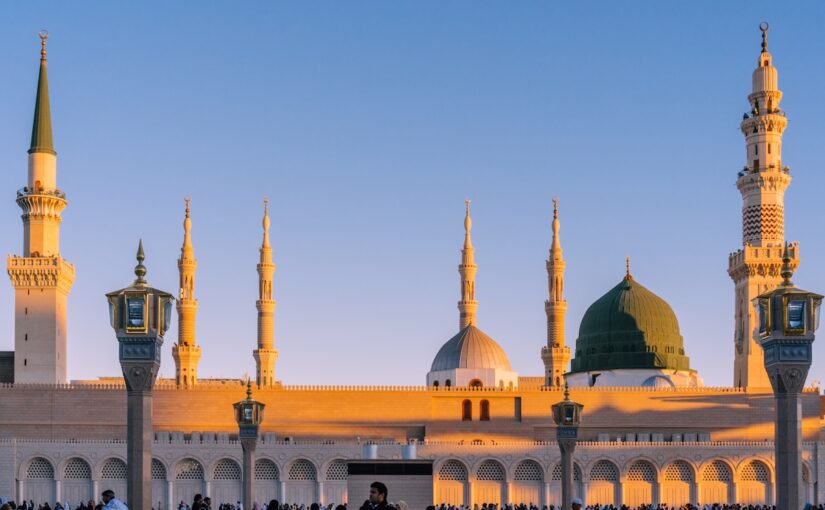
This naat captures the deep love and longing that Muslims feel for Madina. Every stanza paints a vivid picture of the Green Dome, the illuminated minarets, the golden grill (Sunehri Jaali), and the sacred earth that holds the graves of the Prophet (PBUH) and his noble companions. The naat expresses the heartfelt wish of every believer: to have Madina as their final resting place.

The Background of Sarkar Ka Madina Naat

While the exact origins of this naat are traced to traditional Islamic poetry praising Madina, it gained widespread fame through the soulful renditions by Owais Raza Qadri and other prominent naat khwans. The naat draws on centuries of Islamic poetic tradition that venerates Madina as a city of light, mercy, and spiritual refuge.

Madina holds a special place in every Muslim’s heart. It was the city that welcomed the Prophet (PBUH) during the Hijrah, became the first Islamic state, and houses his blessed resting place beneath the Green Dome. This naat beautifully articulates the universal yearning of Muslims to visit and dwell in this sacred city.

Sarkar Ka Madina — Urdu Lyrics (اردو اشعار)

Here are the complete Urdu lyrics of the naat Sarkar Ka Madina in proper Urdu script:

عشاق کا ہے پیارا سرکار کا مدینہ
ہر آنکھ کا ہے تارا سرکار کا مدینہ

دیکھی سنہری جالی، محراب ان کا منبر
جنت کا ہے نظارہ سرکار کا مدینہ

گنبد مینار ان کے کیا خوب لگ رہے ہیں
خلدِ بریں کا نقشہ سرکار کا مدینہ

جس کو یقین نہ آئے طیبہ وہ دیکھ آئے
جنت سے جیسے اترا سرکار کا مدینہ

دامن میں ہیں احد کے، تربت یہ کیا نرالی
مدفن میں ہے اس کے حمزہ سرکار کا مدینہ

واں حاجیوں کا جانا، یاں عاصیوں کا آنا
ہے کعبہ کا بھی کعبہ سرکار کا مدینہ

انوار ہیں برستے شام و سحر یہاں پر
ہیں کس قدر سہانا سرکار کا مدینہ

سرکار کی گلی میں گر موت آ گئی تو
بخشش کا ہے سہارا سرکار کا مدینہ

اے کاش موت ہم کو طیبہ نگر میں آئے
بنے آخری ٹھکانہ سرکار کا مدینہ

حسنین و فاطمہ کے، مولا علی کے صدقے
رہے یوں ہی آنا جانا سرکار کا مدینہ

رضوان کی دعا ہے، احمد کی التجا ہے
بنے آخری ٹھکانہ سرکار کا مدینہ

جاؤں مدینہ پھر سے یہ آرزو دلی ہے
احمد کا ہو ٹھکانہ سرکار کا مدینہ

Sarkar Ka Madina — English Translation (Stanza by Stanza)

Verse 1:
Ushaaq Ka Hai Pyara Sarkaar Ka Madina
Har Aankh Ka Hai Taara Sarkaar Ka Madina

Translation: Beloved to the lovers (of the Prophet) is the Madina of the Master
The star of every eye is the Madina of the Master

Verse 2:
Dekhi Sunehri Jaali, Mehraab Unka Mimbar
Jannat Ka Hai Nazaara Sarkaar Ka Madina

Translation: See the golden grill, the prayer niche, and the pulpit
It is a scene of Paradise — the Madina of the Master

Verse 3:
Gunbad Minaar Unke Kya Khoob Lag Rahe Hai
Khuld-e-Bari Ka Naqsha Sarkaar Ka Madina

Translation: How beautifully his dome and minarets appear
It is a blueprint of the Eternal Paradise — the Madina of the Master

Verse 4:
Jis Ko Yaqeen Na Aaye Taiba Woh Dekh Aaye
Jannat Se Jaise Utra Sarkaar Ka Madina

Translation: Whoever does not believe, let them come and see Taybah
As if Paradise itself has descended — the Madina of the Master

Verse 5:
Daaman Mein Hain Uhad Ke, Turbat Ye Kya Niraali
Madfan Mein Hai Iske Hamza Sarkaar Ka Madina

Translation: In its skirt lies Mount Uhud, what a unique burial ground
Hamza (the Prophet’s uncle) rests in its earth — the Madina of the Master

Verse 6:
Waan Hajiyon Ka Jaana, Yaan Aasiyon Ka Aana
Hai Kaabe Ka Bhi Kaaba Sarkaar Ka Madina

Translation: There the pilgrims go, here the sinners come
Even the Kaaba has its own Kaaba — the Madina of the Master

Verse 7:
Anwaar Hai Baraste Shaam-o-Sahar Yahan Par
Hain Kis Qadar Suhana Sarkaar Ka Madina

Translation: Lights are showering here, morning and evening
How delightful it is — the Madina of the Master

Verse 8:
Sarkaar Ki Gali Mein Gar Maut Aa Gayi To
Bakhshish Ka Hai Sahara Sarkaar Ka Madina

Translation: If death comes to me in the street of the Master
It is a support for forgiveness — the Madina of the Master

Verse 9:
Aye Kaash Maut Humko Taibe Nagar Mein Aaye
Bane Aakhri Thikana Sarkaar Ka Madina

Translation: O, I wish that death comes to me in the city of Taybah
May my final resting place be — the Madina of the Master

Verse 10:
Hasnain O Fatima Ke, Maula Ali Ke Sadqe
Rahe Yun Hi Aana Jaana Sarkaar Ka Madina

Translation: For the sake of Hasan, Hussain, Fatima, and Maula Ali
May I keep coming and going to — the Madina of the Master

Verse 11:
Rizwan Ki Dua Hai, Ahmad Ki Iltija Hai
Bane Aakhri Thikana Sarkaar Ka Madina

Translation: This is the prayer of Rizwan, this is the plea of Ahmad
May my final abode be — the Madina of the Master

Verse 12:
Jaau Madine Phir Se Ye Aarzoo Dili Hai
Ahmad Ka Ho Thikana Sarkaar Ka Madina

Translation: My heart’s deepest desire is to go to Madina once more
May Ahmad’s resting place be — the Madina of the Master

The Meaning and Spiritual Significance

The naat Sarkar Ka Madina is more than poetry — it is a heartfelt expression of a believer’s spiritual connection to the Prophet Muhammad (PBUH) and his city. Every verse reflects the deep-rooted love that Muslims across the world hold for Madina Munawwarah.

The opening verse establishes Madina as beloved to “the lovers” (ushaaq) — referring to those who love the Prophet (PBUH). This sets the tone for the entire naat, which is an outpouring of love and devotion. The “golden grill” (Sunehri Jaali) mentioned in the second verse refers to the beautiful golden lattice that surrounds the Rawdah — the sacred area between the Prophet’s pulpit and his house, described by the Prophet himself as “a garden from the gardens of Paradise.”

The mention of Mount Uhud and Hazrat Hamza (RA) connects the beauty of Madina with the sacrifices made by early Muslims. Hazrat Hamza, the beloved uncle of the Prophet (PBUH), was martyred in the Battle of Uhud and is buried there. This adds a layer of historical and emotional depth to the naat.

One of the most powerful themes in this naat is the desire to die in Madina. The poet prays repeatedly for Madina to be the final resting place — a sentiment shared by countless Muslims. According to Islamic tradition, there is a special mercy for those who are buried in the sacred soil of Madina.

The verse that calls Madina “the Kaaba of the Kaaba” (Hai Kaabe Ka Bhi Kaaba) is particularly profound. While Makkah is the physical direction of prayer (Qibla), Madina holds the spiritual heart of Islam — the resting place of the Prophet (PBUH). This highlights the unique status of Madina in Islamic spirituality.

Why Sarkar Ka Madina is So Popular

Sarkar Ka Madina resonates deeply with Muslims because it captures the universal love for the Prophet (PBUH) and his city in simple yet profound words. The naat does not use complex Arabic phrases — it speaks directly to the heart in Urdu, making it accessible to millions of Urdu-speaking Muslims around the world.

The refrain “Sarkaar Ka Madina” repeated throughout the naat creates a hypnotic, meditative rhythm that allows listeners to immerse themselves in the spiritual atmosphere of Madina. It has been recited by numerous naat khwans including Owais Raza Qadri, and each rendition brings out the deep emotional connection to the blessed city.

May Allah grant us all the opportunity to visit Madina Munawwarah and may He make the sacred city of the Prophet (PBUH) our final resting place. Ameen.

Jalali Jalali (جلالی جلالی) — Shah-e-Madina Naat Lyrics in Urdu, English Translation and Meaning

“Jalali Jalali” is a beautiful and powerful naat in praise of Prophet Muhammad (peace be upon him), often referred to as Shah-e-Madina (The King of Madina). This naat is widely recited across the Muslim world, particularly in South Asia, and is cherished for its emotional depth and spiritual resonance. The lyrics express deep love and devotion for the Prophet, acknowledging his majesty and seeking his intercession.

About the Naat

“Jalali Jalali” is a naat that highlights the grandeur and majesty of Prophet Muhammad (PBUH). The word “Jalali” comes from “Jalal” which means majesty, glory, and grandeur. The naat describes the Prophet as the king of both worlds, the leader of all prophets, and the most beloved creation of Allah. It is often recited during Milad gatherings, Urs celebrations, and other religious events.

The naat is particularly popular in Pakistan, India, and Bangladesh, and has been recited by many renowned naat khwans over the years. Its simple yet profound lyrics make it accessible to people of all ages and backgrounds.

Jalali Jalali — Urdu Lyrics

جلالی جلالی ہے شاہ مدینہ

جلالی جلالی ہے شاہ مدینہ
غلام اس کا ہر نبیؑ کا امینہ

وہ نور مجسم وہ رحمت کا دریا
وہ آقا وہ مولیٰ وہ رحمت للعالمینہ

غلامی میں اس کی ہے عزت دوعالم
یہی ہے حقیقت یہی ہے یقینہ

کرم کی نظر ہو محمدؐ کی مجھ پر
سہارا نہیں ہے کوئی غیر کا مجھ کو

سوائے محمدؐ کے کون ہے میرا
مدینے کا والی ہے شاہ مدینہ

Jalali Jalali — English Translation

Majestic, Majestic is the King of Madina

Majestic, majestic is the King of Madina
Every prophet is his humble servant, he is the trustworthy one

He is the embodiment of light, he is the ocean of mercy
He is the master, he is the lord, he is mercy for all the worlds

In his servitude lies the honour of both worlds
This is the truth, this is what we believe

May Muhammad (PBUH) cast a gracious glance upon me
I have no support other than him

Other than Muhammad (PBUH), who is there for me?
The guardian of Madina is the King of Madina

Meaning and Background

The naat “Jalali Jalali” beautifully captures the essence of love and devotion for the Prophet Muhammad (PBUH). Let us explore the deeper meaning of each verse:

“Majestic, majestic is the King of Madina”: The opening line sets the tone of the entire naat. It declares the majesty and glory of the Prophet, referring to him as the King of Madina. This is not a worldly kingship but a spiritual sovereignty over the hearts of believers.

“Every prophet is his humble servant, he is the trustworthy one”: This verse references the Islamic belief that Prophet Muhammad (PBUH) is the leader of all prophets (Imam-ul-Anbiya) and the most beloved of Allah. The word “Ameen” (trustworthy) highlights his character, which is described in the Quran as being of “exalted character” (Quran 68:4).

“He is the embodiment of light, he is the ocean of mercy”: The Prophet is described as “Noor-e-Mujassam” or embodied light. This refers to the hadith that the Prophet was created from the light of Allah. He is also called the “ocean of mercy” because his message and character are a source of mercy for all of creation, as Allah says in the Quran: “And We have not sent you but as a mercy for the worlds” (Quran 21:107).

“In his servitude lies the honour of both worlds”: This verse teaches that true honour and success in this life and the next come from following and loving the Prophet. To be his follower is the highest status a believer can achieve.

“May Muhammad cast a gracious glance upon me”: This is a heartfelt supplication from the poet, asking for the Prophet’s attention and intercession.

“Other than Muhammad, who is there for me?”: This verse expresses complete reliance on the Prophet. In Islamic spirituality, the Prophet is the ultimate intercessor and guide.

“The guardian of Madina is the King of Madina”: The naat concludes by reaffirming the Prophet’s role as the protector and guardian of Madina, the city he built and where he is buried.

When to Recite This Naat

“Jalali Jalali” is typically recited on the following occasions:

  • Milad-un-Nabi (Eid Milad): Celebrations of the Prophet’s birthday.
  • Urs of Awliya: Gatherings marking the death anniversaries of Sufi saints.
  • Weekly Mehfil-e-Naat: Regular naat gatherings held in homes and mosques.
  • Friday Gatherings: Many people recite or listen to this naat on Fridays.
  • Personal Worship: Many Muslims recite this naat daily as part of their spiritual practice.

The Spiritual Impact of Jalali Jalali

This naat has a profound spiritual impact on those who recite or listen to it with sincerity. The rhythmic repetition of “Jalali Jalali” creates a meditative state that helps believers connect with their love for the Prophet. The naat reminds us of the Prophet’s exalted status and his boundless mercy, inspiring us to improve our own character and draw closer to Allah through love of His Messenger.

For those interested in exploring more naats, we recommend reading Tajdar-e-Haram, Ya Nabi Salam Alaika, and Sallu Alal Mustafa.

Beshak Beshak (بیشک بیشک) – Full Naat Lyrics in Urdu, English Translation and Meaning

Introduction

“Beshak Beshak” (بیشک بیشک) is one of the most beloved Urdu naats popularised by the legendary Junaid Jamshed (R.A.). The title translates to “Indeed, Indeed” or “Without Doubt, Without Doubt” in English. This soul-stirring naat is a heartfelt declaration of faith in the supreme greatness of Prophet Muhammad (peace be upon him). Junaid Jamshed, formerly a famous pop singer who later dedicated his life to Islamic devotion, recited this naat with such passion and sincerity that it continues to touch the hearts of millions around the world.

The naat beautifully expresses unwavering belief in the Prophet’s lofty status, his intercession, and his unparalleled position in creation. Every verse reinforces the message of complete submission and love for the final Messenger of Allah.

Beshak Beshak Naat Lyrics in Urdu (بیشک بیشک نعت کے اردو اشعار)

بیشک بیشک بیشک بیشک
محمد مصطفیٰ ﷺ پر لاکھوں سلام

بیشک بیشک بیشک بیشک
محمد مصطفیٰ ﷺ پر لاکھوں درود

ہر شے پہ غالب ہے ان کا وجود
نور خدا ہے ان کا ظہور

جو بھی انہیں دے ، اللہ کا نور
ہر دل میں بسے ان کا سرور

آقا ہیں دو عالم کے وہ سردار
شافع ہیں وہ روزِ نشور

اللہ نے رکھی ان کی قسم
قرآن میں جس کا ہے ظہور

جو بھی پکارے ان کا نام
پاتا ہے وہ رب کا کرم

دل سے جو ان پر درود پڑھے
اللہ اسے بخشے قصور

اے کاش مدینے کی گلیوں میں

آ کر مرے اشک ہوں نثار

بیشک بیشک بیشک بیشک
محمد مصطفیٰ ﷺ پر لاکھوں سلام

بیشک بیشک بیشک بیشک
محمد مصطفیٰ ﷺ پر لاکھوں درود

English Translation of Beshak Beshak

Verse 1:
Indeed, indeed, indeed, indeed
Millions of salutations upon Muhammad Mustafa (peace be upon him)

Verse 2:
Indeed, indeed, indeed, indeed
Millions of blessings upon Muhammad Mustafa (peace be upon him)

Verse 3:
His existence prevails over everything
His manifestation is the light of God

Verse 4:
Whoever gives to them, it is the light of Allah
In every heart resides their serenity

Verse 5:
He is the master and leader of both worlds
He is the intercessor on the Day of Resurrection

Verse 6:
Allah has sworn by him
Whose appearance is mentioned in the Quran

Verse 7:
Whoever calls upon his name
Receives the grace of the Lord

Verse 8:
Whoever recites blessings upon him from the heart
Allah forgives their shortcomings

Verse 9:
Oh, would that in the streets of Madina
My tears could be scattered as offerings

Verse 10 (Chorus):
Indeed, indeed, indeed, indeed
Millions of salutations upon Muhammad Mustafa (peace be upon him)

Meaning and Spiritual Significance

“Beshak Beshak” is more than just a naat; it is a spiritual affirmation of faith. The repeated word “Beshak” (بیشک) means “without any doubt” or “indeed,” serving as a powerful declaration of certainty in the Prophet’s exalted status. Each verse reinforces different aspects of the Prophet Muhammad’s (PBUH) greatness and the believer’s love for him.

The naat emphasises several key themes:

Unwavering Faith: The refrain “Beshak” removes all traces of doubt from the heart, affirming that the Prophet (PBUH) is indeed the greatest of creation, the beloved of Allah, and the seal of all prophets.

Intercession (Shafa’at): The lyrics highlight the Prophet’s role as the intercessor on the Day of Judgment, a core belief that brings comfort to every believer. The hope of being among those who receive his intercession is a recurring spiritual theme.

Love for Madina: The longing for Madina, the city of the Prophet, expressed in the closing verses reflects the deep emotional connection every believer feels towards the blessed city and the sacred Rawdah.

Salawat and Blessings: The naat encourages the recitation of durood (blessings) upon the Prophet, which is not only a form of worship but also a means of attaining Allah’s forgiveness and mercy.

Junaid Jamshed’s rendition of this naat carries an emotional weight that resonates deeply. His journey from a pop icon to a devoted Islamic preacher adds profound sincerity to every word he recites. The naat has become a staple in mehfil-e-naat gatherings, Ramadan specials, and personal devotional playlists worldwide.

Audio and Video

You can listen to Junaid Jamshed’s powerful recitation of “Beshak Beshak” on YouTube and various Islamic audio platforms. The naat is available in studio-recorded versions as well as live mehfil recordings. For the best experience, listen with headphones and follow along with the Urdu lyrics above to fully absorb the spiritual depth of this beautiful naat.

Please note: We do not host audio or video files directly. Search “Beshak Beshak Junaid Jamshed” on your preferred Islamic audio platform or YouTube to listen to the full naat.